What to Wear to Tết in Ho Chi Minh City
Mùng 1 Tết: Saturday, February 6, 2027 · Ho Chi Minh City (Nguyễn Huệ Flower Street, pagodas and family homes)
NOAA NCEI's record for Tân Sơn Nhất airport, February averages; the driest air of the year. Daylight is for 6 February.
Tết in Ho Chi Minh City 2027: New Year's Day 6 February, 33°C / 91°F and dry, and a flower street on Nguyễn Huệ.
- Mai-blossom yellow or red — the southern Tết colours
- An áo dài in silk — the custom VNAT describes for visits and pagodas
- A wide straw hat — 33°C sun on the flower street
- Flat sandals you can slip off — pagodas and homes
- Sunglasses — the least humid, clearest month
- Dark, heavy fabrics at 33°C
- Shorts or bare shoulders at a pagoda
- All black or all white on the first day
- Rain gear — about one wet day in the month
Packing philosophy
Pack for heat and colour. Mùng 1 Tết falls on Saturday 6 February 2027, and the Ministry of Home Affairs has proposed a public-sector holiday from Thursday 4 to Wednesday 10 February. NOAA NCEI's Tân Sơn Nhất record gives February 33°C / 91°F by day and 23°C / 73°F at night, with about 9mm of rain on a single day and the lowest humidity of the year, so silk stays dry. The south decorates with yellow mai blossoms, and in 2026 Nguyễn Huệ's flower street opened on the 28th of the last lunar month and ran into the sixth day. The Vietnam National Authority of Tourism describes áo dài worn at Tết for visits and pagodas. So pack a yellow silk áo dài with white trousers, a white linen shirt, flat sandals and a straw hat.
Saigon's Tết is yellow: mai blossoms on every balcony, a flower street down Nguyễn Huệ, and áo dài the colour of both. Dress for 33°C and bright sun.
What the dress code actually is
The Vietnam National Authority of Tourism describes the Tết custom: women wear the áo dài to visit family and pay respects at temples and pagodas, and on the first morning people in áo dài visit pagodas. In the south, yellow for the mai blossom and red for luck are the festive colours; black and white read as mourning on the first days. A visitor in an áo dài is welcome; have it made by a tailor or buy one from a shop that makes them rather than a costume version, and wear its trousers. Children receive lucky money in red envelopes, and the first days belong to close family, so wait to be invited. At a pagoda, cover shoulders and knees, take off your hat, and leave shoes at the step. On Nguyễn Huệ, expect crowds after dark and on the first weekend.
The capsule
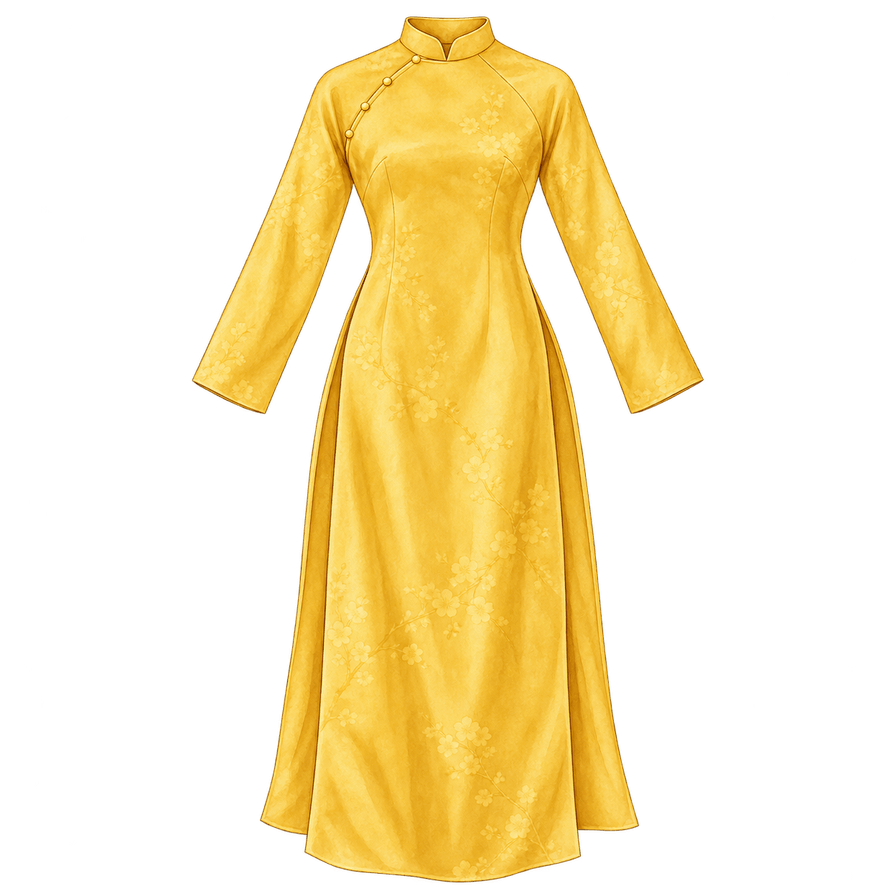 01Mai-blossom yellow silk áo dài tunic
Yellow is the south's Tết colour, the colour of the mai blossom, and the áo dài is what Saigon wears to the first visits and to the pagoda. Lụa silk stays cool in 33°C / 91°F sun and dry in the least humid air of the year. The long panels cover what a pagoda asks you to cover.
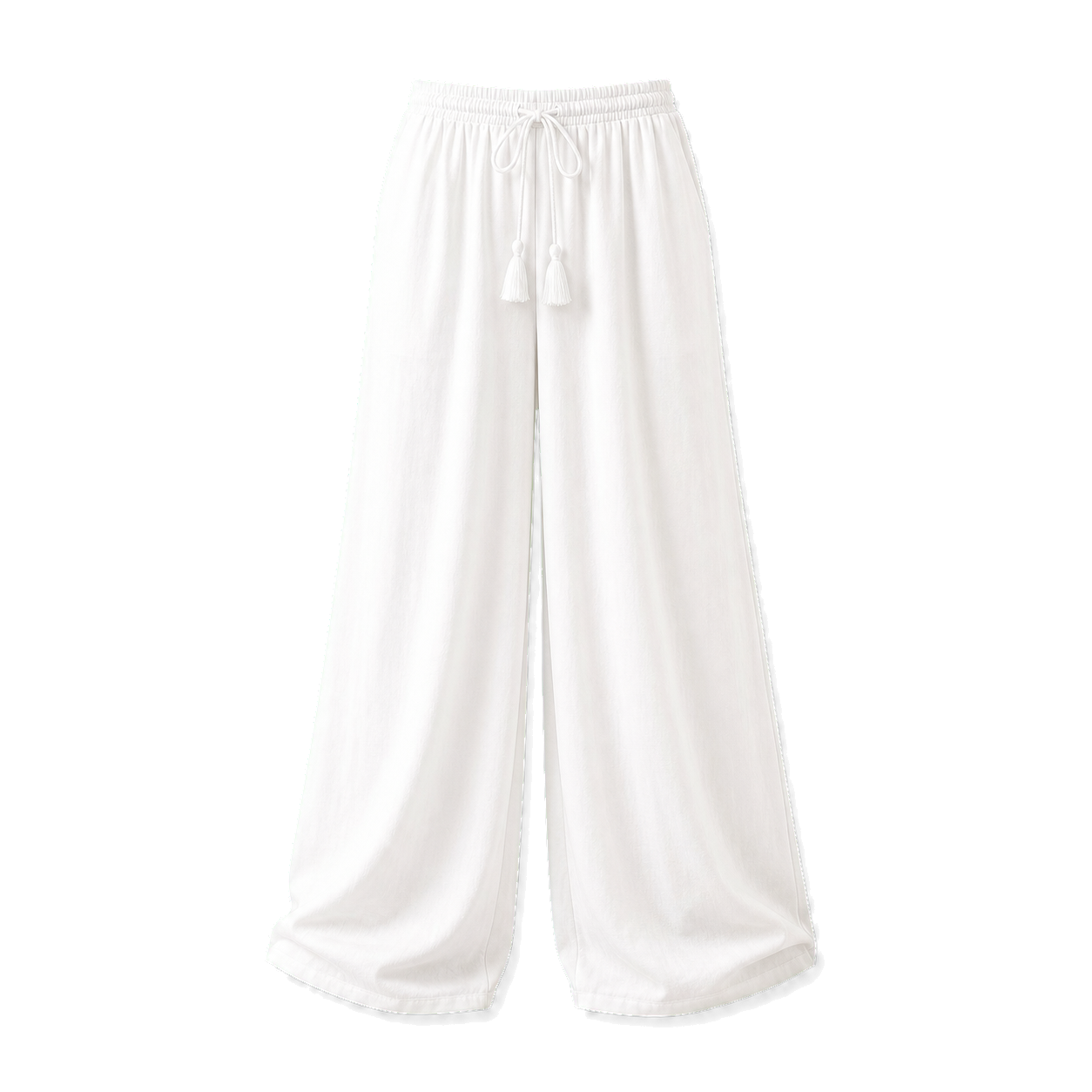 02White fluid wide-leg drawstring trousers
The áo dài is worn over wide trousers, and white is the classic partner in the south. Fluid cotton moves under the side slits and lets air through on the flower street.
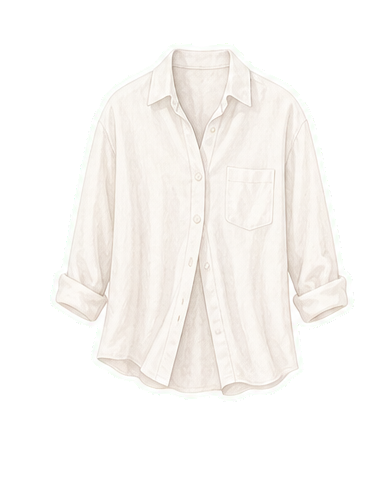 03White oversized linen button-down
For a man on a family visit, or for anyone on the days after the áo dài is put away. Long linen sleeves cover the arms at a pagoda and shade them on Nguyễn Huệ at 33°C.
 04Tan strappy flat leather sandals with ankle strap
A week on foot between homes, pagodas and the flower street. Flat leather sandals stay cool, and an ankle buckle keeps them on in a crowd while still coming off at the pagoda step.
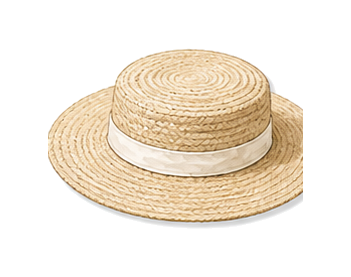 05Natural straw boater with a wide brim
The flower street is an afternoon in full sun at 33°C / 91°F. A wide flat brim shades your face and neck, and straw breathes. Take it off inside a pagoda.
 06Gold wire aviators with amber gradient lenses
February is Saigon's clearest month, and the glare off white trousers and the river is strong. Gold frames go with a yellow áo dài.
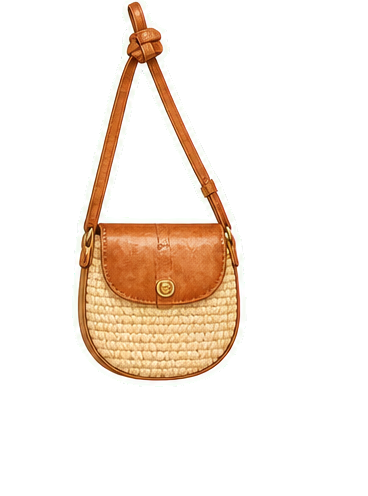 07Small raffia saddle crossbody with tan leather flap
Red envelopes, a phone and cash for the flower stalls. A small crossbody sits flat over an áo dài, and raffia is the right weight in the heat.
Day to night
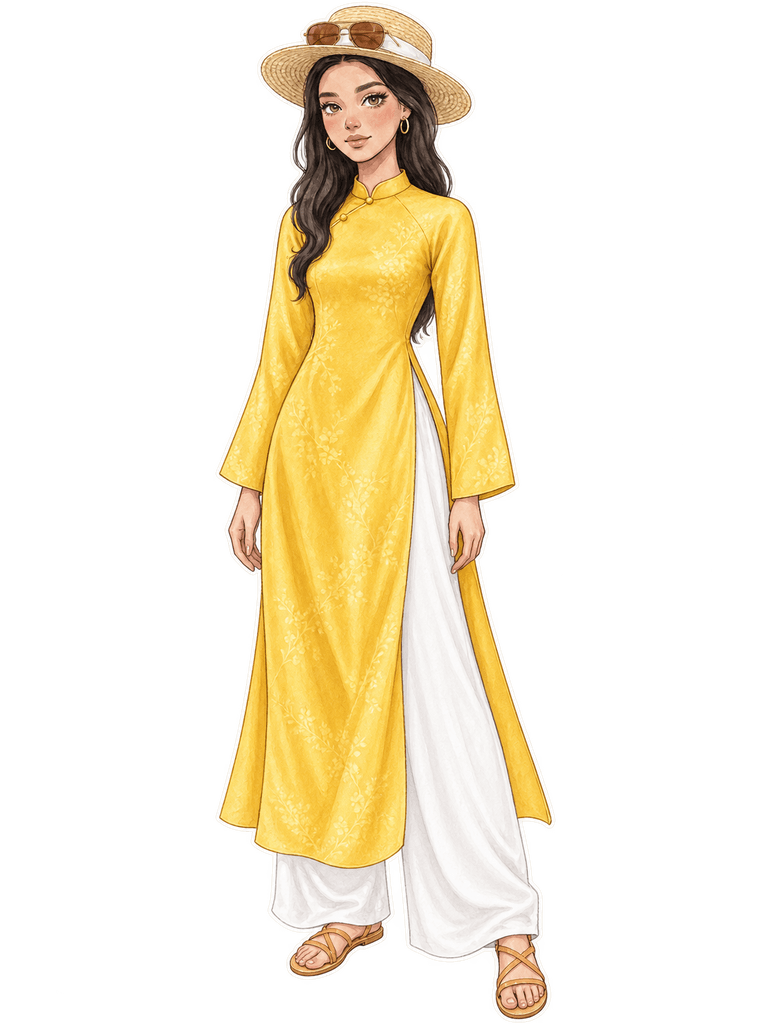
Yellow silk áo dài · white trousers · tan sandals · straw boater. First-day visits to family and a pagoda before the midday heat.
Same áo dài, hat off, sunglasses up. Nguyễn Huệ Flower Street after sunset at about 23°C / 73°F.
A suggested look — mai-yellow silk áo dài, white wide-leg trousers, tan leather sandals, straw boater with gold aviator sunglasses.
What to avoid
- Dark, heavy fabrics at 33°C
- Shorts or bare shoulders at a pagoda
- All black or all white on the first days
- Rain gear in the driest month
- Lace-ups at a week of doorsteps
Frequently asked questions
Light, bright clothes: a yellow or red áo dài with white trousers, or a linen shirt, with flat sandals and a straw hat. NOAA NCEI's Tân Sơn Nhất record gives February 33°C / 91°F by day and 23°C / 73°F at night, with almost no rain.
Southern Vietnam decorates for Tết with the yellow mai blossom, much as the north uses pink peach blossom, and yellow and red are the festive colours. An áo dài in either reads as dressed for the New Year.
The 2027 dates are not announced yet. In 2026 it opened on the evening of the 28th day of the last lunar month and ran to the sixth day of the New Year, with day and night versions for the first time.
Yes, and dry. NOAA NCEI's record for Tân Sơn Nhất gives February an average high of 33°C / 91°F and a low of 23°C / 73°F, with about 9mm of rain on one day and the lowest humidity of the year. Daylight is about 11 hours 43 minutes on 6 February.
Sources
- Báo Chính phủ — Tết Nguyên đán 2027: seven-day public-sector holiday proposed, 4–10 February — accessed 2026-09-29
- Vietnam National Authority of Tourism — The áo dài — accessed 2026-09-29
- Vietnam National Authority of Tourism — Tết, the Vietnamese Lunar New Year — accessed 2026-09-29
- Government policy portal — Hanoi's 33 Tết fireworks sites, 2026 edition — accessed 2026-09-29
- Báo Chính phủ — Nguyễn Huệ Flower Street opens for Tết 2026 — accessed 2026-09-29
- NOAA National Centers for Environmental Information — Climate Data Online — accessed 2026-04-23