Tokyo Architect Style Guide
Yohji Yamamoto + Rei Kawakubo
Volume, asymmetry, and the colour black — the Japanese avant-garde, wearable.
Tokyo Architect is Yohji Yamamoto and Rei Kawakubo's F/W 1981 Paris debut and the decades since.
- An oversized asymmetric black coat — dropped shoulder, raw hem
- A draped wool trouser with extra fabric at the hip
- A fine merino turtleneck — Yohji-weight, sits flat
- A square-toe black leather flat shoe
- An oversized raw-hem men's white shirt
- Colour — the palette is five black-to-white stops, no more
- Hardware — buckles and logos break the reading
- Fitted tailoring — volume is the entire move
- Heels above 30mm — the silhouette walks in flat
What is Tokyo Architect style?
Tokyo Architect names the silhouette Yohji Yamamoto and Rei Kawakubo introduced to Paris in F/W 1981. The two debuted in the same week — Yamamoto under his own name, Kawakubo under Comme des Garçons — in a show Western critics infamously labelled 'Hiroshima chic,' a phrase the Met Costume Institute later cited as marking the moment the Japanese avant-garde entered Western fashion. The grammar: oversized volume, asymmetric construction, the colour black, raw edges, dropped shoulders, deliberate distress, the rejection of the body-conscious 80s silhouette. Kawakubo's S/S 1997 collection ('Body Meets Dress, Dress Meets Body' — known to wearers as 'lumps and bumps') pushed the rejection furthest by literally padding the silhouette out of human shape. Cathy Horyn has written extensively about Kawakubo across her tenure at the New York Times; the Met Costume Institute's 2017 retrospective Comme des Garçons: Art of the In-Between made Kawakubo only the second living designer ever featured by the Met after Yves Saint Laurent in 1983. The contemporary maintainers are Junya Watanabe (Kawakubo's protégé), Sacai, Issey Miyake's Pleats Please line, and Loewe under Jonathan Anderson when he leans architectural. The archetype is wearable when reduced: one oversized black coat, one draped wool trouser, one fine black turtleneck, one square-toe leather shoe, one heavy raw-hem white shirt.
Tokyo Architect is a 45-year project. The F/W 1981 Paris debut produced a category that did not previously exist in Western fashion: clothing that did not flatter the body, did not narrate sex, did not conform to the season's trend cycle. The Met Costume Institute's 2017 retrospective Comme des Garçons: Art of the In-Between made Kawakubo only the second living designer ever featured at the Met after Yves Saint Laurent in 1983. Cathy Horyn at the New York Times and Suzy Menkes at the International Herald Tribune both covered Kawakubo's body-reshaping S/S 1997 collection at the time, and have continued to credit Comme des Garçons as one of the most consistently radical bodies of work in modern fashion. The archetype's wearable form is the reduction Yamamoto himself sells through his Y's diffusion line: one volume, one drape, one fine knit, one shoe, one shirt, all in five black-to-white stops. Junya Watanabe continues the line as Kawakubo's longtime protégé; Sacai's Chitose Abe overlaps with it; Loewe under Jonathan Anderson borrows from it.
Tokyo Architect refuses two things the 2020s celebrated: visible branding and visible effort. The silhouette walks straight from collar to hem.
Signature palette
The capsule
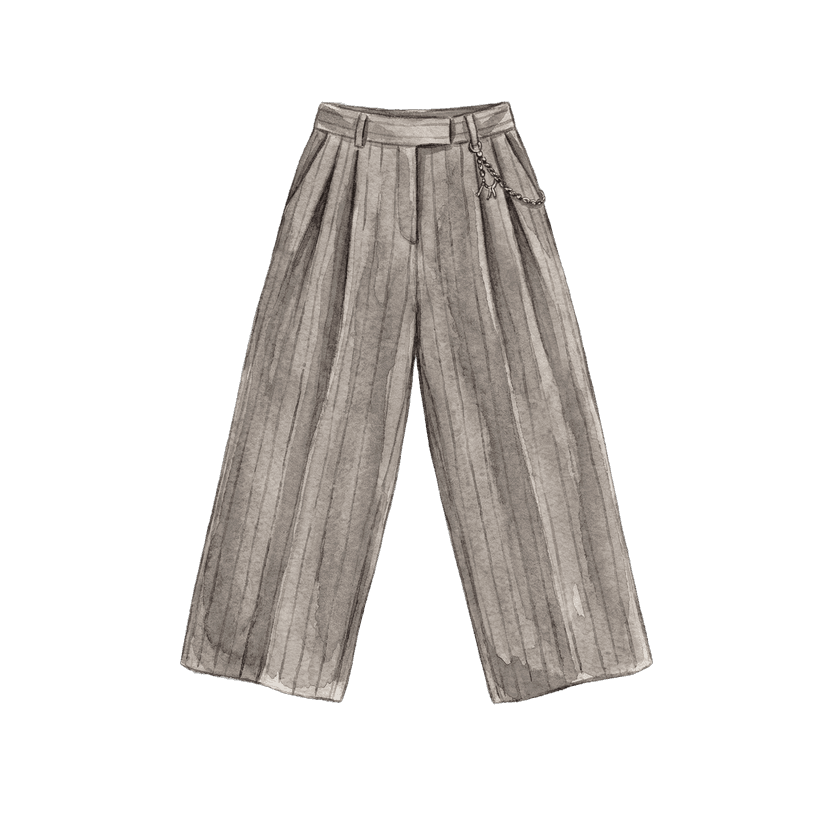 01Draped wool trouser with extra fabric at the hip
Yamamoto's standard cut since the 80s. Heavy wool, pleated, with the hip volume Western tailoring routinely takes out. Issey Miyake's Pleats Please trousers read as a wearable echo of the same idea. Skip narrow legs and skip raw hems; the trouser ends at the ankle, clean.
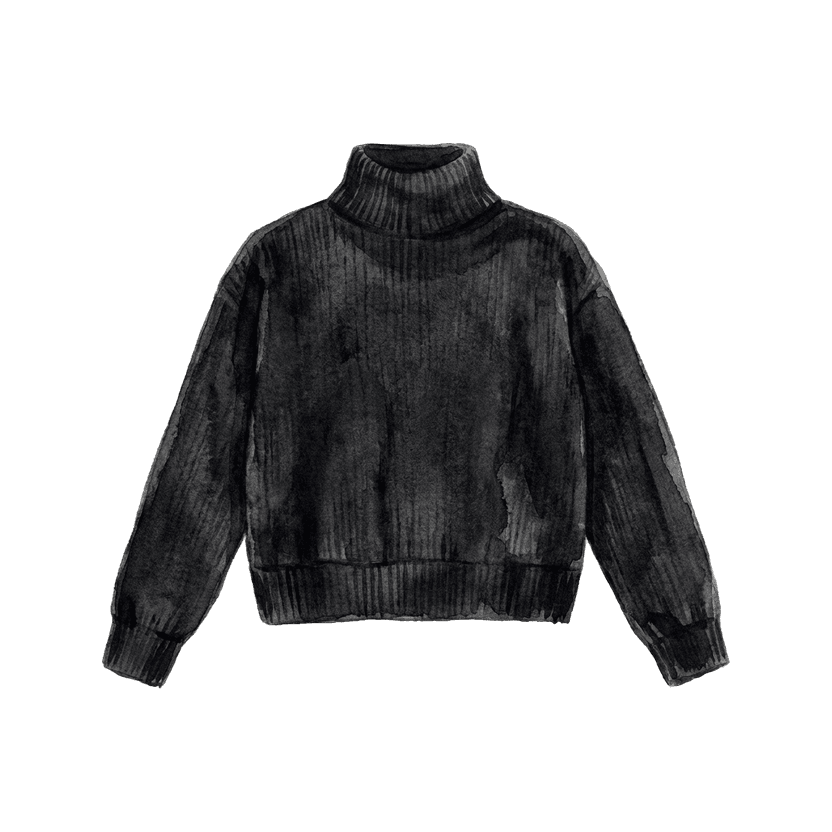 02Fine merino turtleneck — Yohji-weight
Sits flat under the coat, no ribbing at the cuff or hem. Black, in the same dye as the coat. The piece does the silhouette's invisible work — it disappears so the volume of the coat reads cleanly. Y's by Yohji Yamamoto and Comme des Garçons' diffusion knits both deliver this exact weight.
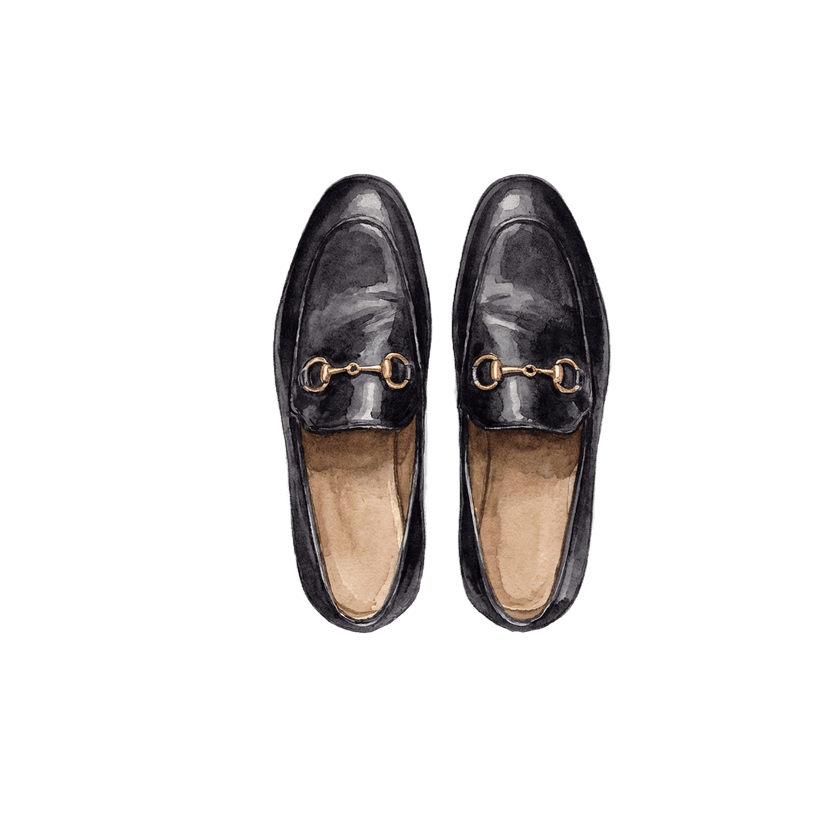 03Square-toe black leather shoe
The reference is Martin Margiela's Tabi (F/W 1988, made in collaboration with Yamamoto), but a clean square-toe Mary Jane or a flat-soled lace-up in heavy black leather is the wearable version. Skip pointed toes and skip any heel above 30mm — the archetype walks in low.
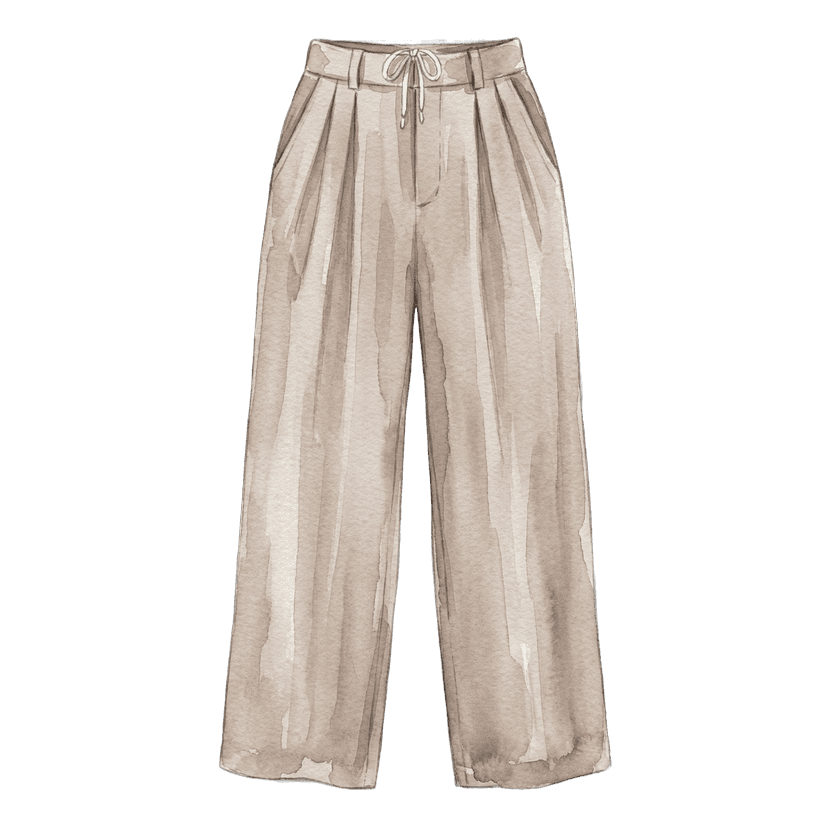 04Wide-leg taupe wool trouser as the contrast tone
When the all-black reading needs a break, the trouser swaps to taupe or stone — the palette's lightest stop. Yamamoto's spring collections use this exact swap. The taupe lets the coat's black read sharper rather than melting into a single tone.
- Oversized asymmetric black coat with dropped shoulder — Yamamoto's F/W 1996 men's coat reads in every retrospective; Comme des Garçons' women's coats from S/S 1983 onward are the source. The dropped shoulder is the move — the coat sits at 1.5x the wearer's normal shoulder width. Skip anything with a fitted seam at the waist; the silhouette walks straight from collar to hem.
- Oversized raw-hem men's white shirt — Heavy cotton, dropped shoulder, raw hem at the bottom (or a deliberate uneven cut — Yamamoto's signature). Worn untucked under the coat or alone with the trouser. Comme des Garçons Shirt produces this exact piece every season.
- Heavy charcoal wool turtleneck — The thicker alternate to the fine merino. Heavier yarn, slightly slouchy at the neck. Worn over the trouser with the coat removed indoors. Margiela's 'Replica' line produced the reference; Acne Studios sells the current heavy-knit version.
What to avoid
- Colour — the palette is five black-to-white stops
- Hardware — buckles and logos break the reading
- Fitted tailoring — volume is the entire move
- Heels above 30mm — the silhouette walks in flat
- Summer-weight fabric — Yamamoto uses heavy weights even in S/S
Frequently asked questions
Tokyo Architect is the silhouette Yohji Yamamoto and Rei Kawakubo introduced to Paris in F/W 1981 — Comme des Garçons, oversized volume, asymmetric construction, the colour black. The Met Costume Institute's 2017 retrospective Comme des Garçons: Art of the In-Between made Kawakubo only the second living designer ever featured by the Met after Yves Saint Laurent in 1983.
Yamamoto and Kawakubo debuted in Paris in the same week with two collections Western critics labelled 'Hiroshima chic' — a phrase the designers rejected but that the Met Costume Institute later cited as the moment the Japanese avant-garde entered Western fashion. The show produced a category that didn't previously exist: clothing that did not flatter the body and refused the season's trend cycle.
Yes, when reduced. A single Yamamoto-cut coat over a fine merino turtleneck and a draped trouser reads as architectural in any room. The archetype only breaks at the highest-formality registers (black-tie, formal weddings) — for everything from a creative office to a museum opening to a winter dinner, the reduction works. Skip the most-radical Kawakubo pieces (the lumps-and-bumps F/W 1996 collection) unless the context is fashion-industry-specific.
Yohji Yamamoto's own mainline and the Y's diffusion line, Comme des Garçons mainline and the Shirt line, Junya Watanabe (Kawakubo's longtime protégé), Sacai, Issey Miyake's Pleats Please, Margiela mainline, and Loewe under Jonathan Anderson when he leans architectural. Acne Studios and The Row both deliver wearable approximations at lower friction.
Functionally no. The palette is five black-to-white stops, and saturated colour reads as costume on this silhouette. Yamamoto himself uses red sparingly across decades of collections, but for wearers building the archetype, the safest entry is to hold the palette at all-black for the first year and add the taupe-stone contrast only after the silhouette reads correctly.