Old Money Outfits for Fall
Understated, inherited, and never in a rush.
Fall is old money's strongest season — deeper palette, heavier fabrics, sharper silhouettes.
- A cashmere crew-neck sweater (Loro Piana-tier ideal) in charcoal, burgundy, or navy
- A wool blazer in navy or charcoal with natural shoulders
- Tailored wool trousers with a centre crease and full break
- An Oxford shirt in white or blue as the permanent base layer
- Leather Chelsea or riding boots — no buckles, no platforms
- A wool overcoat in camel or charcoal (Max Mara's 101801 is the benchmark)
- Puffer jackets, distressed denim, chunky sneakers
- 'Dark academia' costuming — old money isn't meant to look intentional that way
- Branded belt buckles or visible hardware
What is Old Money style?
Old money is the aesthetic of inherited wealth dressing itself down — not the wealth itself. The visual shorthand was made famous by the Kennedy family in mid-century America, Princess Diana in her off-duty Sloane years, and Ralph Lauren's entire brand mythology, which invented the look of American generational wealth almost single-handedly in the 1970s. The TikTok-era resurgence arrived in 2022–2023, accelerated by Sofia Richie's April 2023 Grimaldi Forum wedding to Elliot Grainge — a week of Chanel and Dior that read quieter than most celebrity weddings combined. The defining code: tailored lines, muted tones, material that speaks without logos (cashmere from Loro Piana, hand-finished loafers, pearls that aren't costume), and the absence of anything that reads as trying. Old money shares DNA with quiet luxury and preppy but diverges from both — more tailored than coastal grandmother, more crest-and-club than Succession-era quiet luxury minimalism. By 2026, Vogue and the Business of Fashion describe the current iteration as 'Quiet Luxury 2.0': the aesthetic as emotional utility rather than stealth-wealth signaling, with fabric science and fit doing the work that brand names used to.
Fall is old money's best season. The layers, the textures, the coats: everything that defines the aesthetic gets stronger as 7-15°C / 45-59°F weather sets in. Cashmere replaces cotton, a blazer becomes necessary rather than affectation, and the color palette deepens to burgundy, charcoal, forest green, chocolate, navy. The silhouette sharpens: trousers with a crease, coats that hit below the knee, boots that have been resoled. The 2026 version continues to favor what Business of Fashion and Vogue both call 'material science' — Loro Piana's cashmere, The Row's wool, Brunello Cucinelli's knits. The overall look still reads decades old. Nothing is loud, nothing is new, and the overall impression is of someone dressed by the same tailor their parents used.
The overall impression is of someone dressed by the same tailor their parents used.
Signature palette
Key pieces
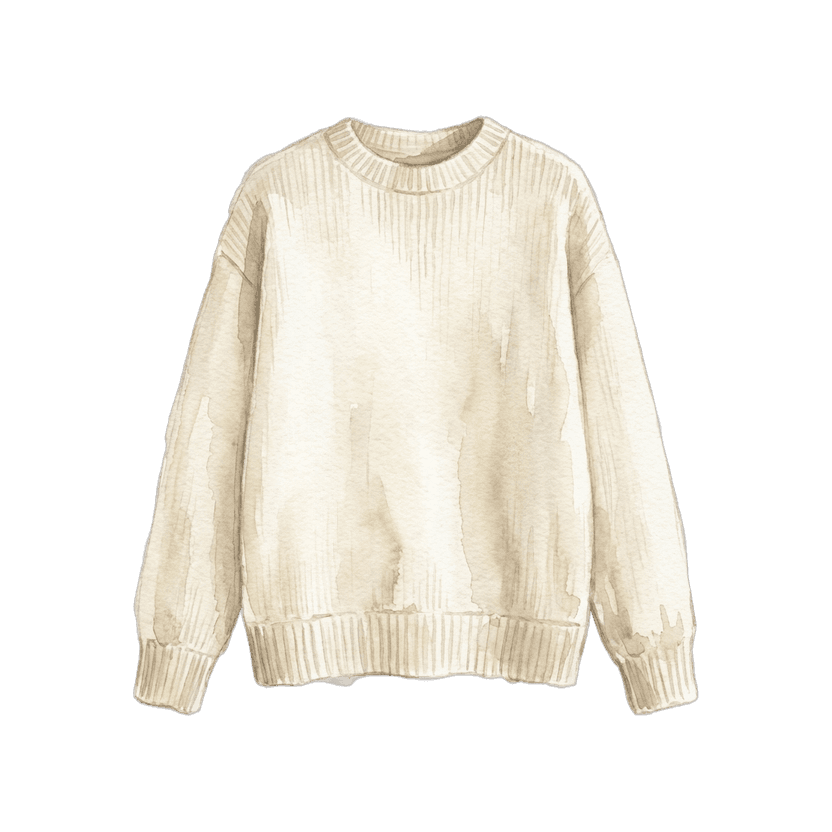 01Cashmere crew-neck sweater (Loro Piana-tier)
The fall essential. Charcoal, burgundy, or navy. Worn alone over trousers, layered under a blazer, or with jeans and loafers on the weekend. Loro Piana or Brunello Cucinelli aspirational; Uniqlo C cashmere blend accessible.
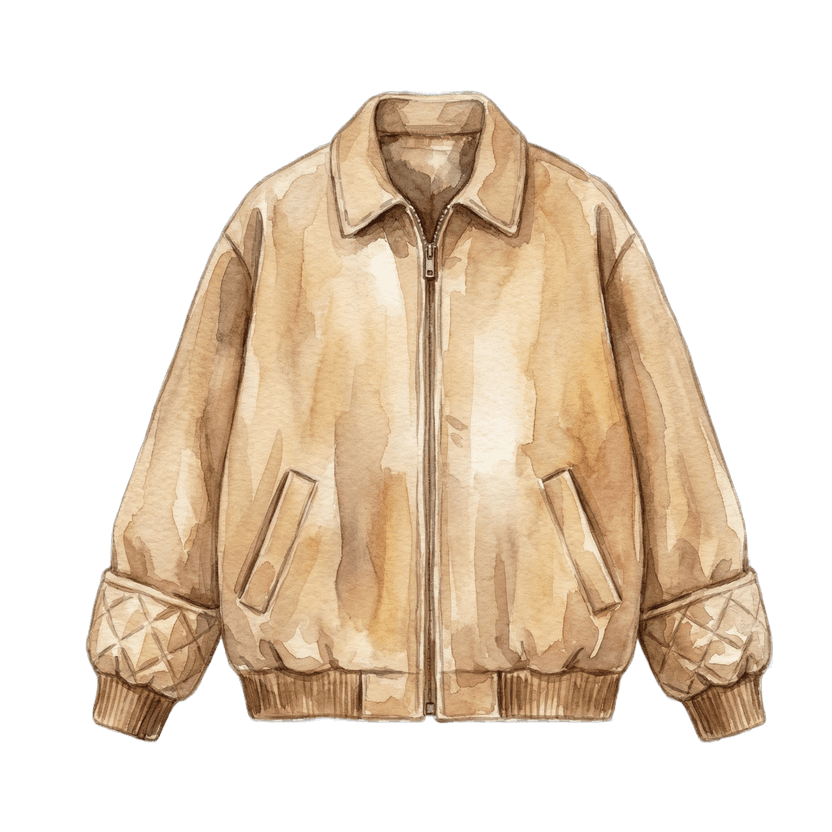 02Wool blazer in navy or charcoal
Structured but not stiff. Patch pockets, natural shoulders, fabric with some give. The Row, Brunello Cucinelli, or a quality heritage blazer. Should look like you've had it since college.
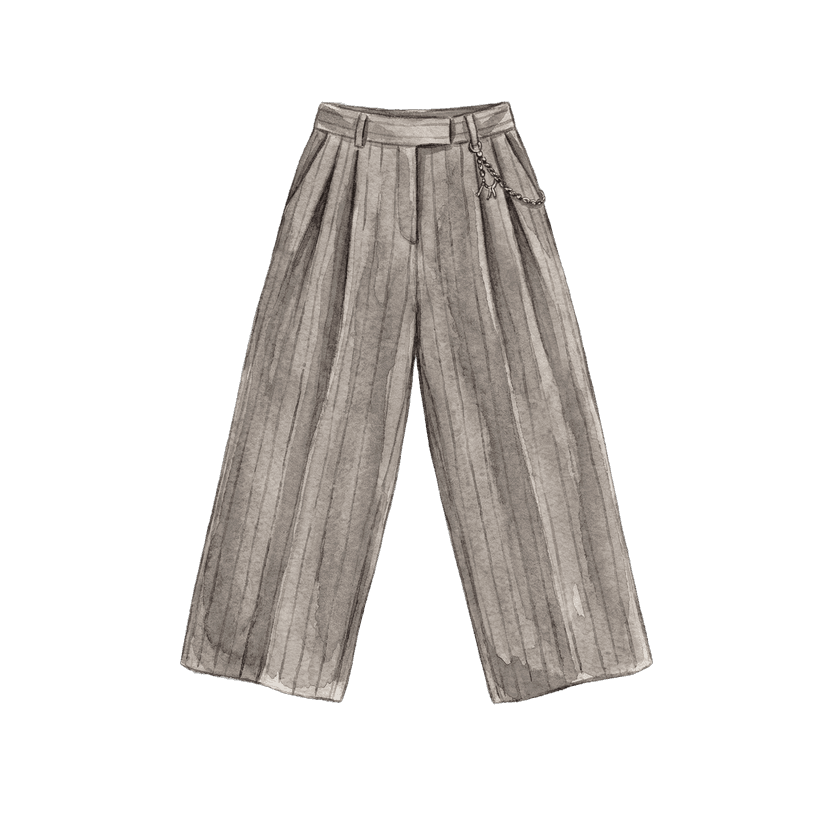 03Tailored wool trousers (centre crease)
High waist, centre crease, full break. The trouser that makes everything above it look expensive. Loro Piana, Khaite, or well-cut Theory.
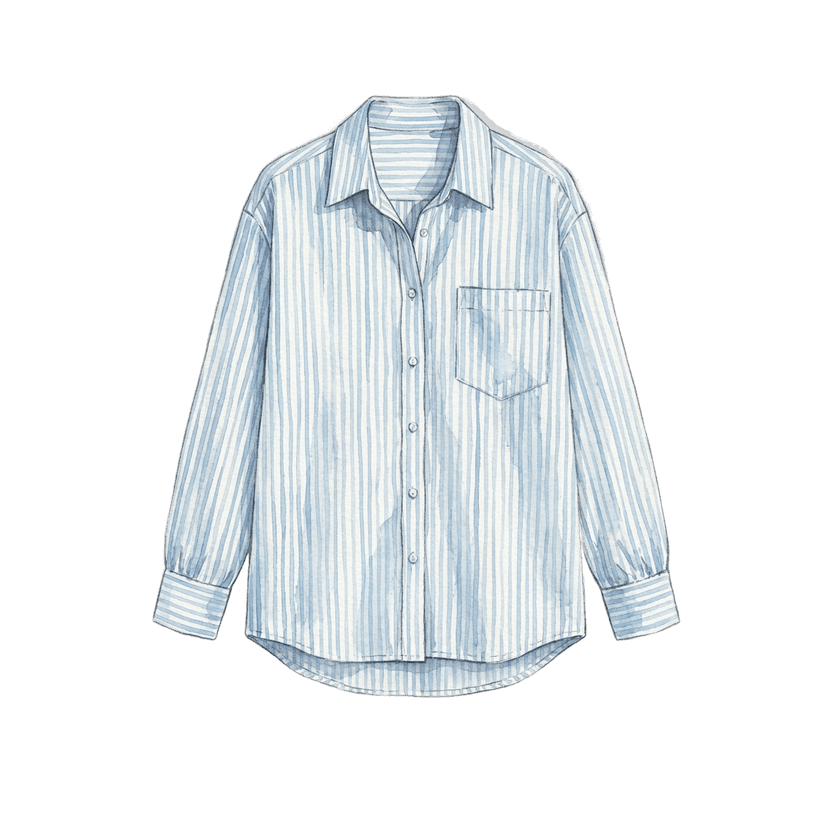 04Oxford shirt in white or blue
Under the sweater, under the blazer, or alone with the sleeves rolled. The permanent base layer. Brooks Brothers, Frank & Eileen, or a heritage Oxford brand.
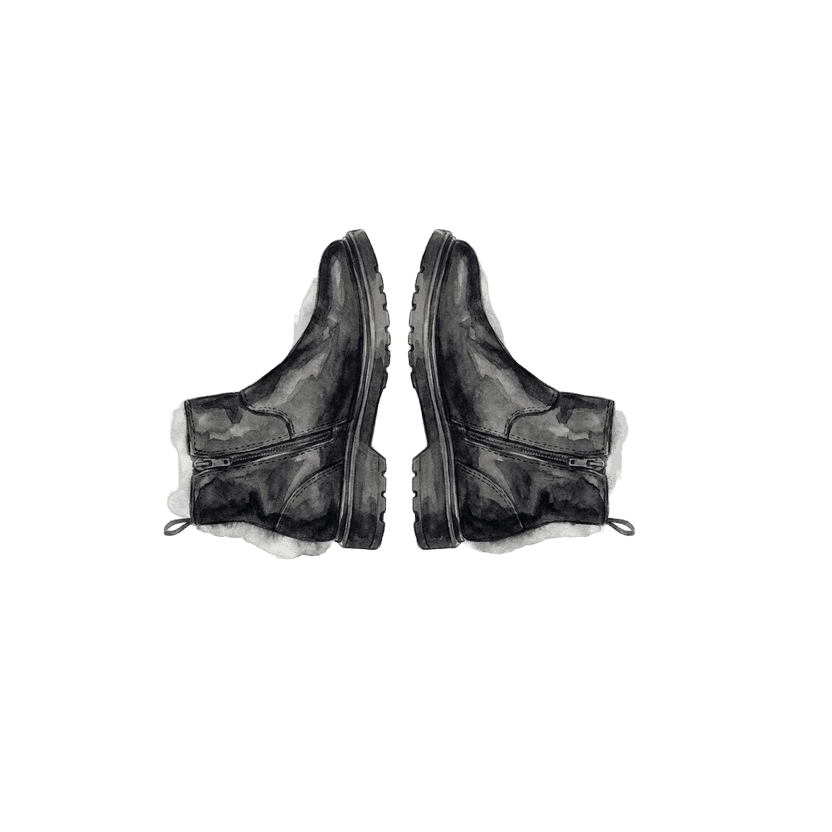 05Leather Chelsea boots or riding boots
Clean, round-toe, dark leather. No buckles, no visible zippers, no platform. Penelope Chilvers, R.M. Williams, or Church's at the heritage end.
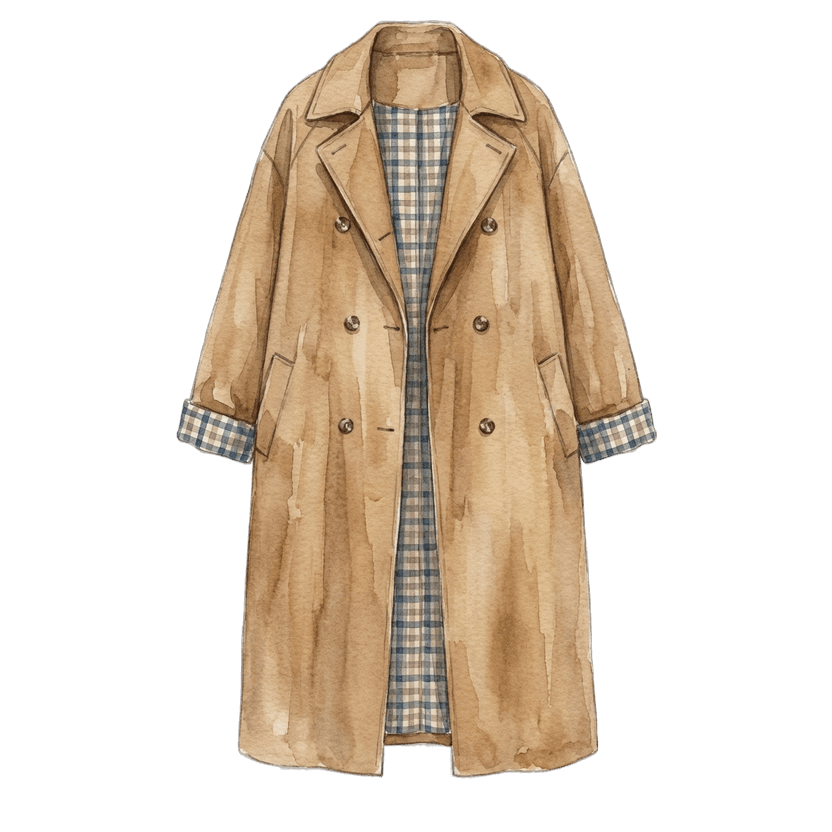 06Wool overcoat in camel or charcoal
The coat that makes the entire outfit. Long, single-breasted, minimal detail. Worth investing in — Max Mara's 101801 is the aspirational benchmark. A heritage wool coat in good shape lasts 20 years.
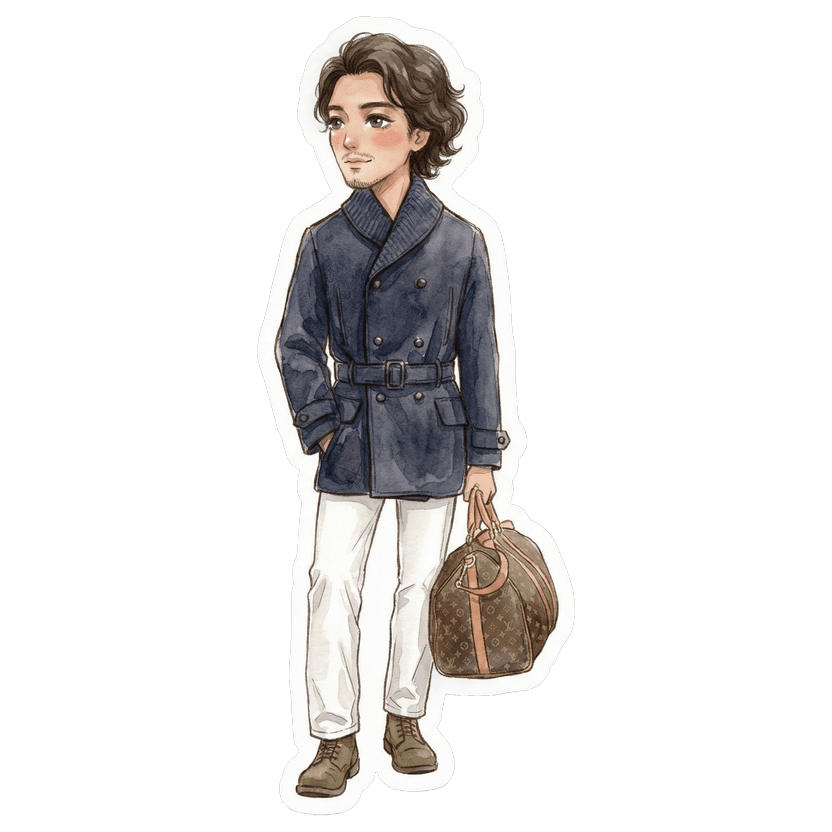
A suggested look — navy double-breasted peacoat, white jeans, olive suede boots, brown monogram duffle bag.
Seasonal note
Fall old money is really about texture — the way cashmere catches light differently than cotton, the way wool trousers hold a crease, the way good leather boots develop character. If your outfit looks better after a month of wear, you're on track. The 2026 'Quiet Luxury 2.0' shift emphasizes this: pieces that age well and get better with use, not pieces that stay perfect.
What to avoid
- Puffer jackets and chunky sneakers — too sporty for the silhouette
- Visible logos, distressed denim, athleisure — all read loud
- 'Dark academia' costuming — not meant to look intentional that way
- Outfits that feel assembled from one shopping trip — curation is the point
- Visible belt buckles and branded hardware
Frequently asked questions
A single-breasted wool overcoat in camel, charcoal, or navy. Below the knee, minimal buttons, no belt, no hood. Max Mara's 101801 is the aspirational reference; The Row's wool coats are the high-end benchmark. Chesterfield and polo coats are the classic silhouettes — not trenches (too utility), not puffers (too sporty).
In small doses. Burgundy, forest green, and mustard are acceptable accents. But the palette should always read muted and considered — never bright, never saturated, never trendy. A burgundy cashmere sweater, a forest green Barbour jacket, a mustard scarf — one colored piece per outfit at most.
Minimal gold or silver jewelry, a leather-strapped watch (vintage Cartier Tank, Patek Philippe Calatrava aspirational; a simple gold or steel watch accessible), a silk scarf in a classic print (Hermès if you have it; an unbranded silk scarf works), leather gloves, pearl earrings. Nothing chunky, nothing with visible branding, nothing that competes with the outfit.
No. The aesthetic is about everyday dressing with better quality. A cashmere sweater and jeans is old money casual. The formality comes from the fabric and fit, not the occasion. An old money weekend look is a cashmere crew, dark jeans, leather Chelsea boots, and a Barbour waxed jacket.
Style writers use this term for the 2026 evolution of old money — the shift from pure stealth-wealth logo-avoidance to emphasizing 'emotional utility and material science.' Brands like Loro Piana (2026 'Mastery of Colors' cashmere) lead by using natural dyes and focusing on fabric quality. The Row emphasizes impeccable cut and oversized silhouettes. The message: status signals are in the cut of a shoulder and the feel of the fabric, not the label.