Old Money Outfits for Summer
Understated, inherited, and never in a rush.
Old money in summer is restraint at its most tested — quiet luxury where everyone else reaches for prints.
- A fine-gauge knit polo in navy or white — never piqué cotton
- Tailored 7-inch linen shorts — not board shorts, not chino shorts
- A white linen button-down — Frank & Eileen, The Row, or 100% linen from anywhere
- Wide-leg cream or navy trousers for evenings
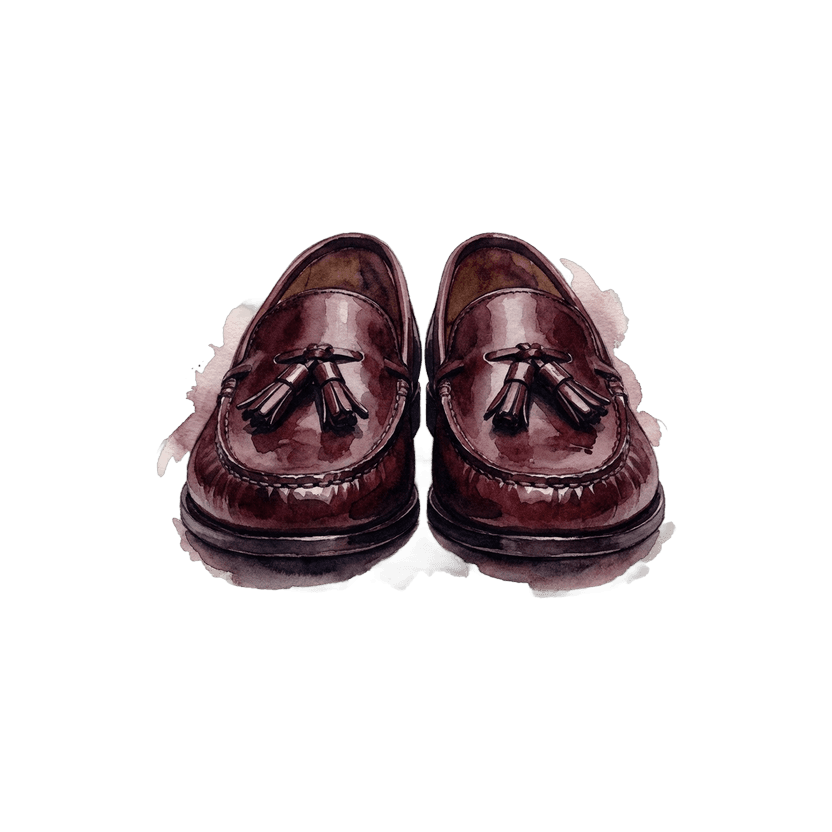
- Leather loafers, worn in, sockless — never new-looking
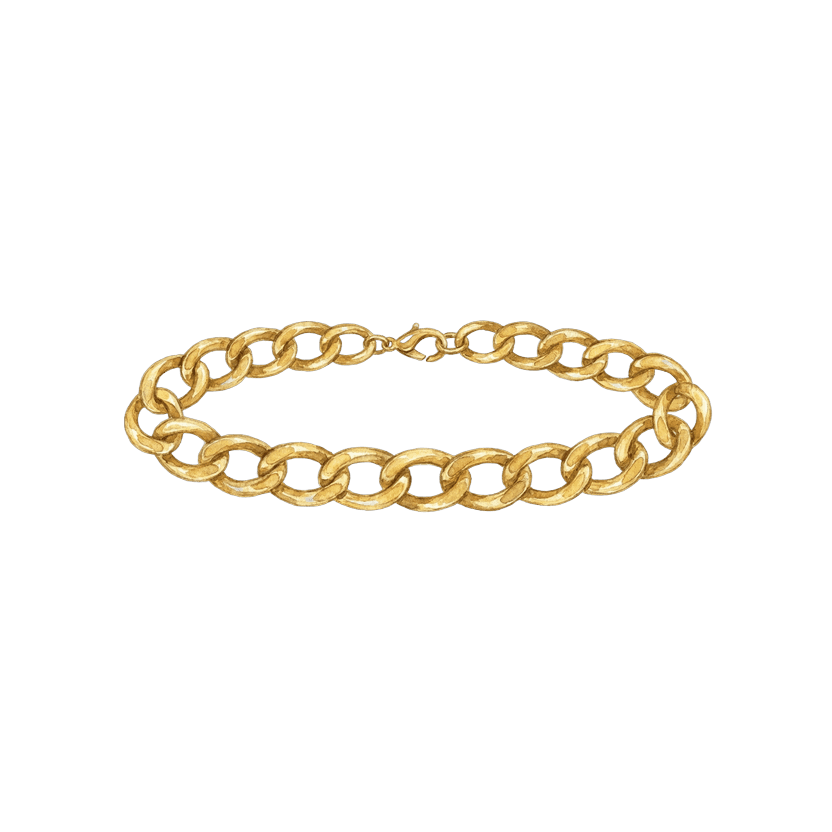
- Pearl studs and minimal gold jewelry — one chain, one ring, one bracelet
- Visible logos or brand hardware (LV monogram, Gucci Gs)
- Neon colors or athletic sneakers outside a tennis court
- Sunglasses with visible brand names — a loud logo signals insecurity
What is Old Money style?
Old money is the aesthetic of inherited wealth dressing itself down — not the wealth itself. The visual shorthand was made famous by the Kennedy family in mid-century America, Princess Diana in her off-duty Sloane years, and Ralph Lauren's entire brand mythology, which invented the look of American generational wealth almost single-handedly in the 1970s. The TikTok-era resurgence arrived in 2022–2023, accelerated by Sofia Richie's April 2023 Grimaldi Forum wedding to Elliot Grainge — a week of Chanel and Dior that read quieter than most celebrity weddings combined. The defining code: tailored lines, muted tones, material that speaks without logos (cashmere from Loro Piana, hand-finished loafers, pearls that aren't costume), and the absence of anything that reads as trying. Old money shares DNA with quiet luxury and preppy but diverges from both — more tailored than coastal grandmother, more crest-and-club than Succession-era quiet luxury minimalism. By 2026, Vogue and the Business of Fashion describe the current iteration as 'Quiet Luxury 2.0': the aesthetic as emotional utility rather than stealth-wealth signaling, with fabric science and fit doing the work that brand names used to.
Old money in summer is restraint at its most tested — when heat makes everyone else reach for loud prints and athletic fabrics, this aesthetic doubles down on clean lines and quiet fabrics. Business of Fashion and Vogue call the 2026 version 'Quiet Luxury 2.0': emotional utility and material science over pure stealth-wealth signaling. The palette stays cool: navy, white, cream, pale blue, slate, soft taupe. Every piece is tailored just enough to look intentional but relaxed enough to look inherited. Nothing is new, nothing is branded, and nothing would look out of place at a family's Nantucket or Lake Como property where the furniture hasn't been updated since 1987. The key is fit: a polo that skims rather than clings, shorts with a real waistband, a loafer that's been resoled. Brand-wise: Loro Piana (their 2026 'Mastery of Colors' cashmere line), The Row (from Mary-Kate and Ashley Olsen), Brunello Cucinelli, Ralph Lauren Purple Label. As one industry writer put it: 'a loud logo is a sign of New Money insecurity.'
A loud logo is a sign of New Money insecurity.
Signature palette
Key pieces
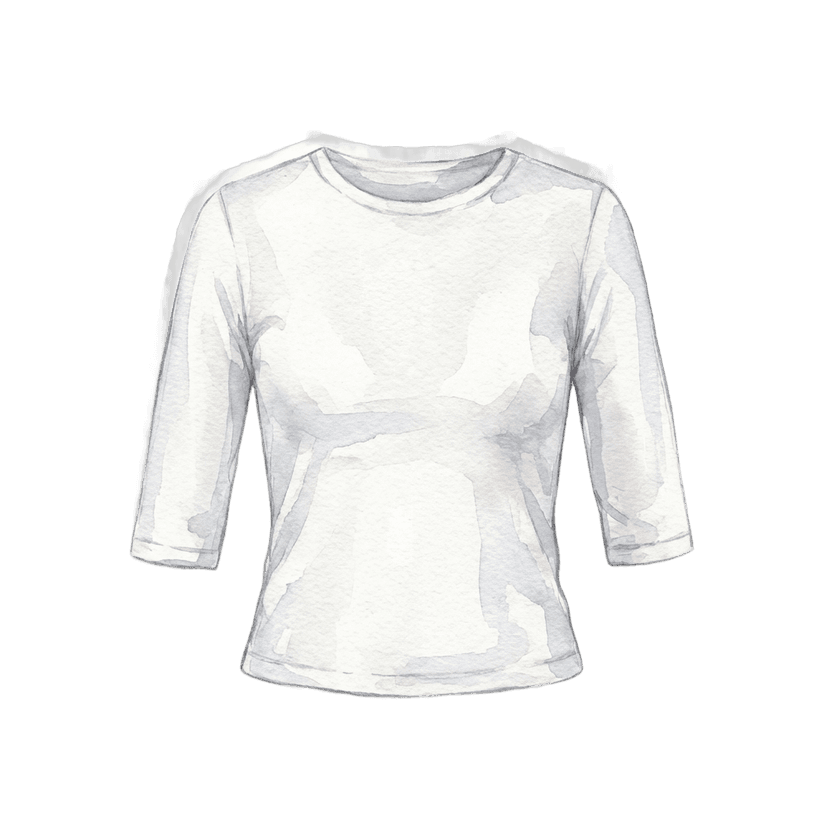 01Knit polo in navy or white (fine-gauge, not piqué)
The summer old money top. Collared, fine knit (merino, cotton, silk blend) — never piqué cotton. Loro Piana or The Row does this better than anyone; accessible versions at Brooks Brothers or Uniqlo C.
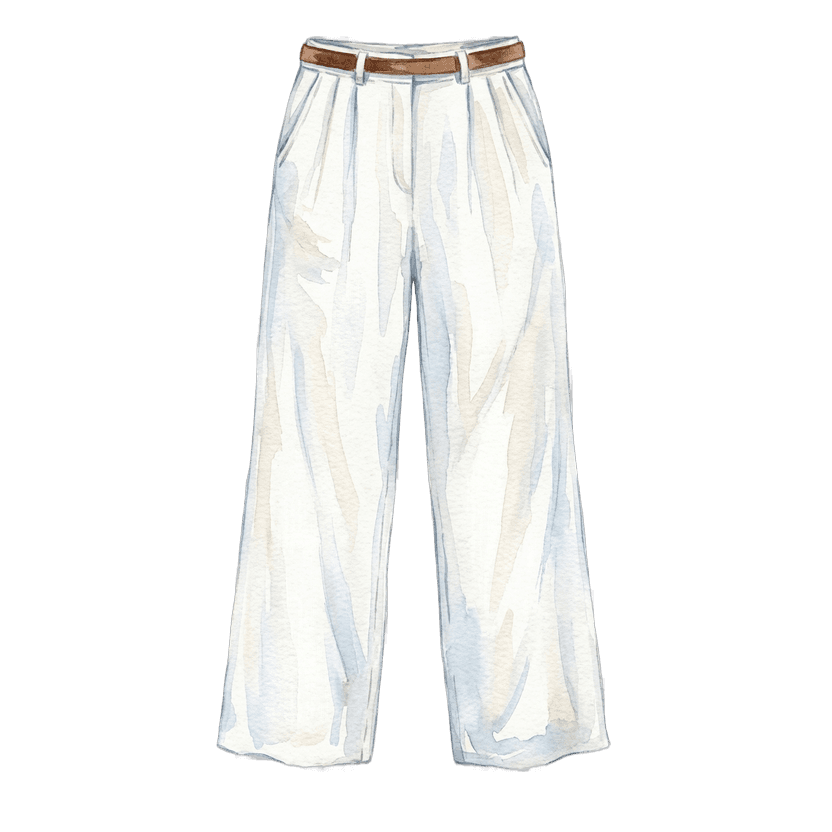 02Tailored linen shorts (7-inch inseam)
Not board shorts, not chino shorts. Linen or cotton, side-tab or belted, cream or navy. The shorter length is deliberate — reads intentional, not casual.
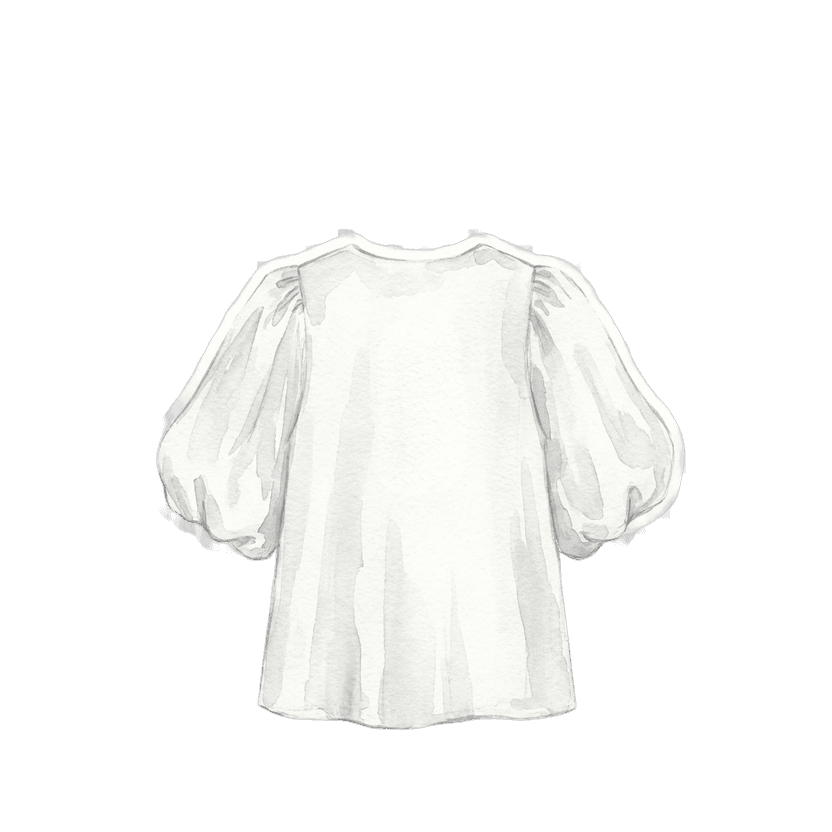 03White linen button-down
Open over a tank or tucked into trousers. The most-worn old money piece in any season. Frank & Eileen, The Row, or 100% linen from anywhere.
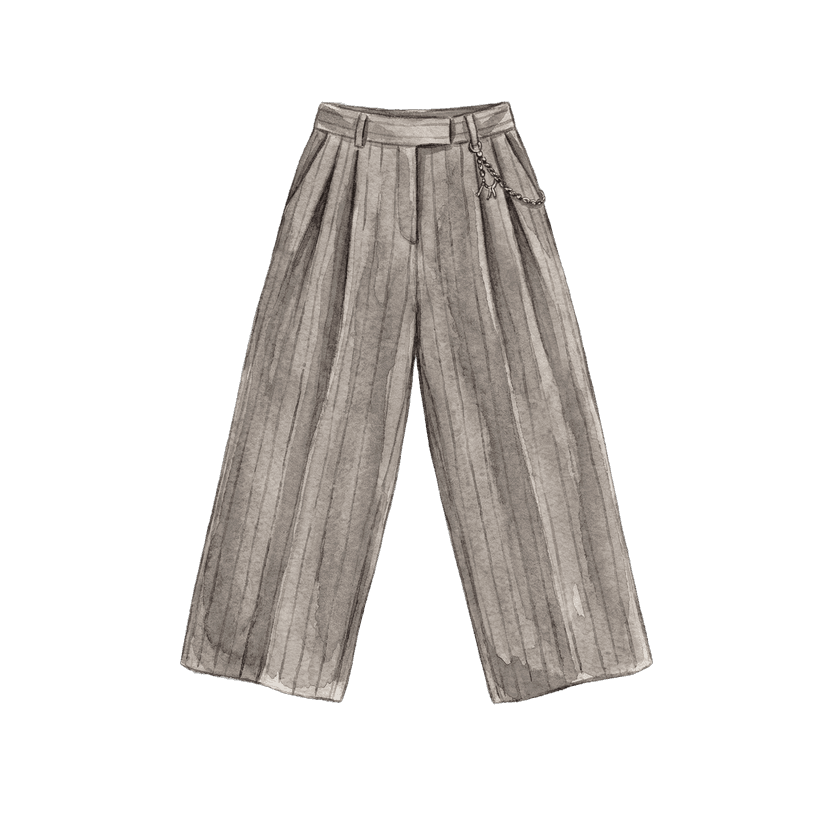 04Wide-leg cream or navy trousers
For evenings when shorts are too casual. High waist, flowing leg, fabric that moves. The Row's trousers are the aspirational version.
 05Leather loafers or driving shoes
Sockless or with invisible socks. Leather worn in. Never new-looking. Tod's Gommino or Belgian Loafers (the Olsens wear them constantly) at the aspirational end; Sam Edelman or Everlane at the accessible end.
 06Minimal gold jewelry + pearl studs
One chain, one ring, one bracelet. Pearl stud earrings are the only 'statement.' Nothing chunky, nothing statement, nothing you can read from across the room.
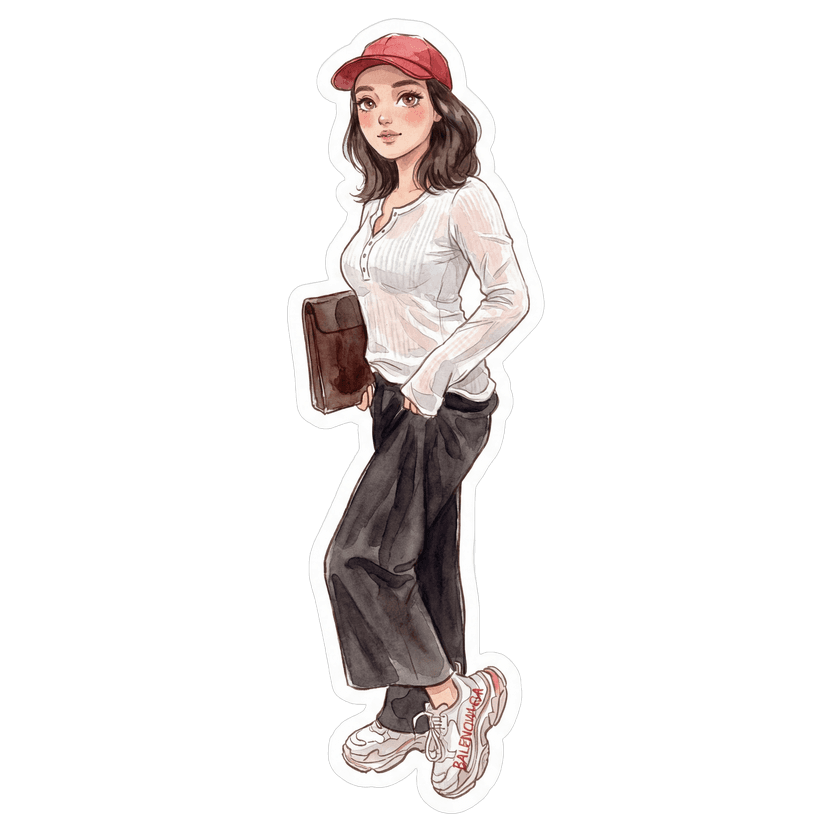
A suggested look — red baseball cap, white long-sleeve henley shirt, black wide-leg trousers, white chunky sneakers with red detailing, dark brown leather portfolio.
Seasonal note
Old money summer is about what you don't do: you don't show brand names, you don't wear bright colors, you don't look like you just bought this. Every piece should look like it was pulled from a closet that hasn't changed in a decade. The 2026 emphasis on 'material science' means Loro Piana's natural-dye cashmere and silk-linen blends beat any technicolor trend piece. Buy less, buy better, wear it for 10 years.
What to avoid
- Visible logos and designer hardware (LV monogram, Gucci Gs)
- Neon colors and fast-fashion fabrics
- Athletic sneakers outside a tennis court
- Sunglasses with visible brand names
- Anything that screams more than it whispers
Frequently asked questions
A style built around quiet luxury — tailored pieces, natural fabrics, muted colors, and zero visible branding. The 2026 version ('Quiet Luxury 2.0' per style writers) emphasizes emotional utility and material science. The idea is to look expensive through quality and fit rather than labels and logos. Rooted in East Coast American prep and European heritage dressing.
Same principles, slightly different emphasis. Old money leans preppy and inherited (think Kennedy compound); quiet luxury is broader and more modern (think The Row runway). Both reject visible branding. In 2026 the two terms have largely merged under 'Quiet Luxury 2.0.'
Loro Piana (their 2026 'Mastery of Colors' cashmere line is a standout), The Row (Olsen sisters), Brunello Cucinelli, Chanel, Ralph Lauren Purple Label, Barbour, Ermenegildo Zegna, Brioni. Mid-tier: Massimo Dutti, Sezane, Tibi. Budget: J.Crew, Uniqlo C, vintage Brooks Brothers. The brand matters less than whether you can identify it from the outside — you shouldn't be able to.
Yes. The aesthetic is about fit and restraint, not price. A well-fitted navy polo, tailored trousers, and clean loafers achieve the look regardless of what you paid. Thrift stores are excellent for old money (vintage Brooks Brothers, Ralph Lauren, J.Press). A tailored $40 linen shirt reads the same as a $400 one if it fits right.
Leather loafers (Tod's Gommino, Belgian Loafers, Gucci horsebit — or any unbranded equivalent), driving shoes, white leather sneakers with no visible logo, leather sandals. Worn in, never new-looking. Sockless or with invisible no-show socks.