What to Wear in Singapore in February
Singapore in February: 31°C / 88°F afternoons, 24°C / 75°F nights, about 7 rain days, the driest month, and Chinese New Year on 6–7 February.
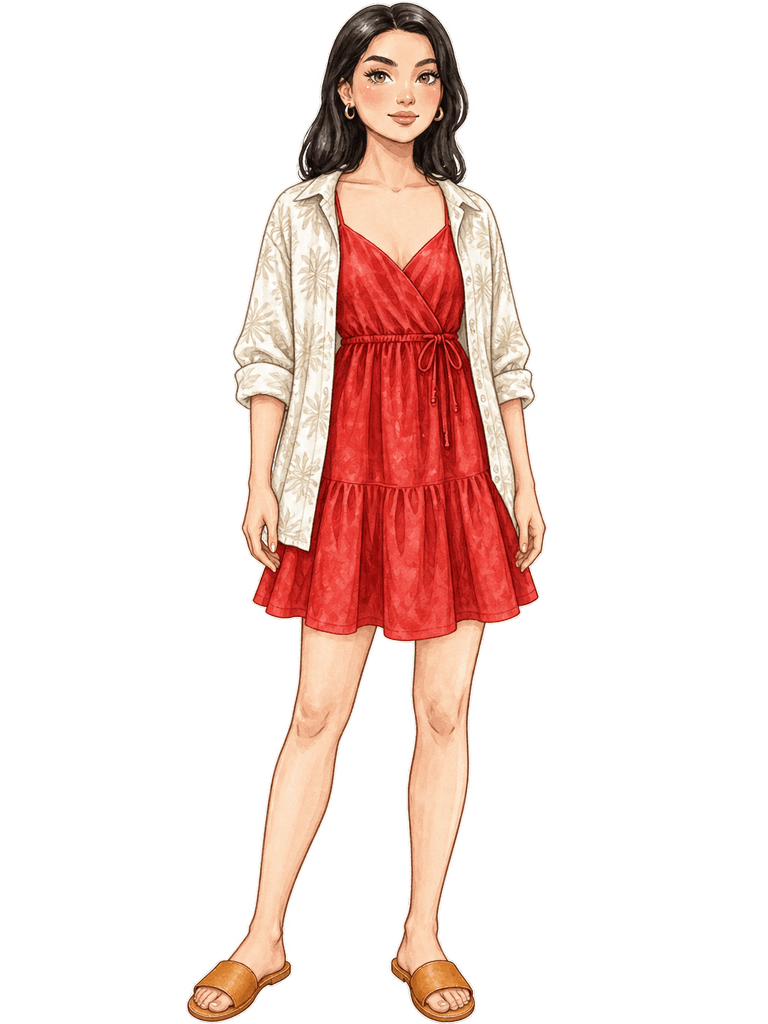
- True-red strappy sundress — the Singapore Chinese Cultural Centre treats red as the colour of luck for a New Year visit
- Cream long-sleeved palm-print shirt — buttoned over the straps for an older relative, a temple and the air-con
- Jade linen-cotton boxy top — woven linen dries fast in the breeziest month on NOAA's Changi record
- Sage cropped cardigan — a restaurant reunion dinner or lo hei table sits in cold air-con
- Tan leather slides — off at a front door in one move, and February is dry enough for leather
- Straw bucket bag — safe from a soaking in the driest month, with room for two mandarin oranges
- All black or all white on a New Year visit — the Cultural Centre lists both as funeral colours
- December's rain shell — NOAA counts about 7 days with 1mm of rain or more, the fewest of any month
- Cream or white at a lo hei table — the higher everyone tosses, the further the plum sauce flies
- A single mandarin orange — Infopedia says visitors bring them in even numbers
Pack for dry weather and a week of visits. NOAA NCEI's record for Changi gives February about 110mm of rain over 7 days with at least 1mm, the least of any month, and the highest mean wind, close to 3 m/s. The Meteorological Service Singapore calls it the dry phase of the Northeast Monsoon, when the rain belt sits south of the Equator. Days reach 31°C / 88°F; nights hold at 24.4°C. Chinese New Year falls on Saturday 6 and Sunday 7 February, with Monday 8 a public holiday, and visits start on the first day. So bring the straw and leather a wet month ruins, one red dress, and sleeves for the air-con at dinner.
February is the month Singapore dries out and dresses up. Wear red to the door, carry two mandarin oranges, and for once leave the rain shell in the hotel.
The capsule
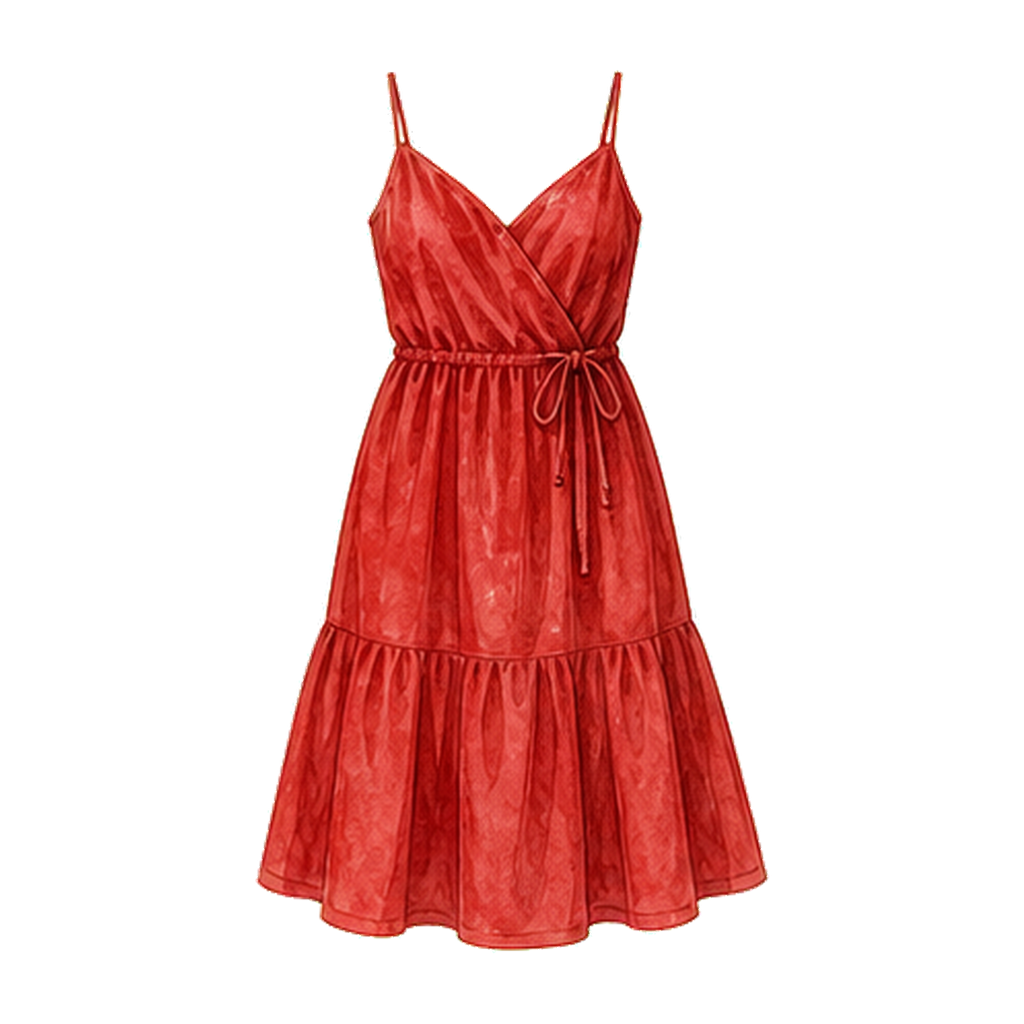 01True-red knee-length sundress, spaghetti straps, wrap bodice, tiered skirt
Wear it on Saturday 6 February. The Singapore Chinese Cultural Centre's New Year guide treats red as the colour that brings luck for the year ahead, and the first day, when older relatives are visited, is where it counts. The straps are bare, so button the cream shirt over them at the door. Wear it again to a lo hei dinner, where red hides the plum sauce.
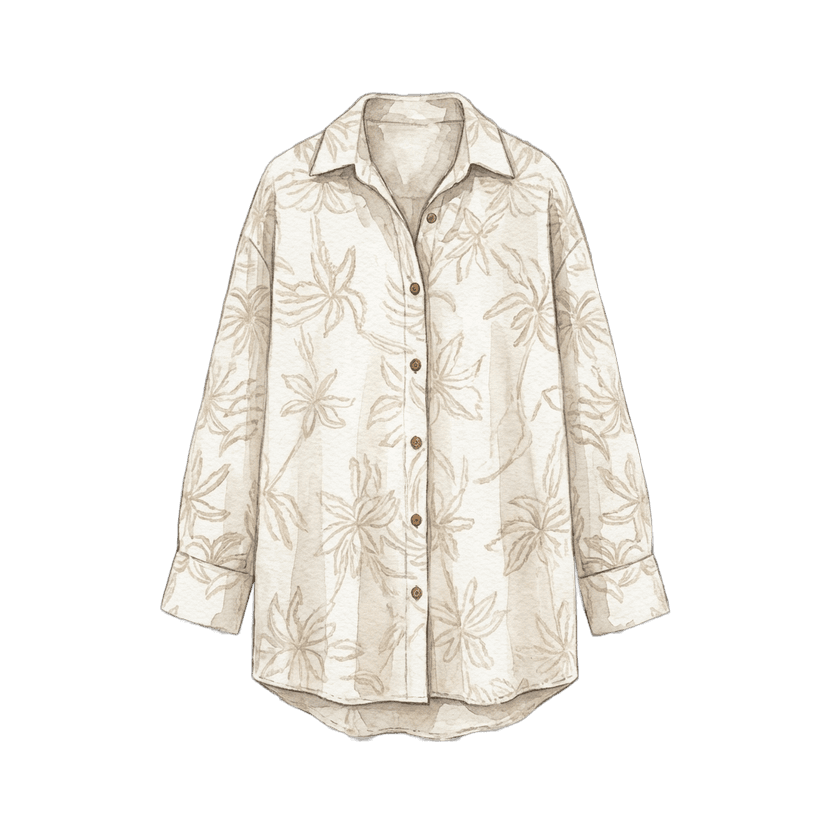 02Cream oversized long-sleeved shirt, tan palm-leaf print, wooden buttons
Button it over the red dress for an elderly relative's living room or a temple, and roll the sleeves back on the street. Worn open over the jade top, it keeps the sun off your arms on a 31°C / 88°F afternoon at Gardens by the Bay. Keep it away from the lo hei table, though: plum sauce and oil land on anything pale.
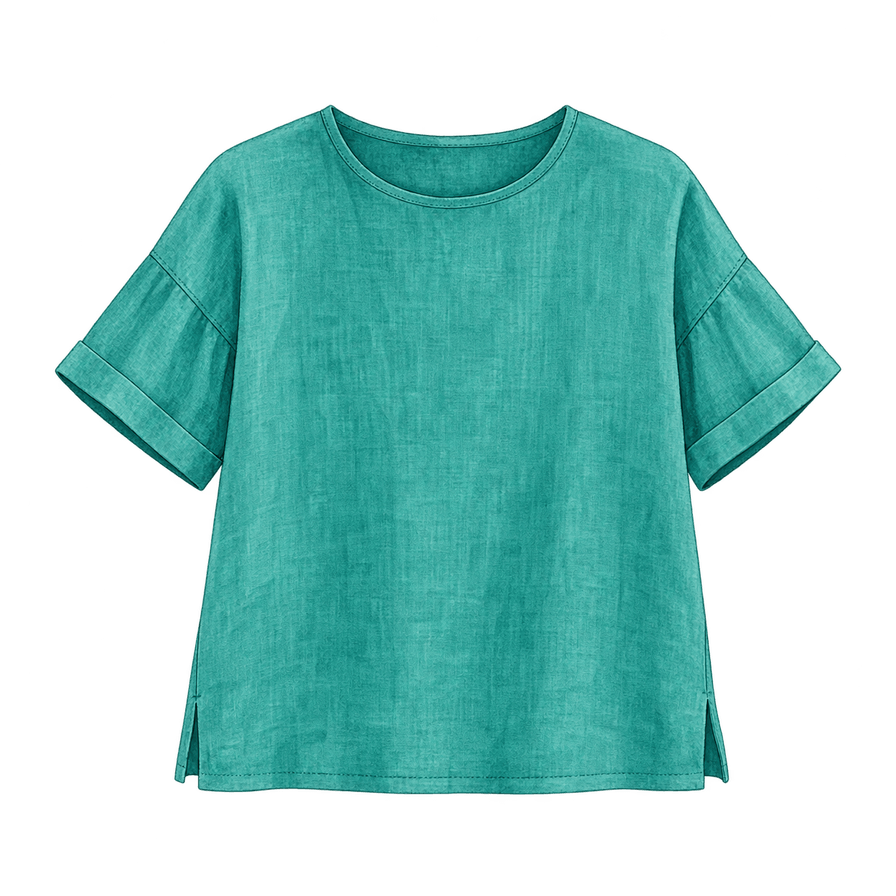 03Jade green linen-cotton boxy top, short cuffed sleeves
Linen suits the breeziest month on NOAA's Changi record, where a mean wind close to 3 m/s dries a damp back between one stop and the next. A boxy cut stands away from your skin at 31°C / 88°F. Jade sits beside the red dress and the cream pieces without fighting either, and it carries the days after the visits, when you want colour that is not red.
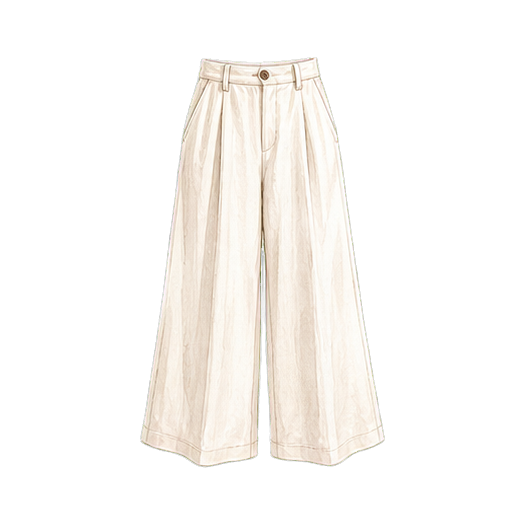 04Cream pleated wide-leg trousers, cropped above the ankle
Pleats and a wide cropped leg let the February breeze through, and the hem clears the pavement in flat slides. They cover your knees for a temple and stay cool on a noon walk through Chinatown. With about 7 rain days in the month, cream survives: the splashed hem that ruins pale trousers in December is not a February problem.
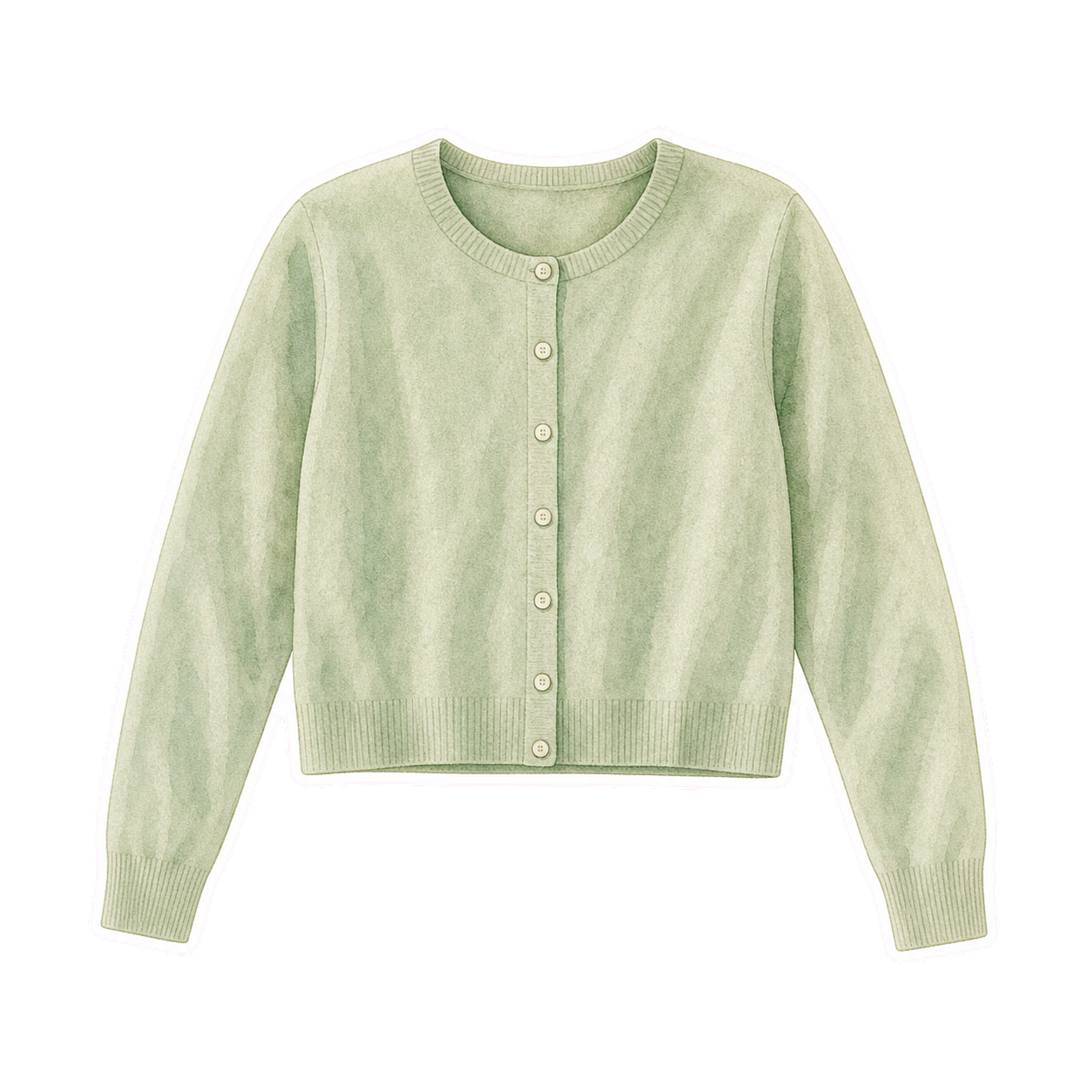 05Sage cropped crew-neck cardigan, long sleeves
For the rooms, not the street. New Year's Eve falls on Friday 5 February, and a reunion dinner or a lo hei meal booked in a restaurant comes with air-con that turns a sleeveless dress cold by the second course. A cropped sage cardigan buttons over the red dress or the jade top and folds into the straw bag afterwards.
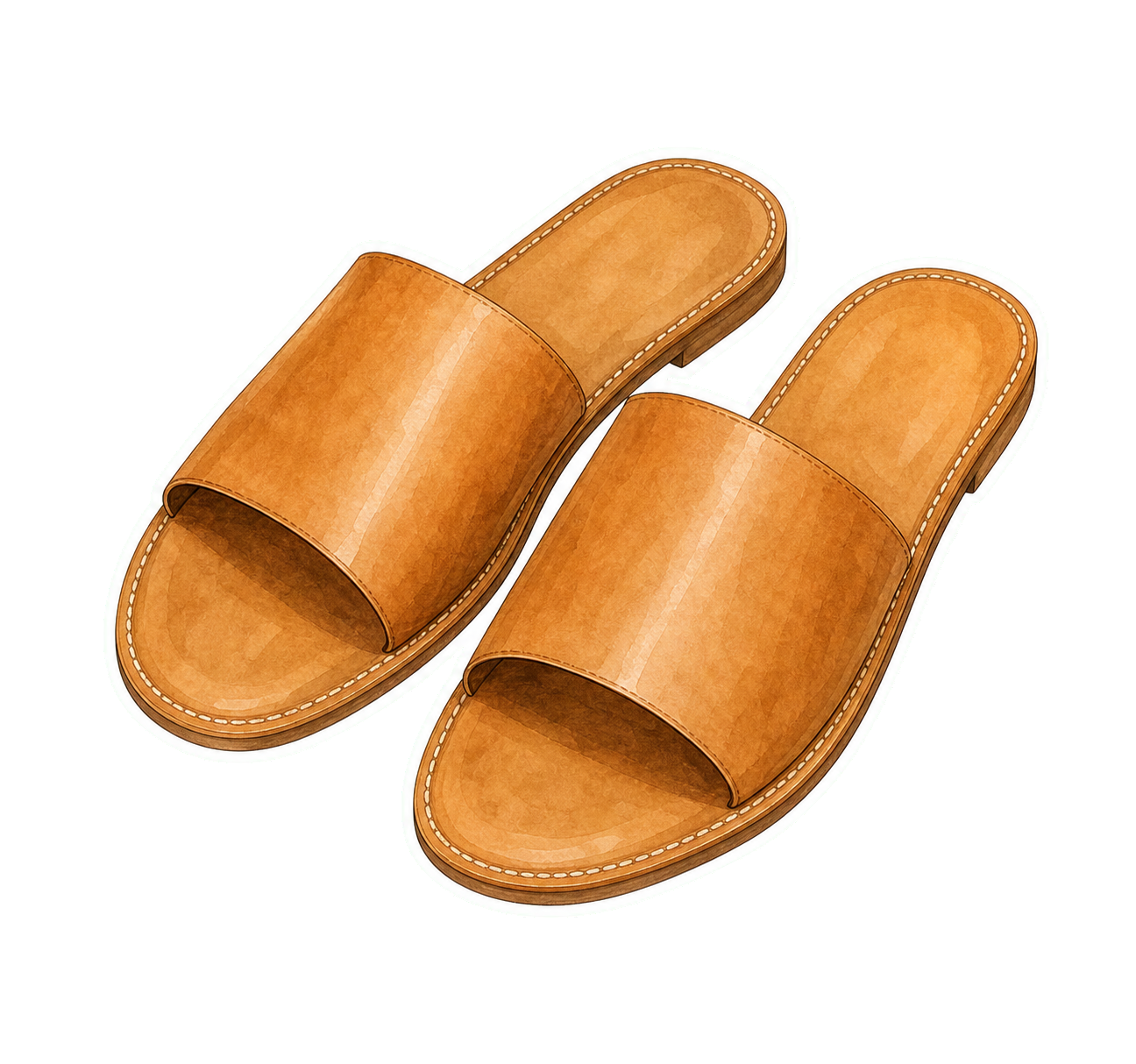 06Tan leather flat slides, one wide band
When a New Year visit means shoes off at the door, slides come off and go back on in one move, with no buckle to crouch over in a dress. February is also the month leather is safe. NOAA counts about 7 days with 1mm of rain or more, so a leather sole that would soak through in December stays dry, and tan goes with red, jade and cream alike.
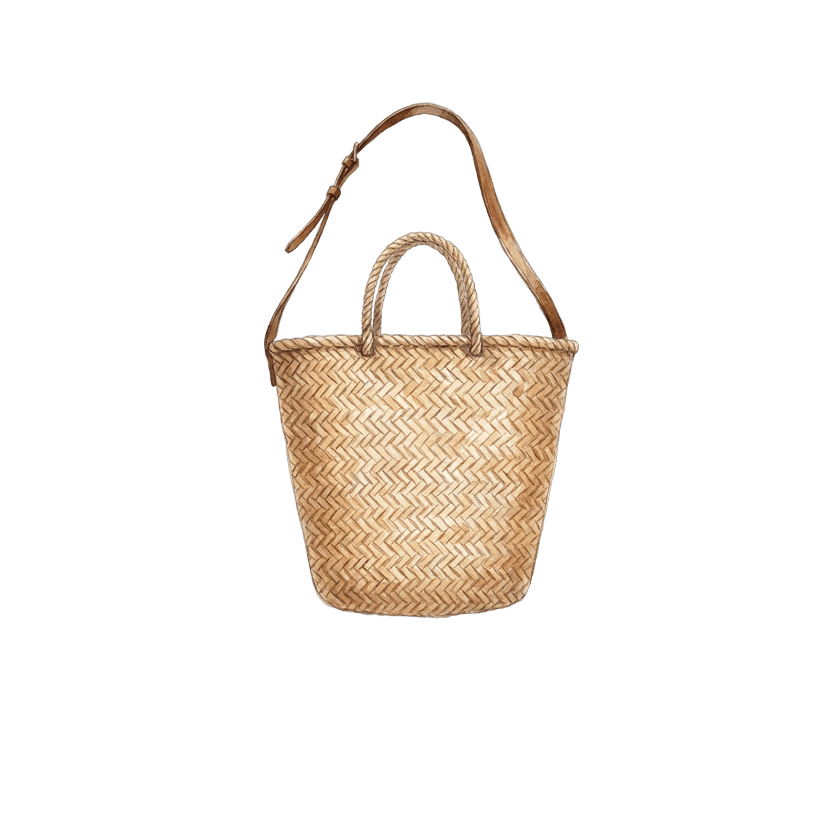 07Natural straw bucket bag, rope handles, tan leather strap
Two mandarin oranges fit in the top. The National Library Board's Infopedia describes visitors exchanging them in even numbers at each home, and a bucket bag holds a pair with the hongbao beside them. Straw is a February bag, since the driest month rarely leaves it under a storm. Wear the leather strap across your body in the Chinatown crowds before New Year's Eve.
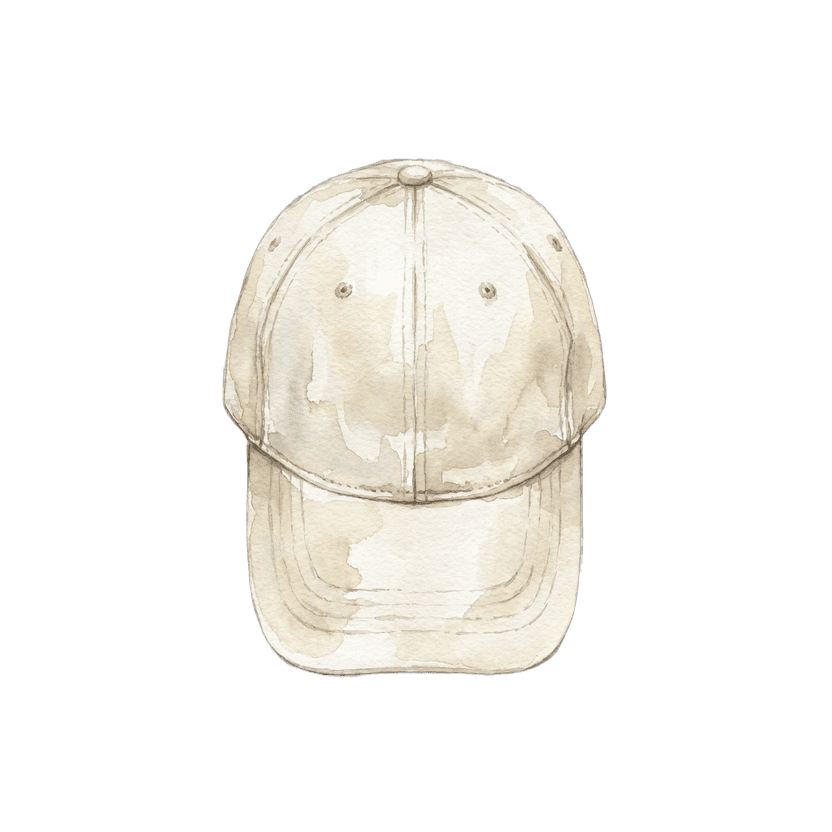 08Cream cotton baseball cap, plain
February's breeze lifts a loose brim on the Marina Bay waterfront; a six-panel cap with an adjustable strap stays put. It shades your face on the long outdoor days a dry month allows, from the Supertree Grove to the Southern Ridges. Take it off indoors and at every temple door, and it folds flat into the straw bag.
Day to night
Red sundress · cream palm-print shirt worn open, buttoned at each door · tan slides · straw bag holding two mandarin oranges. New Year's Day, Saturday 6 February: visits from ten, the oldest relatives first.
Red sundress · sage cardigan for the air-con · tan slides · straw bag, the cream shirt folded inside, away from the plum sauce. A lo hei dinner, then the Chinatown light-up after a 7:20pm sunset.
A suggested look — red strappy tiered sundress, cream palm-print shirt worn open, tan leather slides.
What to avoid
- All black or all white on a New Year visit — the Cultural Centre calls both funeral colours
- December's rain shell and clogs — about 7 rain days, the fewest of the year
- Cream or white at a lo hei table — the higher the toss, the further the sauce flies
- A single mandarin orange — bring them in pairs
- A loose wide brim on the waterfront — February is the breeziest month on NOAA's record
Frequently asked questions
NOAA NCEI's figures for Singapore Changi, a station the Meteorological Service Singapore operates, give February an average high that rounds to 31°C / 88°F and a low of 24.4°C. Rain drops to about 110mm, falling on roughly 7 days with at least 1mm, the least of any month on the record. Mean wind is close to 3 m/s, the highest of the year, and MSS says Singapore's strongest winds come in January and February. MSS calls this the dry phase of the Northeast Monsoon, when the rain belt lies south of the Equator and rain days are fewer. Sunset stays near 7:20pm all month.
A true-red strappy sundress, a cream long-sleeved palm-print shirt, a jade green linen-cotton top, cream pleated cropped wide-leg trousers, a sage cropped cardigan, tan leather slides, a straw bucket bag and a cream cotton cap. That covers a 31°C / 88°F afternoon, a New Year visit in red, a temple door, a cold restaurant and the breeze on the waterfront. Leave December's rain shell and rubber clogs at home, and leave any outfit that is all black or all white for another month.
Chinese New Year falls on Saturday 6 and Sunday 7 February 2027, and the Ministry of Manpower lists Monday 8 February as a public holiday in lieu of the Sunday. New Year's Eve is Friday 5 February. Wear red to visit: the Singapore Chinese Cultural Centre treats it as the colour of luck and lists black and white as funeral colours. Cover bare shoulders with a shirt for older relatives, choose shoes that slip off at the door, and carry mandarin oranges in pairs. The festival runs fifteen days, to Chap Goh Mei on Saturday 20 February.
Early for New Year, late for Chingay. The first week builds to New Year's Eve on Friday 5 February, under the Kreta Ayer community's street light-up in Chinatown, whose 2027 dates are not yet out. The seventh day, Friday 12 February, is renri, the traditional day for yusheng. Late February has the Chingay Parade: the 2027 date is not yet published, but the 2026 parade ran on 27 and 28 February, 8pm to 9:30pm, at the F1 Pit Building. River Hongbao's 2026 edition ran from 15 to 24 February at Gardens by the Bay. The weather does not pick a side; the whole month is dry.
Drier, a little hotter and a little windier. On NOAA NCEI's record for Changi, February's mean daily high is 0.9°C warmer than January's, though both round to 31°C / 88°F. Rain falls from 230.7mm on 10.9 days with at least 1mm in January to 109.8mm on 6.9 days, less than half, and mean wind edges up from 2.7 to 3.0 m/s. Our January guide, on MSS figures, gives 221.6mm over 13 rain days and packs a hooded windbreaker for the early-January surges and a hat with a chin cord. February drops the hood and swaps rubber soles for leather and straw.
Red for New Year, over a wardrobe of linen and cotton with one layer for the air-con. Peranakan families add something older: the Peranakan Museum notes that Peranakans still dress in voile kebaya, batik sarongs, beaded slippers and jewellery for weddings, birthdays and Chinese New Year. The kebaya itself was inscribed on UNESCO's Representative List of the Intangible Cultural Heritage of Humanity in December 2024, on a joint nomination by Brunei, Indonesia, Malaysia, Singapore and Thailand. As a visitor, borrow the logic rather than the costume: one red piece, shoulders covered for elders, shoes that come off.
Sources
- NOAA NCEI — 1991–2020 climate normals, Singapore Changi stationthe Meteorological Service Singapore operates the station; NOAA NCEI computed this month's temperatures from its 48698099999 global-summary-of-the-day record, 30 complete Februaries, and the rain figures from its SNM00048698 GHCN-Daily record, 28 Februaries, counting days with at least 1mm. Recorded per month because the rest of this city's pages are sourced differently.
- NOAA NCEI — Global Summary of the Day, Singapore Changi (48698099999), 1991–2020, read via NOAA's AWS open-data mirror — accessed 2026-09-29
- NOAA NCEI — GHCN-Daily, Singapore Changi (SNM00048698), precipitation 1991–2020, read via NOAA's AWS open-data mirror — accessed 2026-09-29
- Meteorological Service Singapore — Climate of Singapore — accessed 2026-09-26
- Meteorological Service Singapore — Start of Dry Phase of the Northeast Monsoon (rain belt south of the Equator, fewer rain days) — accessed 2026-09-29
- Ministry of Manpower Singapore — Public Holidays for 2027 (press release; Chinese New Year 6–7 February, Monday 8 February in lieu) — accessed 2026-09-29
- Singapore Chinese Cultural Centre — Festive Fever: Chinese New Year Good Luck Guide (red for luck; black and white as funeral colours) — accessed 2026-09-29
- National Library Board Singapore — Infopedia: Chinese New Year taboos — accessed 2026-09-29
- National Library Board Singapore — Infopedia: Chinese New Year customs in Singapore (visiting, mandarin oranges in even numbers, hongbao) — accessed 2026-09-29
- National Library Board Singapore — Infopedia: Yusheng (eaten on renri, the seventh day of the New Year) — accessed 2026-09-29
- National Heritage Board, Roots — Intangible Cultural Heritage: Yusheng and Lo hei — accessed 2026-09-29
- Kreta Ayer Community — Chinatown Chinese New Year Street Light-Up — accessed 2026-09-29
- People's Association — Chingay Parade 2026, 27–28 February, 8–9:30pm, F1 Pit Building (2027 date not yet published) — accessed 2026-09-29
- River Hongbao 2026 — 15–24 February 2026, Gardens by the Bay (2027 dates not yet published) — accessed 2026-09-29
- Peranakan Museum (National Heritage Board) — Baba Bling: The Peranakans and Their Jewellery (kebaya, sarong and beaded slippers for weddings and Chinese New Year) — accessed 2026-09-29
- National Heritage Board — Kebaya: Knowledge, Skills, Traditions and Practices (UNESCO Representative List, joint nomination with Brunei, Indonesia, Malaysia and Thailand; decision 19.COM 7.B.26, December 2024) — accessed 2026-09-29