What to Wear to Día de Muertos in Cancún
Expected October 30 – November 2, 2026 · Puerto Juárez, Cancún
SMN's 1991–2020 November normals for its Cancún station, the figures on our Cancún November guide. Daylight is for 1 November.
Janal Pixan, Cancún: expected 30 October to 2 November 2026, 30°C / 86°F days, 22°C / 72°F waterfront nights, and 13 rain days in the month.
- Loose black cotton with sleeves — cool at 22°C, and it keeps dusk mosquitoes off your arms
- A hipil-style blouse bought from a Maya embroiderer — the embroidery is protected heritage
- A packable shell — November still brings 131mm of rain
- Closed woven huaraches — tens of thousands of people on wet paving
- A small straw crossbody — hands free for the procession
- A machine-made costume hipil — Yucatán declared this embroidery state heritage in 2024
- Flip-flops in the crowd — the waterfront is wet and packed after dark
- A dry-season plan — November has more rain than August here
- Catrina paint at Los Olivos cemetery — keep it for the waterfront
Packing philosophy
Dress for a warm, wet night on the water. SMN's 1991–2020 normals for its Cancún station give November 30.3°C by day and 22.3°C at night, with 131mm of rain over about 13 days, more than August. Janal Pixan runs after dark: in 2025 the municipality held its Puerto Juárez programme from 6pm to 11pm across four nights, with a procession of catrinas arriving from the sea. So the evening is 22°C, humid, and liable to a shower. Loose cotton and linen breathe in that, and long sleeves rolled down at dusk keep the mosquitoes off. Take a shell that folds into a bag, and closed shoes for a crowd the municipality counted at more than 60,000 in 2024.
Janal Pixan means food of the souls. It is a Maya remembrance held on a Caribbean waterfront, and the clothes that suit it are the ones the Yucatán already makes.
What the dress code actually is
Janal Pixan is the Maya name, and in Cancún it is the municipality's own festival, with ofrendas, traditional food and music on the waterfront and at Los Olivos cemetery. The dress to know about is Yucatec. Mérida's city council describes the three-piece terno, whose hand-embroidered version takes about six months to make, and in March 2024 the Yucatán state congress declared Maya-Yucatec embroidery part of the state's intangible cultural heritage. That settles the line for a visitor. A hipil-style blouse bought from the women who embroider it is welcome, and wearing it is a compliment; a printed or machine-stitched copy from a party shop is the thing to skip, and so is the full terno, which is formal dress with its own occasions. Catrina paint is part of the waterfront procession. At a cemetery, as anywhere in Mexico on these nights, keep it off, keep your voice down and ask before photographing an altar.
The capsule
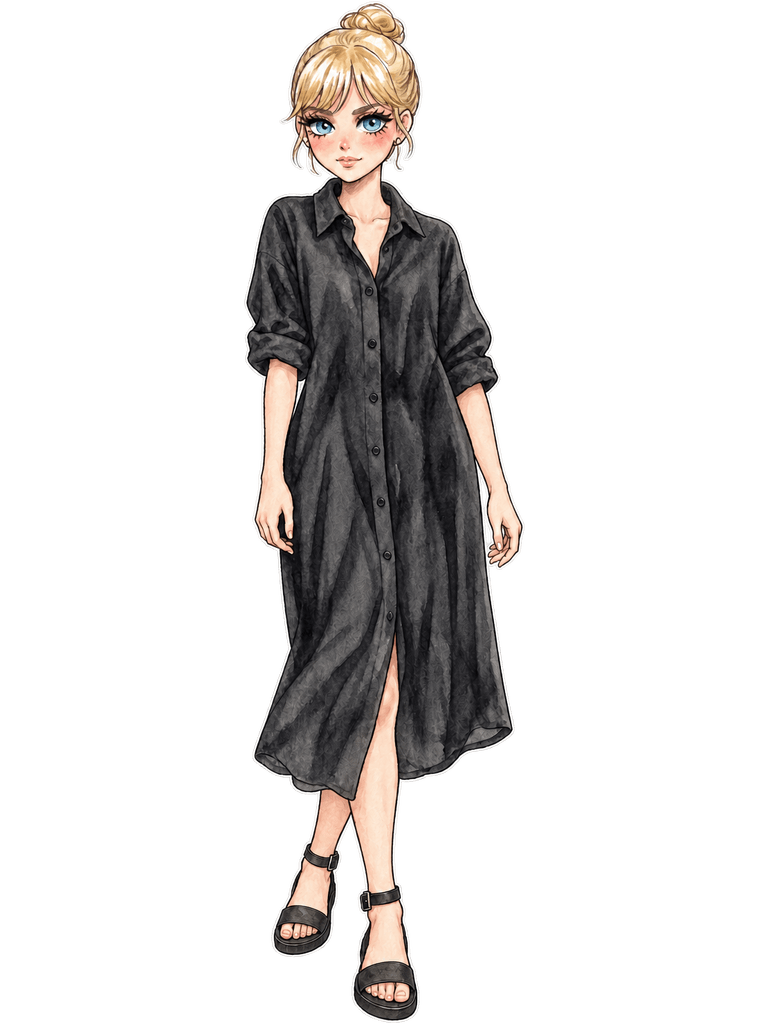
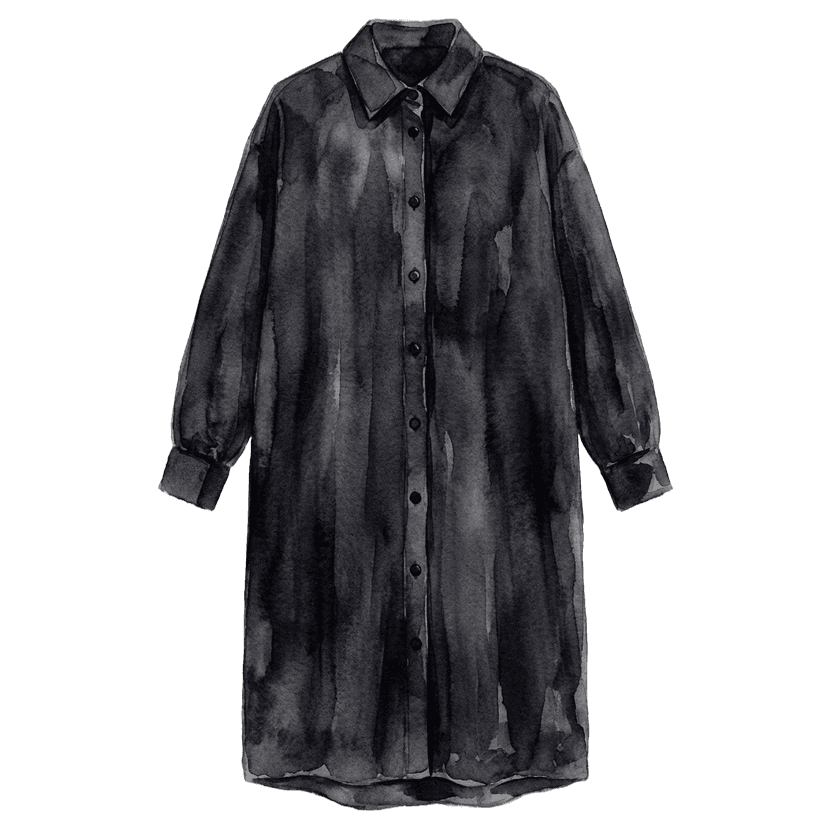 01Black oversized cotton shirt dress, long sleeves, below the knee
Loose cotton moves air on a 22.3°C night by the water, and long sleeves are the mosquito answer at a dusk event: roll them up for the walk from the bus, down once the procession starts. Black is the colour of the vigil and hides a splash from wet paving. A shirt dress also dries by morning if a shower catches you.
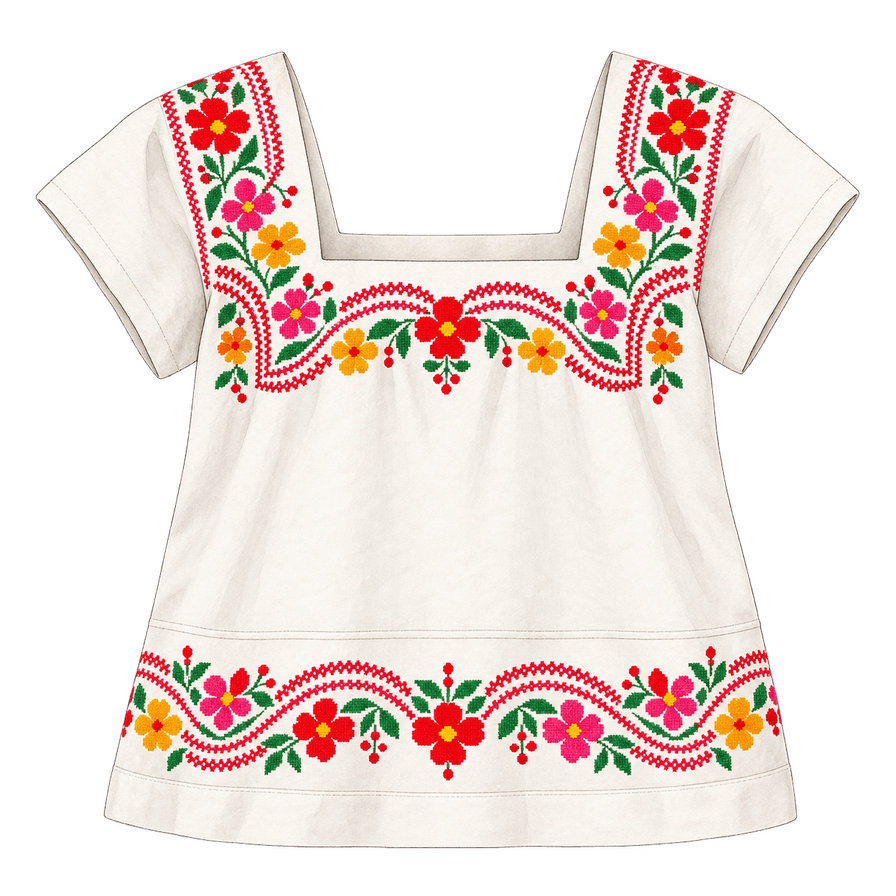 02White cotton hipil-style blouse, cross-stitch flowers at neck and hem
Buy it in Cancún or Mérida from a Maya embroiderer; the Yucatán state congress declared this embroidery state heritage in 2024, and the handmade version is the respectful one. A boxy cut hangs off the body in 30°C / 86°F heat. Worn over the sand trousers it is the festival's colours without a costume.
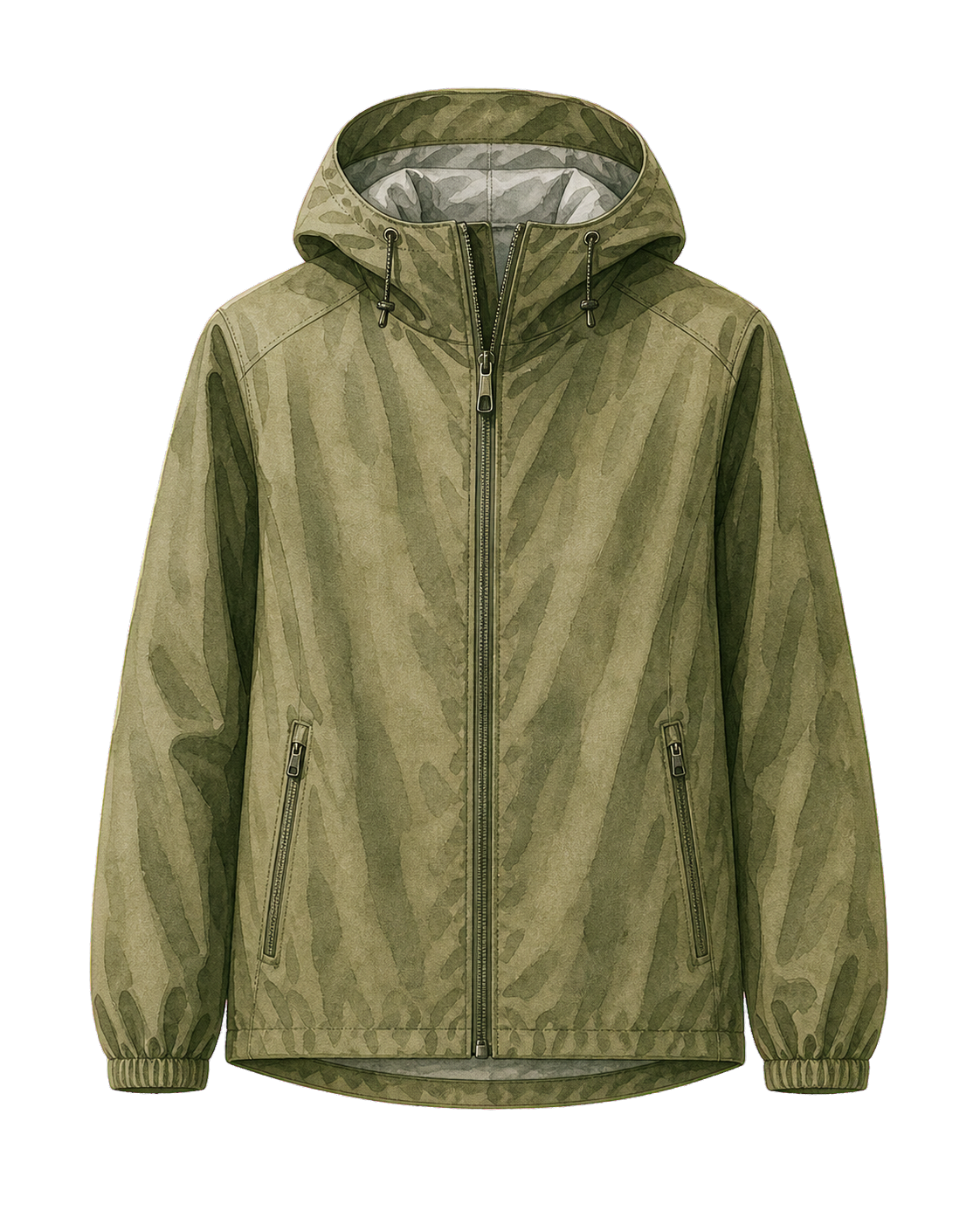 03Olive hooded packable rain shell
November brings 131mm over about 13 days on SMN's Cancún normal, and the procession does not stop for a shower. A packable shell folds into the straw crossbody, the hood covers you without an umbrella poking the crowd, and olive stays quiet next to black cotton. Take it off the moment the rain passes; at 22°C it is a shell, not a layer.
 04Pale sand drawstring wide-leg trousers, cropped
Full-leg cover against dusk mosquitoes, and a wide cut that lets air through on a 30°C afternoon. Cropped above the ankle, the hem clears a wet waterfront. A drawstring waist sits comfortably through an evening of standing, and sand under the white hipil keeps the embroidery the only colour.
 05Cognac woven-leather huaraches, closed toe, ankle strap
Woven huaraches are Mexican footwear, and the closed toe is the point here: the municipality counted more than 60,000 people at Janal Pixan in 2024, standing on wet paving in the dark. The ankle strap keeps them on in a press of people, and leather dries overnight. Leave flip-flops at the hotel.
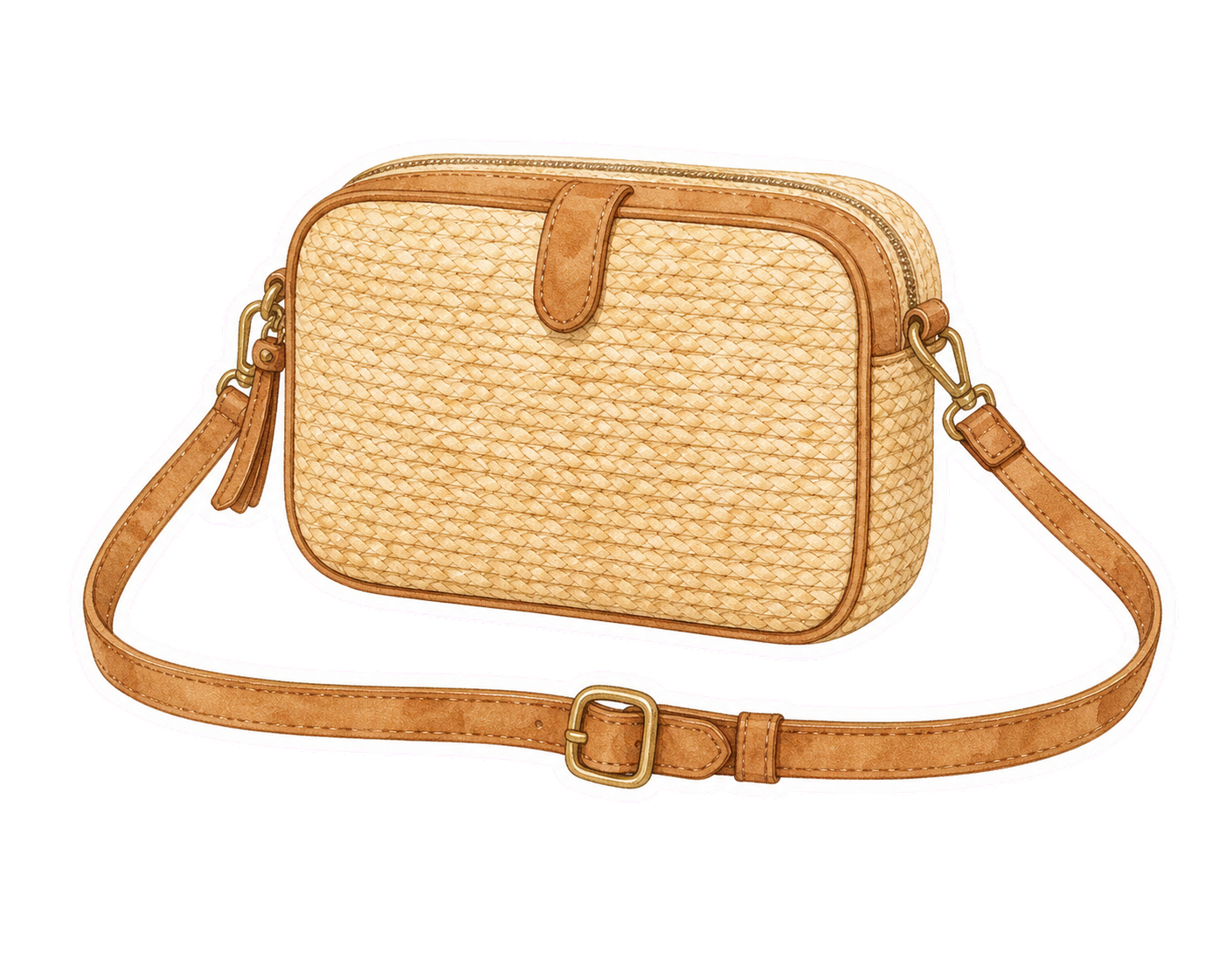 06Woven palm-straw camera crossbody, tan leather trim
Hands free for the procession, a candle and a plate from the food stalls. A small zip crossbody sits in front of you in the crowd, and woven palm is the Yucatán's own material. It holds the folded shell, a phone and repellent.
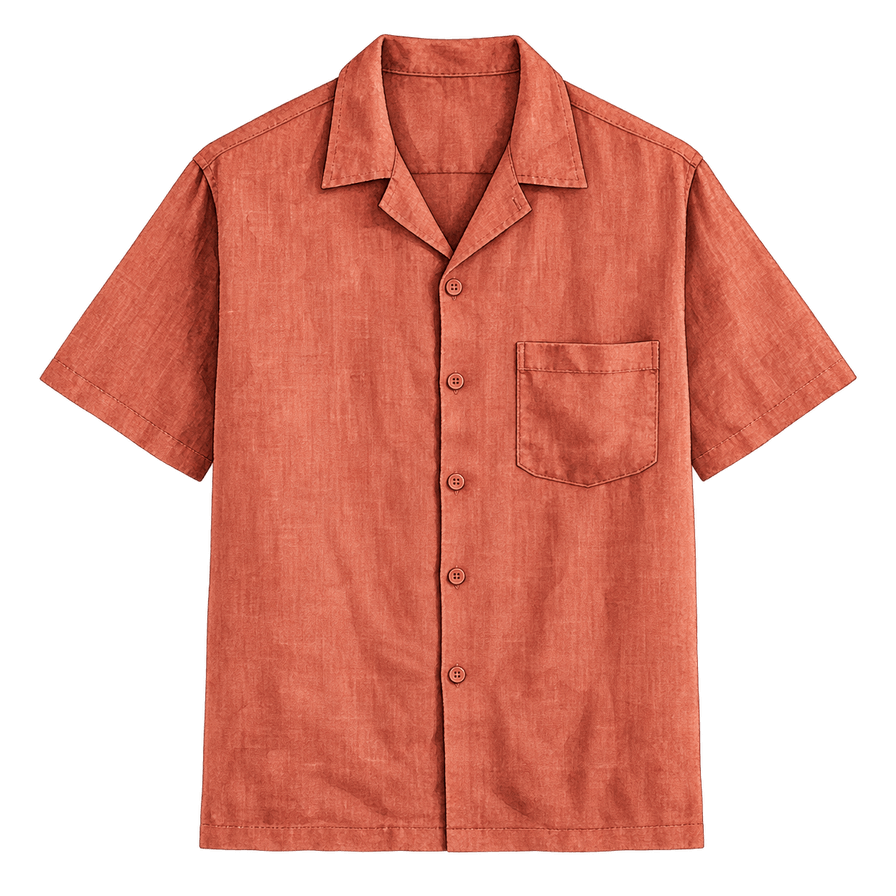 07Men's terracotta linen camp-collar shirt, short sleeves
A plain camp collar in washed linen is the menswear answer to a 22°C humid night, worn untucked over the sand trousers. It is deliberately not a guayabera, which Mérida's council traces to Maya farmers' manta shirts and which reads best bought locally. Terracotta takes the marigold light of the altars without competing with it.
Day to night
Hipil-style blouse · sand wide-leg trousers · cognac huaraches · straw crossbody with the shell folded in. The ofrendas at Parque de las Palapas in the afternoon heat, before the showers.
Black shirt dress, sleeves down · huaraches · shell in the bag · crossbody. Puerto Juárez from 6pm, the catrina procession arriving from the sea, the waterfront at 22°C / 72°F.
A suggested look — black oversized shirt dress, black leather two-strap sandals.
What to avoid
- A printed or machine-made hipil — the embroidery is protected Yucatec heritage
- Flip-flops — wet paving and a crowd of 60,000
- Assuming the rains are over — 13 wet days in November
- Catrina paint at the cemetery — keep it for the procession
Frequently asked questions
Loose black or white cotton, closed shoes and a packable shell. SMN's normals give November 30°C / 86°F by day and 22°C / 72°F at night, with rain on about 13 days, and the festival happens after dark on the Puerto Juárez waterfront. A long-sleeved cotton dress or a hipil-style blouse with light trousers keeps you cool and covers your arms from mosquitoes; huaraches with a closed toe handle a wet, crowded waterfront.
The municipality of Benito Juárez had not published its 2026 programme by the end of September. In 2025 it ran from 30 October to 2 November at Puerto Juárez, the Parque de las Palapas and Los Olivos cemetery, with the Puerto Juárez evenings from 6pm to 11pm, and local press expects the same pattern this year. Check cancun.gob.mx in late October.
Food of the souls, in Yucatec Maya. It is the Maya name for the days of the dead across the Yucatán peninsula, when families set out the dishes their dead loved, and in Cancún it is the name of the municipality's own festival on the waterfront.
Yes, if it is the real thing and you bought it from the people who make it. Maya-Yucatec embroidery was declared part of Yucatán's intangible cultural heritage by the state congress in March 2024, and a handmade hipil-style blouse is worn and sold across the peninsula. Skip printed party-shop copies, and skip the formal three-piece terno, which Mérida's council describes as dress with its own occasions and about six months of handwork.
Plan for it. SMN's 1991–2020 normal for its Cancún station gives November 131mm of rain over about 13 days, more than August, and the Atlantic hurricane season runs to 30 November. A packable hooded shell beats an umbrella in a crowd, where an open canopy blocks the view and pokes the people beside you.
Sources
- UNESCO Intangible Cultural Heritage — Indigenous festivity dedicated to the dead (Mexico), inscribed 2008 — accessed 2026-09-29
- Secretaría de Cultura CDMX — Gran Desfile de Día de Muertos 2026, Saturday 31 October — accessed 2026-09-29
- Secretaría de Turismo CDMX — Day of the Dead 2026 in Mexico City — accessed 2026-09-27
- INBA — Sueño de una tarde dominical en la Alameda Central, the Rivera mural in which La Catrina was immortalised — accessed 2026-09-29
- SMN / Conagua — Normal climatológica 1991–2020, Tacubaya Central (Obs) 9048 — accessed 2026-09-27
- INEGI — Aspectos geográficos de Ciudad de México, Compendio 2022 (Valle de México 2,240 m) — accessed 2026-09-27
- SEDEMA, Dirección de Monitoreo Atmosférico — Ultraviolet radiation index — accessed 2026-09-27
- SMN — Normal climatológica 1991–2020, station 23155 Cancún — accessed 2026-09-27
- Municipio de Benito Juárez — Janal Pixan 2025 announcement (dates, venues, free shuttle) — accessed 2026-09-27
- Municipio de Benito Juárez — Janal Pixan 2025 programme (hours, catrina procession) — accessed 2026-09-27
- Ayuntamiento de Mérida — Traditional dress of Yucatán (terno, hipil, guayabera) — accessed 2026-09-27
- Congreso del Estado de Yucatán — Yucatec embroidery declared state intangible heritage (18 Mar 2024) — accessed 2026-09-27
- NOAA National Hurricane Center — Atlantic tropical cyclone climatology (season 1 June–30 November) — accessed 2026-09-27
- Hollywood Forever — 27th Annual Día de los Muertos, Saturday 24 October 2026, noon to midnight — accessed 2026-09-29
- Hollywood Forever — Día de los Muertos frequently asked questions — accessed 2026-09-29
- NOAA NCEI — U.S. Climate Normals 1991–2020 (monthly normals by station) — accessed 2026-09-26