What to Wear to Día de Muertos in Mexico City
October 31 – November 2, 2026 · Zócalo, Paseo de la Reforma and San Andrés Mixquic, Mexico City
SMN's 1991–2020 November normals for its Tacubaya observatory, the figures on our Mexico City November guide. Daylight is for 1 November.
Mexico City, 31 October to 2 November 2026: 23°C / 73°F afternoons, 10°C / 50°F nights, a parade on Reforma and a vigil in Mixquic.
- A wool coat for the vigil — dawn normals sit at 9.9°C and you stand still for hours
- A rebozo — warmth, colour and a textile made in Mexico, in one piece
- A brimmed hat by day — SEDEMA says the altitude adds about 20% to the UV
- Lug-sole boots — cemetery paths, cobbles and a crowd on Reforma
- A zipped crossbody — the parade and the Zócalo are packed
- Catrina face paint at a cemetery — families there are mourning, not performing
- Sitting or stepping on a tomb — the city's guide asks for respect and silence
- Photos of a family's altar without asking
- A costume-shop skull outfit — the Catrina is Posada's satire, not a Halloween skeleton
- Packing only for 23°C — the valley loses its heat fast after 6pm
Packing philosophy
Pack for a thirteen-degree swing and two very different nights. SMN's 1991–2020 normals for Tacubaya give November 22.8°C by day and 9.9°C at dawn, with about 4 rain days, and the valley sits at 2,240 metres on INEGI's figures, where SEDEMA says the ultraviolet runs about 20% above sea level. The Gran Desfile on Saturday 31 October is afternoon sun on Reforma. La Alumbrada at Mixquic on the night of 2 November is hours of standing among candles as the temperature falls toward ten. So build in black and charcoal wool, and add colour with a rebozo rather than a costume. The rebozo is the one piece doing three jobs: shawl, blanket and the brightest thing you wear.
The parade is a street party and the vigil is a family keeping watch. Dress for the second one, and you will be fine at the first.
What the dress code actually is
There is no dress code, and there is a clear line. UNESCO inscribed Mexico's Indigenous festivity dedicated to the dead on its Representative List in 2008, and it describes families guiding the dead home with petals, candles and their favourite food; what you are walking into at a cemetery is that. At Mixquic the city's own guide asks for "a respectful silence during La Alumbrada" and for nobody to sit or step on the tombs; ask before you photograph a family's altar, too. Catrina paint belongs to the public side of the festival: the parade, the Zócalo, the catrinas who walk Reforma. The figure began as José Guadalupe Posada's Calavera Garbancera, a satire of Mexicans who dressed as Europeans, and Diego Rivera named her Catrina and put her at the centre of Sueño de una tarde dominical en la Alameda Central in 1947, the mural INBA now keeps at the Museo Mural Diego Rivera. Wear the paint on Reforma if you like. Take it off before you go to a graveside.
The capsule
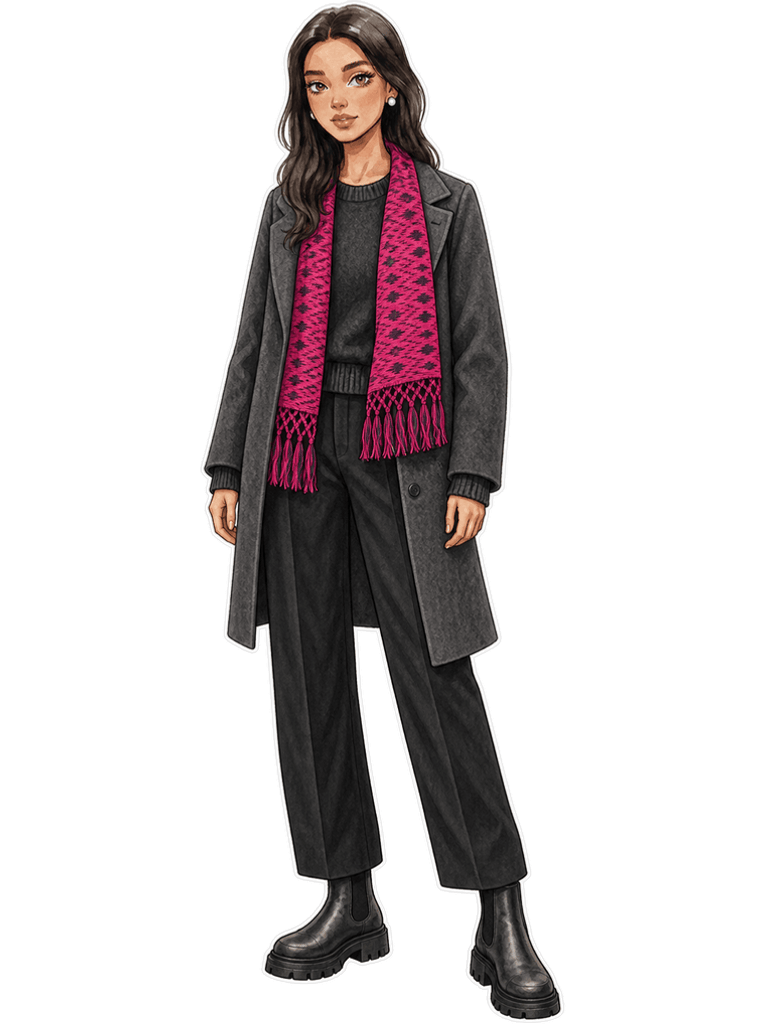
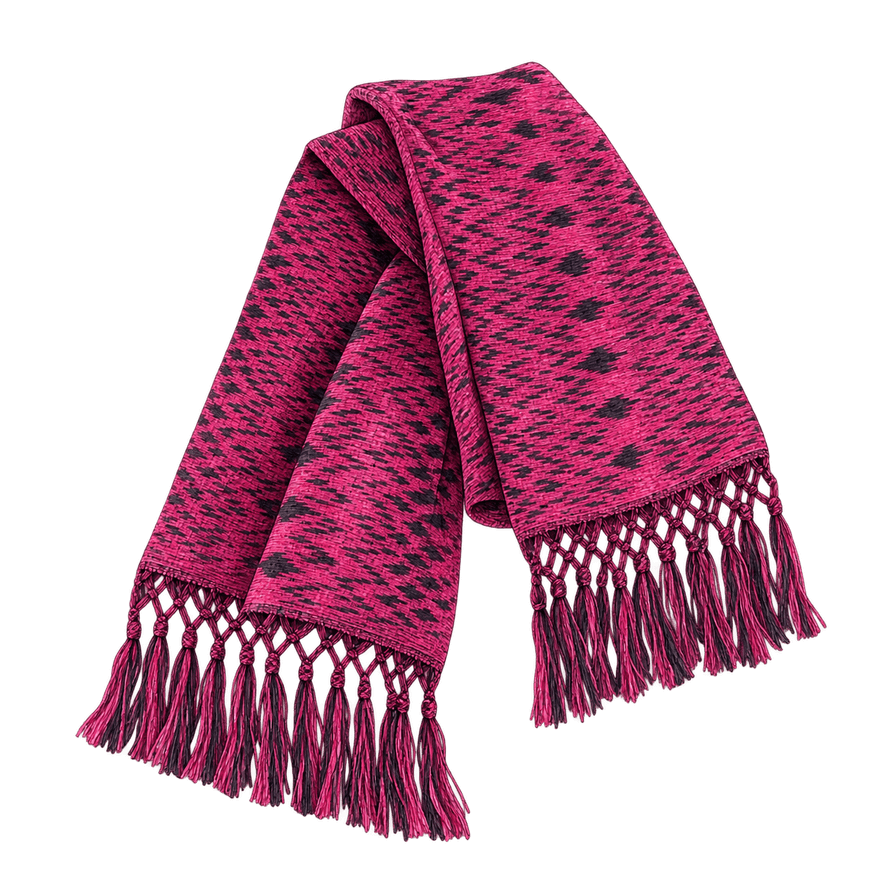 01Rosa mexicano ikat rebozo, knotted fringe
The one piece of the capsule worth buying in Mexico. A cotton rebozo is a shawl on Reforma, a blanket at Mixquic when the night falls toward 10°C / 50°F, and the brightest colour you wear, which lets everything else stay black. Buy it from a weaver's stall rather than a costume shop, and wear it wrapped rather than as a cape.
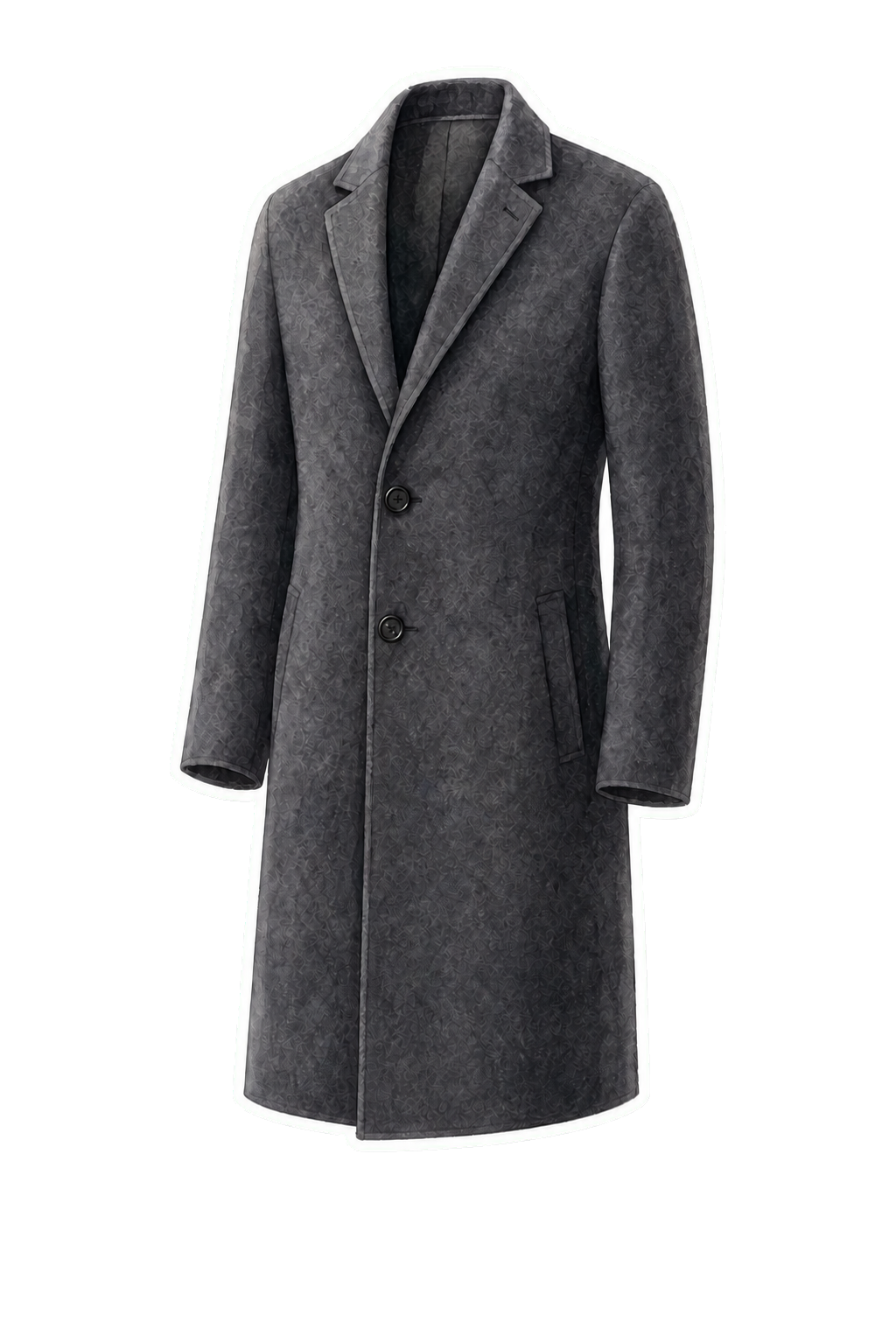 02Charcoal knee-length single-breasted wool coat
La Alumbrada is hours of standing among candles on the night of 2 November, and SMN's Tacubaya dawn normal is 9.9°C. A knee-length wool coat covers you through the vigil without the rustle of a puffer in a quiet cemetery. Charcoal reads close to black by candlelight, which is the register the families around you are in.
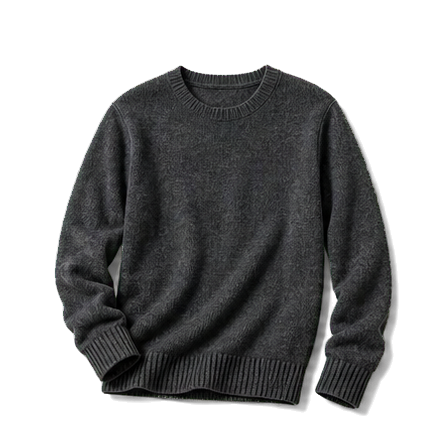 03Charcoal fine-knit crew sweater
Wear it under the coat at night and alone at the parade, when the afternoon reaches 22.8°C and the coat stays at the hotel. A fine knit layers flat under the rebozo without bulk. Charcoal on charcoal keeps the rosa of the rebozo as the only colour in the look.
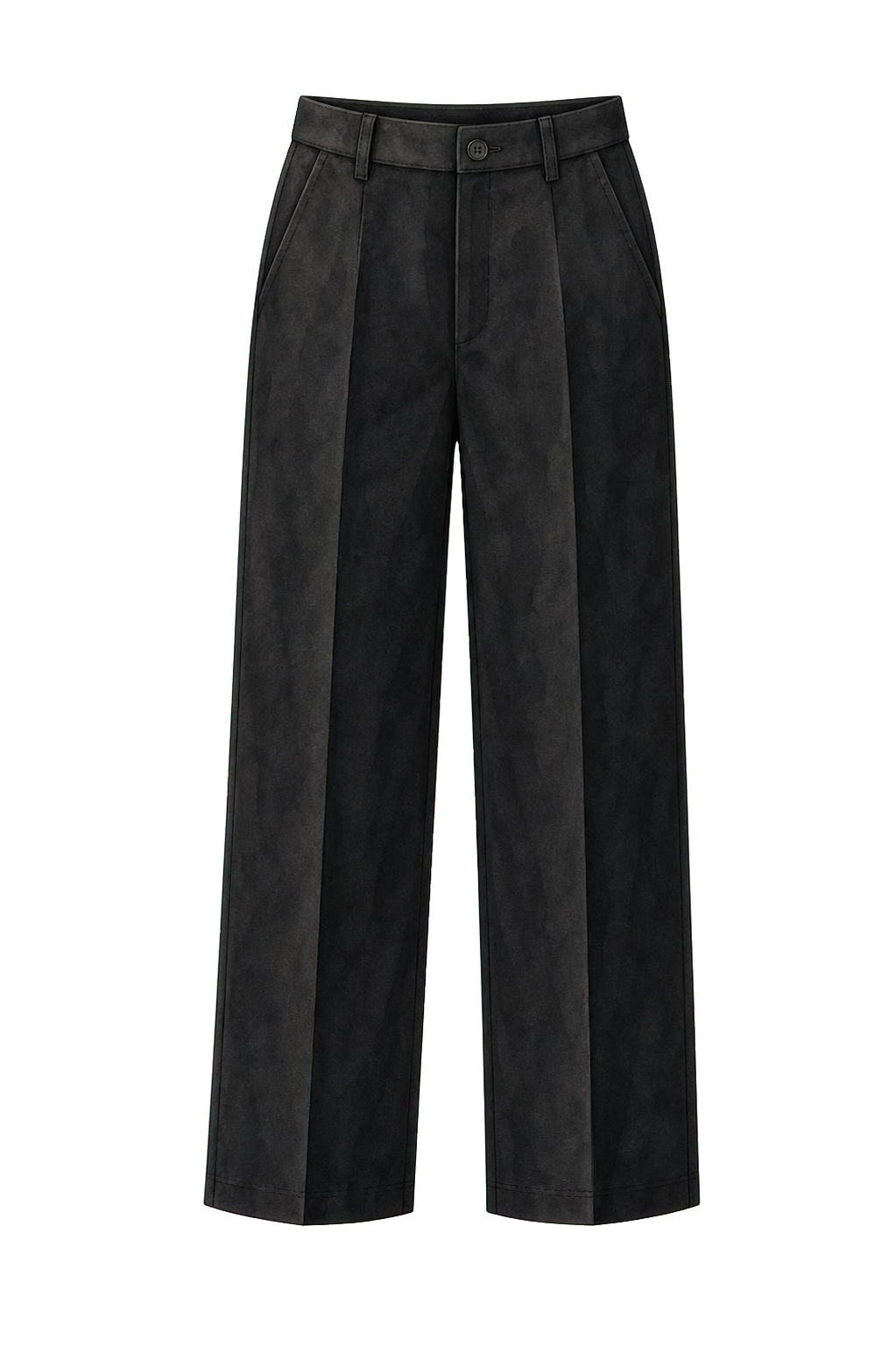 04Black pressed straight-leg trousers, ankle length
Full-length trousers keep your legs warm at a 10°C vigil, and ankle length keeps the hem off wet candle wax and cemetery dust. A pressed crease reads as respect at a graveside where jeans read as sightseeing. Black also hides a day of standing on Reforma.
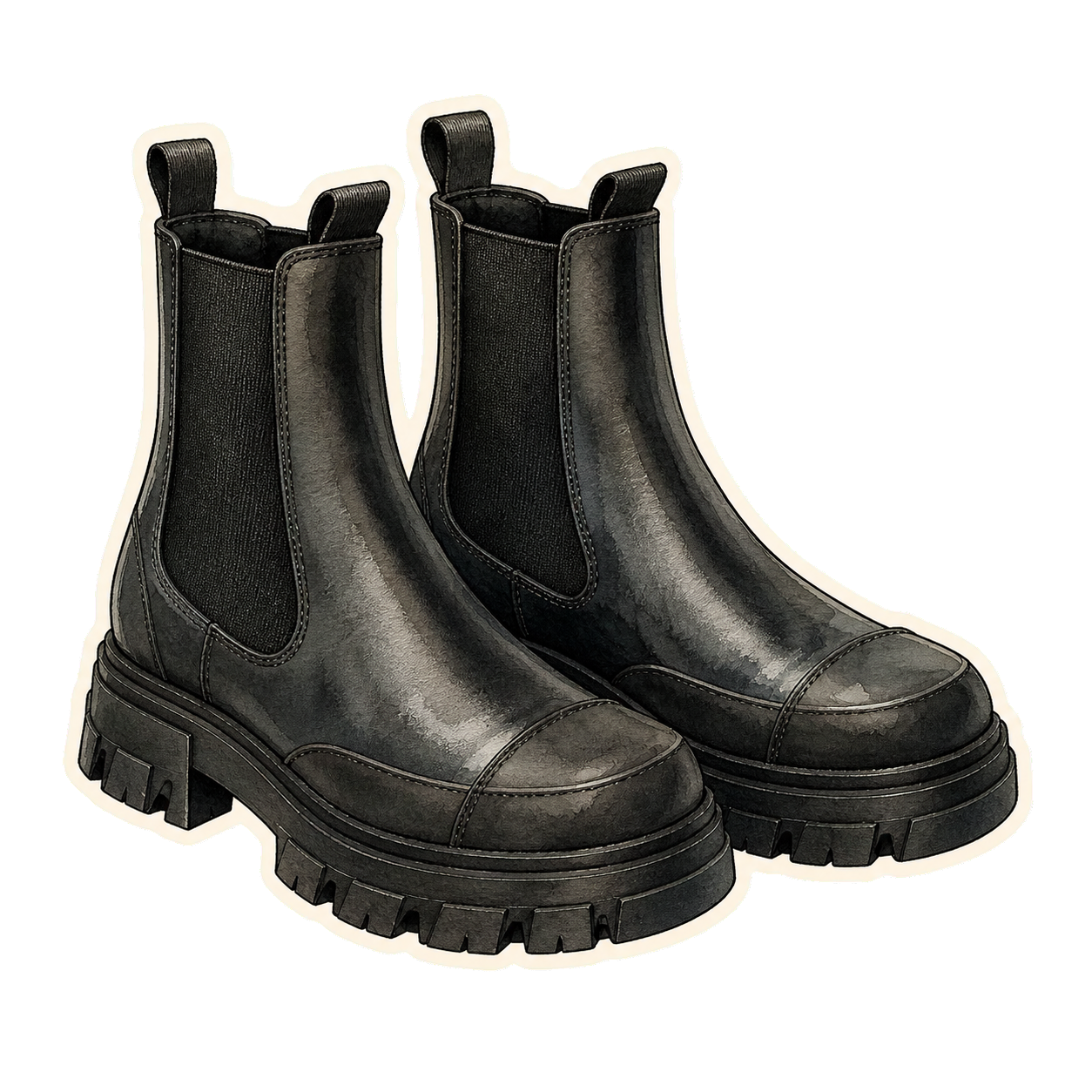 05Black leather Chelsea boots, deep lug sole
Mixquic's cemetery paths are packed earth and uneven stone, the Centro is cobbled, and the parade crowd on Reforma steps on toes. A lug sole grips all three, and an elastic side lets you pull them off at the end of a sixteen-hour day. Leave anything open-toed for the afternoon.
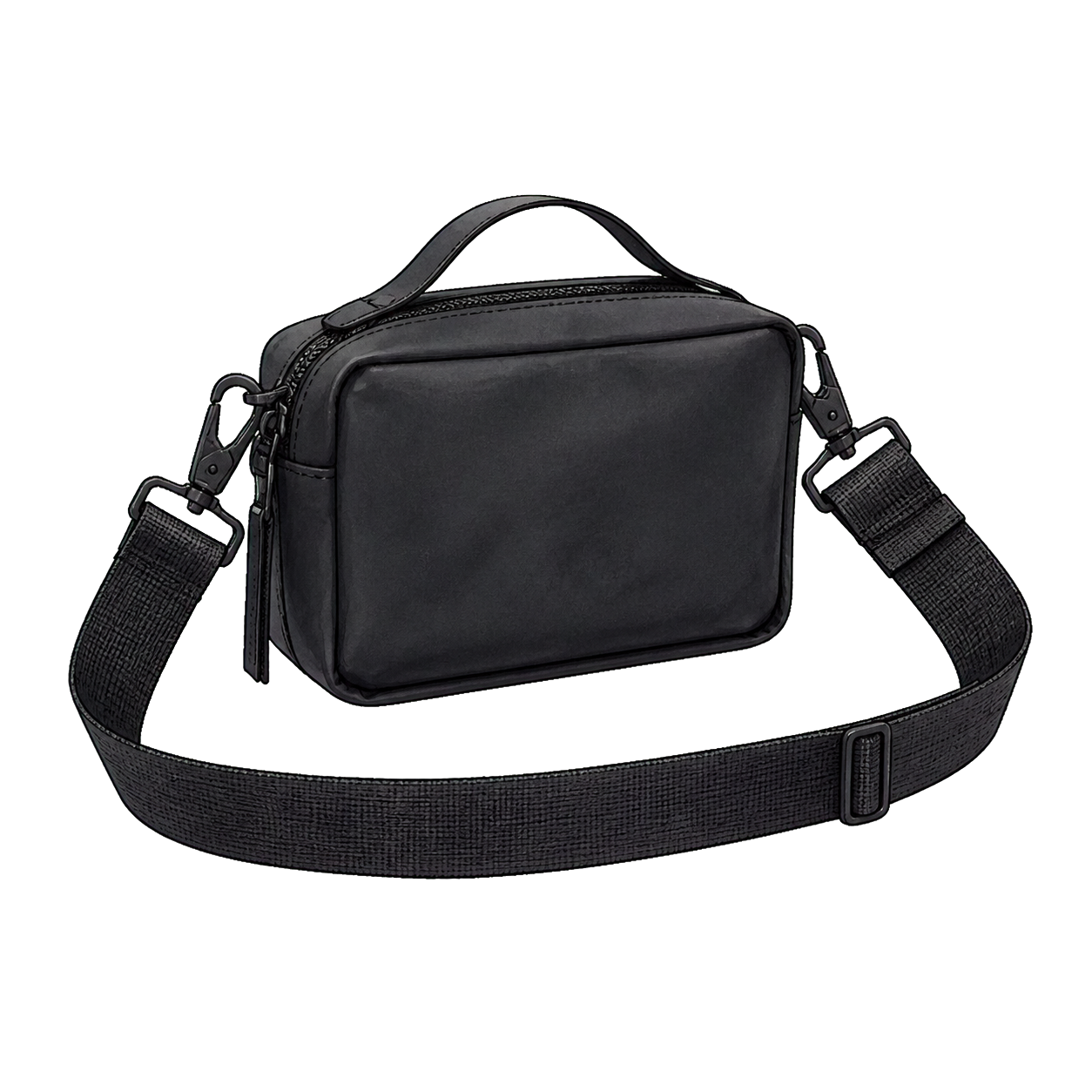 06Matte black zip crossbody, wide strap
The Gran Desfile runs from Chapultepec along Reforma to the Zócalo, and every metre of it is shoulder to shoulder. A small crossbody with a full zip sits in front of you, and a wide strap stays put under a rebozo. It holds a phone, cash for marigolds and pan de muerto, and a candle for the vigil.
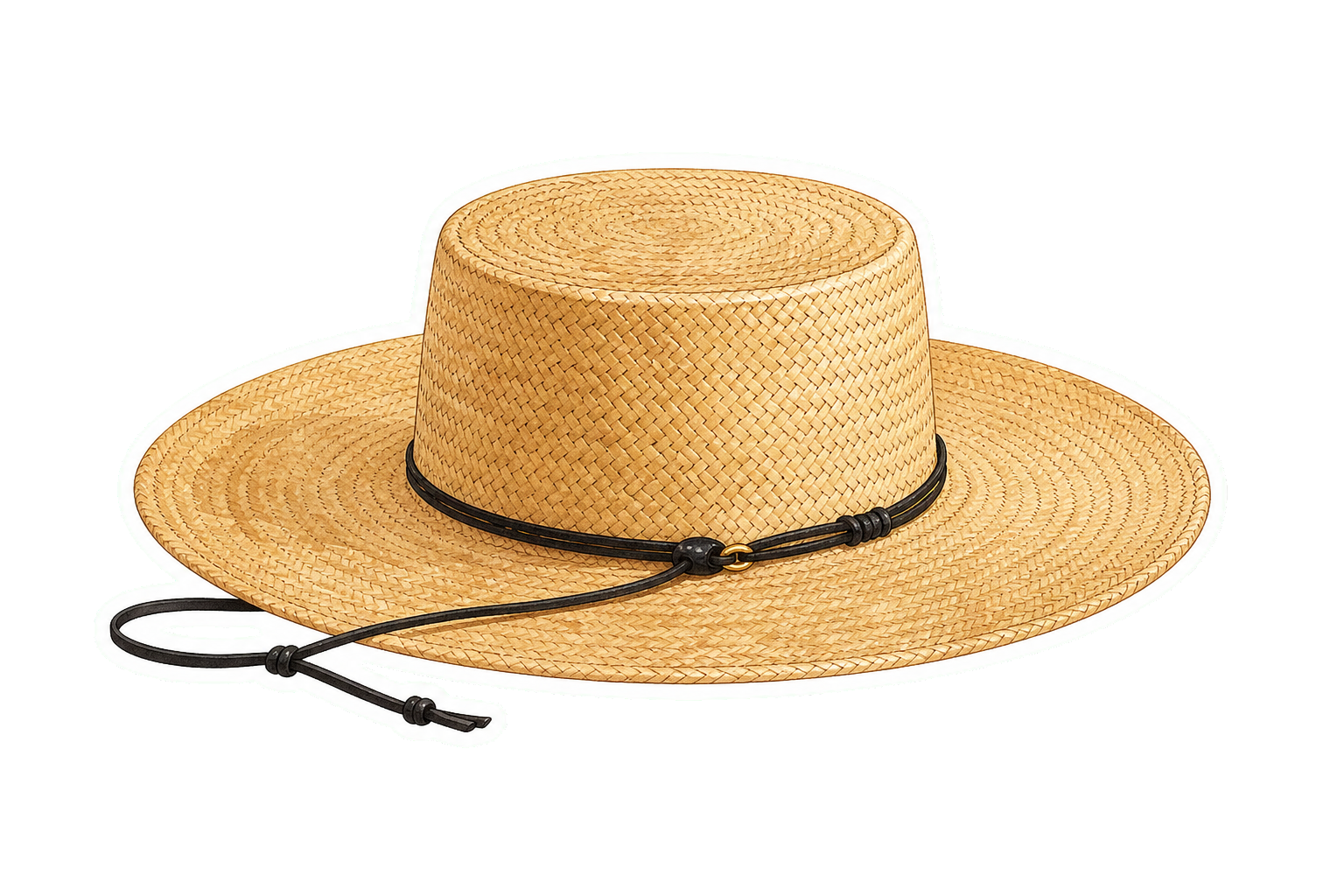 07Natural palm-straw flat-brim hat, black band
SEDEMA says the city's altitude adds about 20% to the ultraviolet, and its riskiest hours run from 11am to 4pm, exactly when the parade crowd waits on Reforma. A flat wide brim shades your face and neck, and palm straw breathes in 23°C / 73°F sun. The chin cord holds it in a crowd.
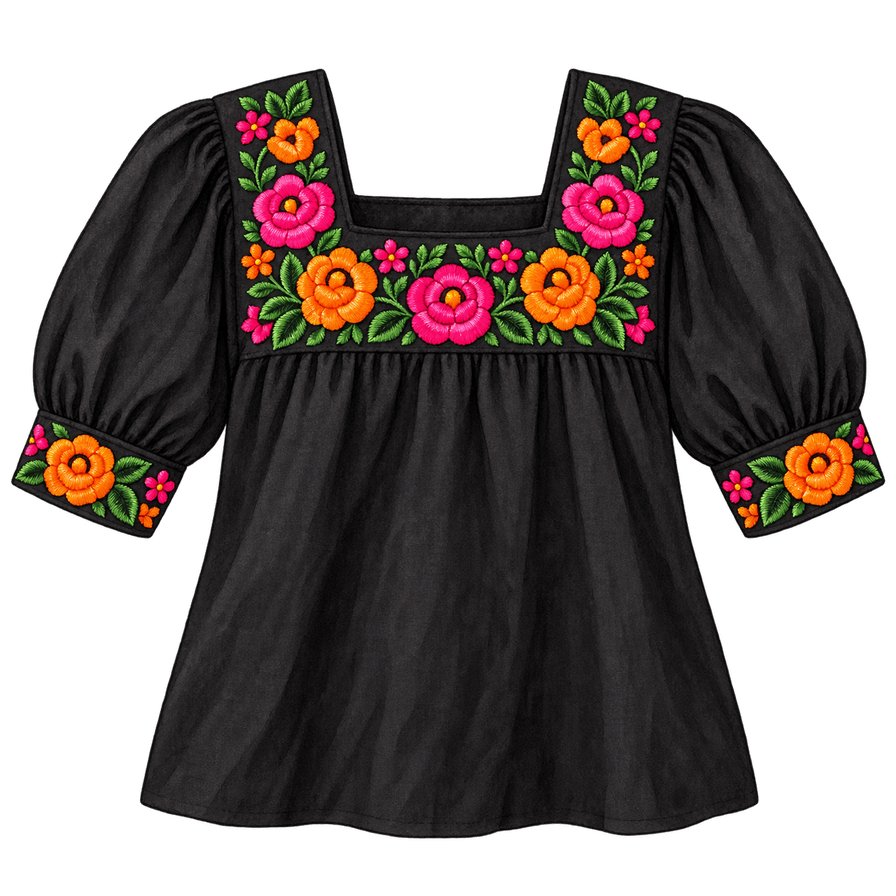 08Black cotton blouse, marigold and rosa floral embroidery
For the parade and the ofrendas on the Zócalo, a black blouse with marigold and rosa embroidery takes the festival's colours without a costume. Buy embroidery from the people who make it, in a market rather than a party shop. Elbow sleeves cover your arms in the altitude sun, and the coat goes over it at dusk.
Day to night
Embroidered black blouse · black trousers · lug boots · palm-straw hat · rebozo over the arm · crossbody. The Gran Desfile along Reforma on Saturday 31 October, then the ofrendas on the Zócalo.
Charcoal crew · black trousers · lug boots · rebozo wrapped · charcoal coat over it · crossbody zipped. La Alumbrada at Mixquic on the night of 2 November, among the candles, as the valley cools toward ten degrees.
A suggested look — rosa mexicano rebozo, charcoal wool coat, charcoal crew knit, black straight trousers, black lug-sole chelsea boots.
What to avoid
- Catrina paint at a graveside — wear it on Reforma, take it off before Mixquic
- Stepping or sitting on tombs — the city asks for respect and silence
- Photographing a family altar without asking
- A costume-shop skeleton suit — the Catrina has a history, and it is not Halloween
- Dressing for 23°C only — dawns fall to 10°C / 50°F
Frequently asked questions
Dark wool for the night and a hat for the day. SMN's Tacubaya normals give November 23°C / 73°F by day and 10°C / 50°F at dawn, and the cemetery vigils are hours of standing still after dark. Wear black or charcoal trousers, a fine knit, a knee-length wool coat and lug-sole boots, and take your colour from a rebozo. For the parade, add a brimmed hat, since SEDEMA says the altitude adds about 20% to the ultraviolet.
The Gran Desfile de Día de Muertos is on Saturday 31 October 2026, running from the Bosque de Chapultepec along Paseo de la Reforma to the Zócalo, according to the city's culture ministry. The monumental ofrenda on the Zócalo stays up until 2 November, and La Alumbrada, the candle vigil at San Andrés Mixquic, is on the night of the 2nd.
Not at the public celebrations, where Mexicans wear it too: the parade, the Zócalo and the catrina walks. It is out of place at a cemetery, where families are keeping watch over their own dead. The Catrina began as José Guadalupe Posada's Calavera Garbancera, a satire of people who denied their roots to look European, and Diego Rivera named her and painted her into his 1947 Alameda mural. Wear the paint knowing that, and take it off before a vigil.
Dry, sunny and cool at both ends of the day. SMN's 1991–2020 normals for Tacubaya give November an average high of 22.8°C and a low of 9.9°C, with about 4 rain days after 10 in October, so the rains are over. The city sits at about 2,240 metres, and sunset comes at about 6pm, after which the valley cools quickly.
As a guest at someone else's family occasion. Walk the paths and never sit or stand on a tomb. Keep your voice down; the city's guide asks for silence during La Alumbrada. Ask before photographing an altar or a family, and do not take flowers or candles from a grave. Dress darkly and warmly, leave the face paint for Reforma, and bring a candle if you want to leave one.
Yes, if you buy it from a maker. A cotton or silk rebozo is a Mexican shawl with a hand-knotted fringe, and it is the single most useful thing to wear for these three days: warm at a 10°C vigil, light enough to carry on Reforma, and bright enough that the rest of your clothes can stay black. Look for it in a market or a maker's shop, not a costume stall.
Sources
- UNESCO Intangible Cultural Heritage — Indigenous festivity dedicated to the dead (Mexico), inscribed 2008 — accessed 2026-09-29
- Secretaría de Cultura CDMX — Gran Desfile de Día de Muertos 2026, Saturday 31 October — accessed 2026-09-29
- Secretaría de Turismo CDMX — Day of the Dead 2026 in Mexico City — accessed 2026-09-27
- INBA — Sueño de una tarde dominical en la Alameda Central, the Rivera mural in which La Catrina was immortalised — accessed 2026-09-29
- SMN / Conagua — Normal climatológica 1991–2020, Tacubaya Central (Obs) 9048 — accessed 2026-09-27
- INEGI — Aspectos geográficos de Ciudad de México, Compendio 2022 (Valle de México 2,240 m) — accessed 2026-09-27
- SEDEMA, Dirección de Monitoreo Atmosférico — Ultraviolet radiation index — accessed 2026-09-27
- SMN — Normal climatológica 1991–2020, station 23155 Cancún — accessed 2026-09-27
- Municipio de Benito Juárez — Janal Pixan 2025 announcement (dates, venues, free shuttle) — accessed 2026-09-27
- Municipio de Benito Juárez — Janal Pixan 2025 programme (hours, catrina procession) — accessed 2026-09-27
- Ayuntamiento de Mérida — Traditional dress of Yucatán (terno, hipil, guayabera) — accessed 2026-09-27
- Congreso del Estado de Yucatán — Yucatec embroidery declared state intangible heritage (18 Mar 2024) — accessed 2026-09-27
- NOAA National Hurricane Center — Atlantic tropical cyclone climatology (season 1 June–30 November) — accessed 2026-09-27
- Hollywood Forever — 27th Annual Día de los Muertos, Saturday 24 October 2026, noon to midnight — accessed 2026-09-29
- Hollywood Forever — Día de los Muertos frequently asked questions — accessed 2026-09-29
- NOAA NCEI — U.S. Climate Normals 1991–2020 (monthly normals by station) — accessed 2026-09-26