What to Wear to Oktoberfest 2026
September 19 – October 4, 2026 · Theresienwiese, Munich
Figures cover the 16-day festival window, not the calendar month. Deutscher Wetterdienst normals put Munich at 19°C / 66°F by day in September and 13.8°C / 57°F in October, and the Wiesn runs across that turn.
Oktoberfest 2026: September 19 to October 4, 16°C / 61°F days falling to 7°C / 45°F nights, on gravel, in a hall that runs hot.
- Dress for two climates — a full tent is shirtsleeve-warm, the walk out is not
- A bag under 3 litres — 20 × 15 × 10cm is the published limit, checked at the gate
- Flat lug soles — the Theresienwiese is gravel end to end
- Real cotton, linen or wool Tracht — polyester does not breathe in a packed hall
- Opaque tights under a dirndl — the closing weekend runs near 5°C / 41°F at night
- Dark colours below the waist — beer gets spilled, and benches are stood on
- Heels of any height — they sink and catch in gravel all the way across the grounds
- A rucksack or tote — anything over 3 litres is turned away at the entrance
- A costume-shop dirndl in polyester — locals read it instantly, and it traps heat
- Dressing for the hall only — you leave into a 7°C / 45°F night
- Suede anything — spilled beer is a certainty, not a risk
Packing philosophy
Oktoberfest is not a cold-weather event and not a warm one either. It is both, four minutes apart. Deutscher Wetterdienst normals put Munich at 19°C / 66°F by day in September and 13.8°C / 57°F by October, and the 16-day Wiesn runs straight across that turn, so the closing weekend is meaningfully colder than the opening one. Inside a Festzelt none of that applies: several thousand people in a timber hall with full kitchens push it to shirtsleeve warmth by mid-evening, and you will be standing on a bench rather than sitting on it. The layer that matters is the one you take off at the table and put back on at midnight. Everything else follows from gravel underfoot and a three-litre bag limit.
The tent is warm because it is full. The moment you step outside, you are in a Bavarian October in whatever you wore to sit down.
What the dress code actually is
There is no published spectator dress code at Oktoberfest, and any guide presenting one is inventing it. What exists is convention, and it is strong. Tracht is festival dress rather than street dress: locals wear it heavily on the Theresienwiese and essentially never on an ordinary Munich Tuesday, which is why the Munich September guide sends the subject here. Buy it from a house that makes it. Lodenfrey was founded in 1842 by Johann Georg Frey as a ten-loom weaving mill, opened its shop on the square that became Marienplatz in 1850, and took a gold medal at the 1855 Paris World Fair for the first water-repellent loden; Angermaier has traded since 1948. Both cut real cotton, linen and wool, which matters in a hall that runs warm. On the apron bow, the convention is genuinely observed and worth getting right: tied on your left means single, on your right means taken, and at the back means widowed or working. It is folk custom rather than a rule, but Bavarians read it, and tying it at random invites a conversation you did not intend to start.
The capsule
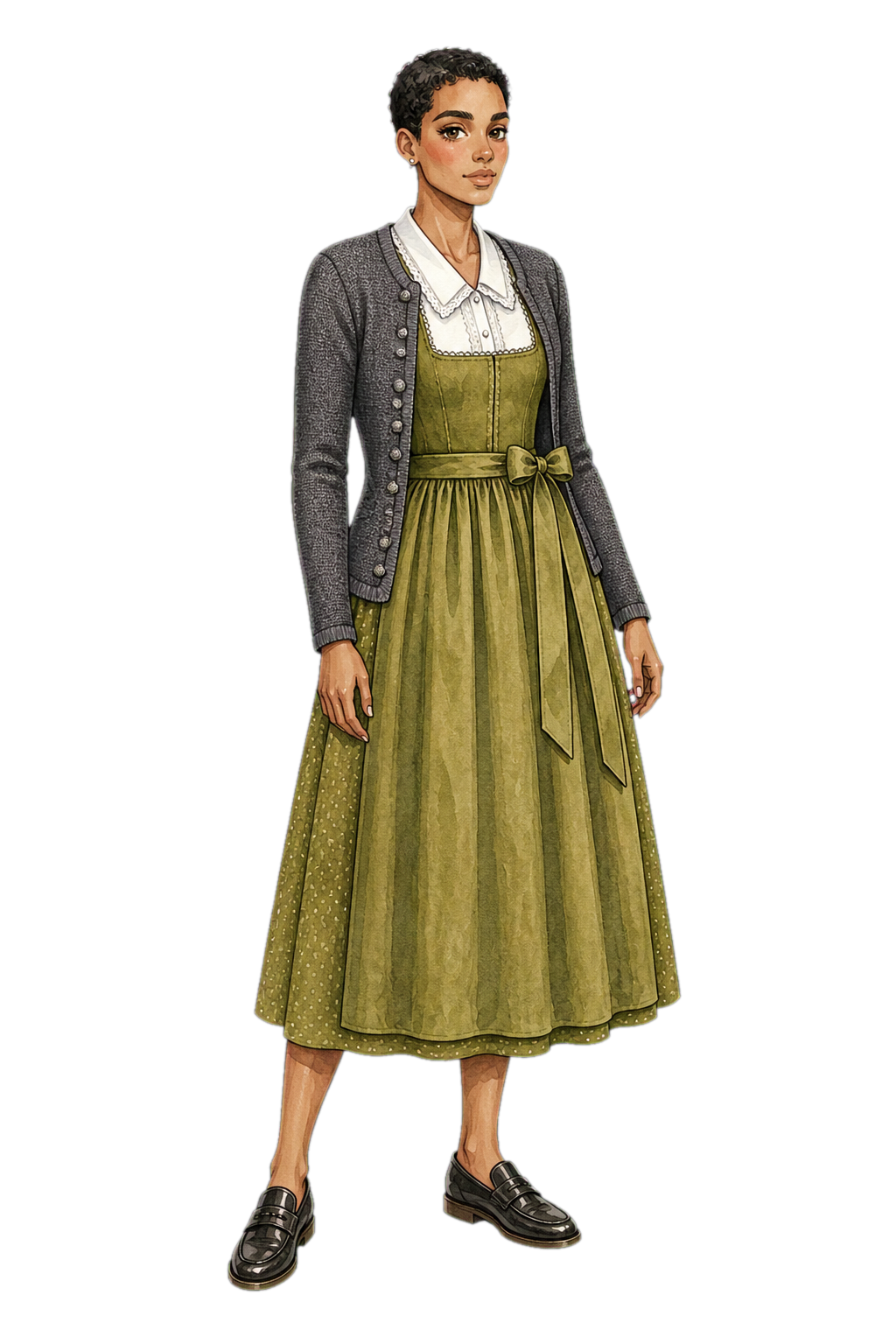
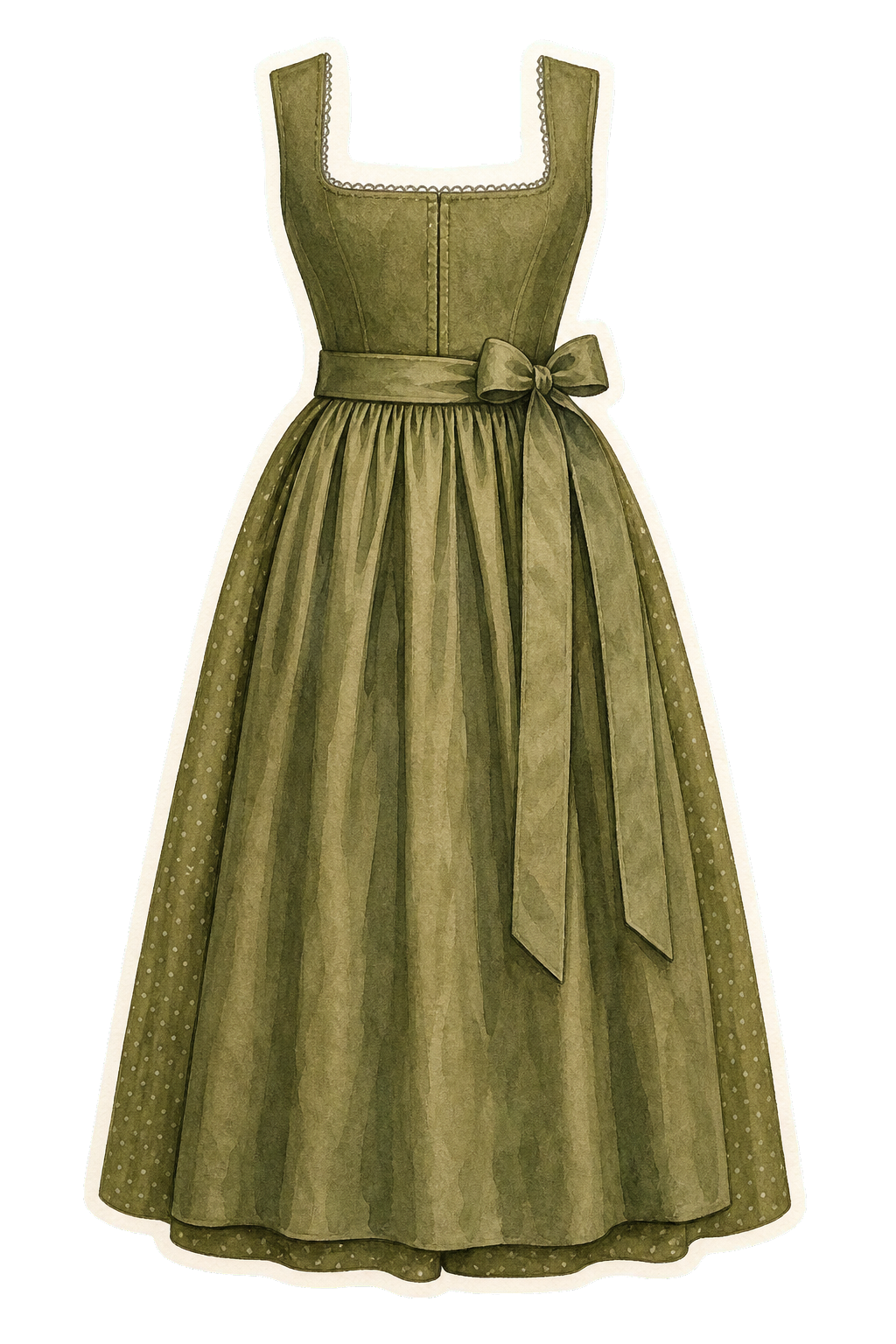 01Dirndl in loden green or oxblood, cotton or linen, midi length
The anchor, and the one purchase worth doing properly. Real cotton or linen moves air in a hall pushed to shirtsleeve warmth by several thousand people; polyester holds heat against you for six hours. Midi length keeps the hem off wet gravel and clear of the bench you will stand on. Loden green and oxblood both sit in the Bavarian register without reading as costume, and they hide the beer that will land on you.
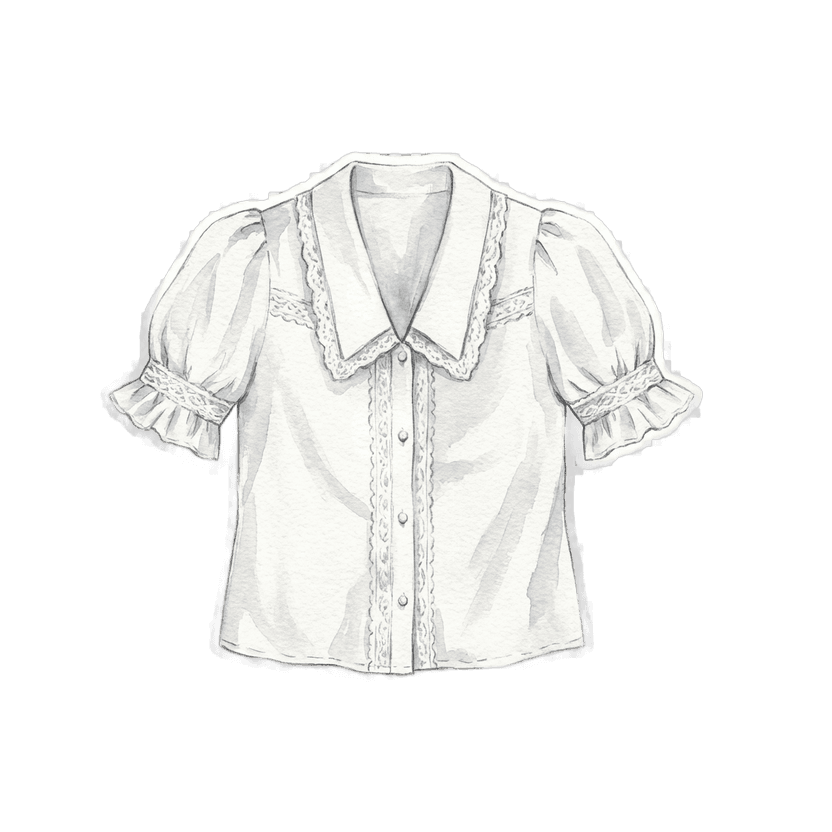 02White Trachtenbluse, pointed collar, eyelet placket, ruffled short puff sleeves
The blouse under the dirndl, and the piece that separates real Tracht from a fancy-dress version. Short puff sleeves let you shed heat at the table while the eyelet trim and pointed collar carry the folk detailing that a plain white top misses entirely. Cotton over synthetic, for the same reason as the dirndl. It also works on its own with the cardigan if your dates run warm.
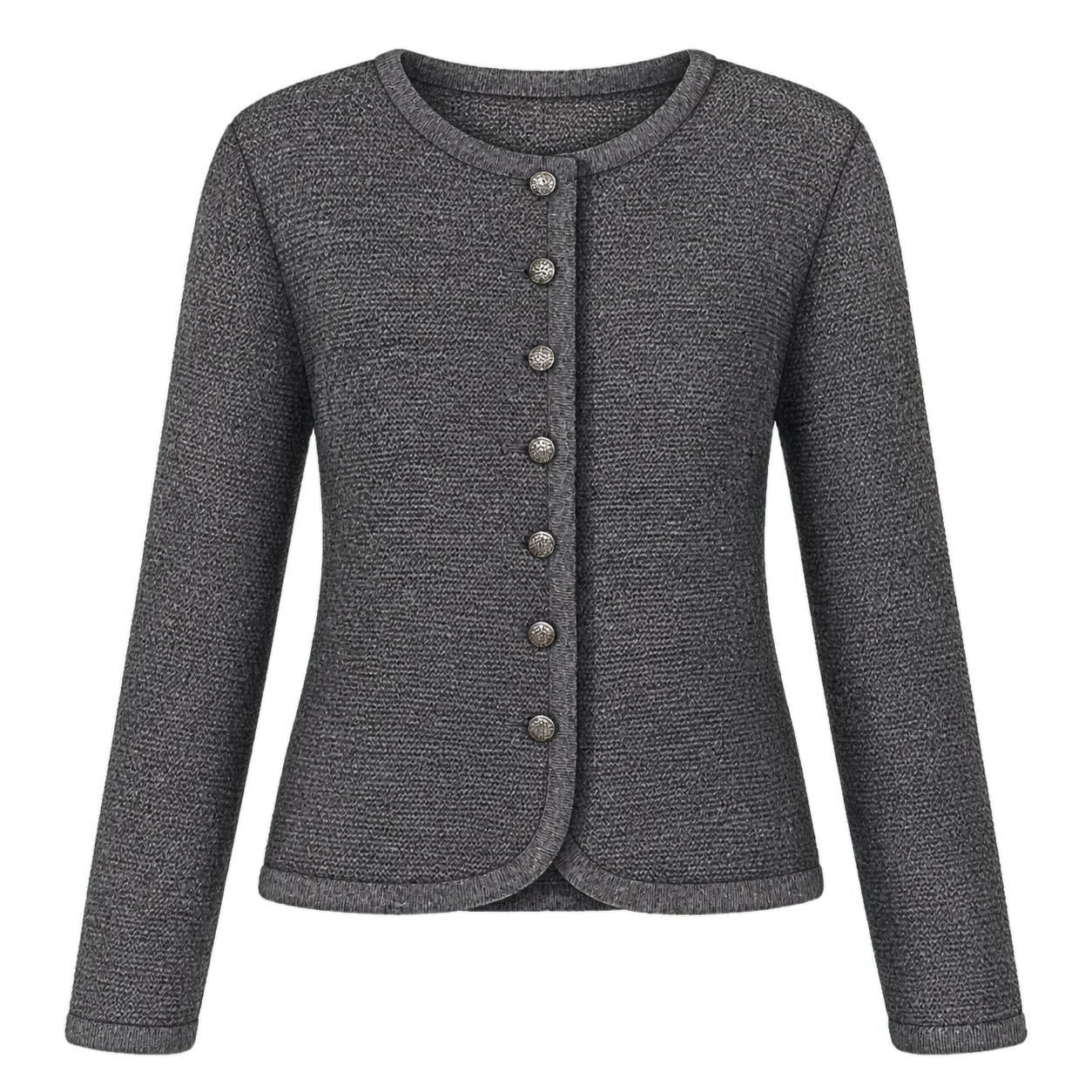 03Charcoal boiled-wool Trachten cardigan, silver-toned buttons
This is the layer the whole day turns on. Boiled wool holds warmth for the 7°C / 45°F walk to the U-Bahn and takes a light drizzle without a shell, and it comes off in one movement when the tent heats up. A Strickjacke over a dirndl is what Munich women actually wear once the evening turns, rather than a coat they then have to guard on a crowded bench. Charcoal takes a beer stain better than cream.
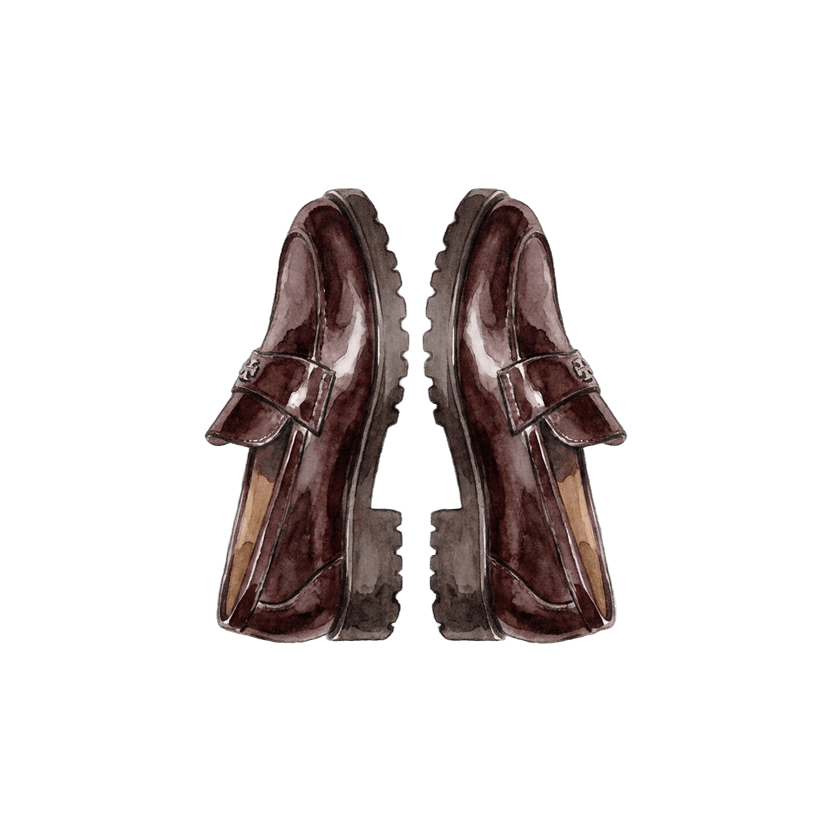 04Oxblood leather penny loafers on a lugged rubber sole
The Theresienwiese is gravel from gate to gate, and gravel is where heels of every height fail: a stiletto sinks and a block heel catches between stones. A flat lugged sole grips the gravel, the spilled beer inside the tent, and the bench you stand on to see the band. Oxblood is dark enough to survive the evening and polished enough to hold its own against Tracht.
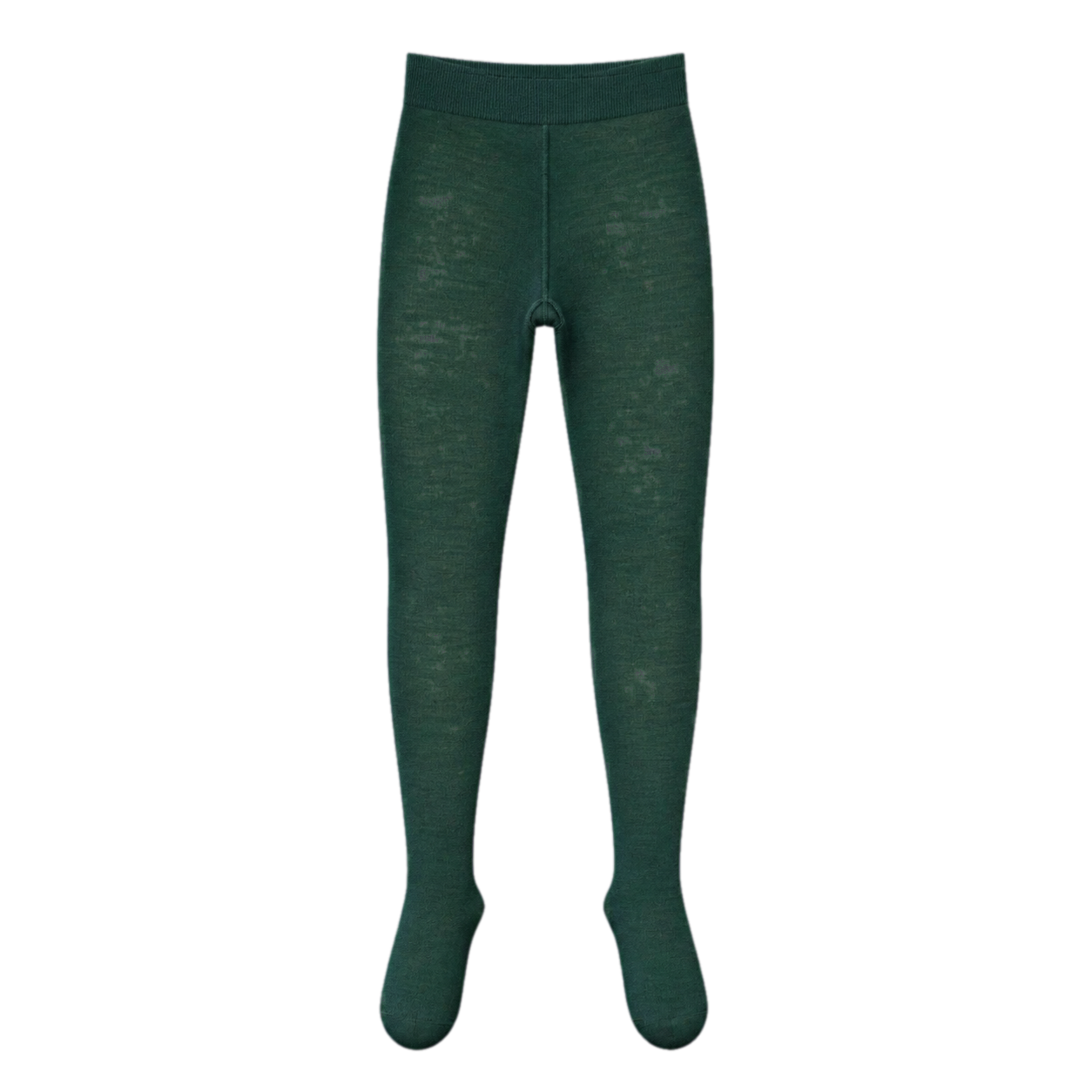 05Opaque wool-blend tights in forest green
A dirndl is a summer-weight garment worn in October. The opening weekend does not need tights and the closing one does, because nights near the end of the run sit closer to 5°C / 41°F than to the 8.5°C / 47°F Munich averages earlier in September. Opaque rather than sheer, wool-blend rather than nylon. Forest green reads deliberate next to loden and disappears under a midi hem.
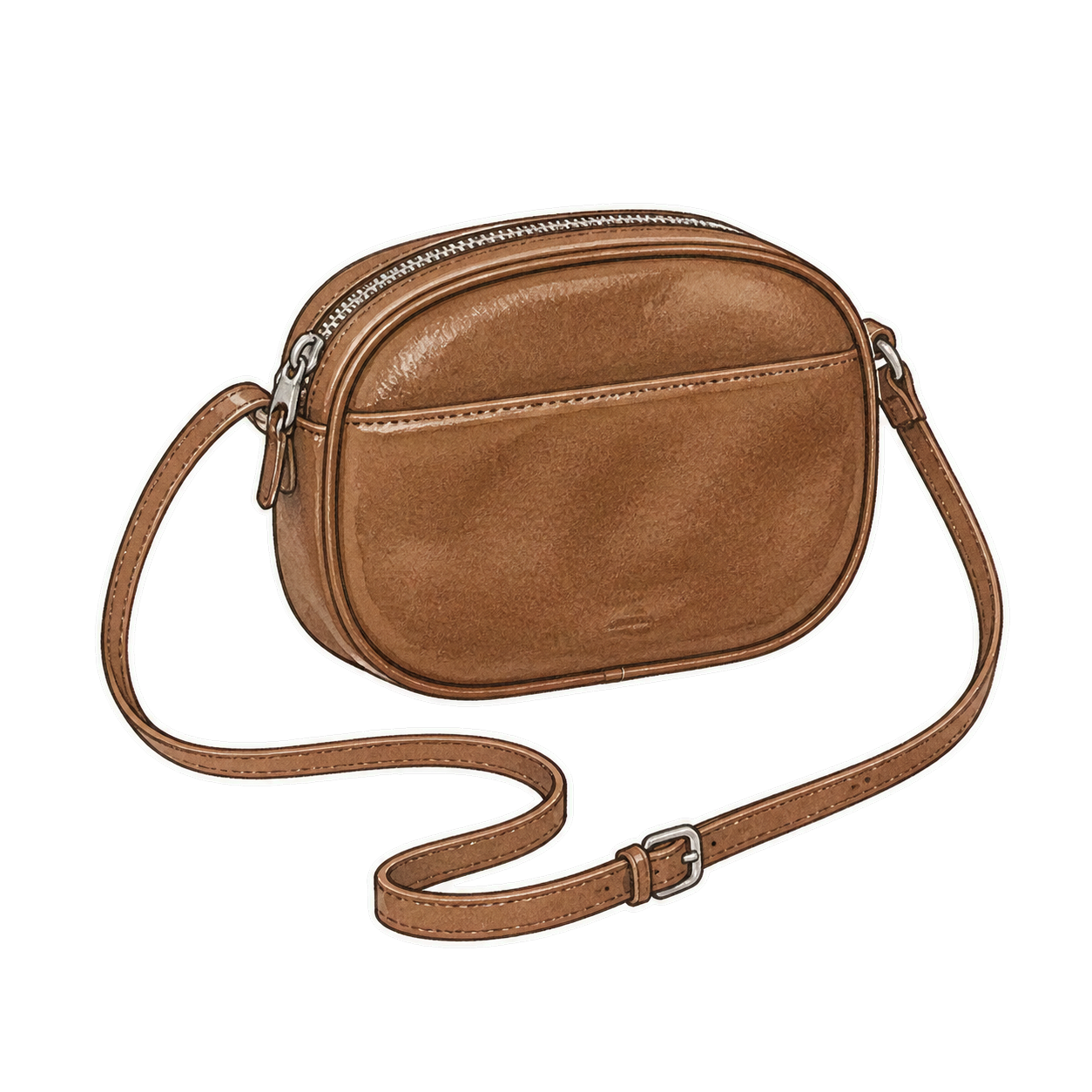 06Dark brown leather zip crossbody, under 3 litres
Security caps bags at three litres and 20 × 15 × 10cm, checks them at the entrance, and tags each one with a colour that changes daily. That is the size limit, not a suggestion, and a tote or rucksack gets turned away at the gate after you have queued. Worn across the body it also survives a packed hall where a shoulder strap slides off. Zip closure, phone and cards only.
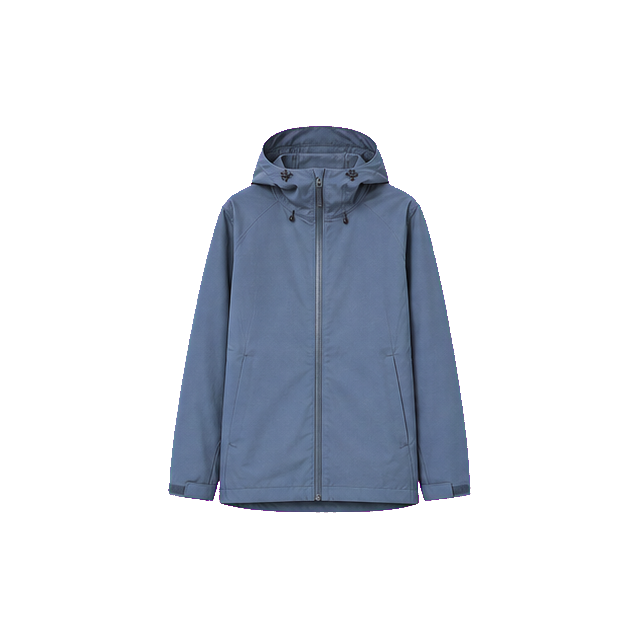 07Packable rain shell in slate, hip length
The fortnight averages about five wet days, and Munich's autumn rain is steady rather than a burst you wait out under an awning. The queue for a tent is outdoors and the walk between the Theresienwiese and the U-Bahn is fifteen minutes in the open. Packable matters more than waterproof rating here, because it has to fold small enough to live in a three-litre bag or under the bench.
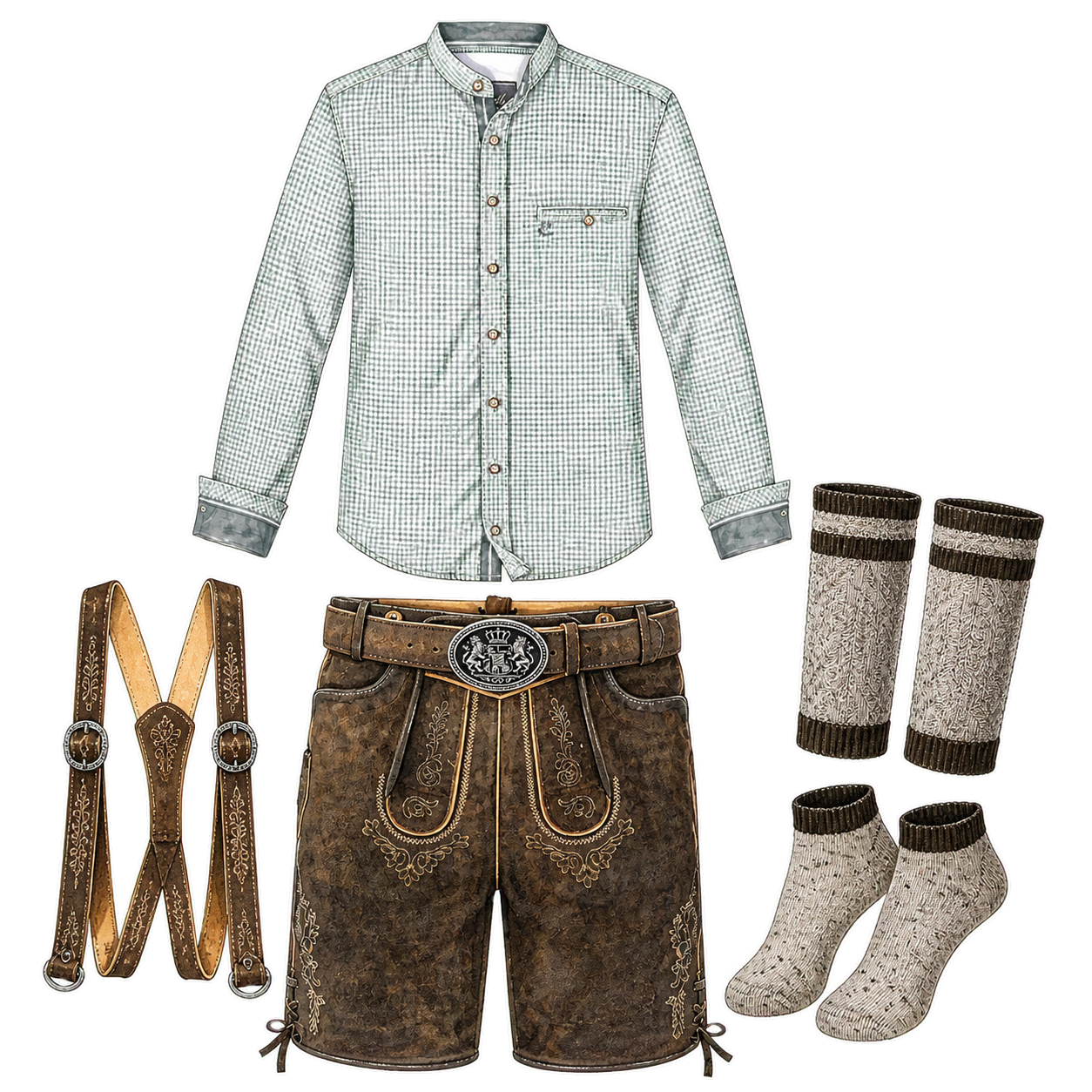 08Lederhosen in deep brown suede, with checked shirt and calf-length Loferl socks
The men's version of slot one, and the same rule applies: buy leather rather than a costume-shop print. Real Lederhosen are worn in, they take twenty years, and they are the one garment at the Wiesn that genuinely improves with beer spilled on it. Pair with a checked cotton shirt and Loferl, the calf socks that leave the knee bare. Skip the novelty hat and the plastic edelweiss.
Day to night
Trachtenbluse · dirndl · opaque green tights · oxblood lug-sole loafers · charcoal cardigan carried. The Theresienwiese gates open, the Schottenhamel tent for the noon tapping on the first Saturday, a walk through the funfair before the halls fill.
Same dirndl · cardigan on · rain shell over it · crossbody zipped. A shared bench by mid-evening, brass band from nine, and the walk out to Goetheplatz at 7°C / 45°F.
A suggested look — olive-green dirndl, white Trachten blouse, charcoal Trachten cardigan, black loafers.
What to avoid
- Heels of any height — the grounds are gravel end to end
- Bags over 3 litres — 20 × 15 × 10cm is checked and tagged at the gate
- Polyester Tracht — it traps heat through a six-hour evening in a full hall
- Suede shoes or bags — spilled beer is routine, not bad luck
- Dressing for the tent only — the walk out runs near 7°C / 45°F
- Arriving at a weekend afternoon without a reservation — full tents close their doors
Frequently asked questions
Dress for two climates in one evening. A full Festzelt sits at shirtsleeve warmth from several thousand people in a timber hall, while the walk out averages about 7°C / 45°F across the fortnight. The workable answer is real cotton or linen Tracht with a boiled-wool cardigan you can shed at the table, opaque tights if your dates fall in the second week, and a flat lug-sole shoe for the gravel. Keep your bag under three litres, because that limit is enforced at the entrance. Tracht is not required — plenty of visitors wear ordinary clothes — but it is worn by most Munich locals on the grounds.
The 191st Oktoberfest runs Saturday September 19 to Sunday October 4, 2026, sixteen days on the Theresienwiese, the open fairground southwest of Munich's old town that locals call the Wiesn. Fourteen large Festzelte go up for the fortnight, timber halls seating several thousand each with full kitchens and brass bands, alongside about twenty smaller tents and a funfair. Entry to the grounds is free; you pay for what you eat and drink. The festival opens with the mayor tapping the first barrel in the Schottenhamel tent at noon on the opening Saturday.
Cool and falling. Deutscher Wetterdienst normals put Munich at 19°C / 66°F by day and 8.5°C / 47°F at night in September, and 13.8°C / 57°F by day and 5.2°C / 41°F at night in October. Because the Wiesn straddles that turn, the fortnight averages roughly 16°C / 61°F by day and 7°C / 45°F at night, and the closing weekend runs about five degrees colder than the opening one. Expect around five wet days across the sixteen. Anyone quoting you a flat September average for the whole festival is overstating the last week by a wide margin.
Three litres, and no larger than 20 × 15 × 10cm. Rucksacks and large handbags have been banned from the grounds since 2017. Security staff at the entrances check bag size and, where necessary, contents, then attach a security tag whose colour changes daily. Glass bottles are prohibited outright. A small zip crossbody is the practical answer: it clears the limit, keeps your hands free in a crowd, and stays on your body when you are standing on a bench.
Only if you are going to the Wiesn or a similar festival — Tracht is occasion dress, not everyday clothing, and it reads oddly on a normal Munich weekday. If you are going, buy from a house that makes it rather than a costume shop. Lodenfrey was founded in 1842 and has traded on what became Marienplatz since 1850; Angermaier has been in Munich since 1948. Both cut real cotton, linen and wool, which is the difference that matters after four hours in a hall that runs warm. Expect to pay accordingly, and expect it to last.
On your left if you are single, on your right if you are taken, and at the back if you are widowed or working the tent. This is folk convention rather than a published rule, but it is genuinely and widely read in Bavaria, so tying it at random invites a conversation you may not have meant to start. The front-centre knot is traditionally associated with children. If you would rather not signal anything, the back knot is the neutral choice and passes without comment.
Yes, and a large share of international visitors do. There is no dress code and nobody is refused entry over clothing. What changes is only how much you blend in, since Munich locals wear Tracht heavily on the grounds. If you skip it, the practical requirements stay identical: flat lug-sole shoes for gravel, a bag under three litres, dark colours below the waist, a layer you can remove at a warm table, and something that handles a 7°C / 45°F walk home. Jeans, a knit and a rain shell cover it.
They are two different trips in the same city, which is why they are two pages. Ordinary Munich in September is mild and calm, 19°C / 66°F by day, and the first eighteen days of the month sit entirely outside the festival. From September 19 the Wiesn adds several million visitors and moves hotel prices citywide, not only near the fairground. If you want the museums, the Englischer Garten and the beer gardens without the crowds, book the first half of the month and read the Munich September guide instead.