What to Wear in Munich in September
Munich in September: 19°C / 66°F afternoons, 8.5°C / 47°F nights, 11 rain days — a 10.5°C swing, with the Alps an hour south.
- Waxed or wool outer layer — evenings settle near 8.5°C / 47°F
- A real knit — the Alpine day trips run colder than the city
- Dark trousers — Munich dresses more formally than Berlin
- Flat lug-sole boots — old-town cobbles, wet leaves, mountain paths
- Heavy scarf — the cheapest layer to add and the easiest to shed
- Check your dates against Oktoberfest before booking anything
- Packing for the afternoon high — the 10.5°C swing is the whole trap
- Smooth soles on wet cobblestone — the old town is slick after rain
- Athletic wear as daywear — it reads out of place outside a park
- Assuming a September hotel rate is normal — the Wiesn doubles them
Ten and a half degrees separate a Munich lunchtime from a Munich midnight, and that gap is what visitors pack wrong. Deutscher Wetterdienst normals give the afternoon 19°C / 66°F and the night 8.5°C / 47°F, with 80mm of rain across 11 days and 5.5 hours of sun. That 10.5-degree swing is wider than the latitude suggests, because the city sits on a plateau at roughly 520 metres with the Alps an hour to the south, and clear nights drain heat fast. The same layer that is redundant at two in the afternoon in the Englischer Garten is the thing standing between you and a miserable evening at a beer-garden table. Munich also dresses more formally than Berlin and more traditionally than Hamburg: dark trousers, a real knit, a proper coat, leather shoes.
Munich sits at 520 metres with the Alps an hour south. The afternoon belongs to the city and the evening belongs to the mountains.
The capsule
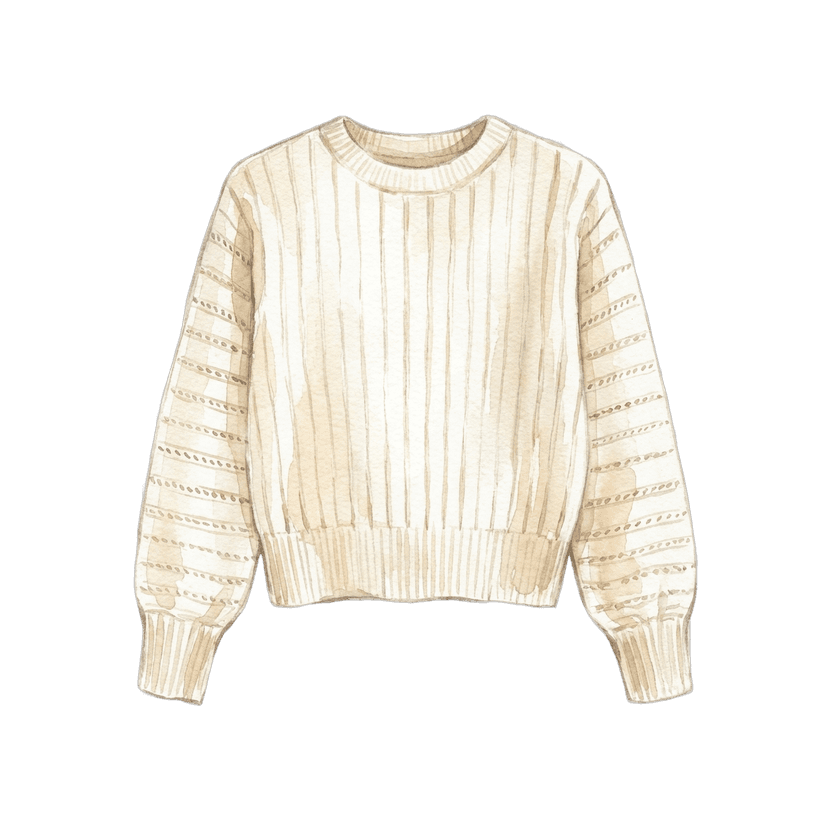 01Cream wide-rib knit sweater, crew neck
Start at two in the afternoon, 19°C / 66°F, and work forward. This is all you need at that hour, and it is also what you take a train south in: Tegernsee and Starnberger See both sit below 750m, barely a degree cooler than the city. It is not enough for the Zugspitze, which is a different trip and wants proper insulation rather than a second sweater.
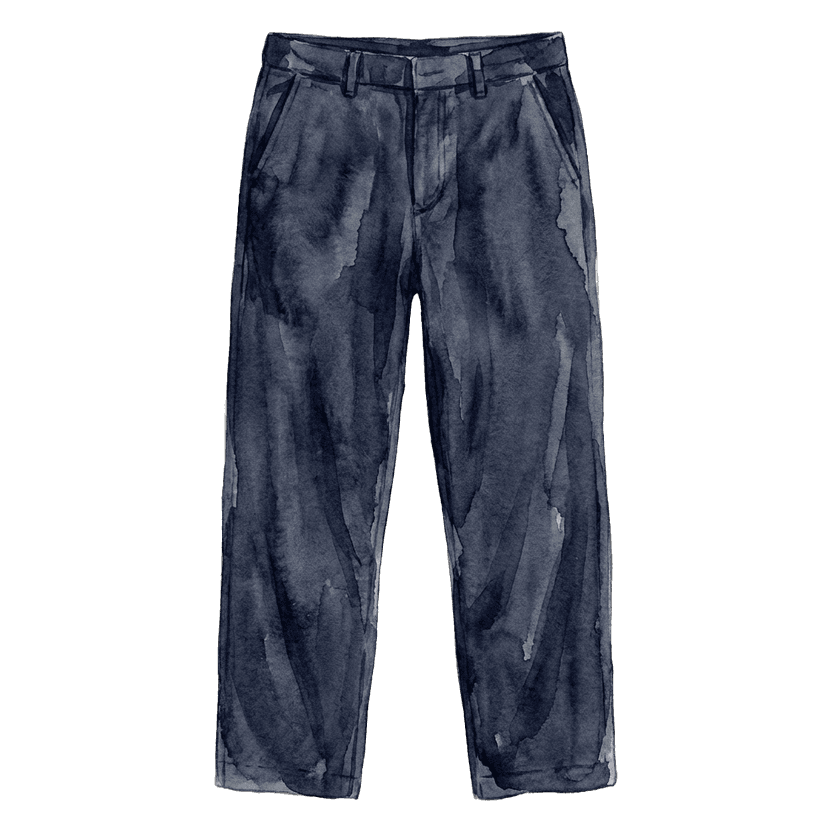 02Dark navy pleated trousers, tapered ankle
On from morning to midnight, so it has to survive all of it. Munich dresses up more than most German cities, and a dark trouser is the difference between fitting in at a Schwabing restaurant and looking like you came from the airport. Pleated through the thigh for a long walking day; tapered so the hem clears wet pavement rather than dragging it home.
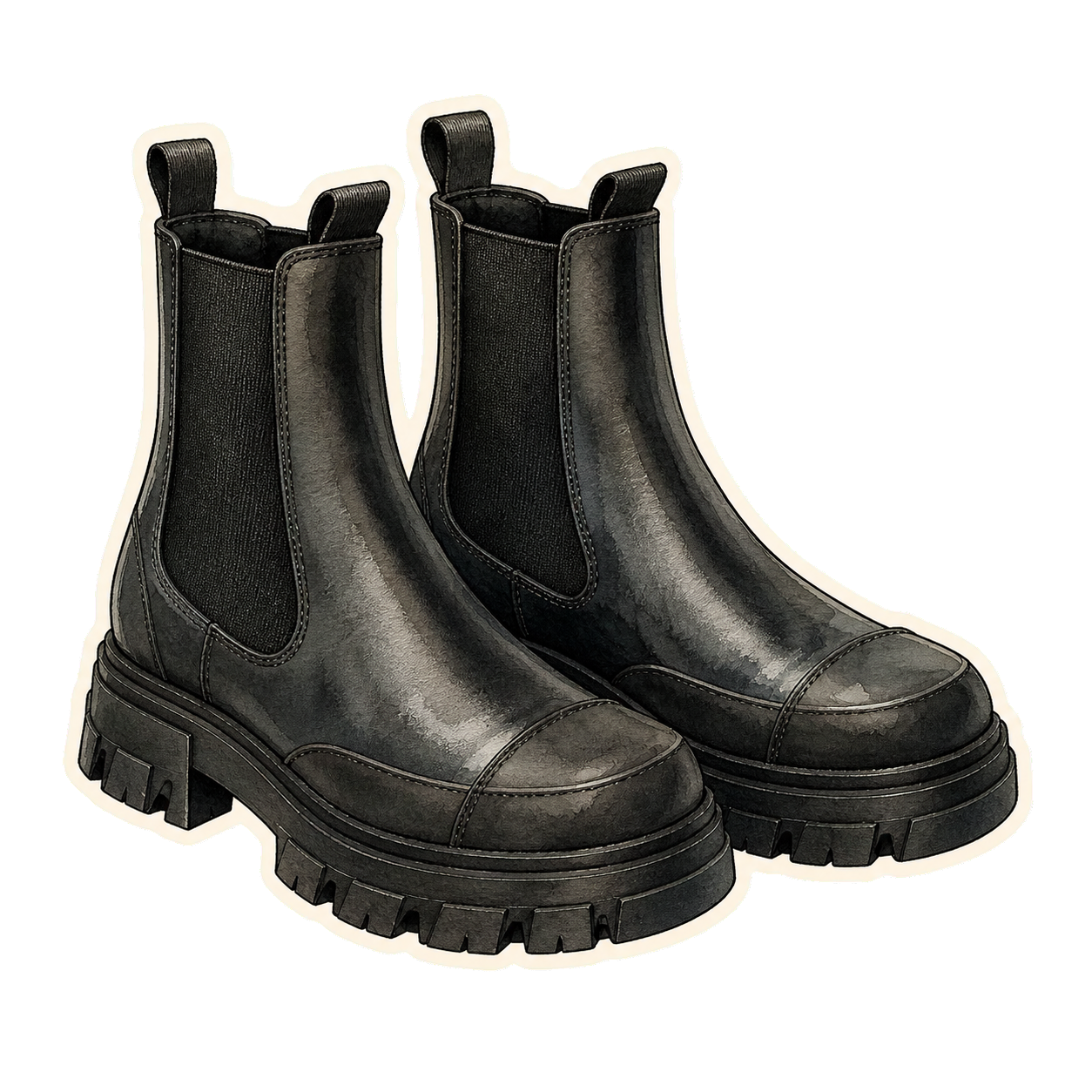 03Flat lug-sole ankle boots
Also on all day, across three surfaces: old-town cobblestones that turn slick under eleven rain days, wet leaves through the Englischer Garten, and gravel or dirt if you take the train to the lakes. A flat lug sole grips all three where a smooth leather sole slides and a block heel catches between stones.
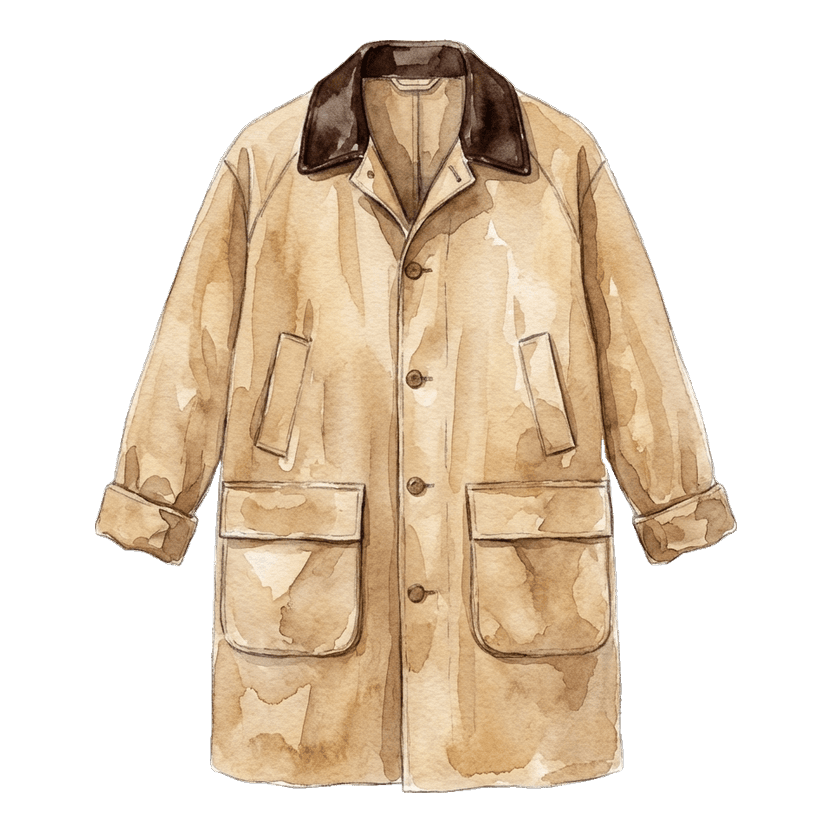 04Waxed cotton barn coat in camel, corduroy collar
Goes on around six and does not come off. Waxed cotton sheds September's 80mm without the clammy feel of a plastic shell, and thigh length covers you at an outdoor table once the temperature starts its drop toward 8.5°C / 47°F. Patch pockets take a phone and a wallet when your hands are full. Camel with a dark corduroy collar sits easily in a city where a good coat is the baseline.
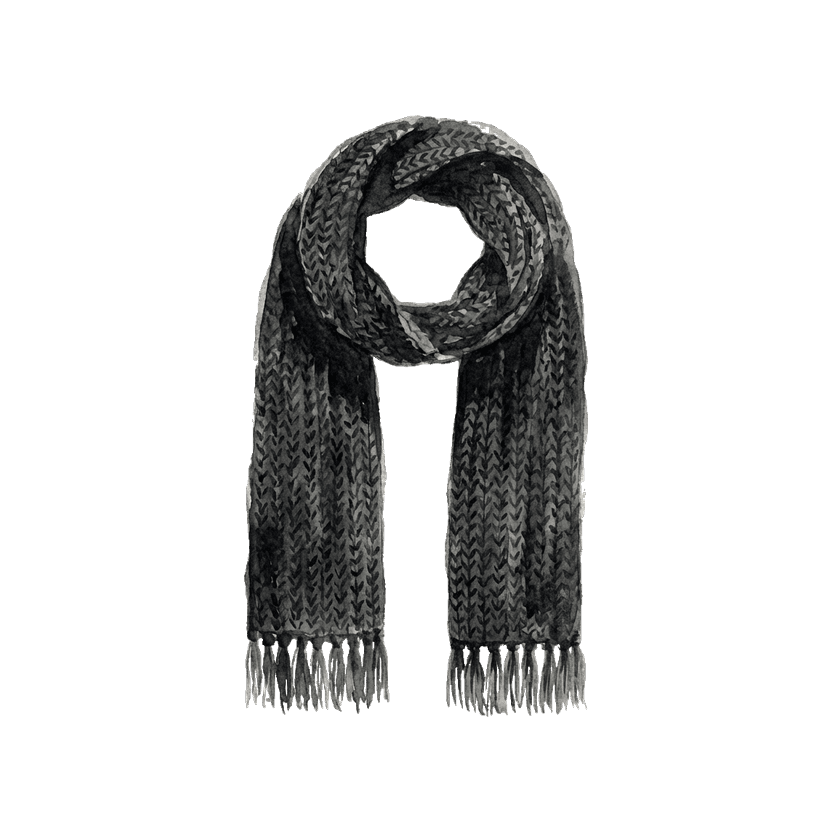 05Heavy knit scarf in charcoal
Goes on later still, somewhere around ten, and it is the cheapest warmth you can carry. The last stretch to the U-Bahn is where the swing actually bites, and a chunky knit closes it without committing you to a second coat you then carry for six hours. Charcoal disappears against the barn coat and does not fight Tracht if you are wearing it.
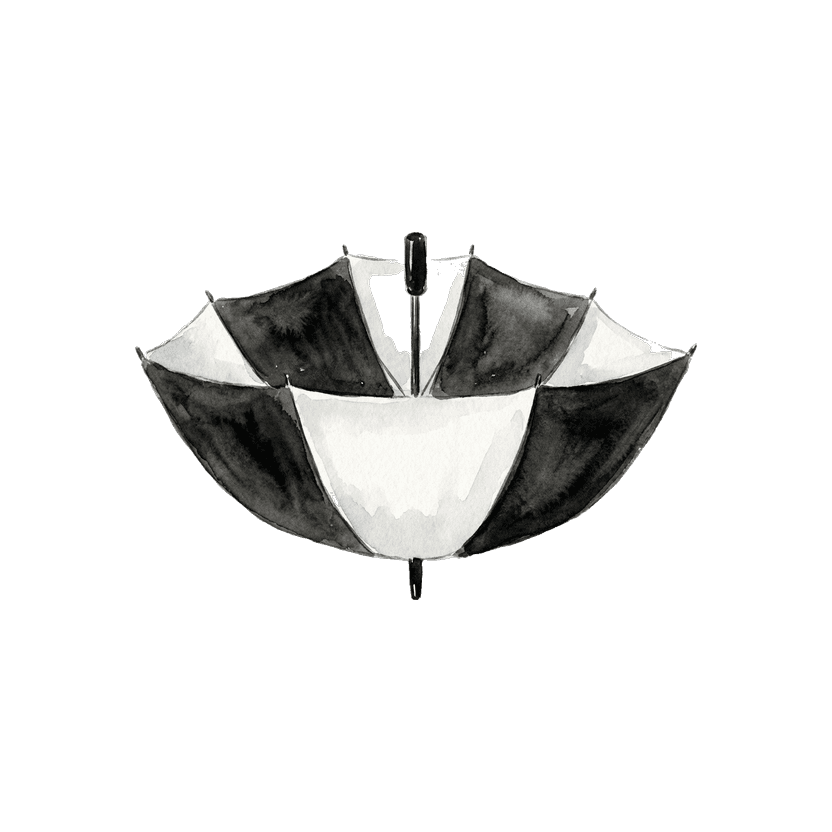 06Full-size panel umbrella
Independent of the clock — DWD logs eleven rain days and only 5.5 hours of daily sun. Munich's autumn rain is steady rather than the short burst you wait out in a doorway, and a full-size canopy covers two people walking between the Viktualienmarkt and the Residenz where a compact does not. It also handles Alpine wind better than a folding frame.
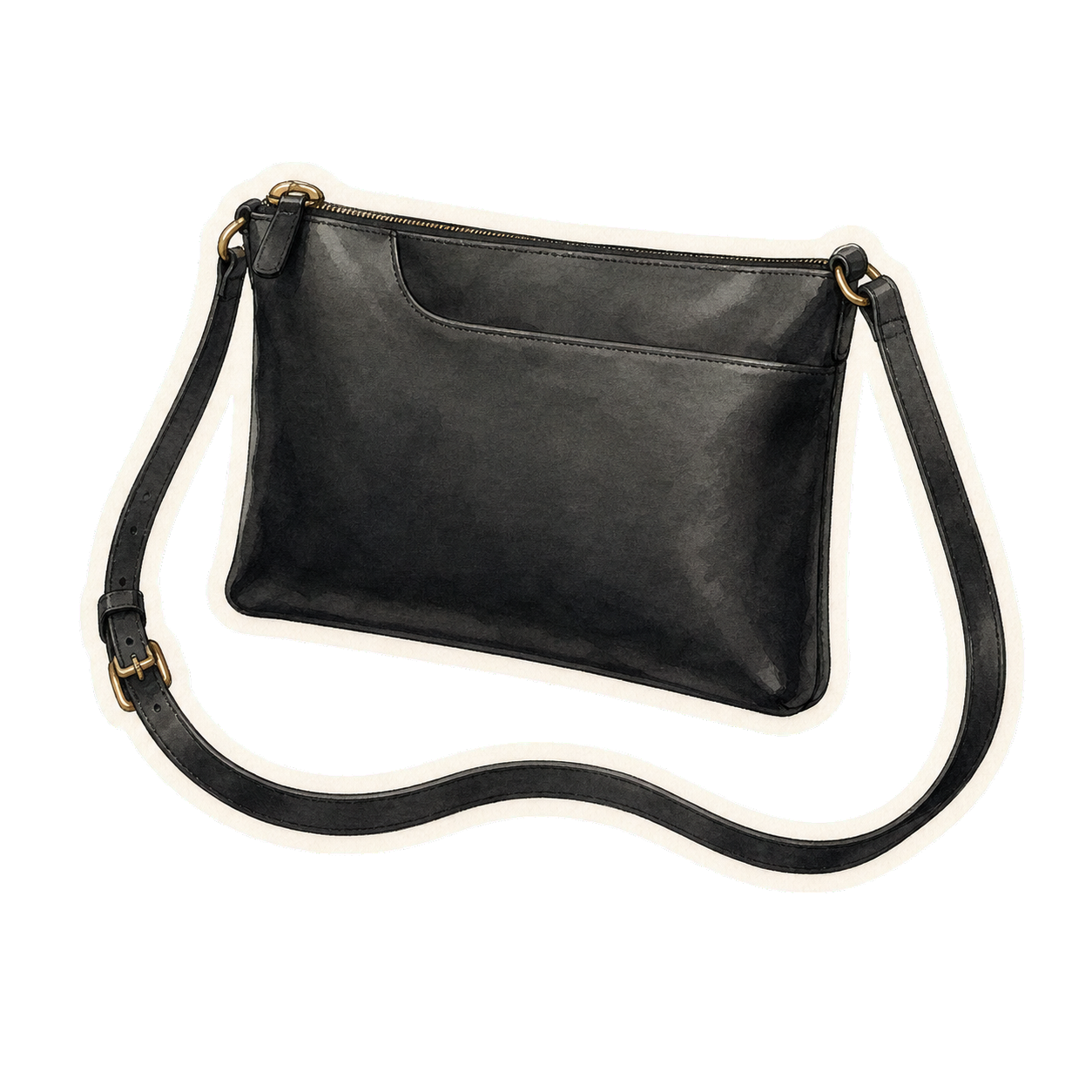 07Small secure crossbody, zip closure
Also independent of the hour. Munich is a walking and S-Bahn city, and the old town is compact enough to be on foot most of the day. Worn across the body it keeps your hands free for an umbrella, and the closure earns itself in any September crowd — the Viktualienmarkt on a Saturday, or the Wiesn if your dates overlap.
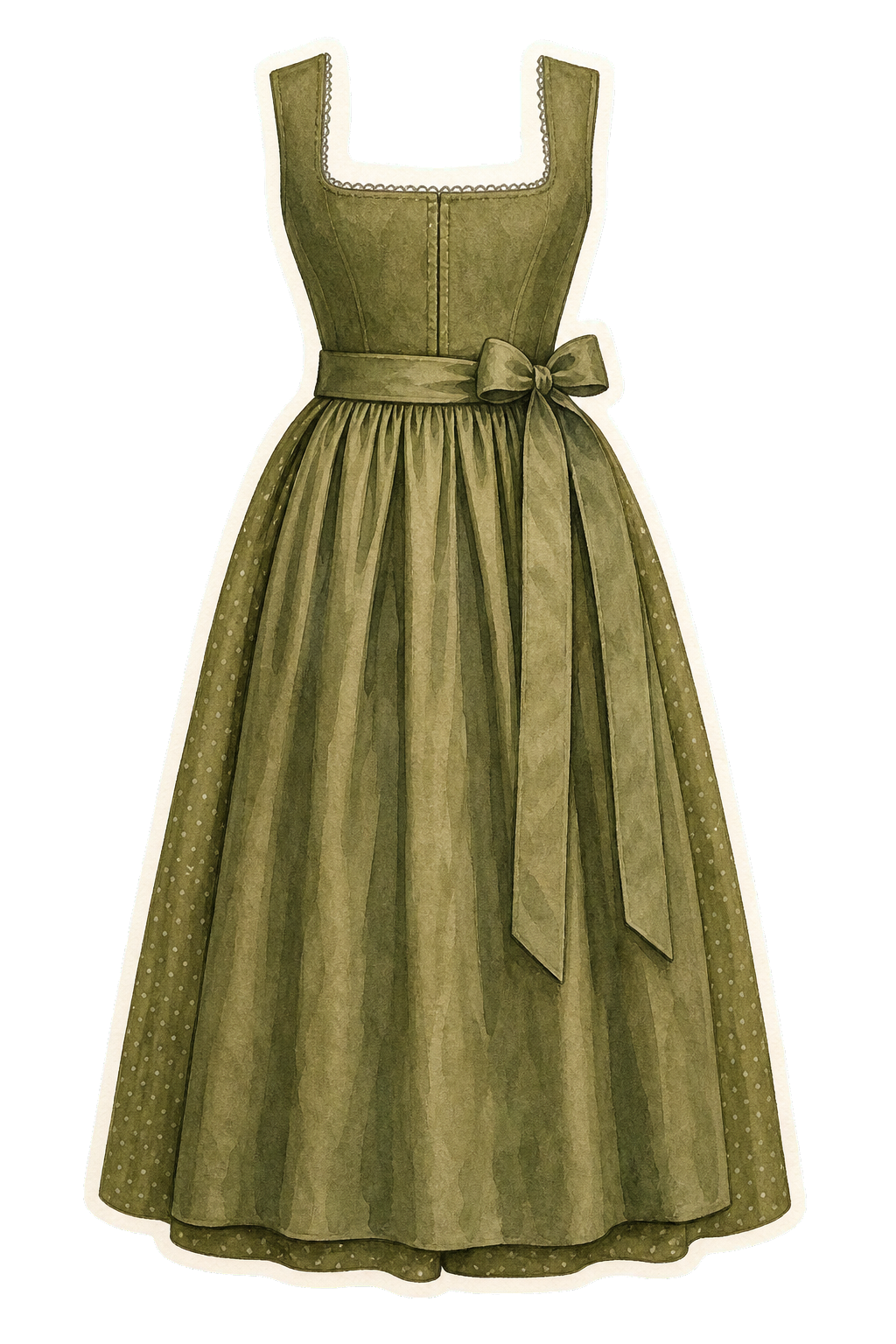 08Dirndl or Tracht — only if your dates overlap the Wiesn
Skip this slot entirely if you are not going to Oktoberfest; nobody wears Tracht to a normal Munich Tuesday. If you are going, buy it properly. Munich's own houses have made it for generations — Lodenfrey on Marienplatz since 1850, Angermaier since 1948 — and real cotton and wool breathe inside a crowded hall where polyester does not. Convention puts the apron bow on your left if you are single, your right if you are not.
Day to night
Cream rib knit · navy pleated trousers · flat lug-sole boots · waxed barn coat carried · charcoal scarf. The Alte Pinakothek at opening, Viktualienmarkt at noon, the Englischer Garten before the light goes.
Same knit · barn coat on · flat boots · zip crossbody. A beer-garden table at Augustiner-Keller or a Schwabing restaurant, home at 8.5°C / 47°F.
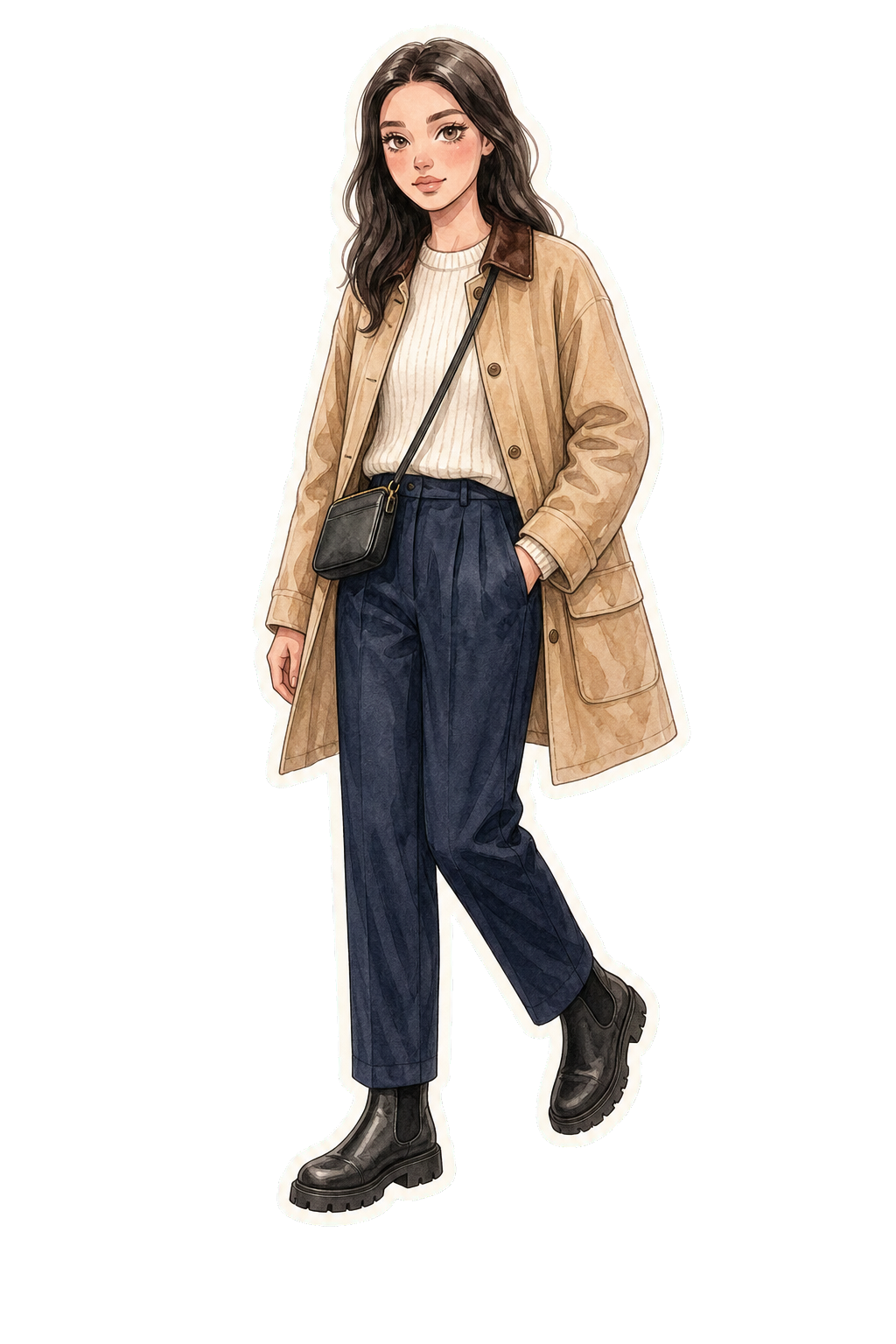
A suggested look — cream ribbed sweater, navy tailored trousers, black lug-sole ankle boots, camel waxed barn coat, small black crossbody.
What to avoid
- Packing for the 19°C / 66°F high — nights settle at 8.5°C / 47°F
- Smooth soles — wet cobblestone and fallen leaves across 11 rain days
- Athletic wear as daywear — it reads out of place outside a park
- Booking without checking the Oktoberfest dates — they move prices citywide
- Assuming Tracht is everyday wear — it is festival dress, not street dress
- Treating the Zugspitze as a lake day — the 2,962m summit runs near freezing in September
Frequently asked questions
Per Deutscher Wetterdienst (DWD) normals for 1991–2020: the average daily maximum is 19°C / 66°F, the average minimum is 8.5°C / 47°F, and the monthly mean is 13.7°C / 57°F. Rainfall averages 80mm across about 11 days, with 5.5 hours of sunshine a day. The 10.5°C / 19°F daily swing is the number that matters. Munich sits on a plateau at roughly 520 metres with the Alps an hour south, so clear September nights cool quickly once the sun goes down.
A waxed or wool outer layer, one real knit, dark trousers, flat lug-sole boots, a heavy scarf, a full-size umbrella, and a small zip-top crossbody. Pack for two temperatures rather than one: the afternoon reaches 19°C / 66°F and the evening falls to 8.5°C / 47°F. For a day trip to Tegernsee or Starnberger See, both under 750m, a second knit is enough. The Zugspitze is not that trip: Germany's highest summit stands at 2,962m, roughly 16°C below Munich, so a September day reaching 19°C / 66°F in the city sits near freezing at the top, with wind and often snow. That needs an insulated windproof jacket, gloves and a hat, and the cable car delivers you there without the walking that would otherwise keep you warm.
Easily, and the first two and a half weeks are the best window. Oktoberfest does not begin until September 19 in 2026, so September 1 to 18 is an ordinary, quiet, mild Munich. The Alte Pinakothek, the Pinakothek der Moderne, and the Lenbachhaus with its Blaue Reiter collection are all uncrowded, the Englischer Garten is at its best, and the beer gardens are open regardless — Augustiner-Keller and the Hirschgarten are year-round institutions rather than festival venues. Hotel rates in that first stretch are also far below what they become after the 19th.
The 191st Oktoberfest runs Saturday September 19 to Sunday October 4, 2026 on the Theresienwiese, the open fairground southwest of the old town that locals call the Wiesn. Fourteen large Festzelte go up for the fortnight — timber halls seating several thousand each, with full kitchens, brass bands and long shared benches — alongside about twenty smaller ones and a funfair. Entry is free; you pay for what you eat and drink. A hall is warm and standing-room by mid-evening, so the layer that matters is the one for the walk out at 8.5°C / 47°F, not the one for inside.
Only at Oktoberfest or a similar festival. Tracht is festival and occasion dress, not everyday clothing, and wearing it on a normal Munich weekday reads exactly as oddly as it sounds. If your dates do overlap the Wiesn, locals genuinely wear it and you will not stand out for joining in — what reads badly is a costume-shop version in polyester. Munich's own houses are the reliable route: Lodenfrey has traded on Marienplatz since 1850 and Angermaier since 1948.
September is cooler at both ends and busier in its second half. DWD normals put August near 24°C / 75°F by day and 13°C / 55°F at night against September's 19°C / 66°F and 8.5°C / 47°F, so August is a linen-and-sneakers month while September needs a coat in the evening. August is also the quieter month for hotel rates. September's first eighteen days are mild and calm; from the 19th the Wiesn adds several million visitors and prices climb sharply citywide.
More formally than Berlin and more traditionally than Hamburg. The everyday September register is dark denim or wool trousers, a real knit, a waxed or loden outer layer, and a leather flat or boot. Loden, the boiled wool Munich's Trachten houses built their trade on, turns up in ordinary modern coats all over Schwabing and Glockenbach rather than only in tourist shops. Sportswear worn as daywear stands out, and a good coat carries more weight here than a statement shoe.
Sources
- Deutscher Wetterdienst — 1991–2020 climate normalsOne month on this city carries its own provenance — see `provenance` on the entry in data/seo/months/munich.ts. DWD publishes normals only through a search form, so no station is recorded for the remaining months.