Job Interview Outfits for Fall
Competence, without the costume.
Fall is the easiest season to dress for an interview — layers support you, the palette is inherently professional.
- Follow the 'one level above' rule — research the company's current employees on LinkedIn
- Tailored wool-blend trousers that hold a crease through a cold walk
- A fitted knit or structured silk blouse — merino crew in burgundy reads modern
- A wool blazer in navy, charcoal, or camel — fit through the shoulder matters
- A wool overcoat (knee-length, no hood or sporty details) — the first impression
- Pointed-toe ankle boots under 2 inches — polished, commute-ready
- A puffer or technical North Face shell — undermines the whole outfit
- Chunky lug-sole boots — too casual for most industries
- More than three textures per outfit — wool + silk + wool + leather is the limit
Fall is the easiest season to dress for an interview — 8-15°C / 46-59°F weather supports layers, the palette is inherently professional, and a good coat over a polished outfit creates a strong first impression before you reach the lobby. Coursera, MetaIntro, and BLS career-services guidance all converge on the same 2026 rule: dress one level above the company's daily dress code. Build around structure: a blazer, tailored trousers, a blouse or knit that sits flat under the jacket. The color palette deepens: navy, charcoal, burgundy, forest green, camel. The coat matters more in fall than any other season because it's the first thing anyone sees when you walk into the building — clean, fitted, appropriate-length. Industry rules still apply: finance formal, tech smart-casual-with-structure, creative allows subtle personality. One specific fall formula from the advice sources: 'Combine a tailored dark denim jean with a crisp Oxford shirt for a smart base. Layer with a cashmere sweater or lightweight unstructured blazer in a complementary color like grey or muted blue' — but note the jeans are smart-casual only, not for formal fields.
The coat matters more in fall than any other season because it's the first thing anyone sees when you walk into the building.
Dress code
Fall interviews default to smart professional. A blazer, trousers, and good shoes cover most industries. For creative fields, swap the blazer for a structured knit or great jacket. For corporate (finance, law, consulting), keep the suit and add a coat. Industry defaults hold: finance/banking/law expect formal; tech expects smart casual (dark chinos + clean button-down + clean sneakers or loafers, optional blazer); creative allows a bit of personality (pop of color, interesting accessory) but still professional.
Key pieces
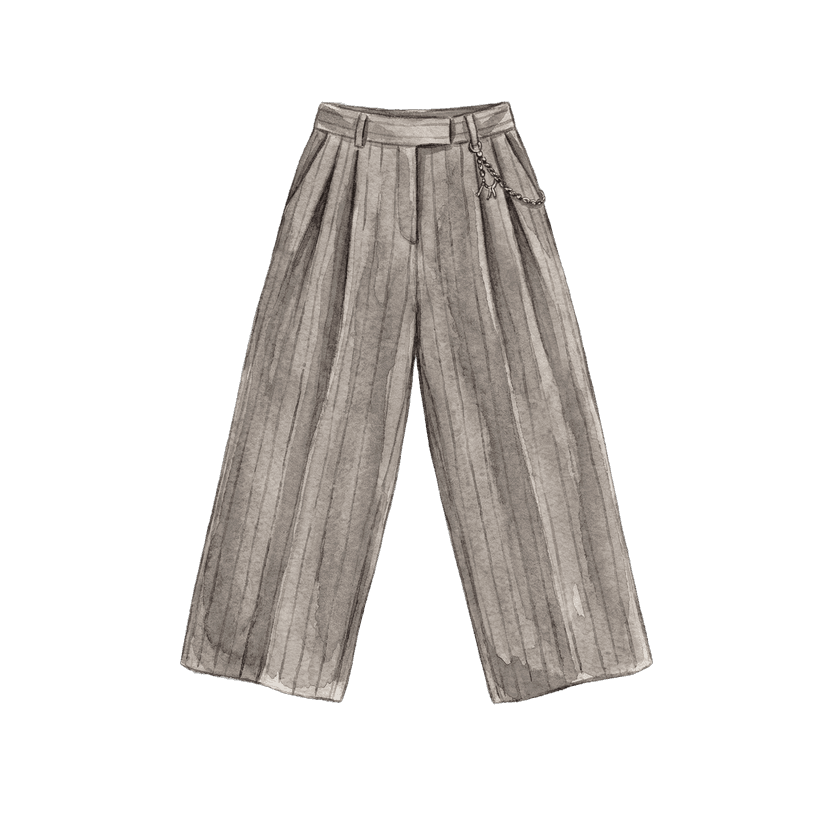 01Tailored wool-blend trousers (centre crease)
The fall interview bottom. Holds a crease, handles the cold walk, looks polished all day. Wool-silk blends by Theory, Tibi, or The Frankie Shop. Skip heavy wool — it reads overheated by the time you sit down.
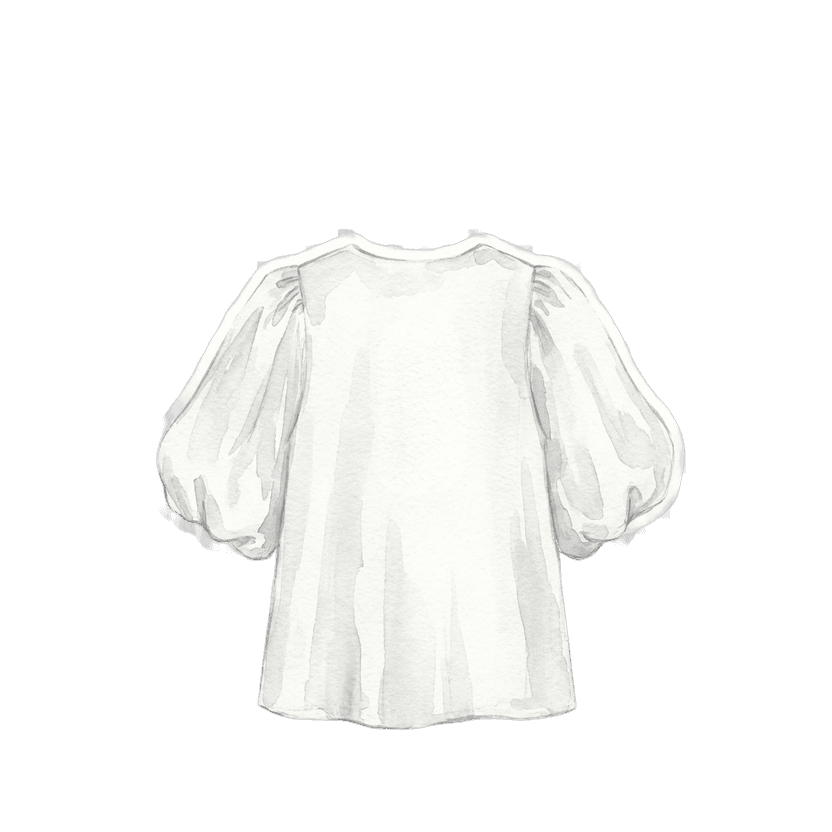 02Fitted knit or structured silk blouse
Under the blazer. A merino crew-neck in a rich tone (burgundy, navy, charcoal) reads polished and modern. A silk blouse reads more traditional. Both work; pick whichever you feel stronger in.
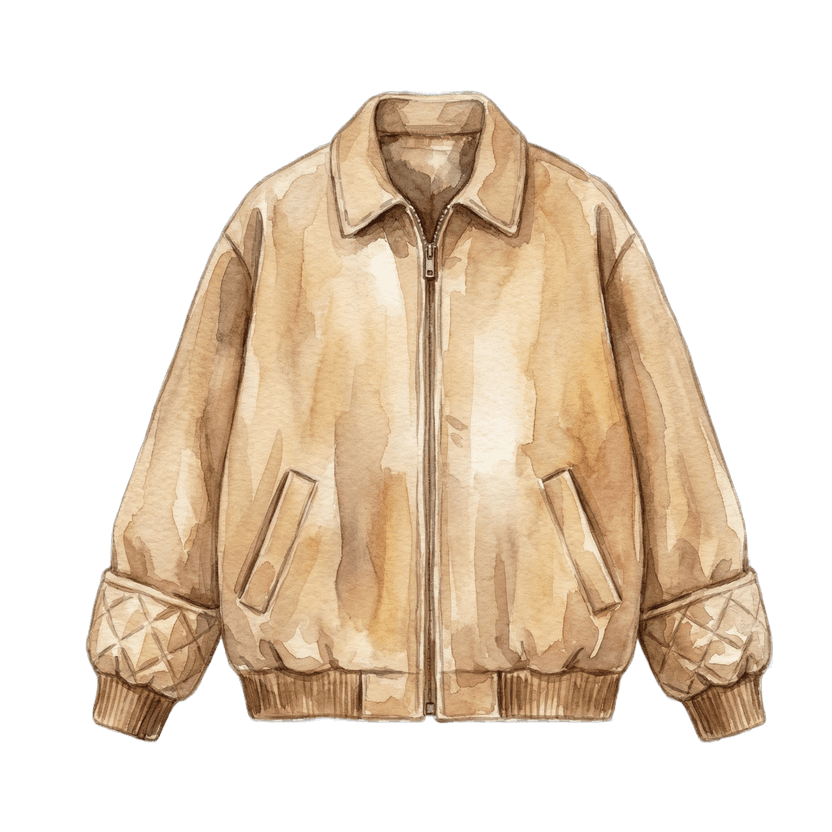 03Wool blazer in navy, charcoal, or camel
The formality layer. In fall, the blazer is part of the outfit — not optional. Choose one that fits through the shoulder (the hardest thing to tailor, most important to get right off the rack). Theory, J.Crew, Reiss for quality at varying price points.
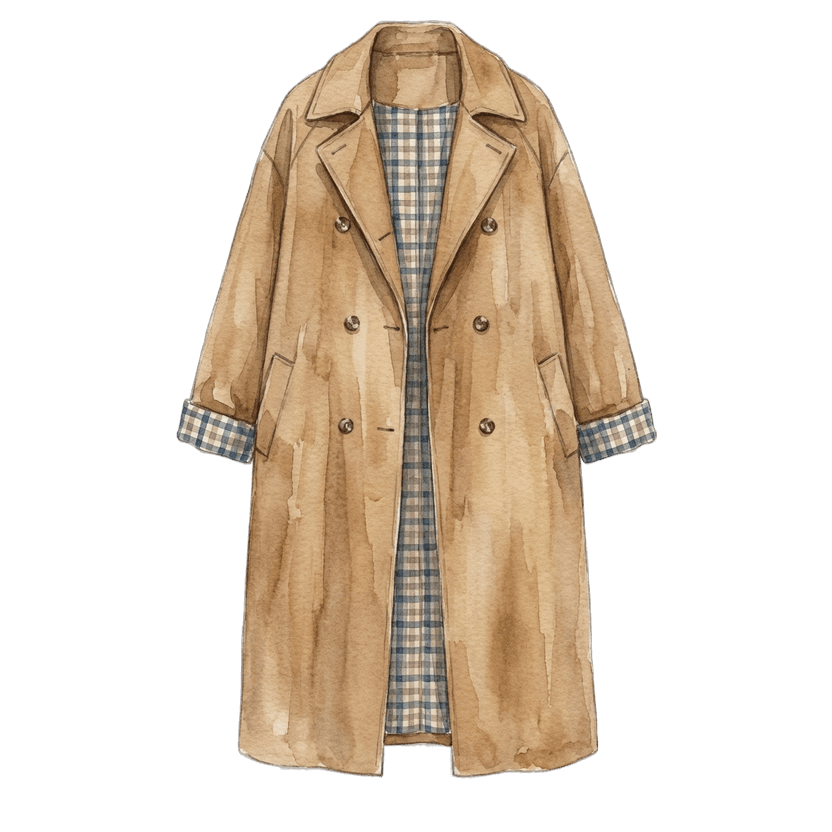 04Wool overcoat (camel, charcoal, or black)
The outfit before the outfit. Clean, neutral, appropriate length (knee or below). Check it in the lobby if you can; carry it folded over your arm if you can't. Max Mara aspirational; Everlane or Massimo Dutti accessible.
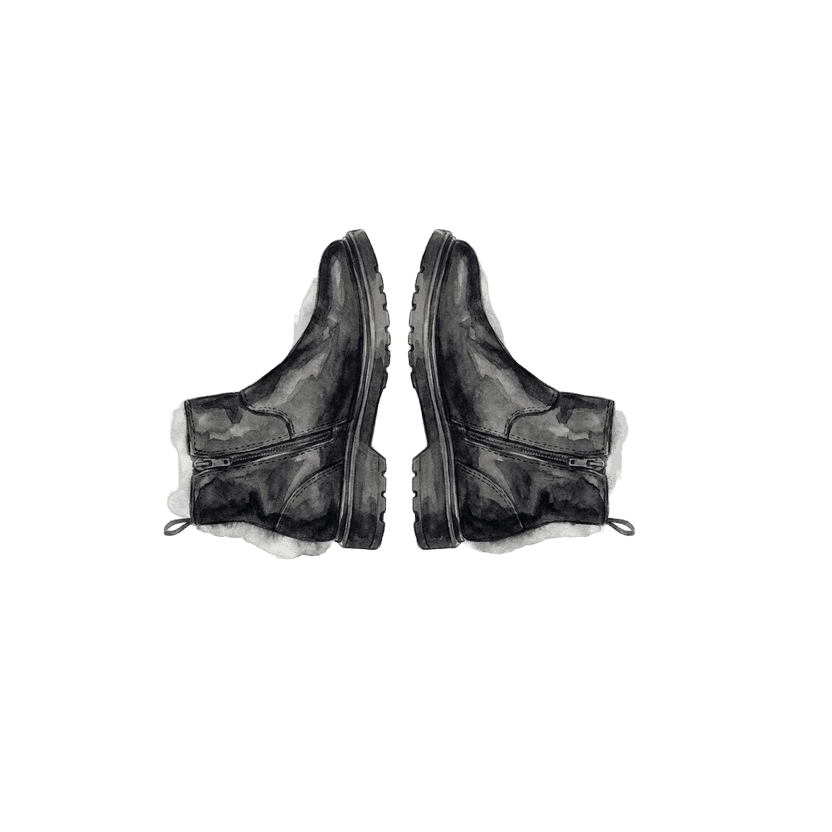 05Pointed-toe ankle boots or closed-toe heels
Polished, professional, and practical for a commute. Ankle boots are widely accepted in most industries now, even finance and law. Skip anything over 2 inches; skip chunky lug soles entirely.
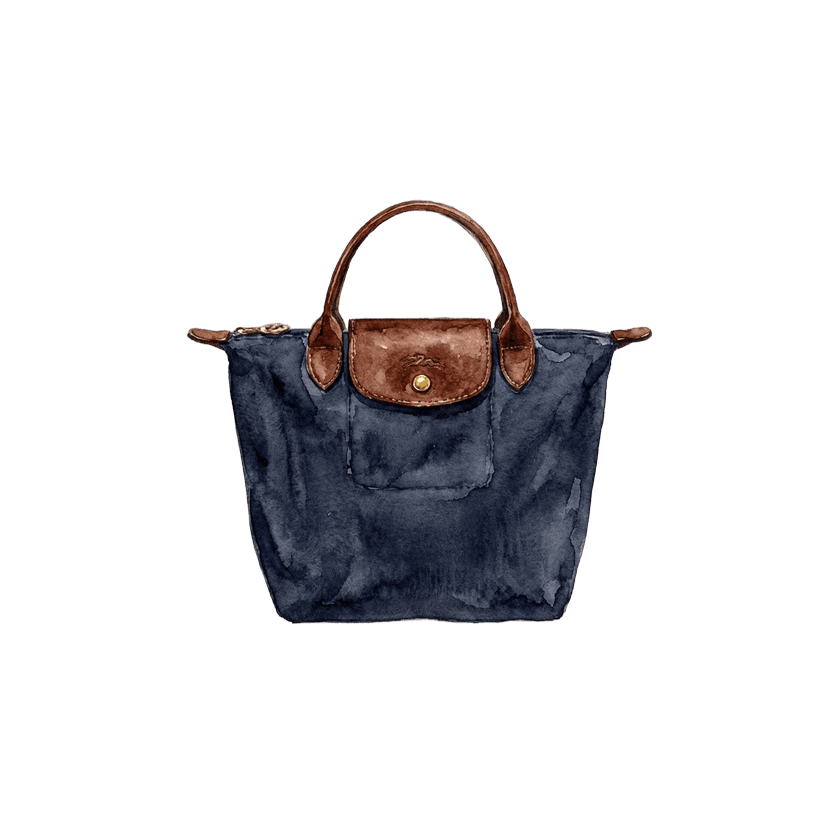 06Structured leather bag (black, navy, or cognac)
A clean leather tote in a neutral. Organized enough that pulling out a resume is smooth, not a scramble. The bag is a secondary signal of professionalism — a scuffed canvas tote reads student; a clean leather tote reads serious.
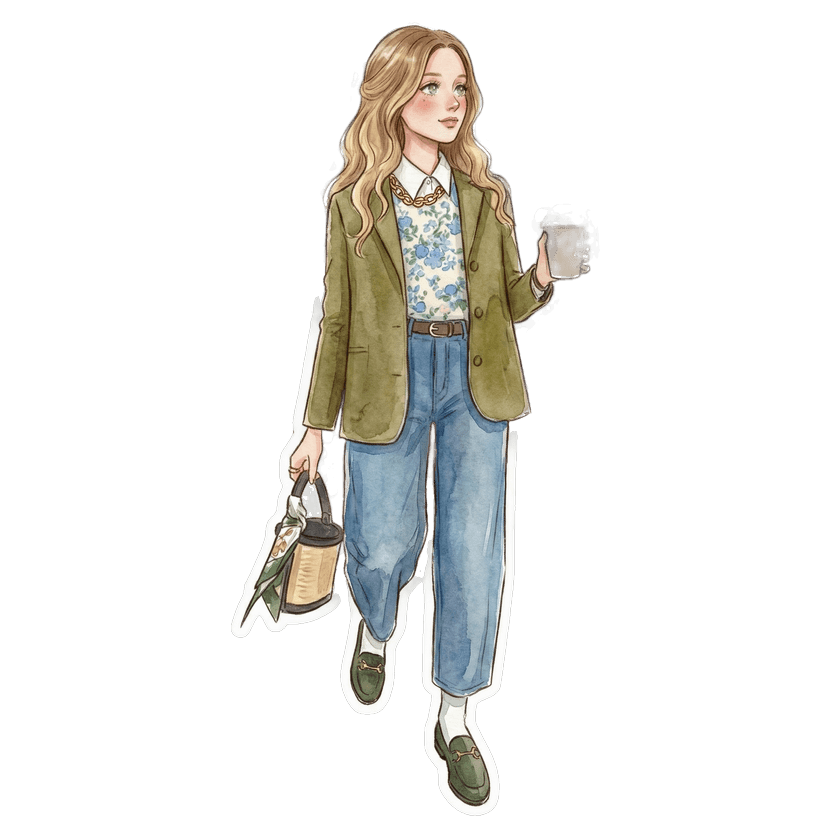
A suggested look — white collared shirt, blue and white floral sweater vest, olive green wool blazer, blue wide-leg jeans, brown leather belt.
What to avoid
- Puffer jackets or casual coats — undermine the interview outfit
- Heavy scarves that wrinkle your collar — neckline discipline matters
- Seasonal or festive prints — save autumn leaves for the weekend
- Brand-new pieces you haven't tested sitting, standing, walking in
- More than three textures per outfit — wool blazer + silk + wool + leather is already the limit
Frequently asked questions
For finance, banking, law, consulting: yes. For most other industries, a blazer with tailored trousers (mix-and-match, not a matching suit) reads modern and professional. Check LinkedIn photos of current employees for calibration. If the hiring manager wears suits in their photos, you wear a suit too.
A tailored wool coat in a neutral color — camel, charcoal, navy, or black. It should fit well, be clean, and not have a hood or sporty details. The coat is the first impression. Skip North Face-style technical shells, puffers, and anything with visible logos. A single-breasted wool coat below the knee is the safe benchmark across every industry.
Ankle boots in leather are appropriate for most fall interviews in 2026. Avoid anything too chunky, too high, or too casual. Knee-high boots with a skirt work in fashion-adjacent industries (editorial, beauty, fashion brands) but may read too fashion-forward elsewhere. Pointed-toe ankle boots at 2 inches or less are safest across industries.
A fitted turtleneck under a blazer is a polished fall look that works for most industries. Choose a fine knit (merino, not chunky cable) in a neutral or rich tone. It reads confident, modern, and particularly professional in creative fields and tech. Skip it for extremely traditional finance or law firms where a collared shirt is expected.
The 2026 career-advice standard: 'dress one level above the company's daily dress code.' Fall application: if the team wears jeans and knits, you wear trousers, knit, and a blazer. If the team wears business casual, you wear a suit. Research the company's current employees on LinkedIn for visual calibration. Over-formal reads as trying too hard; under-formal reads as disrespect — one step up threads the needle.