Wedding Guest Outfits for Fall 2026
Dressed for the couple, comfortable for the dancing.
Fall weddings lean into richness — darker jewel tones, heavier fabrics, and layering that matters more than any other season.
- Rich jewel tones — burgundy, emerald, navy, plum, rust
- Heavier fabrics — velvet, silk, heavyweight crepe
- A tailored wool coat or structured wrap for outdoor ceremonies
- Pointed-toe ankle boots or closed-toe pumps (not sandals after September)
- Statement earrings to carry the jewelry load with covered sleeves
- A cashmere pashmina for the gap between coat and dress
- Lightweight floral chiffon — out of season after September
- All-black head-to-toe outside explicit black tie — reads funeral
- Kitten heels or stilettos at outdoor venues — wet grass is slippery
Fall weddings lean into richness. The Emily Post Institute and The Knot consistently recommend 'darker jewel-toned colors and richer fabrics like velvet and silk' for fall compared to summer's lighter palette. Burgundy, emerald, navy, rust, and plum are the season's wedding colors. All of these photograph beautifully in the warm afternoon light that fall provides. The silhouette can be slightly more covered than summer (long sleeves, higher necklines, midi or maxi lengths) without feeling matronly. The challenge is temperature: an outdoor ceremony at 4pm may be cool, the dance floor at 10pm may be warm, so layering matters more than in any other season. A dress with a good coat or wrap is the simplest solution. Fall shoes shift: sandals feel wrong after September, so pointed-toe ankle boots or closed-toe pumps become the standard. Venue rule still holds: outdoor = block heel or boot; indoor = pump.
An outdoor ceremony at 4pm may be cool, the dance floor at 10pm may be warm — layering matters more than in any other season.
Dress code
Fall wedding dress codes skew slightly more formal than summer. Cocktail attire means a knee-to-ankle dress with heels. Black tie optional means a long dress or very polished midi. Black tie means floor-length in rich fabrics (velvet, silk, satin). When in doubt at a fall wedding, a rich-toned midi in a heavyweight fabric with good shoes and a coat covers most scenarios. Fall also brings more religious and traditional ceremonies — covered shoulders and knee-plus hemlines are safer for churches and temples.
Key pieces
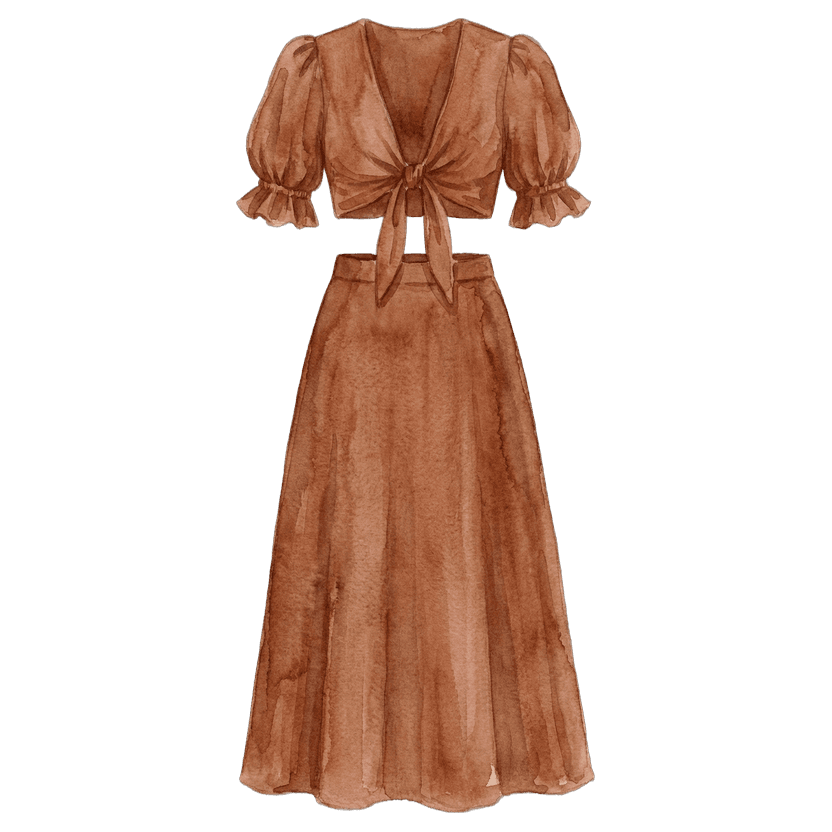 01Midi dress in burgundy, emerald, navy, or plum
The fall wedding palette per every etiquette source. Rich saturated jewel tones photograph beautifully in October light and contrast cleanly with the bridal party. Velvet, silk, or heavyweight crepe beats lightweight chiffon in fall.
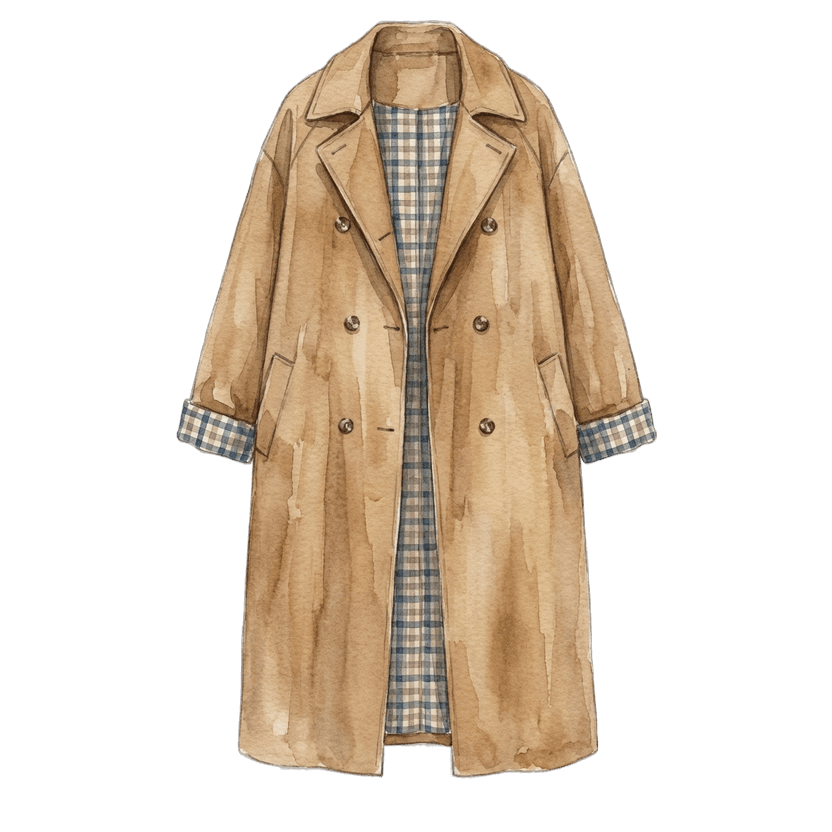 02Tailored wool coat or structured wrap
For outdoor ceremonies, walks between venues, and the post-reception chill. Camel, charcoal, or black — coordinating with the dress color. Check it at the reception venue if possible.
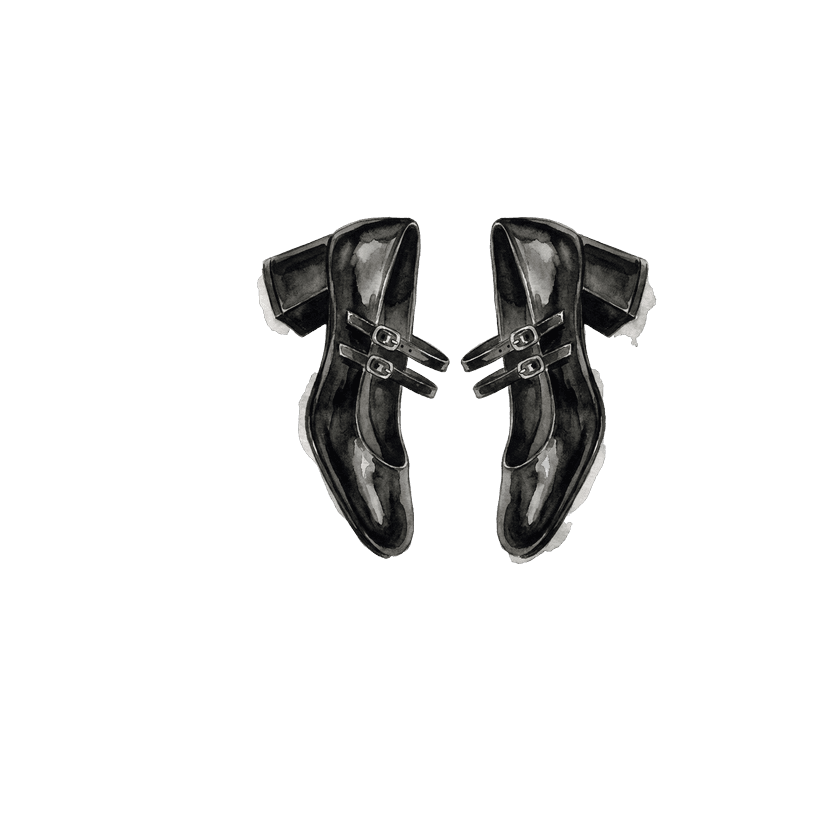 03Pointed-toe ankle boots or closed-toe pumps
Sandals feel wrong after September. A polished pointed-toe boot or closed pump in black or burgundy completes fall wedding looks. For outdoor fall weddings, a block-heel boot prevents the stiletto-in-grass problem.
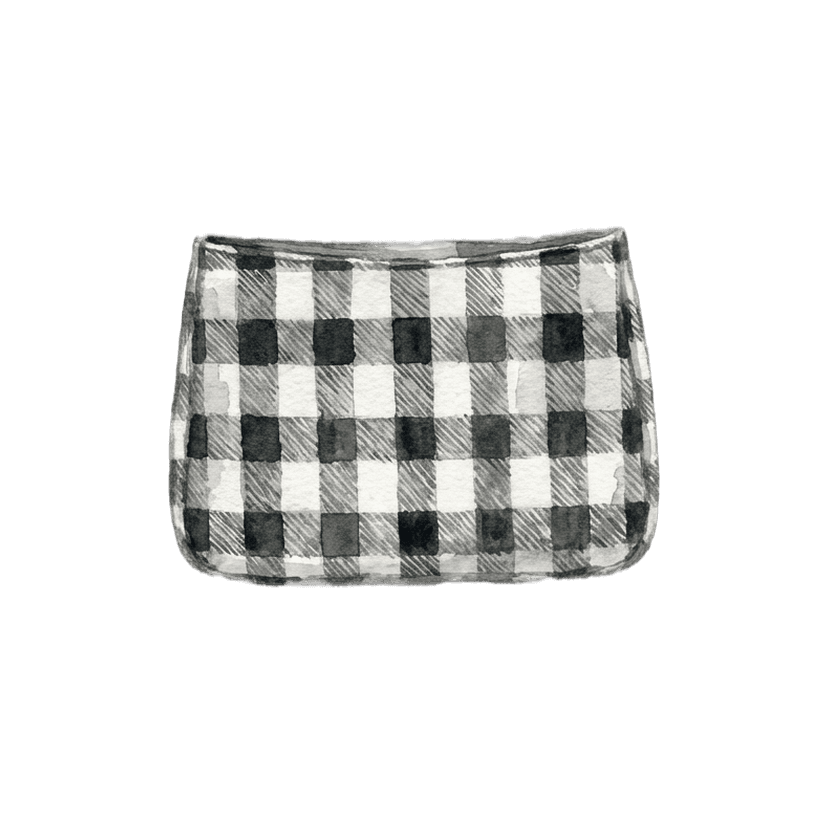 04Structured leather clutch
Matches the formality of the season. Black, burgundy, or gold. A small leather shoulder bag works too — anything but a tote.
- Statement earrings (not necklace) — With heavier fabric and longer sleeves, a necklace gets lost. Earrings carry the jewelry load in fall — larger studs, drops, or chandeliers. Pearl studs if you prefer restraint.
- Cashmere pashmina or silk wrap — The layer between the coat and the dress — for when the coat is checked but the venue is cool, or when the ceremony is in a drafty church. Cashmere is the fall upgrade.
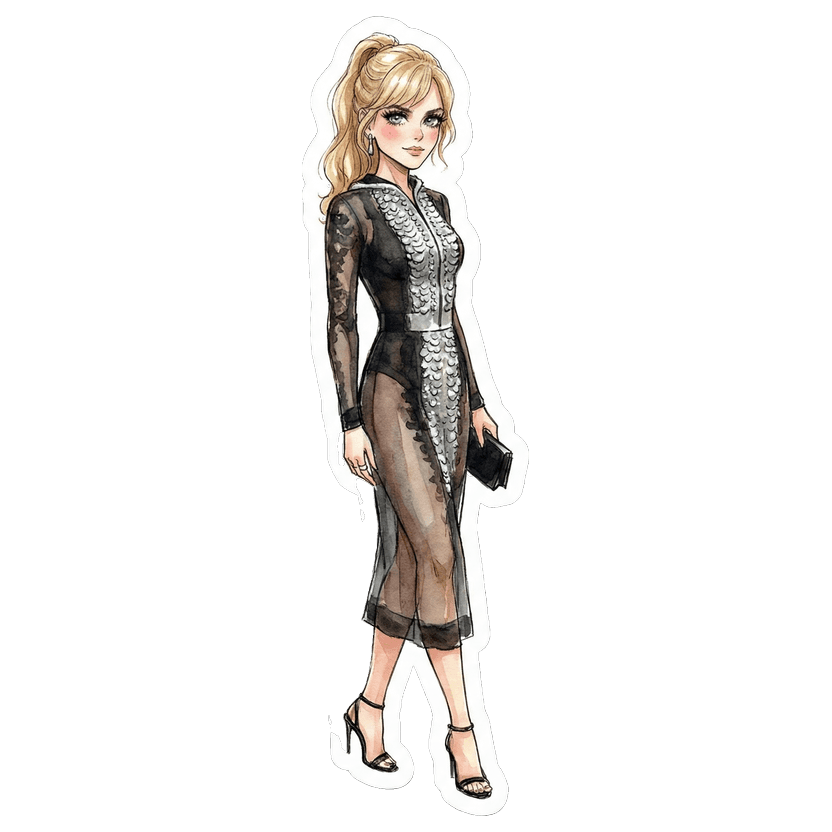
A suggested look — black sheer long-sleeve midi dress with silver sequin detailing down the front, black strappy heels, black clutch.
What to avoid
- Bare shoulders, strappy sandals, lightweight floral chiffon — out of season after September
- All-black head-to-toe outside explicit black tie — reads funeral in some families
- White, cream, ivory — the bridal rule holds year-round
- Kitten heels or stilettos at outdoor fall weddings — wet grass is slippery
- Lightweight satin dresses for outdoor November ceremonies — photographs cheap in cold light
Frequently asked questions
Rich, warm tones: burgundy, emerald, navy, plum, rust, forest green, chocolate, and gold. Jewel tones photograph well in autumn light. Etiquette sources consistently recommend 'richer fabrics like velvet and silk' over the lighter fabrics of summer. Black is acceptable for formal fall weddings. Avoid lighter pastels and white/ivory as always.
Yes — polished ankle boots or knee-high boots in leather work for fall weddings, especially outdoor venues. Keep them sleek (pointed-toe or almond) and avoid anything too casual or heavy-soled. A block-heel ankle boot is the practical outdoor fall choice — survives grass, gravel, and the walk from car to venue.
Almost certainly. Even indoor venues can be cool, and outdoor ceremonies in October require warmth. A tailored wool coat or elegant wrap is part of the outfit, not an afterthought. Plan a coat that coordinates with the dress color — camel, charcoal, black, or a deep burgundy.
Yes. A well-tailored suit in a rich color (burgundy, emerald, navy) with heels and statement jewelry reads modern and occasion-appropriate for most fall weddings. The Knot includes pantsuits as an accepted alternative to dresses across all seasons.
Velvet, silk, crepe, and heavyweight satin — all listed specifically by etiquette sources as fall wedding fabrics. Skip chiffon and lightweight floral prints (too summery). Avoid heavy wool dresses unless the venue is particularly casual; wool reads more office than celebration.