Job Interview Outfits for Summer
Competence, without the costume.
A summer interview outfit solves two problems at once — professional and comfortable in heat, with a 10°C / 50°F swing between sidewalk and interview room.
- Follow the 'one level above' rule — research LinkedIn photos of current employees
- Tailored navy or light-grey trousers in lightweight wool-silk or cotton poplin
- A structured blouse or shell that doesn't go sheer in conference-room lighting
- A lightweight unlined blazer — carry it to the lobby and put it on there
- Closed-toe pumps or loafers under 2 inches — sandals read too casual
- A structured leather work tote — scuffed canvas reads student
- Sandals — too casual for most interviews
- Heavy perfume — small rooms, scent-sensitive colleagues
- Visible wrinkles from the commute — arrive early and check the mirror
A summer interview outfit has to solve two problems at once: looking professional and staying comfortable in heat. The walk from subway or parking lot happens at 30°C / 86°F; the interview room is air-conditioned to 20°C / 68°F. The universal 2026 rule across Coursera, MetaIntro, and every major career advice source: 'dress one level above the company's daily dress code.' 'Dress for the job you want' is outdated. Build around breathable fabrics that hold their shape — cotton poplin, linen blend (not pure linen, which wrinkles by the lobby), lightweight wool-blend trousers. The color palette should be clean and professional without being a uniform: navy, soft grey, white, blush, sage, muted blue. The overall impression should be polished, specific, and like you belong in the room before you sit down. Industry matters: finance and consulting still expect suits; tech wants 'smart casual'; creative fields allow a pop of personality. Research the company on LinkedIn before buying anything new.
The universal 2026 rule: dress one level above the company's daily dress code. 'Dress for the job you want' is outdated.
Dress code
Dress one level above the company culture. Universal 2026 rule: 'dress one level above the company's daily dress code to show respect for the interview process.' If the office is jeans and sneakers, wear trousers and a blouse. If the office is business casual, add the blazer. If the office is formal, go full suit. Industry defaults: Finance/banking/law/consulting expect formal attire (suits, blazers). Tech is casual but 'that doesn't mean show up in a hoodie' — dark chinos, clean button-down, optional blazer. Creative fields allow personality — 'a pop of color, an interesting accessory' — but still read professional. Check the company's careers page and current-employee LinkedIn photos for visual cues.
Key pieces
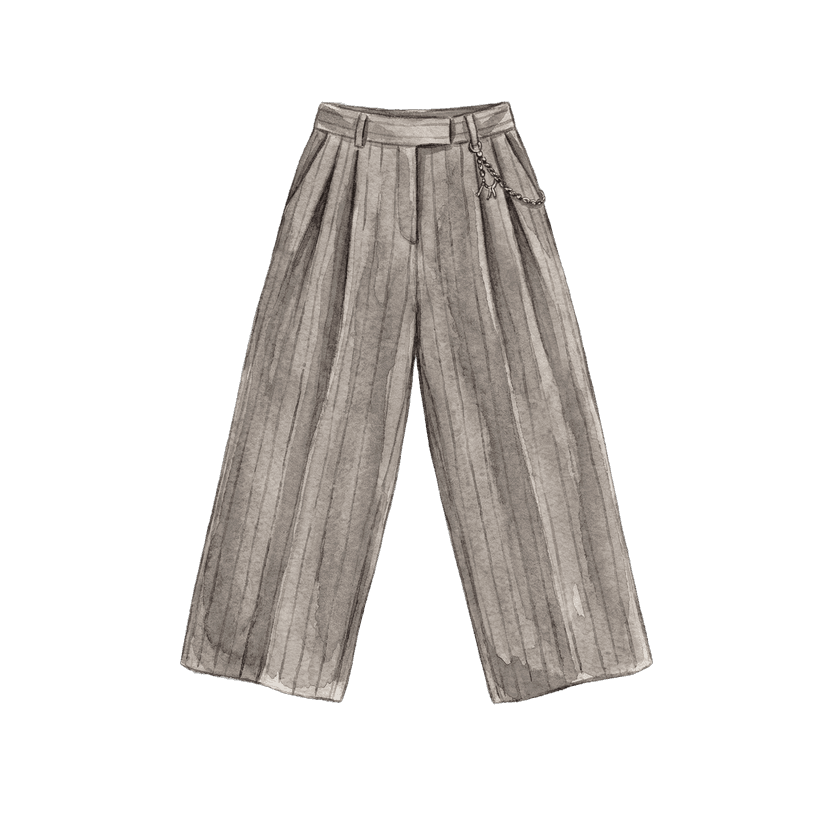 01Tailored trousers in navy or light grey
The anchor of a professional summer outfit. Slim or straight leg in a lightweight fabric (wool-silk, tropical wool, cotton-poplin) that holds a crease through a commute. Theory, Banana Republic, and The Frankie Shop all make these well.
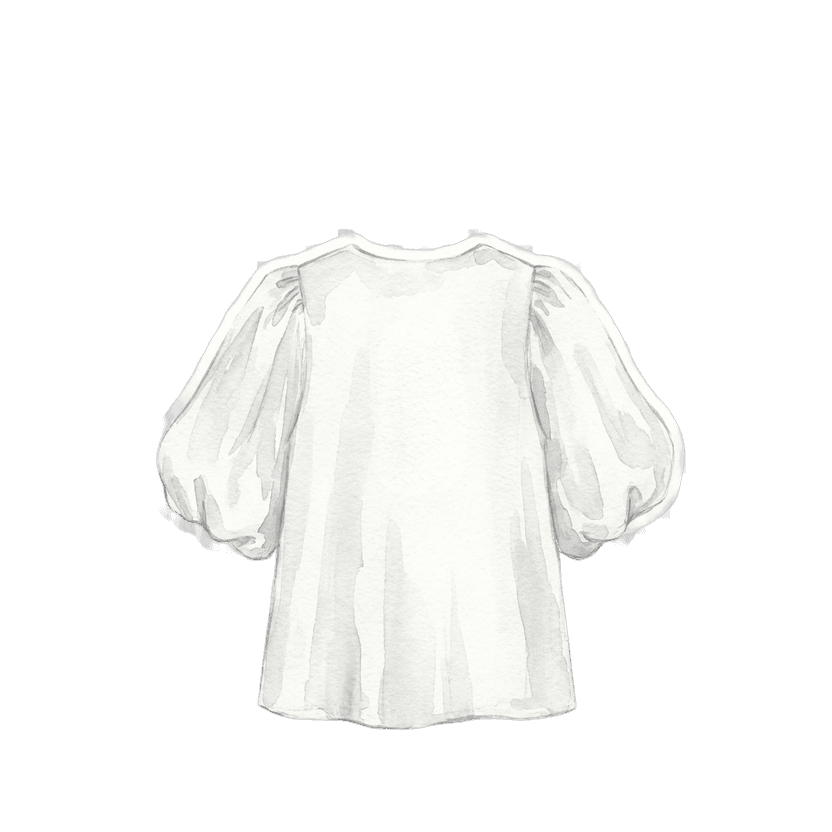 02Structured blouse or shell top
Under a blazer for the formal version, alone for smart casual. Choose a fabric that doesn't go sheer in conference-room lighting — silk, cotton poplin, or a heavier crepe. Skip anything with visible trend details.
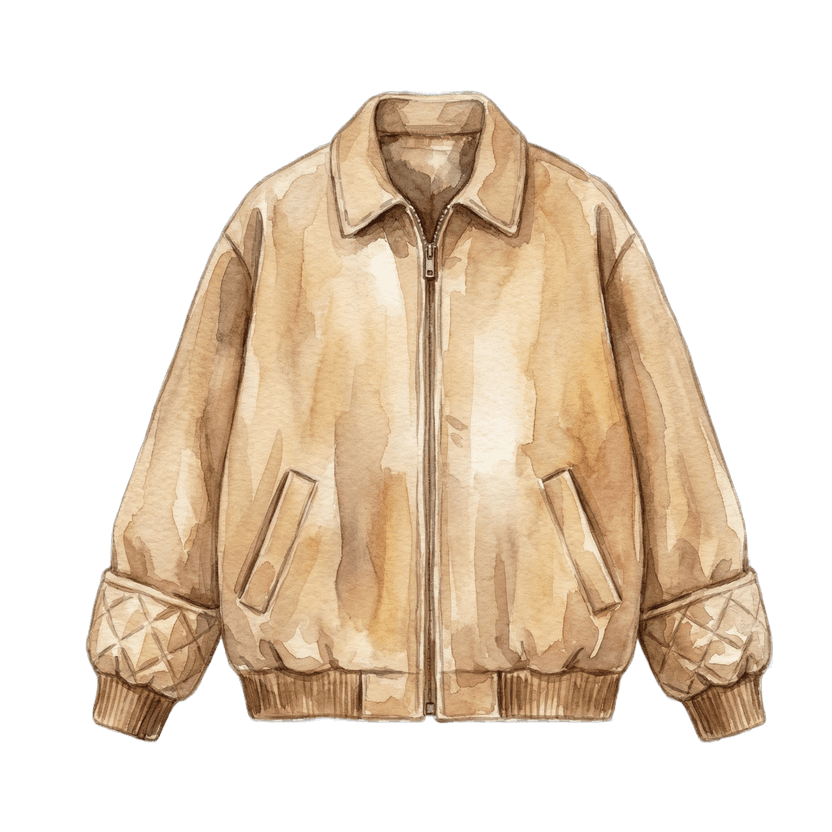 03Lightweight unlined blazer
The formality signal. Even in summer, a blazer reads serious — carry it in your bag and put it on in the lobby if the walk over is hot. Unlined or half-lined handles 30°C / 86°F.
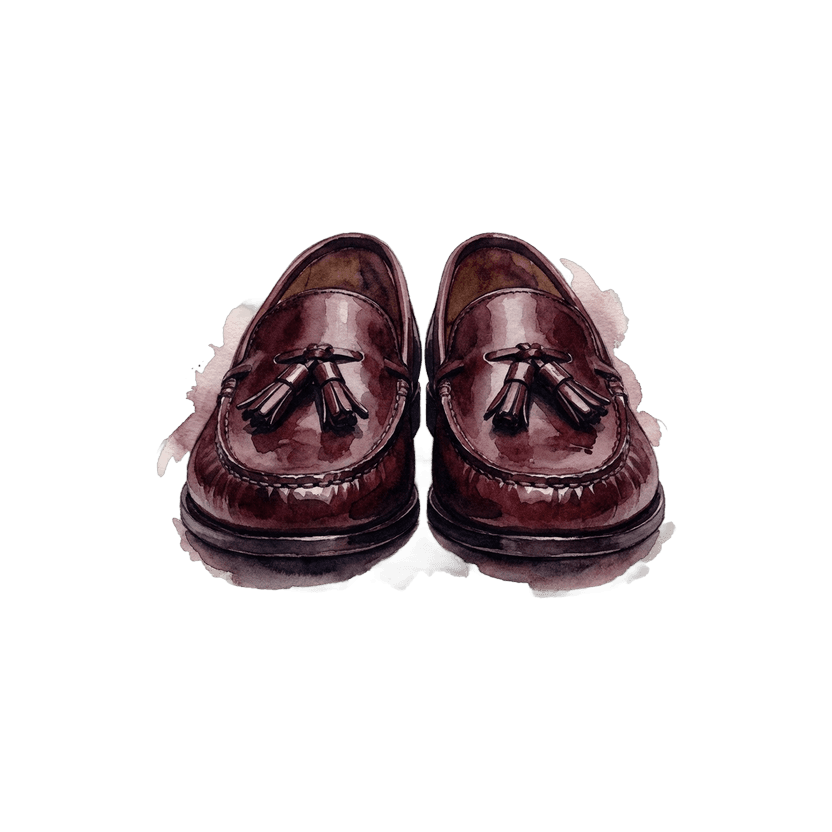 04Closed-toe pumps or loafers (not sandals)
Sandals are too casual for most interviews. A low-heel pump or structured loafer in black or nude is the safe bet. Sam Edelman, Nine West, or a quality thrifted pair. Avoid anything over 2 inches.
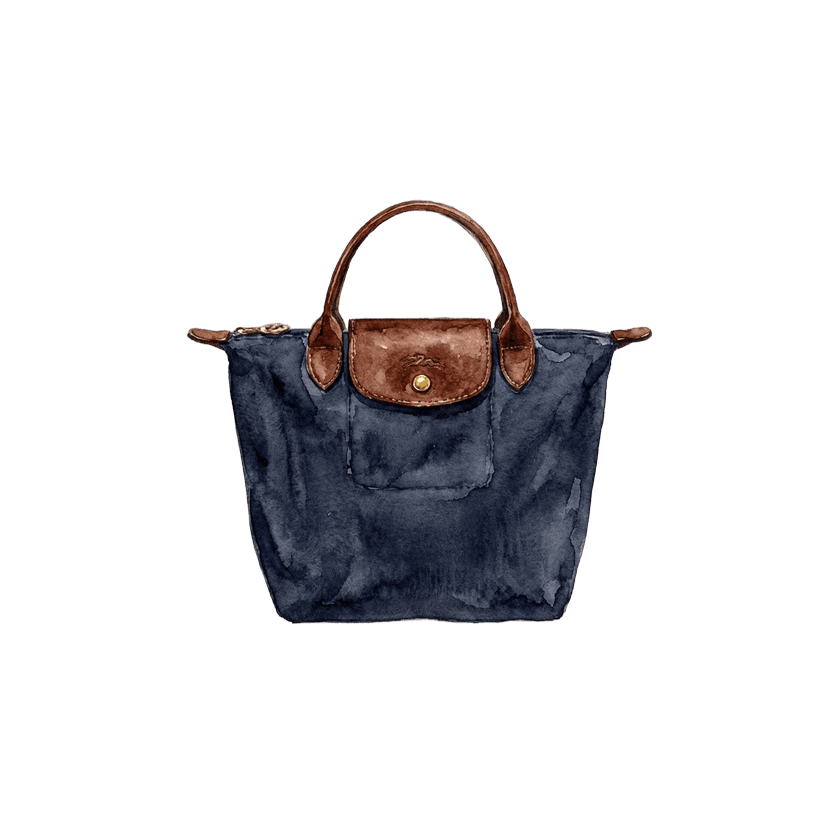 05Structured work tote
Holds your resume, a notebook, water, and the blazer you removed on the walk. Professional, minimal, one color. Cuyana, Everlane, or Longchamp Le Pliage for reliability.
- Minimal jewelry (one pair earrings, one ring max) — Nothing distracting, nothing that makes noise, nothing that becomes a fidget. Studs or small hoops; a simple band. The research is clear: interview accessories should fade into the background so your answers don't.
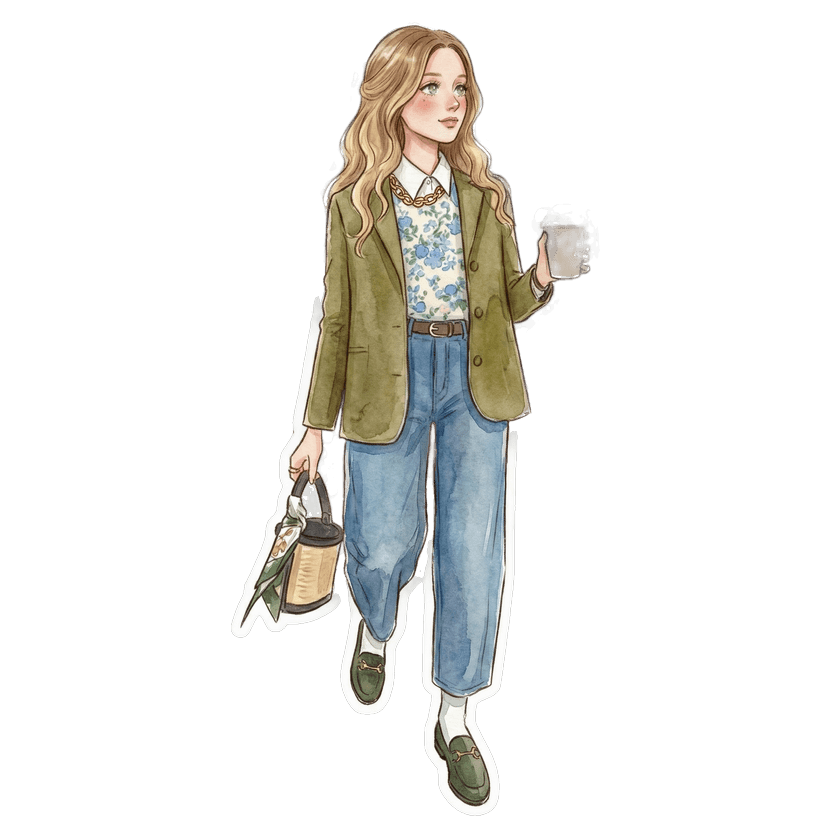
A suggested look — white collared shirt, blue and white floral sweater vest, olive green wool blazer, blue wide-leg jeans, brown leather belt.
What to avoid
- Anything wrinkled from the commute — arrive early and check the mirror
- Heavy perfume — small rooms and scent-sensitive colleagues
- Flip-flops, athletic wear, and weekend clothes — smart casual isn't anything-goes
- Holes, stains, or overly wrinkled shirts — clothes should be in good condition
- Oversized totes or carry-on suitcases — you'll look unprepared
Frequently asked questions
For startups and casual offices, yes — a structured blouse with trousers reads professional. For corporate, law, finance, or any role where the current team wears suits, keep the blazer. LinkedIn-research the hiring manager and current team before deciding. Safer bet: carry the blazer in your bag and assess the room once you arrive.
Smart casual: tailored trousers or chinos or a clean skirt, a nice button-down or silk blouse, and loafers or flats. Most tech companies don't expect a suit, but they expect polished. A blazer is optional — bring one in your bag for flexibility. The tech world is casual, but 'that doesn't mean show up in a hoodie.'
Yes — a midi dress in a solid professional color with closed-toe shoes reads appropriate for most industries. Avoid anything too tight, too short, or too casual. Shirt dresses, sheath dresses, or a fit-and-flare in navy, grey, or muted color work broadly. Skip sundresses and slip dresses — too casual even for creative fields.
Avoid very bright colors, all-white outfits, and anything too busy. Stick to navy, grey, white, blush, muted blue, and soft earth tones. The outfit should support your presence, not compete with it. Small pops of color (a scarf, a subtle print) are fine in creative fields; primary colors read loud in finance and law.
The consistent 2026 career-advice standard: 'dress one level above the company's daily dress code.' If daily code is jeans and tees, interview in chinos and a button-down. If daily code is business casual, add a blazer. If daily code is suits, full suit. 'Dress for the job you want' is outdated — research the company's actual norms and go one step up. Over-formal reads as trying too hard; under-formal reads as disrespect.