Wedding Guest Outfits for Summer
Dressed for the couple, comfortable for the dancing.
A summer wedding is a test of fabric, restraint, and footwear — heat, outdoor light, and a ceremony you'll walk, sit, and dance through.
- Follow the invitation's dress code first — universal etiquette rule
- A midi or maxi in sage, dusty rose, terracotta, slate blue, or soft gold
- Breathable fabric — silk, chiffon, crepe, cotton voile
- Block heels or wedges for outdoor venues (stilettos sink into grass)
- A wrap for the 9pm breeze and the AC'd reception
- A jumpsuit as a modern alternative — The Knot approves
- White, ivory, champagne, or icy pastels — they photograph bridal
- Stilettos on grass — they sink within the ceremony
- Neon, heavy sequins, or bold animal prints — too attention-grabbing
A summer wedding is a test of fabric, restraint, and footwear. You need something that holds up in 26-32°C / 79-90°F heat (and the post-sunset drop to 18°C / 64°F, photographs well in outdoor light, and reads occasion-appropriate without being bridal. Emily Post, The Knot, and every major wedding etiquette source agree on the universal rules: 'follow the dress code specified on the invitation' and 'avoid white or ivory — reserved for the bride.' The safest palette for summer is warm color, muted print, or a solid in a tone that flatters in sunlight: sage, dusty rose, terracotta, slate blue, soft gold. Avoid anything that photographs as bridal — icy pale champagne and pale lavender can read white in direct sun. The silhouette should allow movement (you'll sit, stand, walk on grass, and dance), so anything too tight or too structured fails the practical test. Choose fabrics that breathe: silk, chiffon, cotton voile, light crepe. A venue rule worth remembering: outdoor weddings require chunky heels or block heels because stilettos and kitten heels sink into grass; indoor weddings can take a standard pump.
Outdoor weddings require chunky heels or block heels because stilettos and kitten heels sink into grass; indoor weddings can take a standard pump.
Dress code
Most summer weddings are cocktail or semi-formal — a midi or knee-length dress with heeled sandals covers both. Black tie means a floor-length gown (or jumpsuit) in rich fabrics (satin, silk, chiffon). Formal/semi-formal allows shorter dresses but keeps the formality up. Casual summer weddings (beach, backyard) call for a sundress and dressy sandals — skip anything that reads too casual (t-shirts, denim, flip-flops, cut-offs). When in doubt, slightly overdressed beats underdressed.
Key pieces
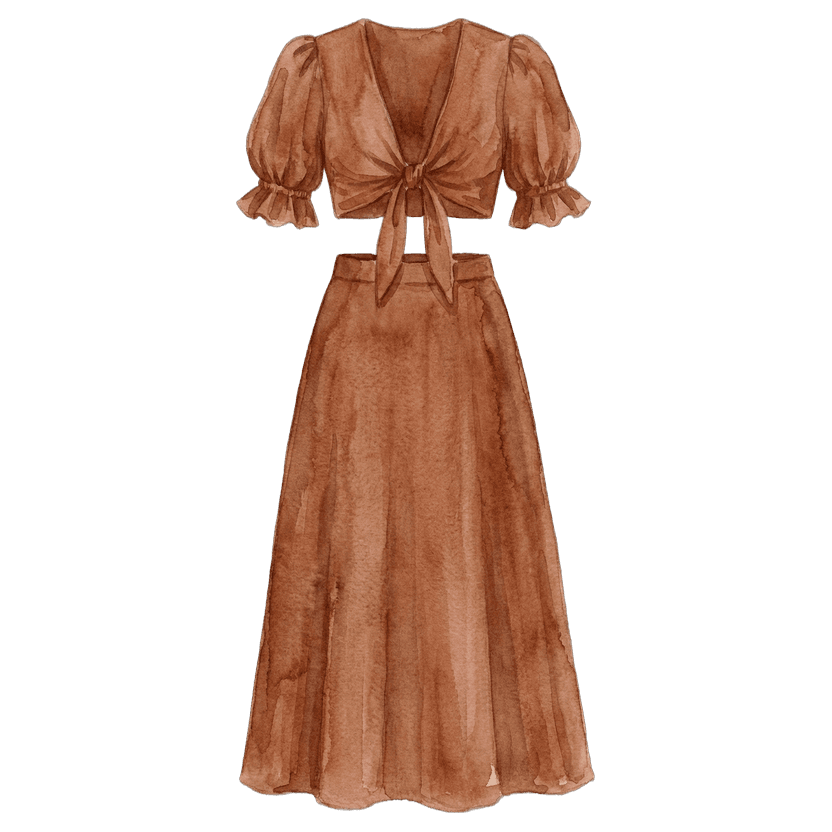 01Midi or maxi dress in a warm solid or muted print
The default wedding guest piece. Midi works for most venues; maxi reads more formal and handles outdoor heat better. Choose a fabric that doesn't wrinkle in a car — crepe, silk, or a technical blend.
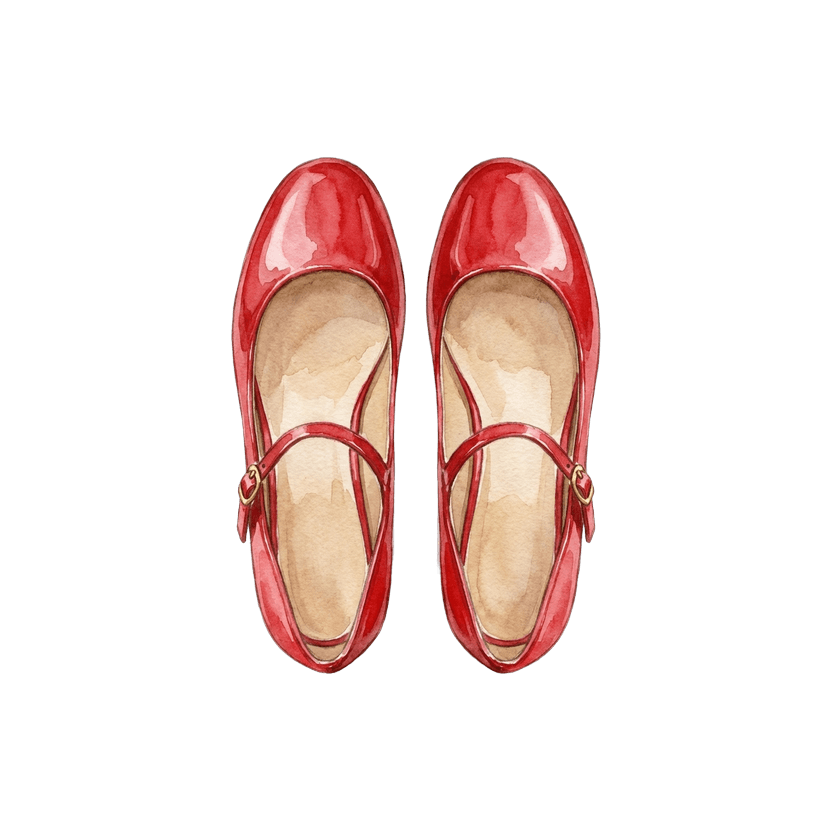 02Block-heel sandal or wedge (not stiletto)
Universal wedding rule: stilettos and kitten heels sink into grass at outdoor venues. Block heels or wedges survive the grass and the ceremony, then handle an hour of dancing. Indoor-only weddings allow a standard pump.
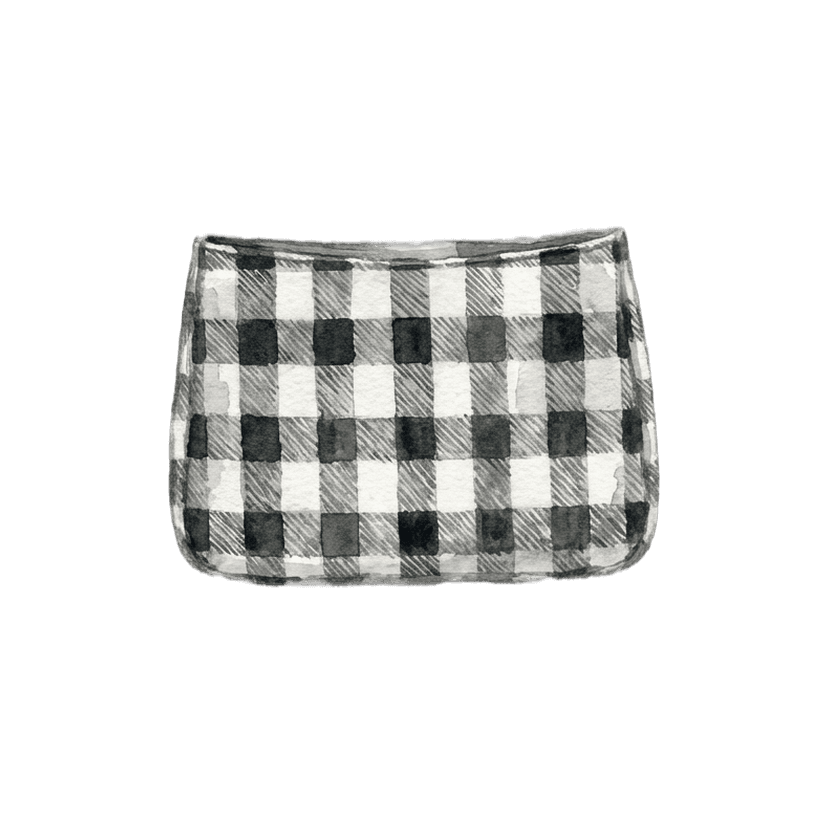 03Structured clutch or small shoulder bag
Big enough for phone, lipstick, tissues, a pair of flats for the dance floor. Small enough it doesn't compete with the dress or clash in photos.
 04Layered delicate gold jewelry
A necklace, earrings, a bracelet — nothing chunky, nothing that jingles during the vows. Pearl earrings are wedding-appropriate across every culture.
- Lightweight wrap, pashmina, or silk shawl — For the 9pm breeze at an outdoor venue, the air-conditioned reception space, and a sheer shoulder strap that needs extra coverage for a religious or traditional ceremony.
- Jumpsuit as modern alternative — The Knot explicitly lists 'jumpsuits and pantsuits' as acceptable wedding guest options. A tailored jumpsuit in a solid wedding-appropriate color reads modern and polished — choose wide legs for a formal feel, add heeled sandals and statement earrings.
A suggested look — black and white scale-patterned long-sleeve midi dress, black strappy heeled sandals, silver drop earrings.

What to avoid
- White, cream, ivory, champagne, icy pastels — bridal in direct sunlight
- Ultra-bright neons, heavy sequins, bold animal prints — too attention-grabbing
- Stilettos for outdoor venues — they sink into grass
- Anything too short, too tight, or with deep cutouts — keep silhouettes modest
- Red at Indian, Pakistani, or Chinese weddings — culturally tied to the couple
Frequently asked questions
Yes — widely accepted in 2026. A black midi dress with colorful accessories reads appropriate and elegant. The only exception: if the couple has specifically requested no black, or if it's a daytime beach wedding where black feels heavy. When in doubt at a traditional daytime wedding, lighter tones photograph better, but black is never inherently inappropriate.
A flowy maxi dress, flat sandals or wedges (never stilettos — they sink into sand), and minimal accessories. Skip heels, heavy fabrics, and anything too formal. A light wrap handles the ocean wind. Linen or cotton voile breathes best. Hair up is practical.
Match the venue and the invitation wording. Garden or backyard: cocktail dress and block heels. Hotel ballroom: floor-length or elegant midi. City rooftop: a sharp dress or jumpsuit with heeled sandals. Etiquette sources are consistent: follow the invitation's stated dress code first, then read the venue second.
Yes — The Knot explicitly lists jumpsuits and pantsuits as acceptable alternatives. A tailored jumpsuit in a solid color (navy, emerald, burgundy, soft gold) reads modern and polished. Wide legs for formal feel; heeled sandals and statement earrings complete the look. Same dress code rules apply — floor-length or long-leg for black tie, knee- or ankle-length for cocktail.
White, ivory, cream, champagne, and very pale pastels (bridal-adjacent). Neon brights and heavy sequins (too attention-grabbing). Bold animal prints. Red at Indian, Pakistani, or Chinese weddings (culturally associated with the couple). Safer summer choices: sage, terracotta, dusty rose, slate blue, soft gold, navy, emerald.
Sources
- The Emily Post Institute — Etiquette guides — accessed 2026-04-23
- The Knot — Wedding Etiquette — accessed 2026-04-23