Dark Academia Outfits for Fall
Dress for the library you want to be trapped in overnight.
Fall is the season dark academia was built in. Tweed reads correct at 10°C / 50°F in a way it never does in July, and the whole look stops being a translation.
- Three sheddable layers — a heated seminar room runs 12°C / 22°F above the walk there
- Deepen the palette to oxblood and forest green — the summer ivory-and-linen version goes flat under low autumn light
- Wool over cotton from late September — corduroy and cable knit hold shape when damp; cotton chinos go limp
- Lug soles, not leather ones — wet leaves on stone are the season's actual hazard
- One real scholarly object, carried because you use it
- Don't add a cape or pocket watch — three props read as costume, which is the tier that faded after 2022
- Don't wear true black head to toe — the palette is warm-dark, so ink and dark brown carry it and black flattens it
- Don't buy the polyester tweed — it shines under indoor light and reads instantly synthetic
What is Dark Academia style?
Dark academia crystallised on Tumblr around 2015 as a mood board — Gothic architecture, candlelit libraries, handwritten Latin, and the narrow shelf of books that justified the look: Donna Tartt's *The Secret History* (1992), E.M. Forster's *Maurice* (1971, posthumous), Mary Shelley's *Frankenstein*, and the entire Brideshead canon. The visual canon rested on four films: *Dead Poets Society* (1989), *Kill Your Darlings* (2013), *Mona Lisa Smile* (2003), and *The Riot Club* (2014). Tumblr held it as a niche until the pandemic. The COVID-19 lockdowns in spring 2020 sent the aesthetic to TikTok, where #darkacademia crossed 1 billion views by early 2021 (per TikTok's own hashtag data). The New York Times published 'Academia Lives, on TikTok' on June 30, 2020, cementing mainstream coverage. The 2024 Harvard Crimson long-read situated the aesthetic inside the pandemic's mass-romanticisation of interrupted college life. By 2026 dark academia has matured: the cosplay tier (full Hogwarts robe, accessible costumery) has faded, and the wearable tier — tweed blazers, oxford shirts, cable vests, wire-rim glasses, leather satchels, a cognac-and-ink palette — has settled into the wardrobes of graduate students, editorial assistants, and anyone who spends more than an hour a day reading. The aesthetic differs from old money by being intellectual rather than inherited: the reference is the scholar, not the heir. It differs from quiet luxury by being specifically European-continental rather than pan-global — Cambridge, Oxford, Heidelberg, and the Sorbonne rather than Milan and Seoul.
Every other season asks dark academia to translate. Fall does not. The aesthetic was assembled from Gothic architecture and candlelit libraries, and it wants the weather that produced those rooms — NOAA's Central Park normals put October at 18°C / 64°F by day and 10°C / 50°F at night, which is precisely the band where tweed stops being a statement and becomes the sensible choice. That is the season's real advantage. The New York Times named the aesthetic on June 30, 2020 in 'Academia Lives, on TikTok,' during a spring when nobody could reach a library at all; six autumns later the wearable tier has outlived the costume tier. Build for the temperature and the reference takes care of itself.
Summer dark academia is an argument. Fall dark academia is just getting dressed for the weather, in the clothes the weather was named after.
Signature palette
Key pieces
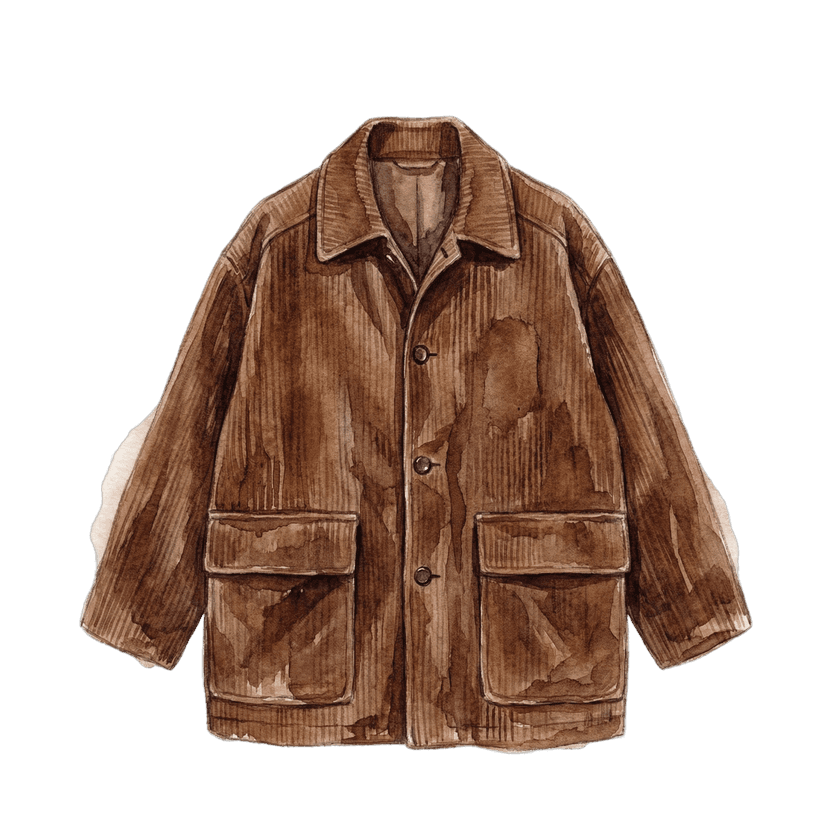 01Brown wide-wale corduroy chore jacket
Wide-wale corduroy holds its shape in damp air where cotton twill collapses, and the chore cut takes a cable knit underneath without pulling at the shoulder. Brown over black: the palette runs warm-dark, and a brown jacket reads as worn-in rather than severe.
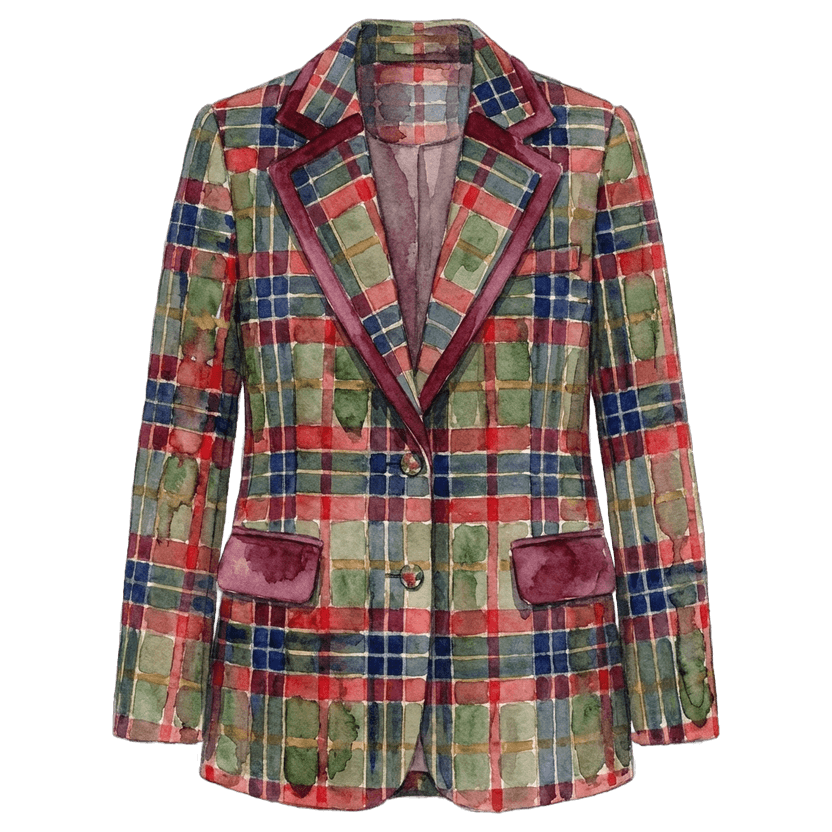 02Red and green tartan blazer with burgundy velvet lapels
One loud piece, and it earns its place. Tartan is the aesthetic's inherited pattern and the velvet lapel is the detail that dates it pre-1970 — the test that separates real dark academia from a blazer with elbow patches. Wear it against the plain forest chinos so the pattern sits alone.
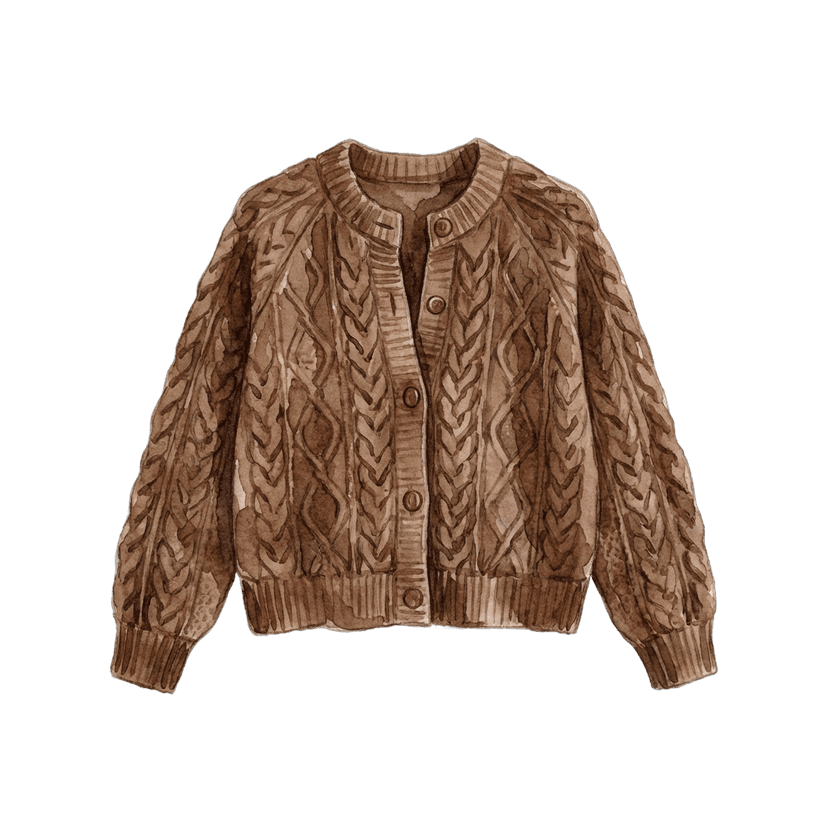 03Brown cable-knit cardigan
Cable knit does the actual work here: traps air, so it holds 4-5°C / 7-9°F more than its weight suggests, and a cardigan unbuttons at the seminar-room door where a pullover has to come off over your head.
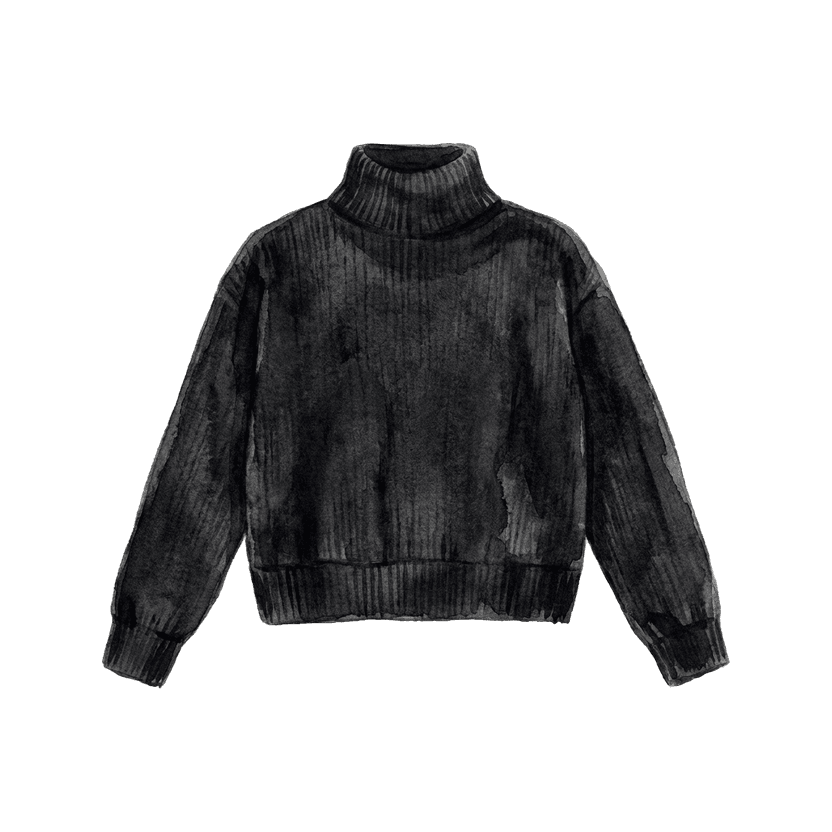 04Black ribbed turtleneck
Worn under everything else. A high neck closes the gap a scarf otherwise fills, which matters on the 10°C / 50°F walk home, and ribbing keeps it close enough to layer without bulk. This is the one place true black works — it is a ground, not the outfit.
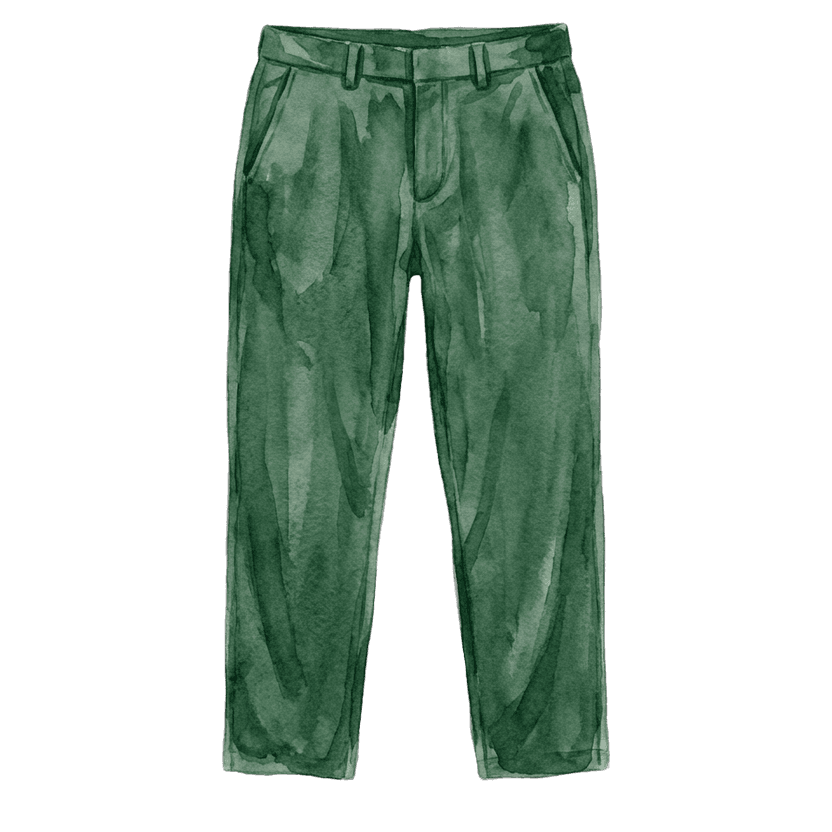 05Forest green pleated chino trousers
Forest green is the palette's quiet anchor and the reason the look does not read as a costume: it is a colour you can wear to work. The pleat gives room to walk in cold air, and the mid-weight cotton takes a wool sock without binding at the ankle.
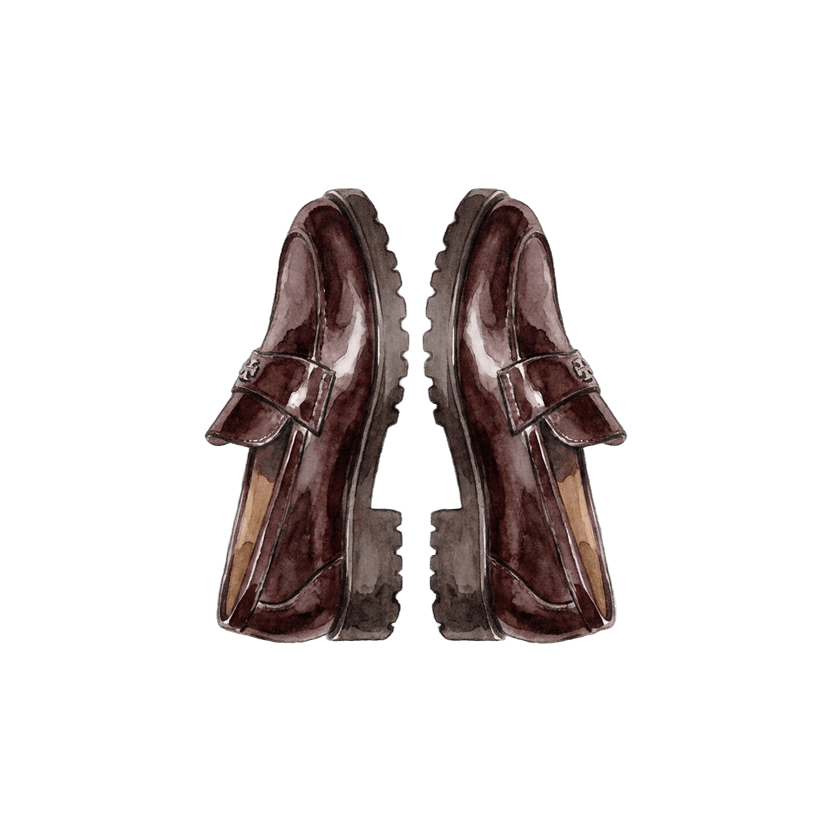 06Oxblood patent penny loafers on a lugged sole
Oxblood is the canonical dark academia shoe colour, and the lugged sole is the season's practical correction — wet leaves on stone steps are what actually puts people down in October. Patent takes rain without staining, where suede spots permanently on the first walk.
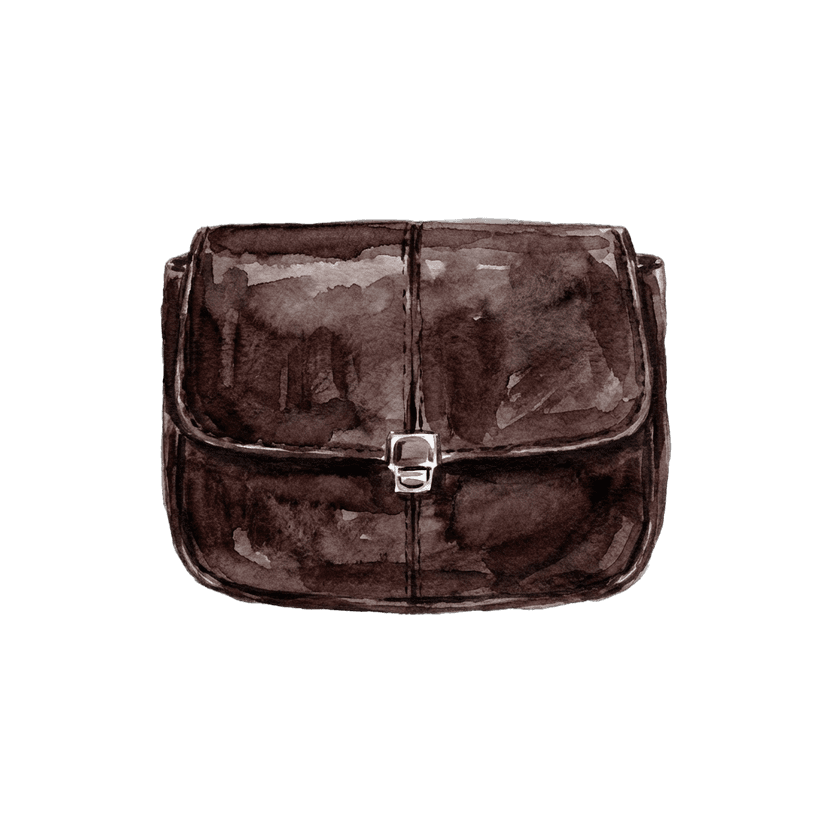 07Dark brown leather flap satchel
A scholar's bag, and the one accessory the aesthetic genuinely requires. A flap closure keeps paper dry in the rain a tote does not, and the leather deepens with use rather than wearing out — the same logic that makes the whole look age well.
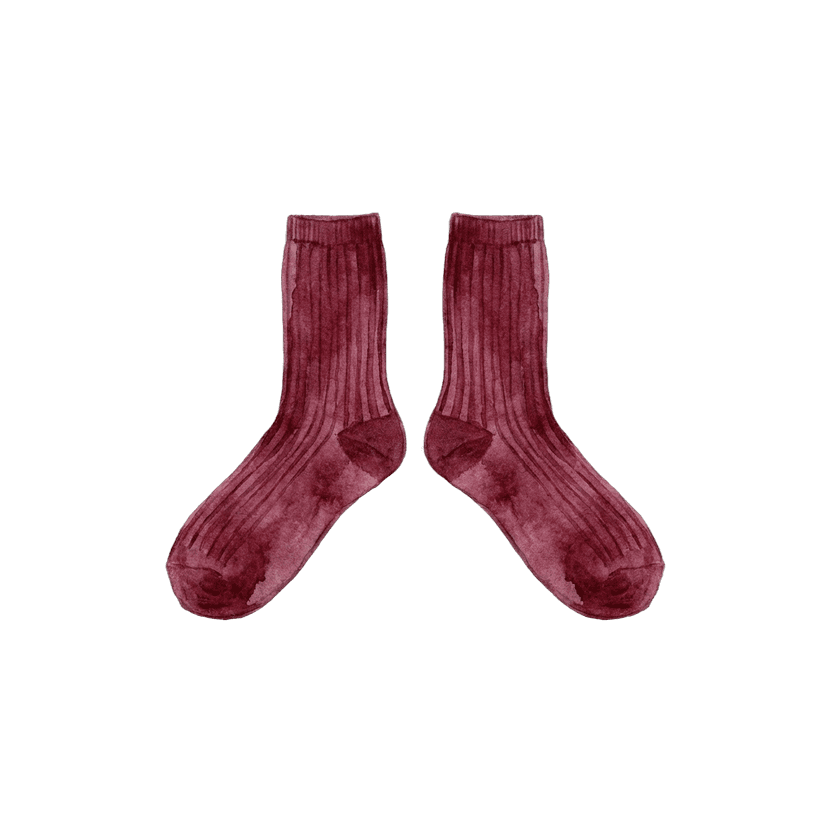 08Burgundy ribbed crew socks
That visible inch between loafer and trouser hem is the outfit's only decorative decision, so make it burgundy rather than black. Ribbed wool holds warmth in a low-cut shoe, which is what makes loafers survivable past September.
Seasonal note
The season splits at roughly 12°C / 54°F. Above it, the cardigan alone carries the outfit and the corduroy jacket stays on the hook. Below it, you need both, and the turtleneck stops being optional. NOAA's Central Park normals put that crossing in the second week of October for the northeastern US; the UK Met Office puts London there by the first week. Rain is the other variable — the aesthetic's canonical fabrics are wool and leather, and both handle damp far better than they handle being soaked, so the lugged sole and the flap closure do more work in October than any styling choice.
What to avoid
- A cape, a pocket watch, and a monocle in the same outfit — the 2020-2022 costume tier, and it now reads as period dress rather than personal style
- Polyester tweed — it takes on a sheen under fluorescent library lighting that wool never does
- Suede loafers in October — the first wet walk spots them permanently; patent or grained leather survives
- Head-to-toe true black — the palette is warm-dark, so ink navy and tobacco brown carry it while flat black kills the depth
- Elbow patches bought pre-attached — the detail signals the garment was designed to look scholarly rather than to be worn
Frequently asked questions
Three sheddable layers in a warm-dark palette. A black ribbed turtleneck as the base, a brown cable-knit cardigan over it, and a wide-wale corduroy chore jacket or a tartan blazer on top. Forest green pleated chinos, oxblood penny loafers on a lugged sole, burgundy wool socks, and a dark brown leather flap satchel. The layer count matters more than any single piece: a heated seminar room runs about 12°C / 22°F above the walk there, so you need to be able to take two things off without changing outfits.
Yes, and it is the only season the aesthetic does not have to be translated for. Dark academia was assembled from Gothic architecture and candlelit libraries, and its canonical fabrics — tweed, corduroy, cable-knit wool — are correct at the 18°C / 64°F days and 10°C / 50°F nights that NOAA records for October in the northeastern US. In July the same fabrics are a costume you are enduring. In October they are the sensible choice, which is why the look stops drawing attention and starts simply working.
The palette deepens from the summer ivory-and-ecru version into oxblood, forest green, tobacco brown, charcoal, and ochre, with ivory retained for shirting. Avoid flat true black as the dominant colour — the aesthetic reads warm-dark, so ink navy and dark brown carry the depth that black flattens. The reference is old paper, leather spines, brass fittings, and candle smoke, all of which are warm.
Limit yourself to one scholarly object, and carry it because you use it. The cosplay tier — capes, pocket watches, elaborate themed jewelry — peaked on TikTok between 2020 and 2022 and has receded since; the 2024 Harvard Crimson long-read tracked it as a pandemic-era romanticisation of college life that outlived its moment. What survived is the wearable tier: tweed, oxford shirting, cable knit, loafers, a leather satchel. If someone can tell you are dressed as something, you have added one prop too many.
It is one of the few aesthetics built for it, with two corrections. Swap suede loafers for patent or grained leather, because suede spots permanently on the first wet walk and does not recover. And choose a flap-closure satchel over an open tote, since the flap is what keeps paper dry. Wool and leather both handle damp air well; neither handles being soaked, so the practical limit is a walk between buildings, not an afternoon outdoors.
Sources
- NOAA / NWS New York (OKX) — Normals and Extremes, Central Park NY (1869–present), 1991–2020 averages — accessed 2026-08-03
- The New York Times — Academia Lives, on TikTok — accessed 2026-04-24
- The Harvard Crimson — Dark Academia: Aesthetics and Belonging in an Age of Social Media — accessed 2026-04-24
- UK Met Office — UK climate averages — accessed 2026-04-23