What to Wear in Banff in June
Banff in June: average high 18°C / 64°F, low 4°C / 39°F, and 17 rain days.
- A base layer, fleece and shell that fit comfortably together
- Footwear selected after checking the trail report
- A dry change for dinner and the journey back
- Assuming a June date means high trails are snow-free
- Packing only a town jacket for a mountain outing
- Using yesterday’s forecast for a different elevation
June in Banff calls for an early-summer wardrobe with a cold-weather reserve. The recorded averages are an 18°C high and a 4°C low, so a pleasant afternoon in town is not a reason to leave insulation at the hotel. Parks Canada notes that high passes can remain snowbound into late June. Build the trip around routes whose current conditions suit your experience, then choose footwear and layers for those routes. For sightseeing, start with a base layer, fleece and shell; remove the fleece as you warm up. Keep a dry knit and trousers for dinner instead of asking damp hiking clothes to serve twice.
For sightseeing, start with a base layer, fleece and shell; remove the fleece as you warm up.
The capsule
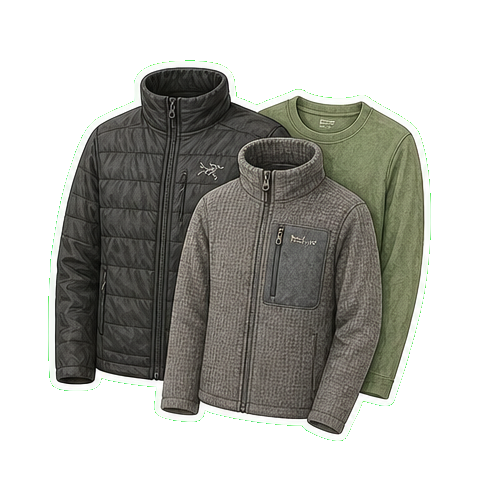 01Base layer, fleece and insulated mid-layer
Use these as separate layers rather than wearing all three all day. A layer that fits beneath your shell is more useful than an oversized second coat. Keep one dry top for the return to town.
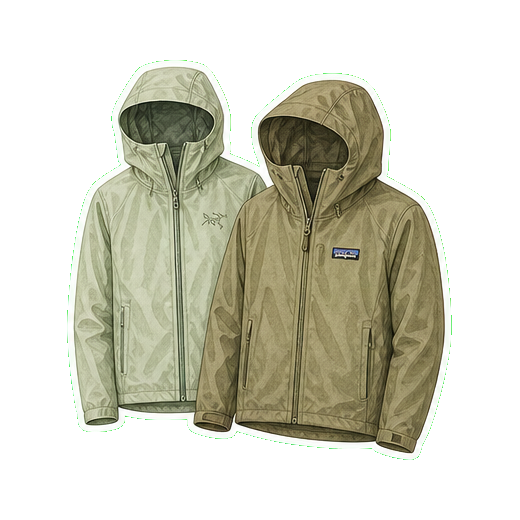 02Packable wind layer and waterproof rain shell
Choose the shell for the forecast and the route. A light wind jacket does not replace waterproof protection on a wet hike; leave room for insulation underneath.
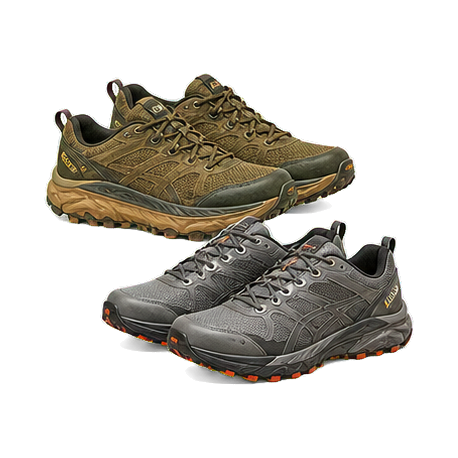 03Trail shoes with a secure fit
Match the footwear to the current trail surface and your route. Check heel hold and toe room with the socks you will wear; a particular brand does not make a route suitable for your experience.
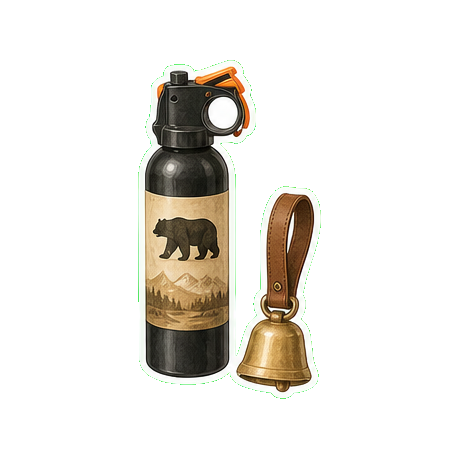 04Bear-safety supplies for your itinerary
Use Parks Canada wildlife guidance to choose and learn to use your equipment. The pictured accessories are not a complete safety checklist or a substitute for checking restrictions before a walk.
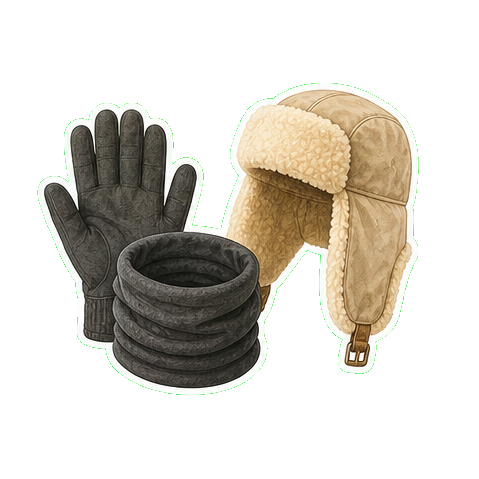 05Gloves, neck layer and warm hat
Small warm accessories can be useful at a cold viewpoint or while waiting for transport. Pack them where you can reach them without emptying the bag.
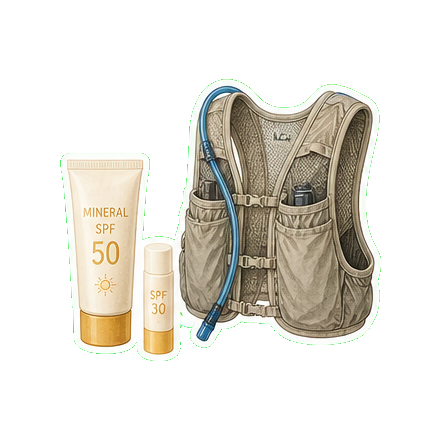 06Sun protection and water-carrying supplies
Plan these around the route and current conditions, rather than treating an illustrated bottle as a universal amount. Allow space in your day bag for your own hiking essentials.
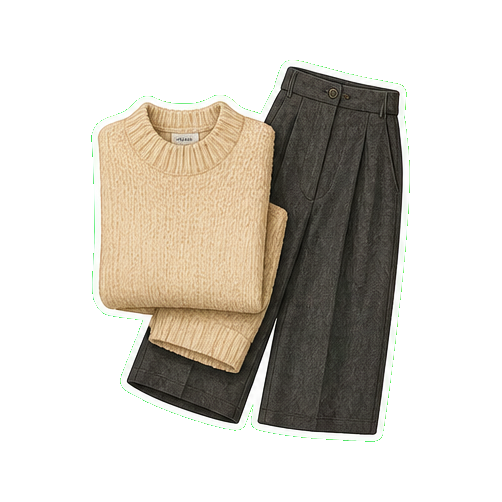 07Knit top and dark trousers for town
Keep this outfit dry for dinner. Reusing the knit with a daytime base layer reduces the number of separate evening outfits you need.
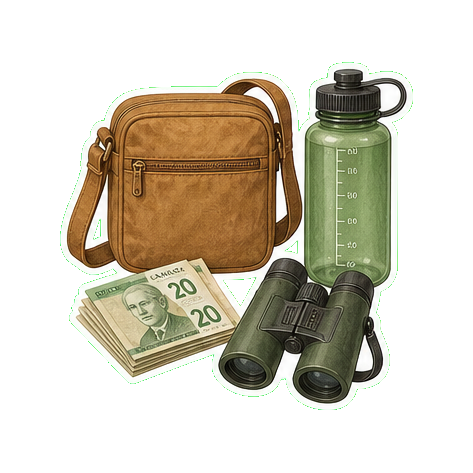 08Small bag and sightseeing accessories
A small crossbody suits a town day; a longer walk calls for a daypack with space for weather layers and route supplies. Choose according to the day you have planned.
Day to night
Base layer, fleece, shell and trail shoes for a walk chosen from the current trail report. Carry the layer you remove as the day warms.
Dry knit, dark trousers and comfortable shoes for dinner in Banff. Keep the shell handy for the walk back.
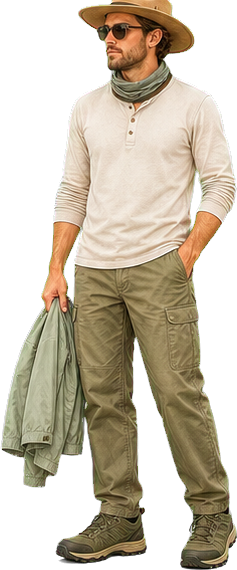
A suggested look — Banff June trail look: long-sleeve cotton/merino tee, canvas hiking pants, olive trail shoes, rain shell carried, merino buff and mountain hat..
What to avoid
- Assuming a June date means high trails are snow-free
- Packing only a town jacket for a mountain outing
- Using yesterday’s forecast for a different elevation
Frequently asked questions
Keep more flexibility in June. Parks Canada identifies July through mid-September as the prime hiking season and warns that passes can remain snowbound into late June. Choose the route first; the town temperature alone cannot tell you what to wear higher up.
For town sightseeing, removable layers and comfortable walking shoes may cover your plans. For a hike, consult the trail report and the park’s equipment guidance. Carry the extra clothing and supplies your route needs; the outfit illustration is not a hiking checklist.
Make sure a fleece or insulated layer fits under the same shell, then reuse it with more than one base top. One dry town outfit is usually more practical than several bulky coats that cannot be combined.
Gloves and a warm hat take little space and can be useful for a cold stop. Choose them with the day’s forecast and route in mind, and keep them reachable instead of leaving them in the suitcase.
Continue planning
- Compare all Banff months
See the available monthly guides and their weather averages before planning a trip across dates.
Sources
- Environment and Climate Change Canada — 1991–2020 climate normals, Banff stationAt 1,397 m / 4,583 ft, on the same ≥0.2 mm precipitation-day threshold as Québec City.
- Parks Canada — Banff hiking seasons and preparation — accessed 2026-10-23
- Parks Canada — current Banff trail conditions — accessed 2026-10-23