What to Wear in Tokyo in July
Tokyo in July: 31°C / 88°F afternoons, 24°C / 75°F mornings, 75-80% humidity — 31°C / 88°F feels 38°C / 100°F+ in peak afternoon.
- Loose linen or cotton shirt dresses — one-piece simplicity
- Loose linen shorts at mid-thigh or longer (athletic shorts read foreign)
- Wide-leg linen trousers for temples and nicer restaurants
- Breathable mesh sneakers or sport sandals (Teva, Keen, Suicoke)
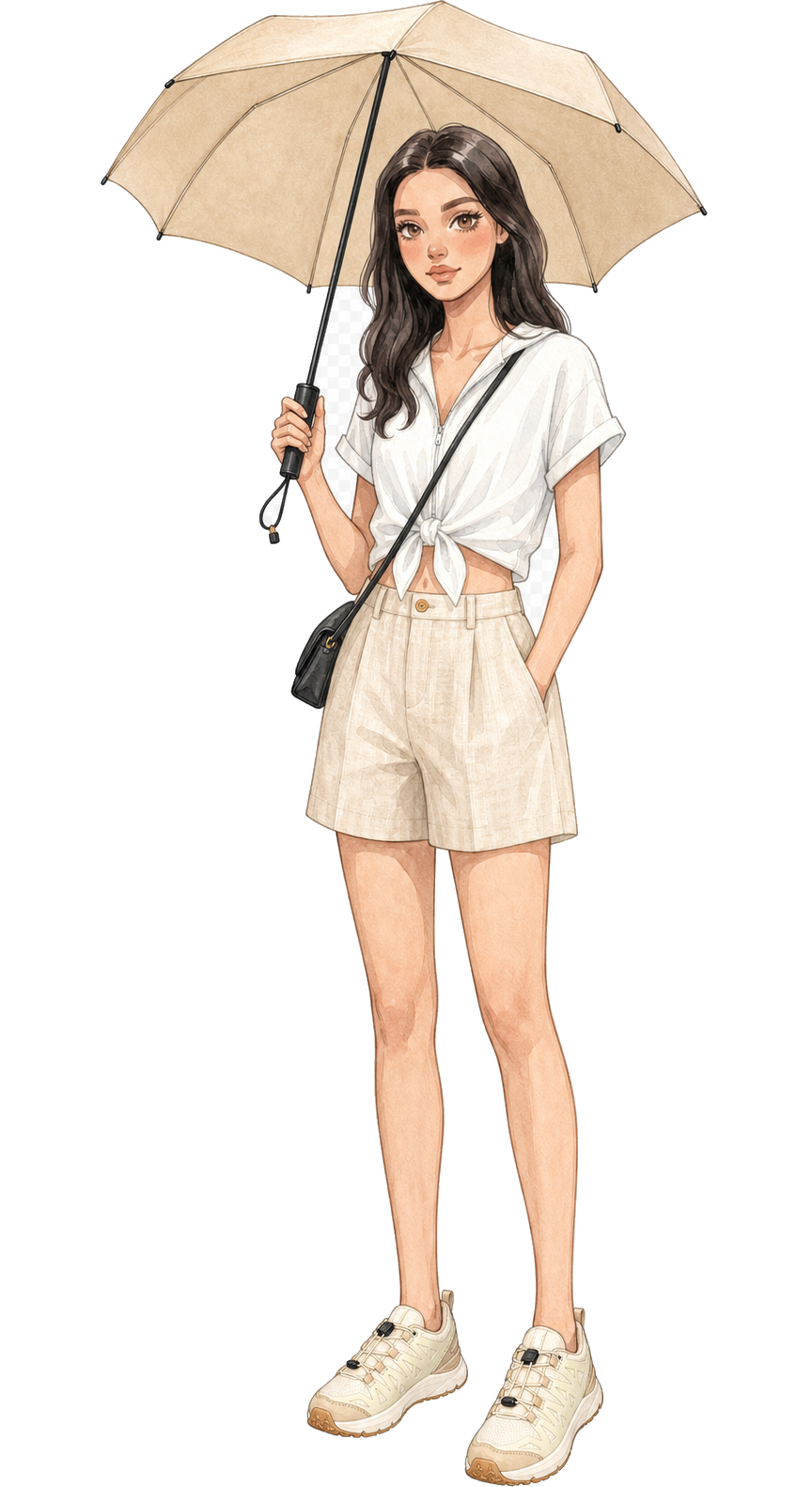
- A UV parasol (日傘) — more effective than reapplied sunscreen
- A tenugui (手ぬぐい) towel for sweat — every local carries one
- A thin cardigan for the 10°C / 18°F AC drop
- Dark colors on top — heat absorption and visible sweat marks in photos
- Jeans — miserable at 80% humidity
- New shoes you haven't broken in — blisters by day two
July is Tokyo's hottest month. JMA climate data show the daily high at 31°C / 88°F and the low at 24°C / 75°F, with humidity that makes 31°C / 88°F feel closer to 38°C / 100°F. The first two weeks still overlap tsuyu with sudden storms; the last two weeks tip into dry heat with fierce sun. Tokyo runs on air conditioning, which means your body moves between sauna-outside and icebox-inside a dozen times a day — a thin layer in your bag is not optional. Dress for heat first, everything else second: light colors, loose silhouettes, fabrics that breathe. Japanese women carry UV parasols (日傘) in July — more effective and more local than sunscreen reapplied hourly. Matcha's Japan travel guide explicitly advises 'avoid dark colors, as the sun is quite strong.' Pair a loose linen dress with a parasol and you've dressed for the season.
Japanese women carry UV parasols (日傘) in July — more effective and more local than sunscreen reapplied hourly.
The capsule
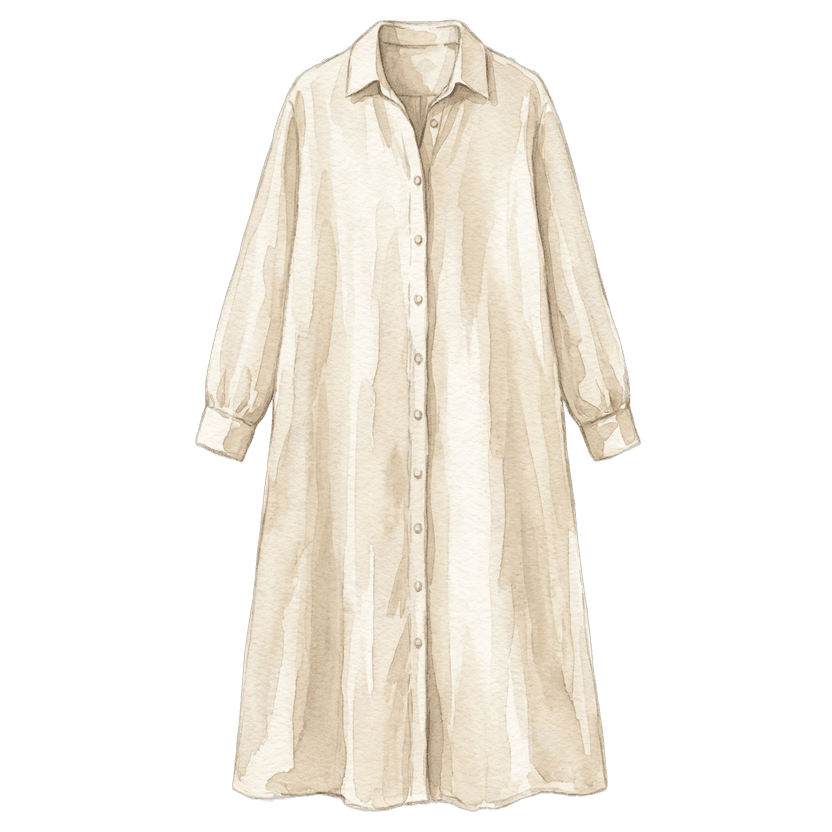 01Cream linen midi shirtdress
The easiest July choice. One piece, no layering decision, handles heat and looks right from a shrine visit to a Roppongi rooftop.
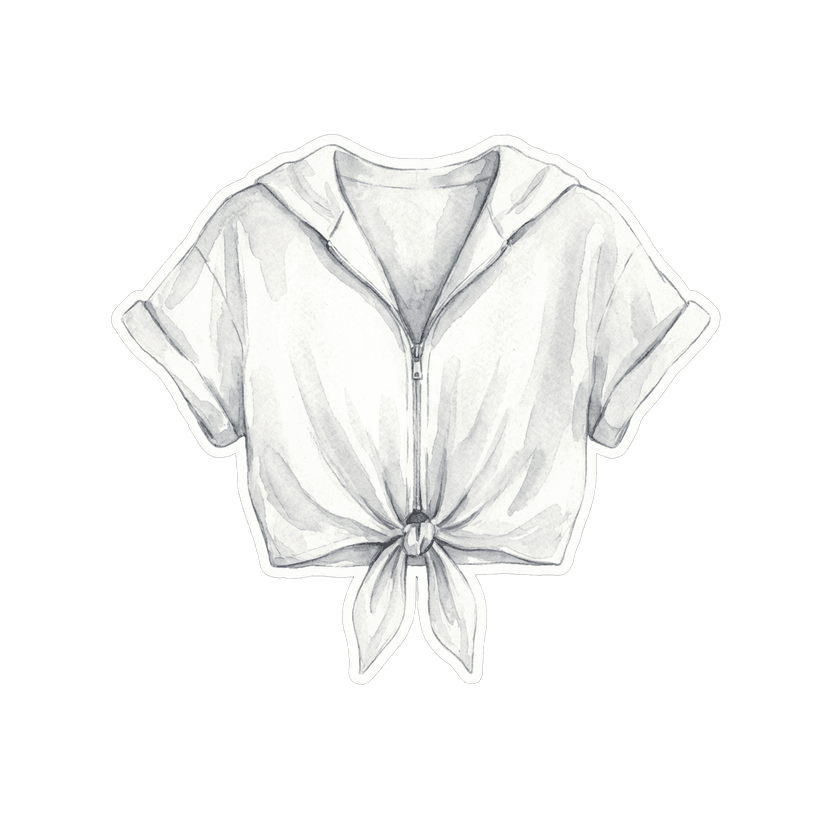 02Light cropped cotton top
For afternoons when a dress feels like too much. Pair with wide trousers or shorts and let air circulate. Look for a short-sleeve tee or camisole in breathable cotton.
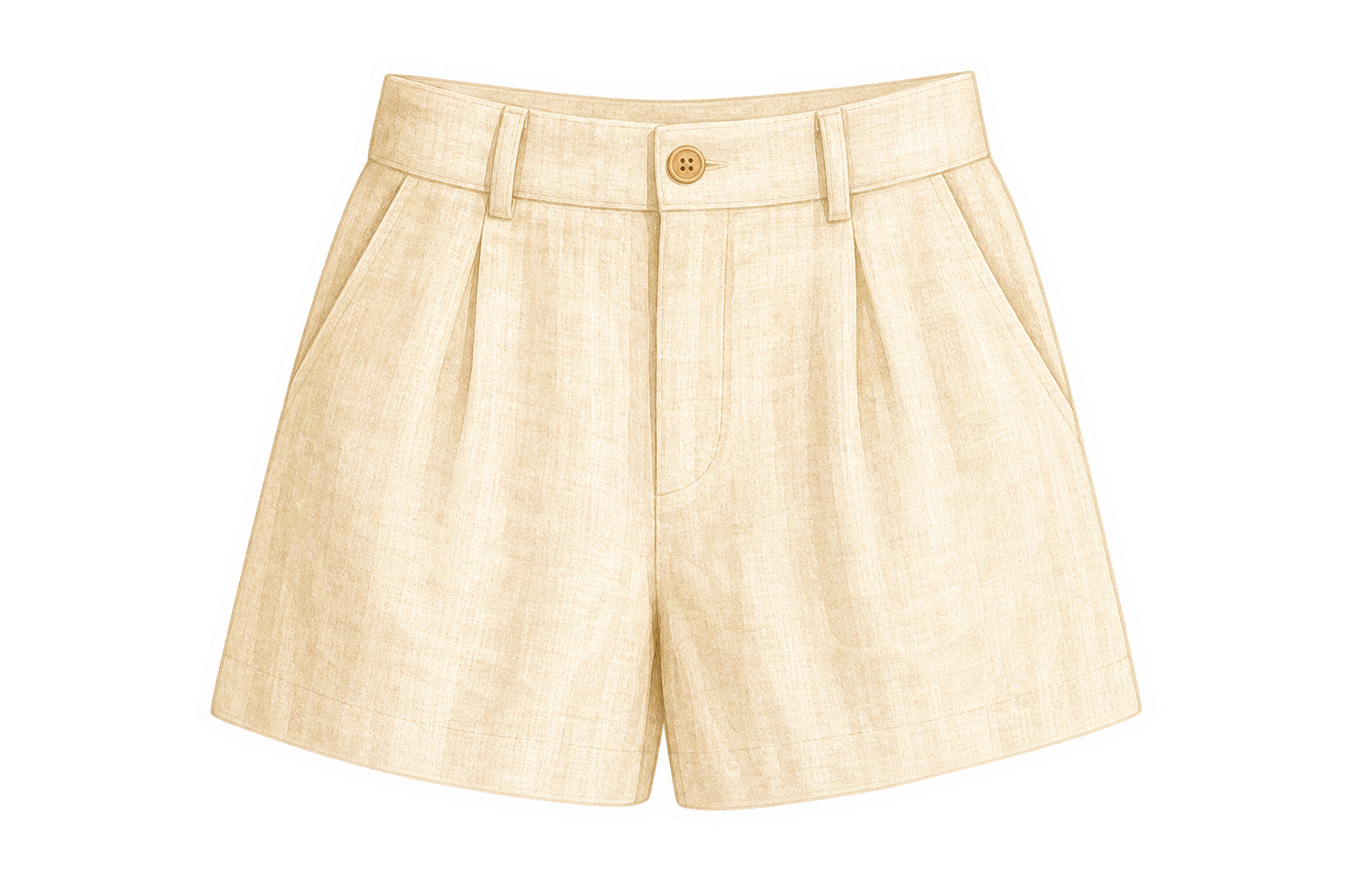 03Natural tailored linen shorts
Heat demands them. A clean mid-thigh hem reads intentional where athletic shorts do not.
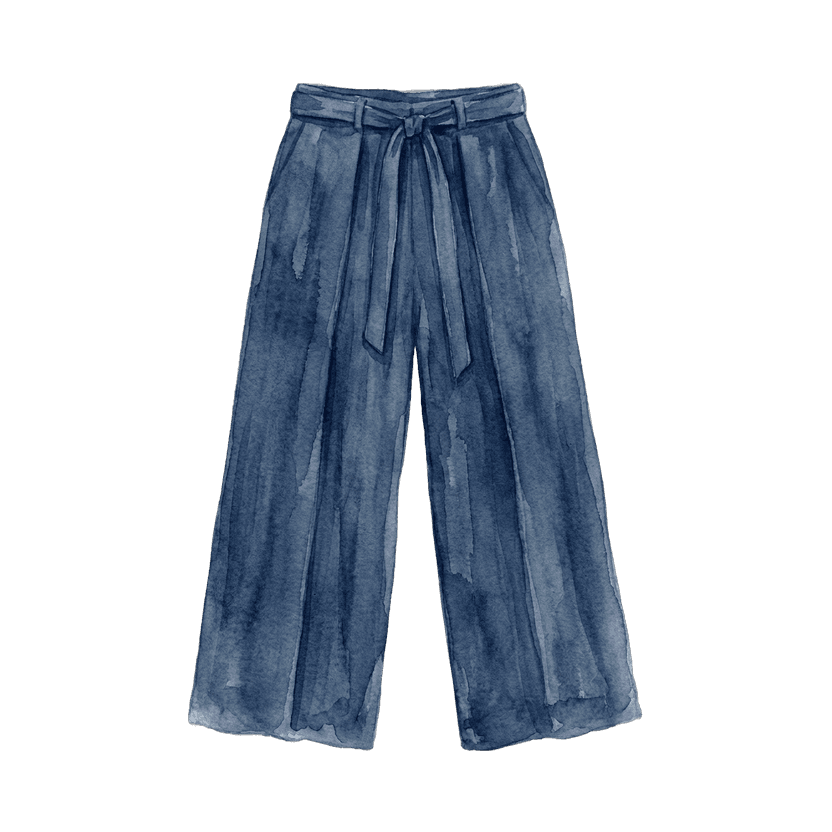 04Slate-blue wide-leg linen trousers
For temples, shrines, and nicer restaurants where shorts feel too casual. Slate-blue linen drapes wider than the cropped white version, and the drawstring waist sits comfortably through three-temple days; the wider the leg, the more air circulates.
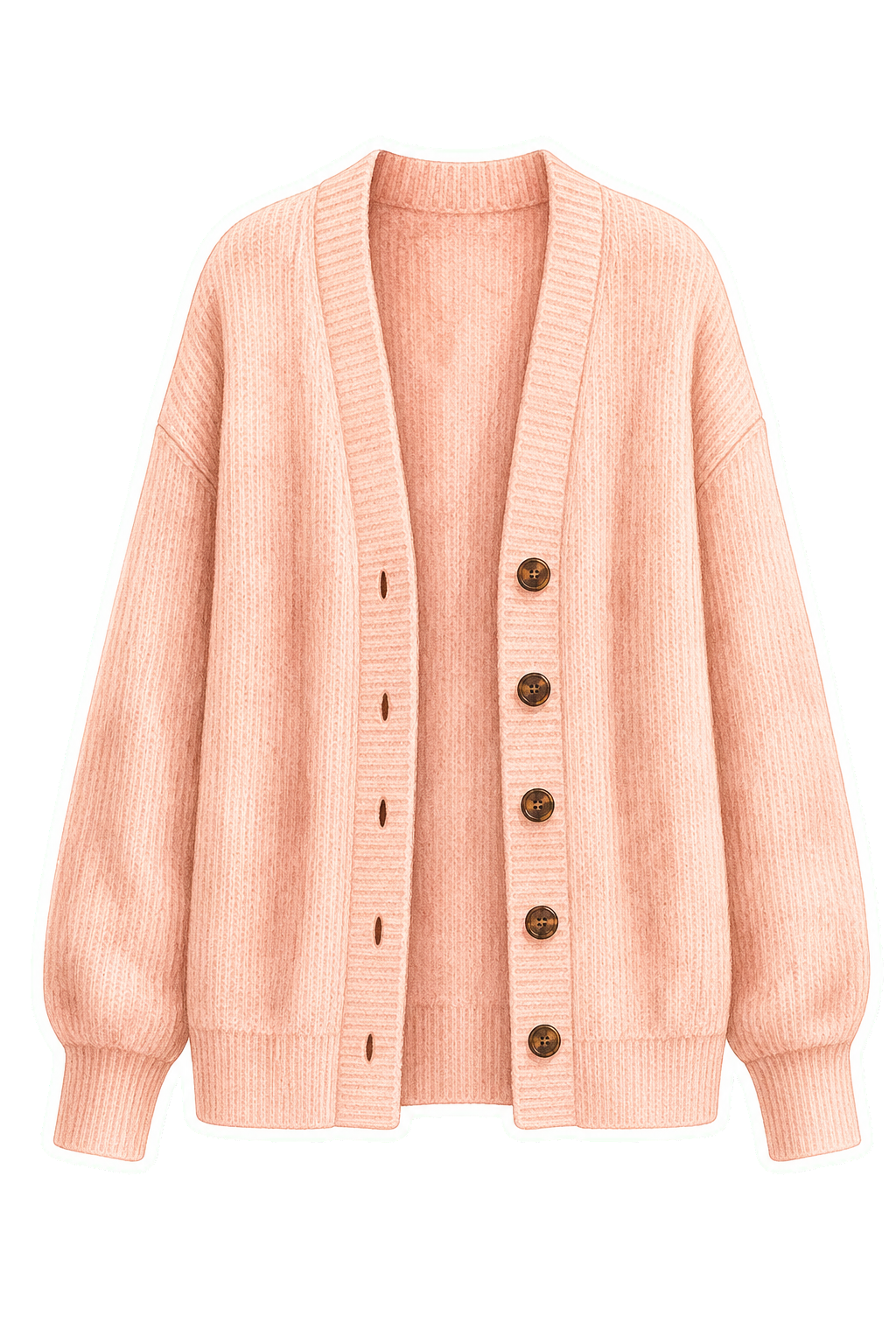 05Blush packable cardigan
Train-to-car, sidewalk-to-department-store, and restaurant AC can mean a 10-degree drop. Every local carries a thin layer.
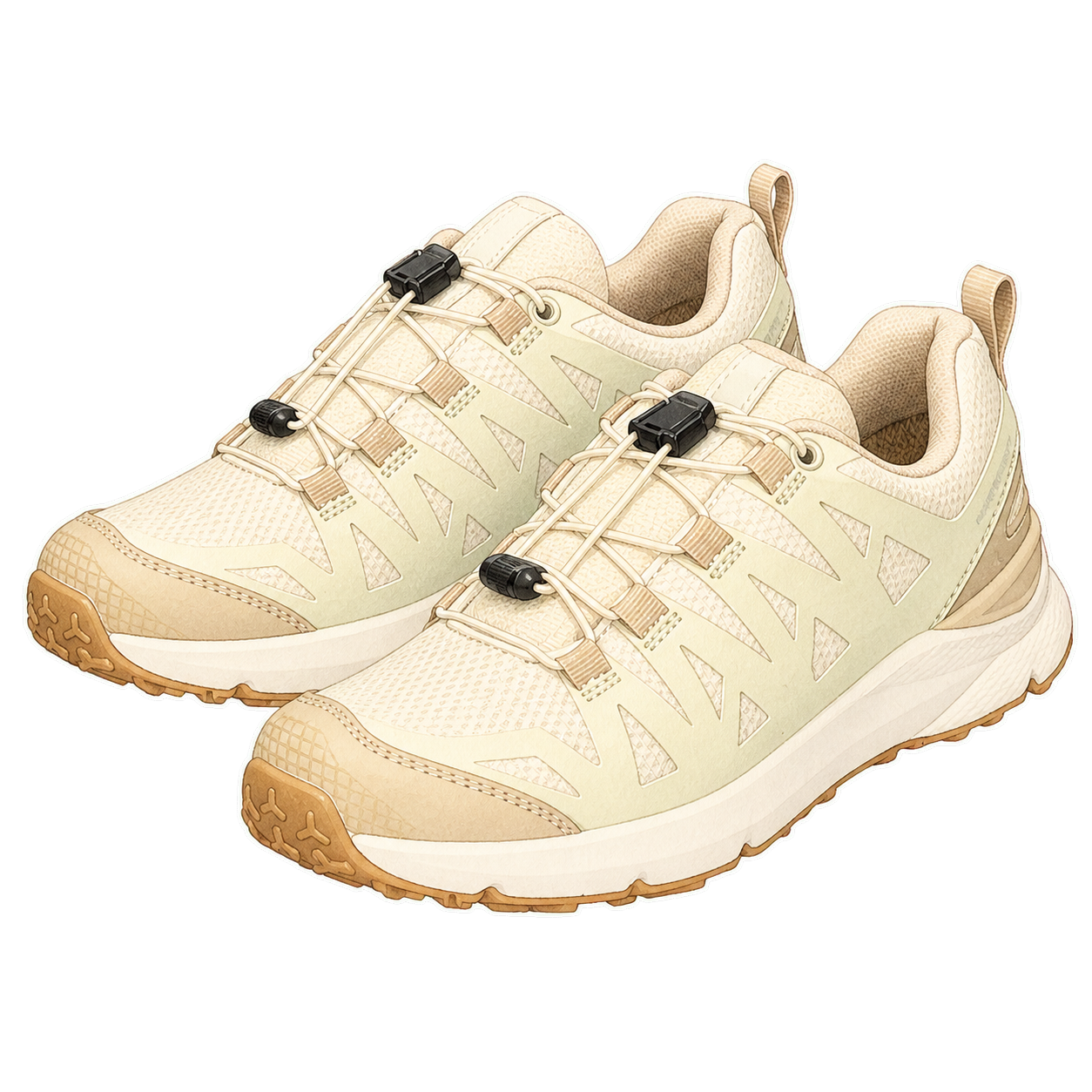 06Cream quick-dry walking sneakers
The breathable closed option for high-mileage days and a sudden tsuyu shower.
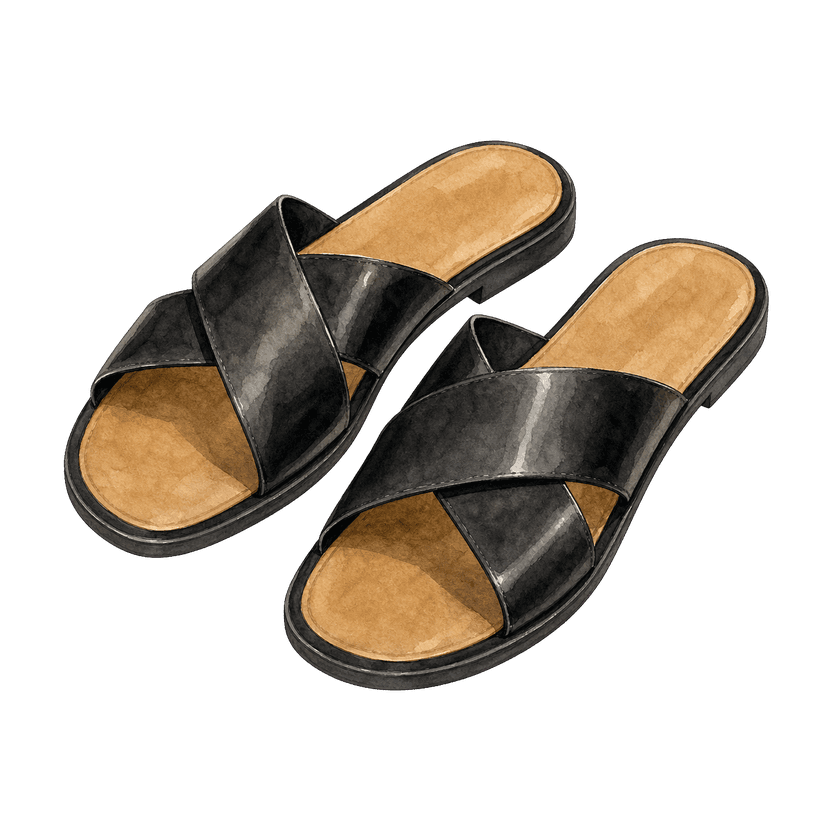 07Black crossover flat sandals
A structured open shoe for swollen feet and long festival standing, with more support than a flip-flop.
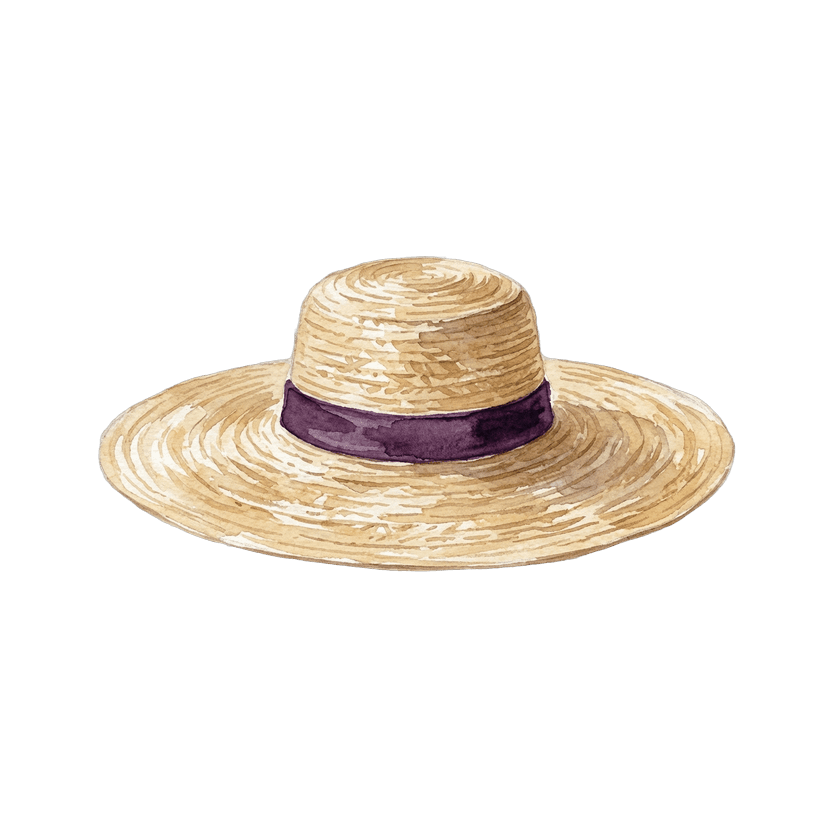 08Wide-brim straw sun hat
A wide brim is the hands-free alternative when carrying a UV parasol feels unfamiliar.
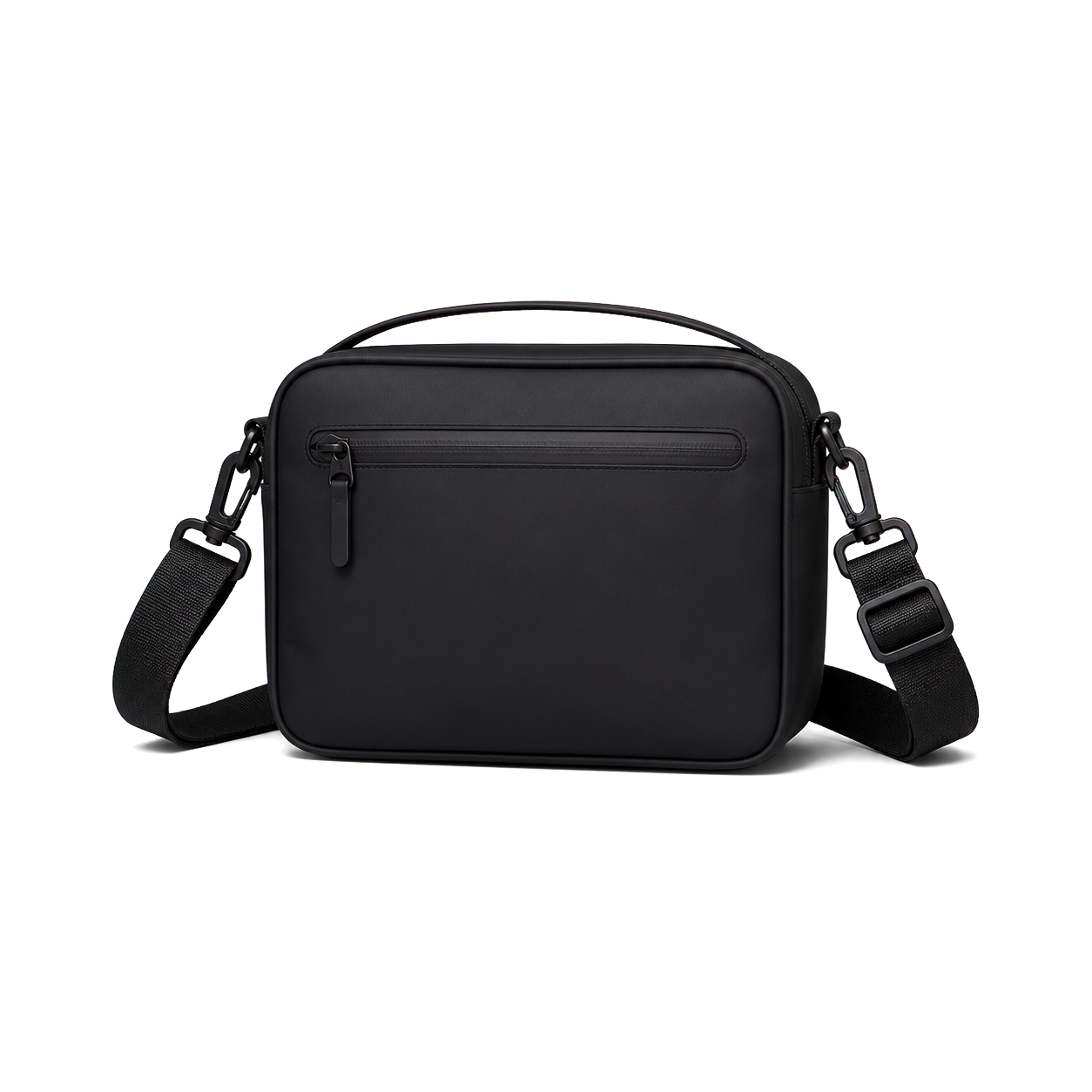 09Black waterproof crossbody
Small, zipped, and hands-free so one hand stays available for the parasol and the phone stays protected in a shower.
Day to night
Crop top · linen shorts · breathable sneakers · crossbody · parasol. Morning at Meiji Jingu, lunch in Omotesando.
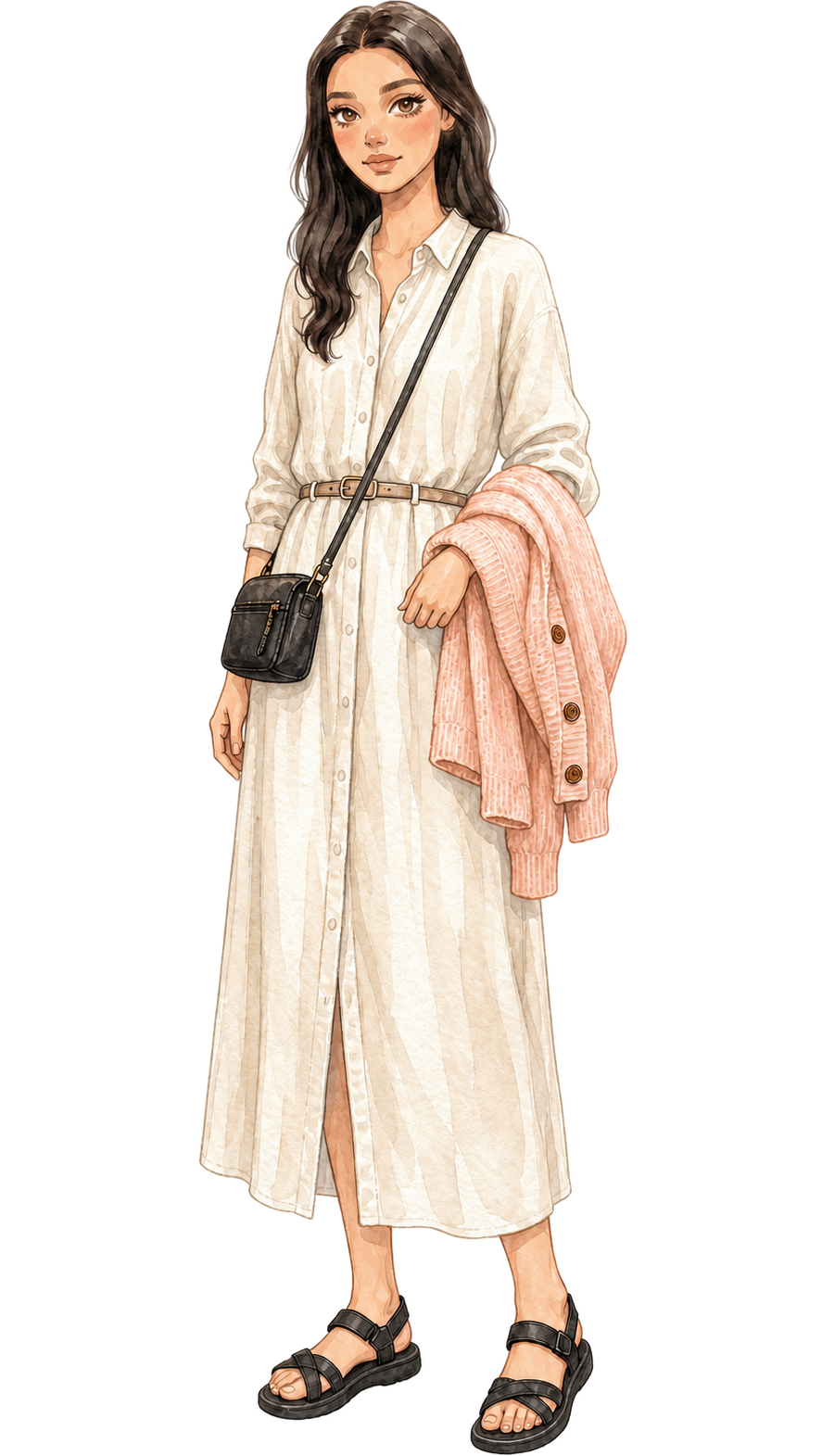
Shirt dress · cardigan in bag · sport sandals. Summer festival (matsuri) in the evening, street food in Shimokitazawa.
What to avoid
- Dark colors on top — heat absorption + visible sweat marks in photos
- Jeans — miserable at 80% humidity, even thin denim
- Closed-toe leather shoes unless the restaurant demands them
- New shoes not broken in — sweat plus friction equals blisters by day two
- Heavy backpacks for walking days — they soak with sweat and weigh you down
Frequently asked questions
Per JMA climate data, average daily high is 31°C (88°F), low is 24°C (75°F). Humidity is 75-80%. Combined with the humidity, 31°C / 88°F feels closer to 38°C / 100°F. Around 11 rain days, mostly in the first two weeks as tsuyu wraps up, then clearer skies in the second half.
Hot enough that locals and visitors both plan around 2-4pm. The combination of 31°C / 88°F and high humidity plus concrete radiating heat makes central Tokyo feel 35-40°C / 95-104°F at peak afternoon. Indoor stops (museums, department stores, cafés) are essential during the hottest hours.
Linen, light cotton, moisture-wicking technical blends, seersucker. Avoid polyester (traps heat), pure silk (shows sweat marks), and heavy cotton like denim. Uniqlo's AIRism line and seersucker dresses are specifically made for this climate and available at every Uniqlo in Tokyo.
Yes, widely accepted in July's heat. For temples, carry a wrap or longer trousers in your bag as a shoulder/leg cover if needed. Most casual restaurants welcome neat shorts and clean sandals; formal restaurants will still prefer trousers or a longer skirt.
Yes if you plan for the heat. Summer festivals (matsuri), fireworks (hanabi), shaved ice (kakigori), beer gardens on department store rooftops, and thinner crowds at major sites. The city's energy is relaxed and local — different from spring's tourist peak. Just plan around the heat, not against it.
Sources
- Japan Meteorological Agency — 1991–2020 climate normals, Tokyo station