The 12-Piece Work Capsule Wardrobe30 Outfits, Office to Client Dinner
Donna Karan's Seven Easy Pieces, doubled and updated for 2026.
Twelve pieces, three tops × three bottoms × two blazers. The math gets you to thirty office-appropriate outfits without trying.
- Pick one tight palette: heathered grey + cream + black + cognac is the version below
- Pack three top weights: a fine-gauge turtleneck, a smart white shirt, and a layering cami. Three weights handle every interior register
- Pick two blazers in different colours (one black, one olive or charcoal). Two blazers double the outfit count vs one
- Pick three bottoms in different registers: grey wool wide-leg, black wide-leg, dark wash jeans for casual Friday
- Pick two shoes: loafers (year-round) and ankle boots (fall/winter). Heels stay home unless your office requires them
- buy a third blazer in the same shade. Two distinct blazer registers (warm + cool) cover most office contexts; a third just adds redundancy
- trust a single white shirt to cover both polished and casual. The pinstripe shirt reads dressier than a plain white tee; both are useful for different days
- include a pencil skirt as your only smart bottom. Wide-leg trousers travel from desk to client dinner without a register reset
- skip the slip dress. With a blazer and tights it's office-appropriate; alone with sandals it's a Saturday dinner. A 3-job piece in a 12-slot count
Donna Karan launched her own line in 1985 with a collection called Seven Easy Pieces: a bodysuit, a skirt, a jacket, a white shirt, leather pants, a leather jacket, and an evening dress. The premise was modular dressing for working women: buy seven, mix into thirty outfits, take the wardrobe from desk to dinner without a suitcase reset. Every contemporary office capsule template, from Erica Ball Style's twelve-piece method to Coursera's interview-dress guidance, traces back to that 1985 idea. The twelve below double Karan's seven and update the silhouette for 2026 work life: hybrid offices, fewer suits, more layering. Same logic: every piece works with every other piece; the math gives you thirty outfits the day you finish unpacking.
Seven easy pieces: the bodysuit, the skirt, the jacket, the white shirt, the leather pants, the leather jacket, the evening dress. Multiply them out, and one wardrobe goes anywhere.— After Donna Karan, Seven Easy Pieces (1985)
The 12 pieces
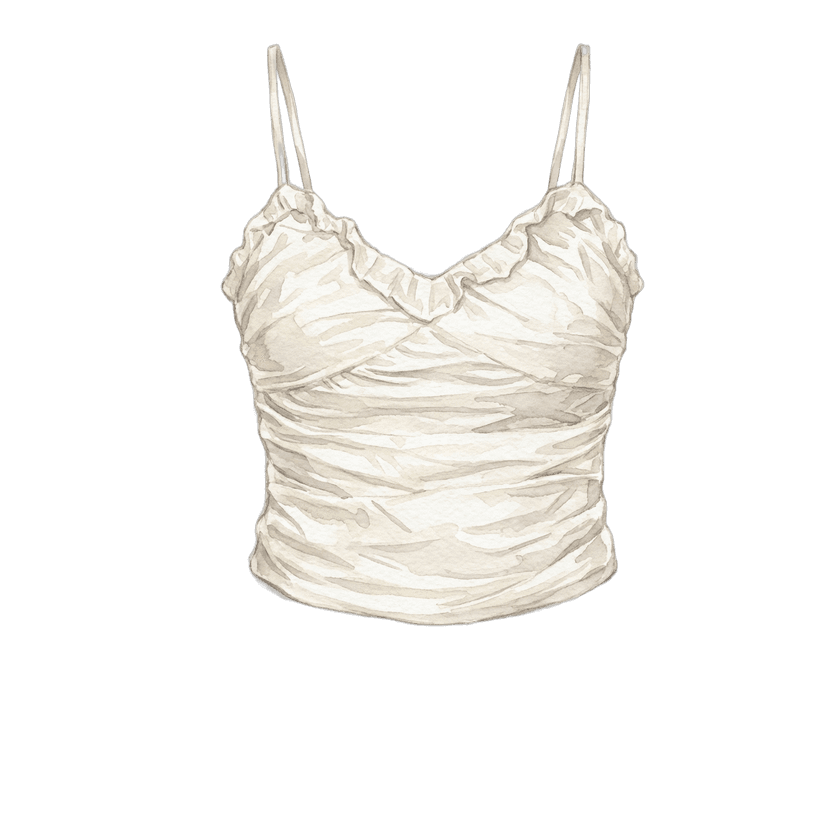 01White ruched cami top
The lightest layer. Under the blazer for evenings and AC; tucked into the wool trousers for a softer office register; under the turtleneck so the strap shows at the neckline for a layered detail.
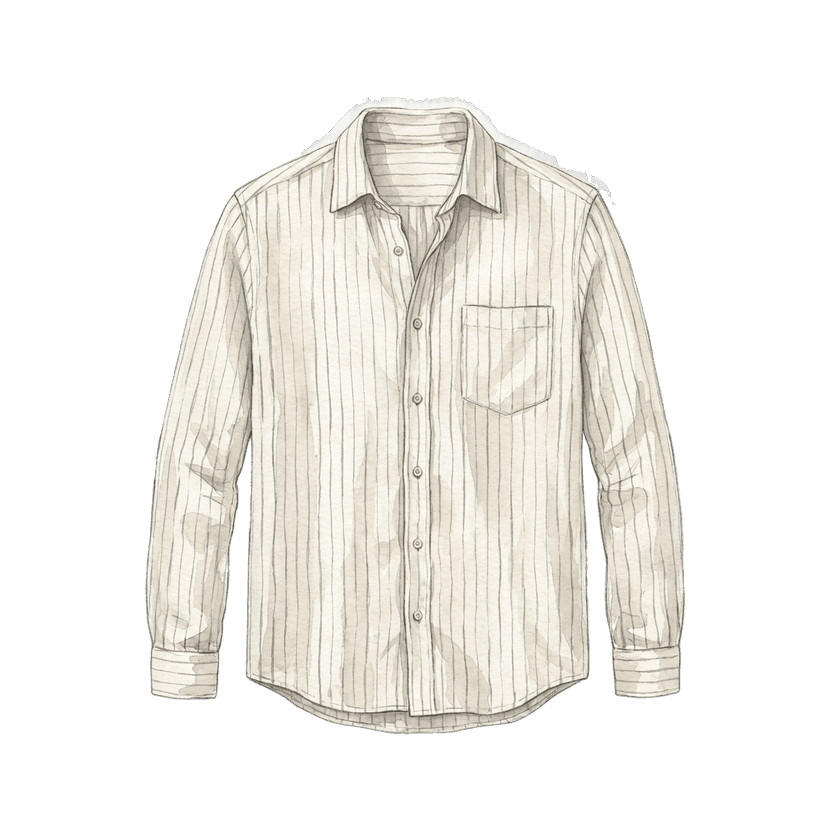 02White pinstripe linen shirt
The smart white shirt. Pinstripe reads dressed where a plain white reads casual; linen blend cools through summer and tucks under either blazer in winter. The Karan-lineage piece; every modular work wardrobe needs one of these.
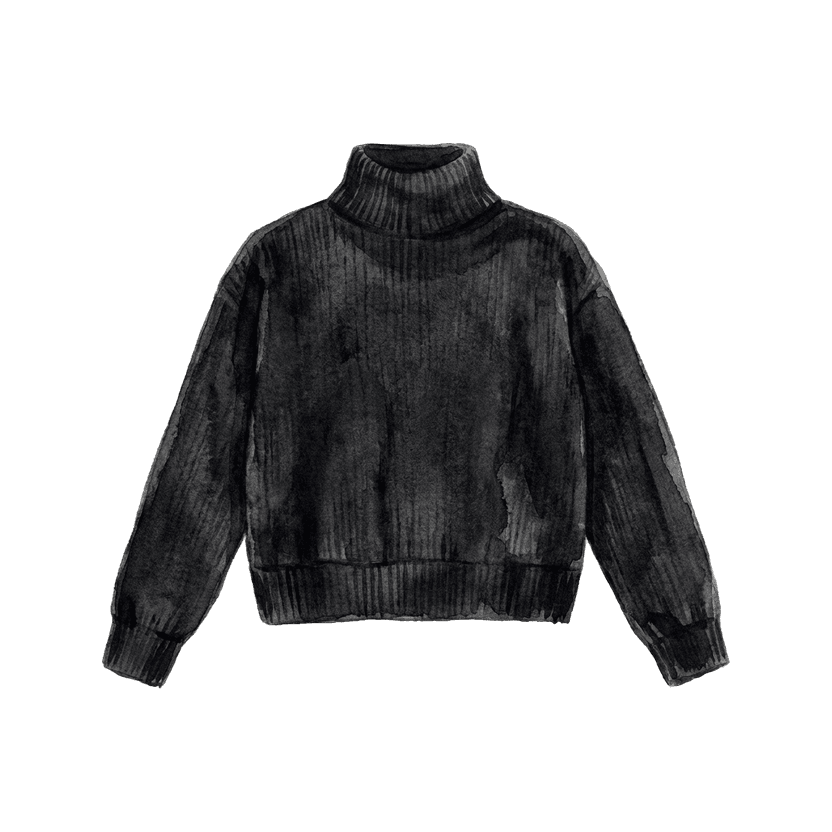 03Black turtleneck sweater (fine-gauge)
The fall/winter base. Fine-gauge knit, not chunky, so it sits flat under either blazer. High neck handles cold-morning commutes and cool offices without a scarf.
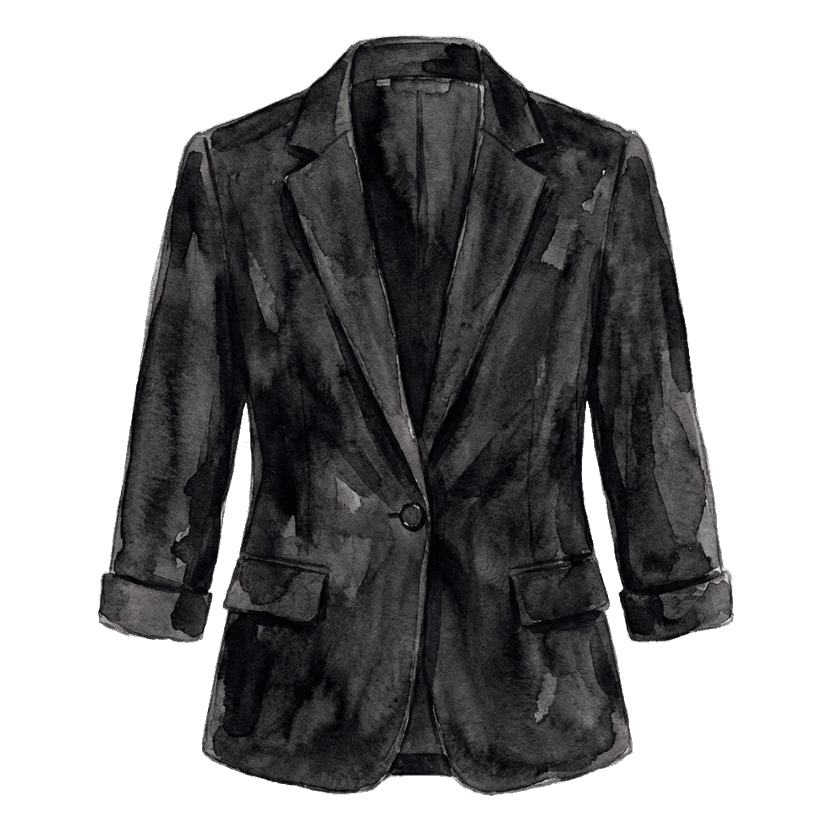 04Black structured blazer
The smart blazer. Pulls the cami or button-down into client-meeting register year-round. Structured shoulders read polished, not slouchy. Black sides into every other neutral and accessory in the capsule.
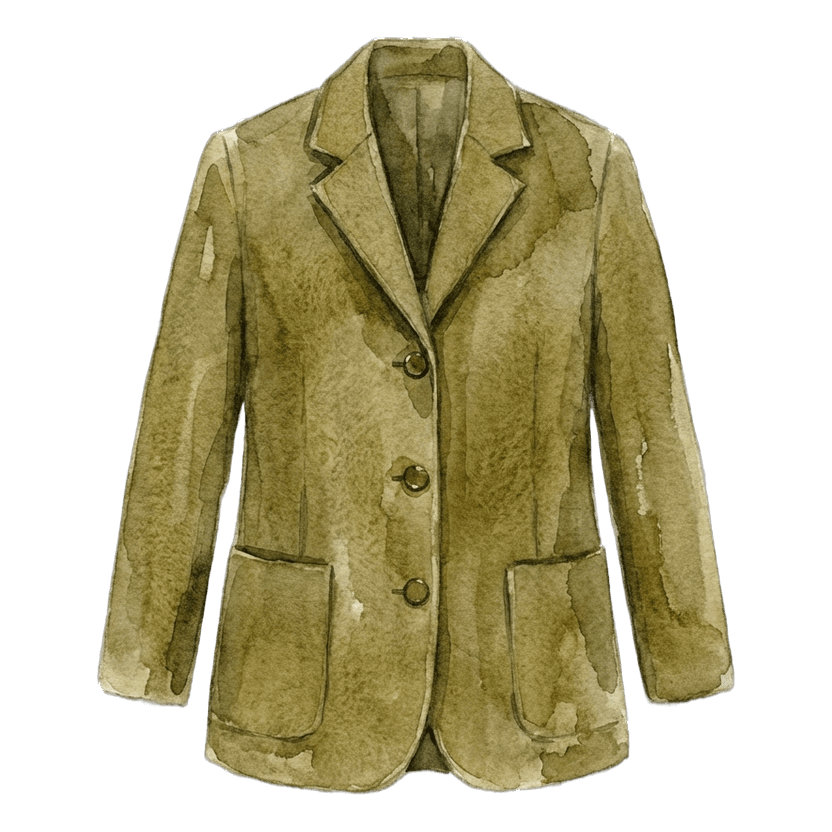 05Olive green wool blazer
The smart blazer in a different register. Olive softens the look where black sharpens it; wool weight handles fall through mild winter under the trench. Doubles the outfit count by giving every base outfit a second layered variant.
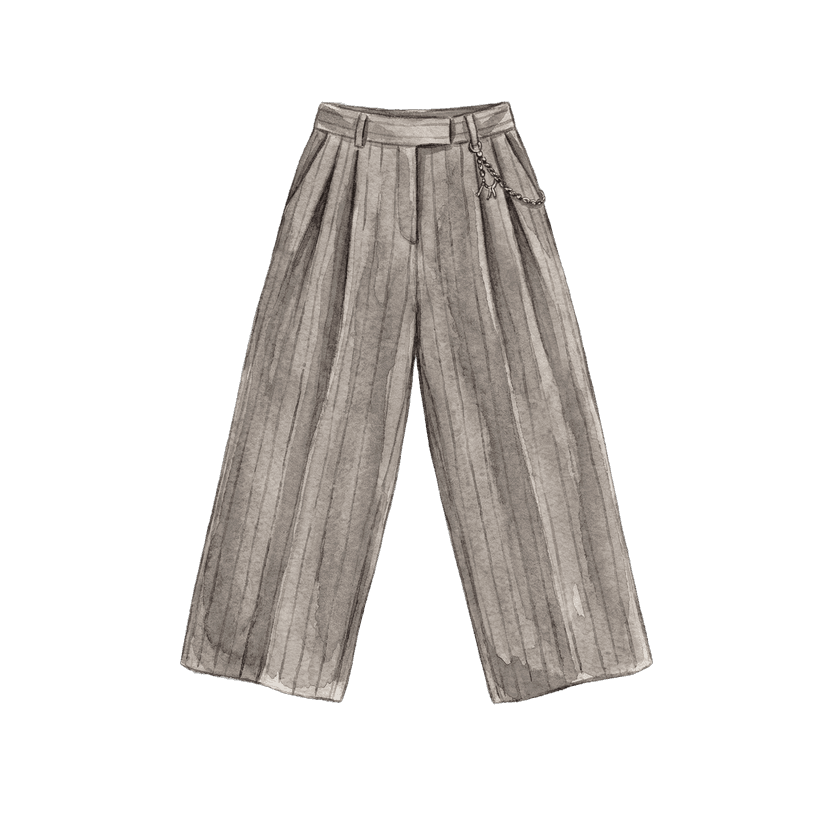 06Wide-leg pleated trousers (heathered gray-taupe)
The smartest bottom. Wool-blend pleated wide-leg dresses up the cami, the white shirt, or the turtleneck equally. Heathered gray-taupe sits between warm cream and warm camel; the contrast is what makes the palette feel composed, not uniform.
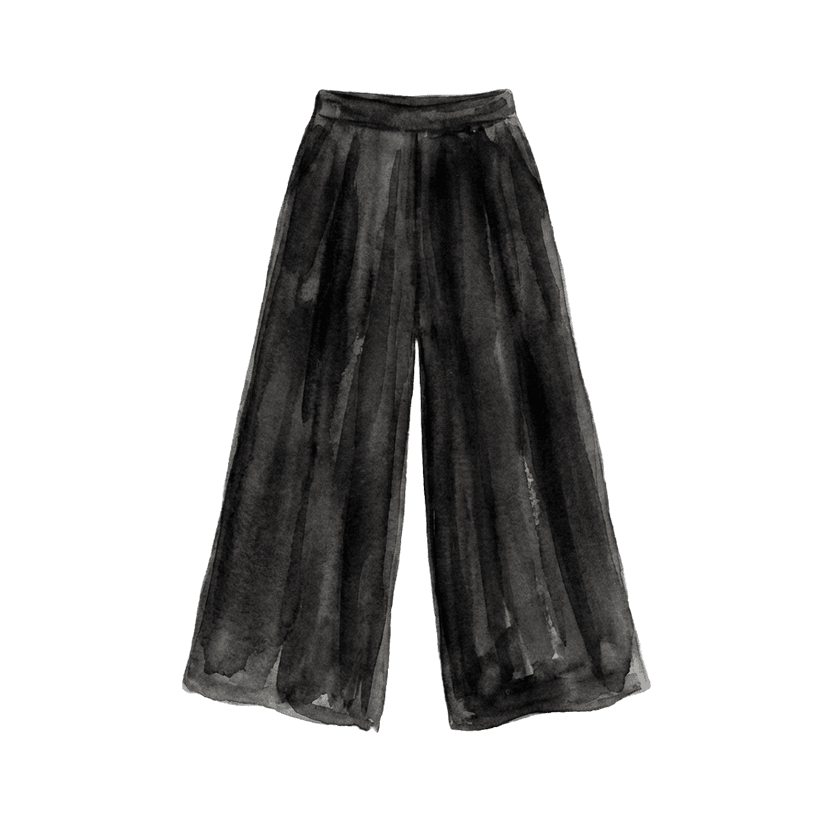 07Black wide-leg trousers
The strict-office bottom. Black wide-leg holds against every top and either blazer; reads polished without an iron in a way grey trousers don't. The bottom you wear when the dress code says "smart business".
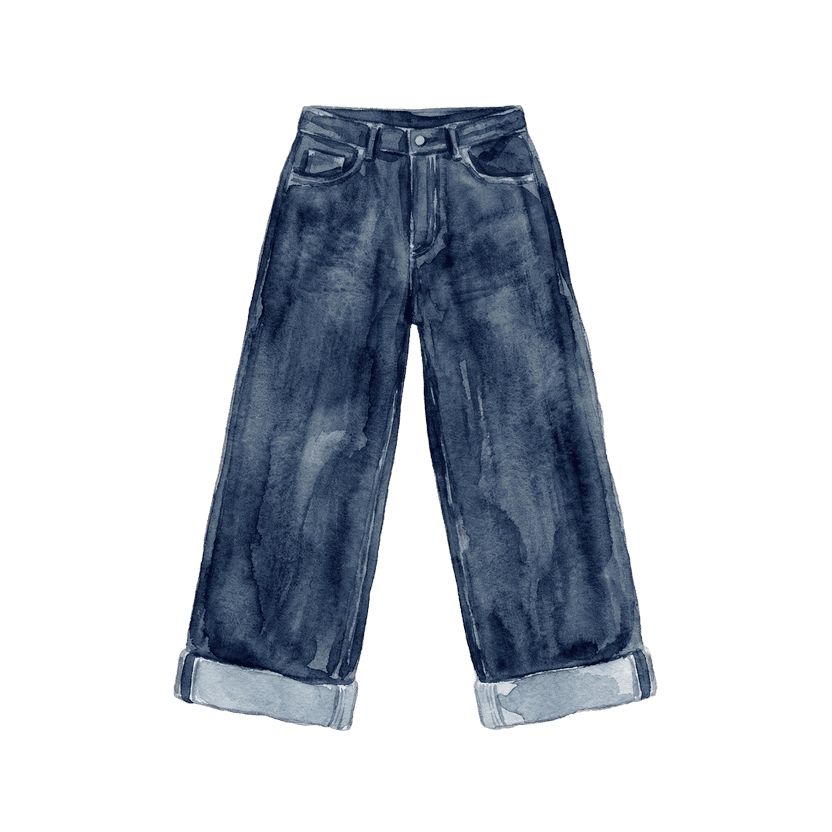 08Dark wash wide-leg jeans
The casual-Friday bottom. Dark wash holds against the blazer for hybrid-office days that go from desk to wine bar; pairs equally well with the cami or the turtleneck. Without the dark wash discipline, jeans read off-duty.
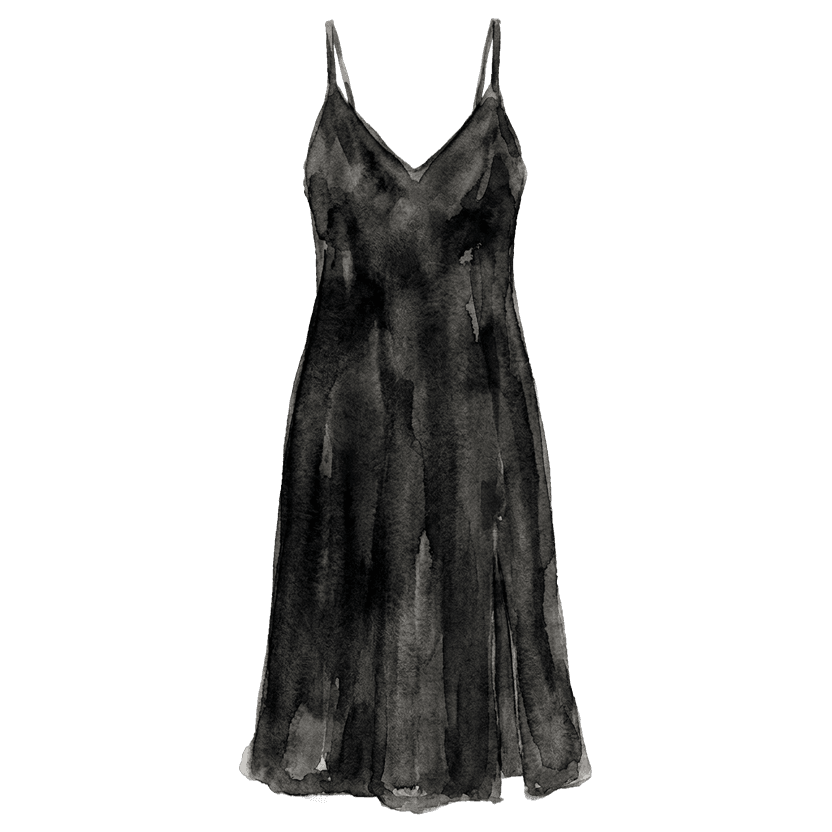 09Black midi slip dress
The 3-job piece. With a blazer and tights, it's office-meeting-or-funeral-appropriate; with the cardigan, it's an art-walk Wednesday; alone with sandals, it's a Saturday dinner. The most efficient slot in the twelve.
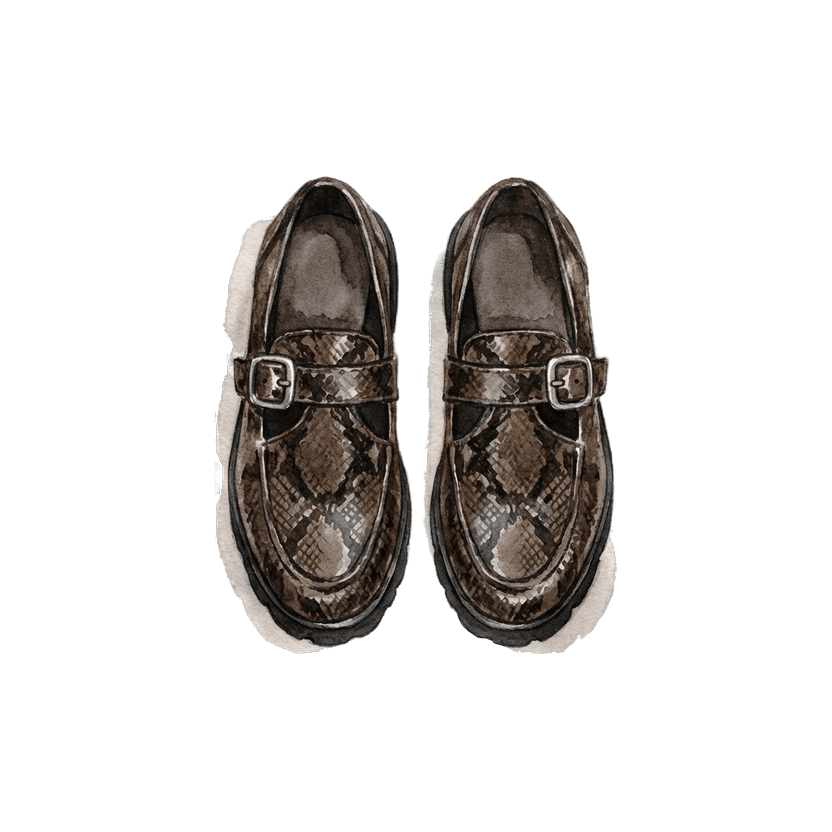 10Dark brown leather loafers
The year-round walking shoe. Loafers clear restaurant, office, and theatre dress codes that ankle boots barely scrape. Dark brown over black because the rest of the palette runs warm; black loafers fight the camel-bag accessory.
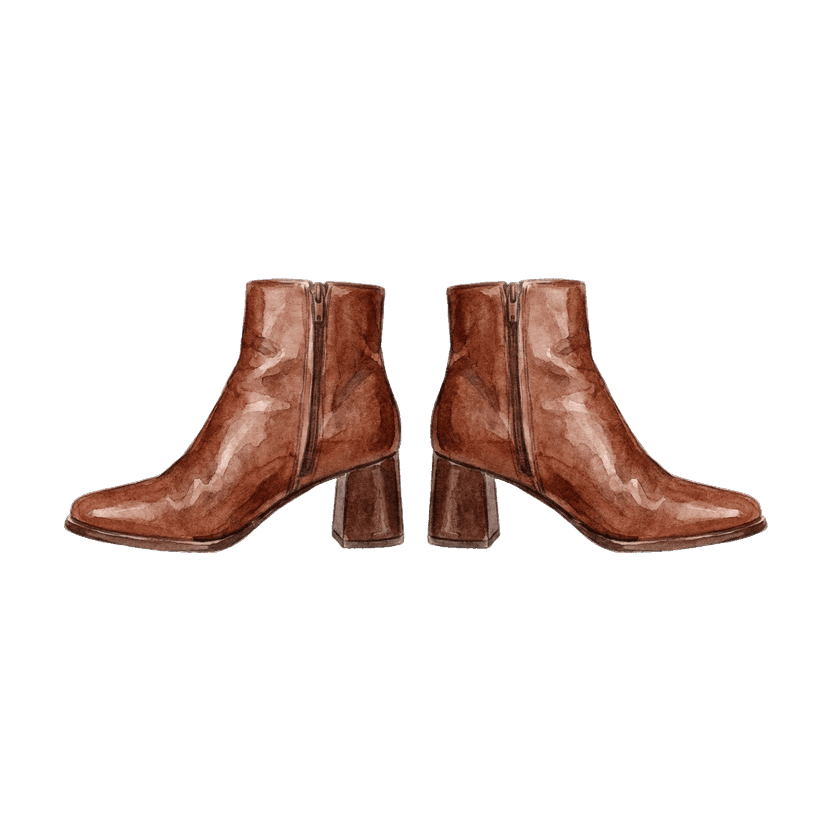 11Cognac leather ankle boots
The fall/winter shoe. Cognac sides into both blazers and the warm-neutral palette; ankle-height keeps it season-flexible (high-shaft boots compete with wide-leg trouser hems). Worn for cold-morning commutes through to client dinners.
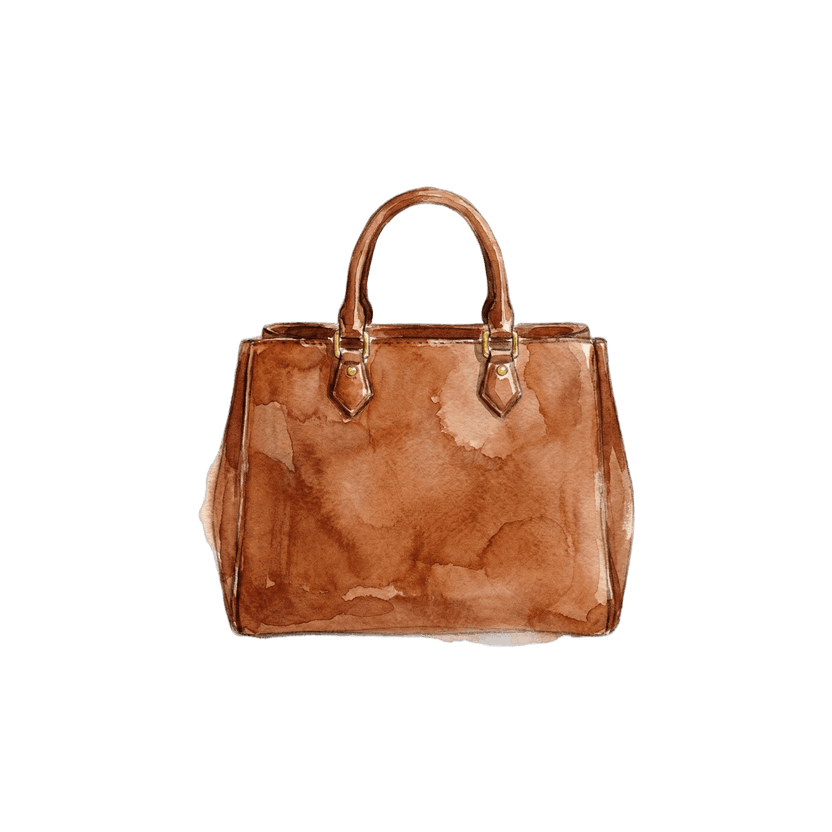 12Cognac structured leather bag
The year-round bag. Structured holds shape on a conference-room chair without slumping; the cognac threads with the boots and pulls the camel-trench-and-warm-neutral lineage into accessory conversation. The other 8-9 months of the year, this is the only bag you reach for.
30 outfits, 12 pieces
How 30 comes from 12: start with the 6 anchored hooks below, then rotate the capsule's compatible layers, shoes, proportions, and dress-code registers around them. The count is not raw permutation math; every swap still has to keep the silhouette, weather, and occasion intentional.
- 01Office day · basic
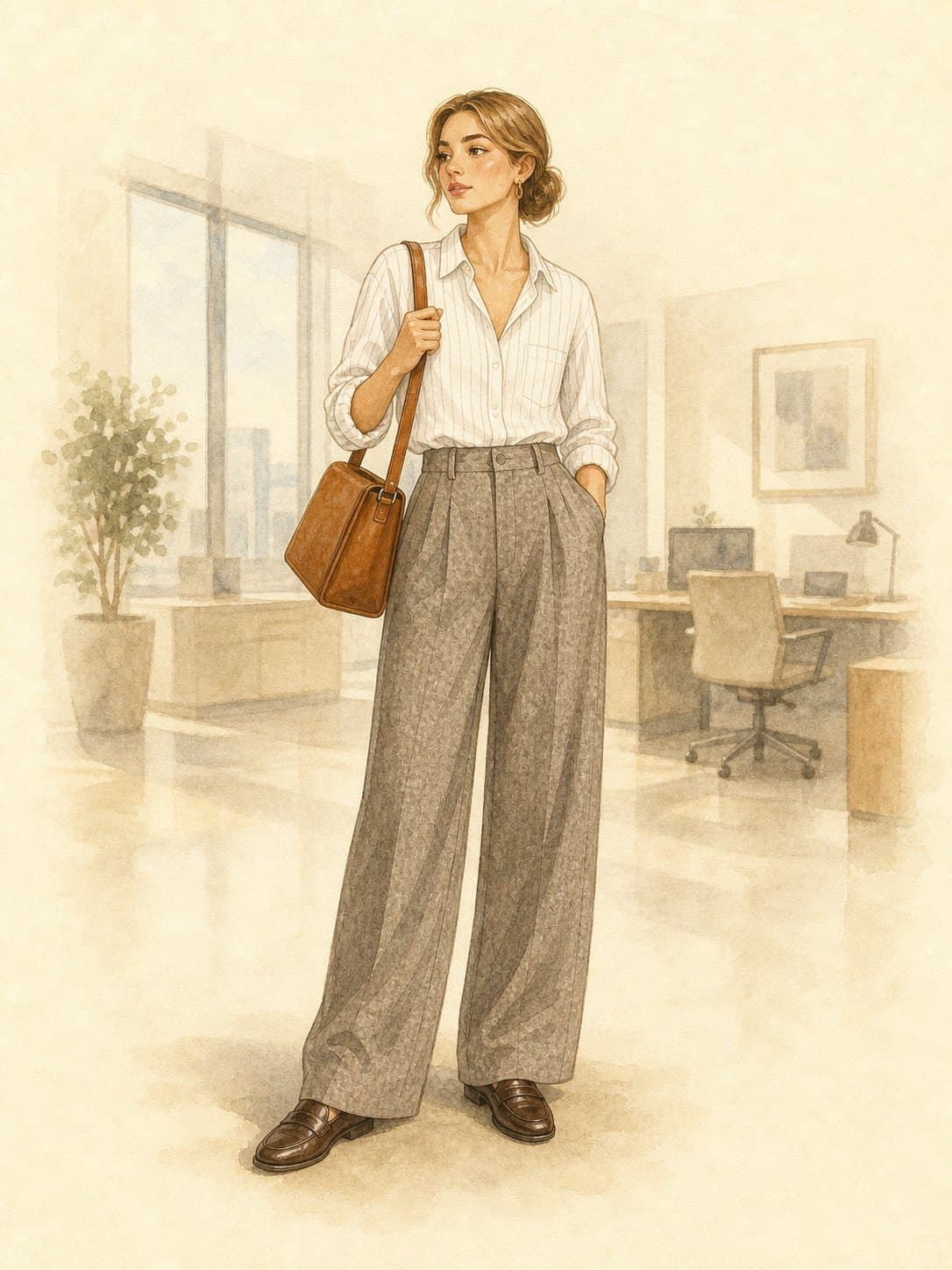
Hybrid office, 9-5, lunch out. Pinstripe shirt + wool trousers + loafers reads polished without trying. The base work outfit.
- White pinstripe linen shirt
- Wide-leg pleated trousers
- Dark brown leather loafers
- Cognac structured leather bag
- 02Client meeting · polished
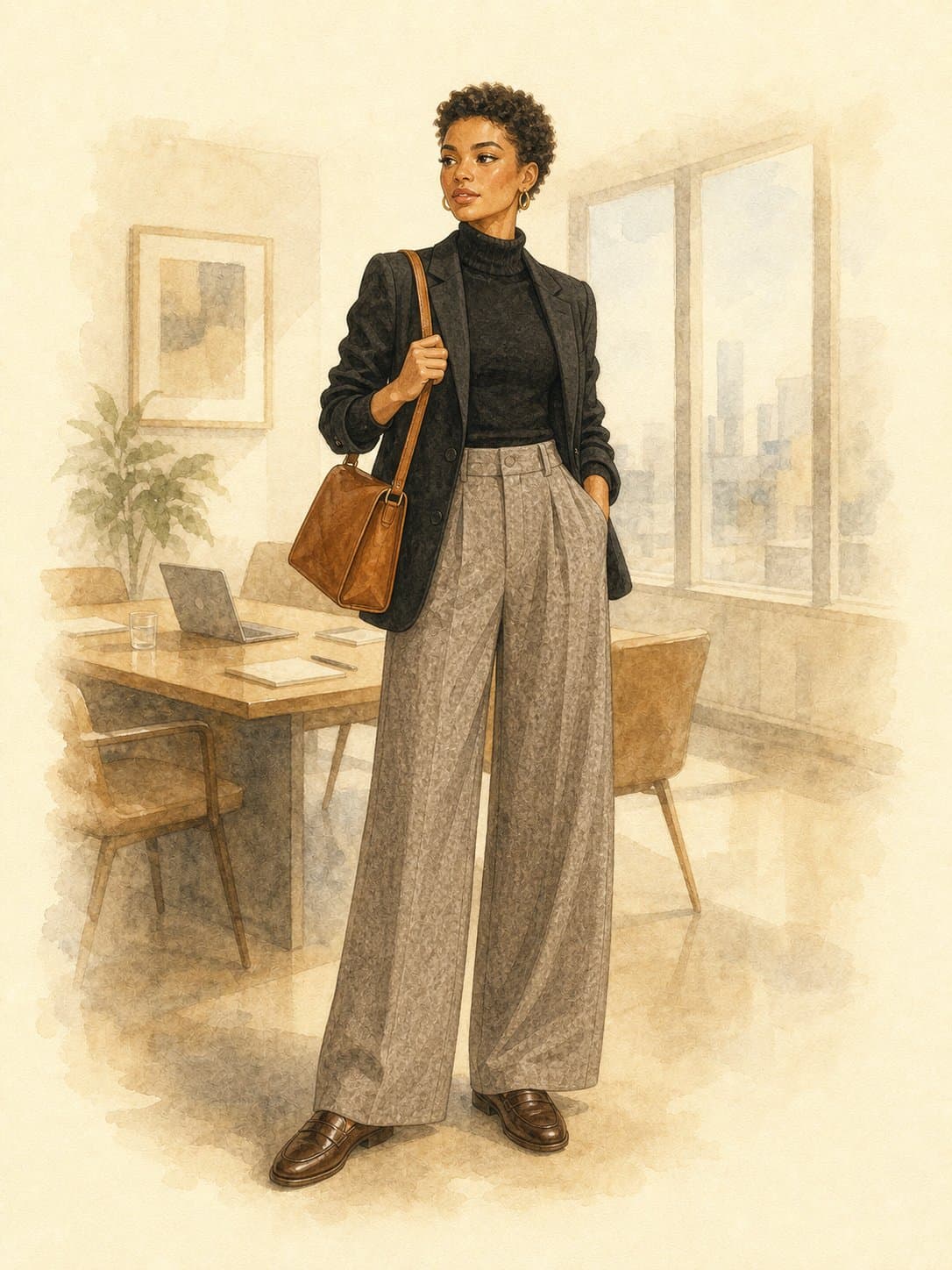
Pitch deck at 11am, presentation at 2pm. Turtleneck + black blazer + wool trousers is the smartest configuration in the twelve short of a suit.
- Black turtleneck sweater
- Black structured blazer
- Wide-leg pleated trousers
- Dark brown leather loafers
- Cognac structured leather bag
- 03Casual Friday
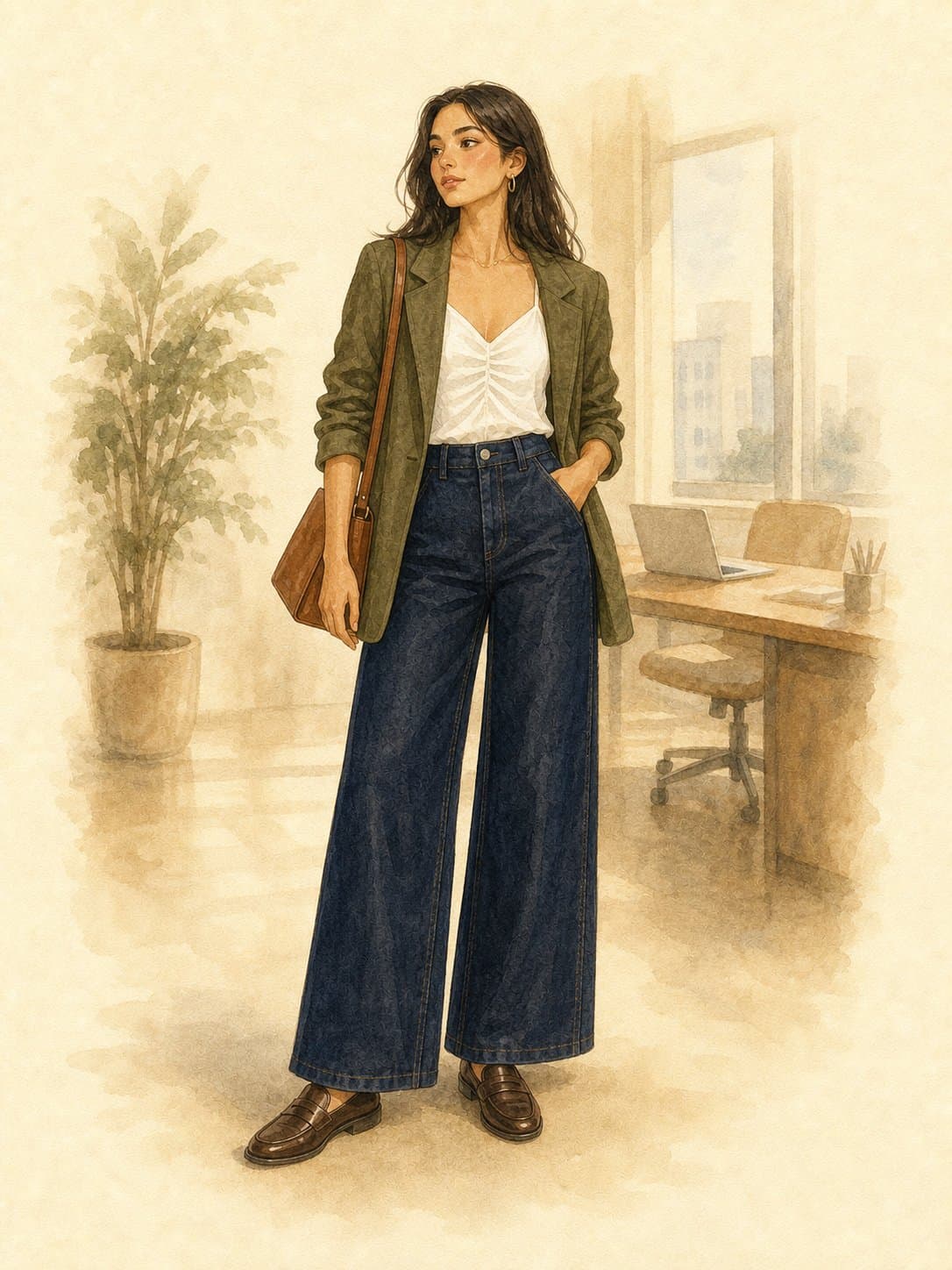
Tucked cami, olive blazer over for the meeting, jeans for the desk, loafers for the wine bar after.
- White ruched cami top
- Olive green wool blazer
- Dark wash wide-leg jeans
- Dark brown leather loafers
- Cognac structured leather bag
- 04Business travel day
Flight at 6am, client at 4pm, dinner at 8pm. Turtleneck handles cabin AC; trousers travel cleanly; ankle boots handle airport-to-office without a shoe change.
- Black turtleneck sweater
- Wide-leg pleated trousers
- Cognac leather ankle boots
- Cognac structured leather bag
- 05Client dinner
Office until 6pm, restaurant at 7pm. Slip dress with the blazer is office-acceptable until the meeting ends; shed the blazer for the restaurant.
- Black midi slip dress
- Black structured blazer
- Cognac leather ankle boots
- Cognac structured leather bag
- 06Conference · long day
Three sessions, two coffee breaks, one networking dinner. Olive blazer reads warmer than black for full-day visibility; black trousers and loafers handle the long stand-and-walk hours.
- White pinstripe linen shirt
- Olive green wool blazer
- Black wide-leg trousers
- Dark brown leather loafers
- Cognac structured leather bag
Three looks, illustrated
3 of the 6 anchored hooks above, drawn out so the silhouette is unambiguous.
Build it in 8 steps
- 01Pick a tight work palette. Heathered grey + cream + black + cognac is the version above; charcoal + ivory + navy + dark brown is the same idea cooler. Four colours total, max.
- 02Pull every smart-clean piece you already own that lives in the palette. Most professionals are 70% of the way to twelve from the closet they have; the gap is usually a second blazer or a second smart bottom.
- 03Pick three tops in different weights. A cami (lightest), a smart white shirt (mid-weight), and a fine-gauge turtleneck (warmer base). Three weights handle every office register from summer AC to winter cold-morning commute.
- 04Pick two blazers in different colours. A black structured blazer (the universal smart layer) and an olive or charcoal wool blazer (the alternate register). Two blazers double the outfit count from your base tops + bottoms.
- 05Pick three bottoms in different registers. Heathered grey wool wide-leg (smartest), black wide-leg (strict-business), and dark wash wide-leg jeans (casual Friday). Avoid pencil skirts; wide-leg trousers travel cleaner from desk to dinner.
- 06Add one slip dress. Black is the most flexible: with a blazer it's office-appropriate, alone it's a Saturday dinner. The slip is the highest-leverage 12th piece short of a second pair of trousers.
- 07Pick two shoes. Dark brown loafers (year-round) and cognac ankle boots (fall through winter). Skip heels unless your office requires them; a flat shoe handles a 12-hour conference better than any 50mm pump.
- 08Add one structured leather bag in your accent colour. Cognac threads with the boots and the camel coat (when seasons add it); structured holds shape under the conference table. Single bag, year-round, no rotation.
What to avoid
- Skip the third blazer in another black. Two distinct blazer registers (warm + cool) cover most contexts; a third just adds redundancy.
- Skip the pencil skirt as the only smart bottom. Wide-leg trousers travel desk-to-dinner; pencil skirts demand a register reset.
- Skip the stiletto-only shoe rotation. Loafers and ankle boots handle 90% of office days; heels stay home unless required.
- Skip light wash jeans for casual Friday. Dark wash holds against the blazer; light reads off-duty.
- Skip the second slip dress in another colour. The black slip's job is to be the universal multi-tasker; a second slip splits the slot without adding outfits.
Frequently asked questions
Four colours, no more: two cool neutrals, one warm neutral, one accent. Heathered grey + cream + black + cognac is the version above; charcoal + ivory + navy + dark brown is the same idea in cooler tones. Four colours holds the math: every top should pair with every bottom; every blazer should layer over every base. A fifth colour breaks the math without adding meaningful outfit variety.
Thirty is realistic when the palette holds. The math: 3 tops × 3 bottoms = 9 base outfits; with no blazer, with the black blazer, or with the olive blazer = 27 base + blazer combinations; the slip dress alone or with each blazer adds 3 more = 30 working outfits. Multiply by the 2 shoes (loafers vs boots) and the count nominally doubles, though many of those are stylistic equivalents rather than meaningfully distinct outfits.
Mostly yes, with two caveats. The black structured blazer + black wide-leg trousers + black turtleneck is the smartest non-suit configuration possible from the twelve, which clears most modern professional contexts (consulting, finance hybrid, law-firm casual Friday). For strictly conservative dress codes (white-shoe finance, traditional law, court appearances), add a matching skirt suit or a second formal blazer outside the capsule's twelve. The capsule covers daily work, not formal courtroom wear.
Pencil skirts force a register reset between desk and after-work in a way wide-leg trousers don't. A pencil skirt at a client dinner reads dated; wide-leg wool trousers read polished in both contexts. The math also suffers: pencil skirts pair narrowly (with heeled shoes mostly, less well with loafers), so they cost an outfit-count hit. The slip dress fills the dress-shaped slot more efficiently.
The 12-piece work capsule is a CURATED VIEW of the 30-piece year-round capsule, not a different set. All 12 pieces overlap; the work capsule is the subset of the 30 that's office-appropriate when worn together. If you already own the 30-piece year-round capsule, you already own the 12-piece work capsule. The value of this article is the office-specific styling guidance and the Donna Karan lineage, not new piece selection.