The 30-Piece Year-Round Capsule Wardrobe100+ Outfits Across 4 Seasons
Caroline Joy Rector's original number, updated for 2026.
Thirty pieces, four seasons, no rotation. The meta-set the 10-piece seasonal capsules both pull from.
- Pick a tight palette before you shop. Cream, camel, black with cognac and navy accents is the version below
- Bias the count toward year-round basics. Two pairs of jeans, one wool trouser, one blazer, two coats do most of the work
- Add three layer weights so cold-and-warm transitions don't break the wardrobe (cami, fine knit, chunky knit)
- Pick four shoes that span the year: sneakers, sandals, loafers, and ankle boots cover almost every register
- Keep dresses to three at most. Two seasonal, one transitional
- buy thirty pieces in one shopping trip. The capsule builds in three months, not three weekends
- use thirty as a target rather than a ceiling. Twenty-five with the same combinability beats thirty with a struggle piece
- include one statement-print dress that only works once a year. Single-use pieces don't earn a slot in a working capsule
- double up on the same silhouette in different colours. Three slim turtlenecks read as filler, not flexibility
Caroline Joy Rector launched Un-Fancy in March 2014 with a thirty-piece capsule wardrobe she rotated each season. Her concept: "fewer pieces I love, that I wear all the time." Three years later, Wendy Mak's book "The Capsule Wardrobe: 1,000 Outfits from 30 Pieces" (Skyhorse, 2017) ran the combinatorial numbers and concluded that thirty is the sweet spot: enough variety to clear most life situations, not so many that combinability suffers. The thirty below borrow Rector's discipline and Mak's math, and add a year-round constraint Rector's original framework didn't carry: the same thirty pieces work from January through December, by stacking three top weights and rotating shoes. Anuschka Rees, in "The Curated Closet" (2016), argues that the closet's job is to fit a life, not a season. The thirty below take that argument literally.
Fewer pieces I love that I wear all the time, instead of a closet stuffed with things I never reach for.— Caroline Joy Rector, Un-Fancy (March 2014)
The 30 pieces
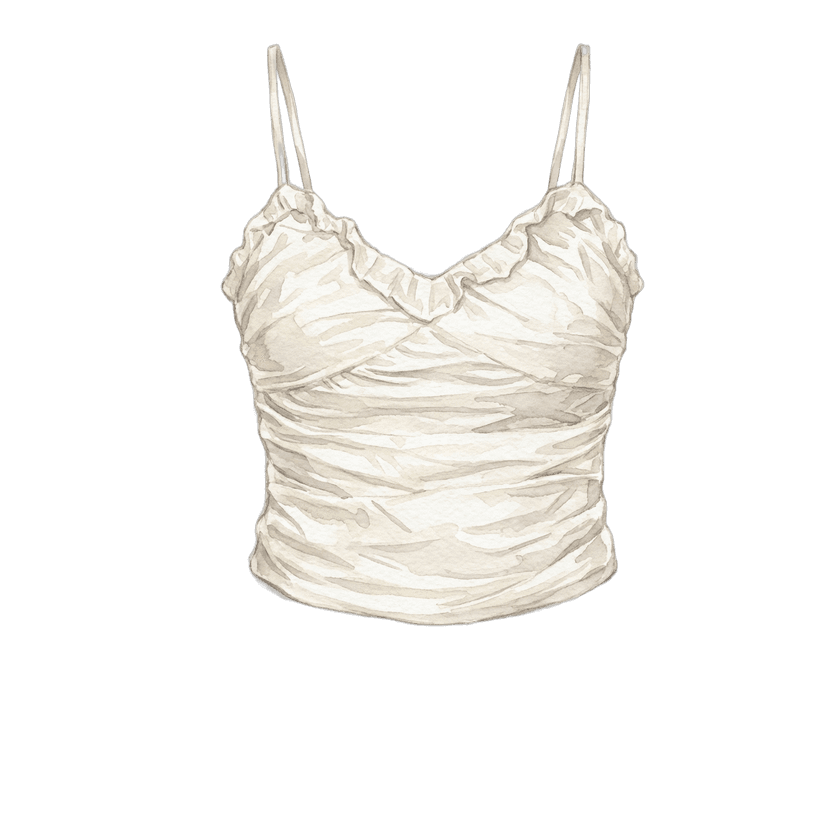 01White ruched cami top
The lightest base layer. Alone with shorts in summer, under the breton or chunky knit in spring and fall, under the blazer for evenings year-round. Every other top in the capsule is built around this anchor.
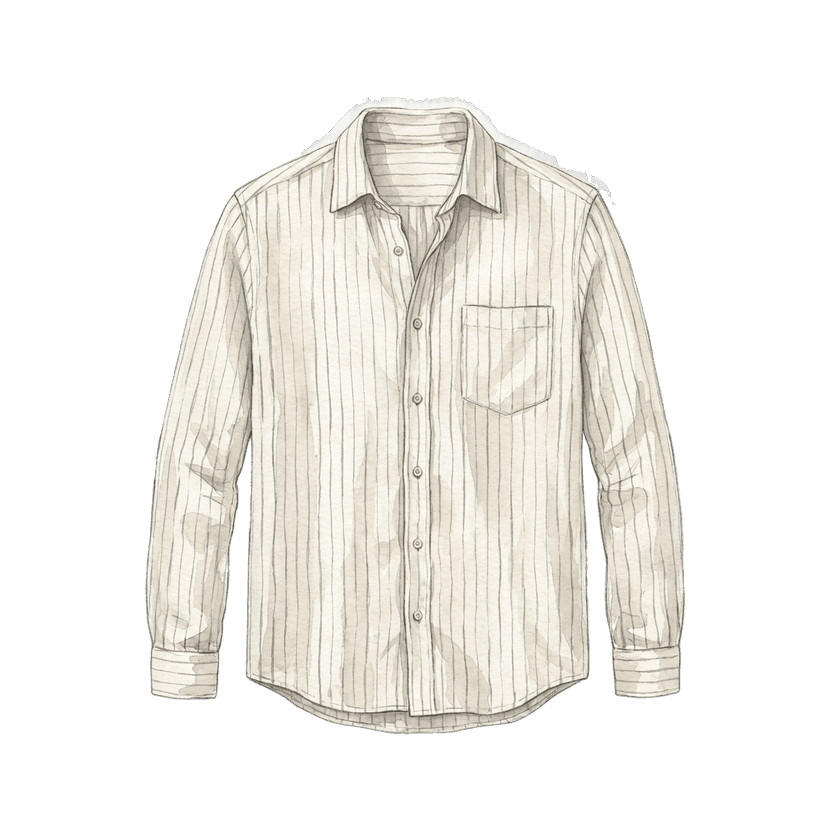 02White pinstripe linen shirt
The smart white shirt. Pinstripe reads dressed without screaming office; linen blend cools through summer and tucks under sweaters in winter. Doubles as a beach cover-up, an office staple, and a weekend layer.
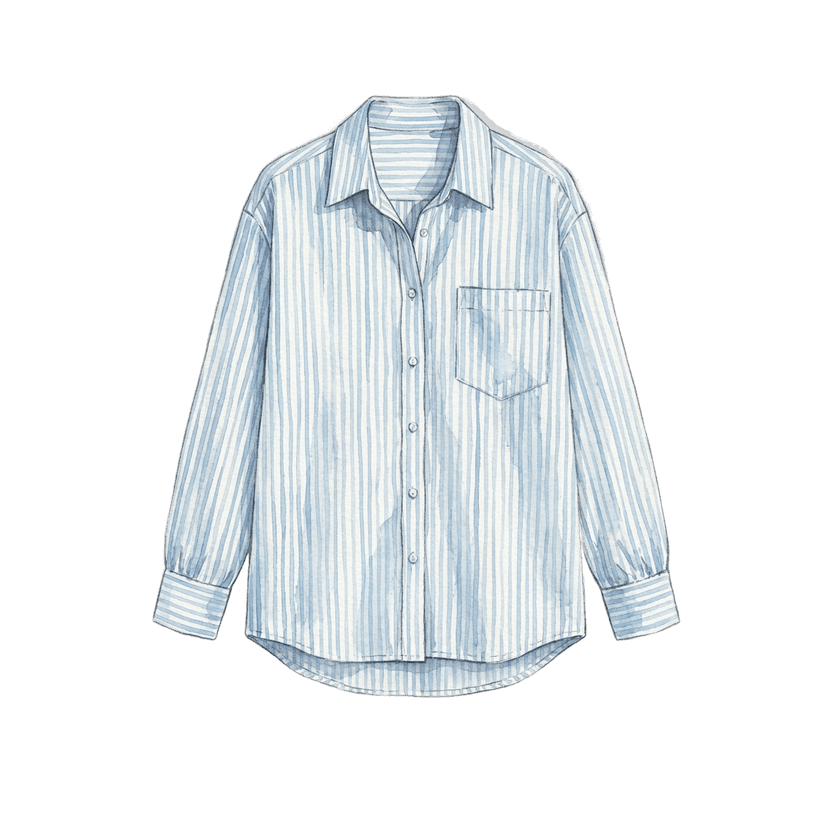 03Oversized striped Oxford shirt (light blue)
The two-job layering top. Open as a relaxed cover-up over the cami in summer; buttoned and tucked under the blazer in fall. Cotton oxford breathes better than linen and wrinkles less in a tote.
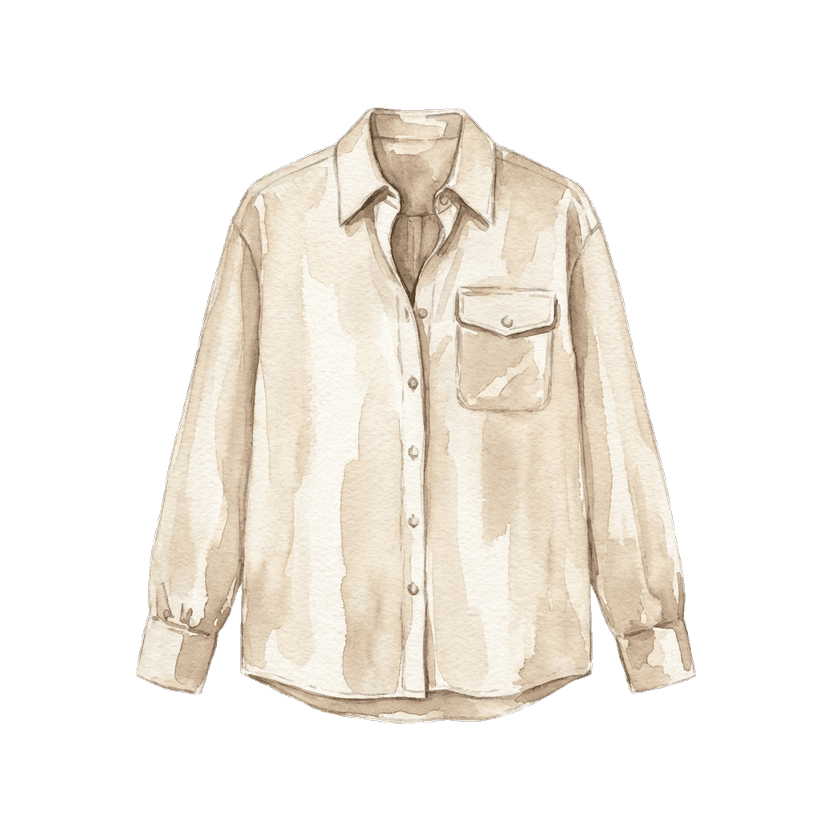 04Beige oversized button-down shirt
The collar-peek piece. Worn under the turtleneck so the collar shows at the neckline, or as a smart layer under either blazer. Beige threads cleanly between cream knits and the camel coat.
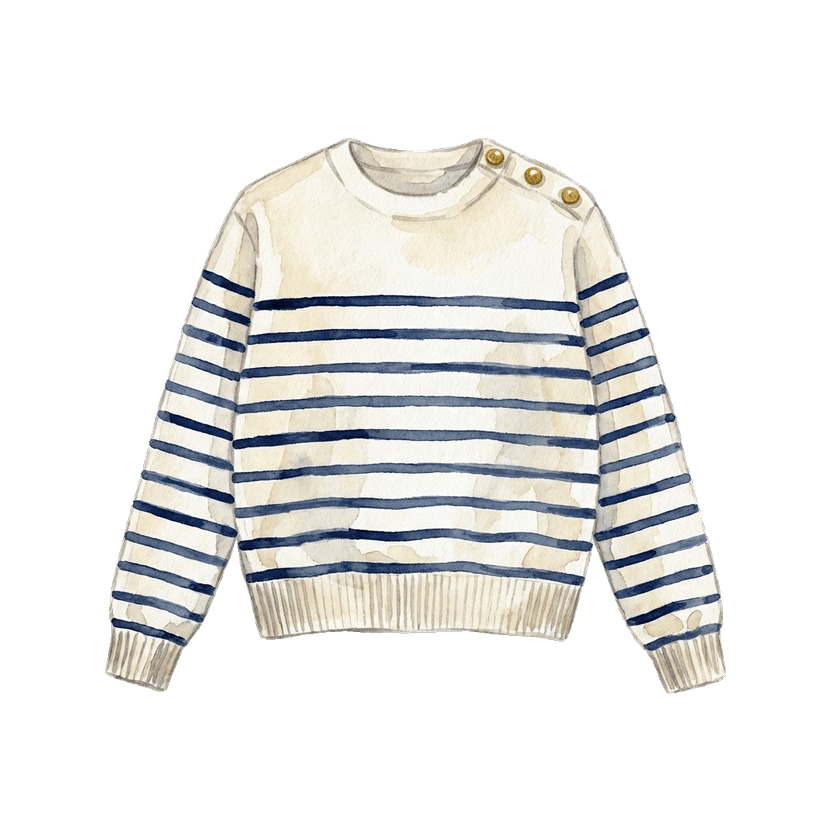 05Fine-knit Breton stripe top (cream with navy stripes)
The transitional anchor. Fine knit, not chunky, so it works from spring (cool mornings) through fall and into mild winter under the camel coat. Cream and navy pull through every other neutral in the wardrobe.
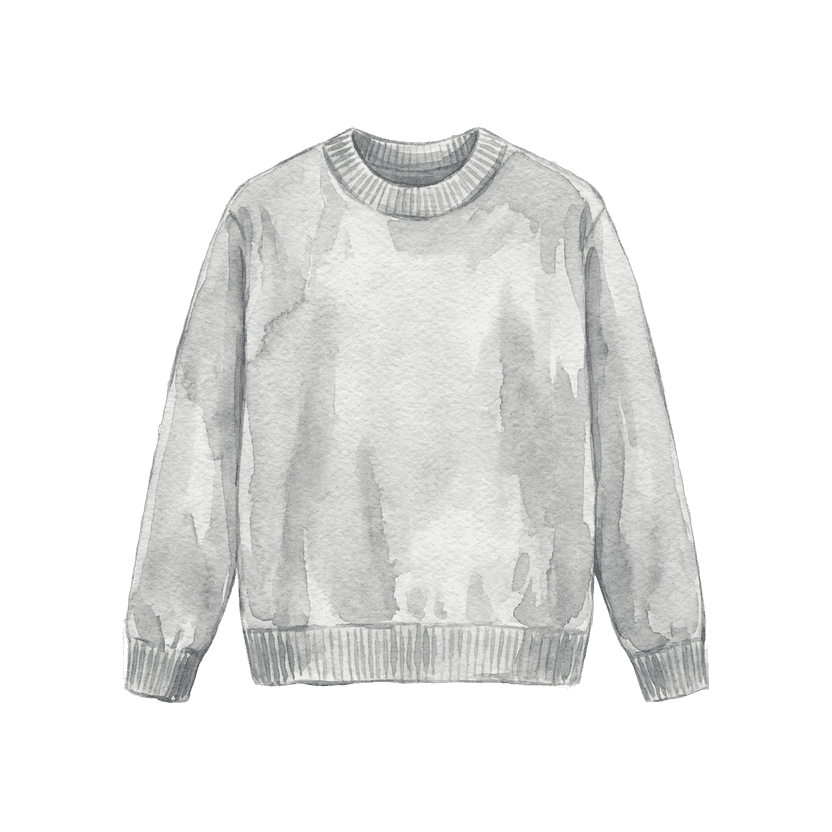 06Light gray crew-neck sweater
The mid-weight knit. Sits between the breton and the chunky knit on the warmth ladder. Light gray is the universal neutral that pairs with cream, camel, navy, and black equally; a useful palette pivot.
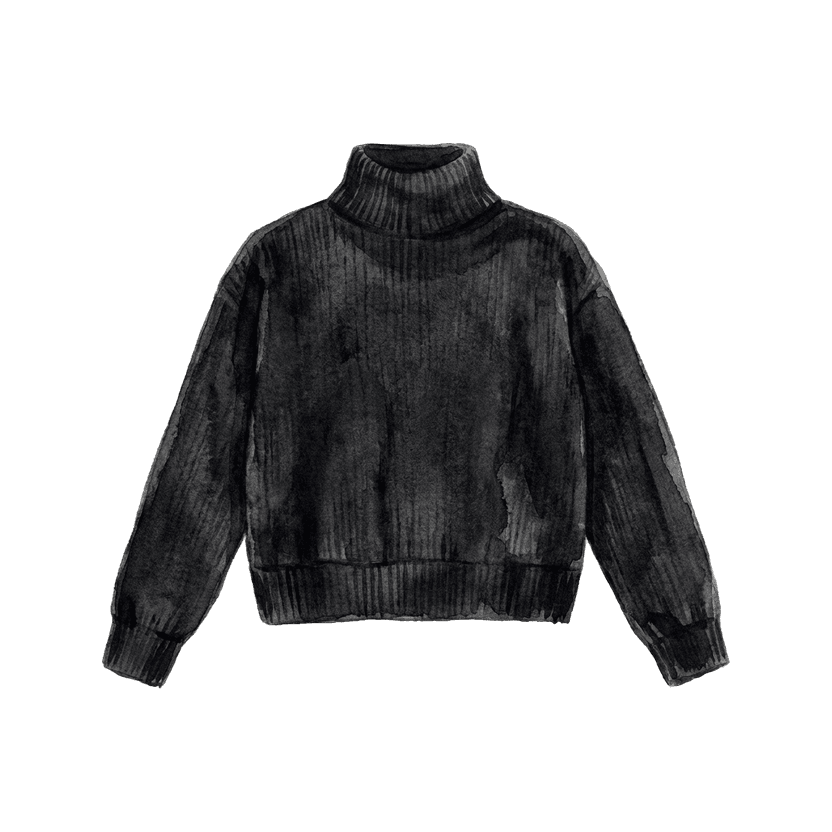 07Black turtleneck sweater (fine-gauge)
The winter base layer. Fine-gauge knit, not chunky, so it sits flat under the blazer and the camel coat. High neck handles 0°C / 32°F mornings without a scarf.
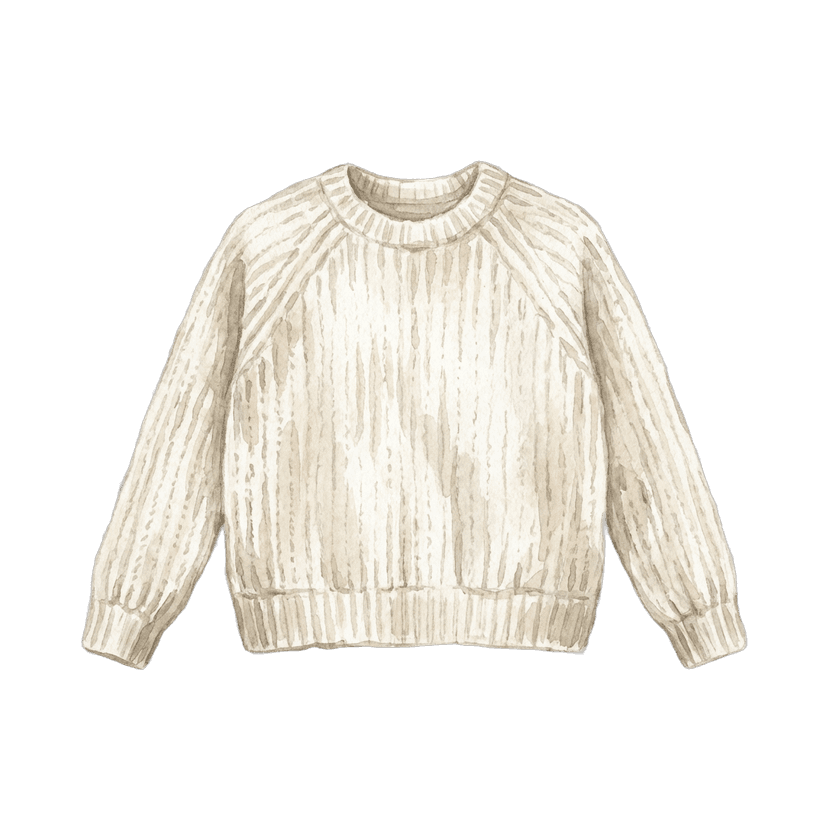 08Cream chunky knit sweater
The heavyweight standalone. Worn alone with jeans for cold-morning errands, or alone with the wool trousers for a softer office register. Too thick to layer under a blazer, which is the point: this piece IS the layer.
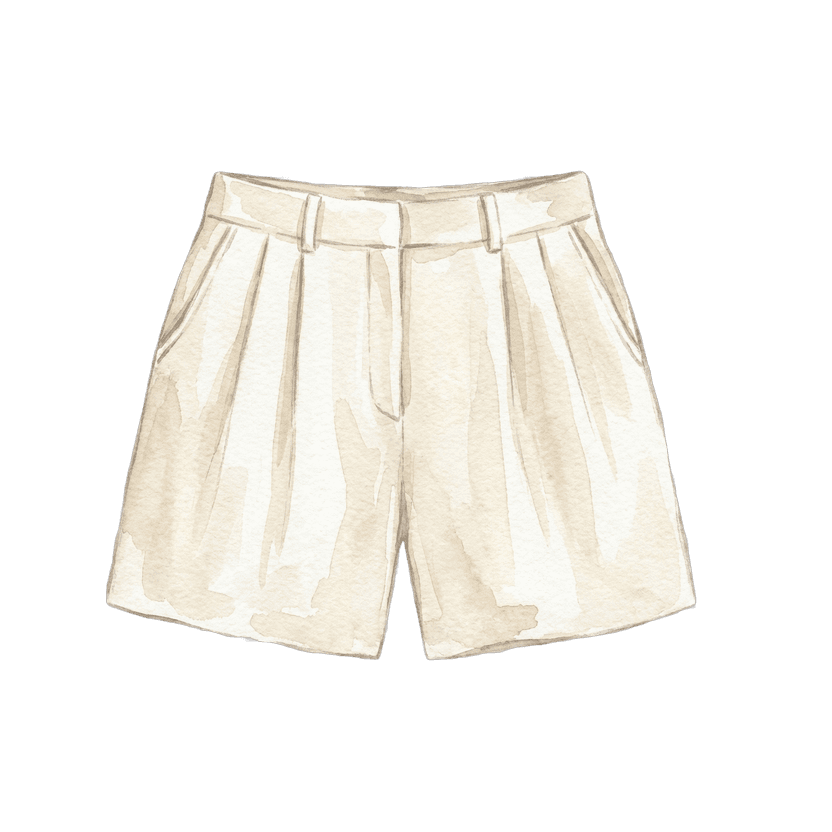 09Cream pleated tailored shorts
The summer bottom. Pleated tailoring reads dressed-up enough for a hotel breakfast; cream sides into every top in the palette. Restricted to summer use, but the most-worn piece those three months.
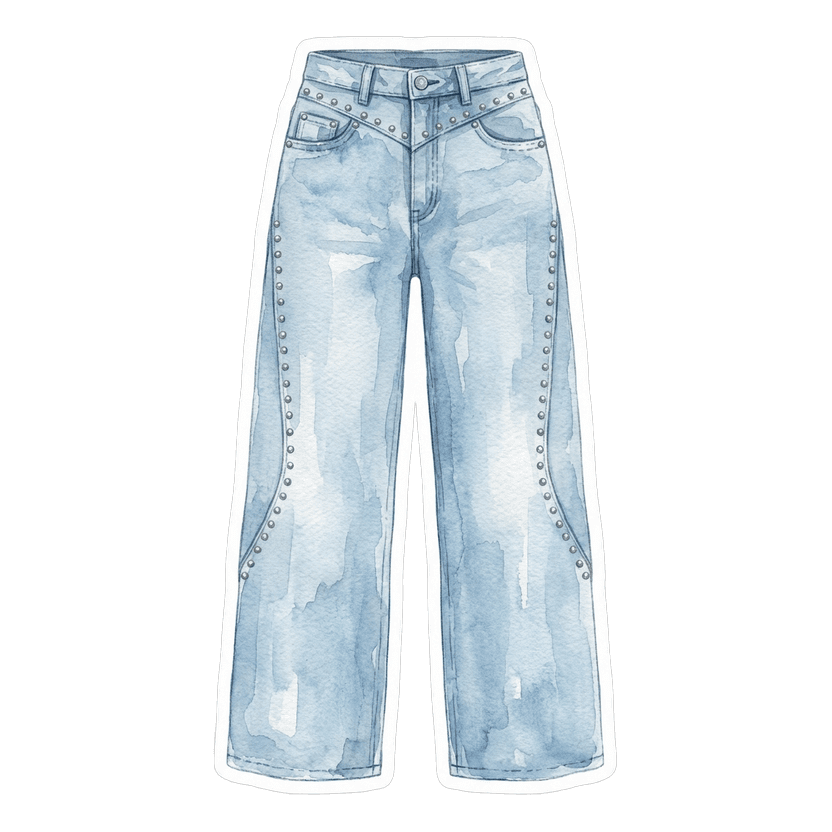 10Light wash wide-leg jeans
The casual spring/summer bottom. Light indigo wash reads warm-weather where dark wash reads winter. Wide-leg covers more leg, which matters for sun protection on a cool-bright day at 22°C / 72°F.
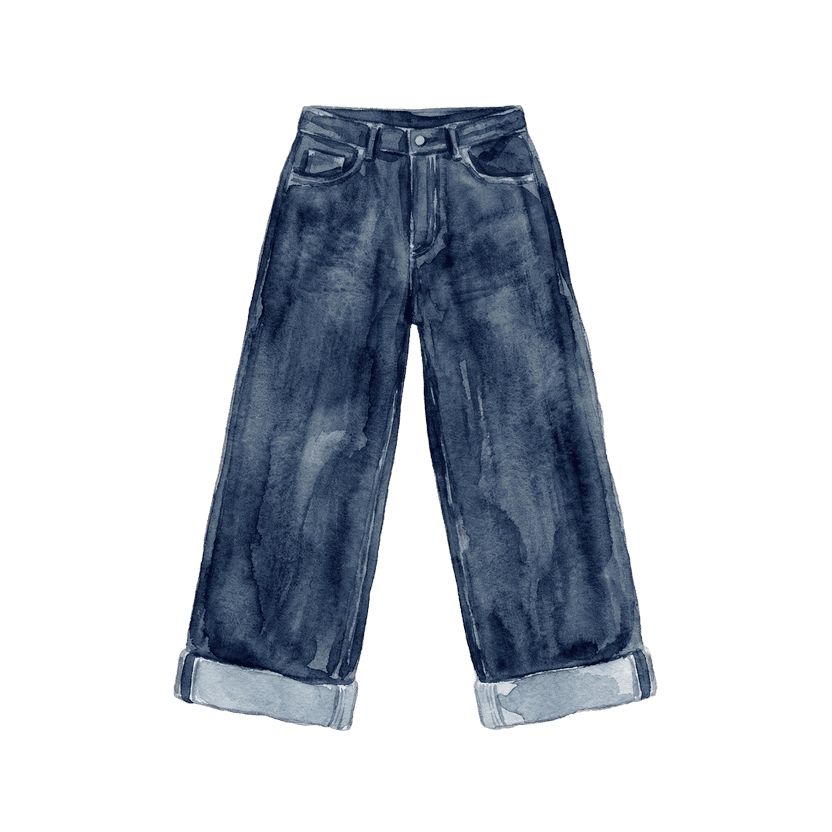 11Dark wash wide-leg jeans
The year-round denim workhorse. Dark wash holds against camel, charcoal, and black in fall and winter; works equally well in summer with a cami at night. The most-worn bottom in the capsule.
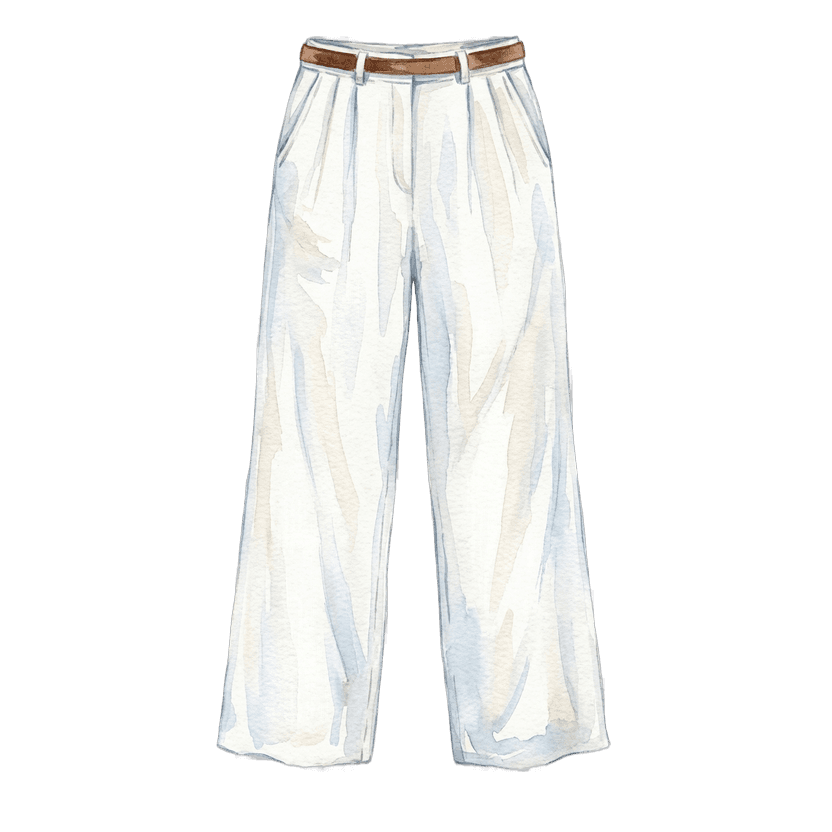 12White wide-leg trousers
The summer smart bottom. Cools the legs, hides everything, dresses up the cami for dinner. White over cream is the warm-neutral contrast that gives summer outfits structure.
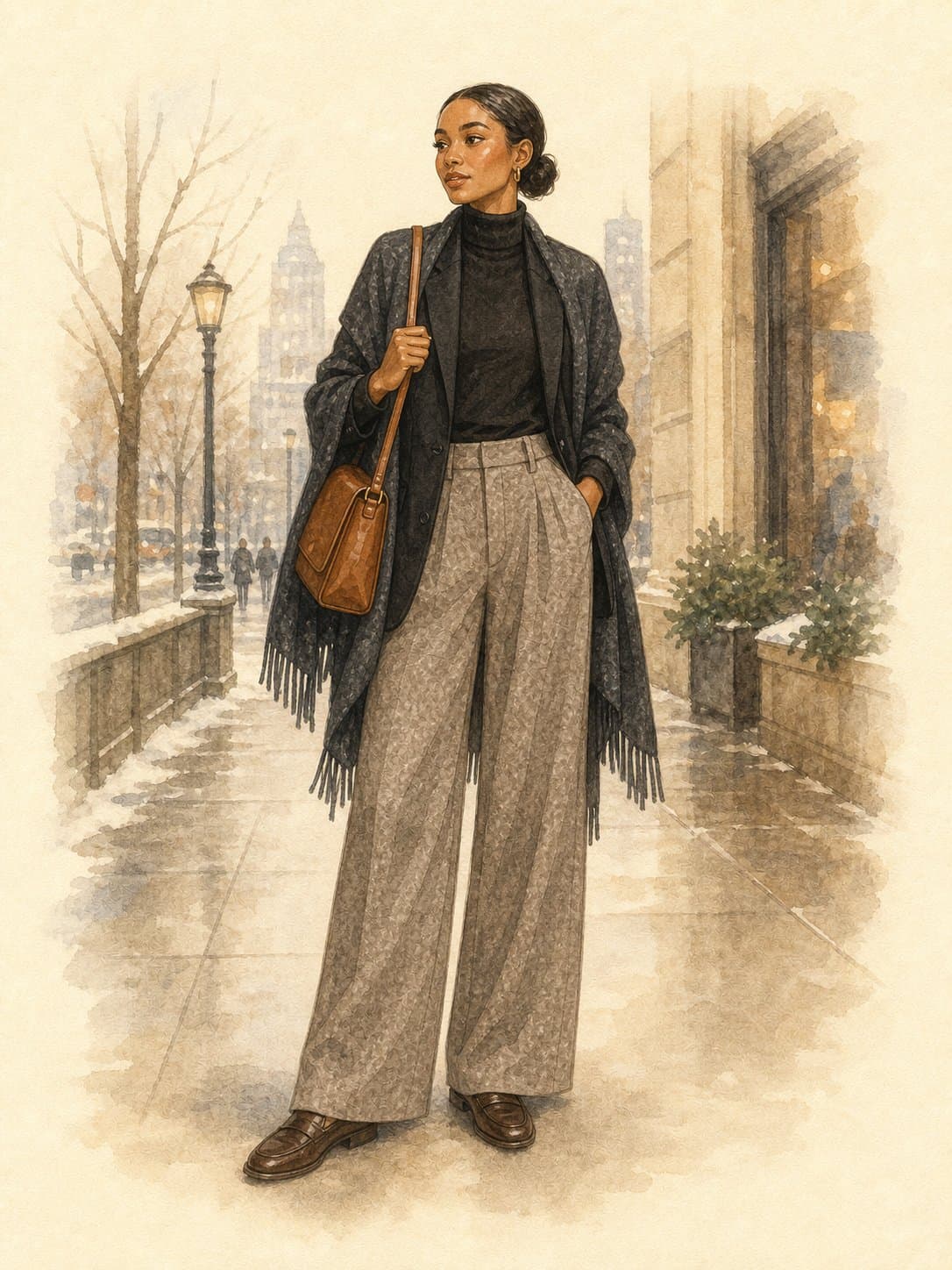
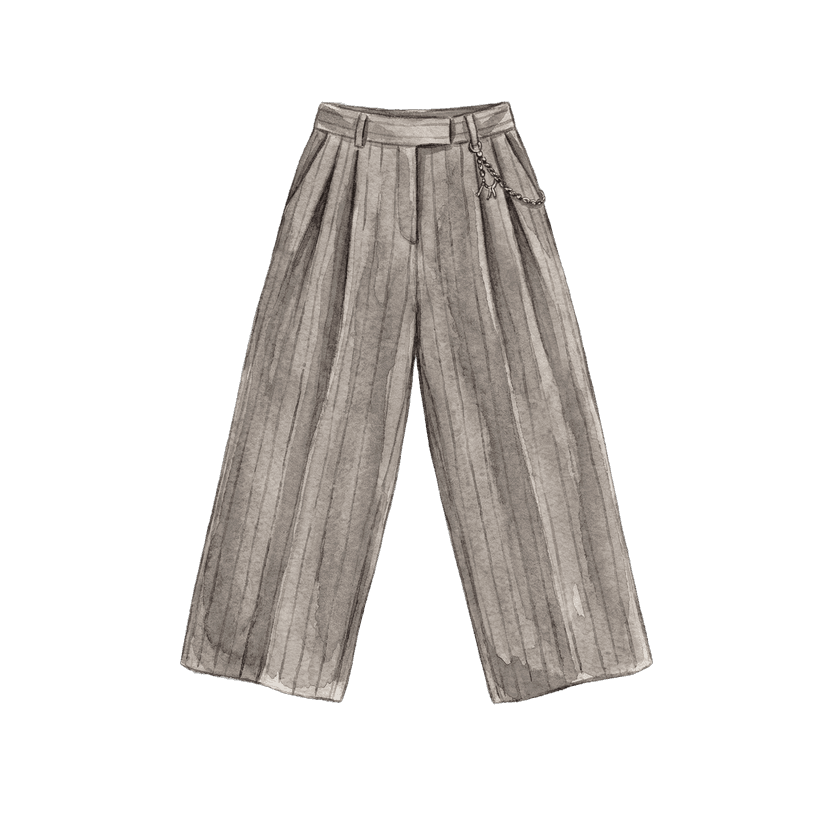 13Wide-leg pleated trousers (heathered gray-taupe)
The fall/winter smart bottom. Wool-blend pleated wide-leg dresses up the chunky knit and pairs with both blazers. Heathered gray-taupe sits between warm cream and warm camel; the contrast is what makes the palette feel composed, not uniform.
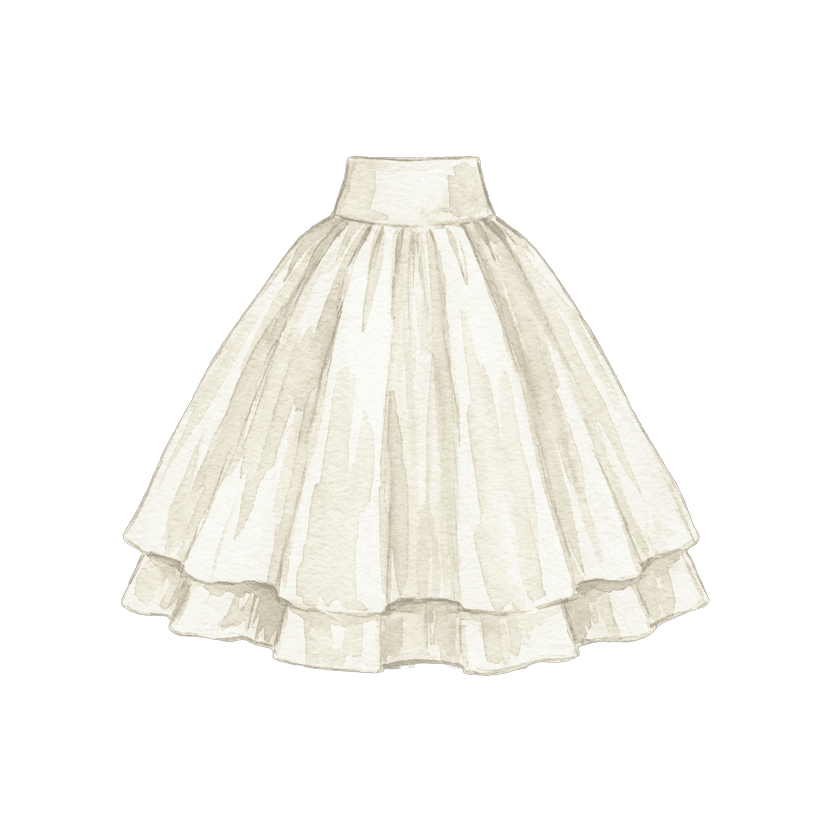 14Ivory voluminous midi skirt
The dressier bottom. Wears year-round with adjustments: with sandals and the cami in summer, with ankle boots and the chunky knit in fall, with knee-length boots and the turtleneck in winter (size up at the waist for layered tights).
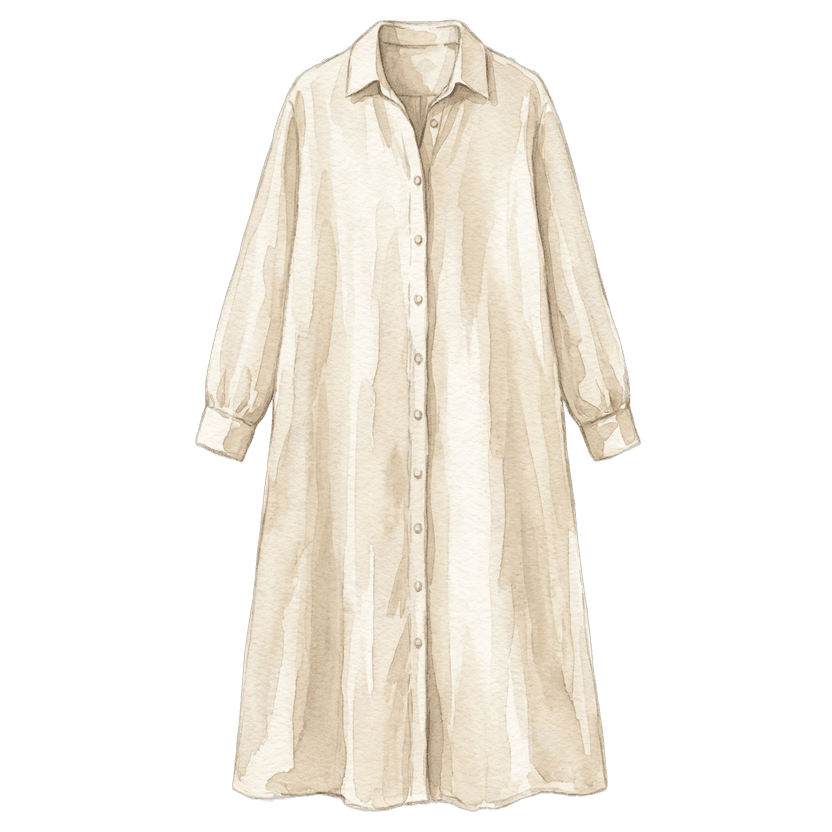 15Cream linen midi shirtdress
The summer one-and-done day. Linen creases (texture, not flaw); the shirtdress shape works belted or open. Add the cardigan for cool evenings, sandals for lunch, sneakers for the gallery.
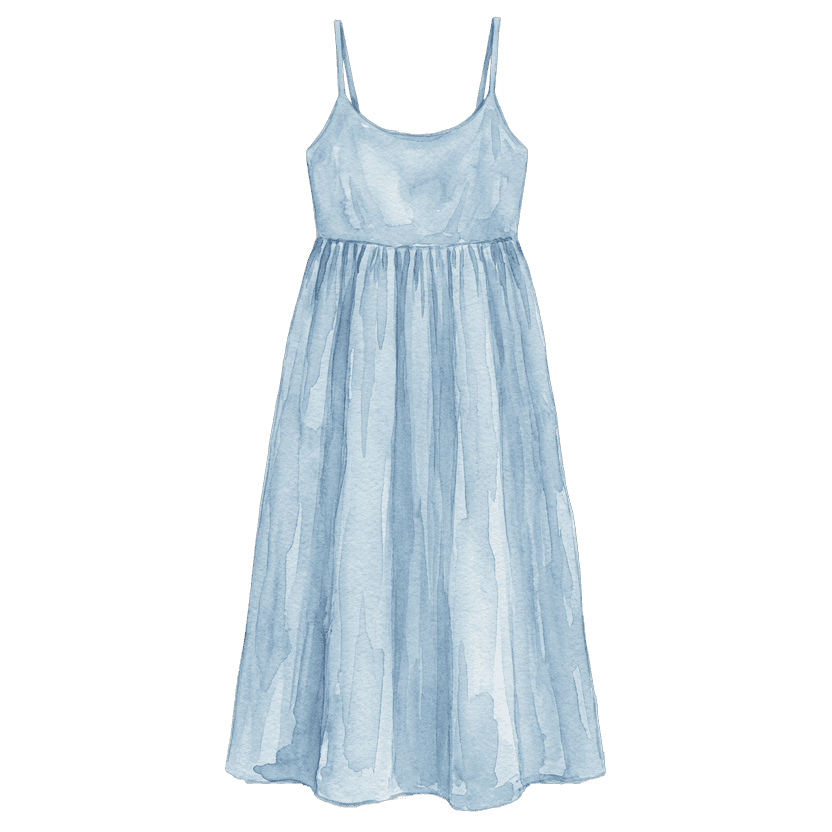 16Powder blue linen midi dress
The transitional dress. Powder blue is the cool-tone counterweight to all the warm neutrals; linen drapes cleanly without stiffness. Good from late spring through early fall, layered under the denim jacket on cooler days.
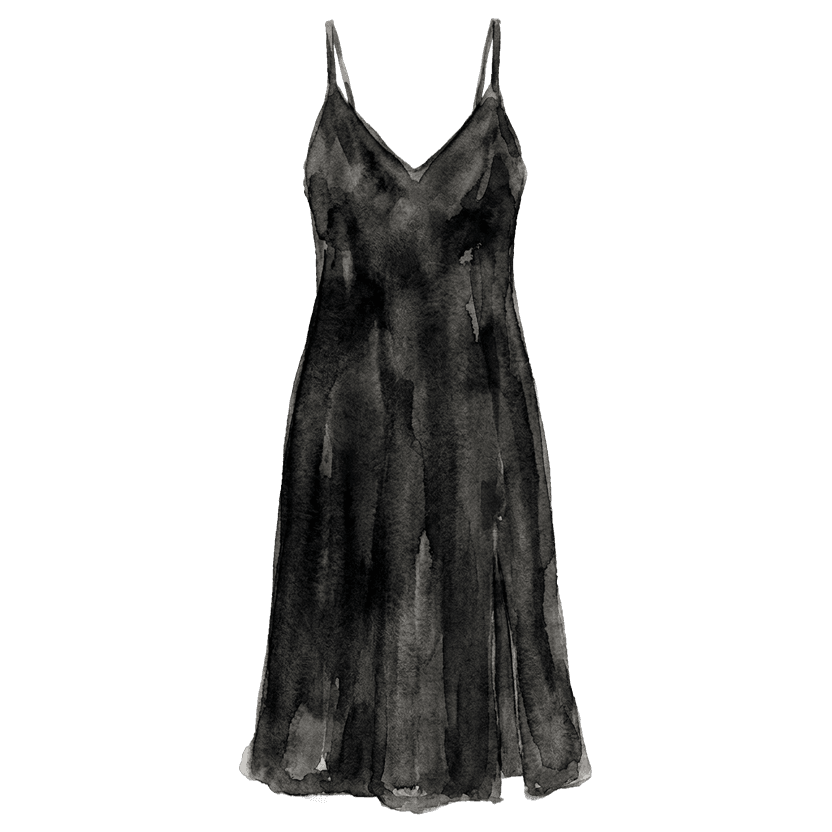 17Black midi slip dress
The year-round dress with the most range. Alone in summer with sandals; under the chunky knit in fall (slip becomes the underdress); under the black blazer with the ankle boots in winter. Three seasons of work from one piece.
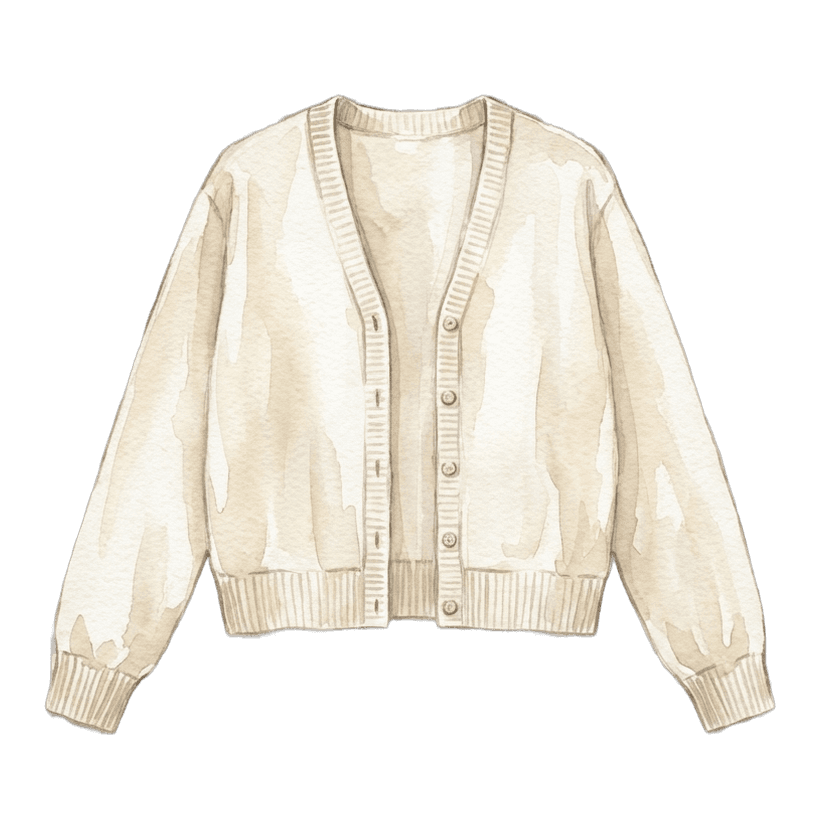 18Cream knit cardigan
The lightest layer. Beats a linen blazer for over-air-conditioned summer interiors and works through fall under the trench. Cream keeps the palette luminous; folds into the tote without bulk.
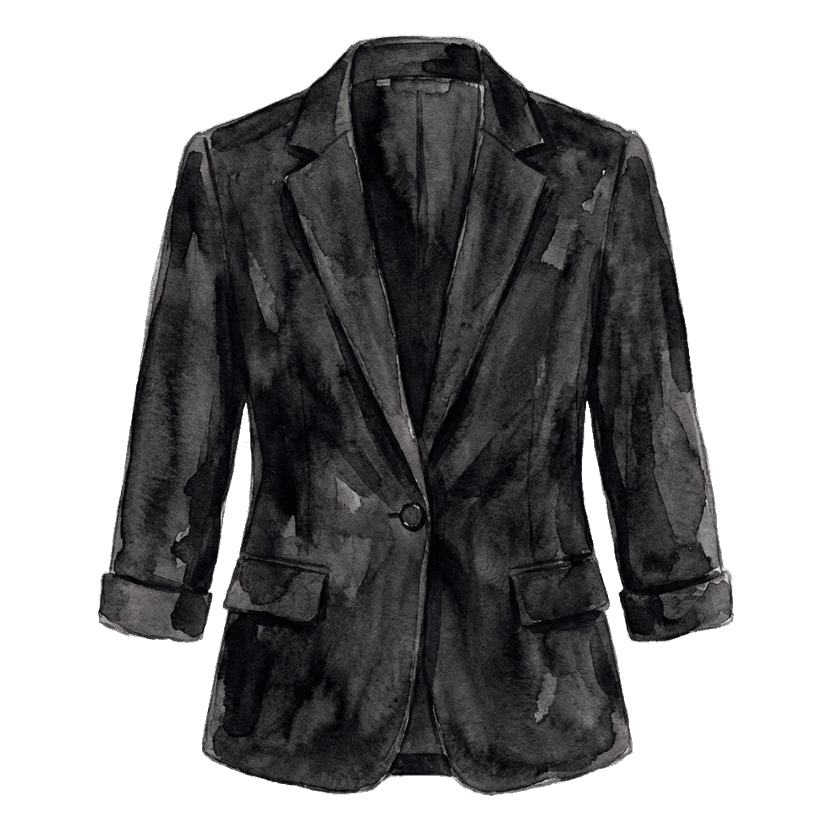 19Black structured blazer
The smart layer. Pulls the turtleneck or button-down into restaurant-and-event register year-round. Structured shoulders read polished; black sides into every other neutral and accessory in the capsule.
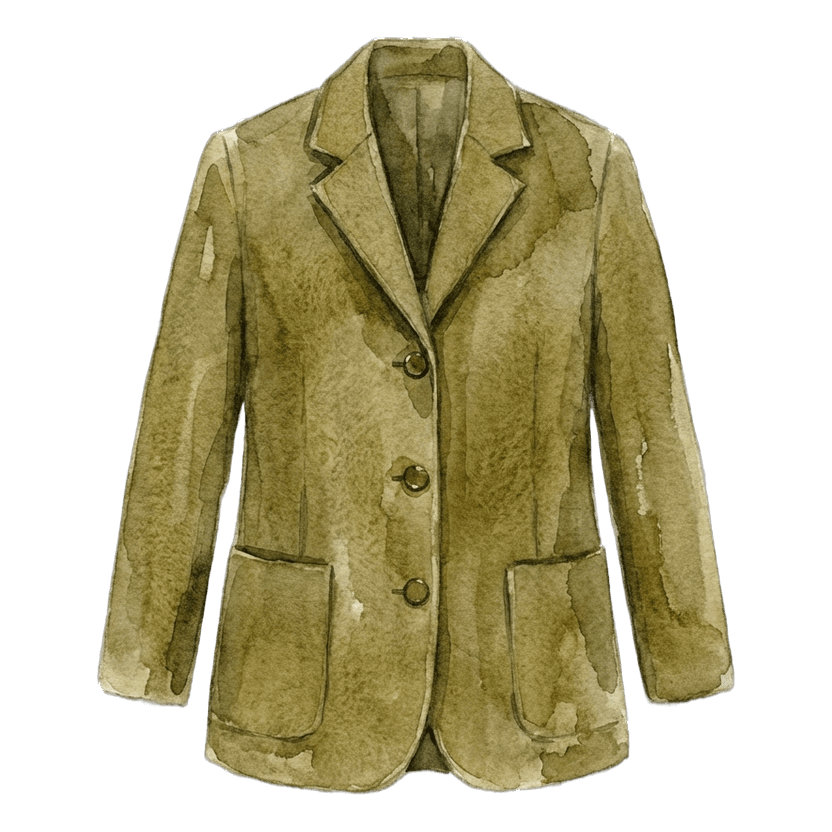 20Olive green wool blazer
The smart layer in a different register. Olive softens the look where black sharpens it; wool weight handles fall through mild winter under the trench. Pairs especially well with the cream chunky knit and the dark jeans.
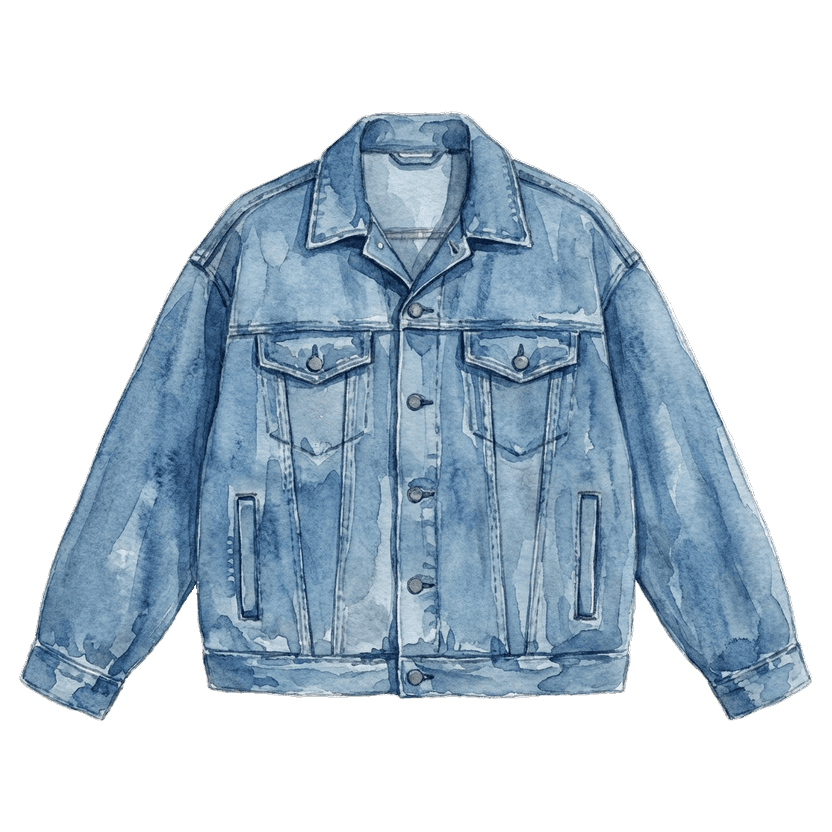 21Oversized denim jacket
The spring/early-fall jacket. Slightly oversized so it layers over the cami, the breton, or the slip dress without pulling. The most casual outer in the capsule; reads transitional, not winter.
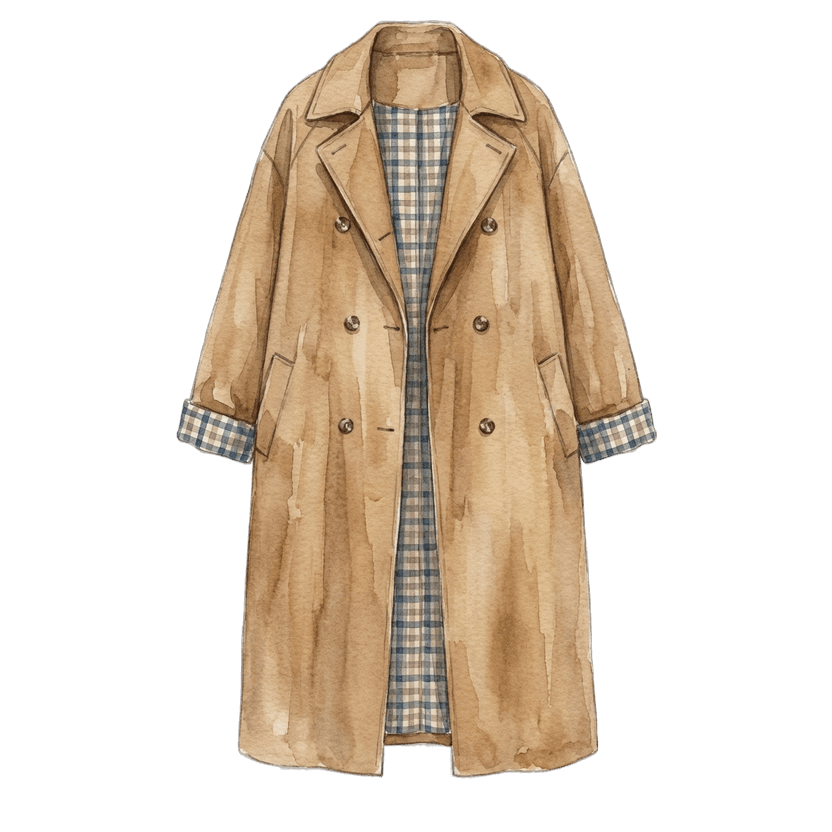 22Camel oversized trench coat
The transitional outer hero. Cotton-gabardine trench in camel handles 5-15°C / 41-59°F across spring, fall, and mild winter with a chunky knit underneath. The head-term silhouette in editorial style guides.
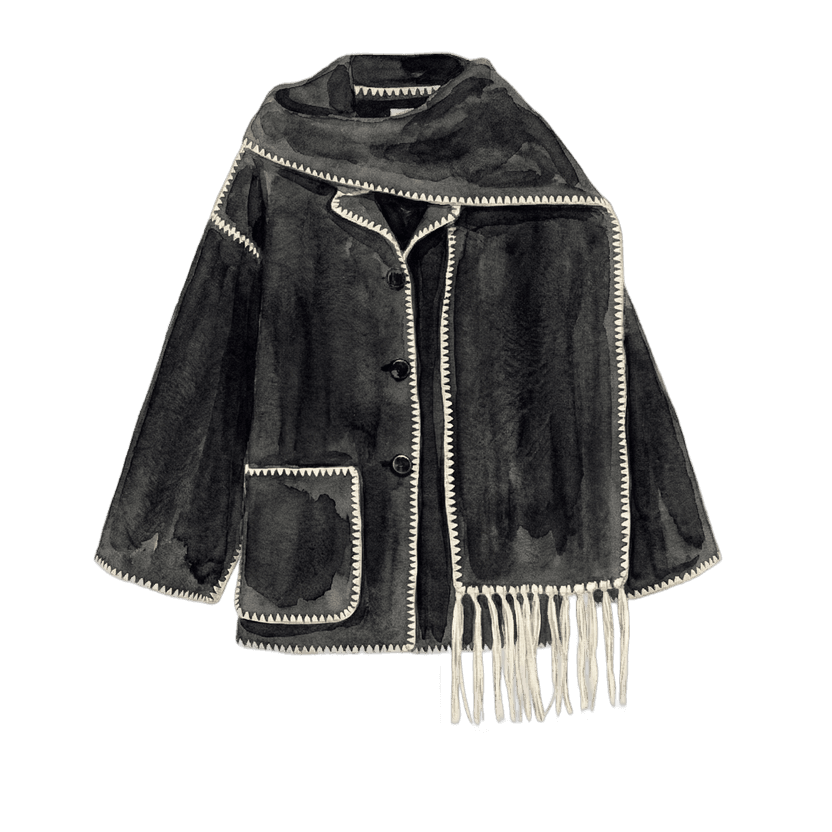 23Dark charcoal wool-blend draped jacket
The cold-winter outer. Wool-blend handles 0-5°C / 32-41°F where the trench struggles. Dark charcoal pulls cooler than the camel; pairs especially well with the black blazer underneath for a doubled smart-layer effect on the coldest restaurant nights.
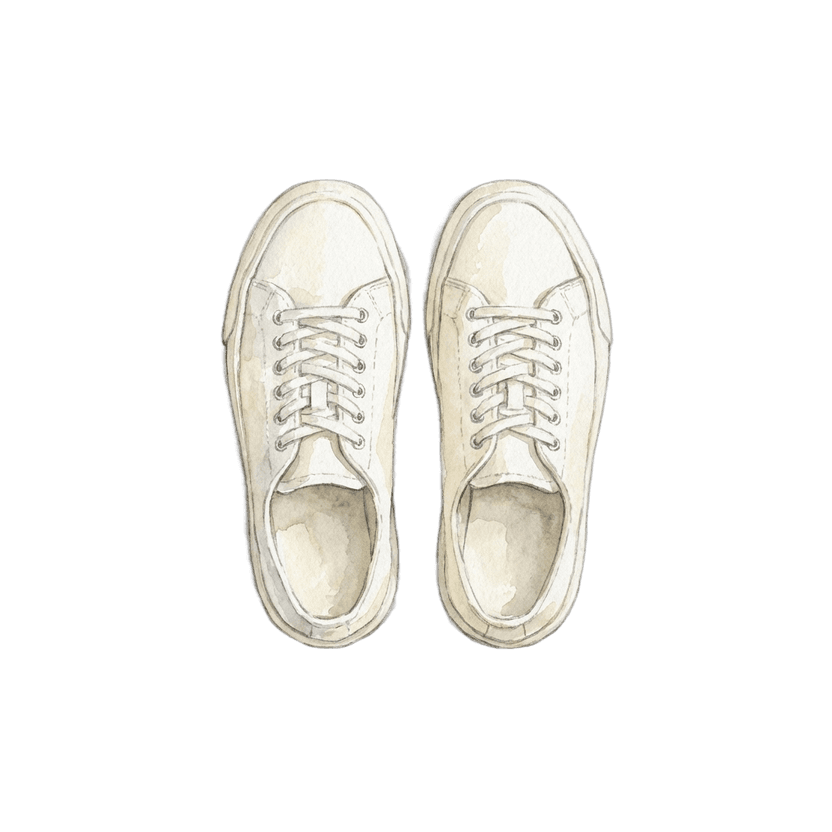 24White low-top sneakers
The walking shoe across spring, summer, and fall. Cream-leaning white pairs with every neutral in the palette; low-top stays summer (high-tops trap heat). The most-worn shoe in the capsule across the year.
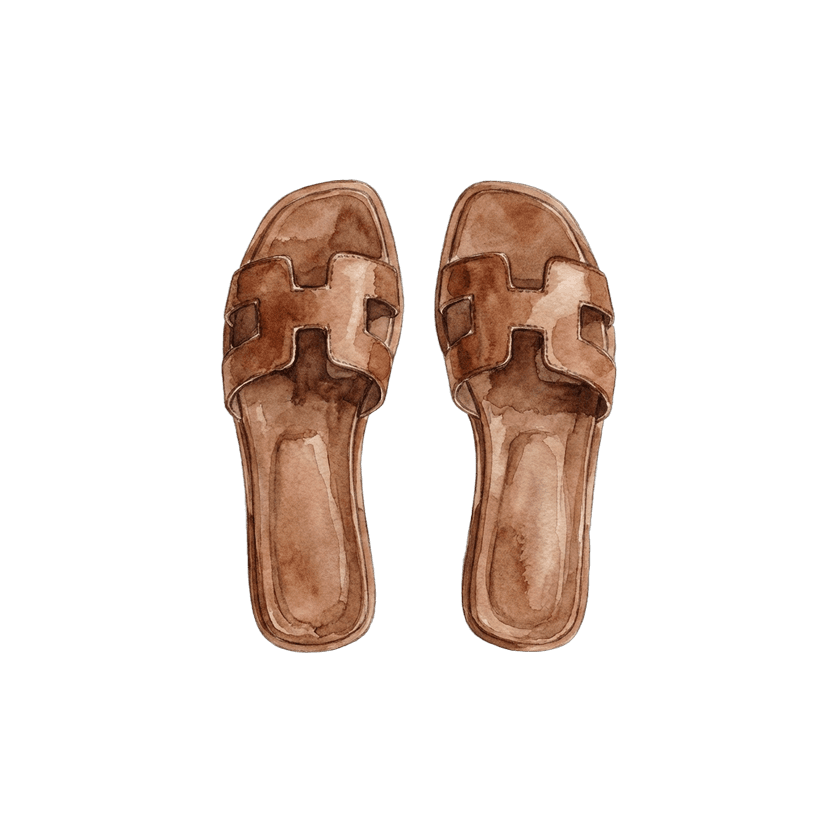 25Brown leather flat sandals
The summer evening shoe. Tan-brown reads warmer than black against the cream palette; flat saves your feet on cobblestones. Pair with the shirtdress, the wide-leg trousers, or the cami plus shorts.
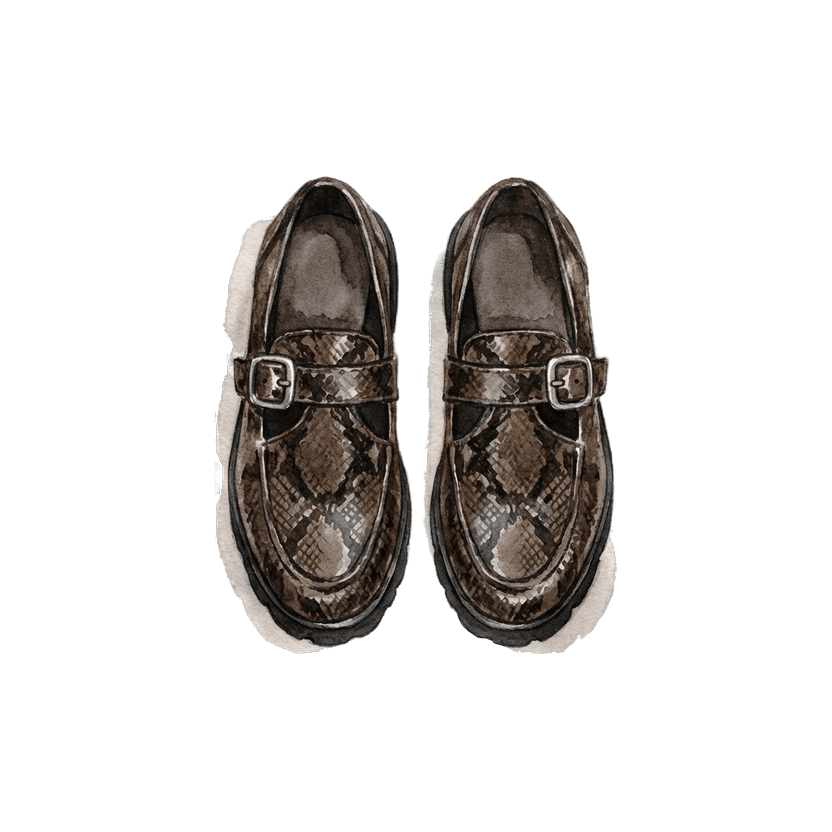 26Dark brown leather loafers
The dressier register year-round. Loafers clear restaurant, office, and theatre dress codes that sneakers and ankle boots barely scrape. Dark brown over black because the palette runs warm; black loafers fight the camel coat.
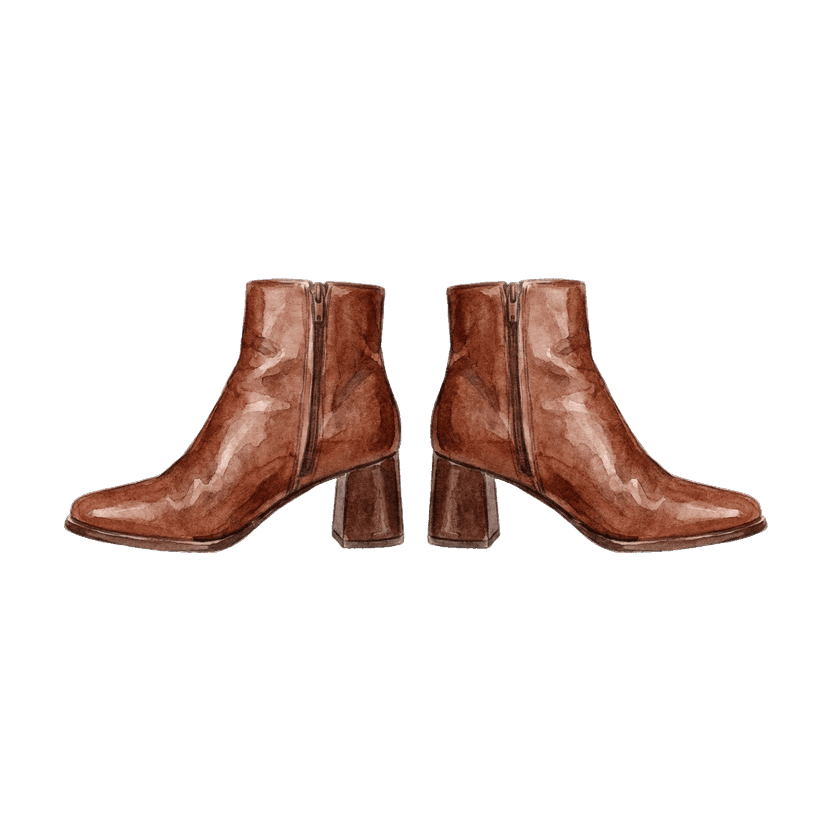 27Cognac leather ankle boots
The fall/winter walking shoe. Cognac leather sides into both the camel coat and the warm-neutral palette; ankle-height keeps it season-flexible. Leather sole, not rubber, so it reads dressed enough for a restaurant after a museum.
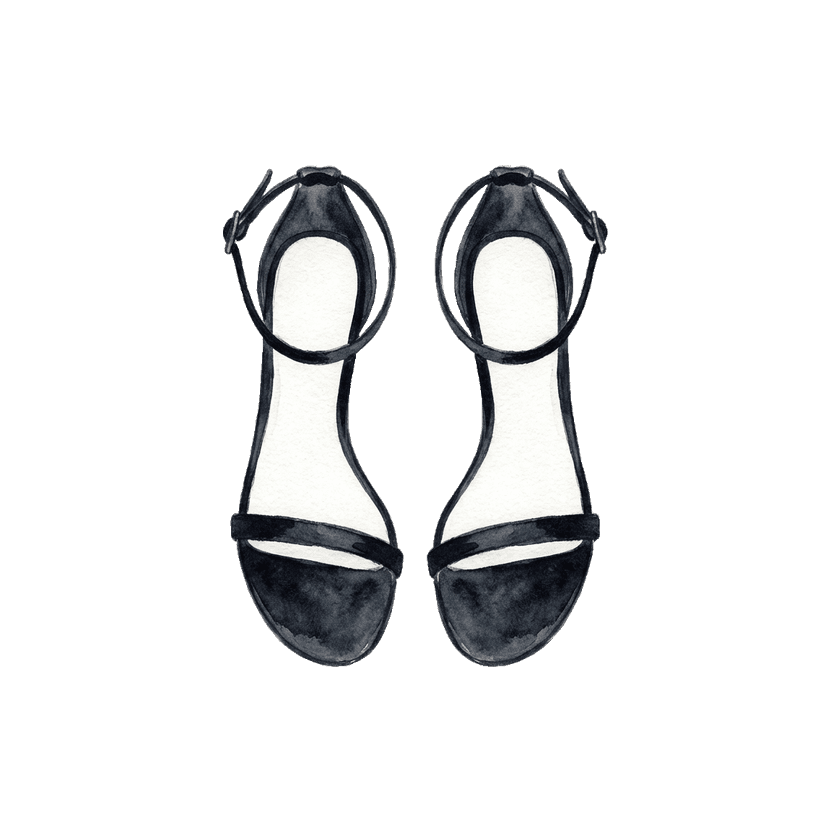 28Black strappy heeled sandals
The occasion shoe. The only piece in the capsule that earns its slot specifically for events: weddings, anniversaries, theatre evenings. Black holds against every dress in the capsule; strappy not closed-toe so it works May through October without overheating.
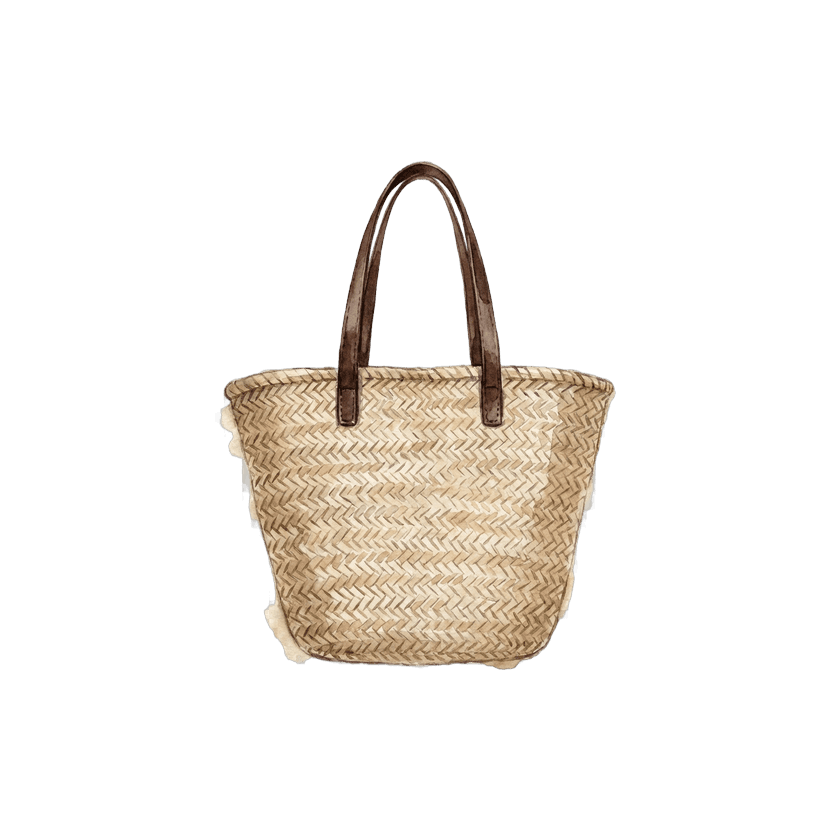 29Woven straw market tote
The summer carry-all. Straw reads summer instantly; the open weave shrugs off sand and beach grit. Holds the cardigan, the water bottle, and a second pair of shoes for the day. Restricted to May-September use.
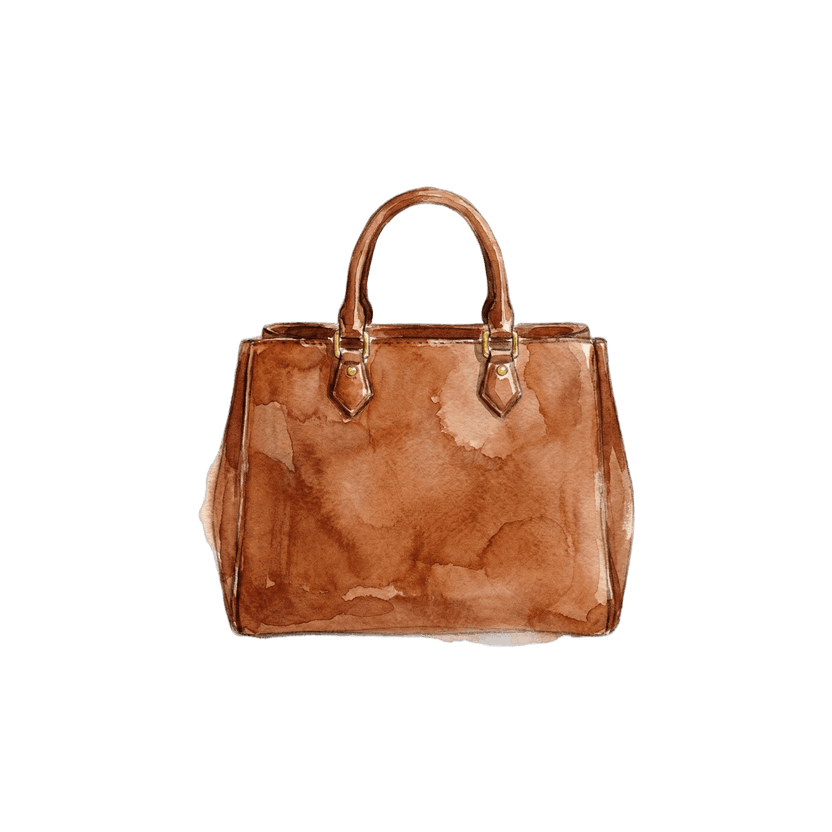 30Cognac structured leather bag
The year-round bag. Structured holds shape under the coat shoulder and doesn't deflate on a restaurant chair. Cognac threads with the boots and ankle-bag-into-camel-coat conversation. The other 8-9 months of the year, this is the only bag you reach for.
100 outfits, 30 pieces
How 100 comes from 30: start with the 12 anchored hooks below, then rotate the capsule's compatible layers, shoes, proportions, and dress-code registers around them. The count is not raw permutation math; every swap still has to keep the silhouette, weather, and occasion intentional.
- 01Spring 01 · Sunday market run
16°C / 60°F, sun bright. Light layers, light wash, soft-summer palette returning.
- White ruched cami top
- Light wash wide-leg jeans
- Oversized denim jacket
- White low-top sneakers
- Woven straw market tote
- 02Spring 02 · Office day, sun out
18°C / 64°F by midday. Smart linen shirt over wool trousers reads transition without trying.
- White pinstripe linen shirt
- Wide-leg pleated trousers
- Dark brown leather loafers
- Cognac structured leather bag
- 03Spring 03 · Brunch with friends
Saturday lunch outdoors, 19°C / 66°F. Cool palette day; the denim jacket carries the look back into evening.
- Powder blue linen midi dress
- White low-top sneakers
- Oversized denim jacket
- Woven straw market tote
- 04Summer 01 · Coastal morning
24°C / 75°F by 9am. The base summer outfit; the capsule's most-worn warm-weather configuration.
- White ruched cami top
- Cream pleated tailored shorts
- White low-top sneakers
- Woven straw market tote
- 05Summer 02 · Restaurant evening
30°C / 86°F outside, AC at 19°C / 66°F inside. Linen handles the heat; the cardigan handles the AC.
- Cream linen midi shirtdress
- Brown leather flat sandals
- Cream knit cardigan
- Woven straw market tote
- 06Summer 03 · Wedding guest (mid-formal)
Outdoor evening ceremony, 26°C / 79°F at 6pm. Slip dress reads formal enough for most non-black-tie weddings; black strappy heels are the occasion shoe earning its slot.
- Black midi slip dress
- Black strappy heeled sandals
- Cognac structured leather bag
- 07Fall 01 · Bookshop afternoon
12°C / 54°F drizzle. Button-down untucked over the cami, trench layered over the top, ankle boots handle wet pavement.
- Beige oversized button-down shirt
- Dark wash wide-leg jeans
- Cognac leather ankle boots
- Camel oversized trench coat
- Cognac structured leather bag
- 08Fall 02 · Office day, layered
10°C / 50°F morning, 16°C / 60°F afternoon. The mid-weight grey sweater handles the swing; trench off when sun comes out.
- Light gray crew-neck sweater
- Wide-leg pleated trousers
- Dark brown leather loafers
- Cognac structured leather bag
- Camel oversized trench coat
- 09Fall 03 · Dinner with friends
13°C / 55°F at 7pm. The slip dress takes the blazer and ankle boots cleanly into the cooler register; trench at the door.
- Black midi slip dress
- Black structured blazer
- Cognac leather ankle boots
- Cognac structured leather bag
- Camel oversized trench coat
- 10Winter 01 · Cold-morning errand
2°C / 36°F at 8am. The chunky knit alone is the warm anchor; the trench is the universal outer for mild-winter mornings.
- Cream chunky knit sweater
- Dark wash wide-leg jeans
- Cognac leather ankle boots
- Camel oversized trench coat
- Cognac structured leather bag
- 11Winter 02 · Restaurant evening, cold
–2°C / 28°F outside, restaurant AC at 19°C / 66°F. Wool-blend overcoat takes over from the trench when the temperature drops below freezing; doubled smart-layer (turtleneck + blazer) reads polished.
- Black turtleneck sweater
- Black structured blazer
- Wide-leg pleated trousers
- Dark brown leather loafers
- Dark charcoal wool-blend draped jacket
- Cognac structured leather bag
- 12Winter 03 · Holiday lunch
5°C / 41°F midday, family lunch. Olive blazer softens the look where the black structured one would sharpen it. Tucked button-down + blazer + dark jeans is the relaxed-elevated register.
- Beige oversized button-down shirt
- Olive green wool blazer
- Dark wash wide-leg jeans
- Cognac leather ankle boots
- Camel oversized trench coat
- Cognac structured leather bag
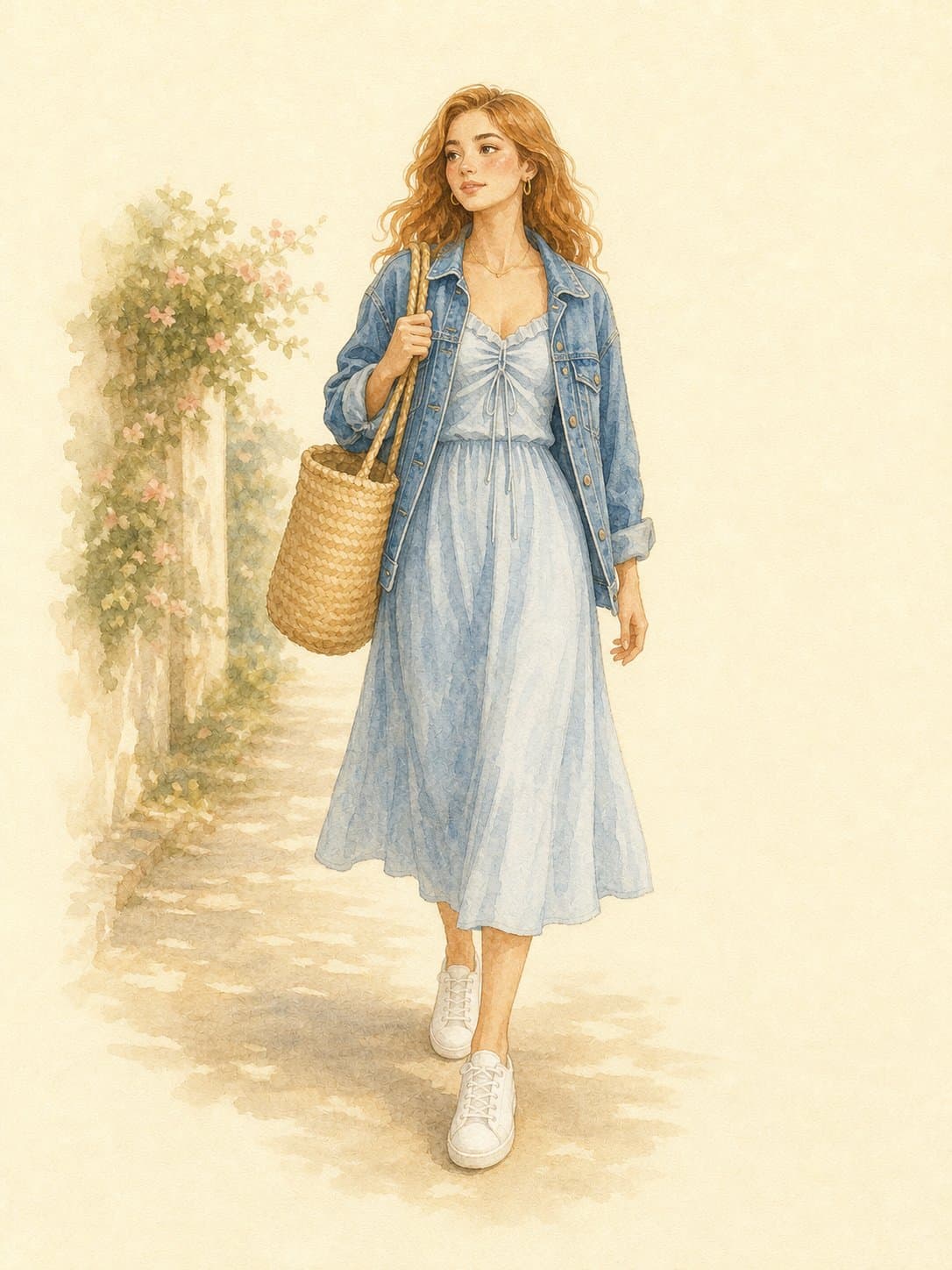
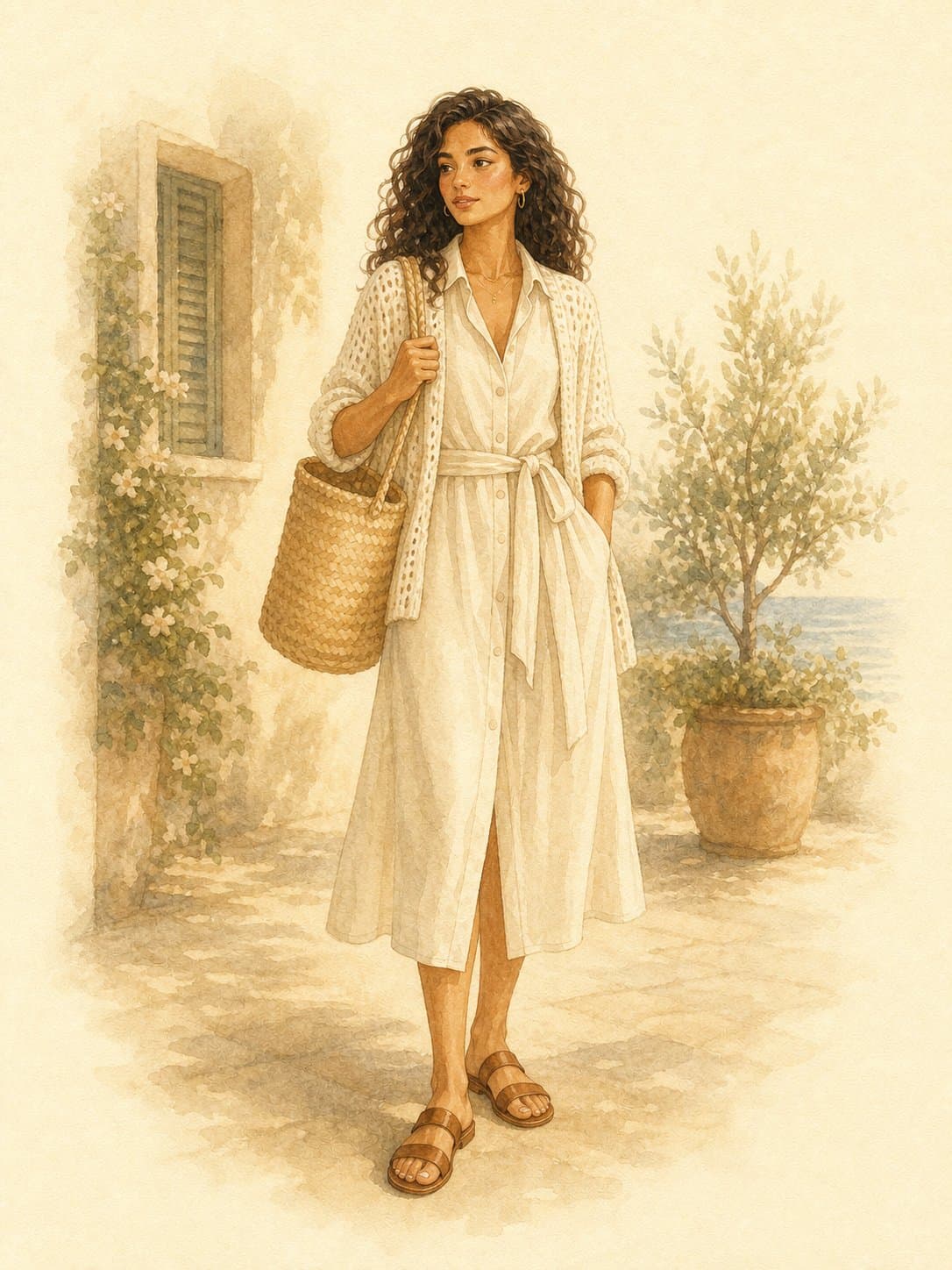
Three looks, illustrated
3 of the 12 anchored hooks above, drawn out so the silhouette is unambiguous.
Build it in 8 steps
- 01Pick a tight palette before you shop. Cream, camel, black, navy, and cognac is the version above; ivory, oat, charcoal, slate, and brown is the same idea in cooler tones.
- 02Pull every piece you already own that lives inside the palette. The capsule starts here, not at the store; most people are 60-70% of the way to thirty pieces from their existing closet.
- 03Pick eight tops across three weights. Two summer-leaning (cami, oxford), three transitional (linen shirt, breton, mid-weight crew), three winter-leaning (button-down, fine turtleneck, chunky knit).
- 04Pick six bottoms across three registers. Two casual (light and dark jeans), one summer (shorts), two smart (white wide-leg, wool trouser), one dressy bottom (a midi skirt that takes seasonal styling).
- 05Pick three dresses, no more. One summer one-and-done (linen midi), one transitional (linen midi in a different register), one year-round multi-tasker (a slip dress that takes layers cleanly).
- 06Pick six outerwear pieces along a temperature ladder. Lightest first: cardigan (AC layer), then a smart layer (blazer in your sharper colour), then a softer smart layer (blazer in a complementary register), then a casual transitional (denim jacket), then a transitional outer (camel trench), then a winter-weight overcoat for sub-freezing days.
- 07Pick five shoes. Sneakers cover walking April through October; sandals cover summer evening; loafers cover dressy year-round; ankle boots cover fall through winter; one occasion shoe (block heel or strappy) for weddings and theatre.
- 08Pick two bags. One summer (a woven straw tote that reads casual and beach-friendly); one year-round structured leather (cognac that threads with the boots and the camel coat). The straw bag goes into storage October through April.
What to avoid
- Skip the eighth and ninth tops. Three weight registers (light, mid, heavy) is enough; more breaks the combinatorial math without adding outfits.
- Skip duplicating silhouettes in different colours. Two slim turtlenecks in black and grey is one piece worth of variety, not two.
- Skip a cocktail dress earning a slot for one annual event. Caroline Joy Rector and Jennifer L. Scott both keep special-occasion pieces in a separate small capsule.
- Skip the puffer as the only winter outer. A wool overcoat reads across every register; a puffer reads only one.
- Skip the on-trend statement piece. Capsule combinability is the metric; statement pieces fail the test almost by definition.
Frequently asked questions
Caroline Joy Rector's original Un-Fancy capsule (2014) was thirty pieces per season; she rotated four sets of thirty across the year. The year-round version compresses by sharing year-round basics (jeans, white sneakers, a black blazer, a cognac bag) and layering them with three weight registers in tops (cami, fine knit, chunky knit) plus a six-piece outerwear ladder that handles 0-30°C / 32-86°F. The compression saves about half the closet space and removes the four-times-a-year rotation work, at the cost of less seasonal-specificity.
8 tops × 6 bottoms × 4 day-shoes = 192 raw combinations. Trim by season-fit (chunky knit + summer shorts is a no-go, etc.) and you're at roughly 110 working everyday outfits. Add 3 dresses × 4 shoe options = 12 more. Add layering combinations (cardigan over the cami, blazer over the button-down, trench over almost everything) and the count climbs further. Wendy Mak's 2017 book "The Capsule Wardrobe: 1,000 Outfits from 30 Pieces" reaches 1,000 by also counting accessory swaps (belts, scarves, jewellery) as distinct outfits; we don't, so we land at 100+ instead of 1,000.
For most life situations, yes. Caroline Joy Rector ran a thirty-piece-per-season capsule for several years on Un-Fancy without resorting to her closet's overflow; Jennifer L. Scott's ten-item-per-season framework goes further still. The year-round version explicitly carves out: occasion wear beyond a single dress (a separate small capsule per Scott), exercise clothes, sleepwear, and seasonal extremes (sub-freezing windchill, 35°C-plus dressing). Inside those guardrails, thirty is a comfortable working closet for most professionals.
Three months at minimum, ideally six. Caroline Joy Rector's advice on Un-Fancy was to build slowly, replacing one or two pieces per pay cycle, evaluating combinability before each new addition. The fastest the capsule can build with editorial discipline is one piece per week, which gets to thirty in just over seven months. Speed-shopping all thirty in one weekend almost always produces the magenta-pop-piece failure mode (a beautiful piece that only works with one other thing in the closet).
Five colours, no more: two warm neutrals, two cool neutrals, one accent. Cream + camel + white + navy + cognac is the version above; ivory + oat + charcoal + slate + dark brown is the same idea in cooler tones. The discipline that holds: every top should pair with every bottom; every layer should layer over every base. If a piece only works with one other thing in the closet, it doesn't earn the slot. Five colours is the upper bound; four is tighter and sharper.