The Business-Casual Capsule Wardrobe15 Pieces, No Suit, No Sneakers
The dress code defined by Indeed and Coursera, in fifteen pieces.
Business casual is the rule between suit and casual. Fifteen pieces, no jeans, no sneakers, no compromise.
- Pick four tops in different weights: cami, smart shirt, fine turtleneck, chunky knit
- Pick three bottoms in different registers: wool wide-leg, dark trouser, midi skirt
- Add two blazers (one black, one olive or charcoal) and one cardigan
- Pick three shoes: loafers, ankle boots, low block-heel pump for events
- Add one structured leather bag and one slip dress for crossover situations
- wear jeans, even dark wash. The business-casual rule cited across Indeed and Coursera explicitly excludes denim
- wear sneakers. Loafers are the casual-end shoe; sneakers cross into smart-casual or WFH territory
- skip the blazer. Even in soft business-casual environments, a blazer or structured cardigan signals 'I prepared'
- trust a single dress for every occasion. The slip dress works under a blazer; a cocktail dress doesn't
Business casual is the most-misunderstood dress code in modern professional life. Indeed's workplace-etiquette guide, LinkedIn Learning's modern-dress-code curriculum, and Coursera's Business Communication course materials converge on a clear definition: no suits required, but no jeans, sneakers, or athletic wear allowed; structured layering (a blazer or smart cardigan) is mandatory. The TLC stylist Stacy London, on "What Not to Wear" (2003-2013), built a decade of episodes around the same line. Viewers walked in wearing weekend clothes and walked out in business-casual separates that worked across interviews, networking events, and any office that didn't require a suit. The fifteen below codify the line in pieces. They reuse the work-capsule's smart core (turtleneck, blazers, wool trousers, loafers, slip dress) and add specifically business-casual pieces a strict-office capsule doesn't need: the chunky knit, the midi skirt, a low-heel pump for evening events, a softer second blazer.
Business casual is tailoring with softness: a blazer, but not a suit jacket; loafers, but not stilettos; trousers, but not denim.— After Indeed + LinkedIn Learning + Coursera dress-code guidance (2023-2026)
The 15 pieces
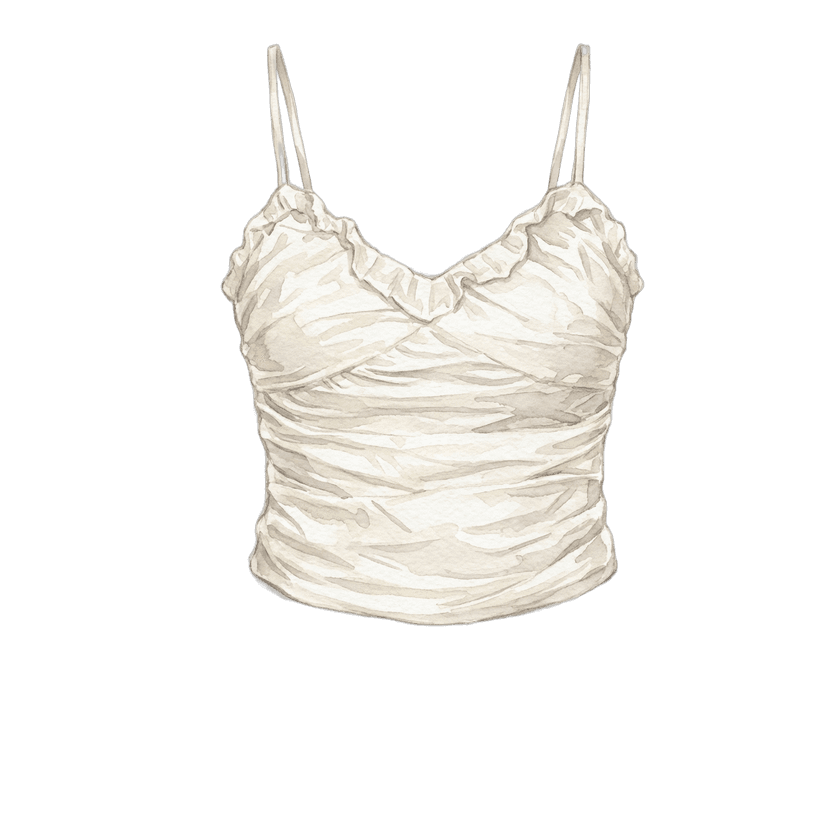 01White ruched cami top
The base layer. Under either blazer for office; under the cardigan for casual-Friday business casual; under the chunky knit for fall-into-winter business-casual events.
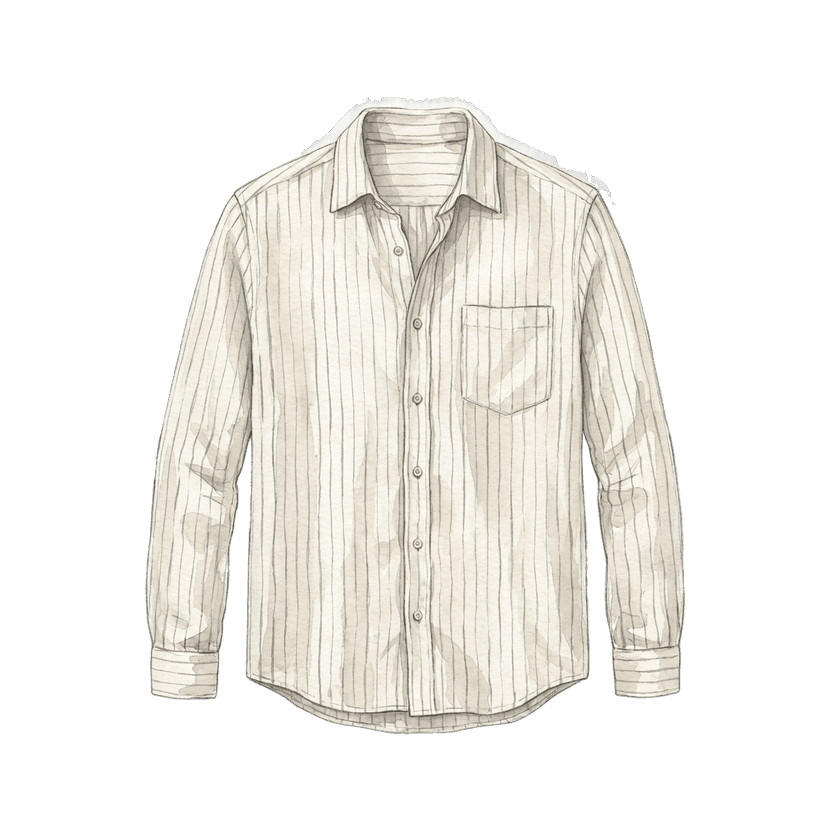 02White pinstripe linen shirt
The smart shirt. Pinstripe reads dressed-without-trying for interviews and networking events; tucked under either blazer and trouser combination clears business-casual interview standards.
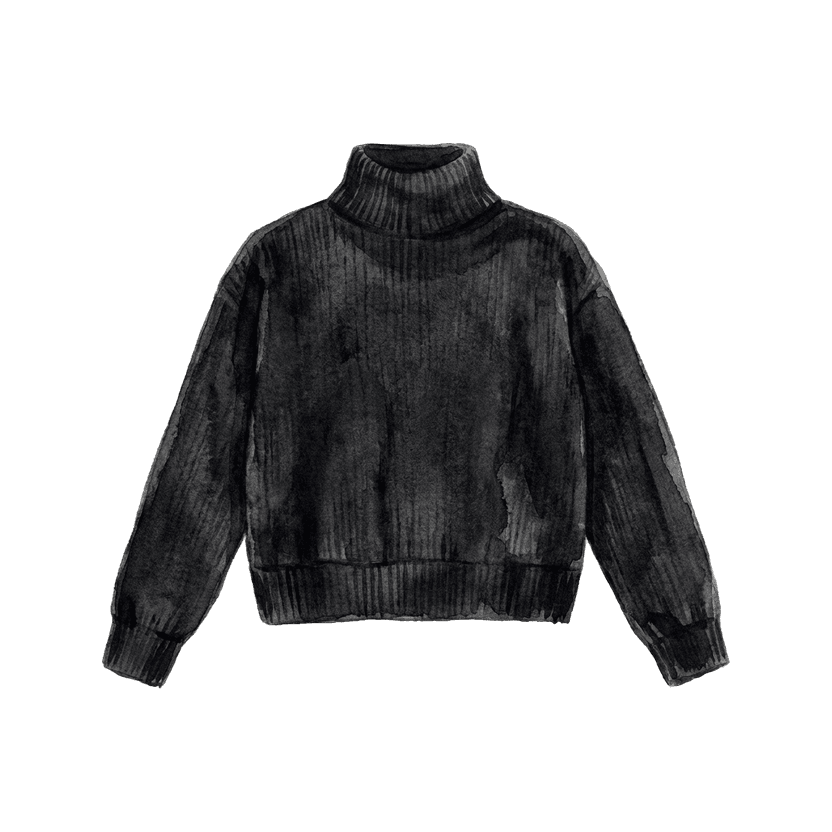 03Black turtleneck sweater (fine-gauge)
The fall-winter base. Fine-gauge so it sits flat under either blazer; high neck handles the cold-morning commute and the over-air-conditioned conference room equally.
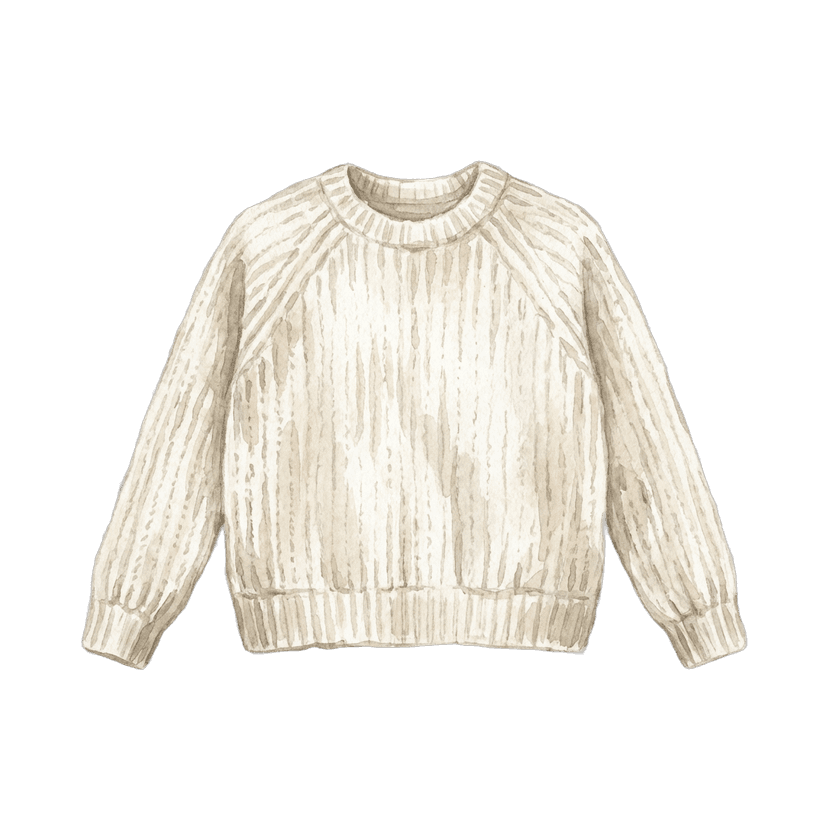 04Cream chunky knit sweater
The softer-business-casual register. Cream knit + wool trousers reads relaxed-elevated, especially for conferences and casual networking events where the strict turtleneck-and-blazer reads over-formal.
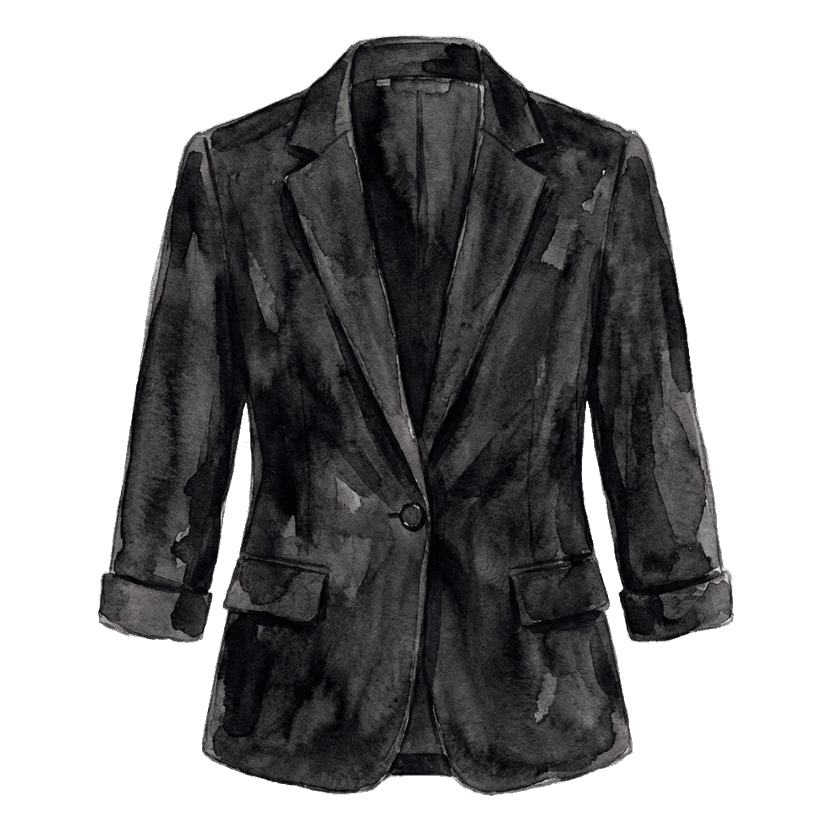 05Black structured blazer
The interview blazer. Structured shoulders read polished; black sides into every other neutral; meets the LinkedIn Learning definition of 'business-casual layer required'.
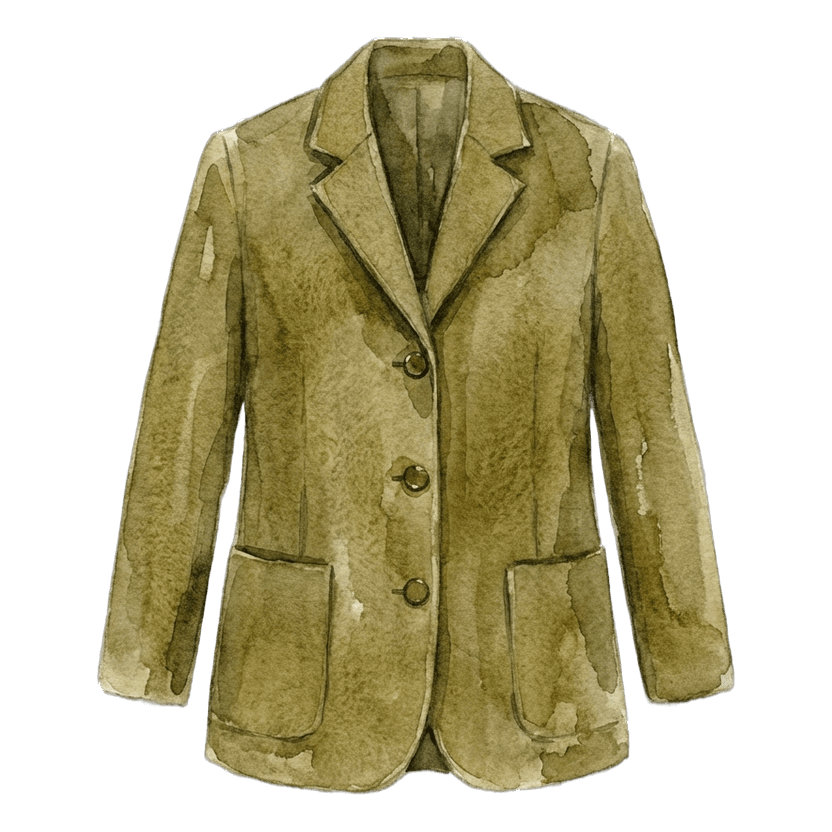 06Olive green wool blazer
The softer second blazer. Olive softens where black sharpens; pairs especially well with the chunky knit and the dark wool trousers for fall-into-winter business-casual events.
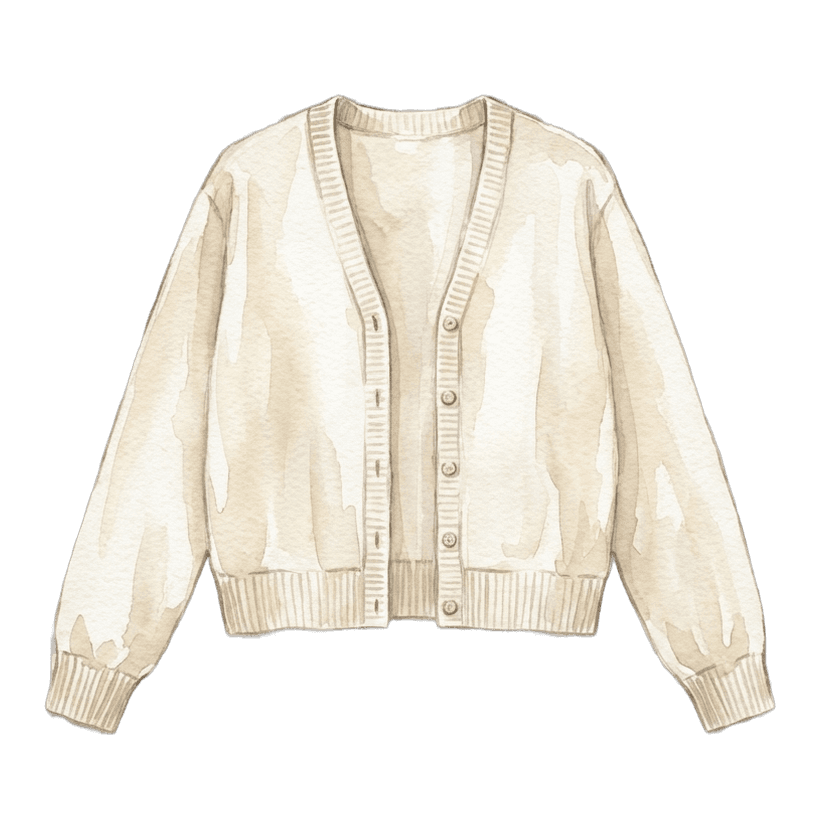 07Cream knit cardigan
The throw-on layer for transition seasons. Folds into a tote between business-casual events; layers under either blazer when the temperature drops; reads soft-business-casual at coffee meetings where a blazer would read over-prepared.
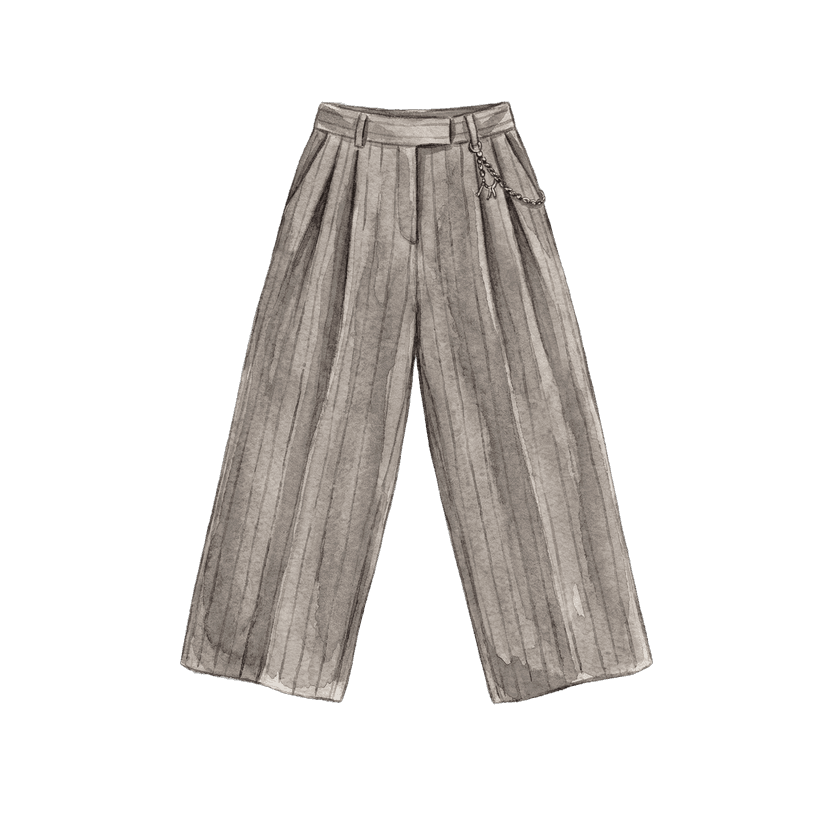 08Wide-leg pleated trousers (heathered gray-taupe)
The smartest bottom. Wool-blend pleated wide-leg dresses up the cami, the white shirt, or the turtleneck; heathered gray-taupe is the cool neutral that pairs with both blazers without competing.
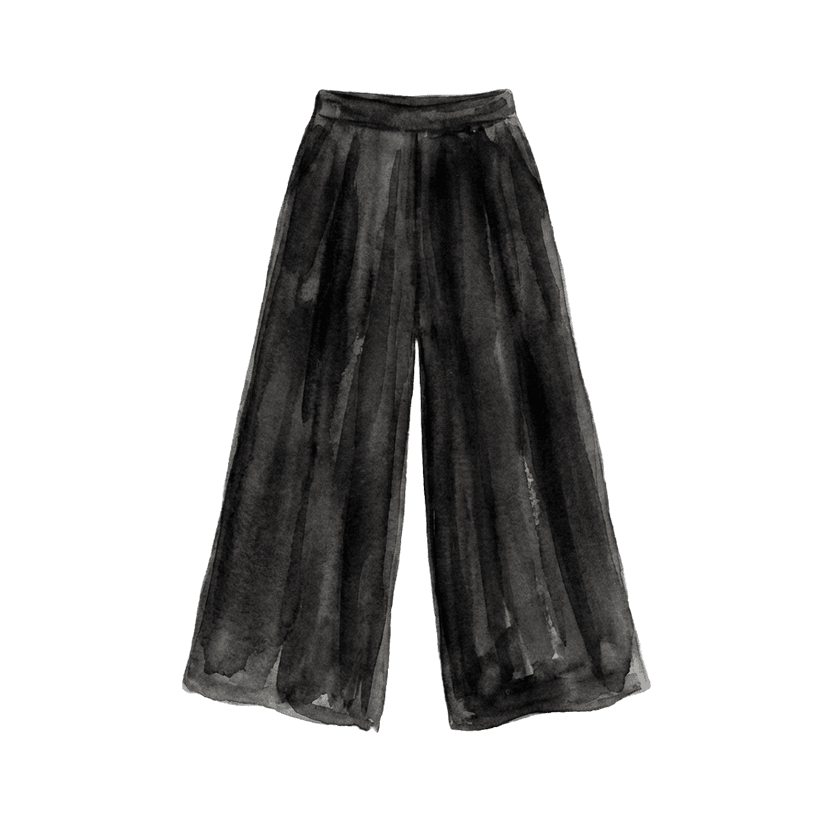 09Black wide-leg trousers
The strict-business-casual bottom. Black wide-leg holds against every top and either blazer; reads polished without an iron in a way grey trousers don't. The bottom you wear to a strict-business-casual interview.
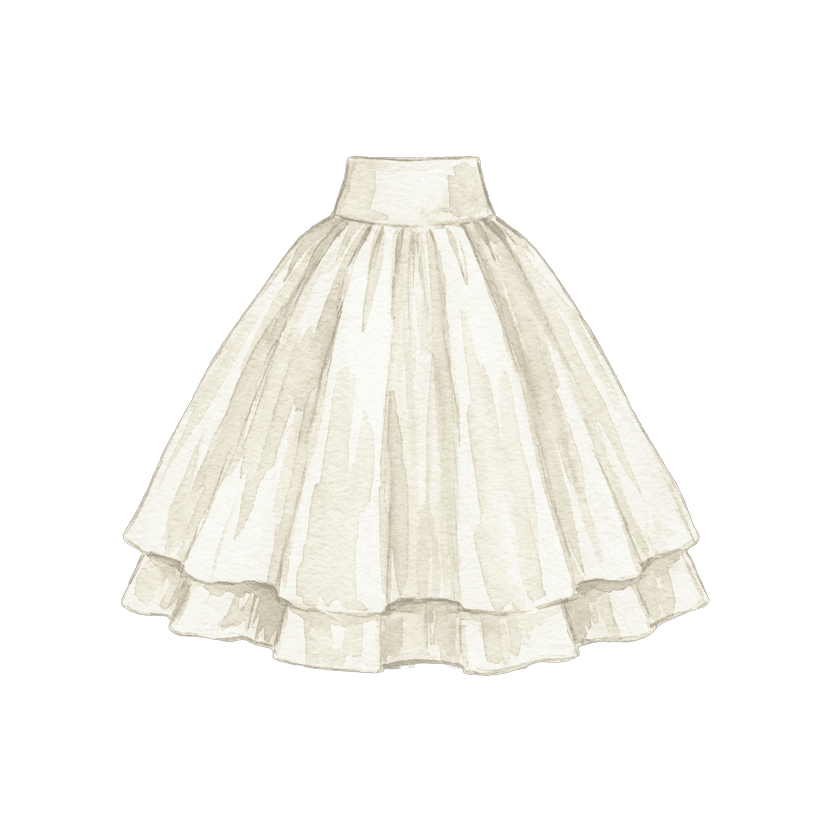 10Ivory voluminous midi skirt
The skirt that crosses business-casual contexts. With a tucked turtleneck and ankle boots, it's a casual-conference outfit; with the cami and a low-heel pump, it's a networking-evening look. The dressier alternative to a third trouser.
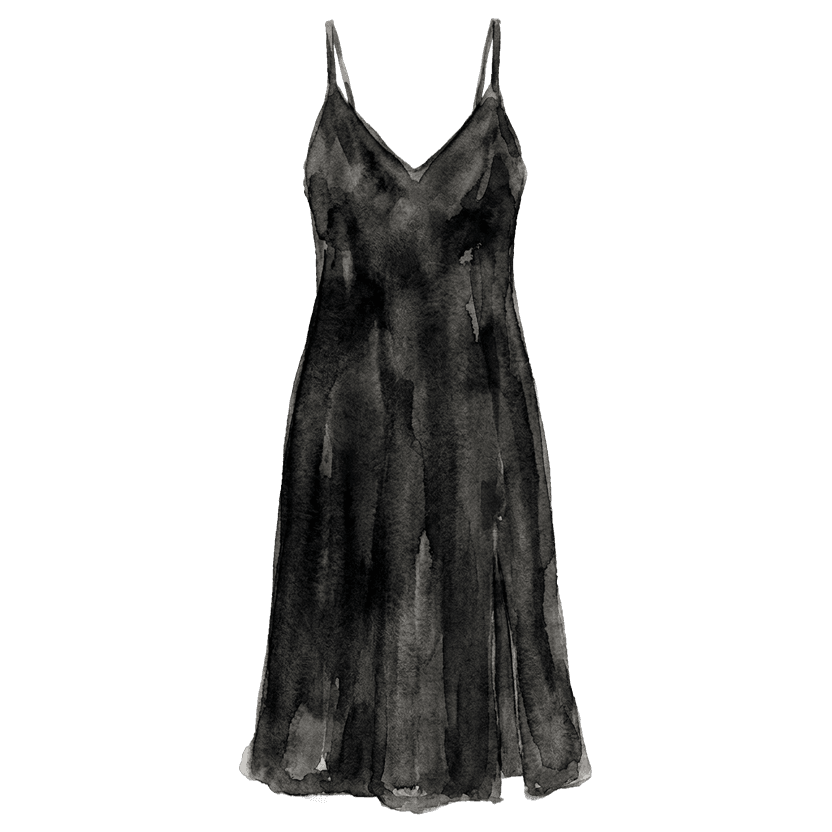 11Black midi slip dress
The 3-job dress. With the black blazer it's an interview; with the olive blazer it's a networking dinner; alone with a cardigan it's a casual-Friday business-casual day at a tech-adjacent office.
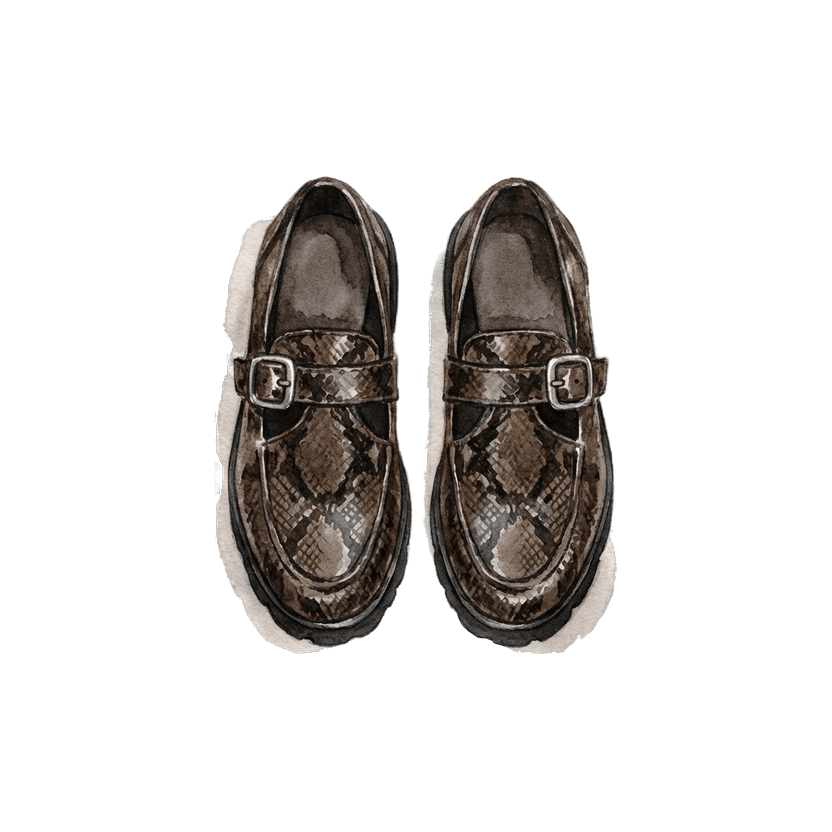 12Dark brown leather loafers
The year-round business-casual workhorse. Loafers clear the casual end of business-casual without crossing into sneakers; dark brown sides into every neutral and either blazer.
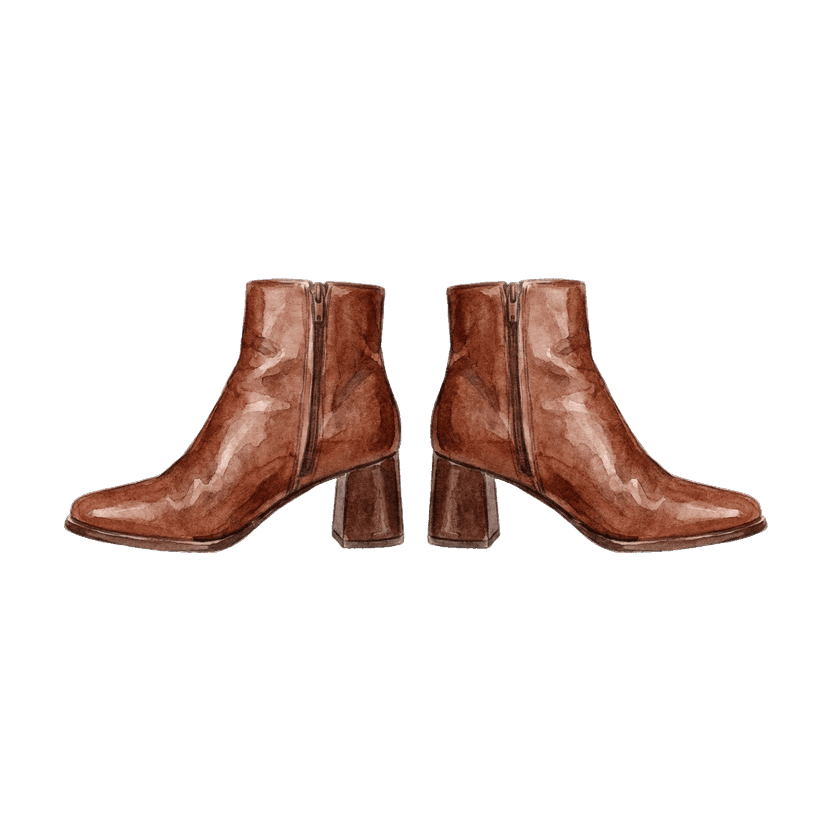 13Cognac leather ankle boots
The fall-winter business-casual shoe. Cognac sides into both blazers and the warm-neutral palette; ankle-height keeps it season-flexible. The shoe that elevates the chunky knit + jeans-equivalent (the wool trousers) on cold-morning commute days.
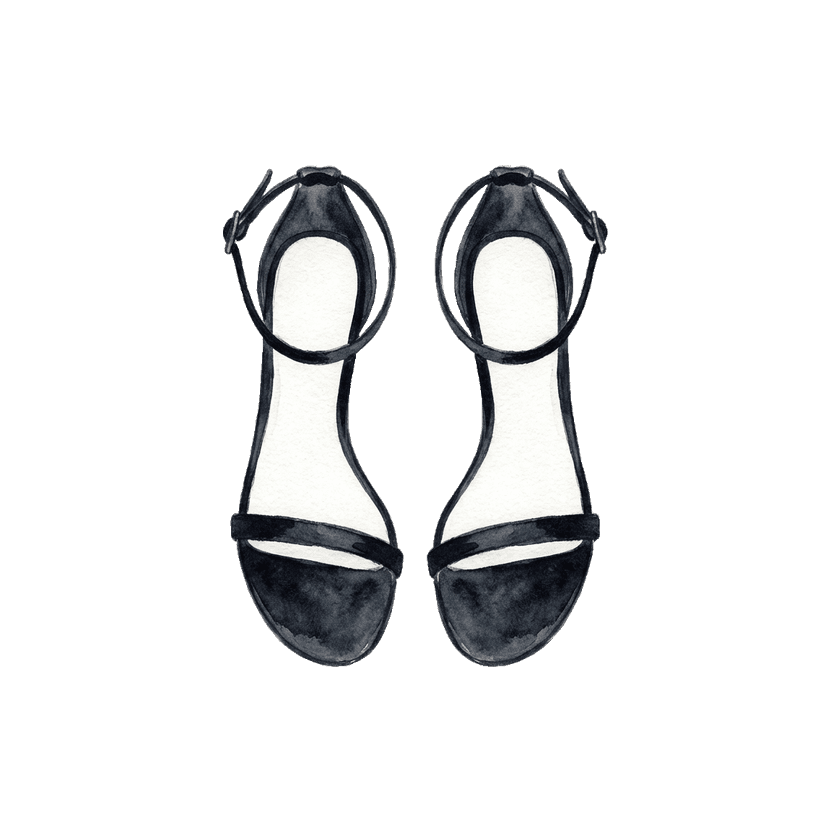 14Black strappy heeled sandals
The networking-event-and-occasional-evening shoe. Block-heel-equivalent, not stiletto: business casual specifically excludes stilettos. The strappy flat works for May-October networking dinners and outdoor receptions.
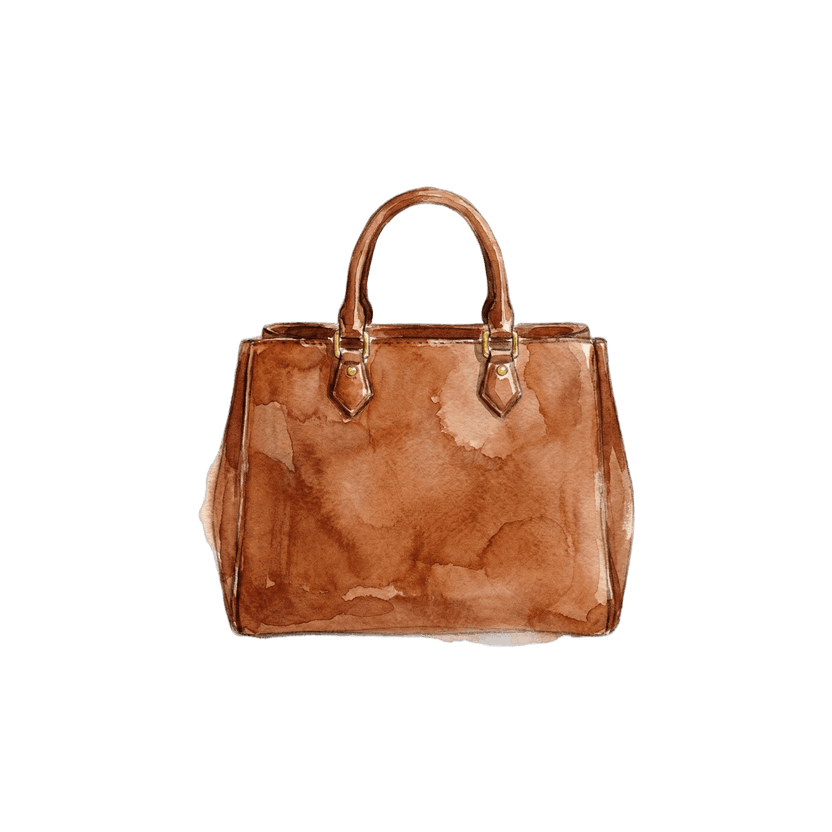 15Cognac structured leather bag
The year-round business-casual bag. Structured holds shape on a conference-room table; cognac threads with the boots and pulls the camel-and-warm-neutral lineage into accessory conversation. The single bag, all year.
30 outfits, 15 pieces
How 30 comes from 15: start with the 6 anchored hooks below, then rotate the capsule's compatible layers, shoes, proportions, and dress-code registers around them. The count is not raw permutation math; every swap still has to keep the silhouette, weather, and occasion intentional.
- 01Office day · soft-business-casual
Hybrid office, 9-5, lunch out. Cami + cardigan + wool trousers + loafers reads the softer end of business-casual; clears most modern-office dress codes.
- White ruched cami top
- Cream knit cardigan
- Wide-leg pleated trousers
- Dark brown leather loafers
- Cognac structured leather bag
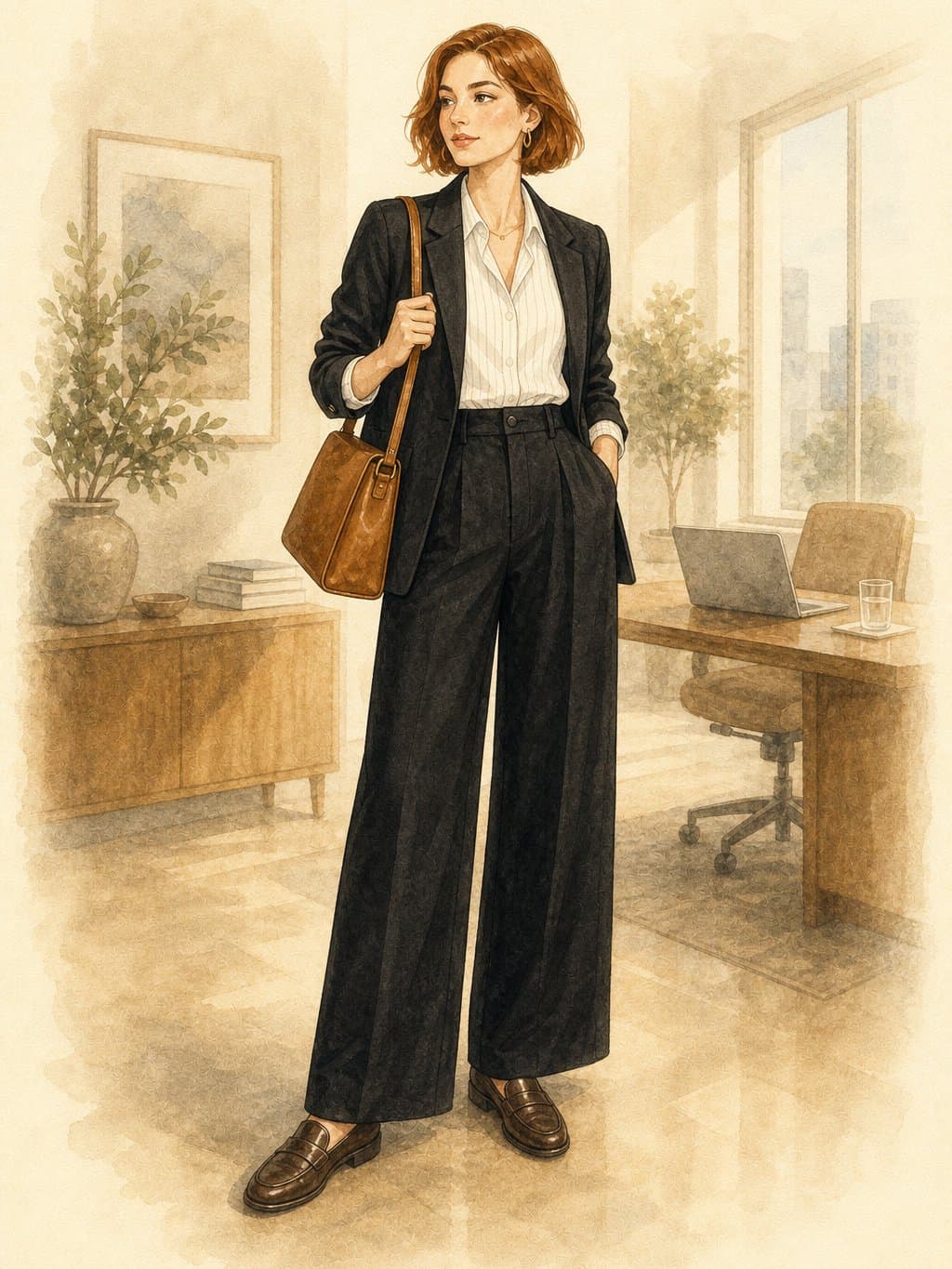
- 02Interview · polished
10am interview at a finance-adjacent firm. The Indeed-cited business-casual standard: shirt + structured blazer + trousers + closed shoes.
- White pinstripe linen shirt
- Black structured blazer
- Black wide-leg trousers
- Dark brown leather loafers
- Cognac structured leather bag
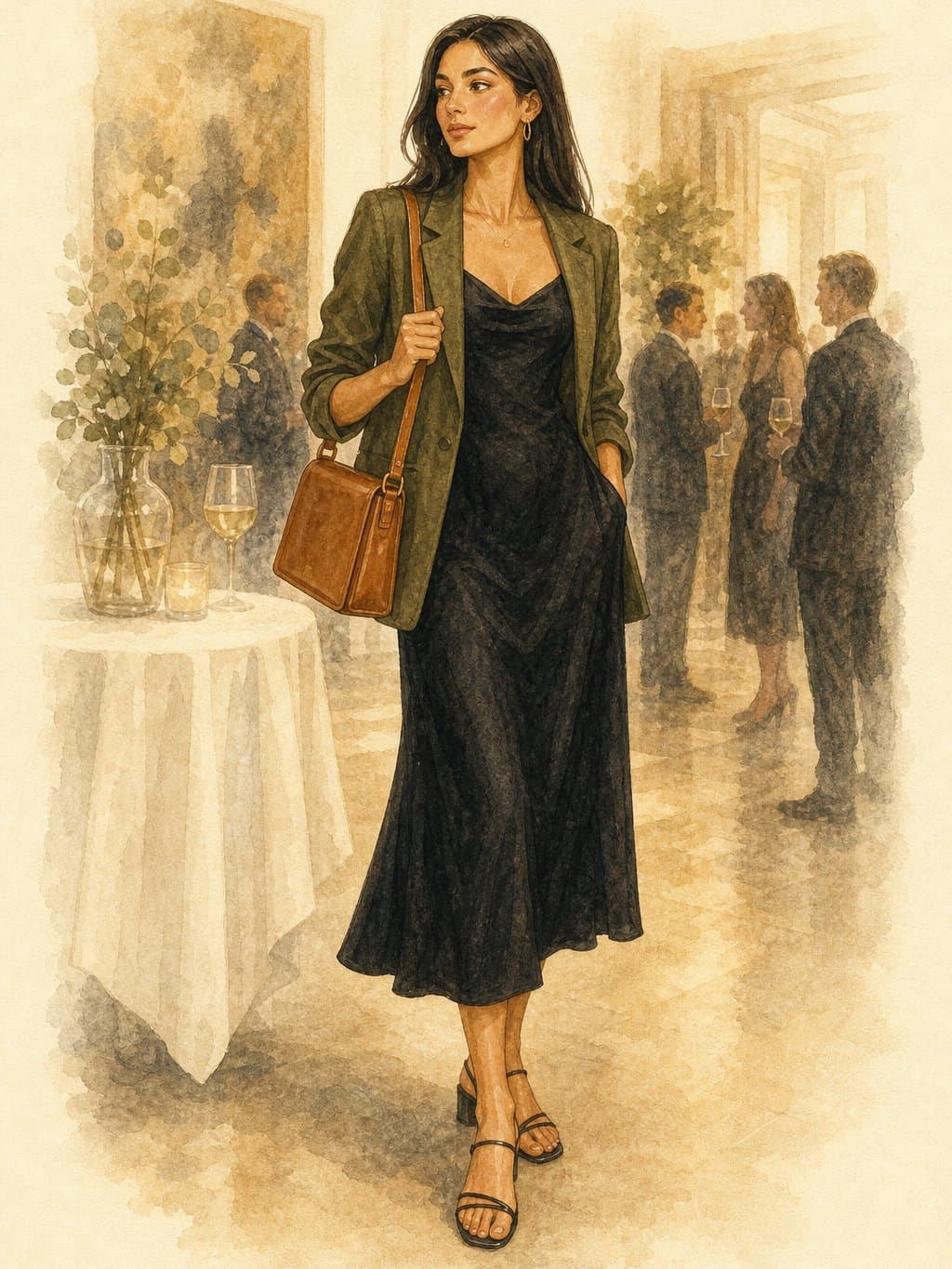
- 03Networking event · evening
Conference reception at 6pm. Slip dress under olive blazer is the dressed-up-business-casual register; block-heel sandals clear the dress code (stilettos don't).
- Black midi slip dress
- Olive green wool blazer
- Black strappy heeled sandals
- Cognac structured leather bag
- 04Casual-Friday business-casual
Hybrid Friday, 9-3, then drinks. Chunky knit + wool trousers + ankle boots is the relaxed business-casual register; clears tech and creative offices.
- Cream chunky knit sweater
- Wide-leg pleated trousers
- Cognac leather ankle boots
- Cognac structured leather bag
- 05Conference day
Three sessions, two coffee breaks, one networking lunch. Turtleneck + blazer + midi skirt + loafers handles the long stand-and-walk hours plus the panel-photo standard.
- Black turtleneck sweater
- Olive green wool blazer
- Ivory voluminous midi skirt
- Dark brown leather loafers
- Cognac structured leather bag
- 06Smart-casual coffee
Client coffee at 4pm in a casual-conference setting. Cami + blazer + trousers + ankle boots reads prepared without crossing into formal-office register.
- White ruched cami top
- Black structured blazer
- Wide-leg pleated trousers
- Cognac leather ankle boots
- Cognac structured leather bag
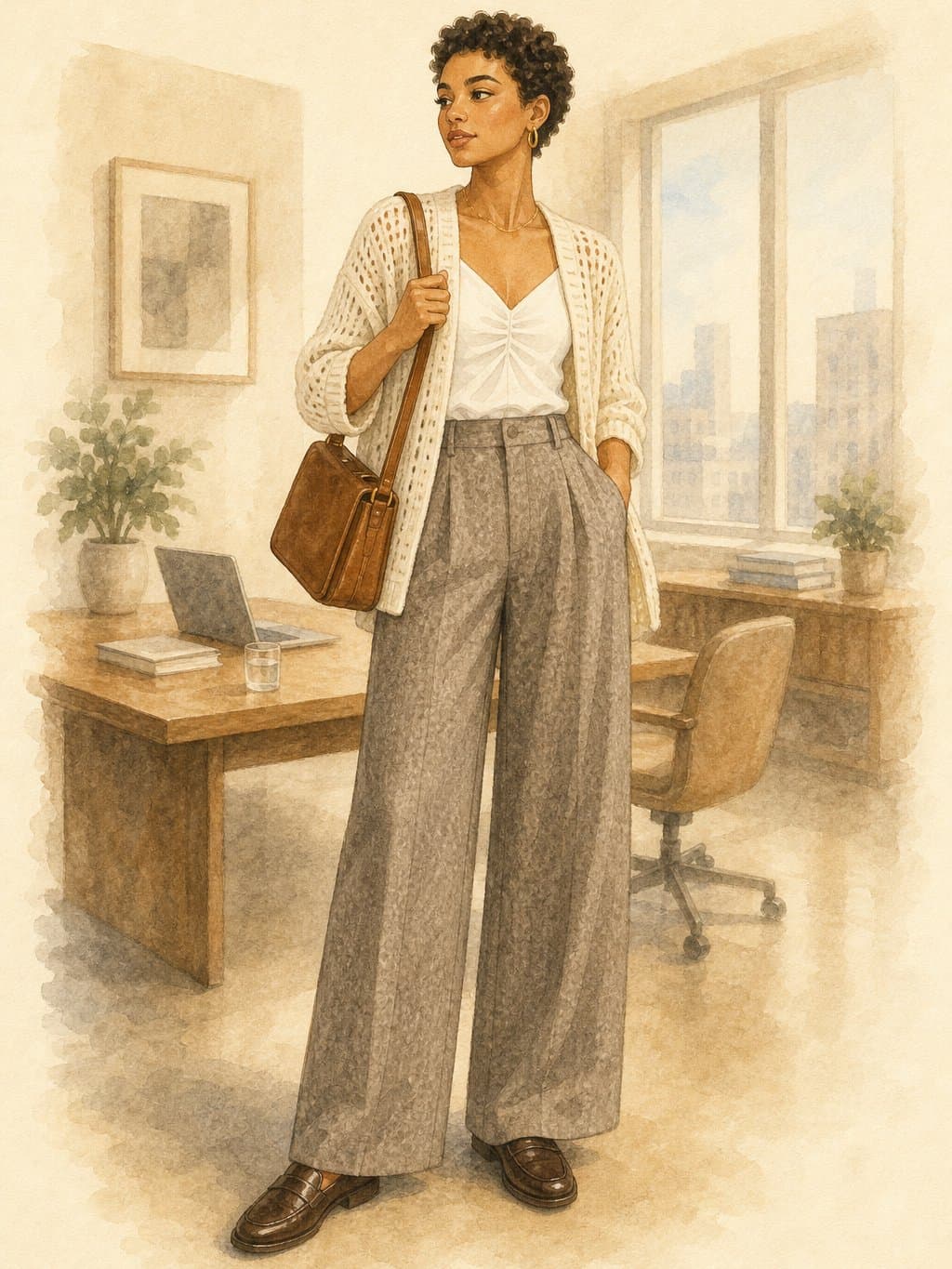
Three looks, illustrated
3 of the 6 anchored hooks above, drawn out so the silhouette is unambiguous.
Build it in 8 steps
- 01Identify the business-casual register your office actually requires. Indeed, LinkedIn Learning, and Coursera all converge on the same definition: no suit required, but no denim or sneakers either; structured layering mandatory.
- 02Pick four tops in different weights. A cami (lightest base), a smart white shirt, a fine turtleneck, and a chunky knit. Four weights handle every business-casual context from June interview to January conference.
- 03Pick three bottoms in different registers. Heathered grey wool wide-leg (smartest), black wide-leg (strict-interview), and an ivory or warm-neutral midi skirt (the third-bottom alternative to a third trouser).
- 04Pick two blazers in different colours. Black structured (the interview blazer) and olive or charcoal wool (the softer second blazer). Two blazers double the outfit count from your base tops + bottoms.
- 05Add one cardigan for transition seasons. Cream knit reads soft-business-casual at coffee meetings where a blazer would read over-prepared; layers under either blazer when the temperature drops.
- 06Add one slip dress for the dressy register. Black slip with a blazer covers networking events; alone with a cardigan it covers softer business-casual days at tech-adjacent offices.
- 07Pick three shoes: loafers (year-round business-casual workhorse), cognac ankle boots (fall-winter), and one block-heel sandal or low-heel pump for May-October networking events. Skip stilettos and skip sneakers; both fail the dress code.
- 08Add one structured leather bag. Cognac threads with the boots and either blazer; structured holds shape on a conference table; year-round, no rotation.
What to avoid
- Skip the dark jeans. Indeed and LinkedIn Learning are explicit: denim fails business casual, regardless of wash.
- Skip the sneakers. Loafers are the casual-end shoe; sneakers belong to smart-casual or WFH.
- Skip the stilettos. Block-heel and low-heel pumps clear; stilettos read formal-evening, breaking the rule.
- Skip the matching cardigan-and-shell knit set. Twin-set styling reads dated; a separate cardigan and a separate base layer reads contemporary.
- Skip the third blazer in a third colour. Two distinct blazer registers (warm + cool) cover every business-casual context; a third splits the slot without adding outfits.
Frequently asked questions
Business casual is a specific DRESS-CODE REGISTER (no suit, no jeans, no sneakers, structured layer required). The 12-piece work capsule covers every modern office register, from strict-business through casual-Friday, in 12 pieces. The 15-piece business-casual capsule specifically codifies the business-casual rules in pieces. The 12-piece work capsule pieces could be styled as business casual, but this 15-piece capsule eliminates the ambiguity by including only business-casual-compliant pieces (no jeans, no sneakers).
Indeed's workplace-etiquette guide, LinkedIn Learning's modern-dress-code curriculum, and Coursera's Business Communication materials all explicitly exclude denim from business casual, regardless of wash. The visual signal of denim still reads casual in a way wool trousers don't, even when the cut is identical. If your office allows dark wash jeans on Fridays, you're working in a smart-casual environment, not a business-casual one. The two are different dress codes.
Loafers (year-round), ankle boots (fall-winter), and block-heel or low-heel pumps for evening events. Sneakers fail the casual-end definition (they cross into smart-casual or WFH), and stilettos fail the casual-end definition (they cross into formal-evening). The middle band, closed-toe leather shoes with a structured silhouette, is the business-casual shoe definition.
Yes, with the right styling. An ivory or neutral midi skirt with a structured blazer, a tucked smart shirt, and closed-toe loafers or low-heel pumps clears business-casual interview standards. Avoid: minis, anything with a slit higher than the knee, anything in a casual fabric (no denim midi, no jersey). The Wonder Wardrobe and Wardrobe Oxygen guidance on this is consistent with Coursera's interview-prep materials: midi skirts work in conservative business-casual environments when the rest of the styling is clean.
Three differences. Piece count: 15 vs 12. The business-casual capsule adds the chunky knit (softer register), a midi skirt (the third-bottom alternative), and a block-heel sandal (the event shoe), but removes the dark jeans the work capsule includes for casual Friday. Register: the work capsule covers strict-business through casual-Friday; this business-casual capsule excludes both ends (no suit-equivalent strict-business pieces, no jeans). Anchor: the work capsule cites Donna Karan; this business-casual capsule cites Indeed + LinkedIn Learning + Coursera dress-code consensus.