The Postpartum Capsule Wardrobe10 Nursing-Friendly Pieces for the First Six Months
Babylist + Motherly's framework, sized for a body in transition.
Ten pieces, all nursing-friendly. Six months of dressing without rebuying when the body shifts.
- Pick pieces with nursing access: button-front shirts, slip dresses with pull-down straps, camis worn under lifted cardigans
- Buy in the size that fits today, not the size you hope to be in six weeks. Latham Thomas writes about this in 'Mama Glow' (2017)
- Skew toward soft fabrics. Tender skin and stitches don't tolerate stiff seams or scratchy wool
- Pick pieces you can put on with one hand. Pull-on, slip-on, no zippers at the back
- Add one bag that fits the diaper essentials but reads like an adult bag. Babylist recommends a structured leather shoulder bag, not a diaper bag, for outings
- include pre-pregnancy pieces aspirationally. Your body in month two is a different shape, and the closet should fit the body, per Hello Postpartum's editorial guidance
- buy a wedding-guest dress for one event. Special-occasion wear is a separate small capsule, not a slot in the working ten
- pack 100% cotton tees in three colours. Cotton holds milk leaks and dries slowly through the inevitable 4am laundry; favour merino-cotton blends
- skip the slip dress. With a cardigan over it's nursing-friendly, comfortable, and reads put-together for the rare day you leave the house with intention
Babylist's "Why You Need a Postpartum Capsule Wardrobe" makes the case briefly: new mothers don't have decision-making bandwidth for a 30-piece rotation, and the body shifts unpredictably across the first six months. Motherly's "8 Pieces" guide and Hello Postpartum's nursing-capsule editorial converge on the same approach: pick a small set of nursing-friendly pieces, prioritise comfort over aspiration, and rebuild slowly. Latham Thomas, the postpartum doula and author of "Mama Glow" (Hay House, 2017), frames the same logic differently. The postpartum body is in active recovery, and the wardrobe is part of how you treat it. The ten below borrow that discipline. Three tops with nursing access (button-down, soft turtleneck-with-cami-underneath layering, chunky knit over cami). Two bottoms in different recovery registers (high-waist soft trouser for early recovery, dark jeans for the milestone day you wear them again). One slip dress for the sane and tidy day you want to feel human. One cardigan that throws on with one hand at 4am.
Buy clothes for the body you have today, not the body you hope to be in six weeks. The closet should fit your life, not the other way around.— After Latham Thomas, "Mama Glow" (Hay House, 2017), and Hello Postpartum's nursing-capsule editorial
The 10 pieces
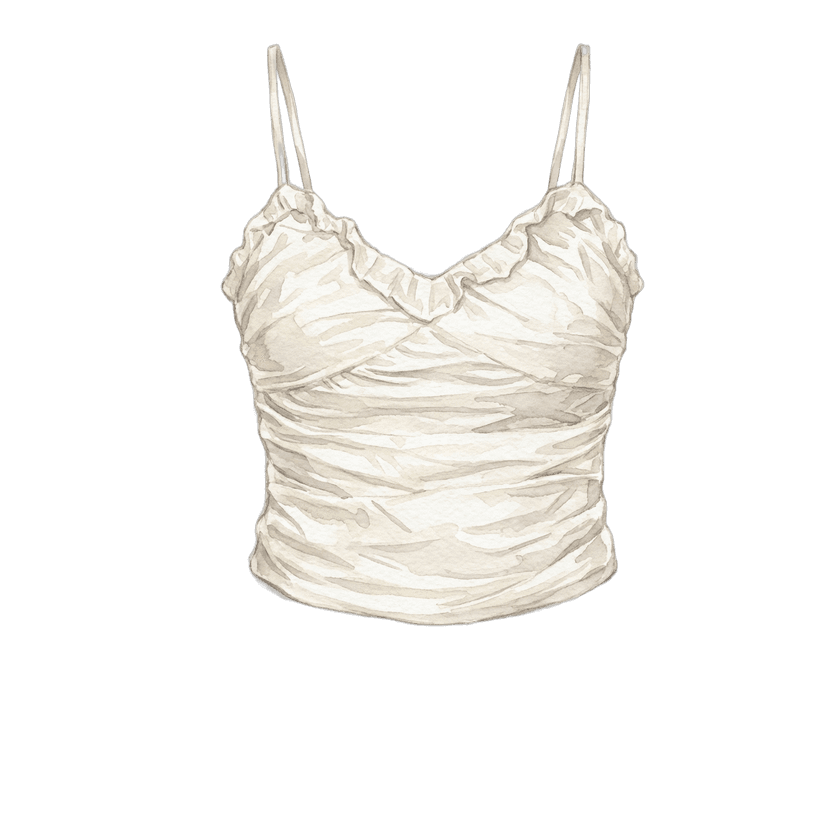 01White ruched cami top
The base layer with nursing access. Worn under the cardigan or chunky knit, the strap pulls down for feeding without a full top change. Soft cotton-blend; no underwire, no clasps to fight at 3am.
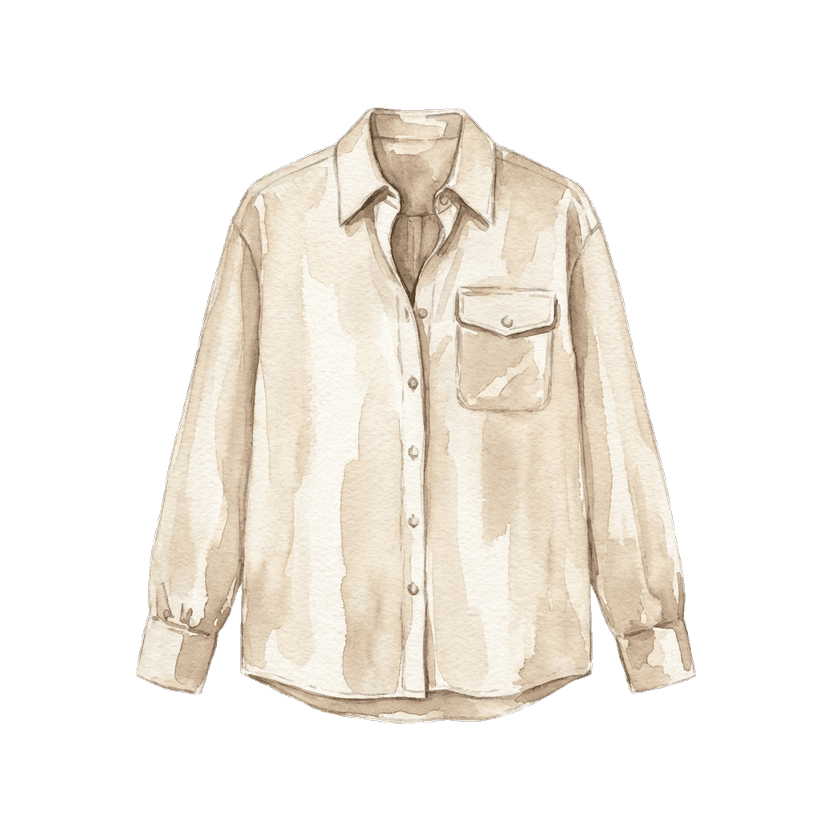 02Beige oversized button-down shirt
The button-front nursing top. Buttons unbutton to chest level for feeding without hassle; oversized cut hides the postpartum belly while it does its work. Beige is the most-flattering neutral on tired skin tones.
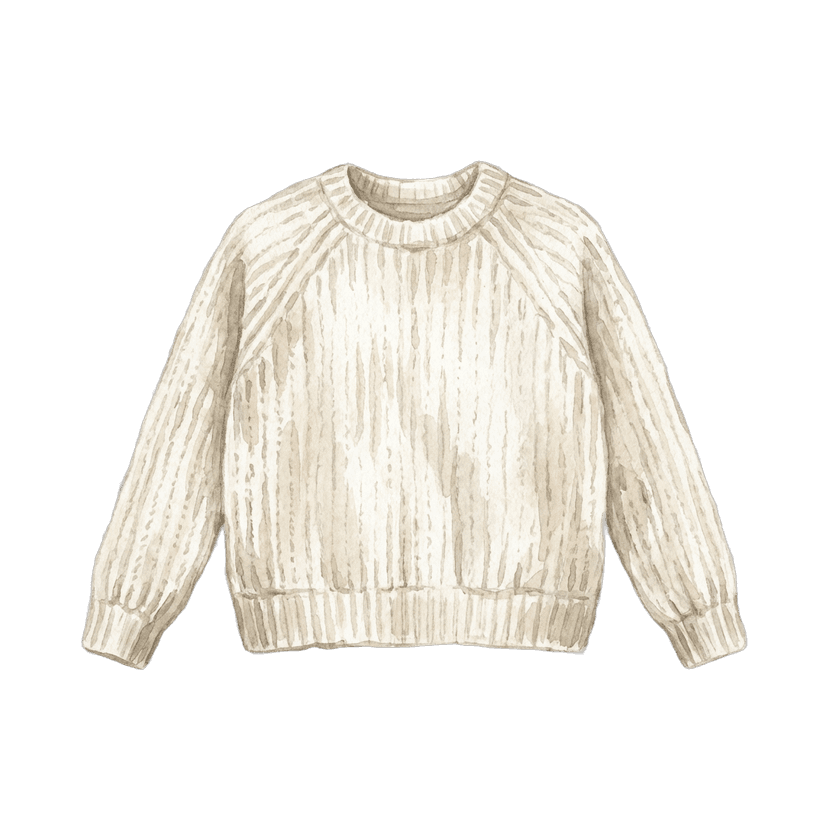 03Cream chunky knit sweater
The soft layer over the cami. Pulls up rather than off for nursing; oversized cut accommodates the body in the first three months without forcing a sizing decision. The most-worn top in the postpartum capsule.
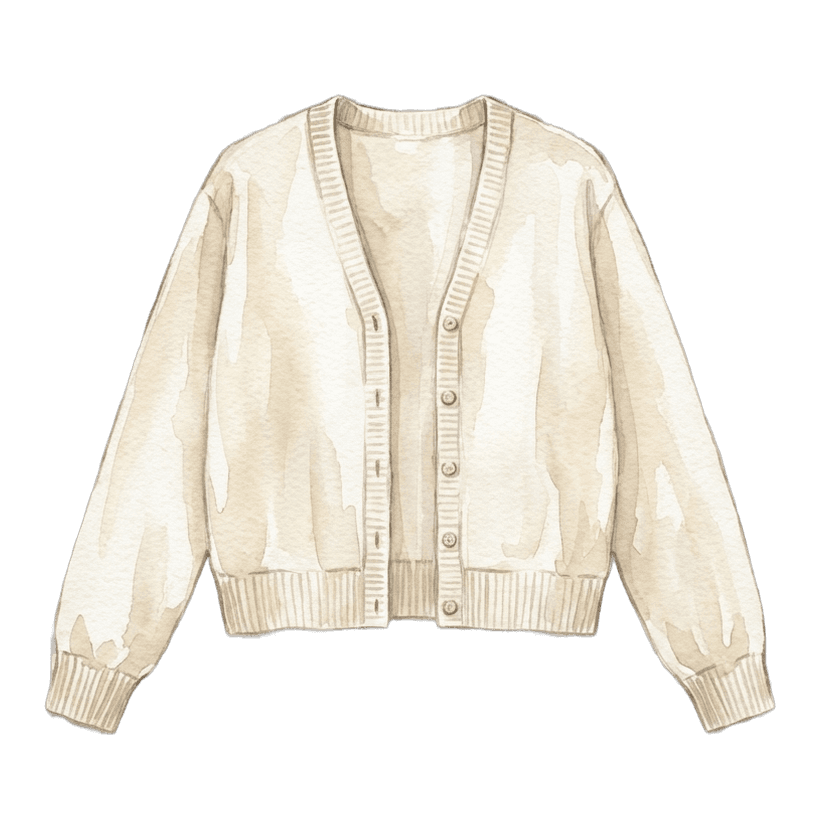 04Cream knit cardigan
The throw-on at 4am. One-handed on, layered over any base, soft against tender skin and stitches. Cream cardigan reads warm on photos with the baby; folds into the diaper bag without ceremony.
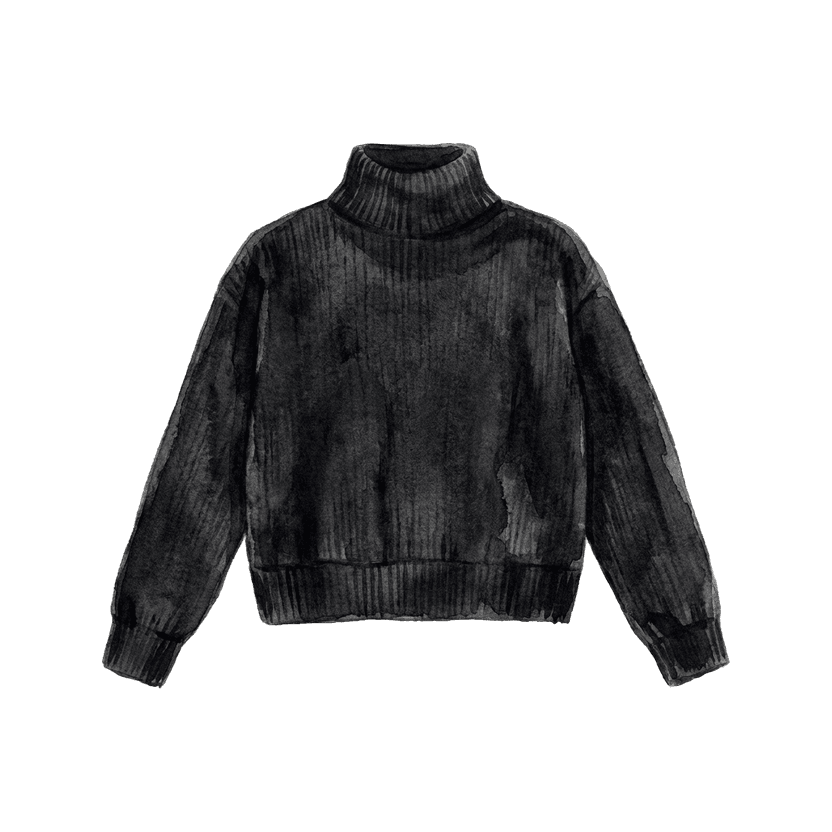 05Black turtleneck sweater (fine-gauge)
The presentable-day base. Fine-gauge knit reads put-together for a quick errand or pediatrician visit; pulls up for nursing in a parked car. Black hides spit-up and milk in a way light colours don't.
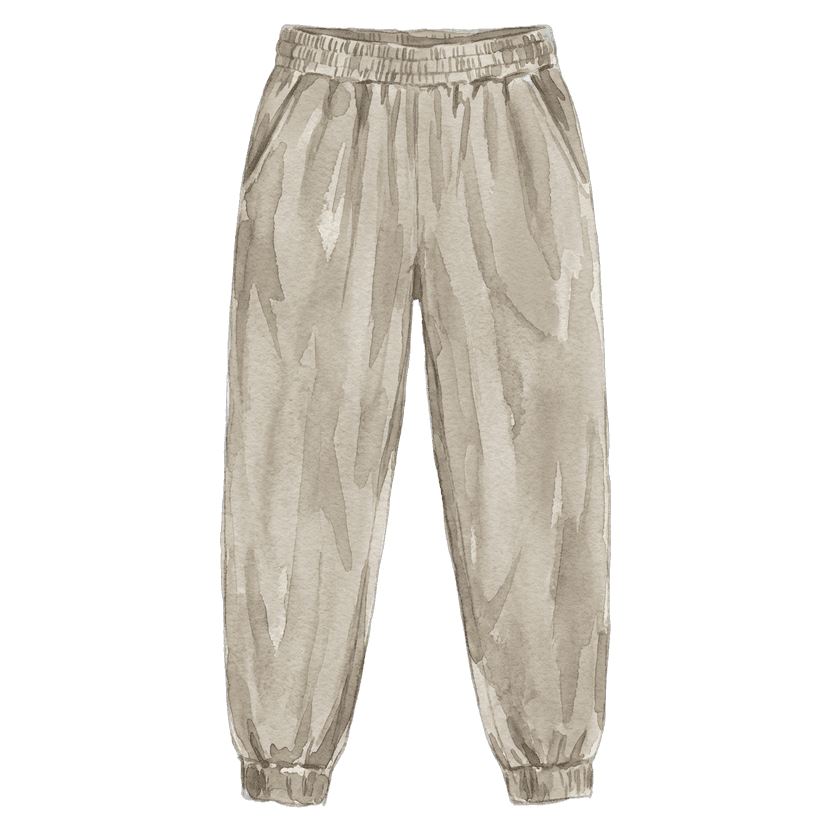 06Stone relaxed tapered trousers
The early-recovery bottom. Soft fabric, high-waist forgiving, pull-on closure (no zipper digging into c-section incision or vaginal-birth swelling). Reads dressed-but-comfortable; the most-worn bottom in months 0-3.
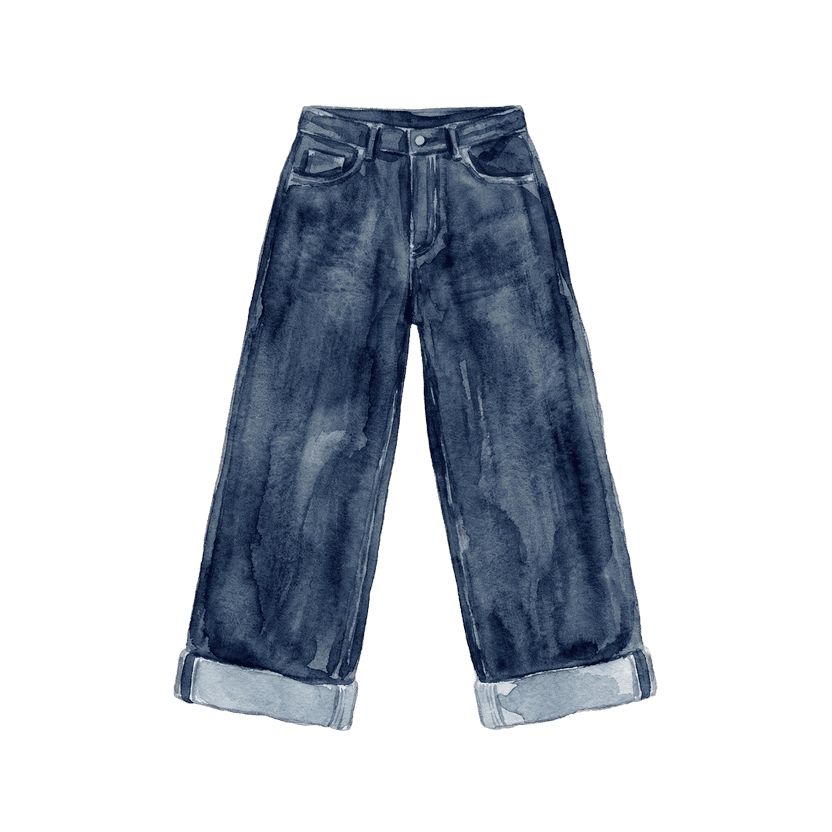 07Dark wash wide-leg jeans
The milestone-day bottom. The day you wear jeans again is a small landmark in postpartum recovery; dark wash holds against any top without fighting. Buy in the size that fits today, not the pre-pregnancy size.
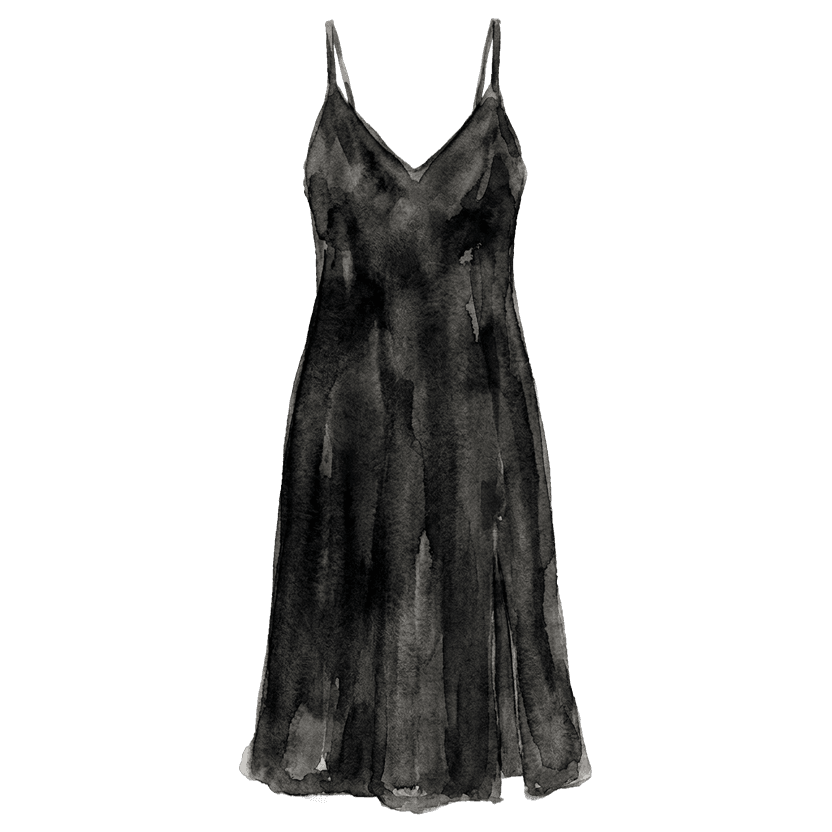 08Black midi slip dress
The one-and-done dress with nursing access. Straps pull down for feeding; the bias cut drapes over the post-pregnancy belly without clinging. Alone with sneakers it's a parent's day; with the cardigan it's a postpartum-checkup-followed-by-lunch day.
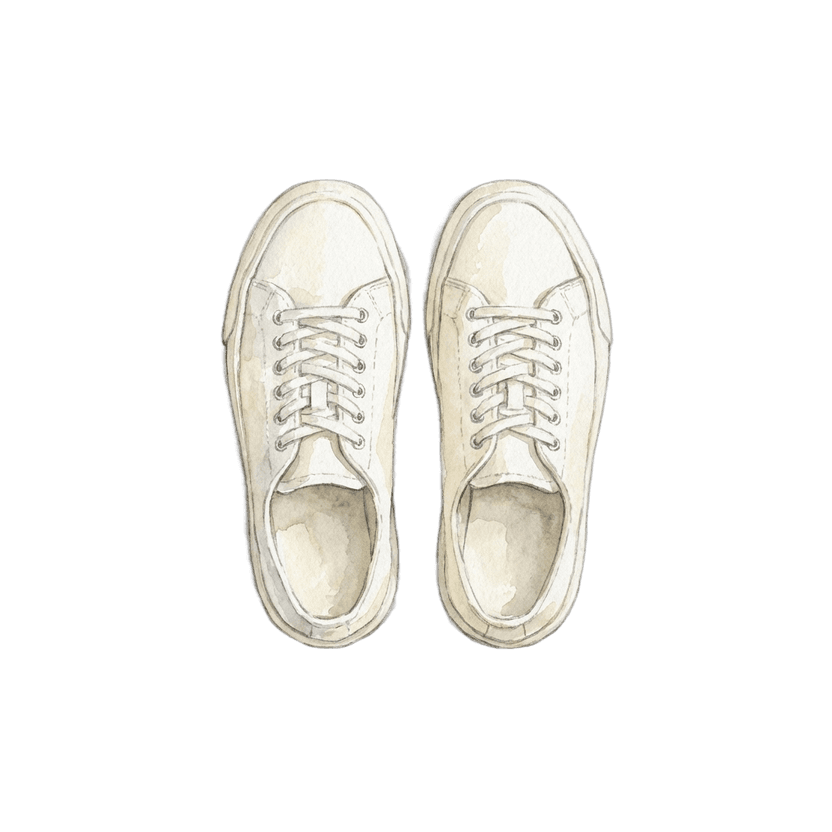 09White low-top sneakers
The shoe of the postpartum era. Pushes the stroller, walks the dog, makes the pediatric appointment. Cream-leaning white reads soft against the sleep-deprived complexion; flat and supportive enough for swollen postpartum feet.
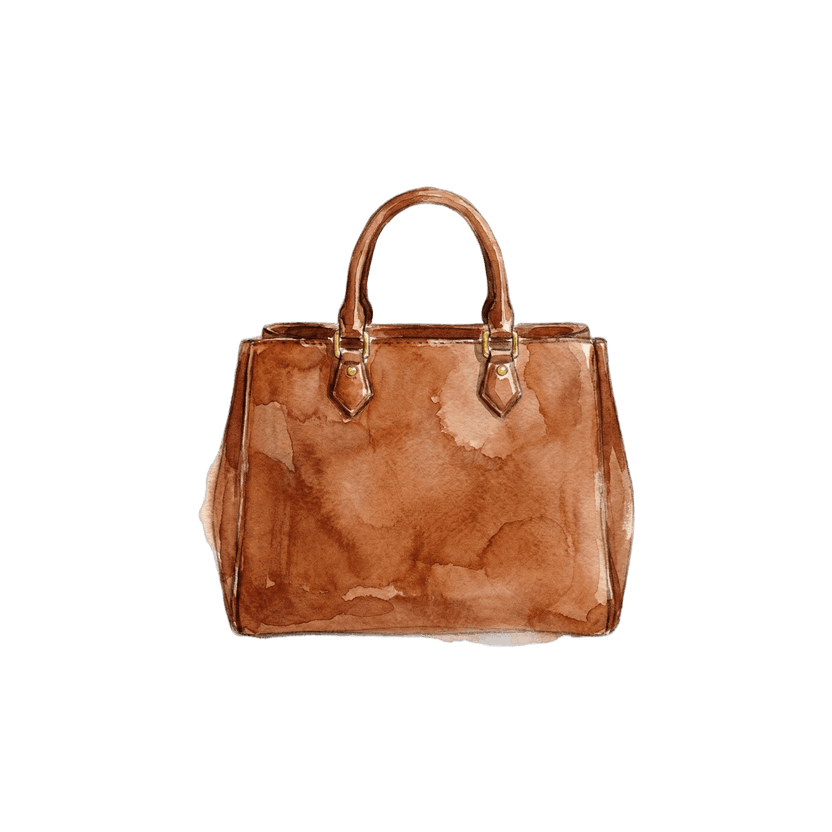 10Cognac structured leather bag
The diaper-essentials bag that doesn't read like a diaper bag. Structured holds shape so it doesn't sag with the contents (diapers, wipes, change of clothes, snacks); cognac threads with any of the tops. Babylist's specific recommendation: a leather shoulder bag earns its slot when it works for both the baby and the parent.
12 outfits, 10 pieces
How 12 comes from 10: start with the 6 anchored hooks below, then rotate the capsule's compatible layers, shoes, proportions, and dress-code registers around them. The count is not raw permutation math; every swap still has to keep the silhouette, weather, and occasion intentional.
- 01Newborn home day
Day 5 home from hospital. Cami + cardigan = one-handed nursing access; soft trousers don't press the c-section incision; sneakers for the brief porch step.
- White ruched cami top
- Cream knit cardigan
- Stone relaxed tapered trousers
- White low-top sneakers
- 02Pediatrician appointment
First two-week visit. Button-front shirt allows in-office nursing without a full undress; the bag holds the diaper essentials without screaming new-parent.
- Beige oversized button-down shirt
- Stone relaxed tapered trousers
- White low-top sneakers
- Cognac structured leather bag
- 03Cool-day errand
Five-week post-birth pharmacy run, 12°C / 54°F. Chunky knit pulls up for stroller-side nursing; the cami underneath stays put.
- White ruched cami top
- Cream chunky knit sweater
- Stone relaxed tapered trousers
- White low-top sneakers
- Cognac structured leather bag
- 04Milestone day · jeans return
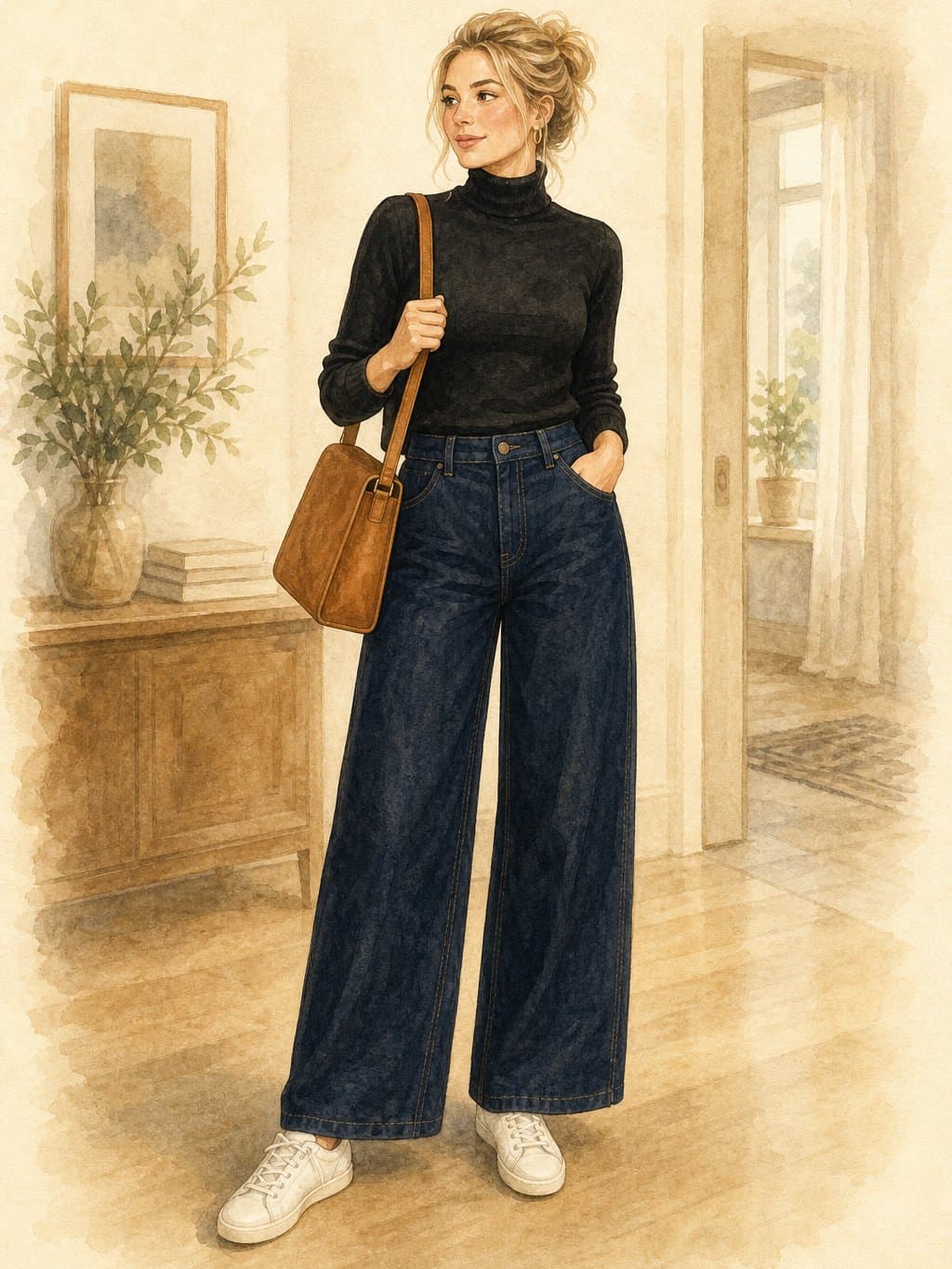
Six-to-eight-week postpartum, body settling. The first day in jeans again: turtleneck for nursing-pull-up access; dark jeans for the visual reset.
- Black turtleneck sweater
- Dark wash wide-leg jeans
- White low-top sneakers
- Cognac structured leather bag
- 05Postpartum lunch out
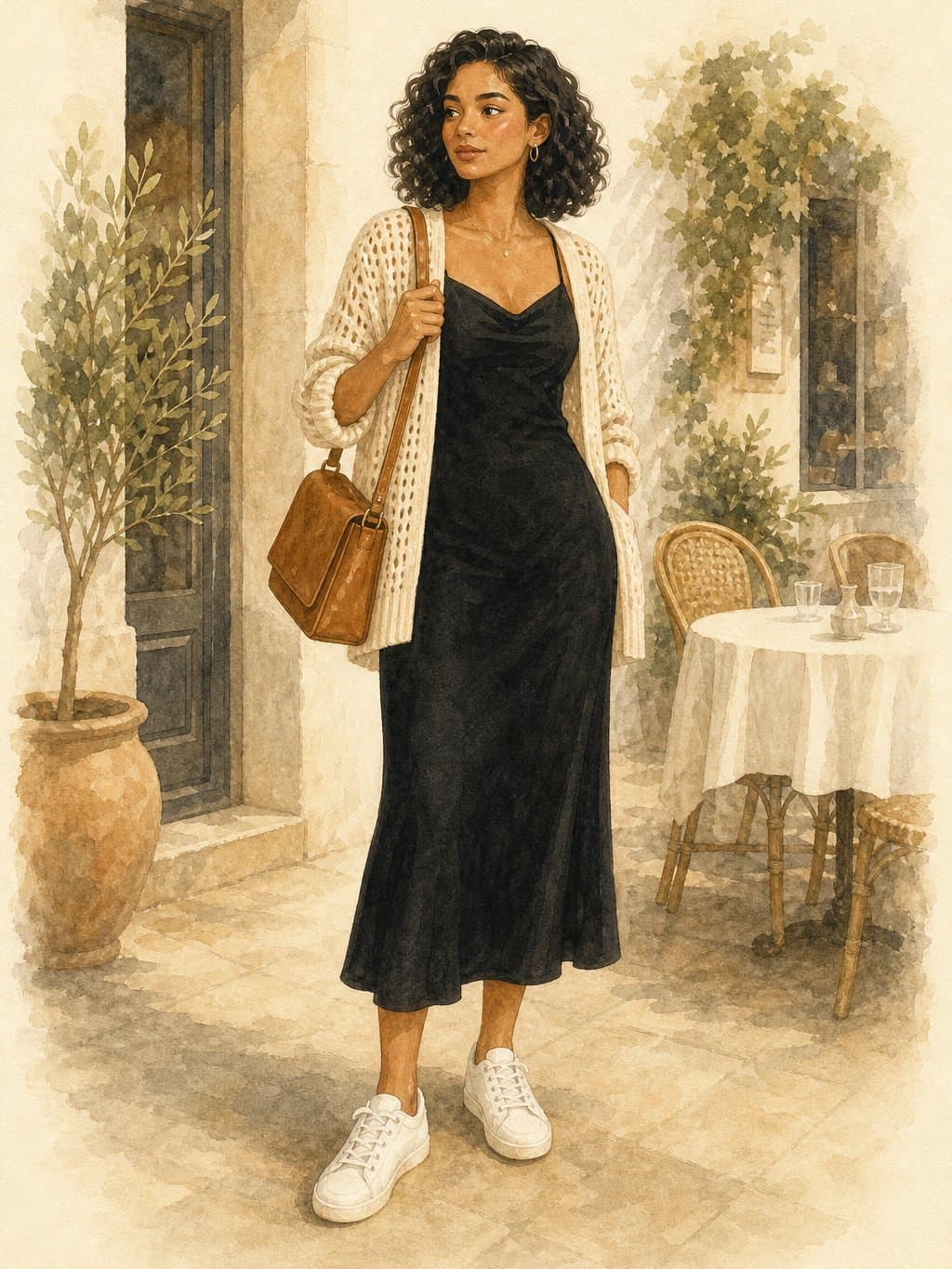
Three-month visit, friends meeting the baby for the first time. Slip dress with cardigan reads put-together; nursing access stays via the strap and the cardigan layer.
- Black midi slip dress
- Cream knit cardigan
- White low-top sneakers
- Cognac structured leather bag
- 06Cold-day home
Six-week-old, snowy afternoon, 0°C / 32°F outside, 19°C / 66°F inside. Three soft layers handle every cuddle, feed, and tummy-time without changing.
- White ruched cami top
- Cream chunky knit sweater
- Cream knit cardigan
- Stone relaxed tapered trousers
Three looks, illustrated
3 of the 6 anchored hooks above, drawn out so the silhouette is unambiguous.

Build it in 8 steps
- 01Pick a soft palette. Cream, stone, beige, black, and cognac is the version above. Soft neutrals are forgiving on photos with the baby and don't fight the postpartum complexion.
- 02Pick three nursing-friendly tops. A cami (worn under layers, strap pulls down), a button-front shirt (button access), and a chunky knit (pulls up over the cami). Three weights handle every interior temperature.
- 03Add a cardigan and a fine turtleneck. The cardigan is the throw-on at 4am; the turtleneck is the put-together base for the rare day out.
- 04Pick two bottoms in different recovery registers. Stone relaxed tapered trousers for early recovery (pull-on, high-waist forgiving); dark wash jeans for the milestone day you wear them again. Buy both in the size that fits today, not the pre-pregnancy size.
- 05Pick one nursing-friendly dress. Black slip is the most flexible: bias cut drapes over the postpartum belly, straps pull down for feeding, dresses up with a cardigan for lunch out.
- 06Pick one shoe. White leather low-top sneakers are the postpartum-era default; soft enough for swollen feet, supportive enough for stroller walks. Skip heels and skip slides; you'll never wear them.
- 07Add one bag that doesn't read 'diaper bag'. Babylist recommends a structured leather shoulder bag in cognac or warm brown; it holds the essentials and reads like adult clothing.
- 08Build slowly. Latham Thomas's framework in "Mama Glow" (2017) is to add pieces as the body shifts and your routine settles, not all at once on day three when you order four pieces from Amazon at midnight.
What to avoid
- Skip the aspirational pre-pregnancy size. Hello Postpartum's editorial: buy for the body you have today.
- Skip the single-event dress. Special-occasion wear lives outside the working ten; one wedding doesn't earn a slot.
- Skip 100% cotton everything. Merino-cotton or modal blends dry overnight; cotton holds milk and takes two days.
- Skip zippers at the back. One-handed dressing is the postpartum-era priority; pull-on, slip-on, button-front only.
- Skip heels for the first six months. Swollen feet, sleep deprivation, and walking surfaces (kitchen tile, hospital corridors) all argue for flats.
Frequently asked questions
Maternity is the pregnancy phase (months -9 to 0); postpartum is the recovery phase (months 0 to 6+). Maternity wardrobes accommodate a growing belly; postpartum wardrobes accommodate a body in active recovery, nursing access, and unpredictable shifting. The ten below are explicitly postpartum: every piece allows nursing access, every fabric is soft enough for tender skin and stitches, every bottom is pull-on or zipper-free for c-section recovery. A maternity capsule would prioritise stretch panels and ruching at the belly; a postpartum capsule prioritises layering and access.
Late pregnancy, around weeks 32-36. Babylist's guidance is to have the postpartum capsule ready before the baby arrives, partly because new parents don't have shopping bandwidth in the first six weeks, and partly because the soft, nursing-friendly pieces are the same pieces that work for late-pregnancy comfort. The exception: shoes. Wait until the swelling resolves (typically 2-4 weeks postpartum) before buying anything other than soft slip-ons.
If you're nursing or pumping, yes, across the first six months at minimum. Hello Postpartum's editorial repeatedly emphasises the practical math: feeding 8-12 times a day in the first month means dressing for nursing access in nearly every outfit. The three nursing-access patterns are: pull-down strap (cami, slip dress); button-front (button-down shirt, button-front blouse); or lifted-from-under-a-layer (cami under cardigan, cami under chunky knit). The ten below cover all three patterns; if you're not nursing, swap the most pure-nursing piece (the button-down) for a smarter alternative.
The size that fits today, in months 0-3. Latham Thomas writes about this directly in "Mama Glow" (Hay House, 2017): the postpartum body is in active recovery, and forcing a pre-pregnancy size on it shames the body for doing exactly what it should. The four-to-six-month window typically settles closer to a long-term postpartum size; rebuy then if needed, and consider the ten flexible-cut pieces above (oversized button-down, chunky knit, slip dress, tapered trousers) that have built-in tolerance for size shifts.
Most. The cami, cardigan, jeans, sneakers, slip dress, turtleneck, chunky knit, and cognac bag are all year-round capsule pieces that work outside the postpartum context; you'll find them in our 30-piece year-round capsule article and in the carry-on capsule. The two more postpartum-specific pieces are the oversized beige button-down (which post-postpartum reads as a smart-casual boyfriend shirt) and the stone relaxed tapered trousers (which post-postpartum read as soft-tailored WFH bottoms). Almost nothing is wasted; the postpartum capsule is a curated entry into your post-postpartum wardrobe.