What to Wear in Mexico City in November
Mexico City in November: 23°C / 73°F afternoons, 10°C / 50°F dawns, and the first dry month after the rains.
- Stone trench — the Grand Prix recommends raincoats over umbrellas, and 8am is 10°C
- Black fine-knit crew — the layer that comes off by noon
- White heavyweight tee — 23°C in the afternoon sun
- Tan leather belt bag — the Grand Prix caps bum bags at 11 by 16 cm
- Beige suede trainers — Corona Capital's ground is concrete, grass and gravel
- Floral cotton cap — CDMX says altitude adds about 20% to the UV
- A pointed umbrella at the Grand Prix — round tips only
- Any umbrella or spray sunscreen at Corona Capital — both on its banned list
- Studded belts or chain wallets at the Grand Prix — also banned
- Stepping on graves at Mixquic — the city's own etiquette asks you not to
Pack for a thirteen-degree day. SMN's 1991–2020 normals for its Tacubaya observatory give November 22.8°C by day and 9.9°C at dawn, with 17mm of rain over about 4 days, down from 10 in October. The rains have ended, and the valley sits at 2,240 metres on INEGI's figures, where SEDEMA's air-quality office says the city receives about 20% more ultraviolet than at sea level. So a morning starts in a coat and an afternoon ends in a tee. The calendar adds rules. At the Grand Prix on Sunday 1 November the gates open at about 8am, the race starts at 2pm, and the organisers recommend a raincoat: "Te recomendamos optar por impermeables, para evitar obstruir la visibilidad de los demás asistentes." At Corona Capital on 20 to 22 November, no umbrella gets in at all.
November in Mexico City is the first month the sky stops raining on you. The work moves to the thermometer, which starts the day at ten degrees and ends lunch at twenty-three.
The capsule
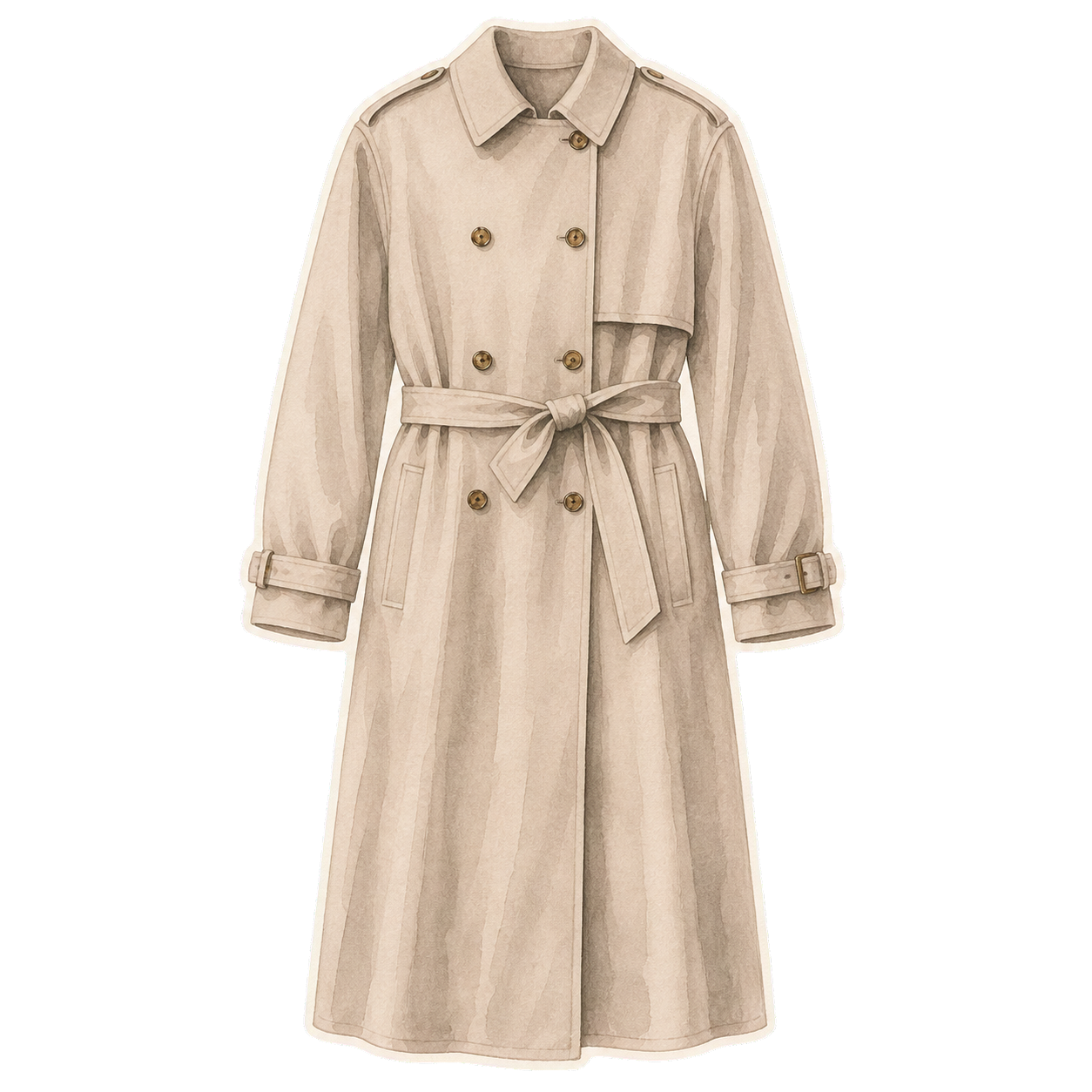 01Stone double-breasted belted trench
The Grand Prix gates open at about 8am, when November's normal low is 9.9°C, and the organisers prefer raincoats to umbrellas so you don't block anyone's view. An unlined trench handles both the cold start and a stray shower, and it hangs open by the time the race starts at 2pm. Stone keeps it light next to the dark denim.
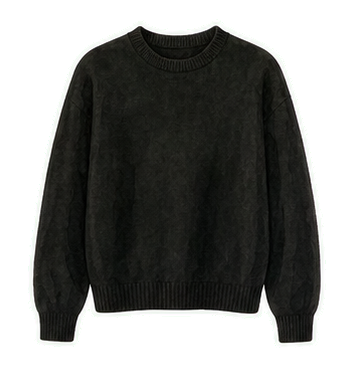 02Black fine-knit crew sweater
Under the trench at 8am, knotted round your shoulders at noon. A fine knit gives warmth without bulk, which matters when the Grand Prix's airport-style check asks you to empty your pockets and bags. Black hides the dust of a gravel festival ground at Corona Capital.
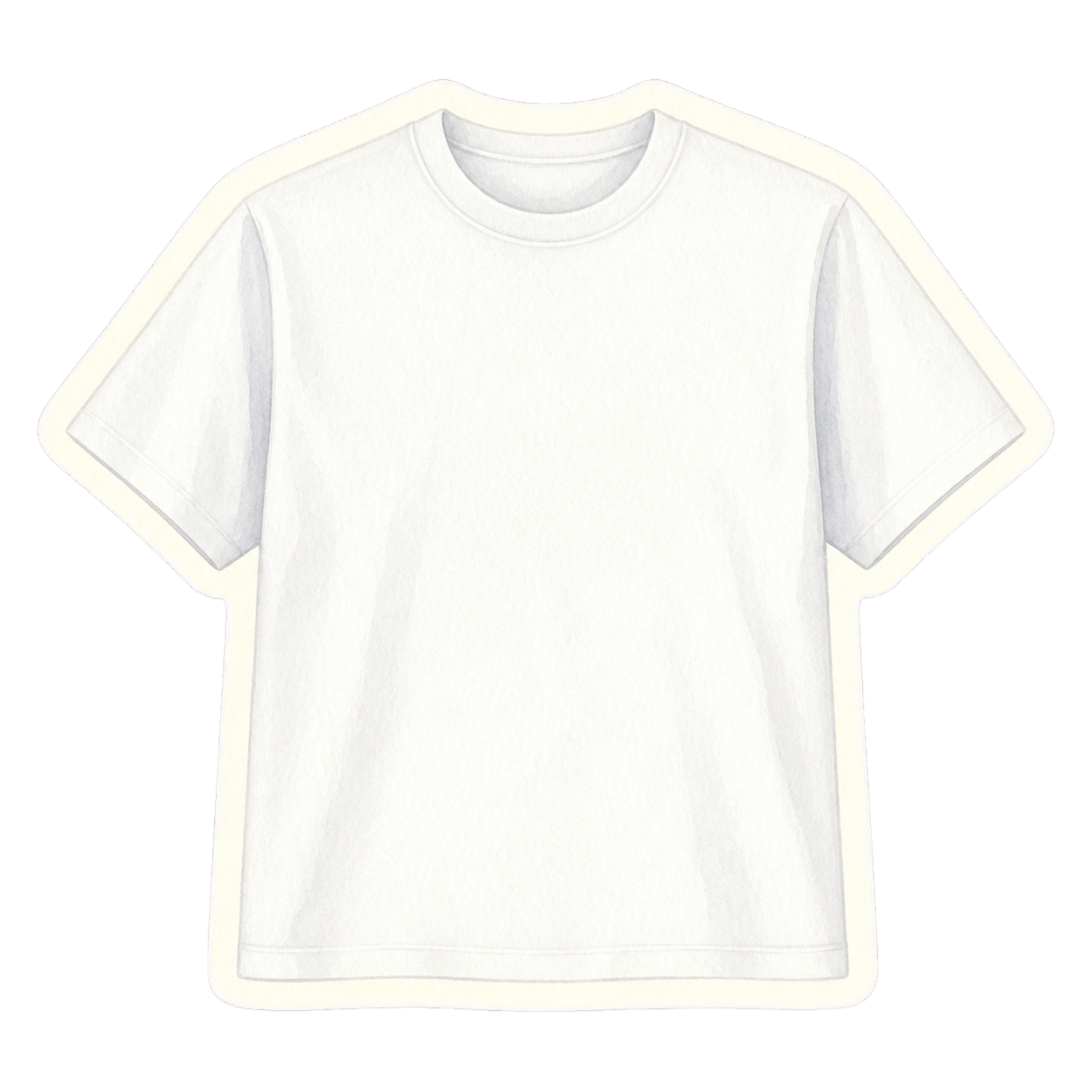 03White heavyweight cotton tee
By two in the afternoon Tacubaya's normal is 22.8°C, and the sun at 2,240 metres feels hotter than that. A heavyweight tee holds its shape through a day in the stands and looks deliberate on its own once the knit and trench come off.
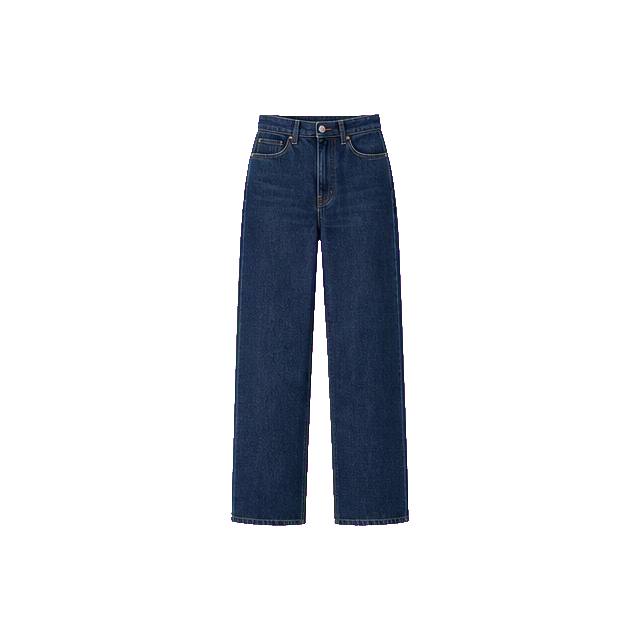 04Deep indigo straight-leg jeans
One pair for a racetrack, a festival and a night on Reforma, where the city's Day of the Dead light installation, The Path, stays up until 8 November. Straight dark denim covers the cold start and the gravel, and it goes to dinner in Roma without a change.
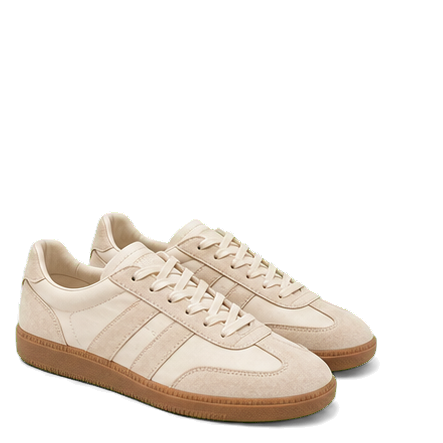 05Beige suede-panel trainers, gum sole
Corona Capital describes its ground as concrete, grass and gravel or dirt, and puts "ropa y zapatos cómodos" on its list of things to bring. A flat trainer with a gum sole handles all three, and beige hides dust better than white. The Grand Prix's airport-style check can include taking your shoes off, which a trainer makes quick.
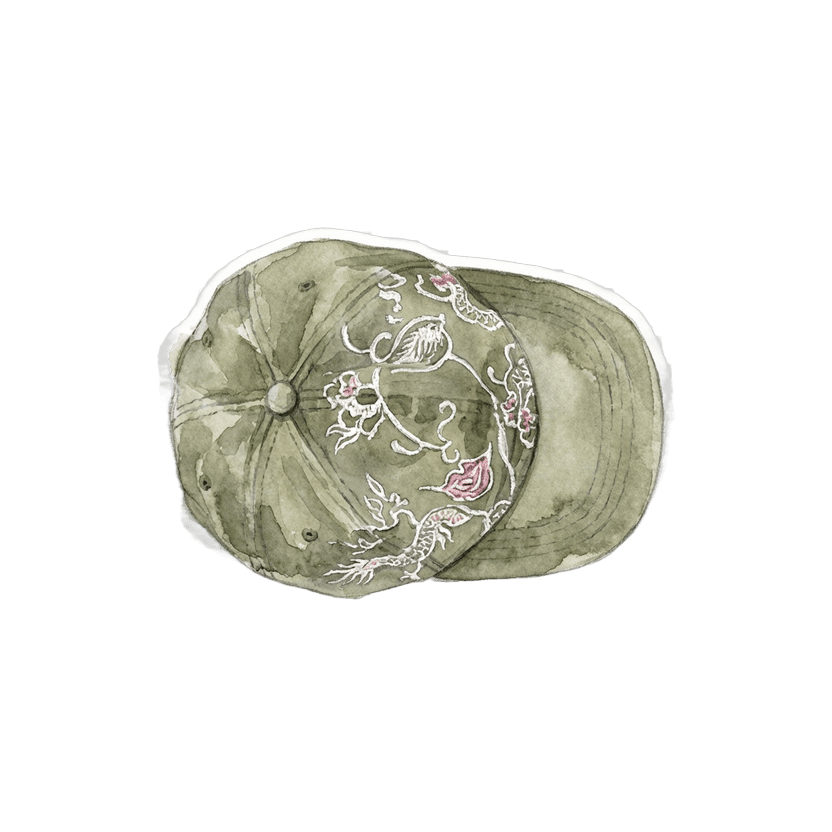 06Sage cotton cap, floral embroidery
Mexico City's tourism office says "a hat and sunscreen will make many travelers much more comfortable" at almost any time of year, and both the Grand Prix and Corona Capital allow caps. SEDEMA puts the riskiest UV hours at 11am to 4pm, which is the whole race afternoon. Sage with small flowers reads softer than a logo cap.
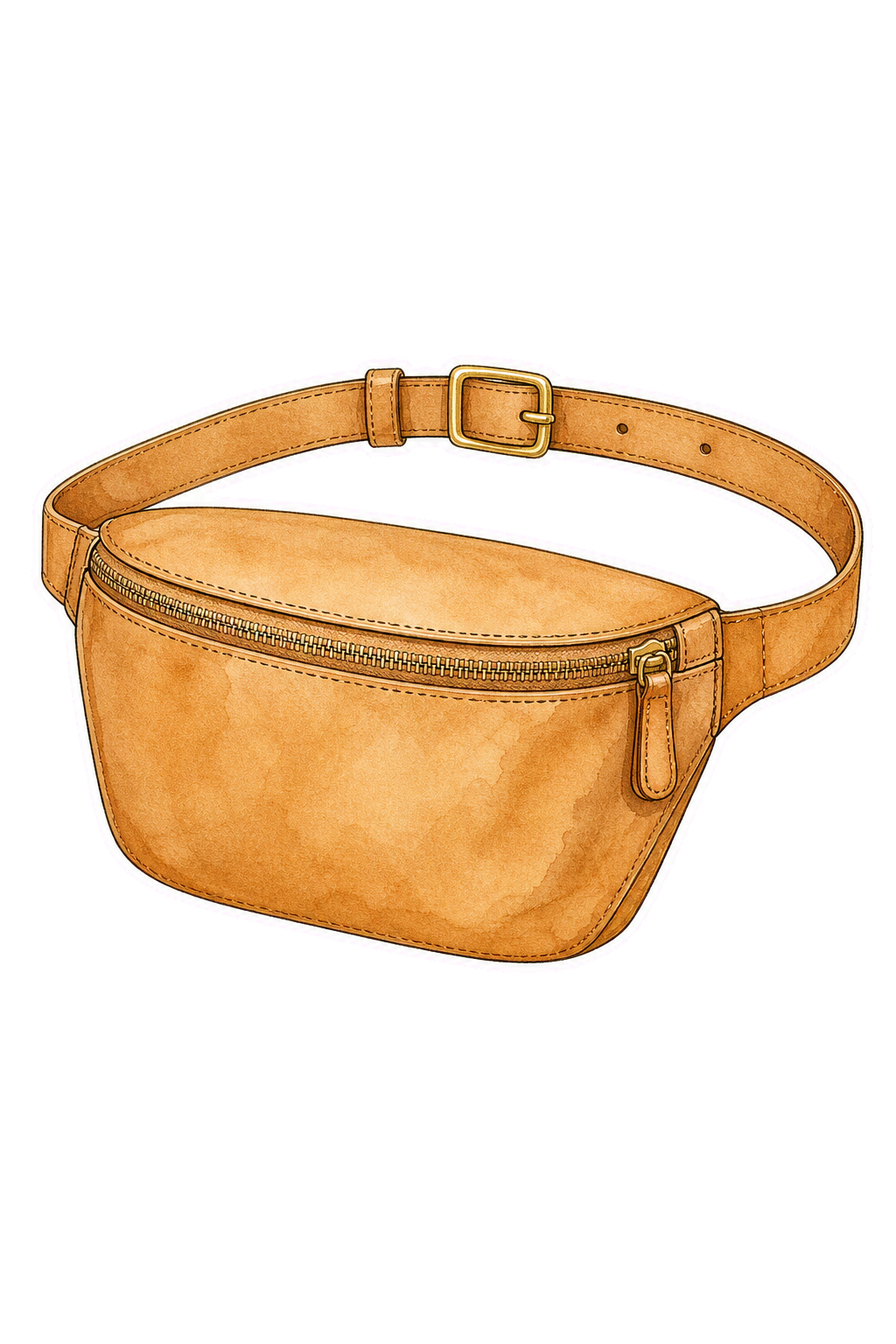 07Tan leather belt bag
Bum bags at the Grand Prix are limited to 11 by 16 cm and other bags to 10 by 15 by 30 cm, and Corona Capital allows bum bags too. A small leather belt bag passes at both gates, carries a card, a phone and cream sunscreen, and sits in front of you in a crowd.
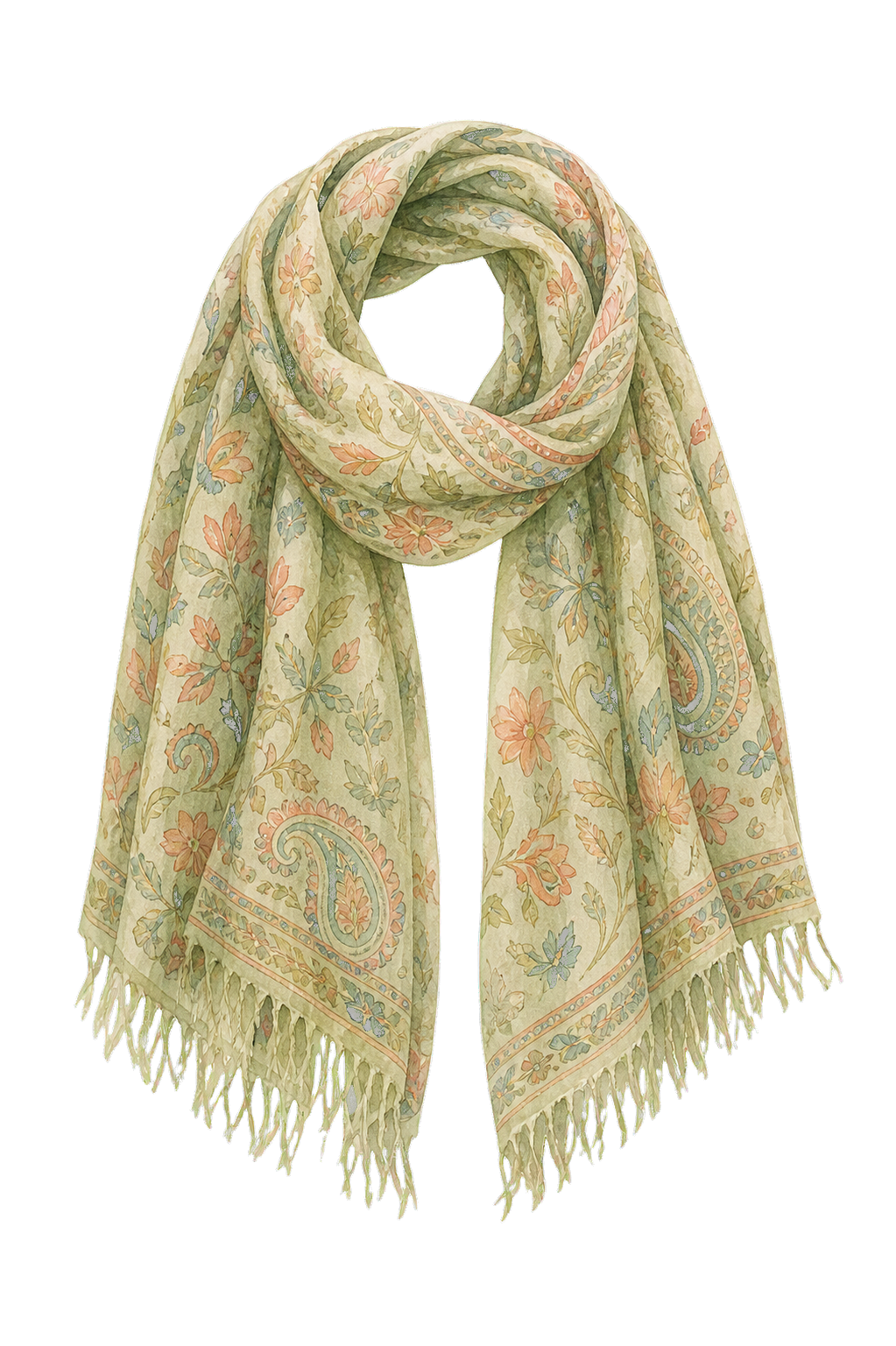 08Light sage cotton scarf, paisley print
Mexico's civil protection agency tells people to dress in layers during cold fronts, and SMN forecasts eight for the country in November. A cotton scarf covers your neck at an 8am gate and your shoulders in a 2pm sun. It weighs almost nothing, and the coral in the paisley picks up the embroidery on the cap.
Day to night
Stone trench over the black fine knit and white tee · indigo jeans · beige trainers · floral cap · sage scarf · belt bag. Through the Autódromo gates at about 8am for the Grand Prix on 1 November, trench open by the 2pm start.
White tee · black knit over the shoulders · indigo jeans · beige trainers · belt bag. The Path light installation on Reforma, which runs until 8 November, then dinner in Juárez.
A suggested look — stone trench coat, black fine-knit sweater, deep indigo straight jeans, beige suede trainers, sage floral cap.

What to avoid
- A pointed umbrella at the Grand Prix — round tips only
- Any umbrella, spray sunscreen or perfume at Corona Capital — all banned
- Studded belts, large buckles or chain wallets at the Grand Prix
- Sitting or stepping on tombs at Mixquic — the city asks for respect and silence
- Rain gear as a priority — about 4 wet days
Frequently asked questions
Dry, sunny and cool at both ends of the day. SMN's 1991–2020 normals for its Tacubaya observatory give an average November high of 22.8°C and a low of 9.9°C, with 17.4mm of rain across about 4 days, after 71mm over 10 days in October. The city sits at about 2,240 metres, and SEDEMA says the altitude adds about 20% to the ultraviolet reaching the ground, with the riskiest hours from 11am to 4pm. There is no clock change, so sunset moves only from about 6:02pm on 1 November to 5:56pm on the 30th.
A stone trench, a black fine-knit crew, a white heavyweight tee, deep indigo jeans, beige suede trainers, a cotton cap, a tan belt bag and a light cotton scarf. That covers a 10°C morning, a 23°C afternoon, a day at the racetrack and a night on Reforma. Bring cream sunscreen in a container of 100ml or less if you are going to the Grand Prix, and no aerosols at all for Corona Capital.
Different things, at the same Autódromo Hermanos Rodríguez. The Grand Prix runs from 30 October to 1 November, with the race at 2pm local time on Sunday 1 November; the organisers open the gates at about 8am, run an airport-style check, allow jackets, raincoats, hats, caps, sunglasses and round-tipped umbrellas, and limit bags to 10 by 15 by 30 cm and bum bags to 11 by 16 cm. Corona Capital runs on 20, 21 and 22 November; it bans all umbrellas and aerosols, allows small single-compartment bags up to 30 by 30 cm, and asks you to "planea y prepara tu vestuario" according to the forecast.
Early November, for Day of the Dead. The monumental ofrenda in the Zócalo, a 32-metre cartonería Catrina this year, stays up until 2 November, the lit façades and the Chapultepec festival until the 4th, and The Path on Reforma until the 8th. Mixquic's candle vigil, La Alumbrada, is on the night of 2 November. The big parade itself falls on 31 October, the day before. Late November brings Corona Capital on 20 to 22 November and the Revolution Day rest day on Monday 16 November.
December is a shade cooler and even drier. SMN's Tacubaya normals give December 22.4°C by day and 8.4°C at dawn, with 5mm of rain over about 1 day, the fewest rain days of the year, against November's 22.8°C, 9.9°C and 17mm. December is the month of crowds on foot: the pilgrimage to the Basílica de Guadalupe on 12 December and the posadas from the 16th to the 24th. Our December guide covers the colder dawns.
Layers that come off by lunch, and textiles made in Mexico. Carla Fernández, the Mexico City label the V&A dates to 2000, works with more than 175 artisans in 12 states and has shops at Álvaro Obregón 200 in Roma and Marsella 72 in Juárez. On the Zócalo, Sombreros Tardan traces its shop under the Portal de Mercaderes to 1847 and sells hats against the midday sun. A jacket goes on at dusk, when the valley loses its heat fast.
Sources
- Servicio Meteorológico Nacional — 1991–2020 climate normals, Tacubaya Central (9048) stationSMN's published 1991–2020 normal for its Tacubaya observatory, 30 complete years; the station sits at 2,308.6 m. Recorded per month because the rest of this city's pages are sourced differently.
- SMN / Conagua — Normal climatológica 1991–2020, Tacubaya Central (Obs) 9048 — accessed 2026-09-27
- INEGI — Aspectos geográficos de Ciudad de México, Compendio 2022 (Valle de México 2,240 m) — accessed 2026-09-27
- SEDEMA, Dirección de Monitoreo Atmosférico — Ultraviolet radiation index — accessed 2026-09-27
- SMN / Conagua — Comunicado 125-26: 56 cold fronts forecast for 2026–2027 (4 Sep 2026) — accessed 2026-09-27
- Formula 1 — Mexico City Grand Prix 2026 schedule — accessed 2026-09-27
- MexicoGP — Security: permitted and prohibited items — accessed 2026-09-27
- MexicoGP — Gate opening times — accessed 2026-09-27
- Corona Capital (OCESA) — 2026 dates, venue and ground — accessed 2026-09-27
- Corona Capital (OCESA) — Permitted and prohibited items — accessed 2026-09-27
- Secretaría de Turismo CDMX — Day of the Dead 2026 in Mexico City — accessed 2026-09-27
- Secretaría de Turismo CDMX — Best seasons to visit Mexico City — accessed 2026-09-27
- Cámara de Diputados — Ley Federal del Trabajo, art. 74 (mandatory rest days) — accessed 2026-09-27
- SEP — Calendario escolar 2026–2027 (winter break 21 Dec–5 Jan) — accessed 2026-09-27
- V&A — Carla Fernández ensemble (brand established in Mexico City, 2000) — accessed 2026-09-27
- Carla Fernández — About (artisan network, B Corp since 2018) — accessed 2026-09-27
- Carla Fernández — Stores (Roma and Juárez) — accessed 2026-09-27
- Sombreros Tardan — Legacy (Portal de Mercaderes, 1847) — accessed 2026-09-27