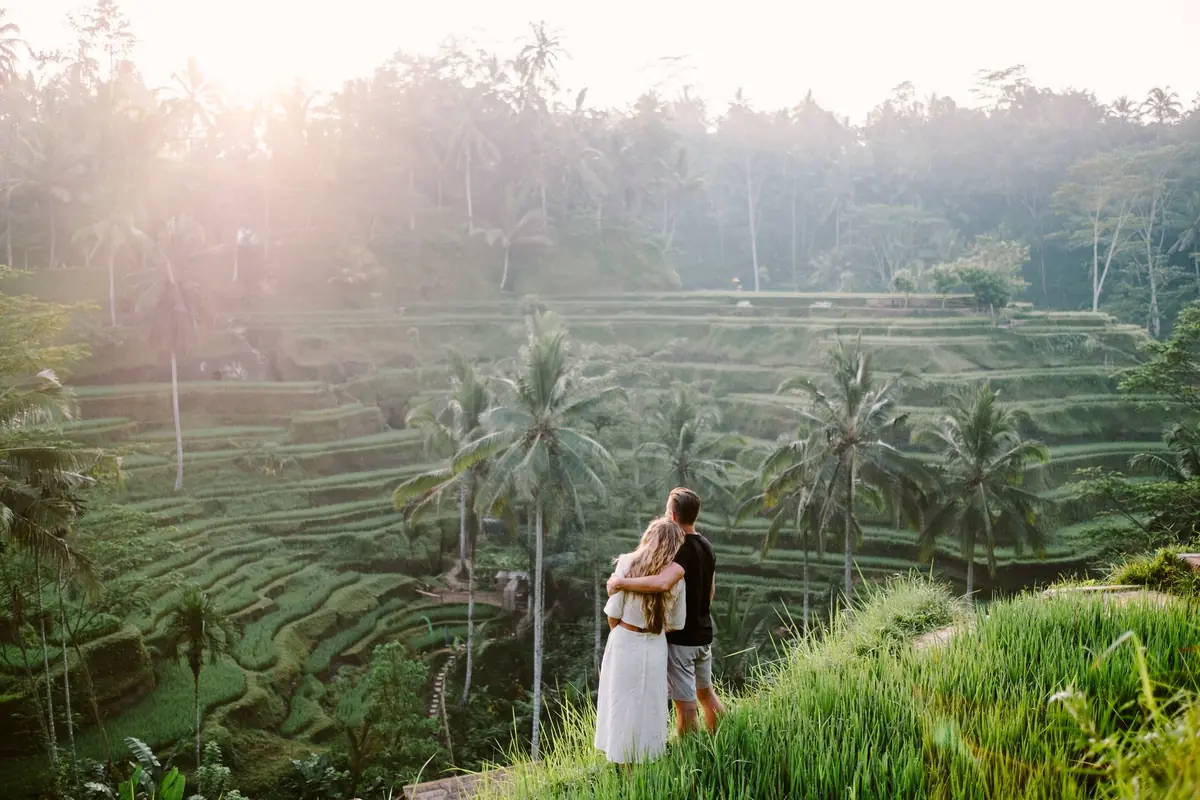
What to Wear in Bali in February
Bali in February: 31°C / 88°F days, 25°C / 77°F nights, rain on about 16 days, and Tumpek Krulut on Saturday 27 February.
- Indigo shirt-dress — buttoned, it covers shoulders and knees; open, it is a light coat
- Ivory linen camisole — the only layer under the shirt-dress at about 81% humidity, the year's highest
- Cream pleated wide-leg trousers — a full-length leg covers your knees at every temple gate
- Navy hooded rain jacket — NOAA's airport record gives February about 250 mm of rain
- Tan toe-loop sandals — a buckled ankle strap keeps them on across wet paving
- Coral sarong — Besakih requires a sarong and sash of every visitor
- Entering a temple's inner courts on Tumpek Krulut — SE 7/2025 keeps them for worshippers in traditional Balinese attire
- The sleeveless sundress at a temple — the ministry's guidance is clothing that covers shoulders and knees
- A flight on Monday 8 March — in 2026 Nyepi stopped land, sea and air transport for 24 hours
- Paying the levy in cash — the Love Bali system takes cards, transfers and QRIS only
February ends with a blessing for the island's orchestras. Karangasem regency's calendar describes Tumpek Krulut, Saturday 27 February 2027, this way: "Offerings are placed in front of a large gong, prayers are read, and holy water is sprinkled on the instruments."
NOAA's daily record at Ngurah Rai airport gives February a 31.0°C afternoon, a night that falls to 24.8°C and about 250 mm of rain on roughly 16 days, and BMKG's normal puts humidity at 81%, the year's highest. The province asks for modest and respectful clothing all year. Indigo and ivory answer it, and they echo two of geringsing's colours, white and indigo-blue-black, as Threads of Life describes them.
On 27 February Bali blesses its gamelan, masks and dance dress. The day belongs to the instruments, so keep your own clothes quiet: indigo, ivory and a coral sarong.
The capsule
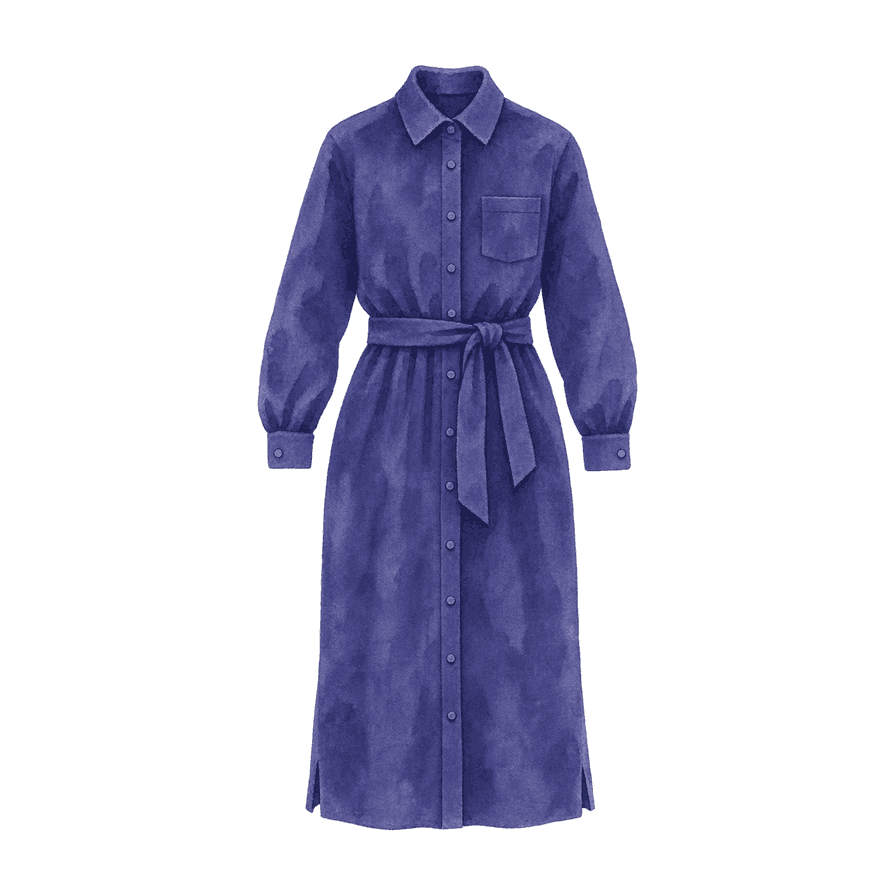 01Indigo cotton shirt-dress, long sleeves, tie belt
Threads of Life describes Tenganan's geringsing as "bold, highly intricate patterns in white, morinda red, and indigo-blue-black colours produced from natural dyes". An indigo shirt-dress borrows the darkest of the three. Buttoned to the collar with the belt tied, it covers shoulders and knees, as the Ministry of Tourism asks of temple visitors; worn open over the camisole and trousers, it is the light coat for a 31.0°C afternoon.
 02Ivory linen camisole
BMKG's normal puts February's humidity at 81%, the highest of the year, and a night only falls to 24.8°C, so the base layer should be as little as possible. A thin-strapped ivory camisole sits under the open shirt-dress and tucks into the cream trousers. Keep it for under a layer, never alone at a temple, where the ministry asks for covered shoulders.
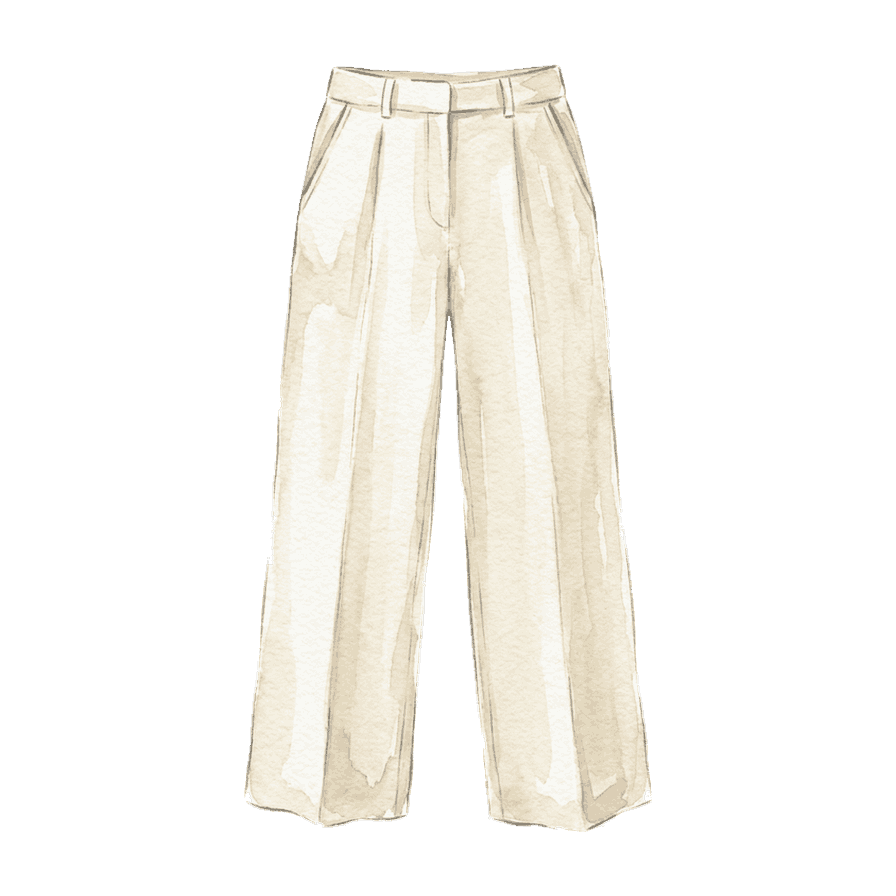 03Cream pleated wide-leg trousers
Full-length trousers cover your knees at every temple gate, and the sarong for Besakih wraps over them without a second change. Front pleats and a wide leg keep the cloth off your skin when afternoons reach 31.0°C. Cream pairs with indigo and with coral, so they serve the Imlek long weekend, Friday 5 to Sunday 7 February, and Tumpek Krulut alike.
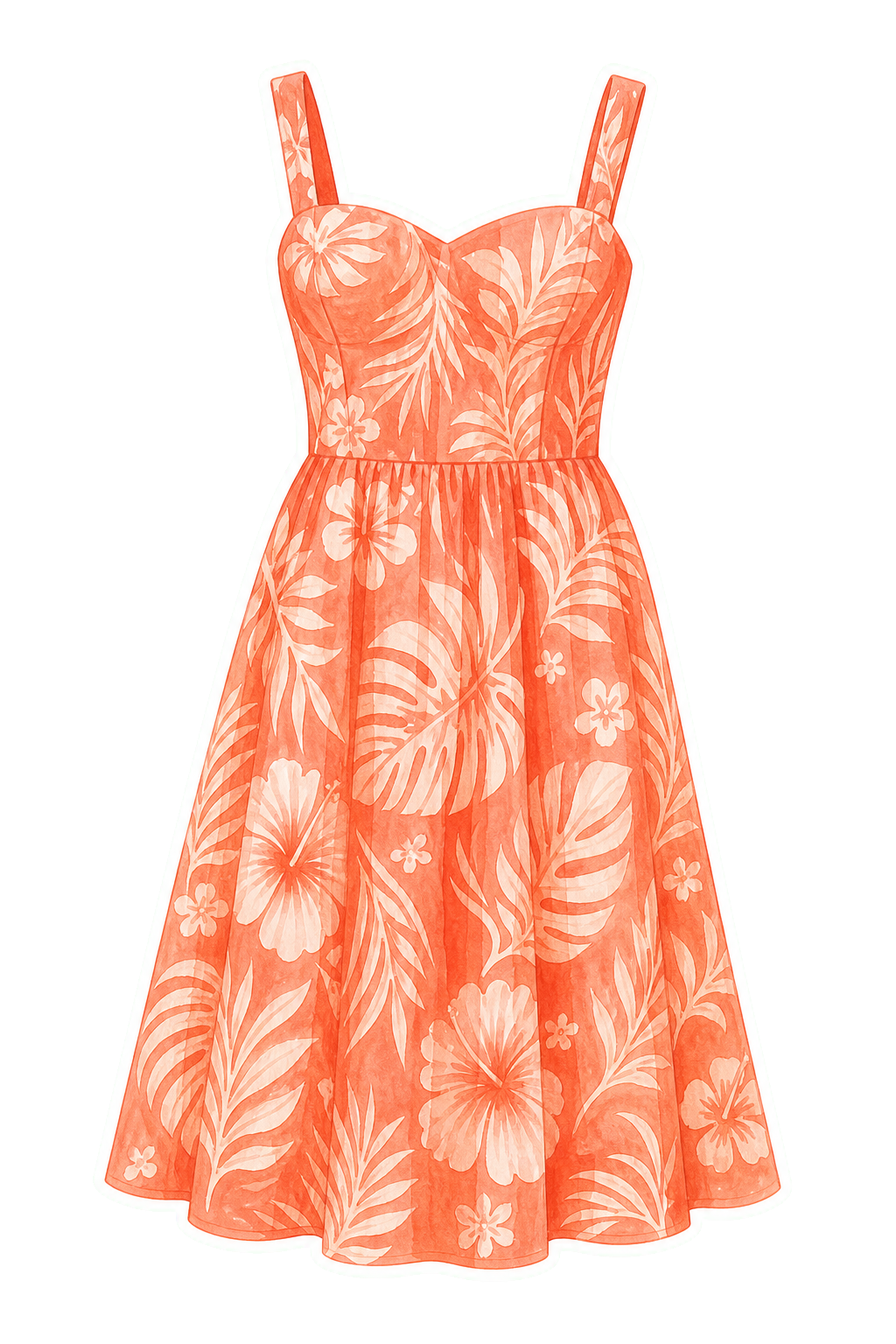 04Coral hibiscus-print cotton sundress
Sunset comes at 6:45pm in mid-February and 6:40pm by the 28th, and the evening stays warm: NOAA's airport record has the night falling only to 24.8°C. A knee-length cotton sundress with wide straps is for dinner and the beach. For a temple stop, put the indigo shirt-dress over it and the coral sarong around it.
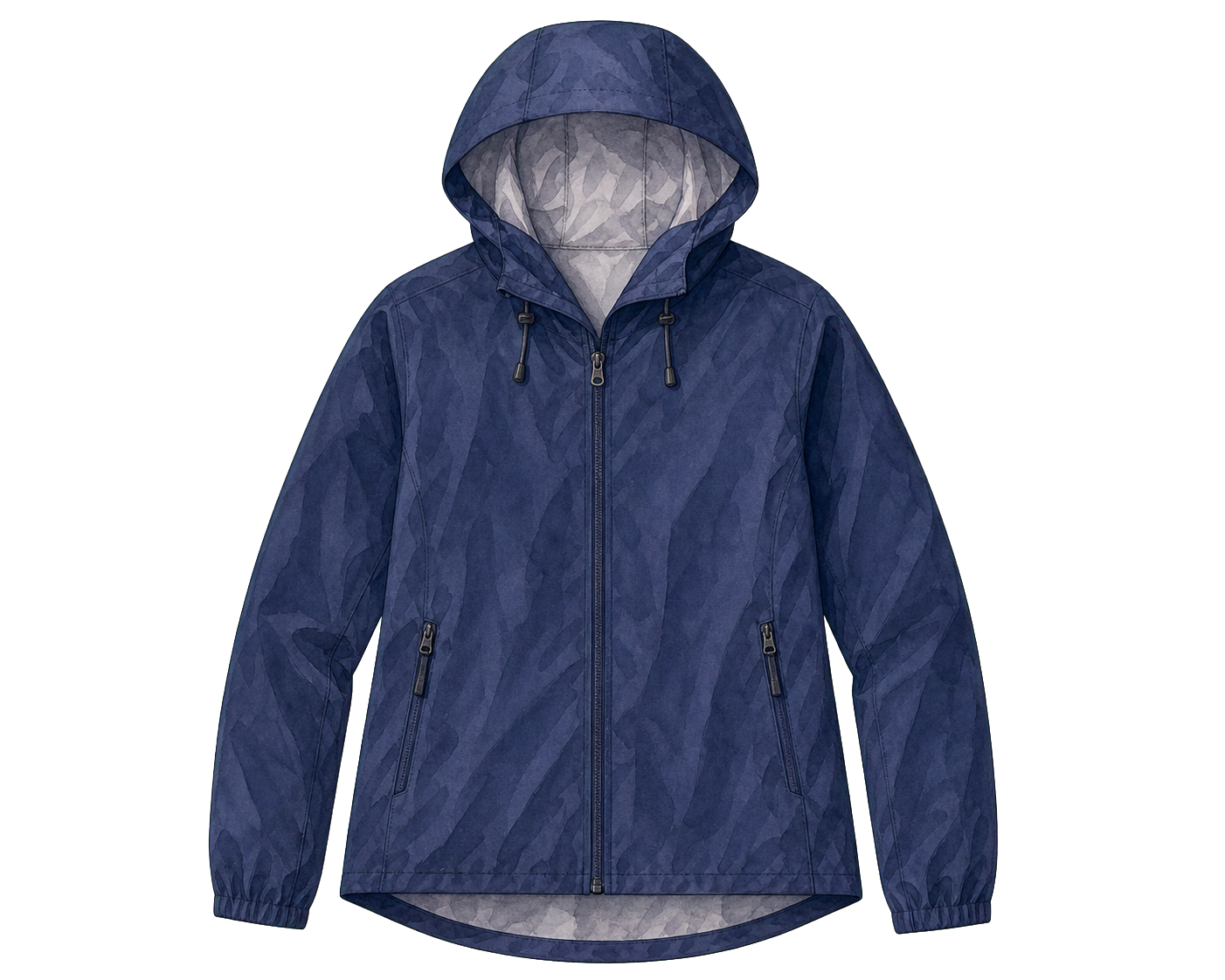 05Navy hooded rain jacket
NOAA's daily record at Ngurah Rai airport gives February about 250 mm of rain on roughly 16 days with 1 mm or more. A light navy zip jacket with a drawcord hood goes over the camisole or the sundress when a shower comes in, and zipped pockets keep a phone dry. Navy sits beside indigo without competing with it.
 06Tan leather toe-loop flat sandals, ankle strap
A toe loop and a buckled ankle strap keep these on across wet paving through about 16 days with rain, and a flat sole suits a long morning on temple steps. Tan leather goes with cream, coral and indigo alike. In mid-February the sun is up from 6:23am to 6:45pm, and one pair covers all of it, from an early temple visit to dinner.
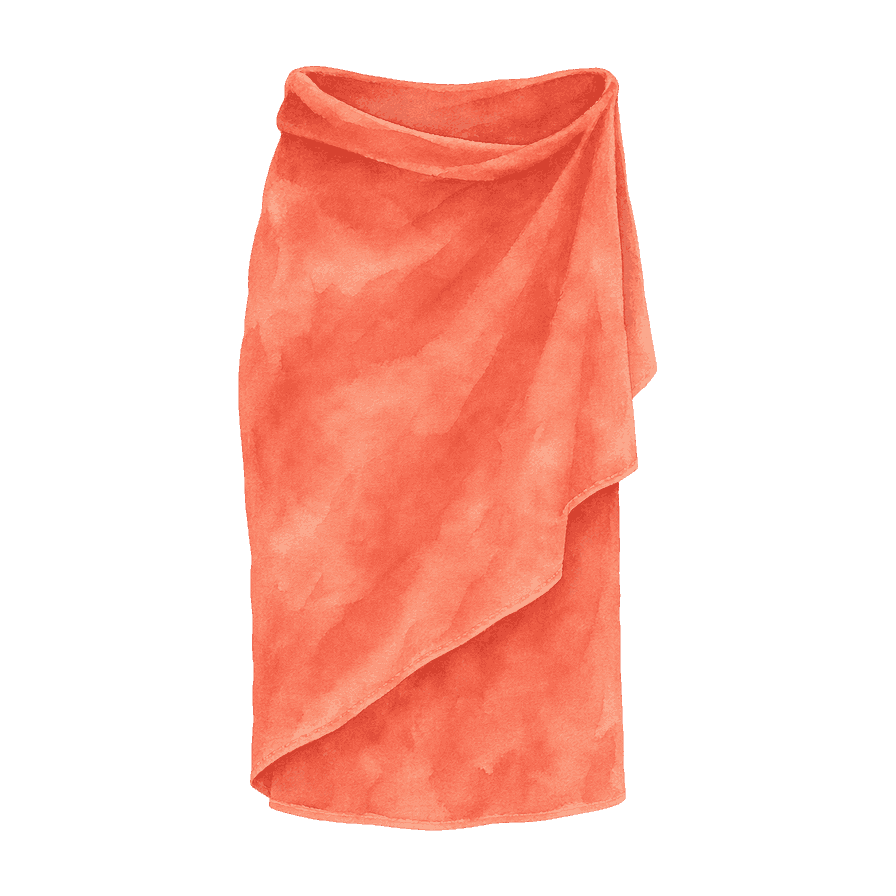 07Coral cotton sarong (kamen)
Indonesia's Ministry of Tourism says every visitor to Besakih must wear a sarong (kamen) and a sash, and that the ticket includes rental of both. Bring your own coral sarong and it wraps over the cream trousers or the sundress at any temple gate in seconds. Coral matches the sundress and stands out against the indigo shirt-dress.
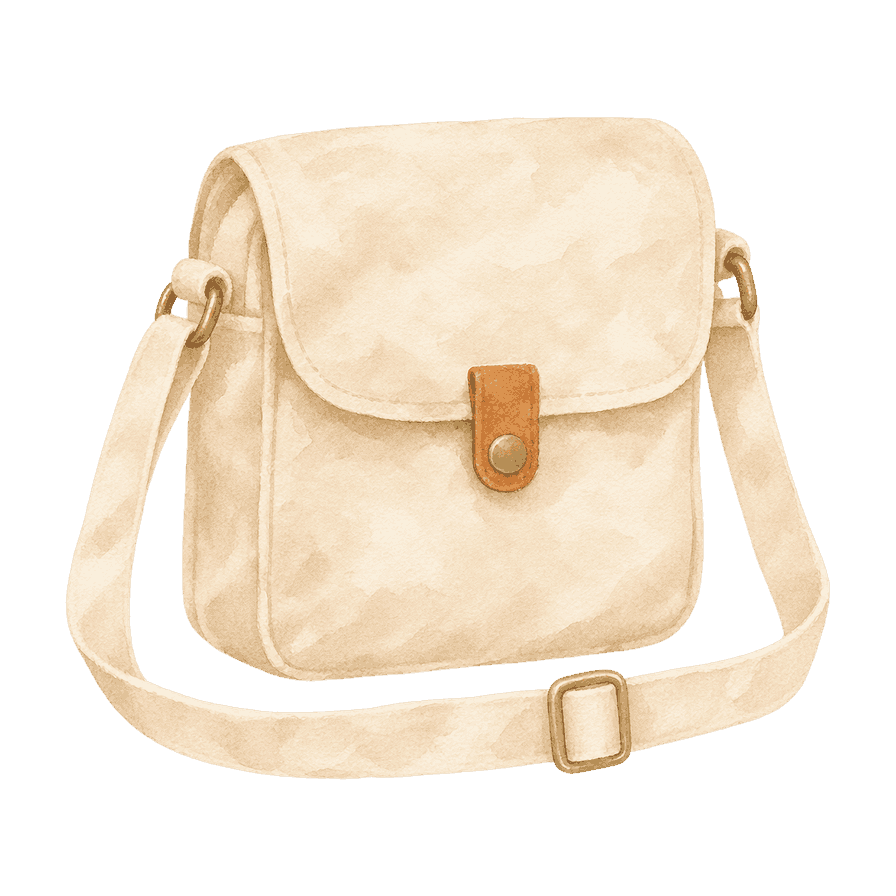 08Small ivory canvas crossbody with a flap
The Love Bali FAQ is firm about the Rp 150,000 levy: "Payment must be done cashless through electronic payment facilities." So the bag needs a phone, a card and little else. An ivory canvas flap keeps both dry through about 16 days with rain, the strap leaves both hands free at a temple gate, and ivory matches the camisole.
Day to night
Tumpek Krulut morning. Indigo shirt-dress worn open over the ivory camisole · cream pleated wide-leg trousers · coral sarong at the temple gate · tan toe-loop sandals · ivory canvas crossbody. Sunrise is at 6:24am on 27 February; watch the offerings to the gamelan from the outer courtyard.
Evening. Coral hibiscus-print sundress · tan toe-loop sandals · navy rain jacket over the shoulders · ivory canvas crossbody. Sunset is at 6:40pm at the end of the month, and the night falls to about 25°C / 77°F.
A suggested look — coral hibiscus-print cotton sundress, tan leather toe-loop sandals.

What to avoid
- Entering a temple's inner courts on Tumpek Krulut
- A sleeveless dress at a temple without a layer over it
- A flight in or out on Monday 8 March, Nyepi
- A day out without the navy rain jacket
- Plastic bags and straws, banned under SE 7/2025
Frequently asked questions
Hot and very humid: 31°C / 88°F afternoons and nights that fall to 25°C / 77°F. BMKG's published normal for Ngurah Rai airport gives only the mean temperature (27.8°C) and humidity, 81.0%, the highest of the year, so the highs and lows come from NOAA's daily record at the same airport: a mean high of 31.0°C (88°F) and a mean low of 24.8°C (77°F).
Rain falls on about 16 days, for about 250 mm. The sun rises at 6:19am on 1 February and 6:24am on the 28th, and sets between 6:47pm and 6:40pm, about 12 hours 20 minutes of daylight.
Pack an indigo cotton shirt-dress, an ivory linen camisole, cream pleated wide-leg trousers and a coral sundress for evenings. Add a coral sarong for Besakih, which requires a sarong and sash of every visitor, a navy hooded rain jacket for about 16 days with rain, tan toe-loop sandals and a small ivory canvas crossbody.
Covered shoulders and knees are the safe choice at any temple, and Bali's 2025 circular asks for modest and respectful clothing at temples, attractions and public spaces. Pay the Rp 150,000 levy online before you fly; the system takes cards, bank transfer, Unionpay and QRIS.
Tumpek Krulut falls on Saturday 27 February 2027, 35 days after Kuningan and 210 days after its last date, 1 August 2026, on Karangasem regency's calendar.
The regency describes it as a day of homage to the bronze instruments, masks, dance dress and gamelan used in religious ceremonies, and writes that "Offerings are placed in front of a large gong, prayers are read, and holy water is sprinkled on the instruments." It is a religious observance, not a performance.
Watch from the outer courtyard, dressed with covered shoulders and knees: SE 7/2025 keeps the inner courts for worshippers in traditional Balinese attire.
Early February has the long weekend; late February has Tumpek Krulut. Imlek, the Chinese New Year 2578, is a national holiday on Saturday 6 February 2027, and Friday 5 February is a cuti bersama, so Indonesian visitors have a three-day weekend.
The start of Ramadan 1448 is fixed later by decree of the Minister of Religious Affairs, so check it before you book. Tumpek Krulut falls on Saturday 27 February, and Nyepi follows on Monday 8 March; in 2026 Nyepi's joint appeal stopped transport for 24 hours, so leave a margin if you fly out at the start of March. Sunrise moves from 6:19am to 6:24am.
February is a touch drier; January has the larger holy days. NOAA's record at Ngurah Rai gives both the same 31°C / 88°F days and 25°C / 77°F nights. February has a little less rain, about 250 mm on roughly 16 days against January's 285 mm on 17, and 11 minutes less daylight in mid-month.
January carries Galungan on 13 January and Kuningan on the 23rd, with penjor in the streets; February has the Imlek long weekend from 5 to 7 February and Tumpek Krulut on the 27th, 35 days after Kuningan. The levy and the 2025 circular apply in both.
Geringsing is a double ikat, both warp and weft tied and dyed, and Threads of Life writes that "Geringsing literally means “against sickness” in Balinese, and the textiles are considered to be the most ritually potent Balinese cloth", produced only in the village of Tenganan Pegringsingan.
Karangasem's 2026 calendar listed Tenganan's Abwang Lemah procession on 7 February 2026, joined by young villagers "wearing the best Gringsing cloth they have".
For the Rejang Gede, the same calendar describes dancers "wearing ancient Balinese traditional (Bebali) clothing such as geringsing cloth, endek cloth, skordi cloth, rembang cloth as well as various colorful scarves". Songket, Threads of Life adds, was once reserved for the royal courts.
More from Bali
More February packing guides
Sources
- NOAA NCEI — 1991–2020 climate normals, Denpasar Ngurah Rai Airport (97230) stationNOAA's daily weather record for Ngurah Rai airport, 1991–2020: BMKG's published normals for the station give only the mean temperature. Rain days are days with 1 mm or more, from months with at least ten reported days.
- NOAA NCEI — Global Summary of the Day, Denpasar Ngurah Rai airport (97230099999), 1991–2020: daily temperatures and precipitation — accessed 2026-11-22
- BMKG — 1991–2020 climate normals, Stasiun Meteorologi I Gusti Ngurah Rai (97230), as submitted to the WMO's normals collection (NOAA NCEI accession 0253808): mean temperature and humidity — accessed 2026-11-22
- Dinas Pariwisata Kabupaten Karangasem — Calendar of Event 2026 (Tumpek Pengatag 19 Dec; Galungan 17 Jun; Kuningan; Tumpek Krulut 3 Jan and 1 Aug; Tenganan rituals; Rejang Gede) — accessed 2026-11-23
- Kementerian Sekretariat Negara — SKB 3 Menteri: 2027 national holidays and cuti bersama (Isra Mikraj 5 Jan, Imlek 6 Feb, Idulfitri 10–11 Mar) — accessed 2026-11-23
- Bali Media Center (Pemprov Bali) — Seruan Bersama, Nyepi 2026: 24-hour transport and airport closure (2026 edition) — accessed 2026-11-23
- Dinas Pariwisata Provinsi Bali — Governor's Circular SE 7/2025 for foreign tourists (modest dress; inner courts for worshippers in Balinese dress; single-use plastics banned) — accessed 2026-11-23
- Ministry of Tourism (Indonesia Travel) — Pura Besakih: sarong (kamen) and sash required, rentable at the entrance; about 1,000 m above sea level — accessed 2026-11-23
- Ministry of Tourism (Indonesia Travel) — Bali temples: shoulders and knees covered; sarongs and sashes usually provided — accessed 2026-11-23
- Threads of Life, Ubud — Bali's textiles: poleng, endek, geringsing, songket — accessed 2026-11-23
- Pemerintah Provinsi Bali (Love Bali) — foreign tourist levy FAQ: Rp 150,000, paid once, cashless, how to pay, exemptions — accessed 2026-11-23
- Dinas Pariwisata Kabupaten Badung (SITA) — Galungan and Kuningan: 210-day cycle, penjor, yellow Kuningan offerings, Kuningan ten days later — accessed 2026-11-23