What to Wear in Bangkok in August
Bangkok in August: 33°C / 91°F afternoons, 26°C / 79°F mornings, 76% humidity, 16 rain days — peak monsoon concentration of the year.
- Three quick-dry bottoms — linen, rayon maxi, long skirt
- Olive rubber knee-high rain boots plus waterproof-treated slip-ons for 30-60cm flooding
- A heavy-duty packable rain shell (Patagonia Torrentshell minimum)
- A cream leather bucket bag with dry bag inside and waterproof phone pouch for Chao Phraya boats
- Electrolyte tabs (LMNT, Liquid IV) — 76% humidity depletes fast
- Conservative attire near royal areas on Queen's Birthday (August 12)
- Suede, untreated leather, or 100% cotton — they won't survive
- Walk low streets 2-6pm during storms — flooding is serious
- Expect Grand Palace to accept a scarf as shoulder cover
August is Bangkok at peak monsoon. TMD figures, alongside NOAA NCEI's global climate normals for Don Mueang, put afternoons at 33°C / 91°F, mornings at 26°C / 79°F, humidity 76%, and 16 rain days, the highest rainfall concentration of the year at 227mm total. Temperatures ease slightly from April-May peak, but cloud cover and humidity make the atmosphere feel heavier. Severe thunderstorms cause Silom and Sukhumvit flooding after major storms; Queen's Birthday on August 12 brings some government closures and royal processions. The August Bangkok strategy intensifies June-July playbook: waterproof everything, plan indoor 2-6pm storm window, embrace mall culture (Siam Paragon, ICONSIAM, EmQuartier), wear temple-compliant loose fabrics. Covered shoulders and knees remain strictly enforced at Grand Palace, Wat Phra Kaew, Wat Pho, and Wat Arun — no exceptions, no scarves as cover-ups. Olive rubber knee-high rain boots are the only shoe that lets you keep walking through 30-60cm street floods; slip-ons rotate dry on lighter rain days and remove easily at temple halls. Quick-dry fabrics mandatory.
The highest rainfall concentration of the year — severe thunderstorms cause Silom and Sukhumvit flooding after major storms.
The capsule
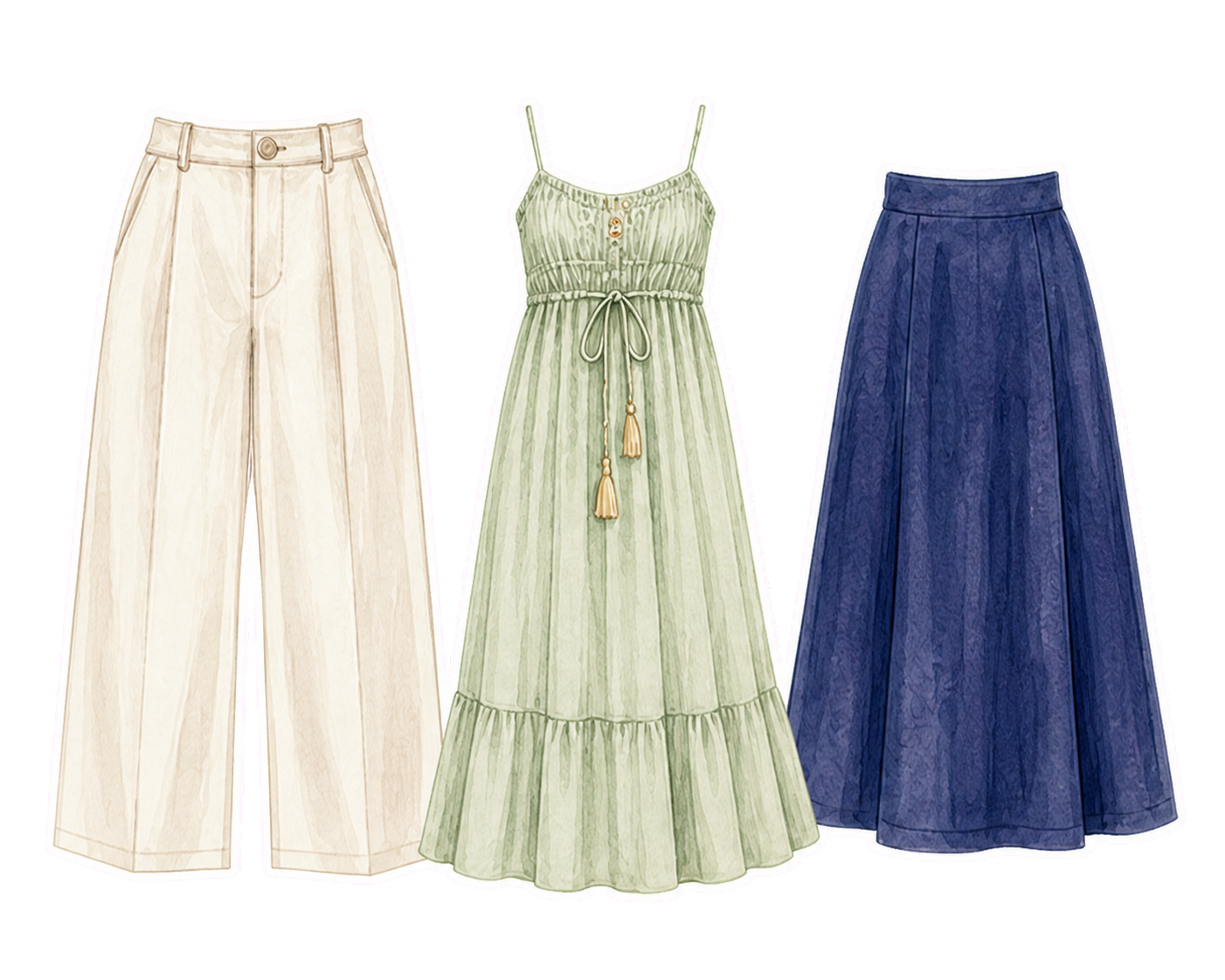 01Three quick-dry bottoms (linen, rayon maxi, long skirt)
August rain is heavier than June-July. Rotation matters. Rayon and linen dry overnight; pure cotton doesn't.
 02Short-sleeve tops (shoulders covered, 3+)
Temple-compliant shoulder coverage. Moisture-wicking or cotton-synthetic blend. Rotate through humidity.
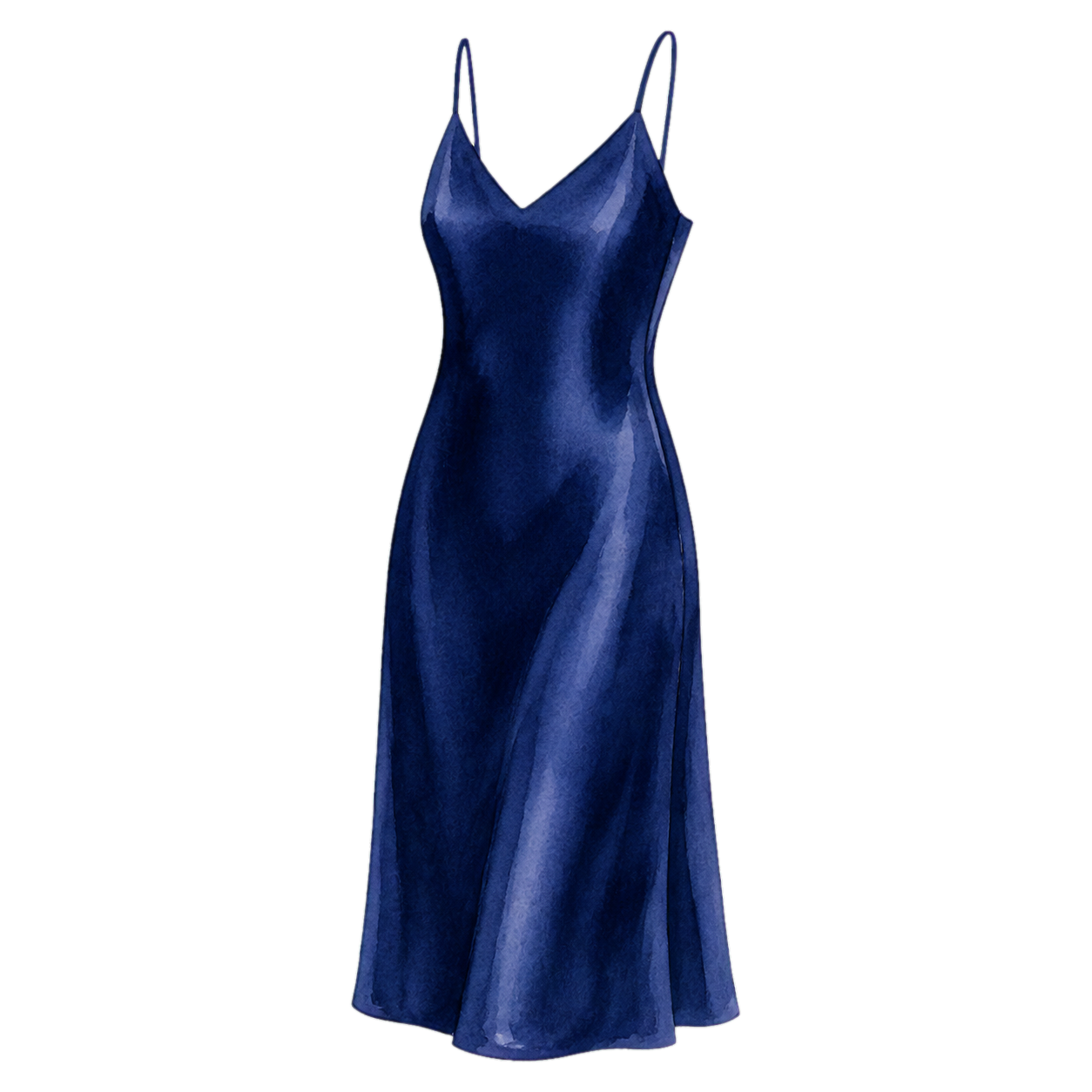 03One polished evening outfit (silk slip dress or linen jumpsuit)
Rooftop bars (Sky Bar at Lebua, Vertigo at Banyan Tree) expect smart-casual. Breathable but elegant.
 04Packable hurricane-rated rain shell
August monsoon is more intense than June-July. Patagonia Torrentshell minimum; Arc'teryx Beta for severe-storm days.
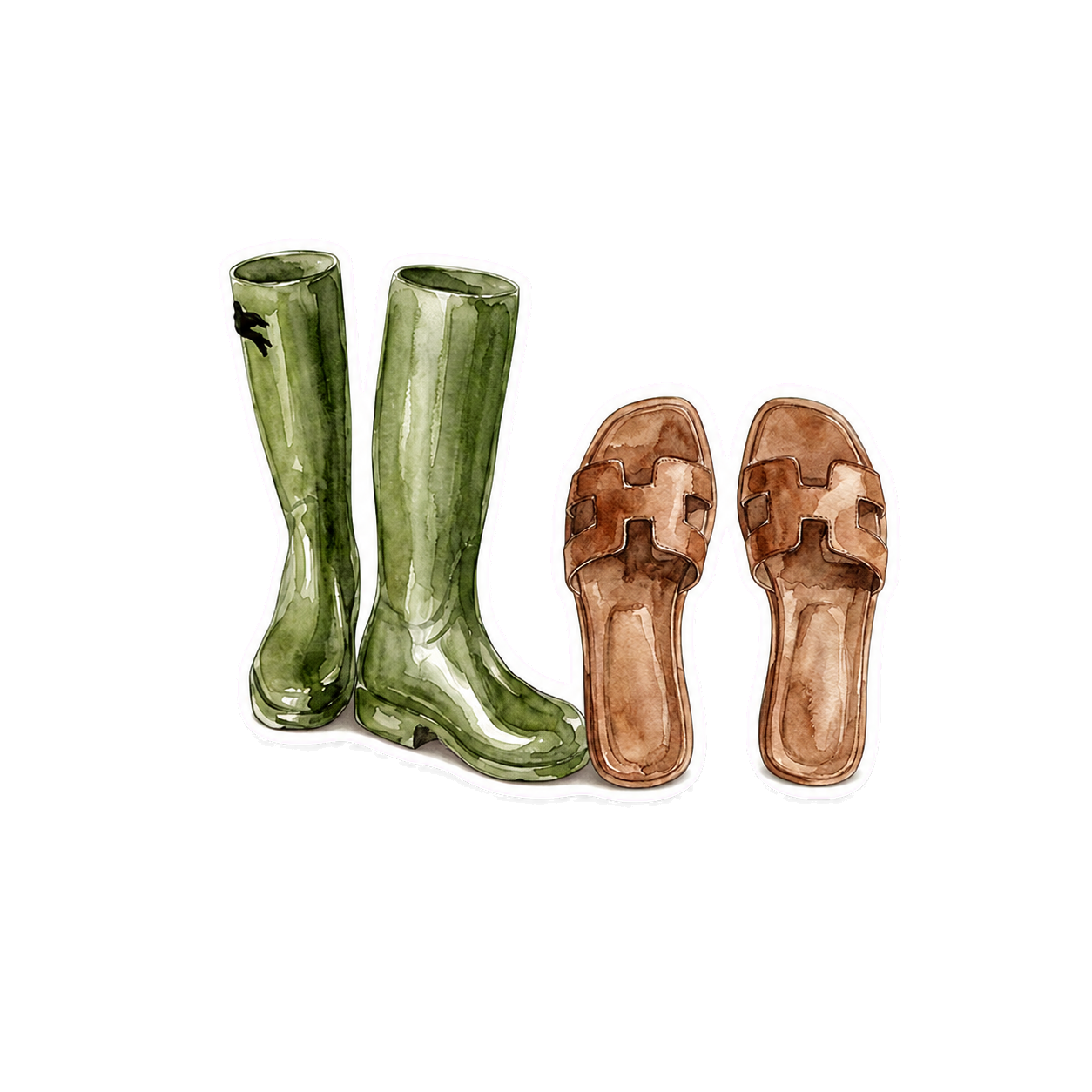 05Olive rubber knee-high rain boots + waterproof-treated slip-ons
Silom and Sukhumvit streets flood to 30-60cm after major August storms; rubber Wellies are the only shoe that lets you keep walking through them. Two slip-ons rotate dry on lighter rain days. Olive reads less utility than black against a maxi or skirt.
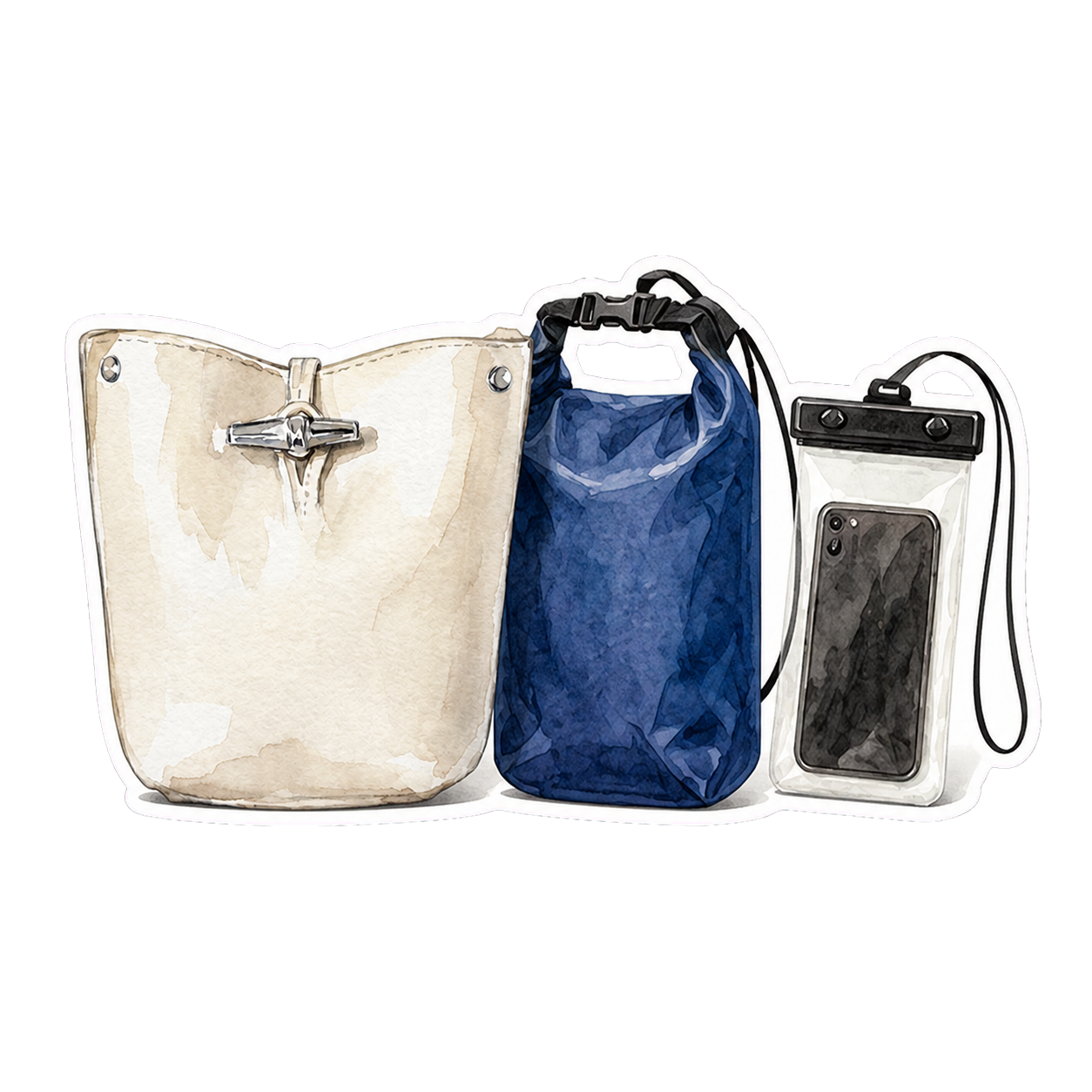 06Cream leather bucket bag + dry bag + waterproof phone pouch
Mandatory monsoon kit. The bucket-bag drawstring closes against sudden downpours where a flap-top bag exposes contents. Dry bag inside protects valuables for Chao Phraya boat rides. Cream wipes cleaner than burgundy after a flood-splash recovery.
 07Scarf/sarong + thin cardigan
Scarf for non-Grand-Palace temple shoulder cover and mall AC. Thin cardigan for aggressive 18°C / 64°F mall air-con after 33°C / 91°F outdoors.
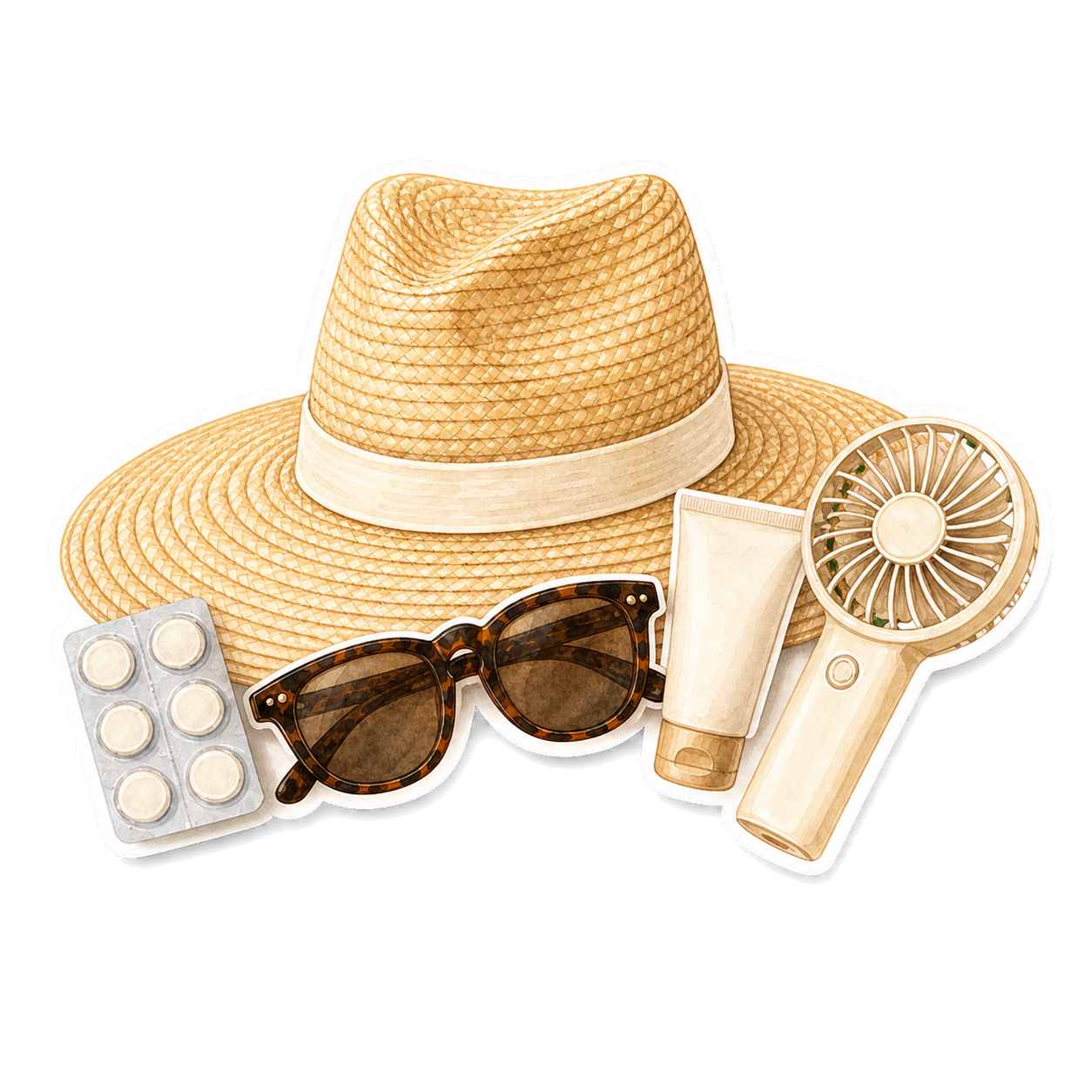 08Wide-brim hat + UV400 sunglasses + SPF 50 + portable fan + electrolyte tabs
Full tropical survival kit. UV penetrates clouds. Electrolytes matter at 76% humidity.
Day to night
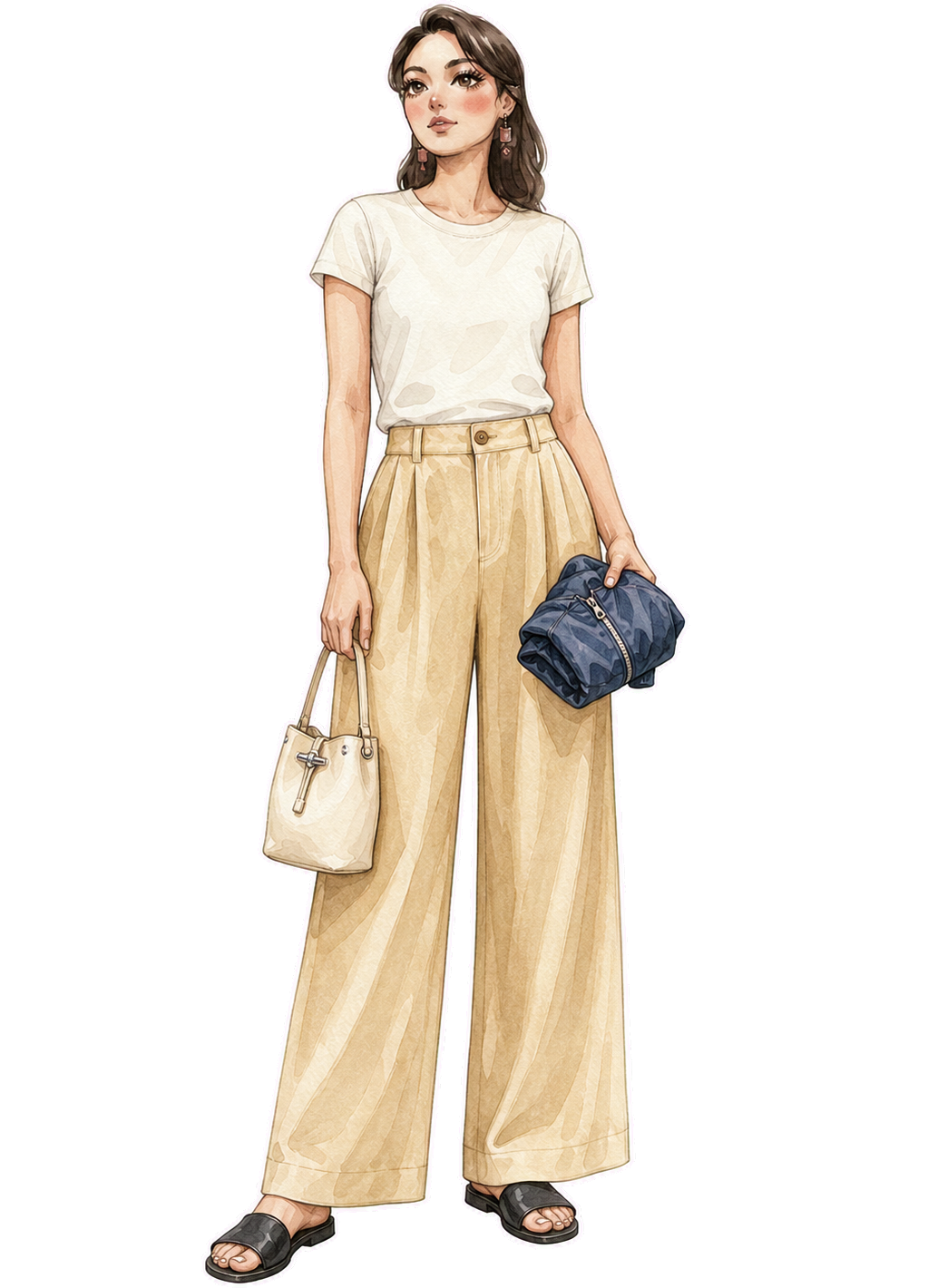
Moisture-wicking top · linen trousers · waterproof-treated slip-ons · cream bucket bag · rain shell. Wat Arun via Chao Phraya boat at 8am before storms.
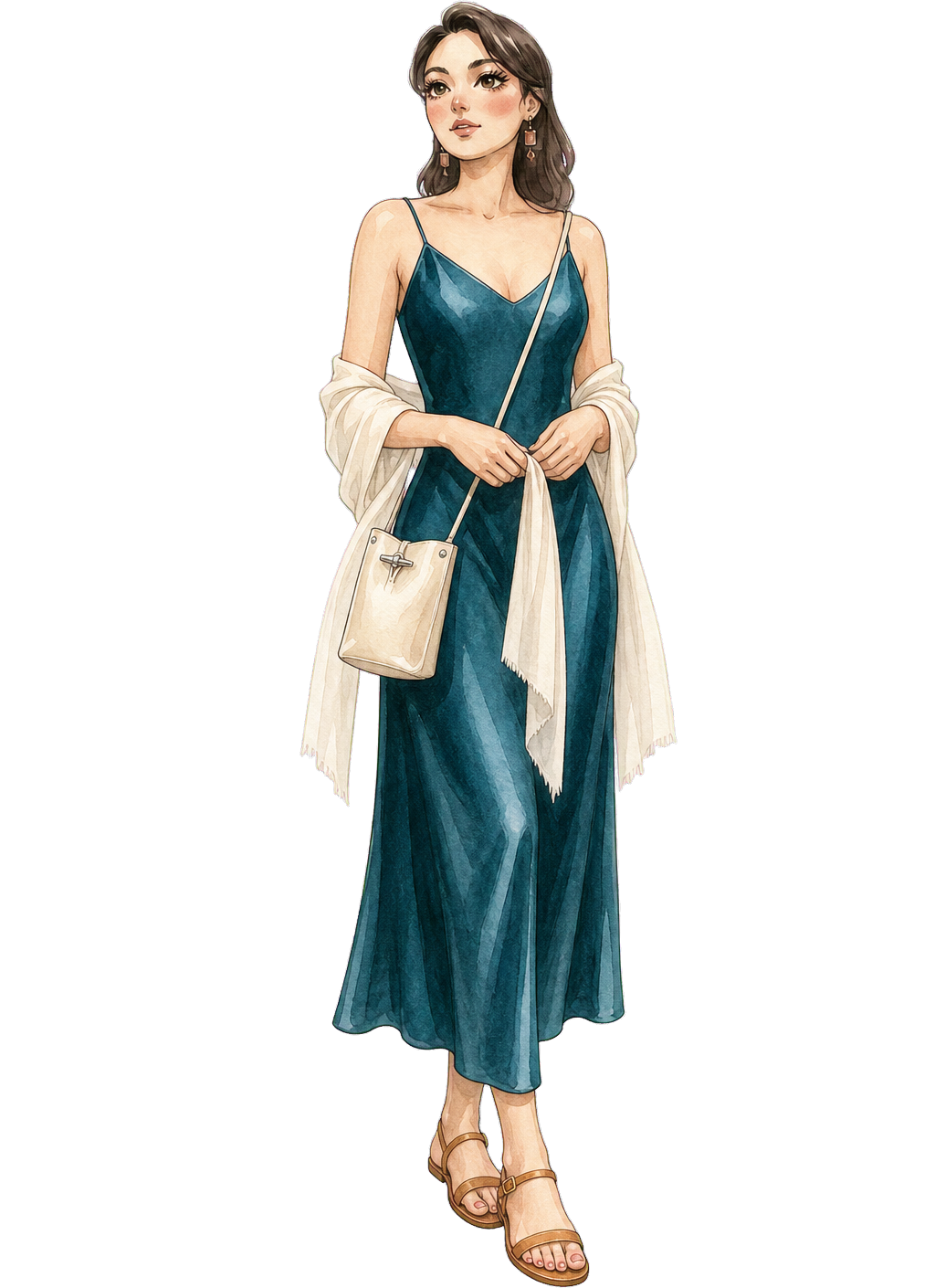
Silk slip dress · leather sandals · small bucket bag · thin wrap. Dinner at Gaggan Anand, rooftop at Vertigo (after storms clear).
What to avoid
- Suede, canvas, or untreated leather shoes — won't survive monsoon
- 100% cotton bottoms — won't dry in 76% humidity
- Walking Silom or Sukhumvit 2-6pm in storms — you'll flood
- Cheap lobby umbrellas — wind flips them
- Underestimating flooding — some streets see 60cm+ of water
- Expecting Grand Palace to accept scarves — wear a sleeved top
Frequently asked questions
TMD climate data: average daily high is 33°C (91°F), low is 26°C (79°F), humidity 76%. About 16 rain days with 227mm rainfall — the highest concentration of rain days in the year. Full monsoon intensity with heavier storms than June-July. Temperatures slightly below April-May peak but heat-index stays punishing.
Weather-wise, challenging. Price-wise, the best — shoulder season rates, fewer tourists at major temples, green post-rain city. Strategy: plan indoor afternoons, waterproof gear, flexible itinerary. The upside: Bangkok food scene thrives year-round, mall culture is world-class, and the August rain rarely lasts all day.
Yes, occasionally. Major monsoon storms drop 50-100mm in an hour, exceeding drain capacity in low-lying areas (parts of Silom, Sukhumvit, old city). Flooding typically lasts 2-6 hours after a storm. Take elevated Skytrain or MRT over street-level taxis during heavy rain. Avoid tuk-tuks in active storms. Waterproof-treat shoes before the trip.
Covered shoulders + covered knees, strictly enforced. Long loose pants or long skirt + short-sleeve top (cap sleeve or longer) + slip-on shoes (removed at temple hall entries). At the Grand Palace specifically: no scarves as shoulder cover — must wear an actual sleeved top. You can rent long trousers/skirts at the Grand Palace entrance if needed.
Yes — August 12 is the Queen Mother's Birthday and Mother's Day in Thailand. Government buildings close; some royal processions happen near the Grand Palace. Dress respectfully if visiting royal-adjacent areas (conservative, covered, avoid flashy or informal attire). Many Thai people wear light blue on this day as a tribute color.
Sources
- Thai Meteorological Department — climate normals