What to Wear in New Orleans in August
New Orleans in August: 33°C / 91°F afternoons, 26°C / 79°F mornings, 72% humidity, 16 rain days — peak Cape Verde hurricane season.
- Quick-dry maxi dresses that rotate dry overnight
- Moisture-wicking tanks (Uniqlo AIRism, Athleta, Lululemon)
- Waterproof-treated Tevas + sturdy sneakers for flooded streets
- A hurricane-rated packable rain shell (Patagonia Torrentshell or Arc'teryx Beta LT)
- Waterproof phone pouch and a dry bag inside the crossbody
- Travel insurance with hurricane coverage — and refundable flights
- Outdoor plans 2-5pm — genuinely dangerous heat plus storm risk
- Ignore NOAA hurricane alerts — Aug-Sept is highest-disruption
- Book non-refundable flights without insurance mid-Aug to late Sept
August is New Orleans at peak hurricane threat and peak oppressive heat. NOAA NCEI climate normals put afternoons at 33°C (91°F), mornings at 26°C / 79°F, humidity at 72%, and 16 rain days, among the wettest of any city, any month. August marks the start of Cape Verde hurricane season (peak mid-August to late September), when most major Gulf-impacting storms form. The combination of heat, humidity, and storm risk makes August NOLA challenging for visitors but genuinely cheap — hotel rates drop 30-40% versus peak February. The NOLA August strategy mirrors July but more aggressive: moisture-wicking technical fabrics beat pure cotton; waterproof-treated shoes are mandatory; phone waterproof pouches matter; packable rain shells are daily gear. Plan indoor afternoons (2-6pm storm window) — WWII Museum, NOMA, gallery walks, indoor jazz clubs. Evenings ease to 26°C / 79°F (still humid but manageable); French Quarter dining after sunset works.
August marks the start of Cape Verde hurricane season — peak mid-August to late September, when most major Gulf-impacting storms form.
The capsule
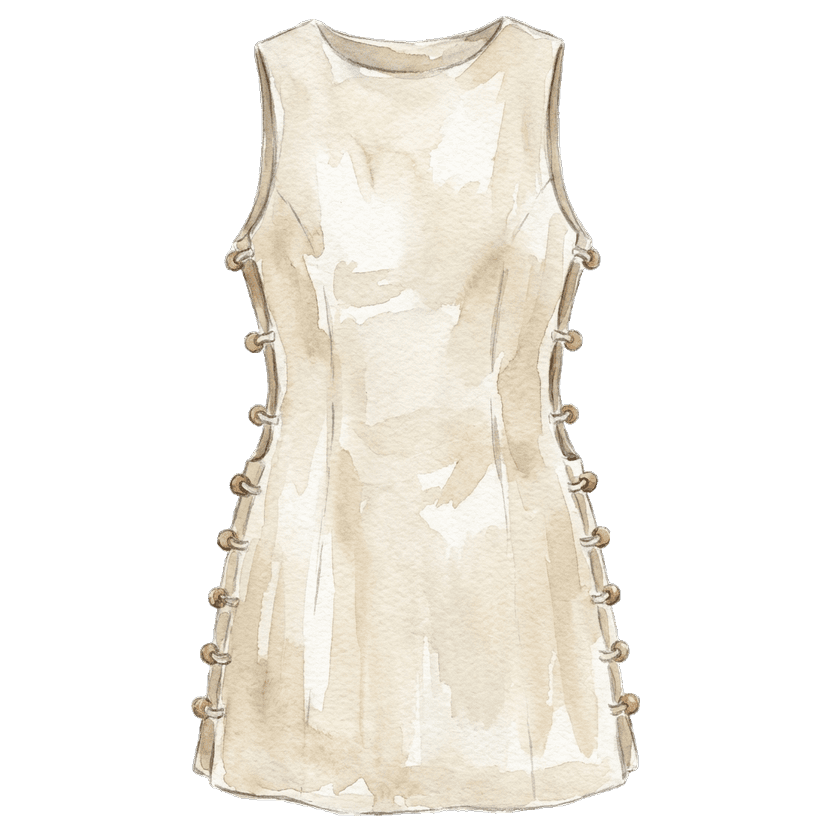 01Cream button-side mini dress
The gold-button side trim reads polished enough for Garden District lunch while the short, loose cut handles a 33°C / 91°F afternoon.
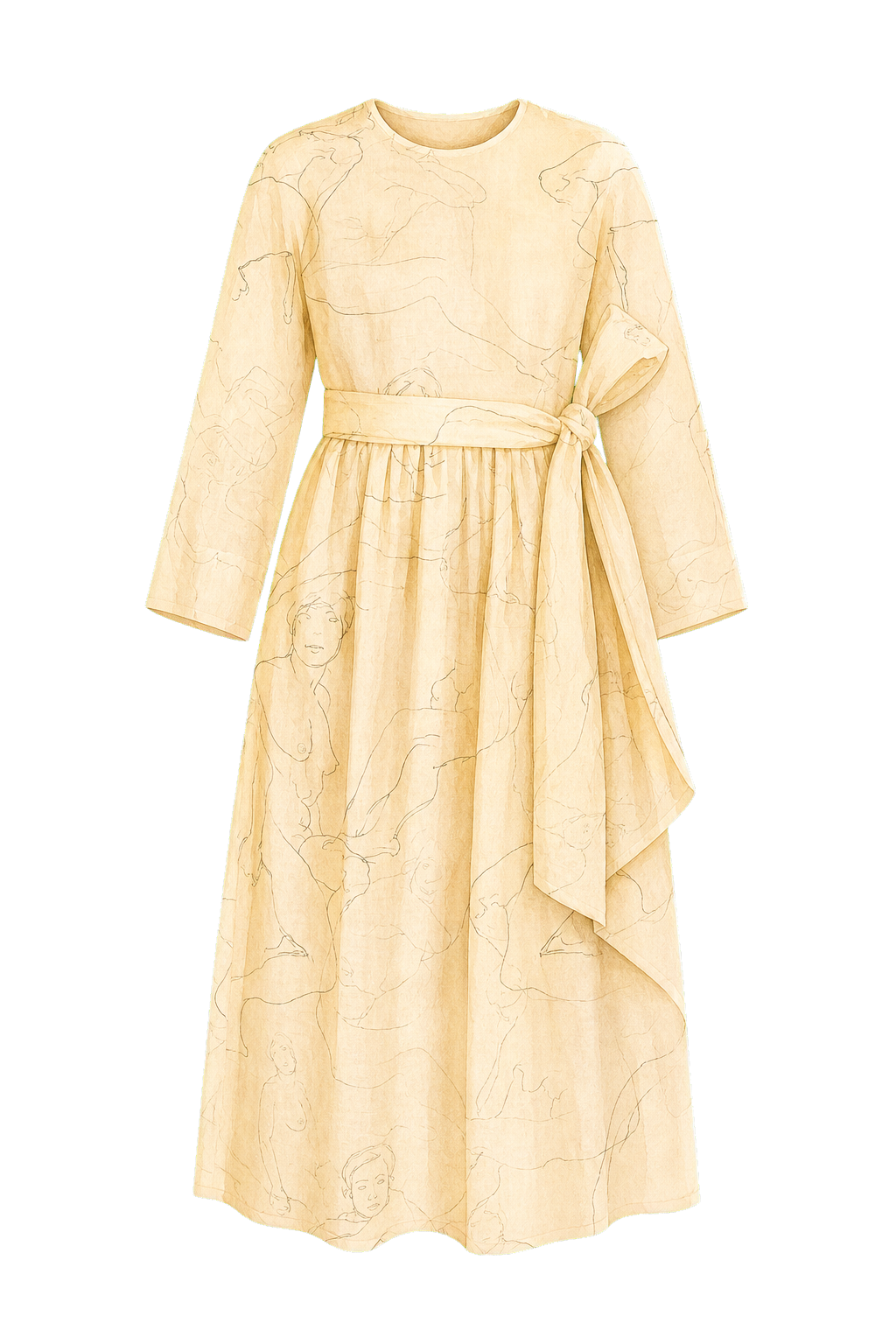 02Cream linen kaftan midi
A loose pale rotation blocks sun without touching the body and dries overnight between wears.
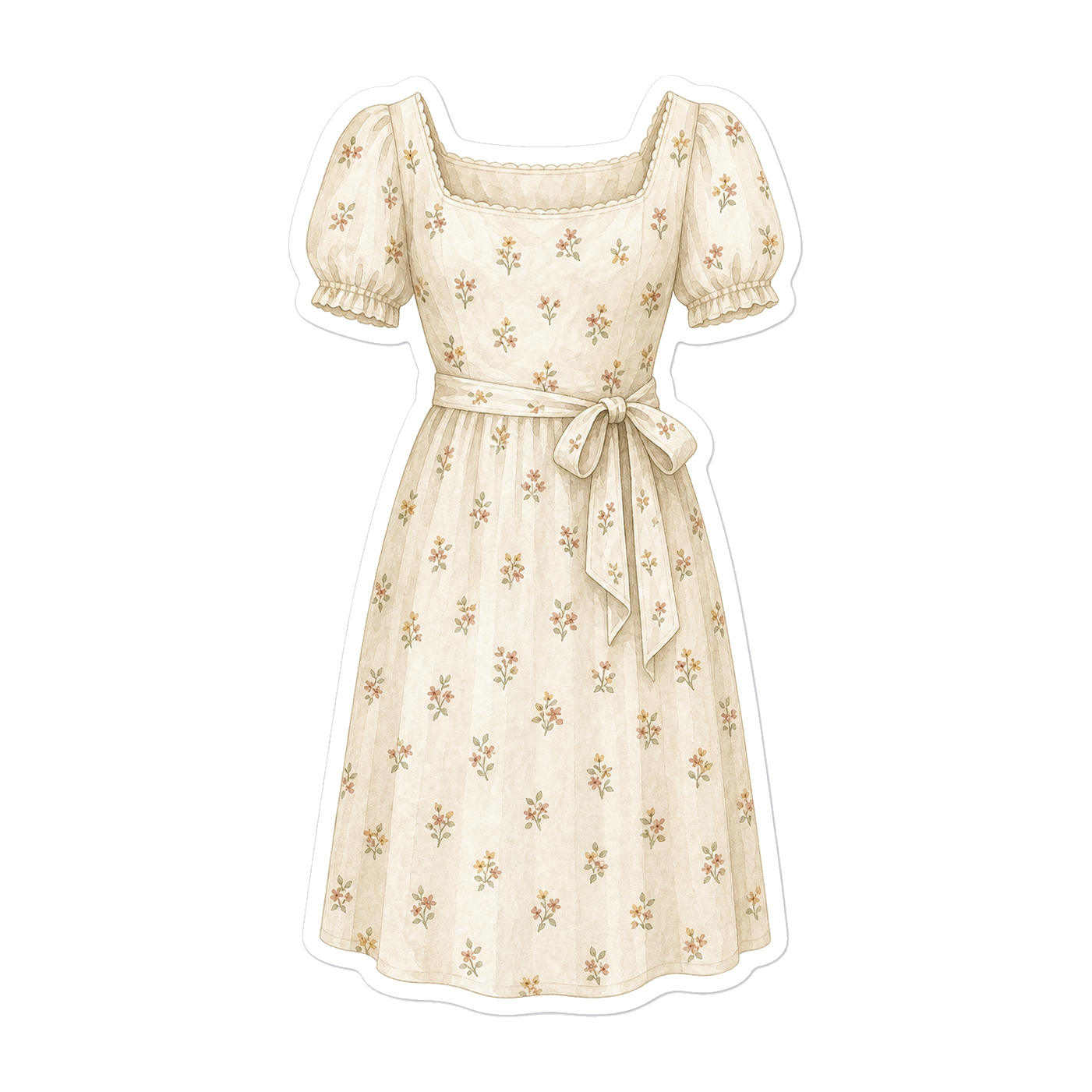 03Ivory floral cotton-modal dress
The evening dress rotation mirrors the illustrated look and breathes better than a fitted synthetic in Frenchmen Street humidity.
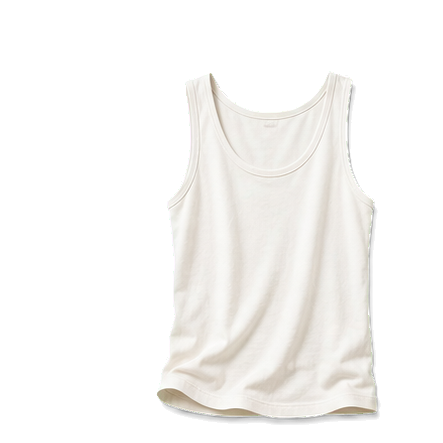 04Ivory quick-dry tank
A moisture-wicking base survives humid mornings and dries fast after a sudden storm.
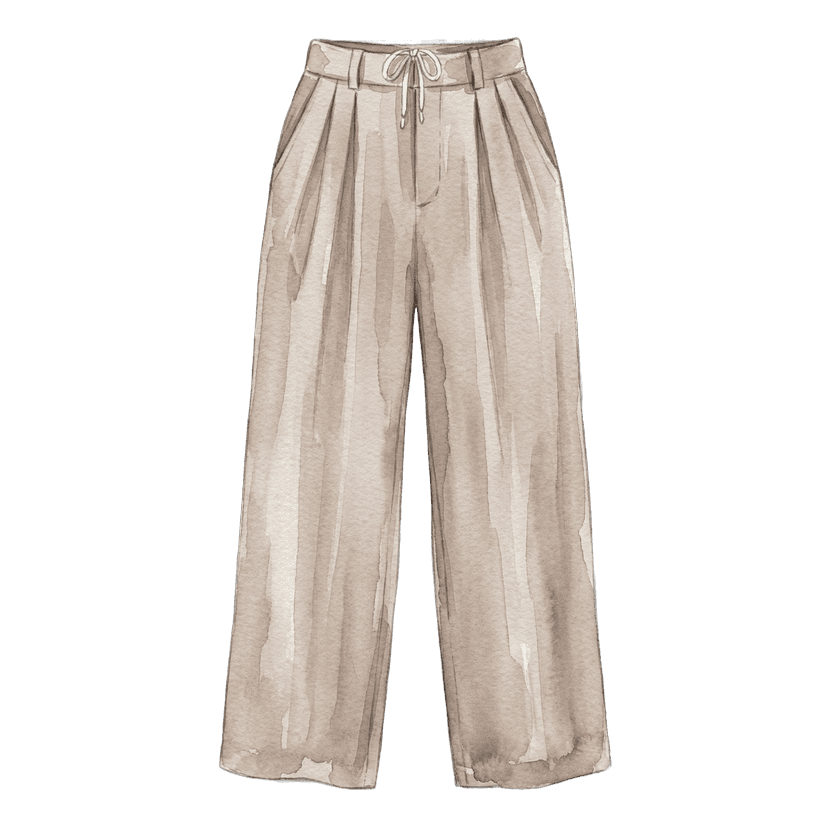 05Taupe pleated wide-leg trousers
The high-rise pleat drapes away from the thigh and still reads correctly at Commander's Palace-tier dinners.
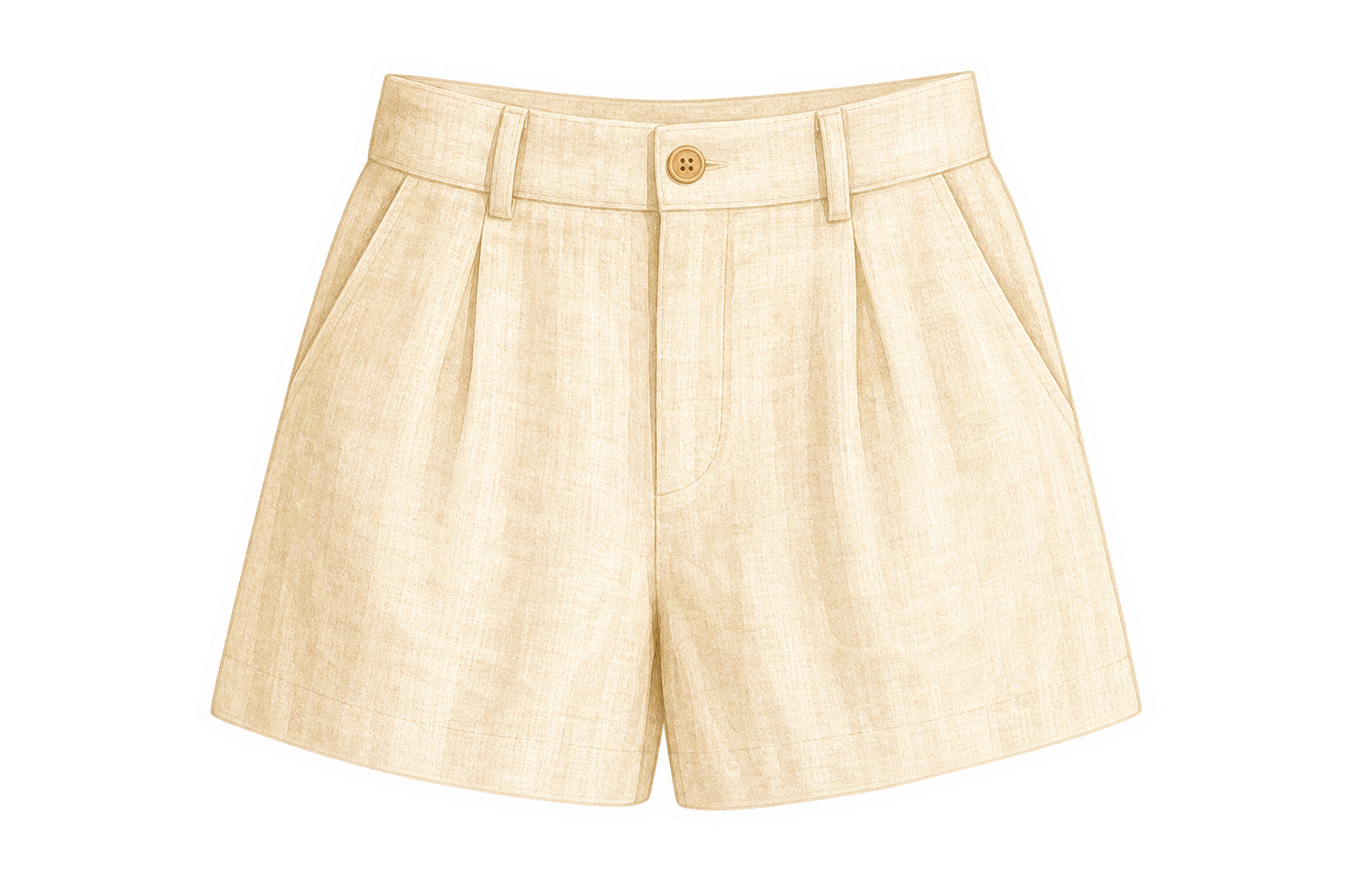 06Natural linen shorts
A tailored loose short for early City Park walks before the dangerous afternoon heat window.
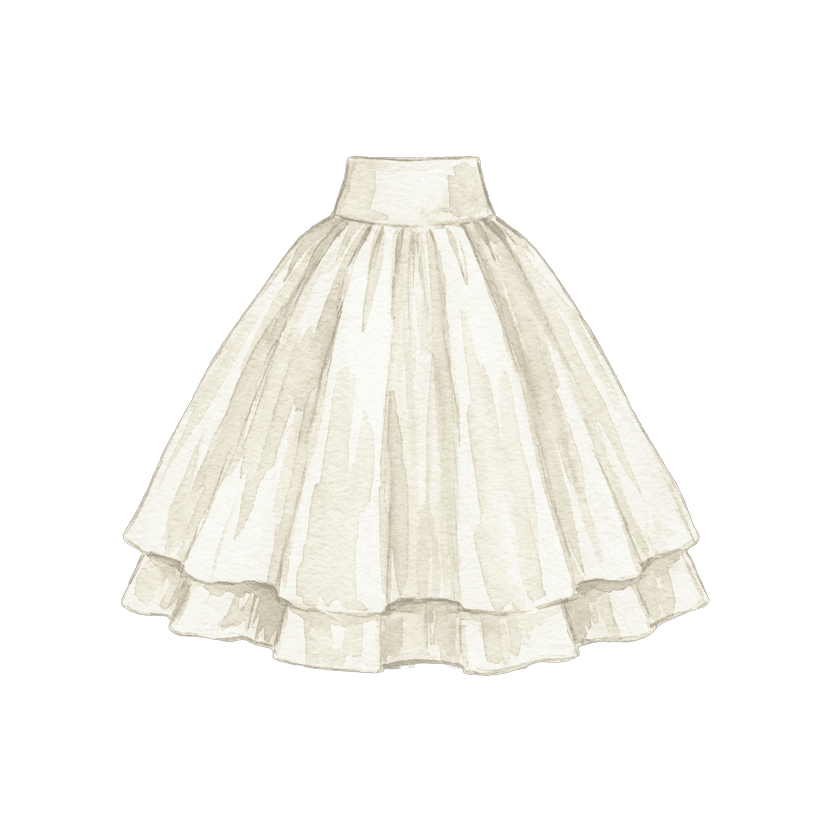 07Ivory voluminous midi skirt
The flowing evening alternative keeps air moving and gives more coverage for restaurant plans.
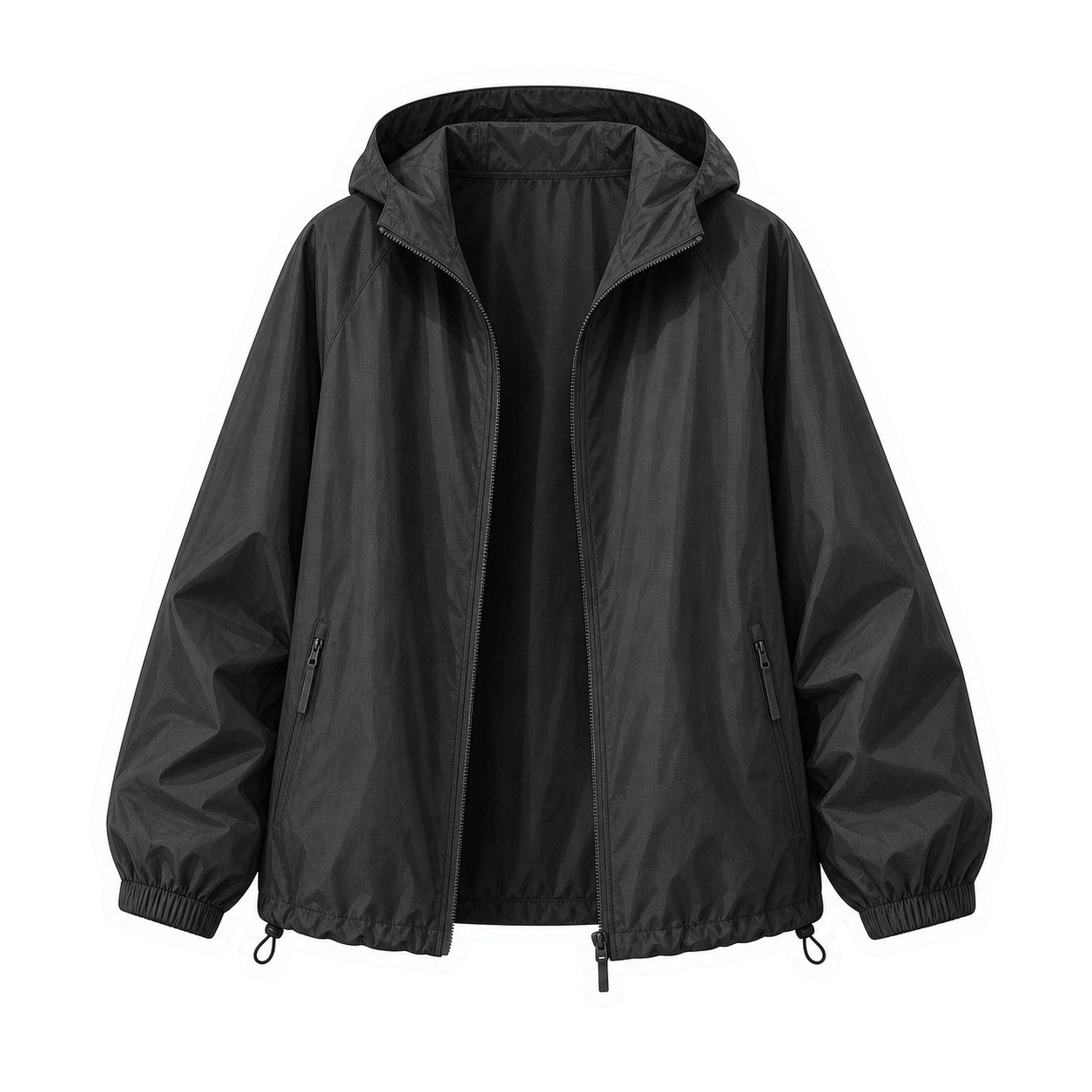 08Black packable rain shell
Sixteen rain days and peak hurricane season make a rolled shell daily carry; umbrellas are unreliable in gusts.
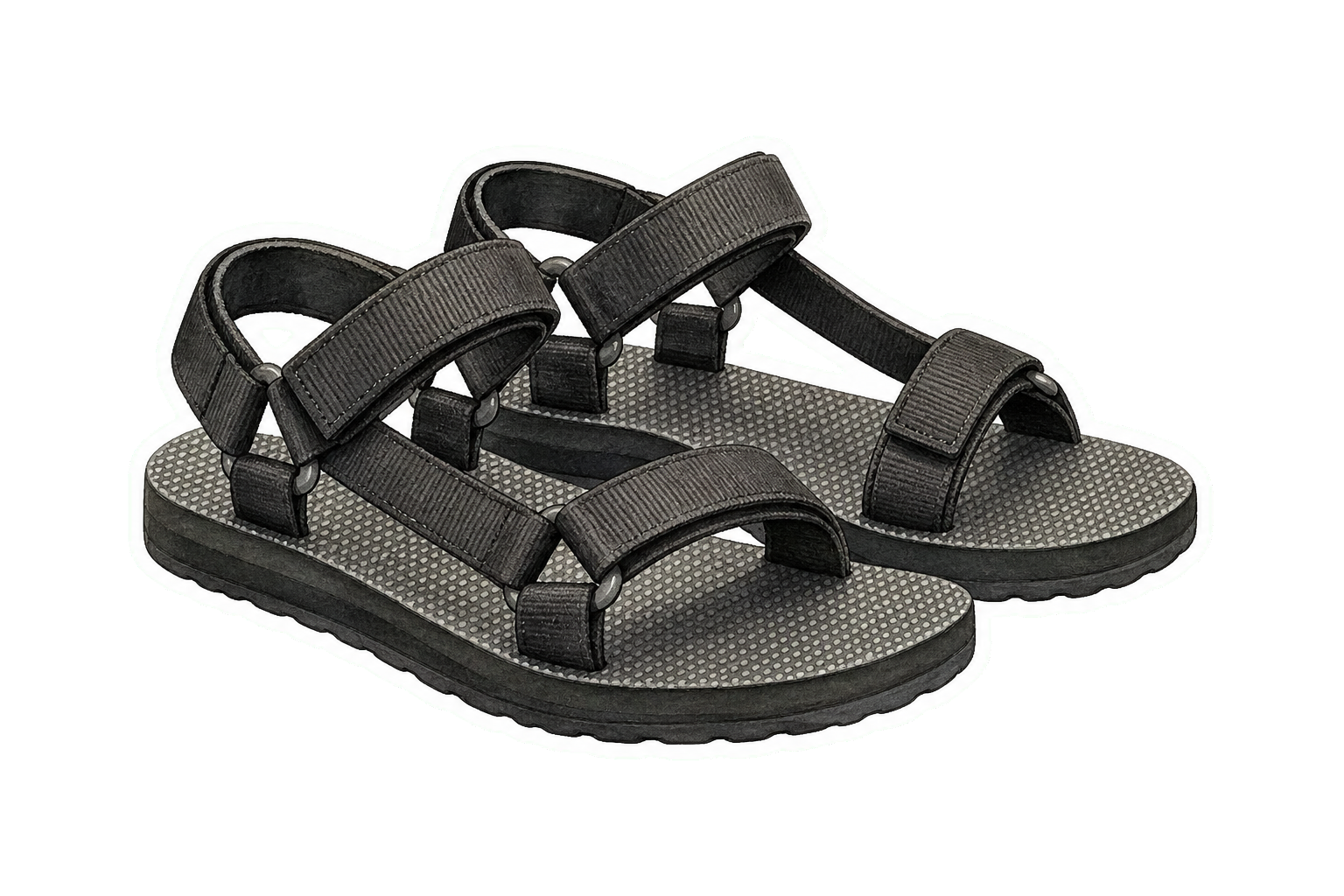 09Black grip sandals
A structured, quick-drying sole handles Quarter flagstone and storm-wet pavement.
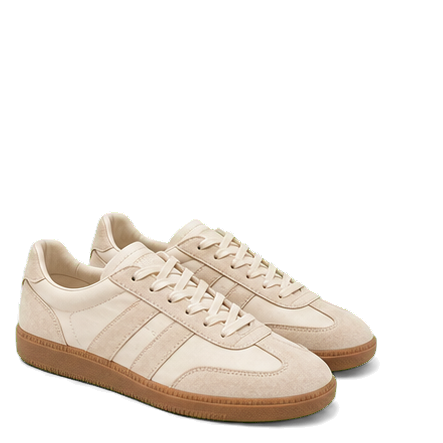 10Beige structured sneakers
The closed walking option for longer dry stretches and late French Quarter streets.
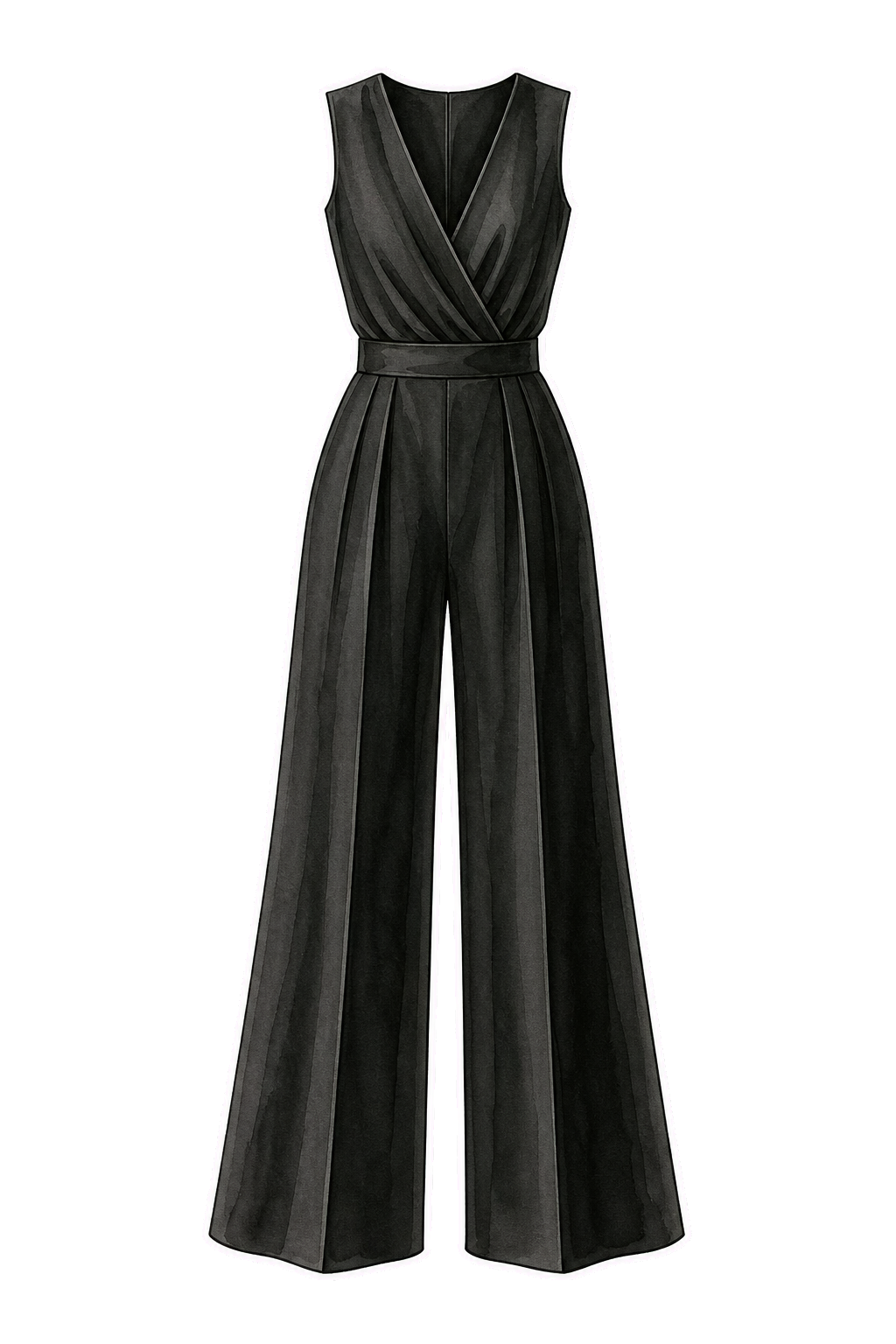 11Black wide-leg jumpsuit
A polished smart-casual evening option that stays loose through the leg instead of clinging.
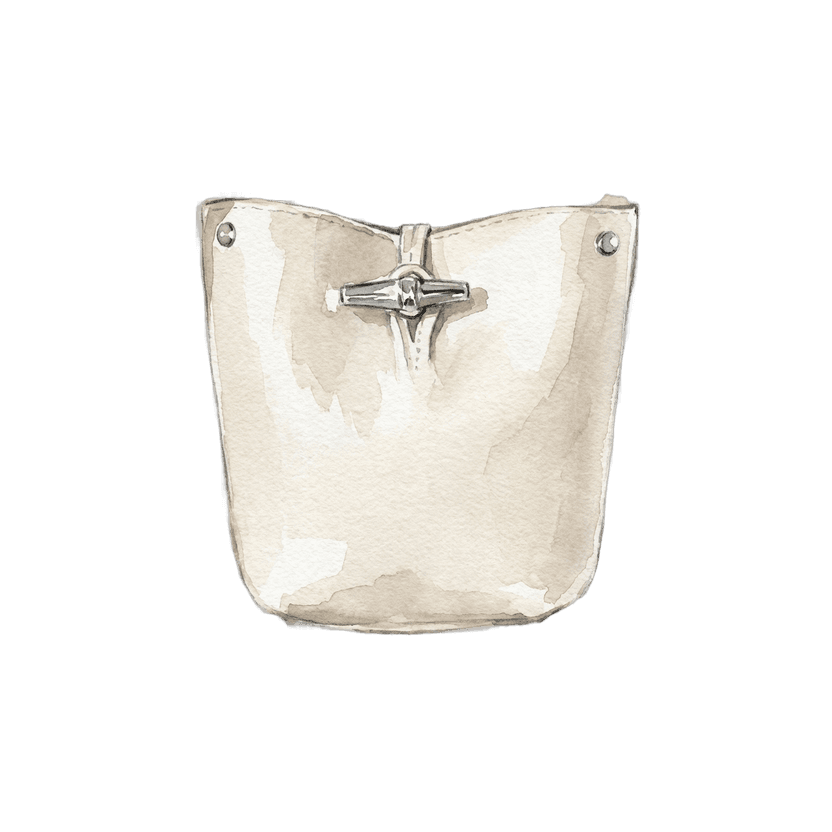 12Cream leather bucket bag
The drawstring closes against sudden rain where a flap-top exposes contents, and the pale surface wipes clean.
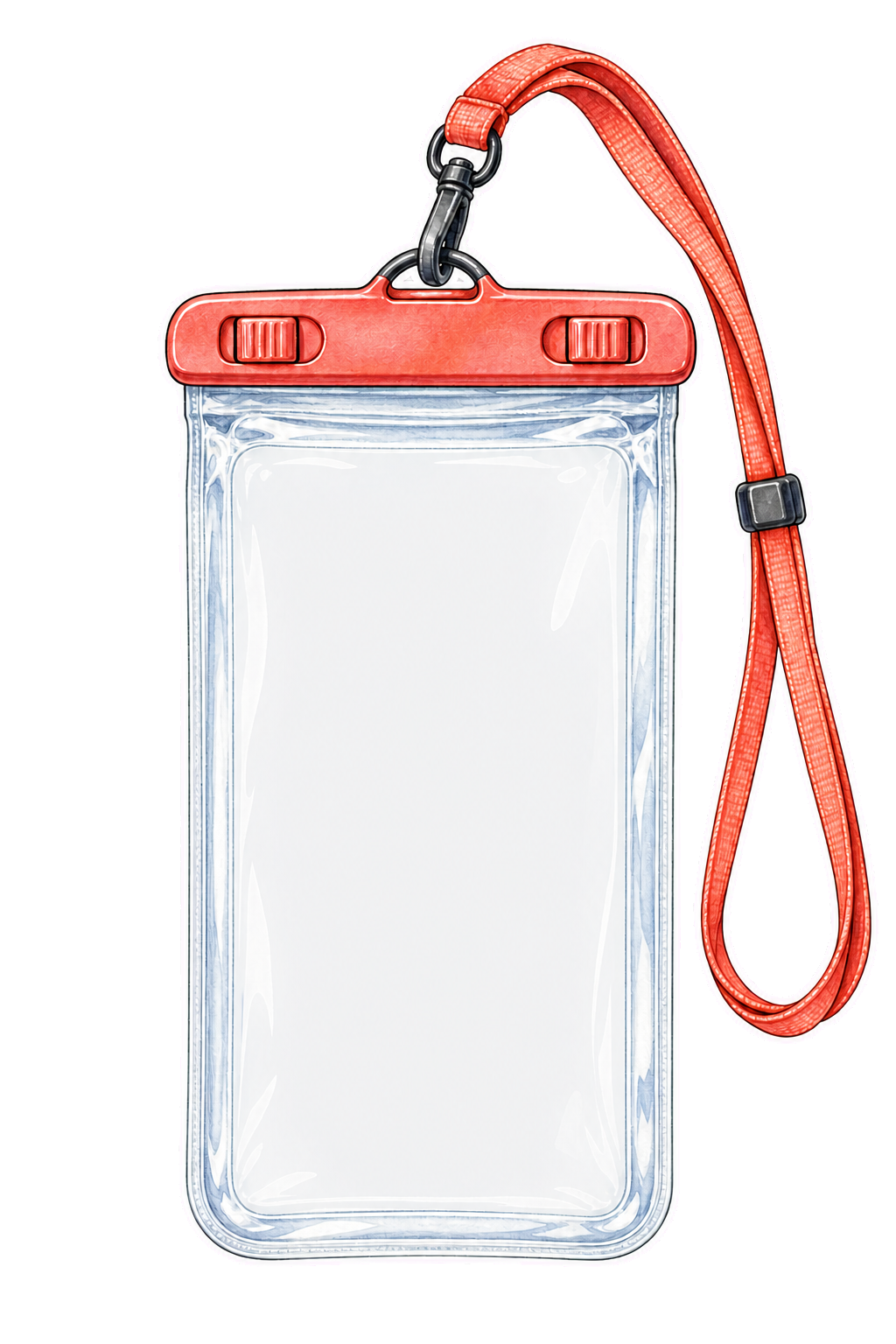 13Coral waterproof phone pouch
Phones in pockets do not survive the kind of downpour New Orleans can produce in an hour.
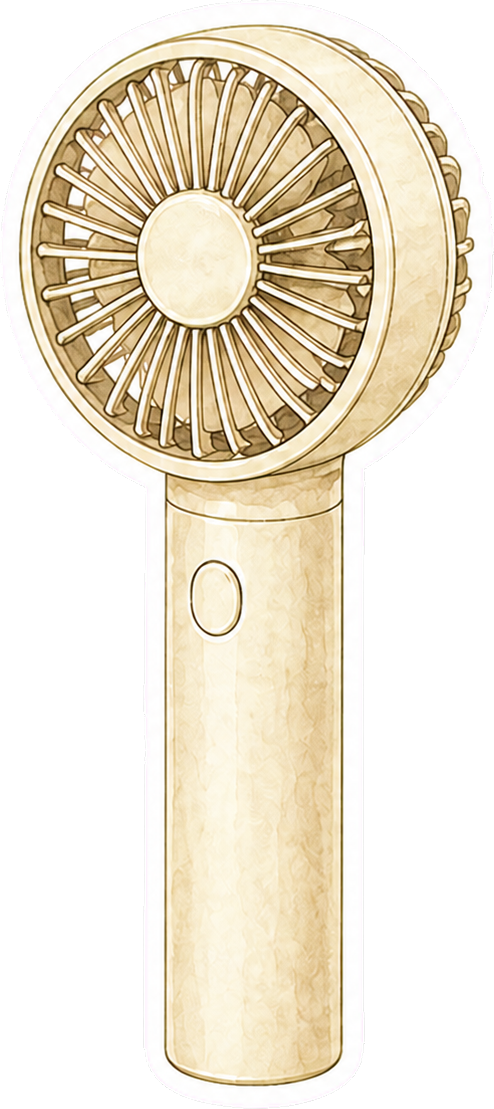 14Portable mini fan
Small enough for the bucket bag and genuinely useful whenever the AC cannot keep up.
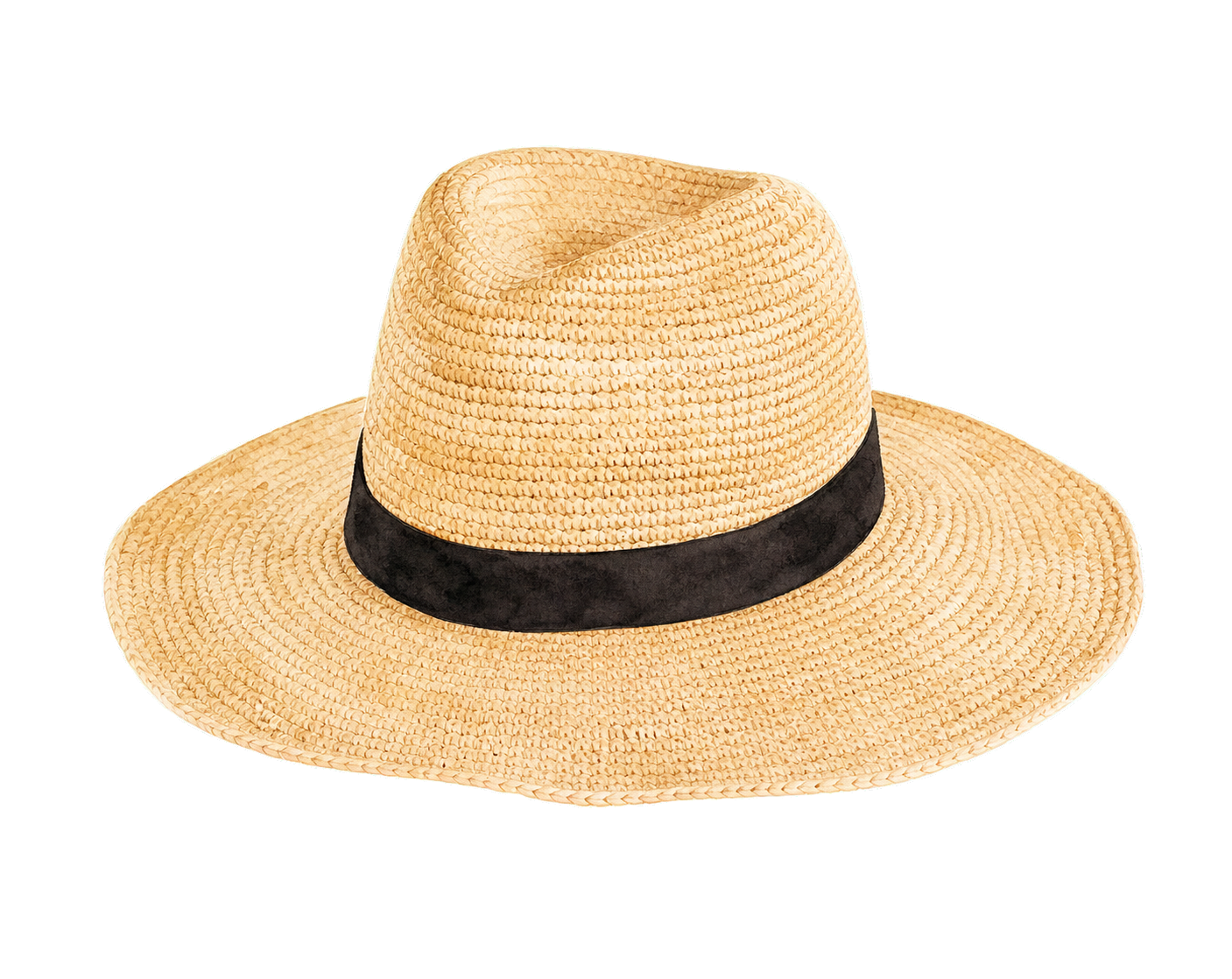 15Wide-brim straw hat
Peak UV and patchy shade make a proper brim functional rather than decorative.
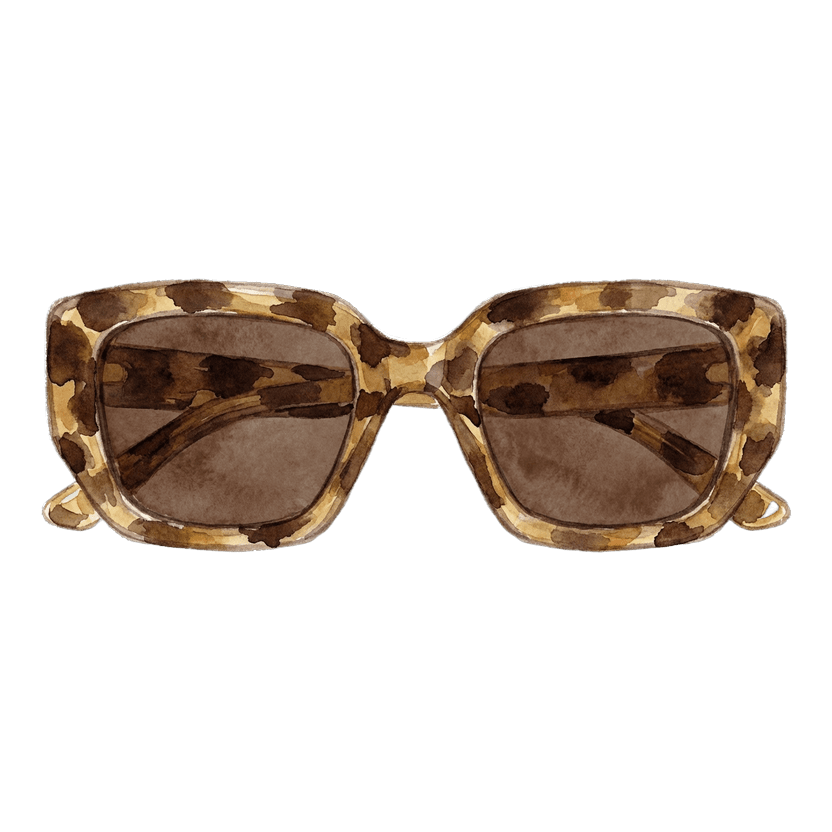 16Tortoiseshell sunglasses
UV400 lenses reduce reflected glare off pale pavement and water after a storm.
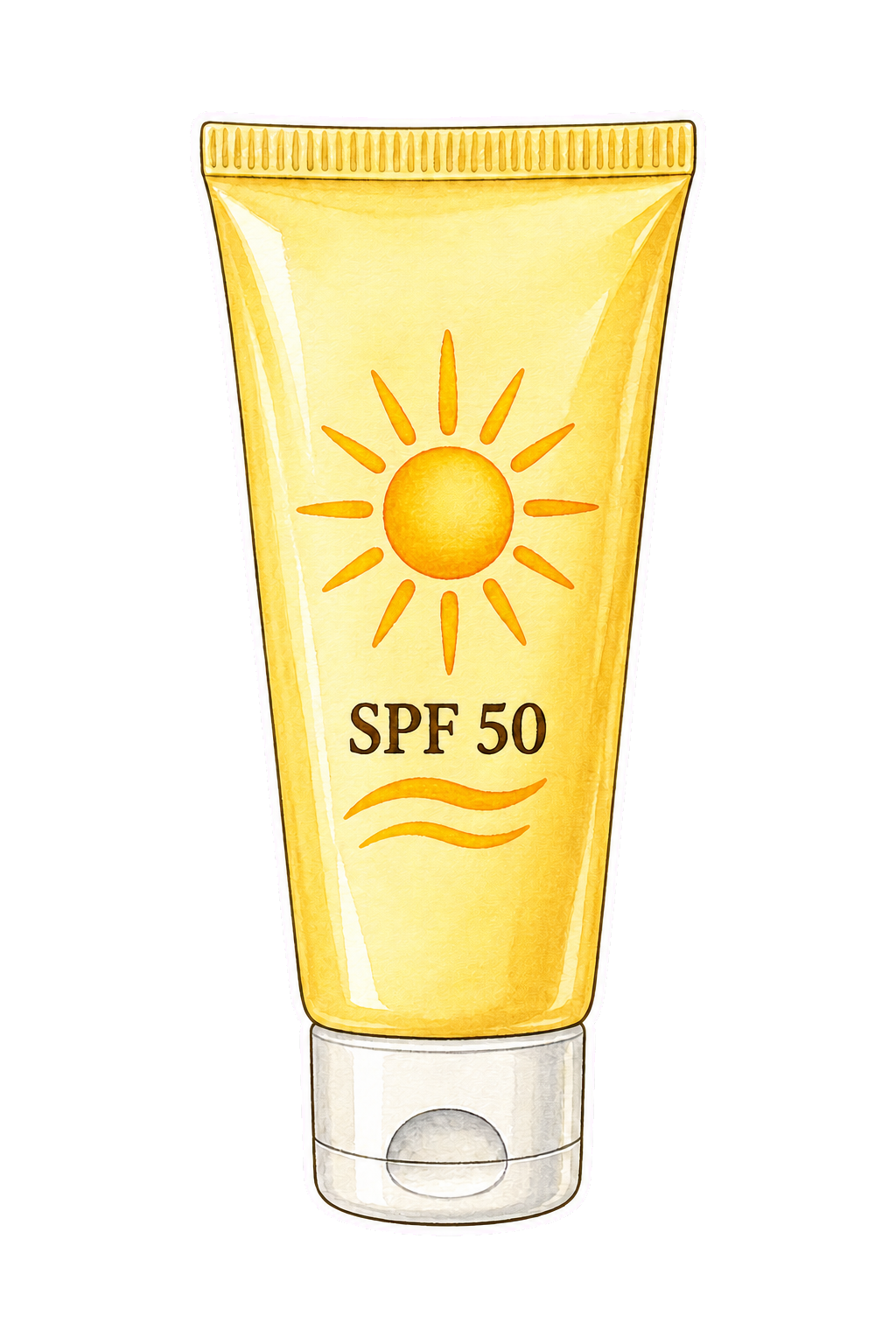 17SPF 50
Reapply every 90 minutes when walking before noon; cloud cover does not remove the UV load.
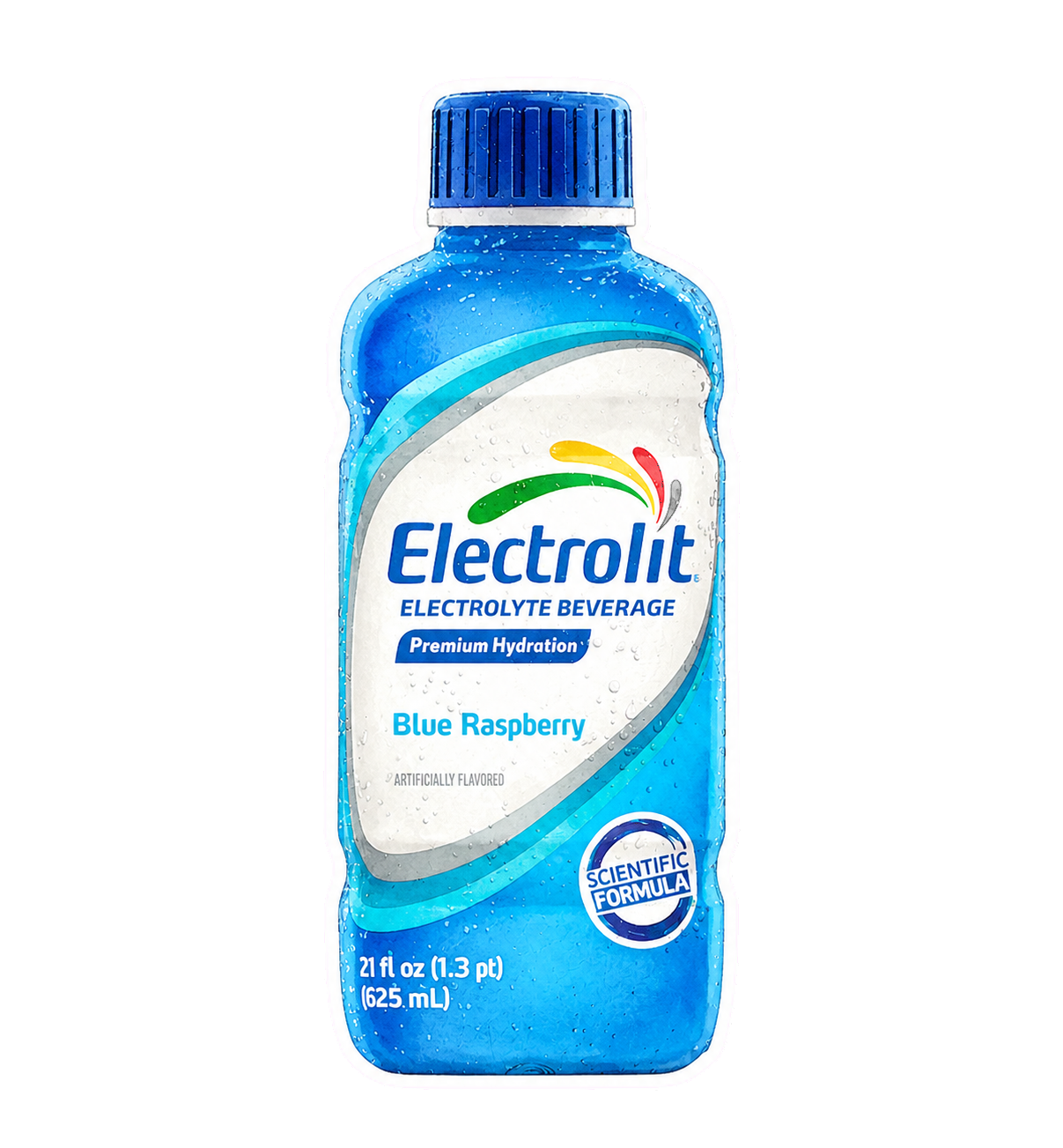 18Electrolyte drink
Seventy-two percent humidity depletes fluid and salts quickly, especially alongside Bourbon Street alcohol.
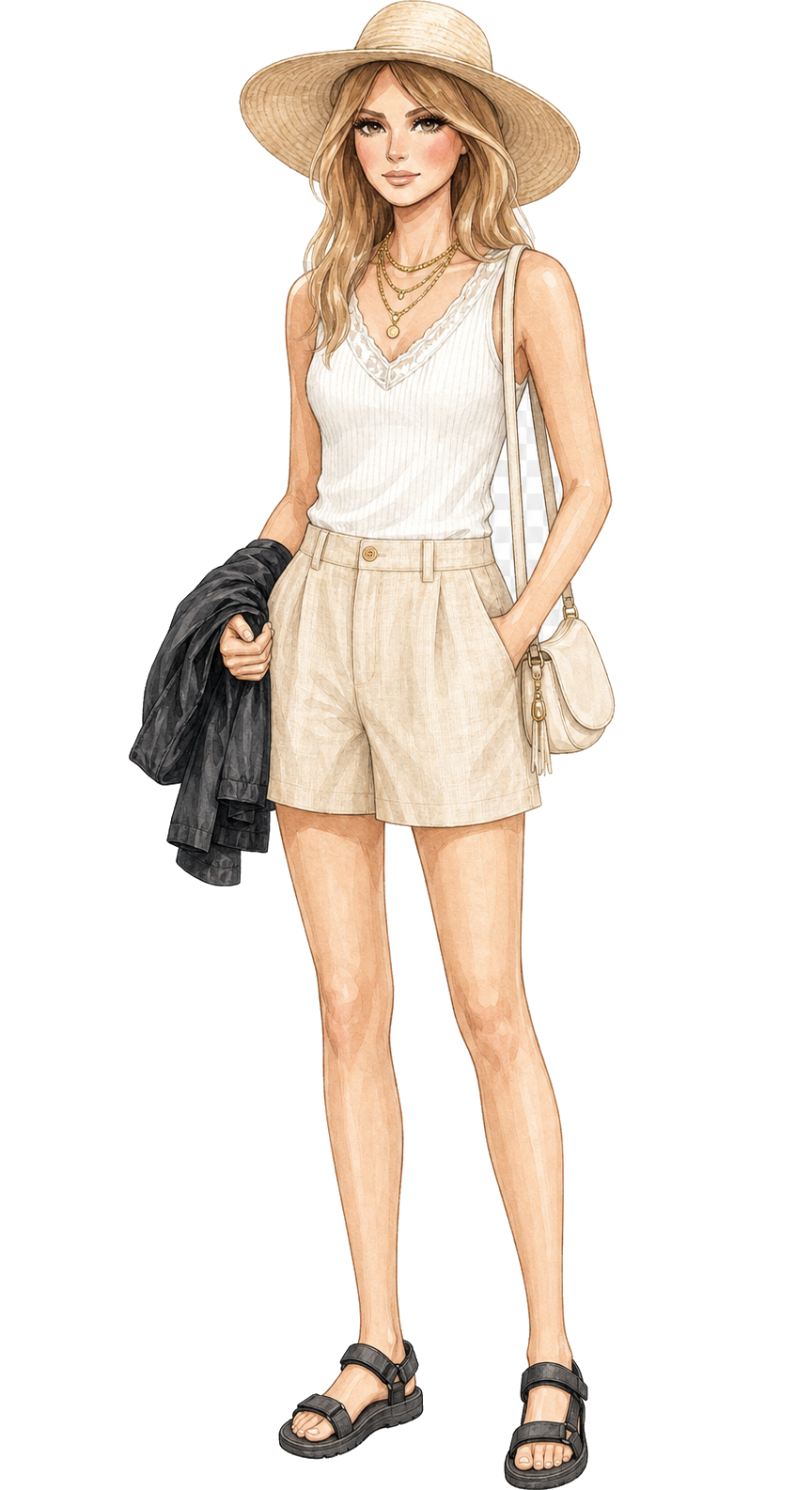
Day to night
Moisture-wicking tank · linen shorts · Tevas · crossbody · wide-brim hat · rain shell. Morning in City Park, brunch indoors by 11am.
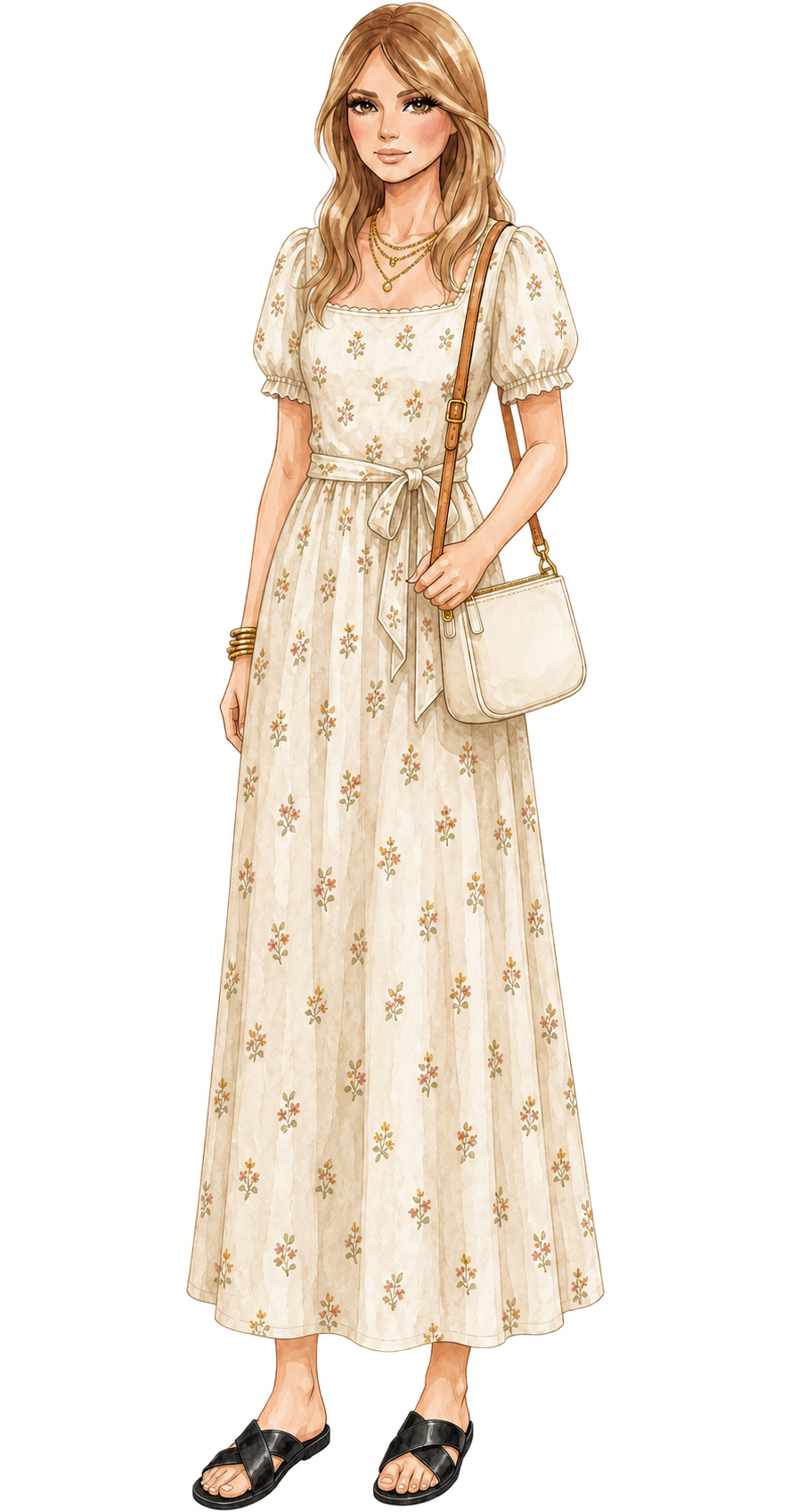
Long loose maxi · flat sandals · small crossbody. Dinner at Dooky Chase's or Herbsaint, Preservation Hall jazz.
What to avoid
- Outdoor 2-5pm — genuinely dangerous heat plus storm risk
- Pure cotton bottoms — never dries in 72% humidity
- Suede and stilettos — ruined by storms, useless on flooded streets
- Ignoring NOAA hurricane alerts — Aug-Sept is peak risk
- Older carriage-house B&Bs if heat-sensitive — AC can't keep up
- Non-refundable flights mid-Aug to late Sept without travel insurance
Frequently asked questions
Average daily high is 33°C (91°F), low is 26°C (79°F), humidity 72%. Combined with humidity, afternoons feel 38°C / 100°F+. August is the most humidity-oppressive month of the year in NOLA, often felt as harder than July despite similar average temperatures. Sustained multi-day humidity buildup makes late August particularly rough.
Peak. Mid-August through late September is the Cape Verde hurricane season, when most major Atlantic storms form off the African coast and travel westward toward the Gulf. NOLA has a hurricane history (Katrina, Ida most notable). Check NOAA National Hurricane Center daily during August visits. Book travel insurance with hurricane coverage. Have a flexible itinerary and a plan if evacuation orders issue.
Weather-wise, one of the hardest months. Price-wise, excellent — hotel rates drop 30-40% versus February Mardi Gras peak. The strategy: book refundable, monitor forecasts 7-10 days out, plan indoor backup activities (WWII Museum, NOMA, galleries, haunted tours at night), and commit to heat-smart scheduling (indoors 12-6pm, outdoors mornings and evenings).
Linen (dries fast), cotton-modal blends (dries overnight), moisture-wicking technical fabrics (Uniqlo AIRism, Athleta, Lululemon), lightweight rayon. Skip pure cotton (stays damp), polyester (traps heat), heavy denim (miserable). Loose silhouettes over fitted.
Yes — a packable, hurricane-rated rain shell. Not an umbrella (wind flips them). 16 rain days and peak storm season. Patagonia Torrentshell, Arc'teryx Beta LT, or Columbia Switchback in a rolled-up state fit in any bag. Waterproof phone pouch matters too — NOLA flooding is real.
Sources
- NOAA — 1991–2020 climate normals, Lakefront Airport station