What to Wear in Hong Kong in January
Hong Kong in January: 20°C / 68°F afternoons, 14°C / 57°F nights, and the coldest nights of the year on NOAA's airport record.
- Black down liner — packs small and covers about 10 nights at 12°C or below
- Black waffle thermal — the base for the 5 or so nights at 10°C or below
- Grey marl zip knit — on and off all day between a 19.6°C afternoon and a 13.8°C / 57°F night
- Black softshell trousers — keep the harbour wind off on the cold evenings
- Charcoal merino beanie — marathon morning, 17 January, falls in the colder half of the month
- Cobalt wool scarf — warmth at the neck and the one colour against black and grey
- December's tweed-and-cashmere plan — cold nights rise from about 6 to about 10
- A parka — afternoons still average 19.6°C, and a down liner rolls into the bag by noon
- Leaving the layers at the hotel on a bright morning — 8 or 9 January days never pass 18°C
January is the coldest month on NOAA NCEI's record for Hong Kong International Airport, and the one where cold nights are routine. Afternoons average 19.6°C, but nights average 13.8°C / 57°F; about 10 of them reach 12°C or below and 5 reach 10°C or below, and on 8 or 9 days the high never passes 18°C. The air is the driest of the year, with a 10.3°C dew point and about 5 wet days. So pack warmth that compresses: a down liner, a waffle thermal and a zip knit that go on and off as the day swings, plus a beanie and a scarf for the cold mornings. The Standard Chartered Hong Kong Marathon runs on Sunday 17 January.
In December a cold night in Hong Kong is an event. In January it is one night in three. The city's winter is short, and this is where it lives.
The capsule
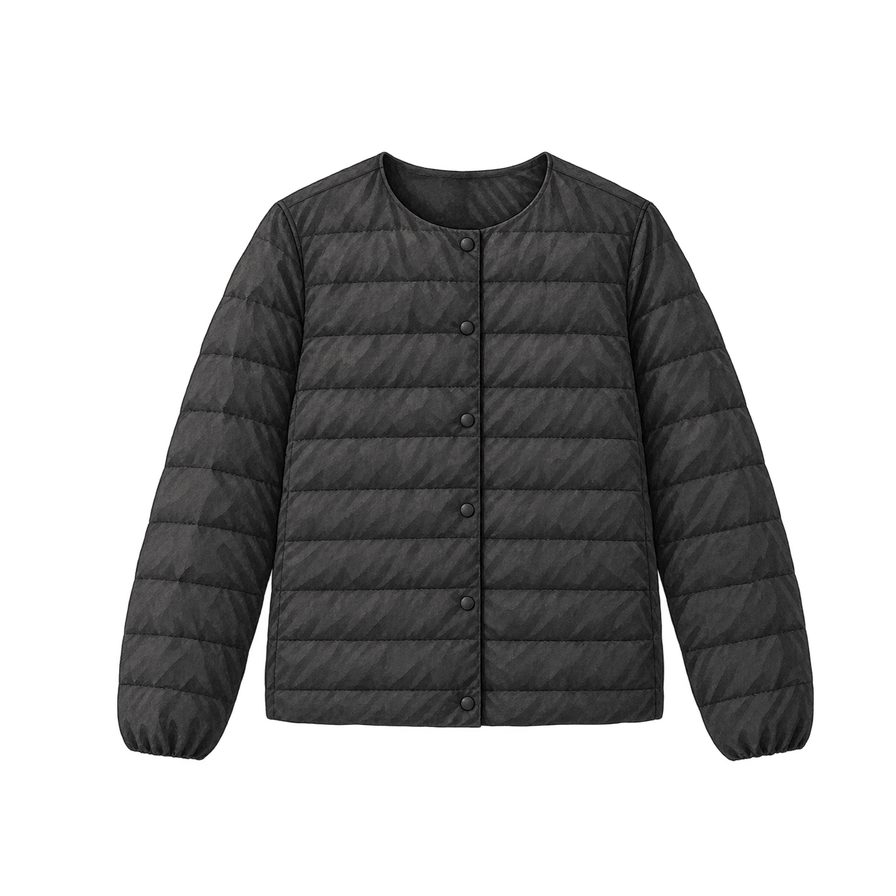 01Black collarless quilted down liner
Pack the jacket Hong Kong's cold asks for, which is a light one. A black collarless down liner snaps shut over the knit on the 10 or so January nights at 12°C or below and rolls into the bucket bag when the afternoon reaches 19.6°C. Down rather than a wool coat, because the day swings nearly 6°C and a liner is the one warm layer you will not mind carrying.
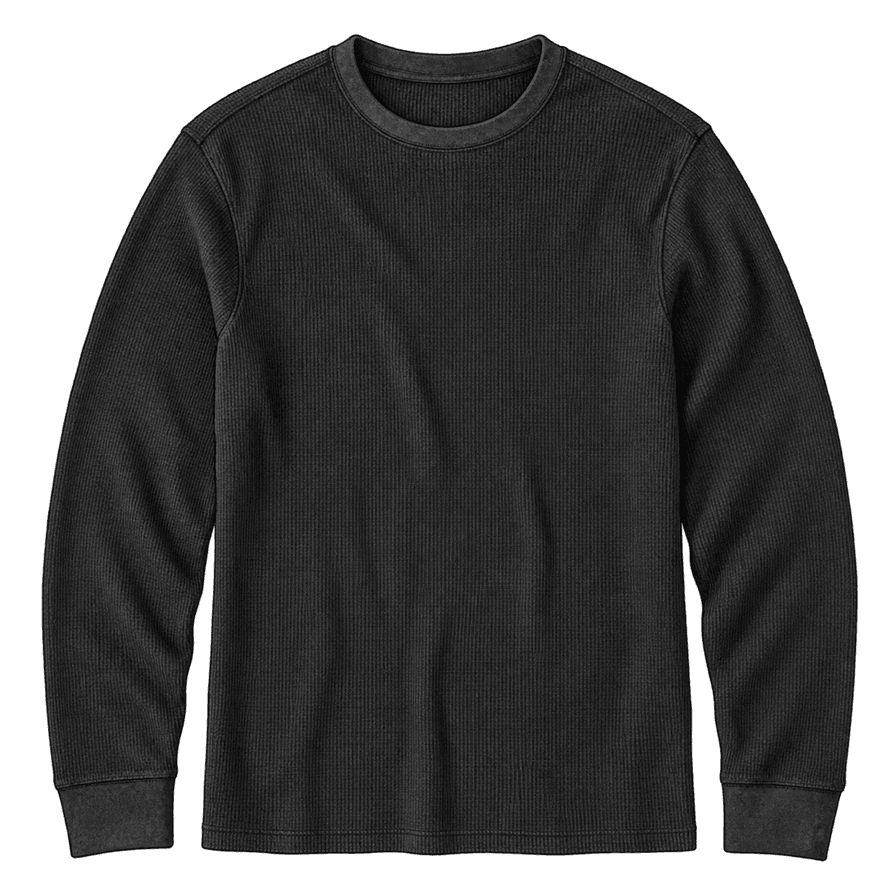 02Black waffle-knit thermal crew
Wear it as the base on the colder nights. A black waffle thermal traps warm air under the zip knit when the night falls to 10°C or below, which happens about 5 times in a January on the airport record. The waffle texture also means it reads as a top, not underwear, when the liner comes off in a restaurant.
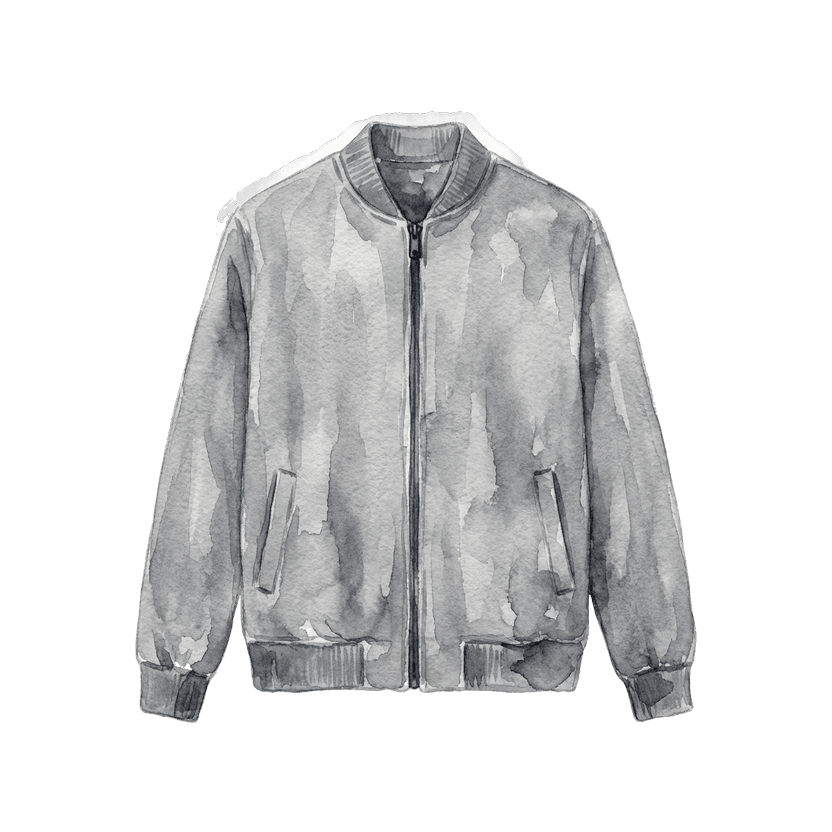 03Heather-grey marl zip-front knit
Your on-and-off layer. A heather-grey zip knit with a ribbed stand collar opens in a steamy dim sum hall and zips to the chin on the Star Ferry, and grey marl sits between the black pieces so the capsule never reads as one dark block. January's 10.3°C dew point, the driest air of the year, means a knit dries overnight after a drizzly day.
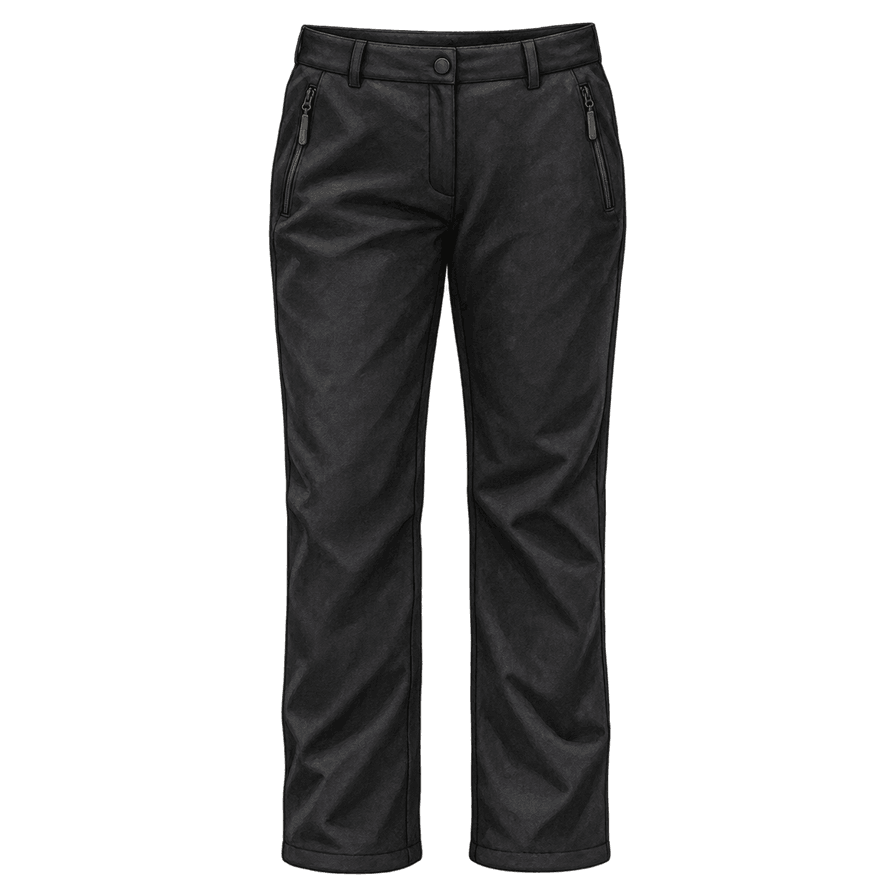 04Black straight softshell trousers
Black straight softshell trousers cut the wind on a harbourfront evening at 13.8°C / 57°F and shrug off the drizzle on about 5 wet days. Across a restaurant table they read as slim black trousers, and the zip pockets keep an Octopus card and a phone safe in a marathon crowd.
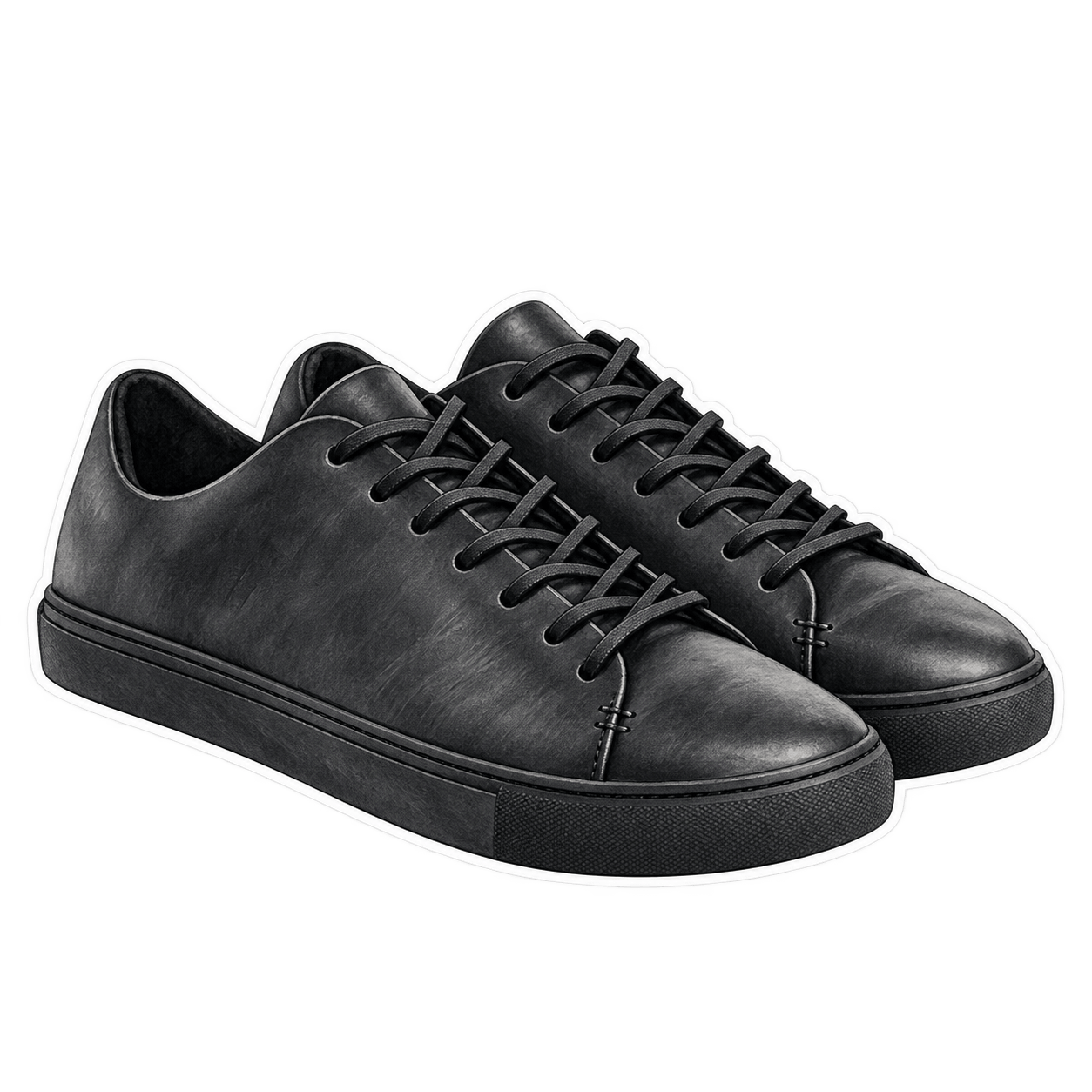 05Black leather low-top sneakers
One pair of shoes for everything. Black leather low-tops carry a day on foot from Sheung Wan to Wan Chai and wipe clean after the drizzle, where canvas stays damp in a month with about 5 wet days. Black leather also passes at a Central dinner, which white trainers do not.
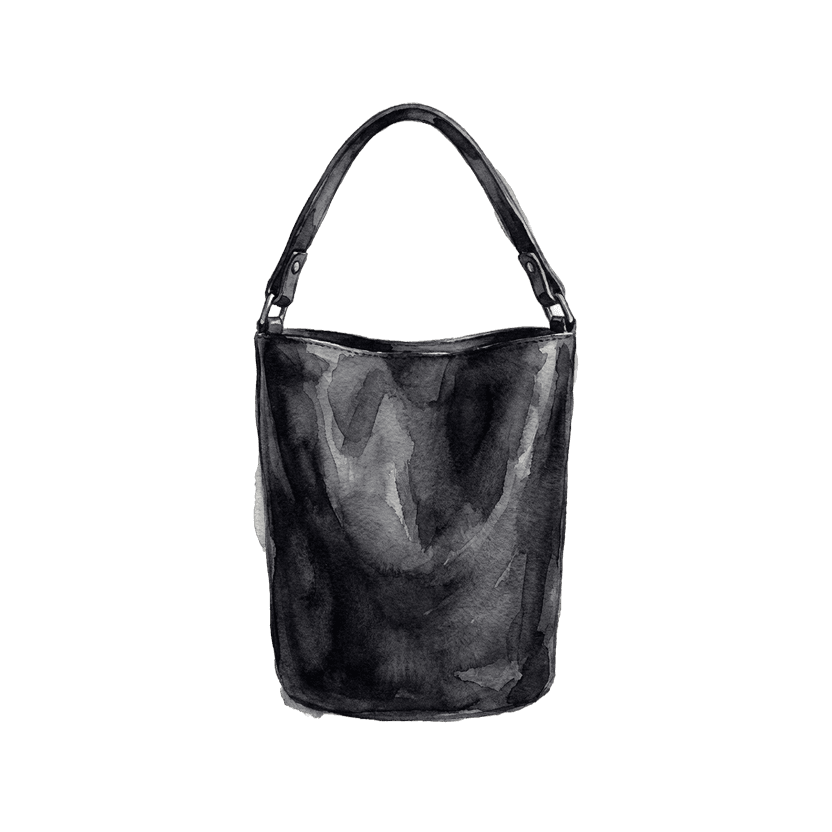 06Black leather bucket bag
Big enough for the layers. A black leather bucket bag on a single shoulder strap swallows the down liner at noon and the beanie and scarf until sunset, which moves from 5:50pm to 6:10pm across the month. Carry it in front in a crowd; the open top is the price of the space.
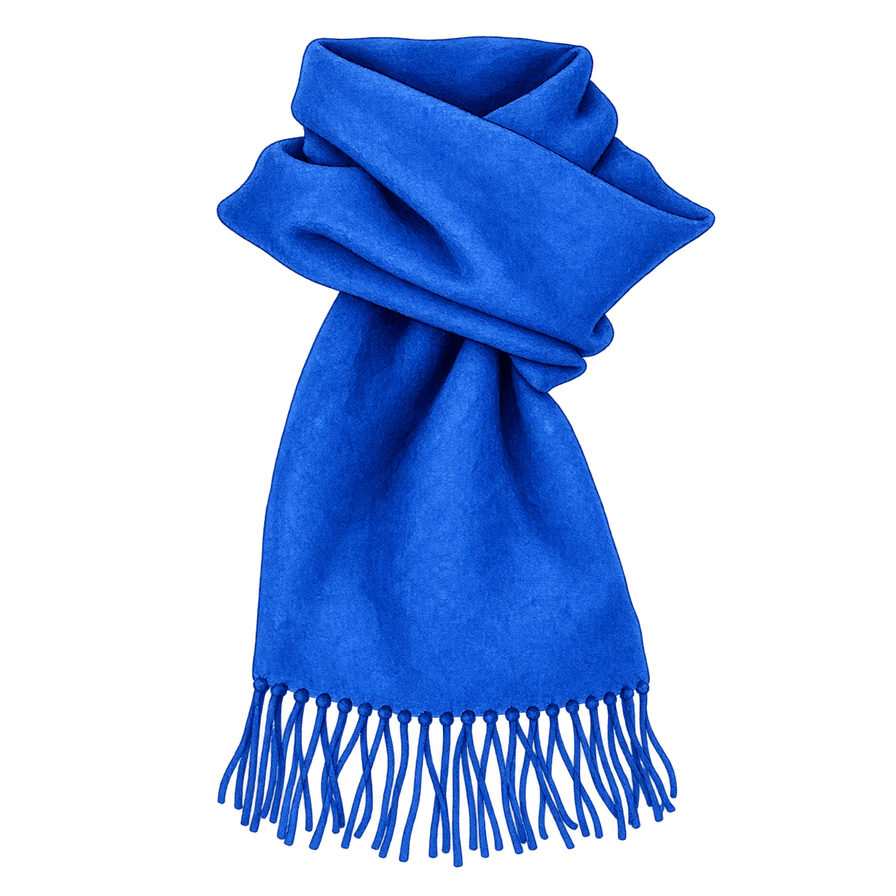 07Cobalt fine lambswool scarf
Pack one colour, and put it at your neck. A cobalt lambswool scarf wound once under the liner covers the nights at 10°C or below and turns a black-and-grey capsule into a look. Cobalt rather than red, because red comes out next month for Lunar New Year.
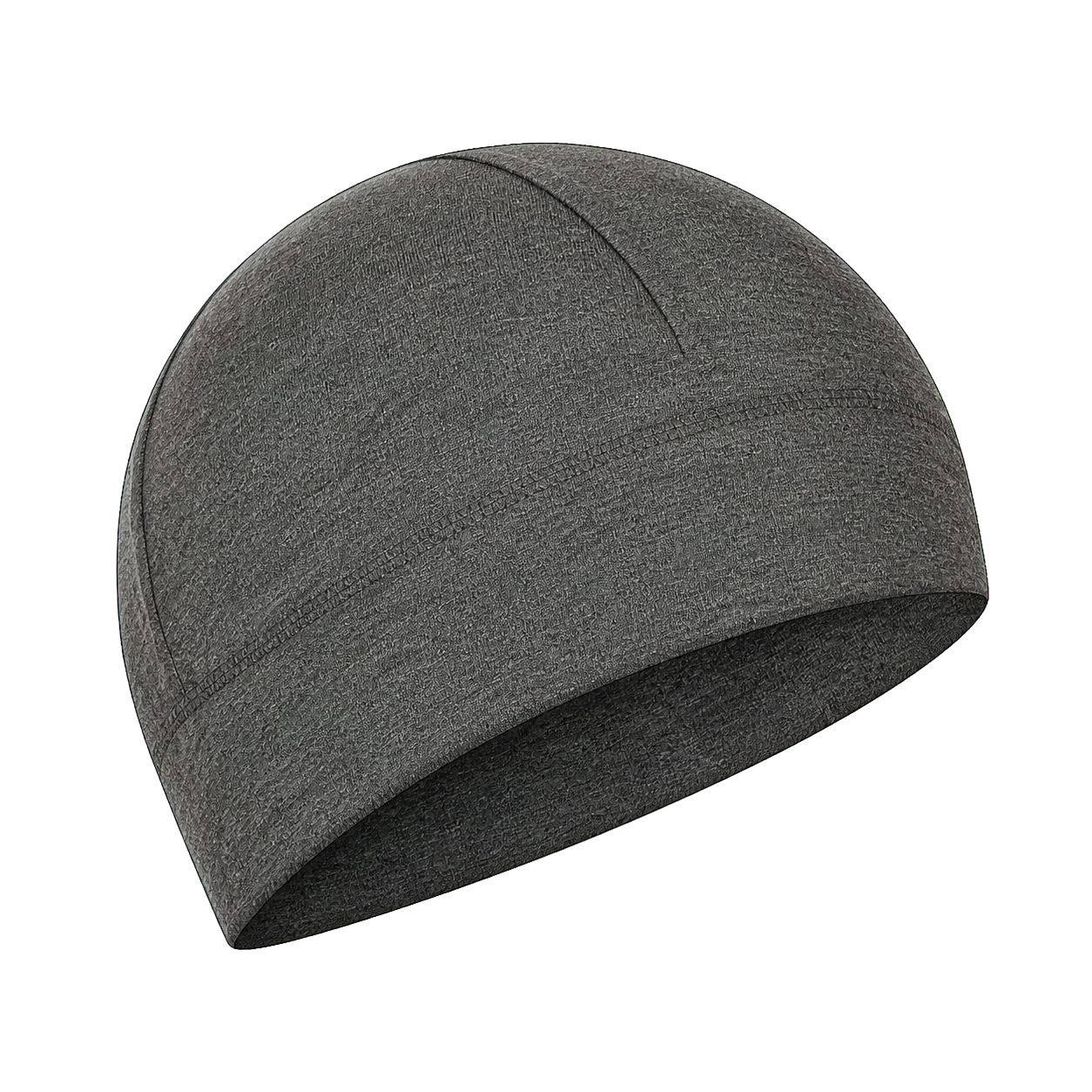 08Charcoal close-fit merino beanie
For the marathon morning and the late walks home. The second half of January averages 13.4°C at night on the airport record, with about 6 nights at 12°C or below, and a close-fitting charcoal merino beanie keeps the wind off your ears on the harbourfront, then folds into a pocket by ten.
Day to night
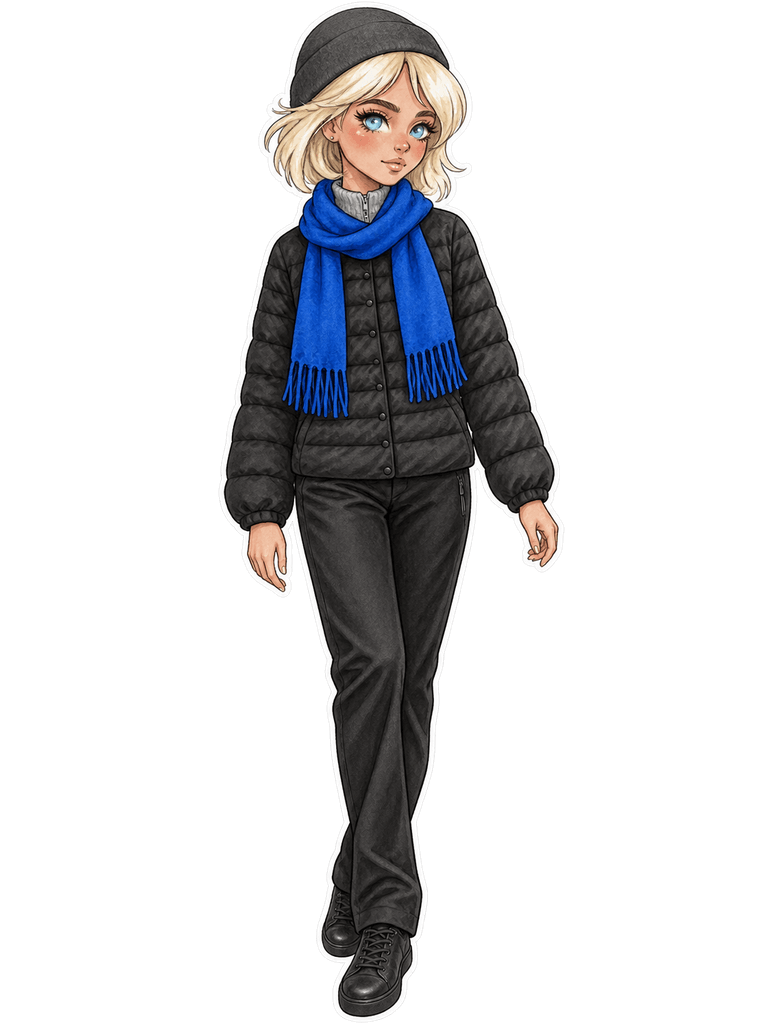
Grey marl zip knit · black down liner snapped shut · black softshell trousers · black leather sneakers · cobalt scarf · charcoal beanie. Marathon Sunday, 17 January: out early to watch the runners, then congee in Wan Chai once the sun is up.
Black waffle thermal under the grey marl zip knit · liner in the bucket bag · softshell trousers · leather sneakers · cobalt scarf. Dim sum in Sheung Wan just after a 6pm sunset, then the Star Ferry across on a 14°C / 57°F night.
A suggested look — black quilted down liner jacket, grey marl zip-neck knit, black softshell trousers, black leather sneakers, cobalt wool scarf.
What to avoid
- December's tweed-and-cashmere plan — cold nights rise from about 6 to about 10
- A parka — afternoons still average 19.6°C
- Canvas shoes — they stay damp after the drizzle on about 5 wet days
- Leaving the layers behind on a bright morning — 8 or 9 days never pass 18°C
Frequently asked questions
On NOAA NCEI's record for Hong Kong International Airport, averaged over 30 Januaries, the mean daily high is 19.6°C and the low 13.8°C / 57°F, which makes January the coldest month. About 10 nights reach 12°C or below and about 5 reach 10°C or below, and on 8 or 9 days the high stays at 18°C or under. Rain comes on about 5 days, some 35mm in all, and the mean dew point of 10.3°C is the lowest of the year. Daylight grows from 10h 48m on 1 January to 11h 08m on the 31st, with sunset moving from 5:50pm to 6:10pm. The station is at the airport on Chek Lap Kok, so read these as airport figures.
A black collarless down liner, a black waffle thermal, a heather-grey marl zip knit, black softshell trousers, black leather sneakers, a black bucket bag, a cobalt lambswool scarf and a charcoal merino beanie. That covers a 19.6°C afternoon with the liner in the bag, a 13.8°C / 57°F night with everything on, and the 5 or so nights at 10°C or below. Leave the parka and the canvas shoes at home: January is cold at night but never parka-cold, and the drizzle finds canvas first.
The 2027 race is on Sunday 17 January. Watching it means standing still early in the day in the colder half of the month, which averages 13.4°C at night on NOAA's airport record with about 6 nights at 12°C or below, so dress for the cold end: the zip knit under the down liner snapped shut, the beanie and the cobalt scarf, softshell trousers and closed leather shoes. Carry the bucket bag in front in the crowds; by late morning the liner and the beanie go into it.
Early January for the holiday and slightly milder nights, late January for the marathon and the run-up to Lunar New Year. The airport record gives the first half 20.1°C by day and 14.2°C at night, the second half 19.2°C and 13.4°C, with cold nights rising from about 5 to about 6 and wet days from about 2 to about 3. New Year's Day, Friday 1 January, is a public holiday, and the marathon is on Sunday 17 January. Lunar New Year's Day falls on Saturday 6 February 2027; in 2026 the city's Lunar New Year fairs ran for the seven days before it, so on that pattern they open on the last day of January.
About two degrees colder, with nearly twice the cold nights. On the same NOAA airport record, December averages 21.4°C by day and 15.4°C at night, January 19.6°C and 13.8°C. Nights at 12°C or below rise from about 6 to about 10, and at 10°C or below from about 2 to about 5; the dew point edges down from 10.6°C to 10.3°C and wet days rise from about 4 to about 5. Our December guide gets by with tweed over cashmere. January swaps the blazer for a down liner and adds a waffle thermal, a beanie and a scarf.
Down, even at 19.6°C by day. A January morning on the MTR is lightweight quilted jackets and liners over knits, dark trousers and closed shoes, with a scarf on the colder days; by lunch the jackets are over arms. The month's heritage anchor is the run-up to Lunar New Year. The Food and Environmental Hygiene Department ran 14 Lunar New Year fairs in 2026, with about 1,500 stalls selling festive flowers, food and fai chun (spring couplets) for the seven days before New Year's Day, and on that pattern the 2027 fairs open at the end of January. Buy a fai chun there, and keep the red for February.
Sources
- NOAA NCEI — 1991–2020 climate normals, Hong Kong International Airport (Chek Lap Kok) stationfigures computed from NOAA NCEI's global-summary-of-the-day record 45007099999 for the airport at Chek Lap Kok, 30 complete Januaries (rain days counted at ≥0.01 in on the 22 Januaries with complete rain reports). NOAA's daily archive for the Hong Kong Observatory's headquarters station ends in 1992, so the airport record stands in. Recorded per month because this city's other pages are sourced differently.
- NOAA NCEI — Global Summary of the Day, Hong Kong International Airport (WMO 45007, 45007099999; observations by the Hong Kong Observatory), 1991–2020 — accessed 2026-09-29
- Standard Chartered Hong Kong Marathon — the 2027 race on Sunday 17 January 2027 — accessed 2026-09-29
- HKSAR Government — General holidays for 2027 published (New Year's Day; Lunar New Year on Saturday 6, Monday 8 and Tuesday 9 February) — accessed 2026-09-29
- FEHD via HKSAR Government — 2026 Lunar New Year fairs to start from February 11 (14 locations, seven days to 7am on Lunar New Year's Day) — accessed 2026-09-29