What to Wear in Los Angeles in November
Los Angeles in November: 21°C / 70°F afternoons, 12°C / 54°F nights, 3 rain days — and Santa Ana winds that make the average a poor guide.
- A sand cotton chore jacket — structure without warmth
- A fine-gauge charcoal knit, cotton-blend rather than wool
- A plain white tee, which is what a Santa Ana afternoon reduces you to
- Cream pleated wide-leg trousers for the 21°C / 70°F daytime
- Faded black straight jeans for evening
- Tan suede ankle boots — suede is safe at 3 rain days
- Pack wool — a Santa Ana afternoon can run 10°C above the normal
- Trust the average — November has the widest gap here between normal and actual
- Skip the removable layer — the day-night gap is about 9.5°C
- Bring rain gear for 3 wet days, only 1.8 of which clear a tenth of an inch
Los Angeles in November has the widest gap in the year between what the average says and what the day does. NOAA's 1991–2020 normals at LAX record an average high of 21.6°C and an average low of 12.1°C, with measurable rain on only 3.2 days and just 1.8 of those clearing a tenth of an inch. That is the driest month in this entire batch and it reads like a simple packing problem. It is not, because November sits at the peak of Santa Ana season, when dry offshore wind reverses the usual onshore flow, pushes afternoon temperatures well above the normal and drops relative humidity into single figures. Joan Didion wrote about that wind in Slouching Towards Bethlehem in 1968 and it has not changed. Practically it means a 21.6°C normal can become a 30°C afternoon with no warning in the forecast you checked at breakfast, and then fall back to 12.1°C after dark. So the capsule is built around removal rather than insulation: cotton instead of wool, a jacket with structure but no warmth, and one knit that comes off at noon and goes back on at sunset. The same wind drives the wildfire risk that peaks in these months, which is worth checking before any canyon or hillside plan.
Los Angeles in November has the widest gap in the year between what the average says and what the day does.
The capsule
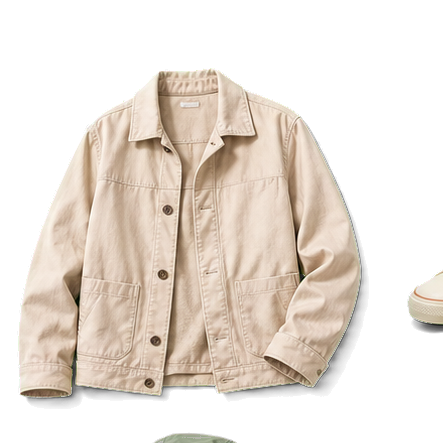 01Sand cotton chore jacket
Structure without warmth, which is the specific thing this month needs. A chore jacket in cotton drill holds a shape over a tee at 21°C / 70°F and adds nothing you would regret if a Santa Ana pushes the afternoon into the high twenties. Sand rather than black, because black absorbs heat in exactly the conditions this jacket exists for, and it reads correctly against the city's stucco and dry hillside.
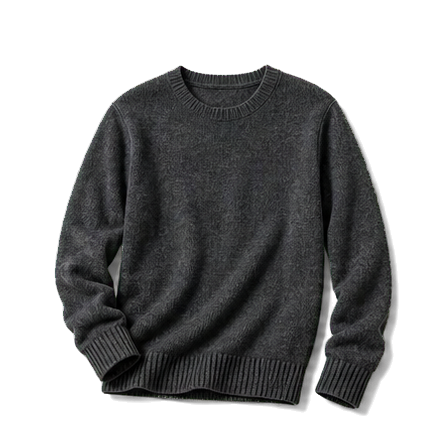 02Charcoal fine-gauge cotton knit
Fine gauge and cotton-blend rather than wool, and both halves of that matter. A Santa Ana afternoon can run ten degrees above the normal, at which point wool becomes something you carry rather than wear. Charcoal is the one dark piece in the capsule and it does the work black usually would, without the heat load.
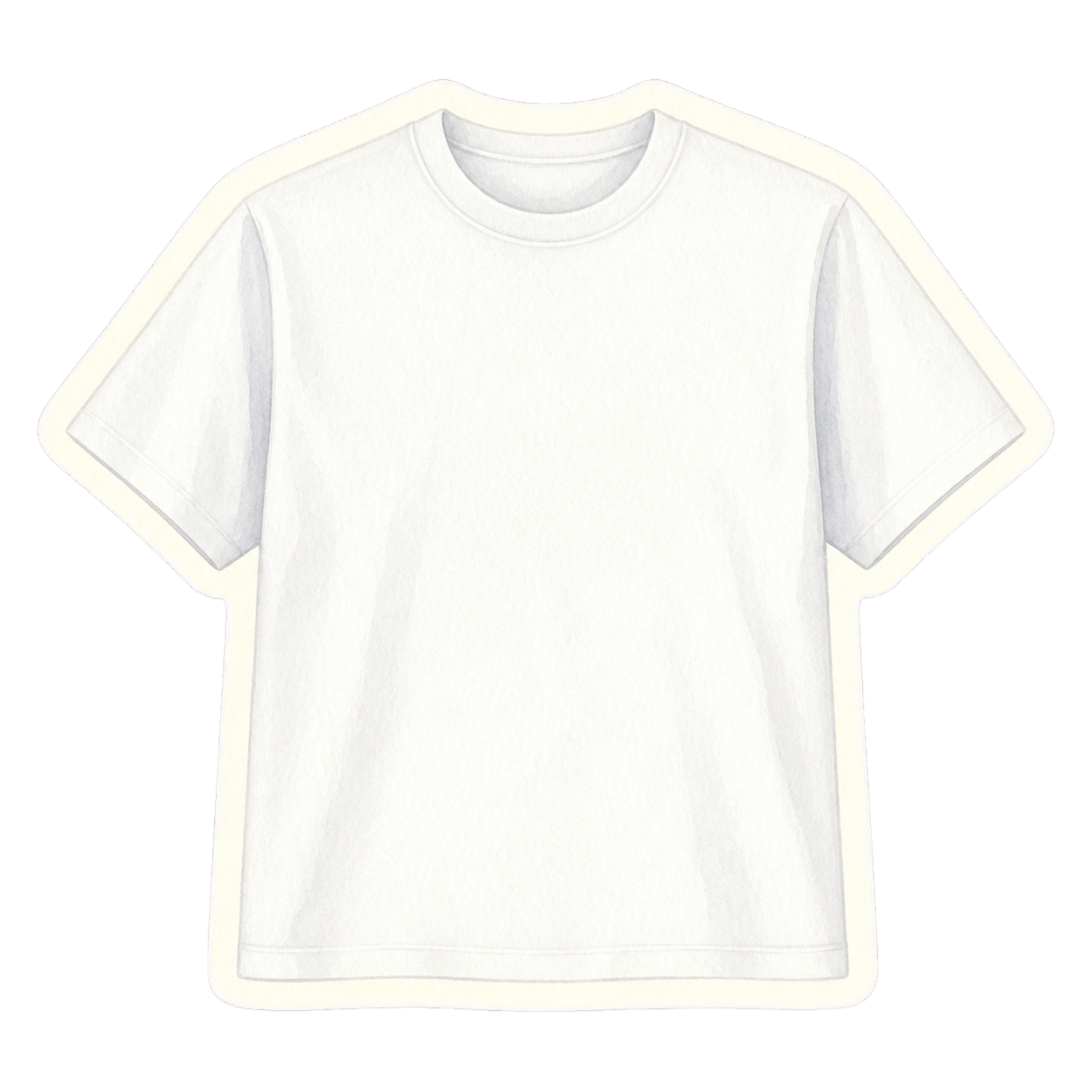 03Plain white cotton tee
This is what a Santa Ana afternoon reduces you to, so it should be good rather than an afterthought. Relaxed, opaque, no graphic. It also sits under the knit and the chore jacket without bulk, which is the whole three-layer logic of a month whose temperature moves nine and a half degrees between afternoon and evening.
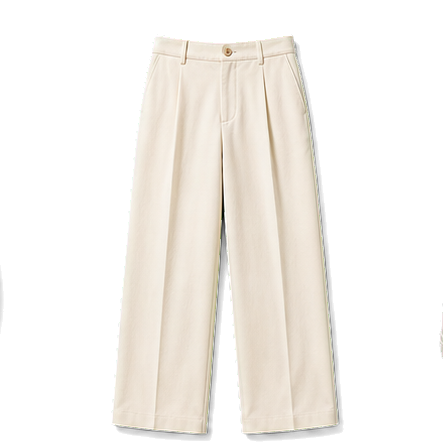 04Cream pleated wide-leg trousers
Cream reflects rather than absorbs, which is a real consideration on a hot offshore-wind day in a city with very little shade. Pleated and wide so air moves, and long enough to sit on the boot. This is the daytime half — Griffith Observatory, Silver Lake, anywhere the afternoon sun is unobstructed.
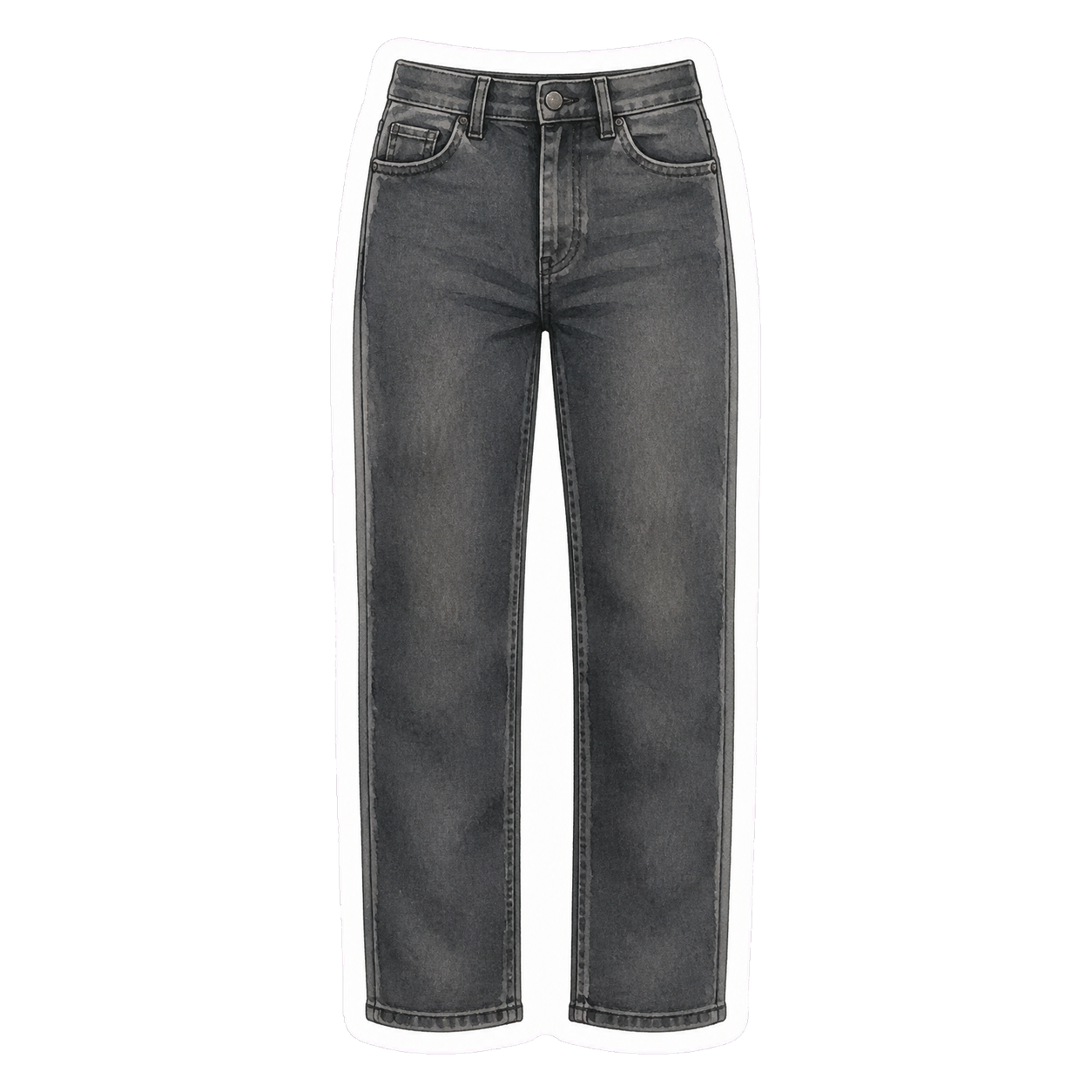 05Faded black straight-leg jeans
The evening half, once the 12.1°C floor arrives and cream stops being the right answer. Faded rather than jet black keeps it from reading as a night-out uniform in a city that dresses down hard. Straight leg so the same tan boot works with both these and the cream trousers, which is what keeps the whole trip to one pair of shoes.
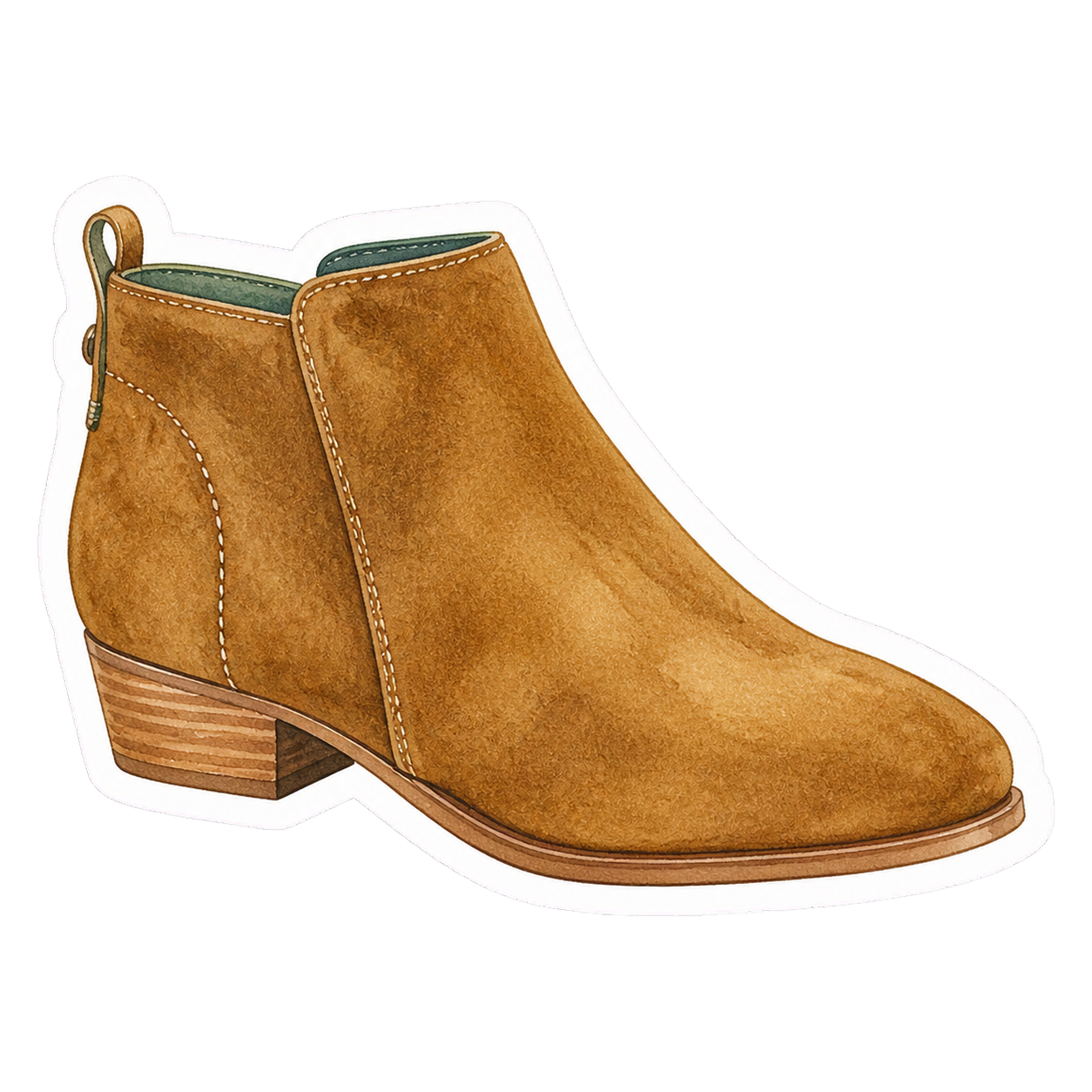 06Tan suede ankle boot, low heel
Suede is genuinely safe here in a way it is not anywhere else in this batch — 3.2 rain days, of which only 1.8 clear a tenth of an inch. A low heel and a light lug handle the one thing LA actually demands underfoot, which is broken sidewalk and the occasional unpaved canyon shortcut. Tan keeps it in the same warm register as the sand jacket.
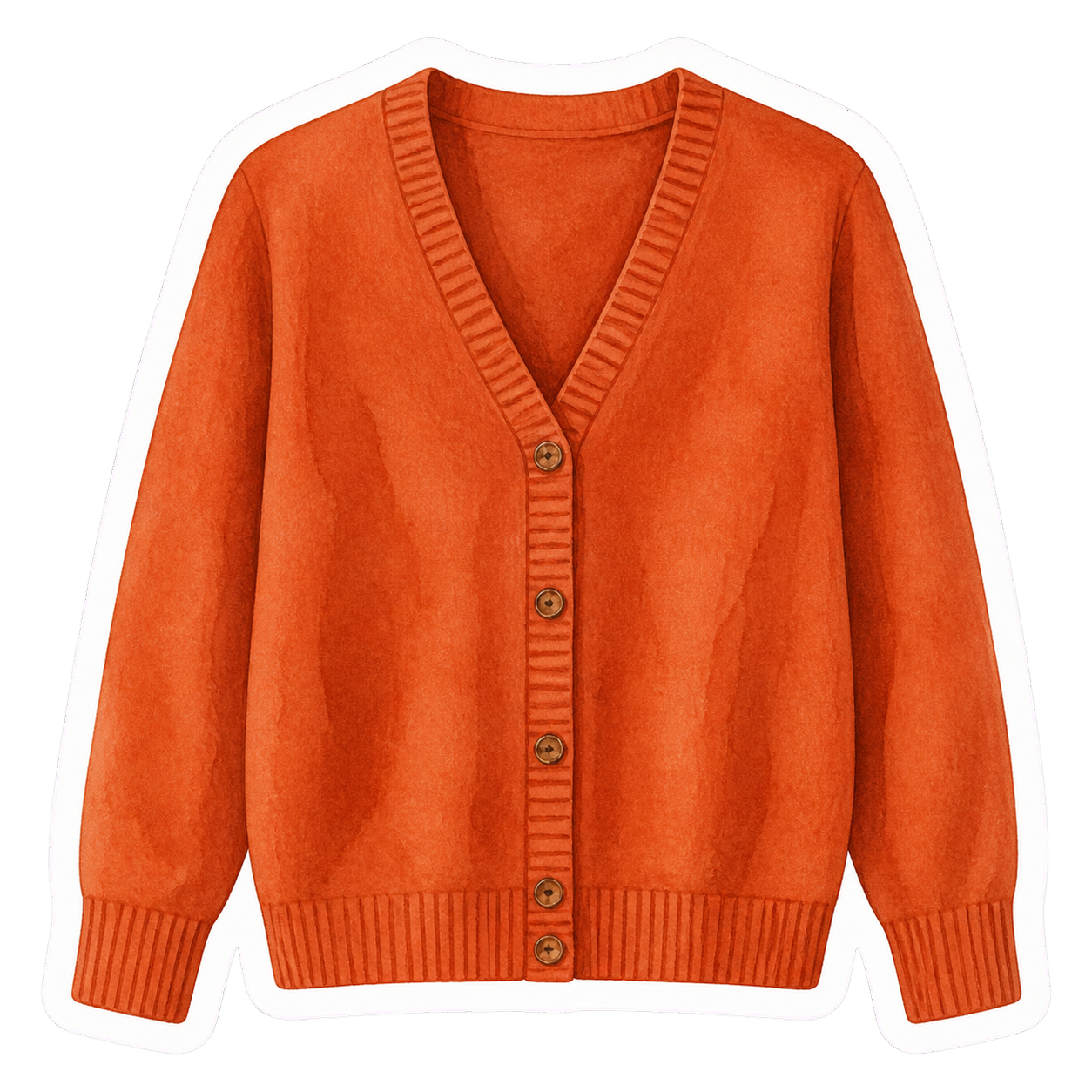 07Rust cotton-knit cardigan
The layer you take off at noon and put back on at sunset, which in a month with a 9.5-degree daily gap you will do every single day. Cotton knit so it packs small in a bag or a car between those two moments. Rust because this capsule is otherwise sand, cream, charcoal and tan, and the city's November light is warm enough to carry it.
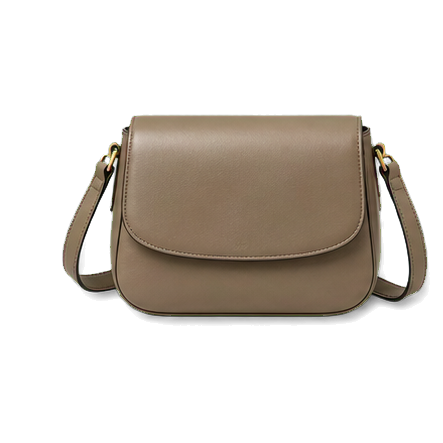 08Taupe structured crossbody with gold hardware
Small and structured, because Los Angeles is a car city and a large bag spends the day in a footwell rather than on your shoulder. Taupe sits between the sand jacket and the tan boot without matching either exactly. Gold hardware rather than silver reads warmer under the low, long light this month produces after four.
Day to night
White tee under the sand chore jacket · cream wide-leg trousers · tan suede boots · taupe crossbody · rust cardigan over the arm. Coffee on the east side, then a canyon walk before the wind picks up in the afternoon.
Charcoal fine knit over the tee · faded black jeans · same boots · cardigan on, jacket off. Dinner at eight; it drops to 12°C / 54°F once the sun goes and the cardigan is the entire reason that is fine.
A suggested look — open sand cotton chore jacket, white cotton tee, cream pleated wide-leg trousers, tan suede ankle boots, taupe crossbody.

What to avoid
- Wool — a Santa Ana afternoon can run 10°C above the 21.6°C normal
- Trusting the average — November's gap between normal and actual is the year's widest
- Rain gear beyond the minimum — 3.2 wet days, only 1.8 above a tenth of an inch
- A heavy coat — no Los Angeles November justifies one
- Leaving the removable mid-layer at home — you will use it twice a day
Frequently asked questions
Warm, dry and bright, with cool evenings. NOAA's 1991–2020 normals at LAX record an average high of 21.6°C / 70°F and an average low of 12.1°C / 54°F, with measurable rain on just 3.2 days of which 1.8 clear a tenth of an inch. Daylight sits near 10h 25m. The caveat is Santa Ana wind, which peaks in these months and can lift an afternoon well above the normal.
They are dry offshore winds that reverse the usual onshore flow, and they peak from October through December. They push afternoon temperatures above the normal, sometimes by around ten degrees, and drop relative humidity into single figures. Practically it means packing cotton rather than wool and treating the forecast average with suspicion. They also drive the wildfire risk that peaks in these months, so check conditions before any canyon or hillside plan.
Yes — it is dry, warm and far quieter than summer, with only about three days of rain across the month. The two things to plan for are the daily swing, which runs about nine and a half degrees between afternoon and evening, and Santa Ana events, which make any single day unpredictable at the top end. Both are handled by layers you can remove rather than by heavier clothing.
A light one, for the evening. The 12.1°C / 54°F overnight low is cool enough to want a cardigan or a cotton jacket after sunset, while the 21.6°C / 70°F afternoon rules out anything heavier. A chore jacket plus a knit covers the whole range. A wool coat would be unwearable on a Santa Ana afternoon and unnecessary on any other.
They are effectively identical, which surprises people. NOAA's 1991–2020 normals put Los Angeles at 21.6°C / 70.9°F by day and 12.1°C / 53.7°F at night, and New Orleans at 21.8°C / 71.2°F and 12.1°C / 53.7°F — a difference of about a third of a degree Fahrenheit. What separates them is moisture: New Orleans records 7.1 wet days to LA's 3.2, and LA has the Santa Ana variance that New Orleans does not.
Sources
- NOAA — 1991–2020 climate normals, Los Angeles International Airport (LAX) station