What to Wear in San Francisco in November
San Francisco in November: 18°C / 64°F afternoons, 9°C / 48°F mornings — and the rain finally arriving, on 7 days against October's 3.
- A navy cotton trench — a rain garment, not a warmth garment
- An ivory chunky lambswool crew for the 9°C / 48°F morning
- An indigo chambray shirt, the local idiom since Levi's set up here in 1853
- Dark indigo jeans rather than October's light wash
- Black lug-sole derbies — wet hills, and the step-streets are worse now
- A navy wool scarf, which is all the extra warmth this month asks for
- Pack for cold — 18°C / 64°F is warmer than most people's idea of November
- Wear a pale wash — 7 wet days will show every mark
- Assume October's dry run repeats — precipitation days more than double
- Bring a heavy coat — the problem is water, not temperature
San Francisco's November barely changes temperature. It changes fabric. NOAA's 1991–2020 normals at the SFO station put the November average high at 17.9°C against October's 22.4°C and the average low at 9.2°C against 11.9°C, which is a drop but not a dramatic one. The number that actually moves is precipitation: 3.1 days with measurable rain in October becomes 7.2 in November, and days clearing a tenth of an inch go from 1.5 to 4.1. This is the month the city's wet season genuinely starts, and San Francisco takes the large majority of its annual rainfall between now and March. So the October capsule is not wrong here, it is simply made of the wrong materials. Waxed cotton and denim still work; suede and a pale wash do not. Daylight falls to about 10h 10m, which is generous next to any northern city at the same date and means afternoons stay usable. Levi Strauss & Co. has been headquartered here since 1853, and the local answer to a mild wet month has always been indigo cotton with something water-shedding over it.
San Francisco's November barely changes temperature. It changes fabric.
The capsule
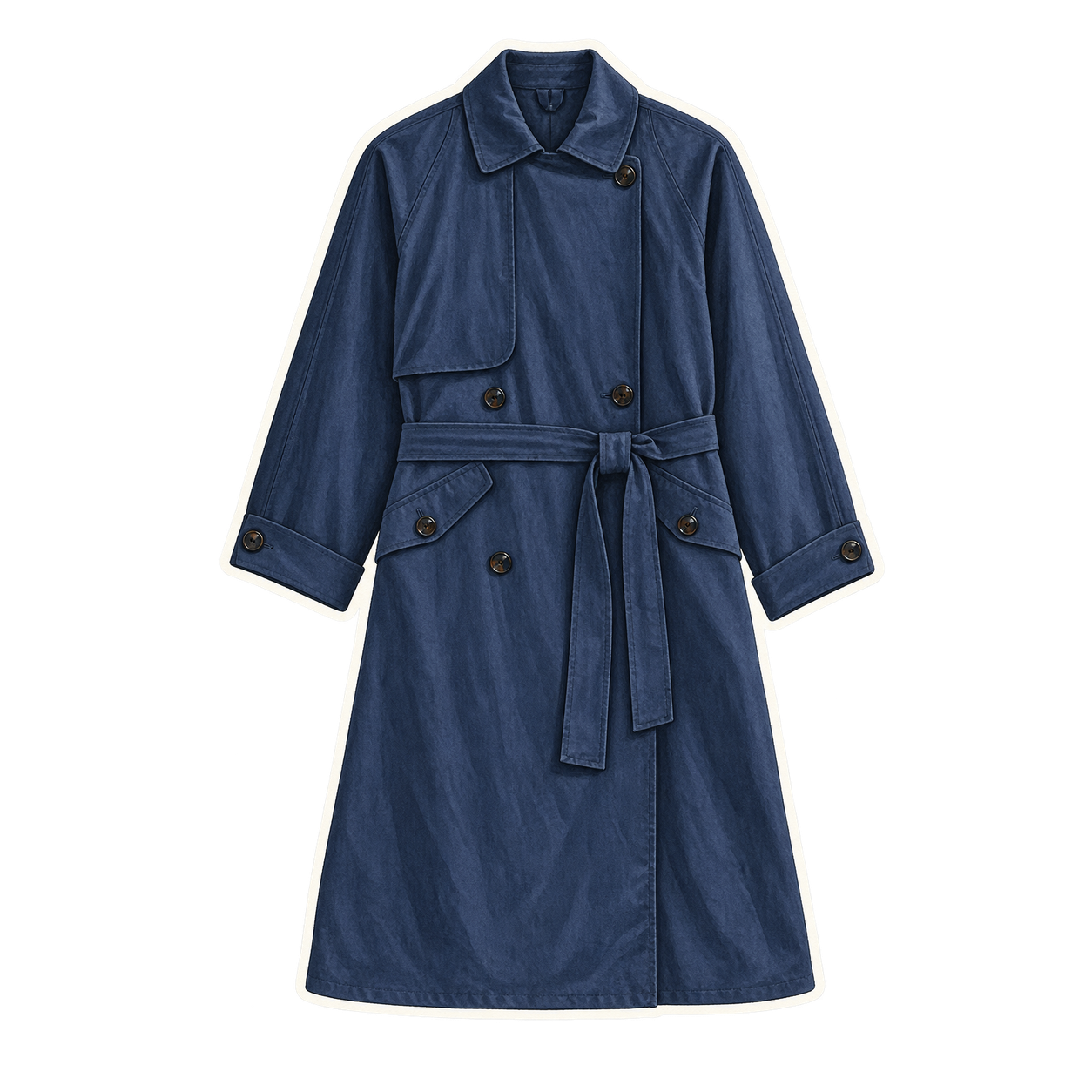 01Navy cotton-gabardine trench, mid-thigh
A rain garment rather than a warmth garment, which is the distinction that matters at 18°C / 64°F. Cotton gabardine sheds the kind of rain San Francisco actually gets in November — brief, frequent, rarely torrential — without the sweat of a sealed technical shell. Navy rather than the camel everyone reaches for, which goes patchy the moment it gets properly wet.
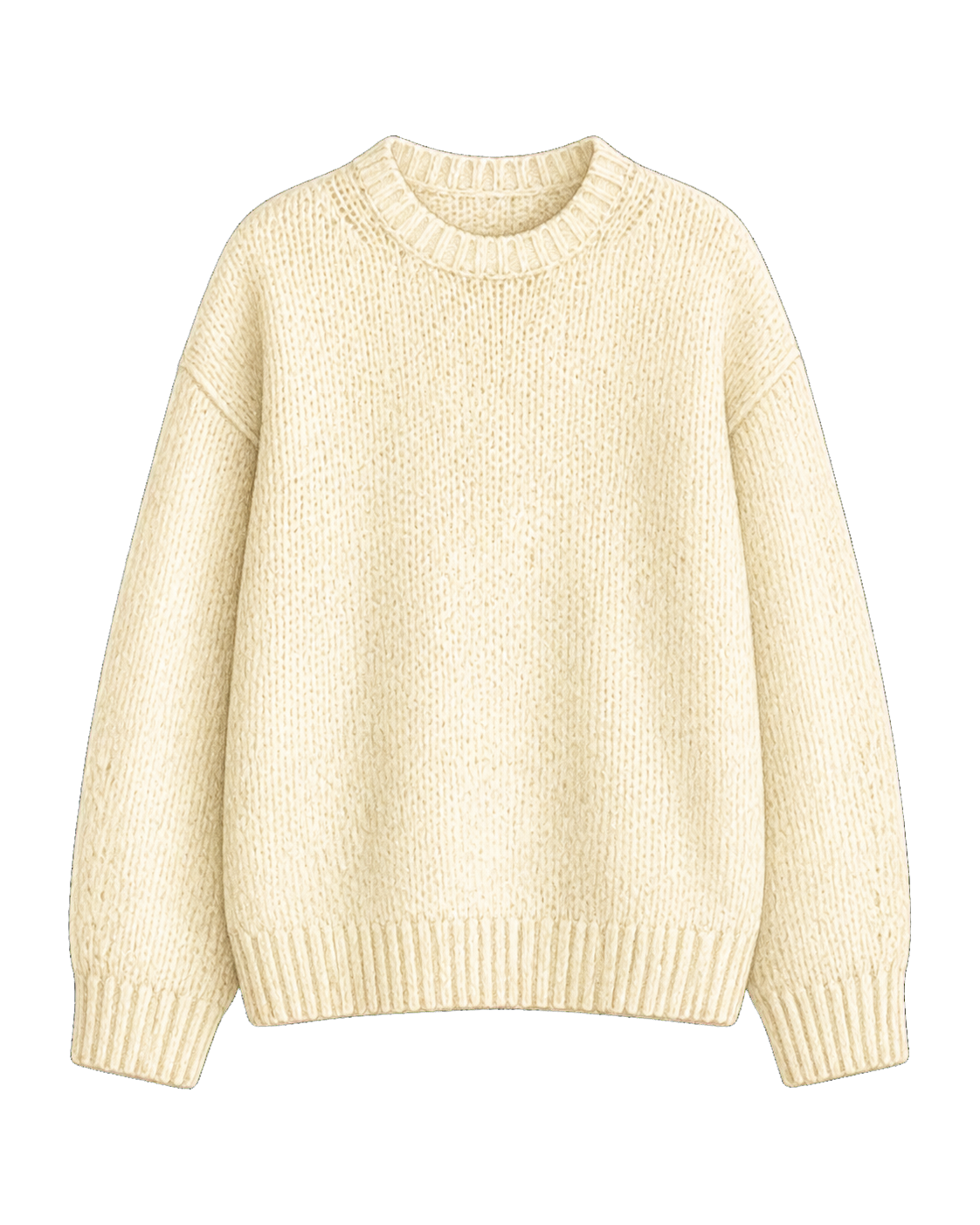 02Ivory chunky lambswool crew
Chunky is right here in a way it is not in October, because the morning floor has dropped to 9°C / 48°F and the marine layer has been replaced by damp air that feels colder than the reading. Ivory holds up under November's flatter light where a mid-grey goes muddy. This is also the one piece in the capsule you will wear on its own indoors.
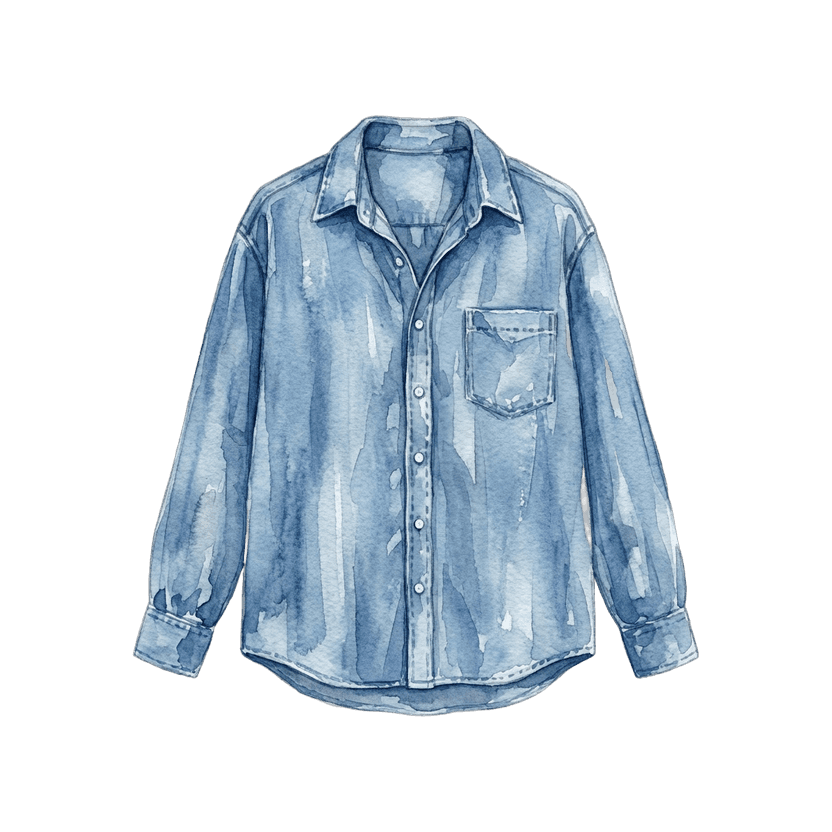 03Indigo cotton chambray shirt
Chambray is the San Francisco idiom and it earns the slot on function too: it layers under the knit without bulk, works open over a tee on a 18°C / 64°F afternoon, and dries fast when a shower catches you between the Mission and the BART. Levi Strauss & Co. has been headquartered in the city since 1853, which is why this reads local rather than costume.
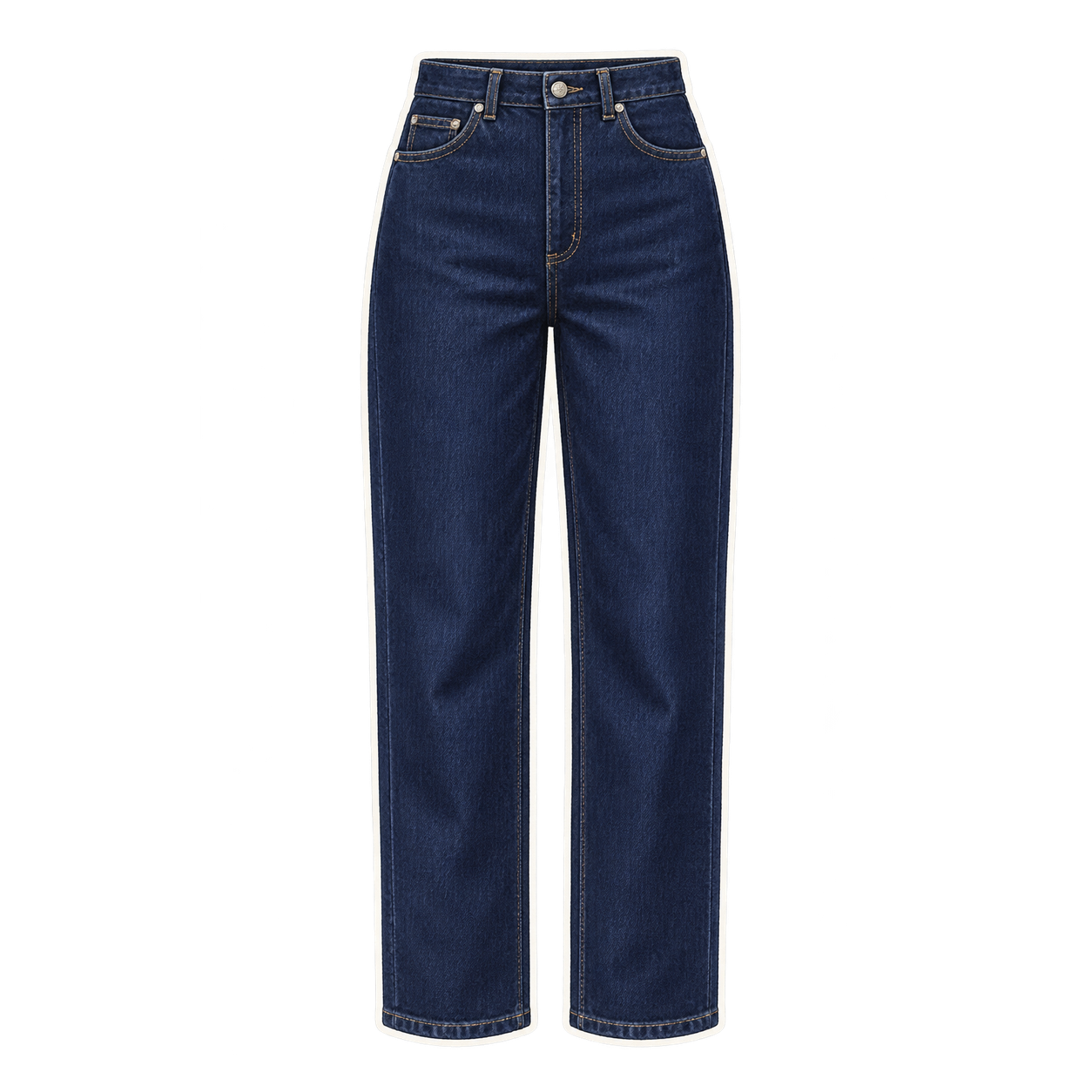 04Dark indigo straight-leg jeans
The deliberate reversal of October, which called for a light wash under bright low sun. Seven wet days changes that: a pale leg picks up spray off the sidewalk and shows every mark by the second wearing, while dark indigo hides it and dries without looking bedraggled. Straight leg keeps the hem clear of standing water on the flat stretches south of Market.
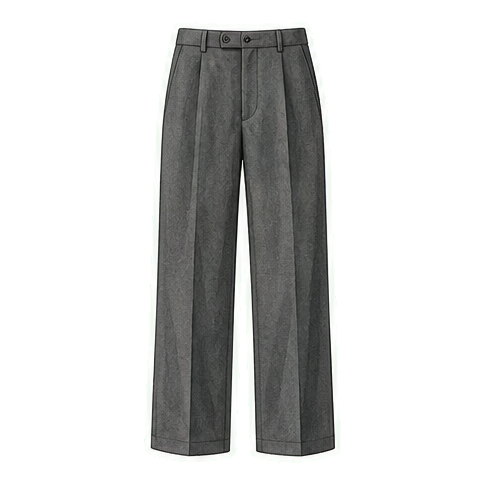 05Charcoal wool trousers, straight leg
The evening alternative, and the reason one pair of shoes covers the whole trip. Wool sheds a light rain and keeps its shape where cotton chino goes limp, which matters when you are walking to dinner rather than taking a car. Charcoal sits with both the navy trench and the ivory knit without asking anything of either.
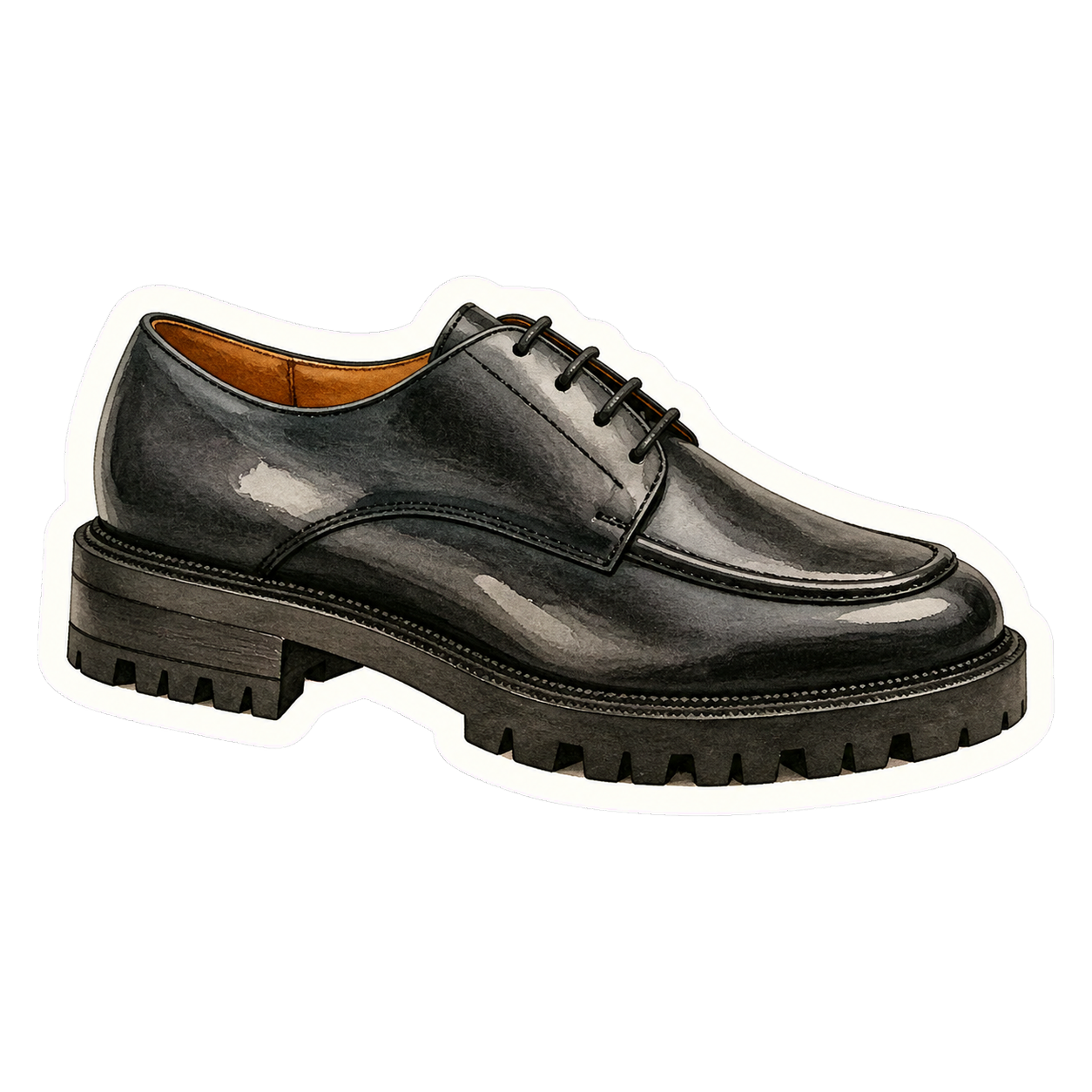 06Black lug-sole leather derby
Laced rather than elastic-sided, because you can tighten a derby over a thicker sock once the mornings sit at 9°C / 48°F. The lug matters more in November than October: the Filbert and Greenwich step-streets stay wet for longer now, and the 31.5% grade on Filbert between Hyde and Leavenworth is not somewhere to test a smooth sole. Black takes the water without marking.
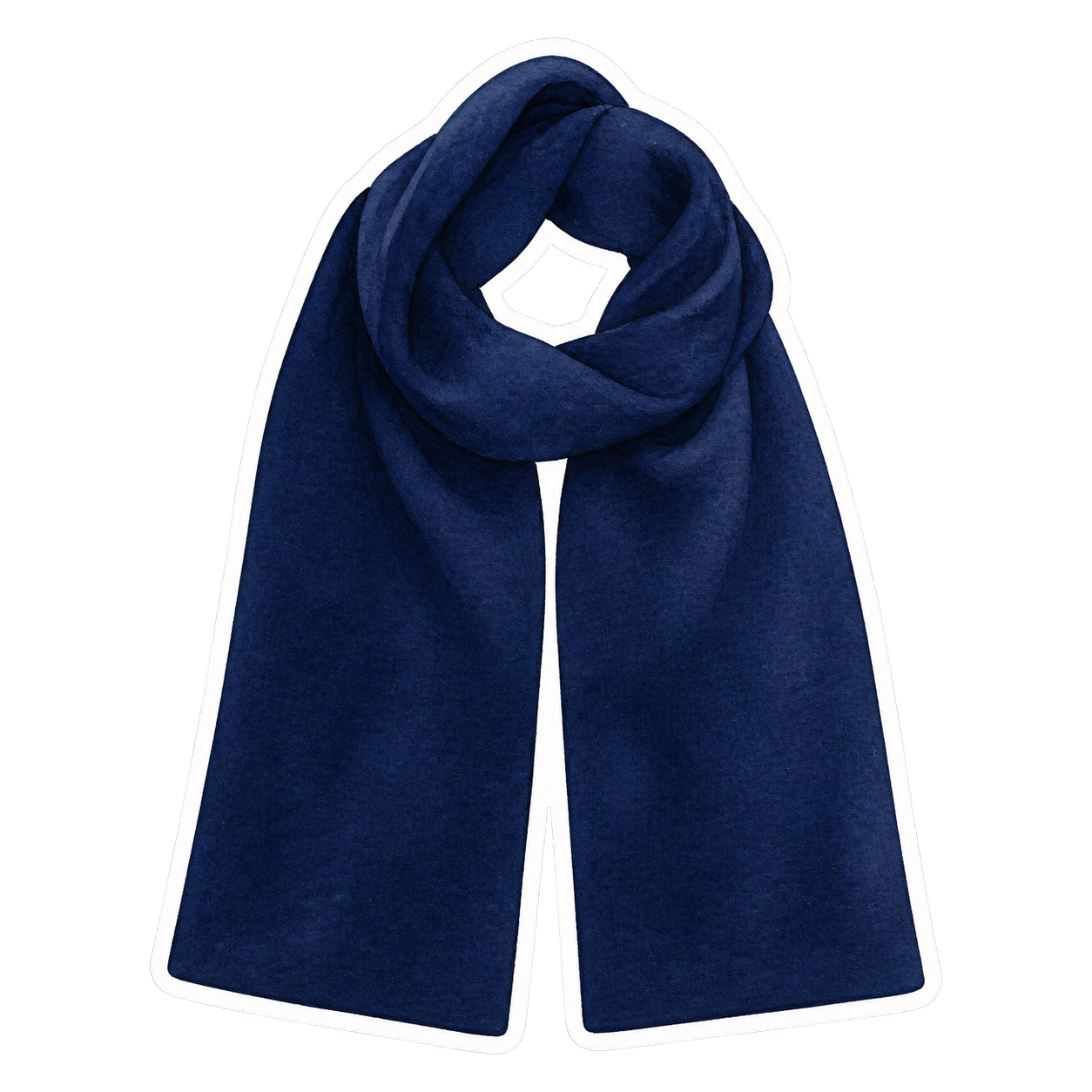 07Navy marled wool scarf
This is the entire extra-warmth budget for the month, and it is enough. San Francisco November never asks for gloves or a hat, but the wind off the water at 9°C / 48°F in the morning finds an open collar immediately. Mid-weight so it packs into the bag by noon rather than becoming something you carry.
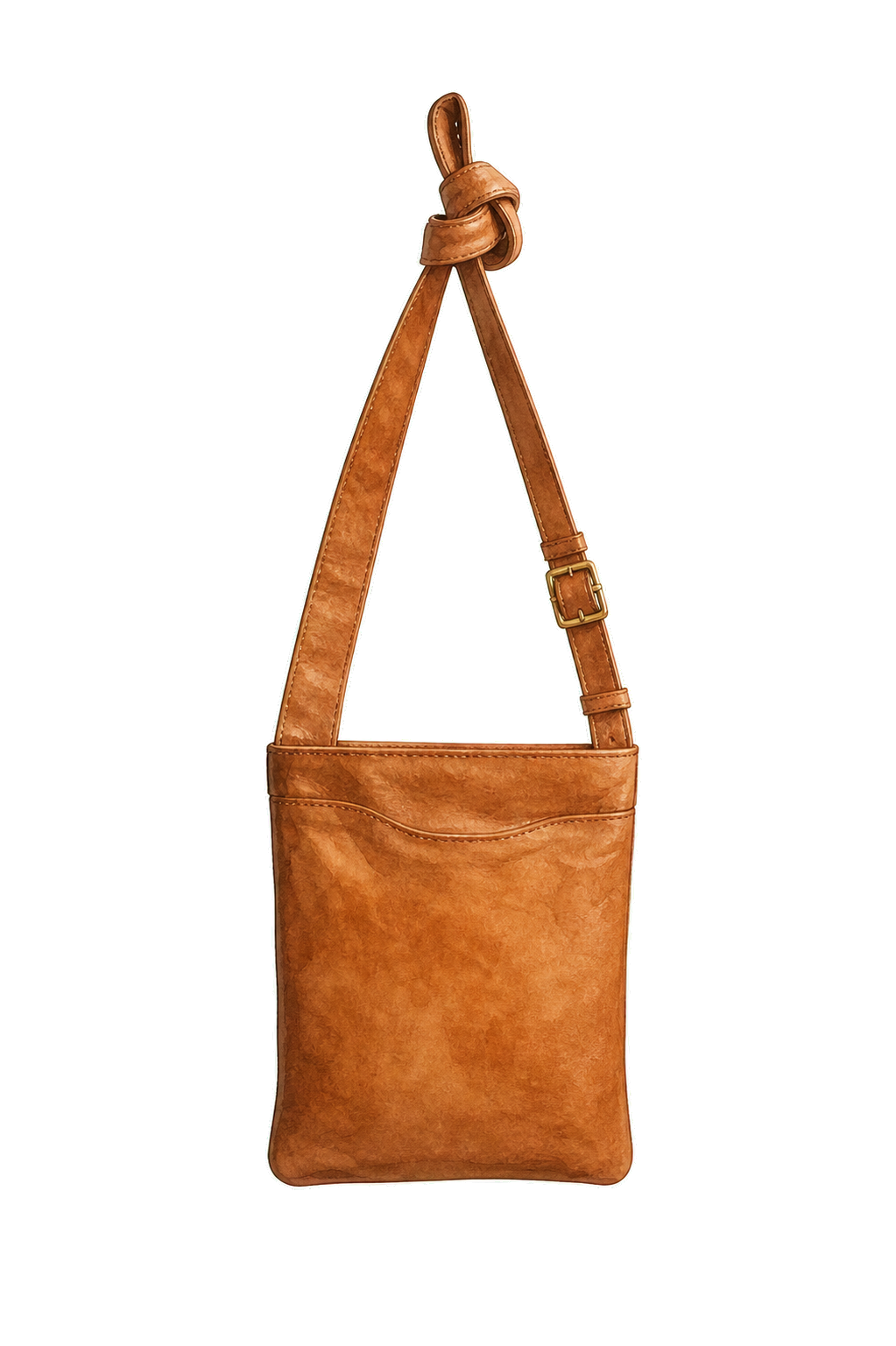 08Cognac flat pouch crossbody with a knotted strap
Flat rather than structured, so it sits under the trench and out of the rain entirely — the trick that makes a non-waterproof bag survive a wet month. Cognac is the single warm note against a navy, ivory and charcoal capsule. Small enough that it never becomes the thing you are managing on a crowded Muni platform.
Day to night
Chambray under the ivory crew · dark indigo jeans · lug-sole derbies · trench open · cognac crossbody. Coffee in the Mission, then the de Young while the morning is still dry.
Crew over the chambray · charcoal wool trousers · same derbies · navy scarf · trench closed. Dinner in Hayes Valley; it is 9°C / 48°F and damp on the walk, and nothing else in the bag was needed.
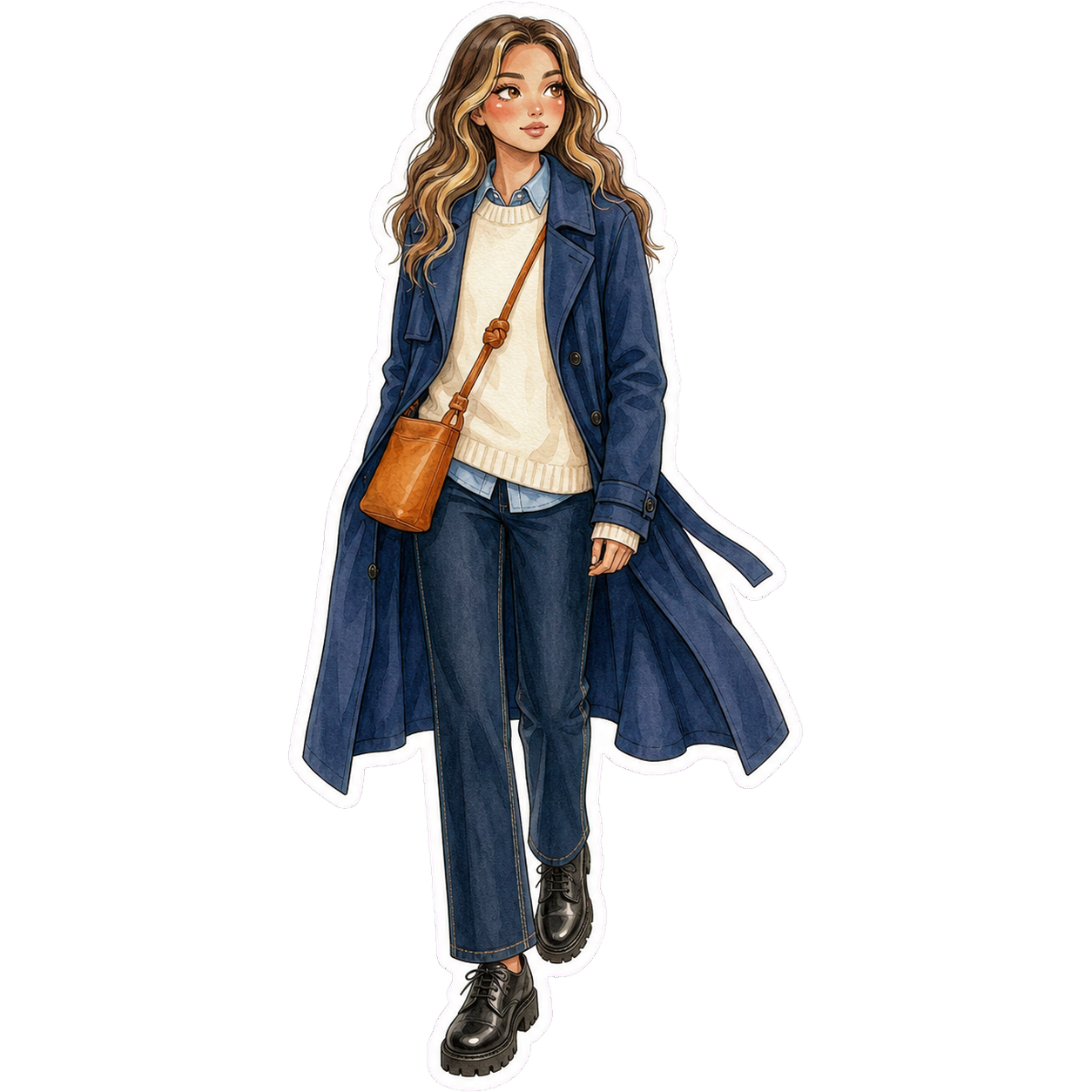
A suggested look — open navy cotton trench, ivory chunky lambswool crew, indigo chambray shirt, dark indigo straight-leg jeans, black lug-sole derbies.
What to avoid
- Packing for cold — 18°C / 64°F is warmer than most people expect of November
- October's pale wash — 7 wet days and sidewalk spray will find it
- Suede, now that the wet season has actually started
- Assuming October's dry run repeats — rain days more than double
- A full waterproof shell — the rain is brief and frequent, not all-afternoon
Frequently asked questions
Mild and increasingly wet. NOAA's 1991–2020 normals at the SFO station record an average high of 17.9°C / 64°F and an average low of 9.2°C / 48°F, with measurable precipitation on 7.2 days of which 4.1 clear a tenth of an inch. Daylight sits near 10h 10m at mid-month. The temperature drops only modestly from October; the rain is what changes.
It starts to. October records 3.1 days with measurable rain; November records 7.2, and days clearing a tenth of an inch rise from 1.5 to 4.1. November is effectively the opening of the city's wet season, and San Francisco takes the large majority of its annual rainfall between now and March. It is still not a wet city by Seattle standards — Seattle's November runs 18.4 wet days — but the dry run is over.
No, and this is the most common mispack. An average high of 17.9°C / 64°F is warmer than most people picture for November, and the average low of 9.2°C / 48°F is mild rather than cold. You need something that sheds water and one warm layer under it, not a winter coat. A heavy coat here spends the afternoon over your arm.
A sealed leather shoe with a lug sole — a derby or a boot, laced rather than elastic-sided so you can tighten over a thicker sock. The step-streets on Telegraph and Russian Hill stay wet far longer than in October, and Filbert between Hyde and Leavenworth runs a 31.5% grade. Skip suede entirely now, and skip anything with a smooth leather sole.
Yes, with a caveat. It is quieter and cheaper than October, still mild at 17.9°C / 64°F, and daylight holds up better than in any northern city at the same date. The caveat is that you will probably see rain on about a quarter of your days. Pack for water rather than cold and November is one of the better-value months here.
Sources
- NOAA — 1991–2020 climate normals, San Francisco International Airport (SFO) station
- NOAA NCEI — U.S. Climate Normals 1991–2020 (monthly normals by station) — accessed 2026-09-26