What to Wear in Maui in February
Maui in February: 28°C / 82°F on the coast, 18°C / 64°F at night, and the coldest month of the year on the mountain.
- Cream down jacket — Haleakalā's park headquarters averages 42.7°F on February nights, the summit colder still
- Heavy cream wool crew — Kula's 52.8°F February low is its coldest of the year
- Teal cotton tee — Kahului still reaches 82°F by the afternoon
- Navy chinos — the park's summit list names long pants
- Navy merino beanie — NWS puts winter nights above 10,000 feet in the 20s Fahrenheit
- Teal cap — four hours in the sun at a Great Whale Count shore site
- Beachwear at the summit — nothing is for sale inside the park
- Approaching whales — federal rules keep you 100 yards away
- Non-mineral sunscreen — Maui County bans its use
- The Kīhei whale visitor center on Presidents' Day — it closes on federal holidays
Pack for the mountain first. NOAA NCEI's normals give Kahului Airport 82.2°F by day and 63.8°F at night in February, almost exactly January's figures, with 51mm of rain over about 9 days. Upcountry is another story. Kula Branch Station averages 52.8°F on February nights and Haleakalā's park headquarters, at 6,962 feet, 42.7°F, the lowest normals of the year at both. The whales are still at their peak, which NOAA's sanctuary puts at January through March, and Pacific Whale Foundation's Great Whale Count runs from 8am to noon on Saturday 27 February. So bring down and wool for the dawn, a tee for the afternoon, and a backpack to carry one while you wear the other.
February on Maui is two climates on one island. The beach runs on January's numbers; the mountain is as cold as it gets all year.
The capsule
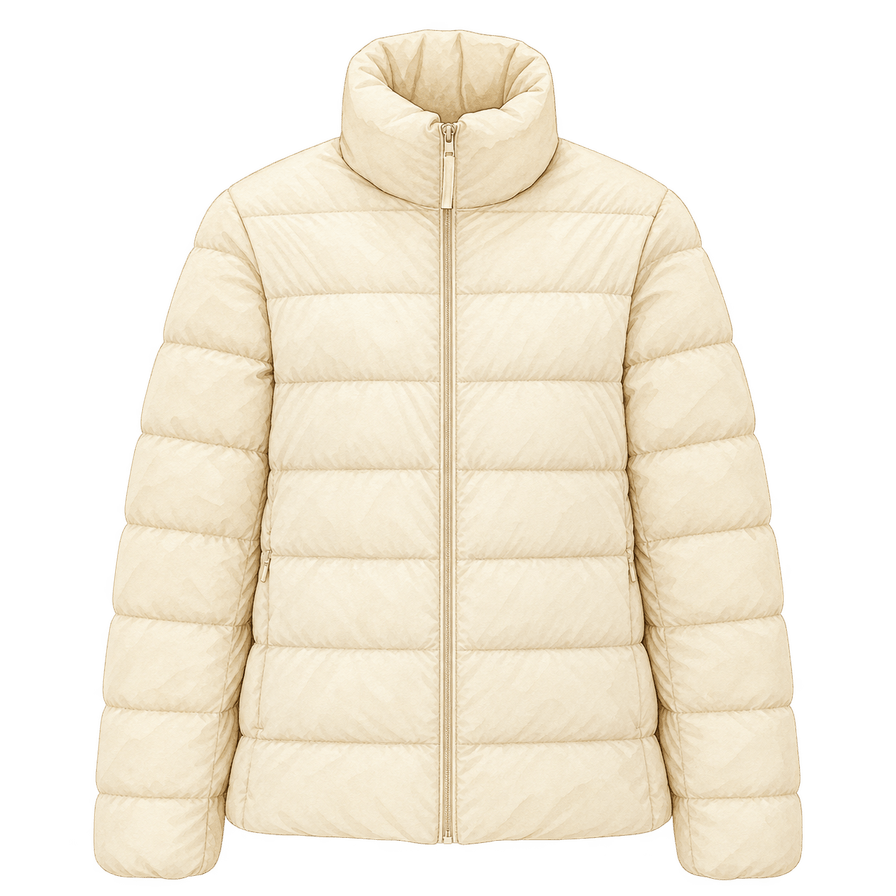 01Cream down jacket, stand collar, hip length
Haleakalā's park headquarters station, at 6,962 feet, averages 42.7°F on February nights, its coldest month, and the summit is 3,000 feet higher: NWS Honolulu puts winter nights above 10,000 feet in the 20s Fahrenheit. Down gives the most warmth for its weight, the stand collar closes against the wind at the rim, and it squashes into the backpack by ten.
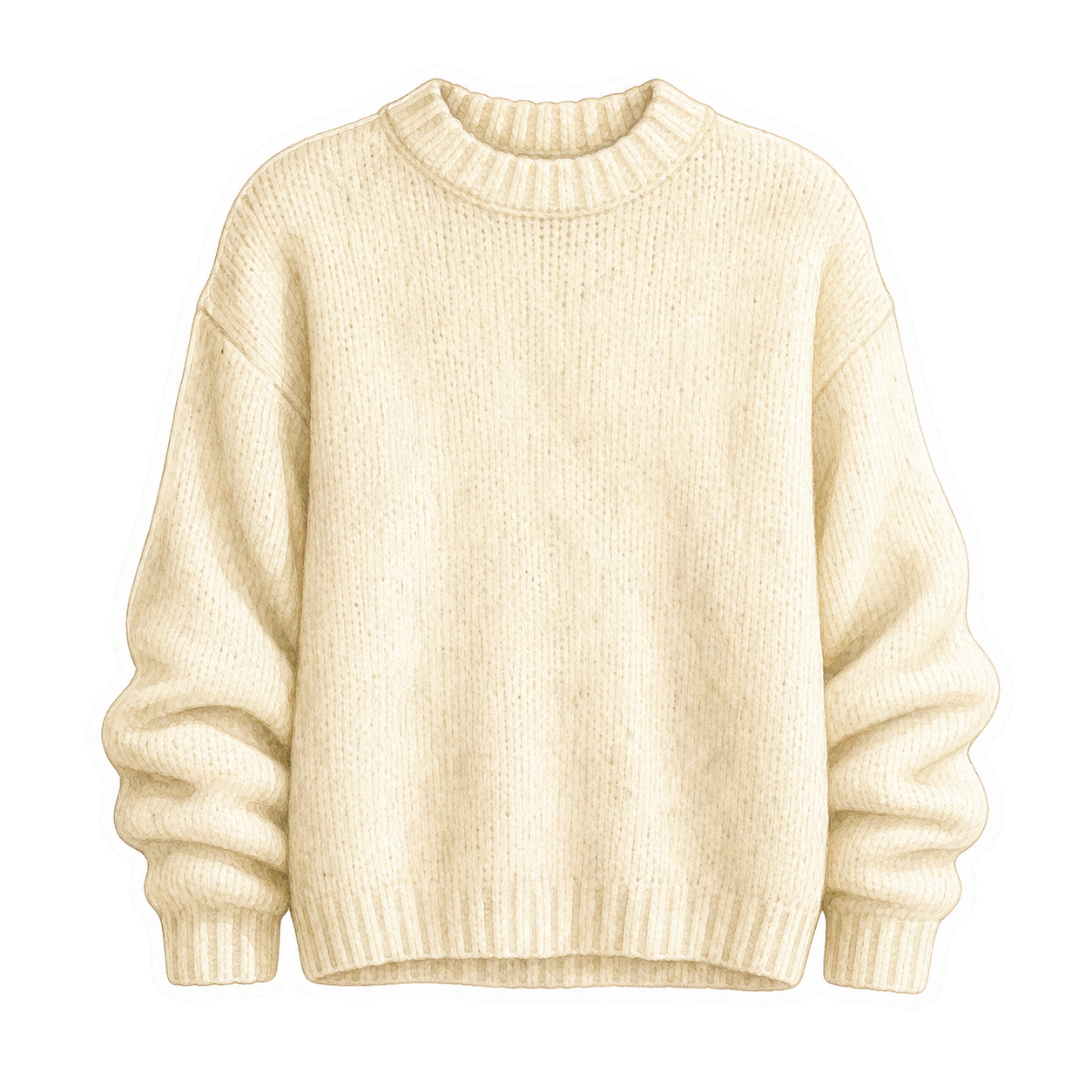 02Cream heavy-gauge wool crew
Kula's normal February low is 52.8°F, the coldest of its year, and dinner in Kula or Makawao happens after dark. A heavy wool crew over the tee handles that on its own, then goes under the down jacket at the summit. Cream sits cleanly against navy chinos and reads as one colour with the jacket.
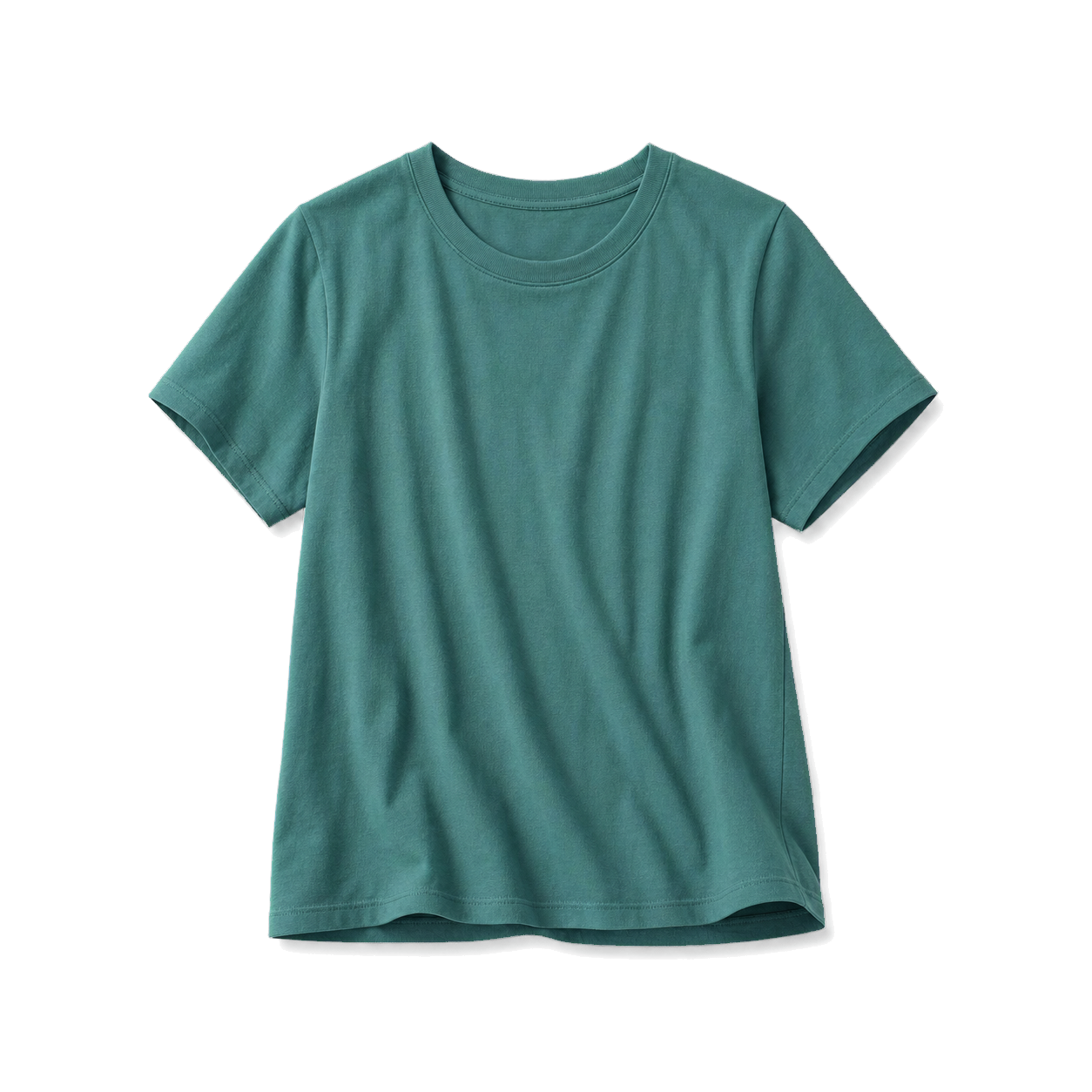 03Teal crew-neck cotton tee
At sea level the afternoon still reaches 82°F, January's figure to the decimal, and by lunch the down and the wool are in the backpack. Plain cotton breathes on a south-shore walk, teal picks up the colour of the ʻAuʻau Channel, and it is the base layer under everything else on this list.
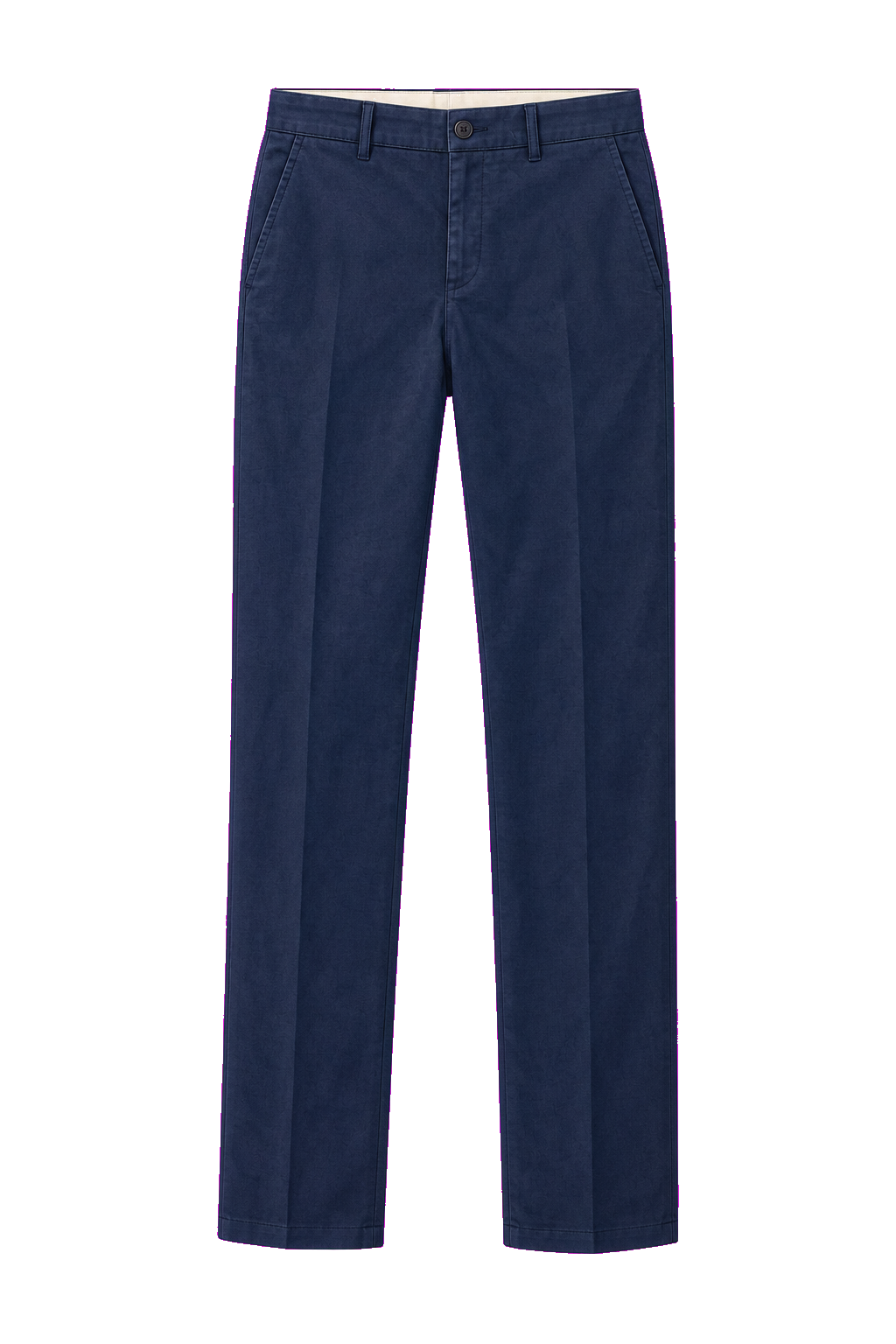 04Navy cotton chinos, straight leg
One pair of trousers does the whole day. The Park Service's summit list names long pants, cotton twill blocks the wind at the knee before dawn, and a straight navy leg looks right at a Kīhei lunch at 82°F. Navy also hides the dust from an Upcountry car park.
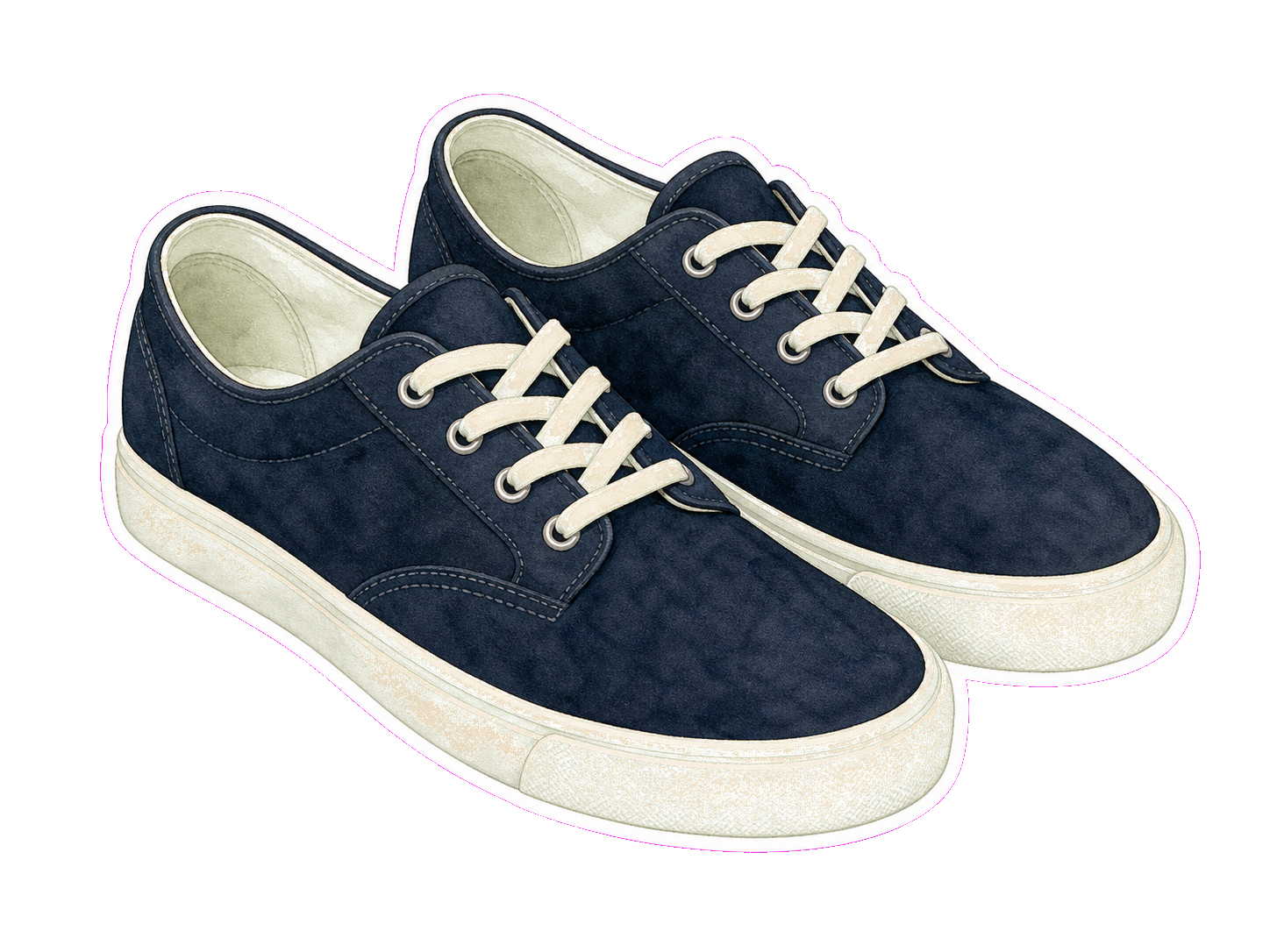 05Navy lace-up low-top sneakers
For the summit the Park Service asks for hiking boots or athletic shoes, and before dawn the paths around the overlooks are uneven and cold. A laced sneaker with a thick rubber sole qualifies, grips a wet shore path at the whale count, and goes to dinner. Navy runs the chinos into the shoe in one line.
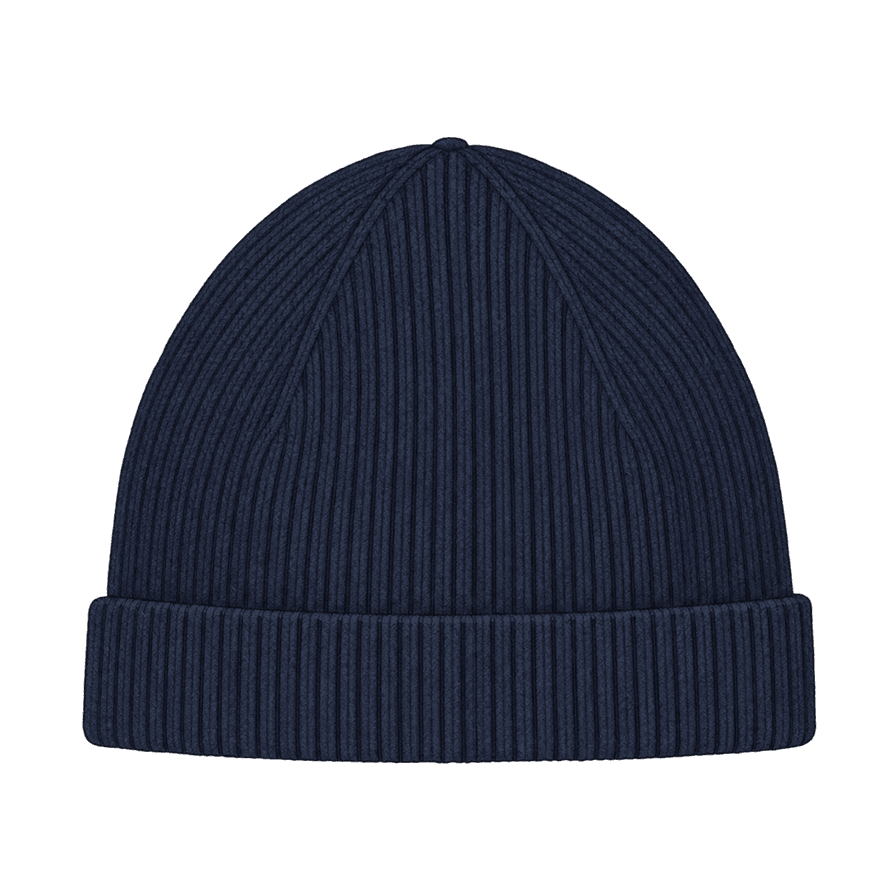 06Navy fine-rib merino beanie
Your ears go first in wind below freezing, and the park says the summit's hours before dawn regularly reach it. Fine merino stays warm without itching, the deep cuff doubles the knit over your ears, and it folds into a jacket pocket for the drive down.
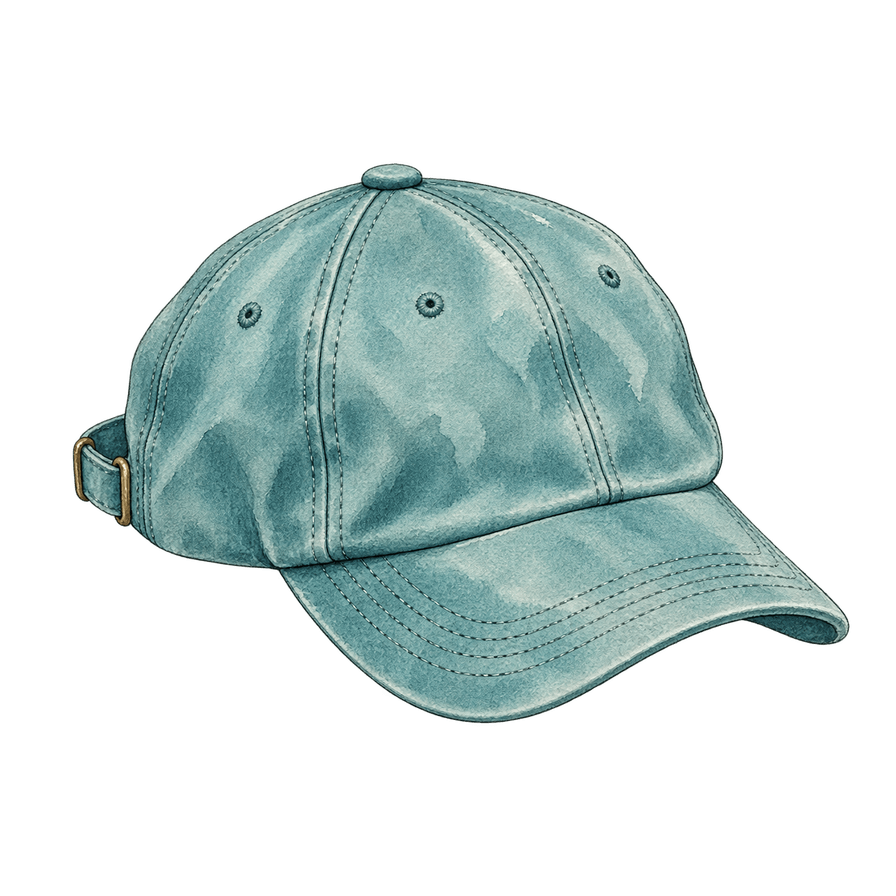 07Ocean-teal cotton-twill cap, no logo
Pacific Whale Foundation's Great Whale Count puts volunteers at 11 shoreline sites, McGregor Point and Polo Beach among them, from 8am to noon on Saturday 27 February: four hours of sun coming off the water. A brimmed cap shades your eyes for the counting, and Maui County's cover-up advice starts with a hat, because it allows only mineral sunscreen. Teal matches the tee.
 08Small brown leather backpack
Every layer you take off has to go somewhere. A February day that starts at the summit before dawn and ends on a beach at 82°F sheds a down jacket, a wool crew and a beanie along the way, and a small backpack carries all three with both hands free for the overlook rail or a pair of binoculars.
Day to night
Cream down jacket over the cream crew and teal tee · navy chinos · navy sneakers · navy beanie · brown backpack. A Haleakalā sunrise with a reservation, the sun over the rim just before 7am, or breakfast in Kula at 52.8°F. On Saturday 27 February the same layers start the Great Whale Count's 8am shore shift.
Teal tee · navy chinos · navy sneakers · teal cap, with the down and the beanie in the backpack. An afternoon on the south shore at 82°F, sunset at about 6:23pm mid-month, then the cream crew back on for dinner at 64°F.
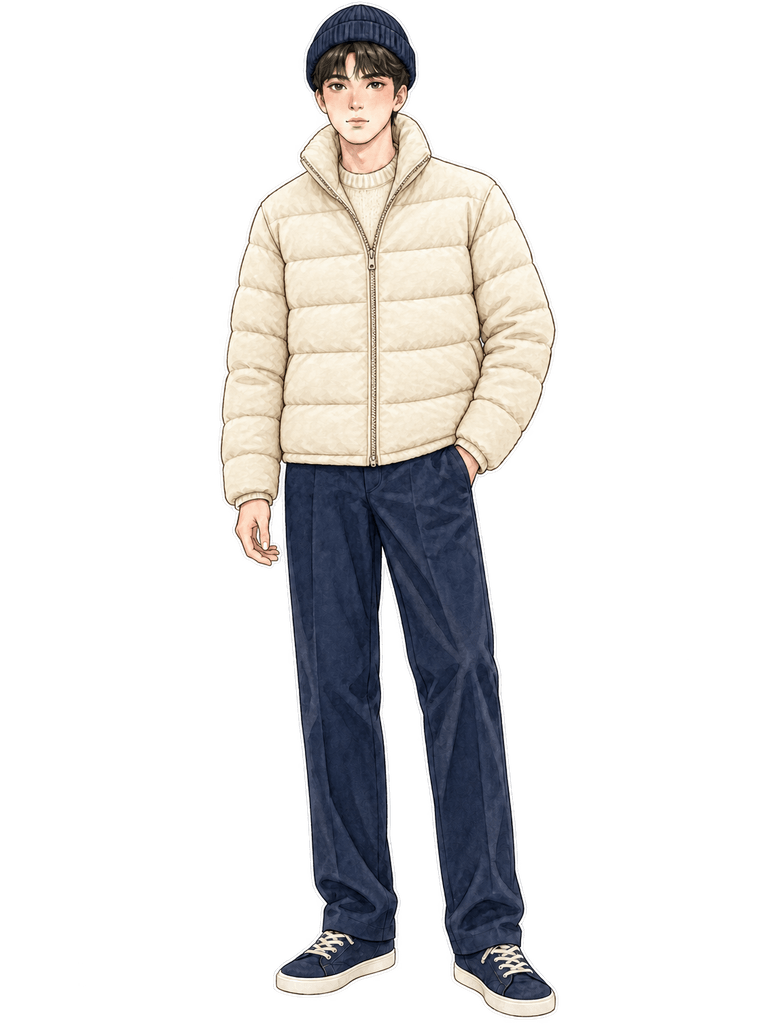
A suggested look — cream down jacket, cream wool crew-neck sweater, navy chinos, navy lace-up sneakers, navy merino beanie.
What to avoid
- Beachwear at the summit — nothing is for sale inside the park
- Approaching whales — 100 yards by boat, board, swimmer or drone
- The Kīhei visitor center on 15 February — closed for Presidents' Day
- Non-mineral sunscreen — its use is banned in Maui County
- A tee for dinner in Kula — its February nights run 11°F colder than the coast
Frequently asked questions
Beach weather at the coast, the coldest month of the year up the mountain. NOAA NCEI's 1991–2020 normals for Kahului Airport give an average February high of 82.2°F (27.9°C) and a low of 63.8°F (17.7°C), with 2.00 inches (51mm) of rain across about 9 days, about 4 of them with a tenth of an inch or more. Kula, at 3,100 feet, averages 67.9°F by day and 52.8°F at night, and Haleakalā's park headquarters station, at 6,962 feet, 42.7°F at night, the lowest normals of the year at both. NWS Honolulu says rain here rarely lasts more than a few hours. Sunset moves from about 6:15pm on 1 February to 6:30pm on the 28th.
A cream down jacket, a heavy cream wool crew, a teal cotton tee, navy chinos, navy lace-up sneakers, a navy merino beanie, a teal cap and a small brown leather backpack. That covers a summit sunrise, a cold evening in Kula and a warm afternoon on the south shore. Add swim trunks for the beach, and bring mineral sunscreen only: Maui County bans the use of anything else.
Pacific Whale Foundation runs its 2027 counts from 8am to noon on Saturday 30 January, Saturday 27 February and Saturday 27 March, at 11 shoreline sites on Maui including McGregor Point and Polo Beach; the count dates back to 1995, and volunteer registration opens on 14 December 2026. February's count falls inside NOAA's January-to-March peak. You stand on a headland or a beach for four hours while the morning climbs from about 64°F toward 82°F, so start in the wool crew over the tee, keep the cap on for the glare off the water, and have the crew in the backpack by ten. From shore, binoculars do the work; on the water, federal rules keep you 100 yards from the whales.
Late February, for the count and the light. Sunset moves from about 6:15pm on 1 February to 6:30pm on the 28th, and day length grows from 11h 13m to 11h 42m. Presidents' Day falls on Monday 15 February, a state and federal holiday, with Valentine's Day on the Sunday before, so the middle weekend is the long one, and NOAA's Kīhei visitor center closes that Monday. The second half holds the whale dates: World Whale Day, which Pacific Whale Foundation founded on Maui, falls on Sunday 21 February at the centre of its month-long Maui Whale Festival, and the Great Whale Count closes the month on Saturday 27 February.
The same beach, a colder mountain. NOAA NCEI's Kahului normals give both months an average high of 82.2°F (28°C); February nights are a shade warmer, 63.8°F against 63.6°F, and February is drier by total, 2.00 inches against 2.42, with slightly more wet days, about 9 against 8. Up the slope the order flips: Kula averages 52.8°F on February nights against 53.1°F in January, and Haleakalā's headquarters station 42.7°F against 43.9°F. Both months sit inside NOAA's January-to-March whale peak; our January guide covers the boat decks.
An aloha shirt at dinner and a knit over it Upcountry. Kahala, founded in Honolulu in 1936 by George Brangier and Nat Norfleet, says printing on the back of the cloth gave a more subdued pattern that became a favourite of local businessmen, and that reverse print is still the dinner shirt. In Kula, where February nights average 52.8°F, that shirt goes under a sweater. For Hawaiʻi-made gifts, Maui Hands, which opened in Makawao in August 1992 with 25 artisans, sells from galleries in Makawao, Pāʻia and Wailea.
Sources
- NOAA — 1991–2020 climate normals, Kahului Airport (OGG) station
- NOAA NCEI — U.S. Climate Normals 1991–2020 (monthly normals by station) — accessed 2026-09-26
- NOAA NCEI — Kahului Airport (USW00022516) 1991–2020 monthly normals — accessed 2026-09-29
- NOAA NCEI — Kula Branch Station 1991–2020 monthly normals — accessed 2026-09-27
- NOAA NCEI — Haleakalā RS 338 (park headquarters) 1991–2020 monthly normals — accessed 2026-09-27
- NWS Honolulu — Hawaiʻi weather FAQ (seasons, summit temperatures, surf) — accessed 2026-09-27
- NOAA — Hawaiian Islands Humpback Whale National Marine Sanctuary (whales November–April) — accessed 2026-09-27
- NOAA Humpback Whale Sanctuary — Boating guide (January–March peak) — accessed 2026-09-27
- NOAA Humpback Whale Sanctuary — Regulations (100-yard approach rule) — accessed 2026-09-27
- NOAA Humpback Whale Sanctuary — Visitor centers (Kīhei hours, federal holidays) — accessed 2026-09-27
- Pacific Whale Foundation — Great Whale Count (2027 dates) — accessed 2026-09-27
- Pacific Whale Foundation — Great Whale Count 2027 (30 Jan, 27 Feb, 27 Mar; 11 Maui shoreline sites) — accessed 2026-09-29
- Pacific Whale Foundation — World Whale Day (Sunday 21 Feb 2027), centre of the Maui Whale Festival — accessed 2026-09-29
- NPS Haleakalā — Sunrise reservations and summit conditions — accessed 2026-09-27
- NPS Haleakalā — Sunrise reservations FAQ — accessed 2026-09-27
- NPS Haleakalā — Weather — accessed 2026-09-27
- NPS Haleakalā — Safety and what to bring — accessed 2026-09-27
- County of Maui — Mineral-only sunscreen (Ordinance 5306) — accessed 2026-09-27
- Hawaiʻi DHRD — State observed holidays 2026 and 2027 — accessed 2026-09-27
- Kahala — About us (founded Honolulu 1936) — accessed 2026-09-27
- Maui Hands — Our story (Makawao, 1992) — accessed 2026-09-27