What to Wear in Maui in January
Maui in January: 28°C / 82°F afternoons, 18°C / 64°F nights, and peak whale season on a windy deck.
- Sand hooded windbreaker — an open deck in the trade wind is colder than the thermometer
- Long-sleeve breton — sun from above and off the water, and Maui County's advice to cover up
- Light khaki straight trousers — full-length cover on a deck bench
- Tan leather boat shoes — a rubber sole for a wet deck
- Sand bucket hat with a chin cord — a brim without one goes over the side
- Oat cardigan — Kahului's 63.6°F nights are the coolest of the year
- Approaching whales — federal rules keep swimmers, paddleboards and boats 100 yards away
- A hat without a cord on a whale-watch boat
- Non-mineral sunscreen — Maui County bans its use
- A PGA Tour day at Kapalua — The Sentry moves to Torrey Pines in 2027
Pack for a deck. NOAA's normals for Kahului give January 82.2°F by day and 63.6°F at night, the coolest nights of the year, with 61mm of rain over about 8 days. The whales set the plan. NOAA's sanctuary says "the usual peak in humpback abundance occurs from January through March", Pacific Whale Foundation calls the ʻAuʻau Channel between Maui, Molokaʻi and Lānaʻi "one of the best whale-watching destinations in the world", and its Great Whale Count runs from 8am to noon on Saturday 30 January. A morning on the water means wind across an open deck, spray, and sun reflected off the channel, and Maui County allows only mineral sunscreen. So cover up: long sleeves, a windbreaker, a hat on a cord and shoes that grip a wet deck, plus a cardigan for dinner.
January on Maui is spent looking out to sea, from a deck, a headland or a count site. Dress for the wind and the glare, not for the thermometer.
The capsule
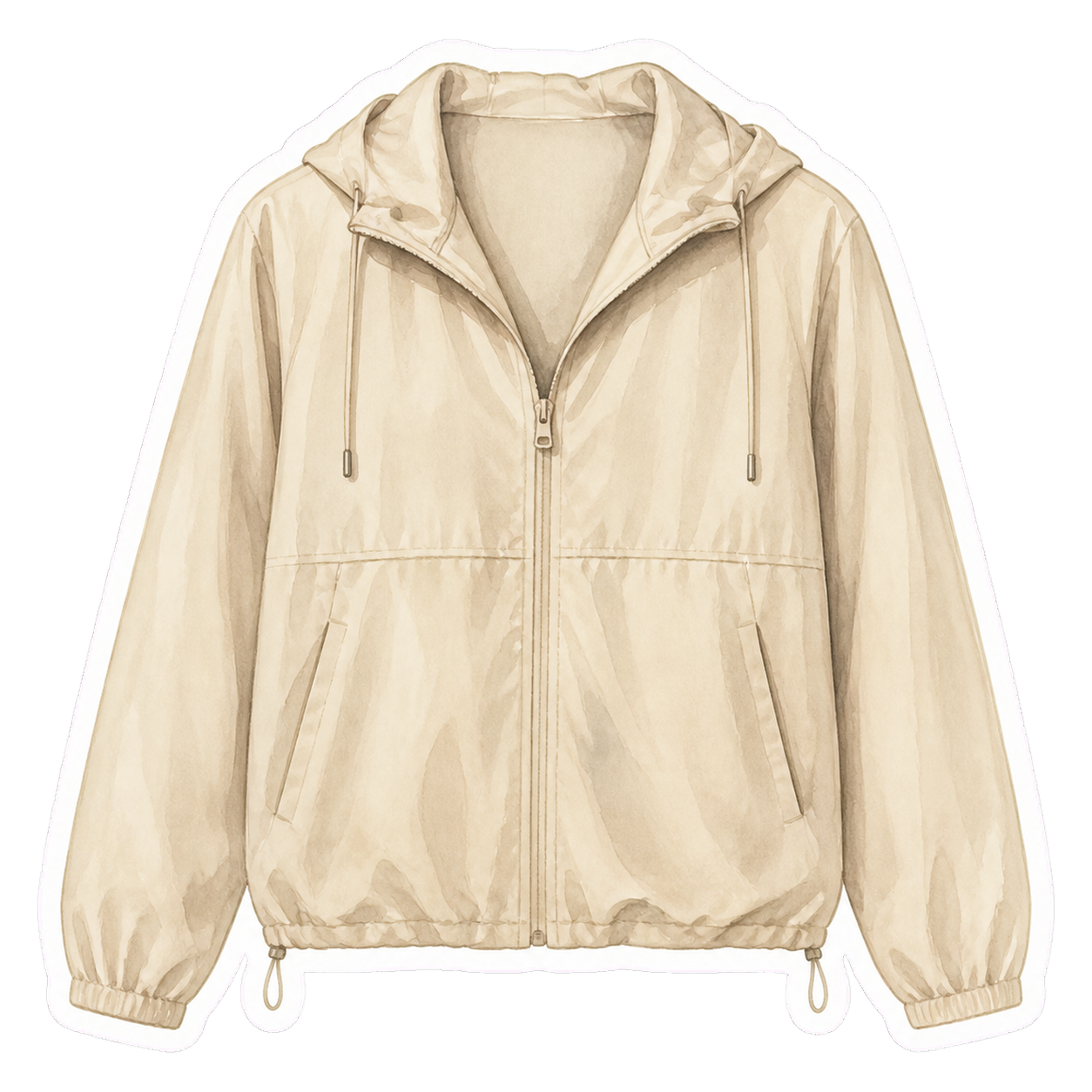 01Sand hooded windbreaker
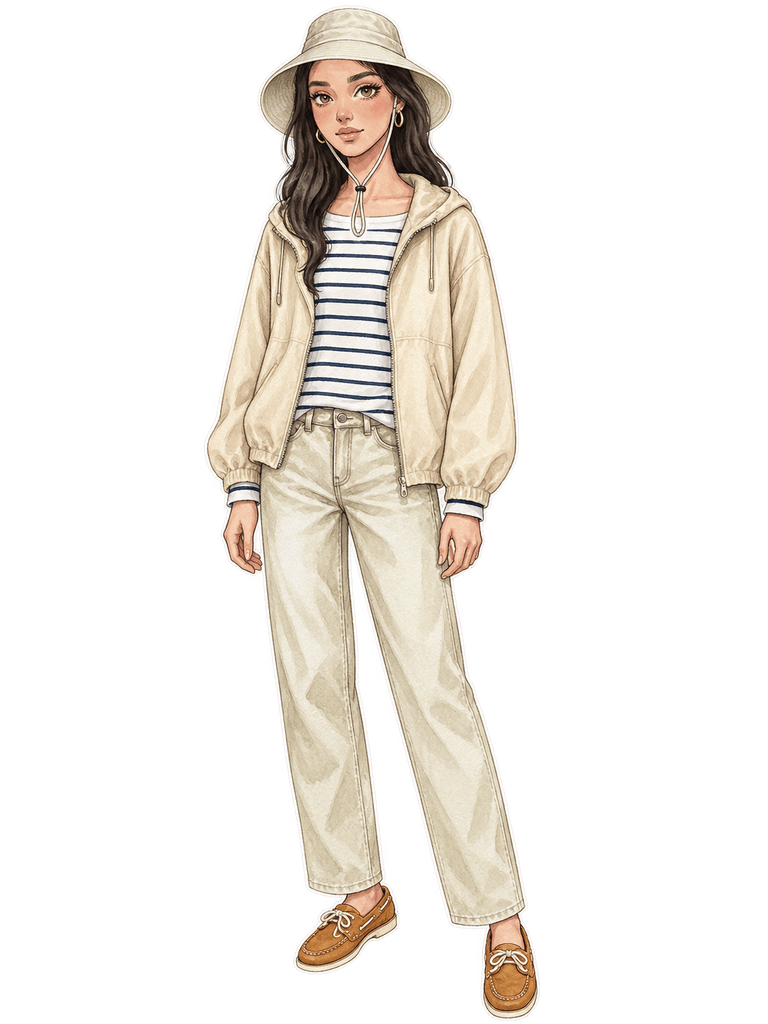
NWS Honolulu says trade winds blow on about half of winter days, and on a whale-watch deck you stand in that wind with nowhere to shelter. A hooded windbreaker cuts it without adding heat at 82°F and keeps spray off the knit underneath. Sand shows dried salt less than navy does.
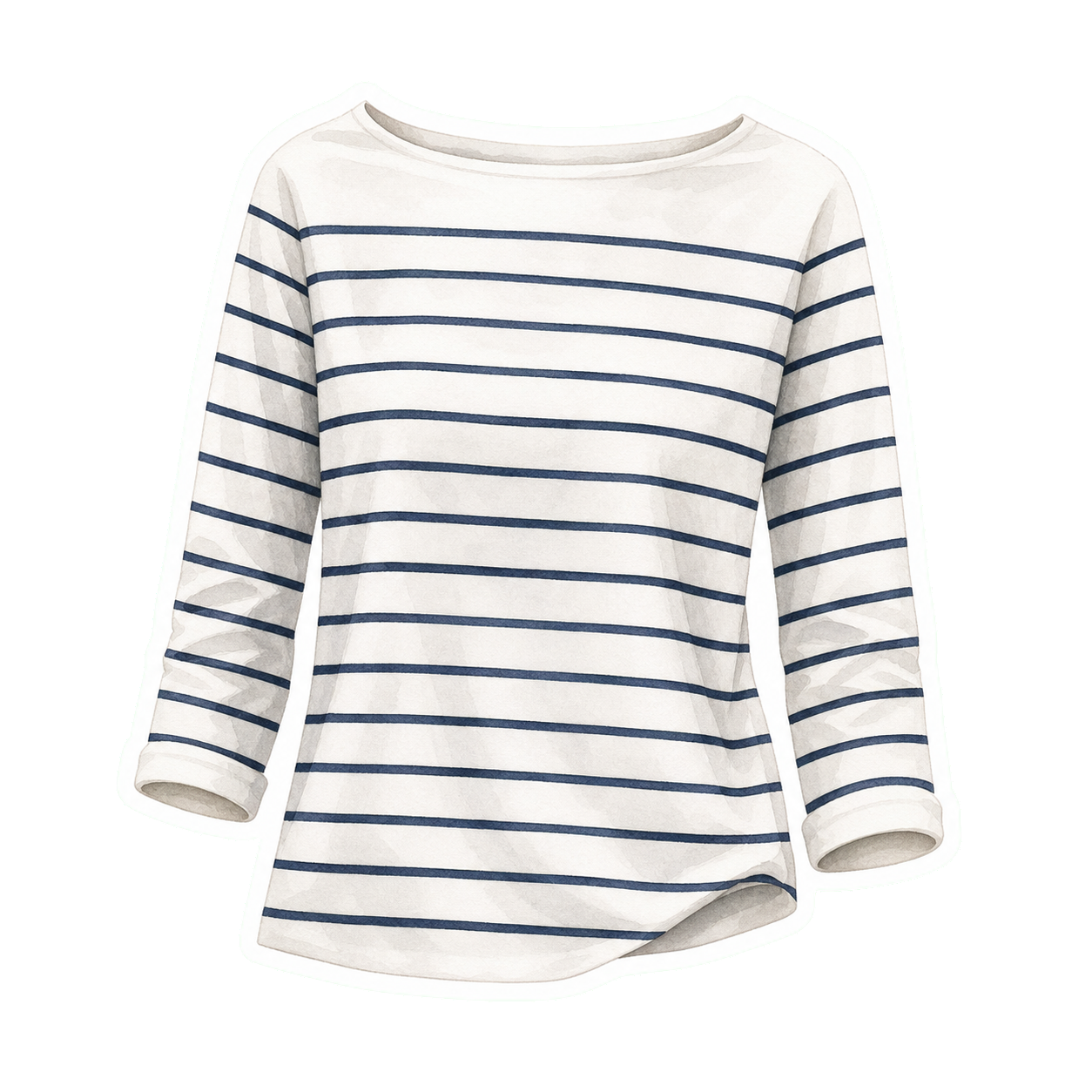 02Ecru long-sleeve breton, navy stripes
Maui County's cover-up advice lists long-sleeved shirts first, and on the water the sun reaches you twice, from above and off the channel. A long-sleeve cotton breton covers your arms without a single coat of sunscreen, and the navy stripe hides spray marks that a plain white tee shows.
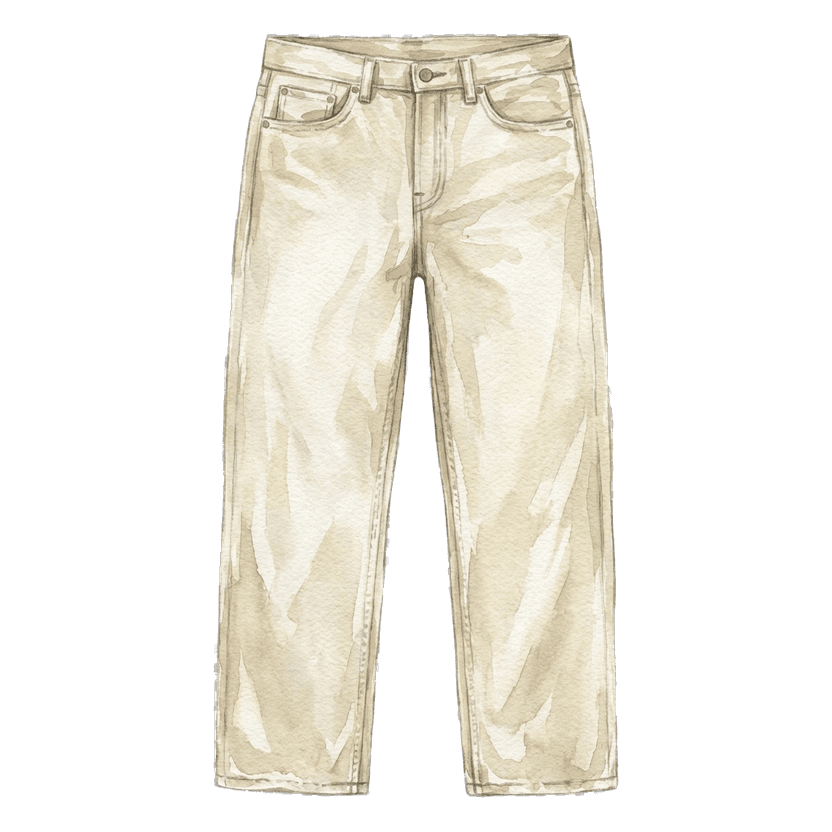 03Light khaki straight trousers
Full-length cotton covers the shins that burn first when you sit on a deck bench, and a straight leg does not flap in the wind the way a wide one does. Light khaki sits cleanly with the navy stripe and the sand jacket, and it goes to lunch in Kīhei without a change.
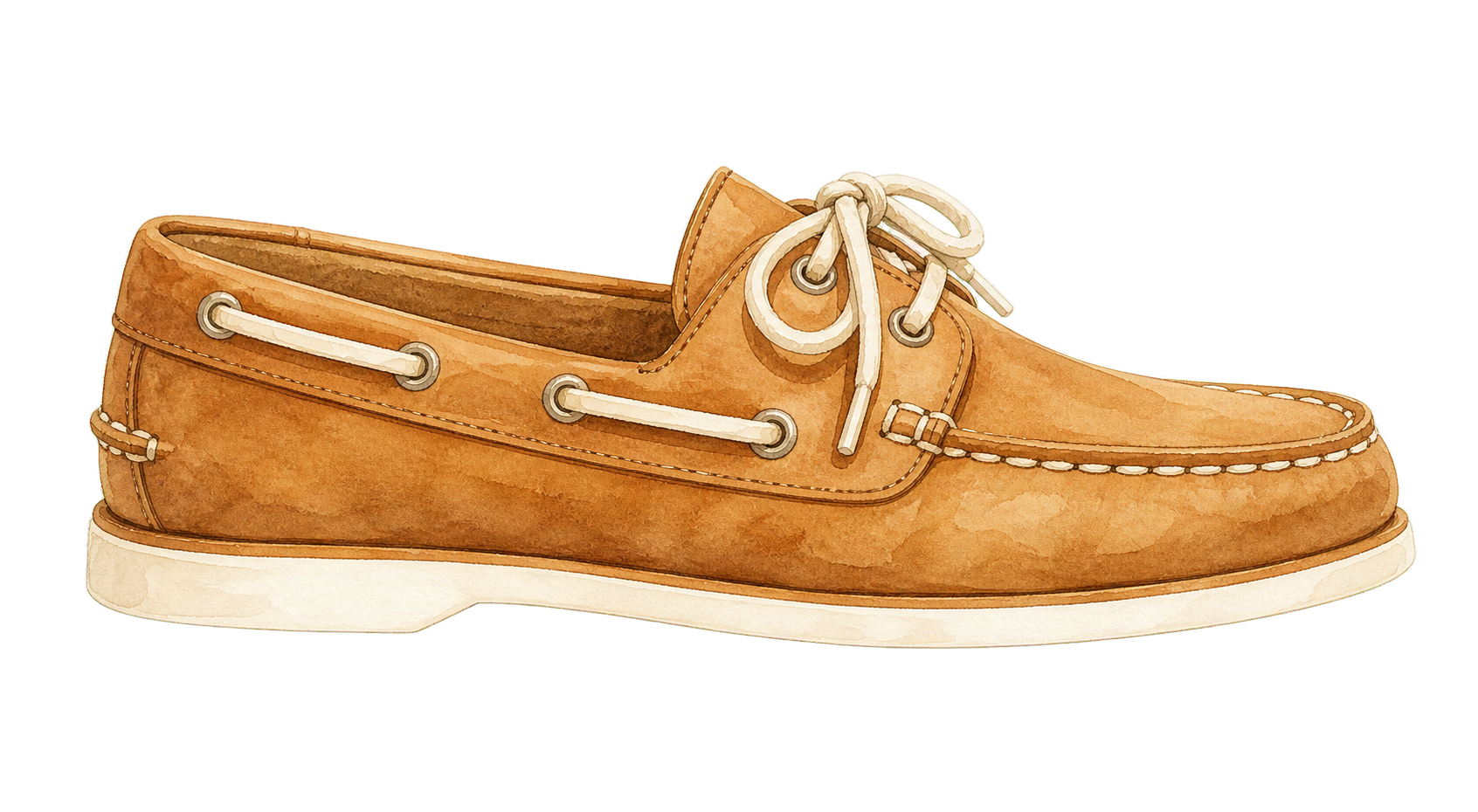 04Tan leather boat shoes
A whale-watch deck is wet from the first wave, and a boat shoe's rubber sole grips wet decking where a sandal slides. The lace keeps the shoe on when you step over a gunwale, leather dries in the sun on the ride back, and tan sits under khaki.
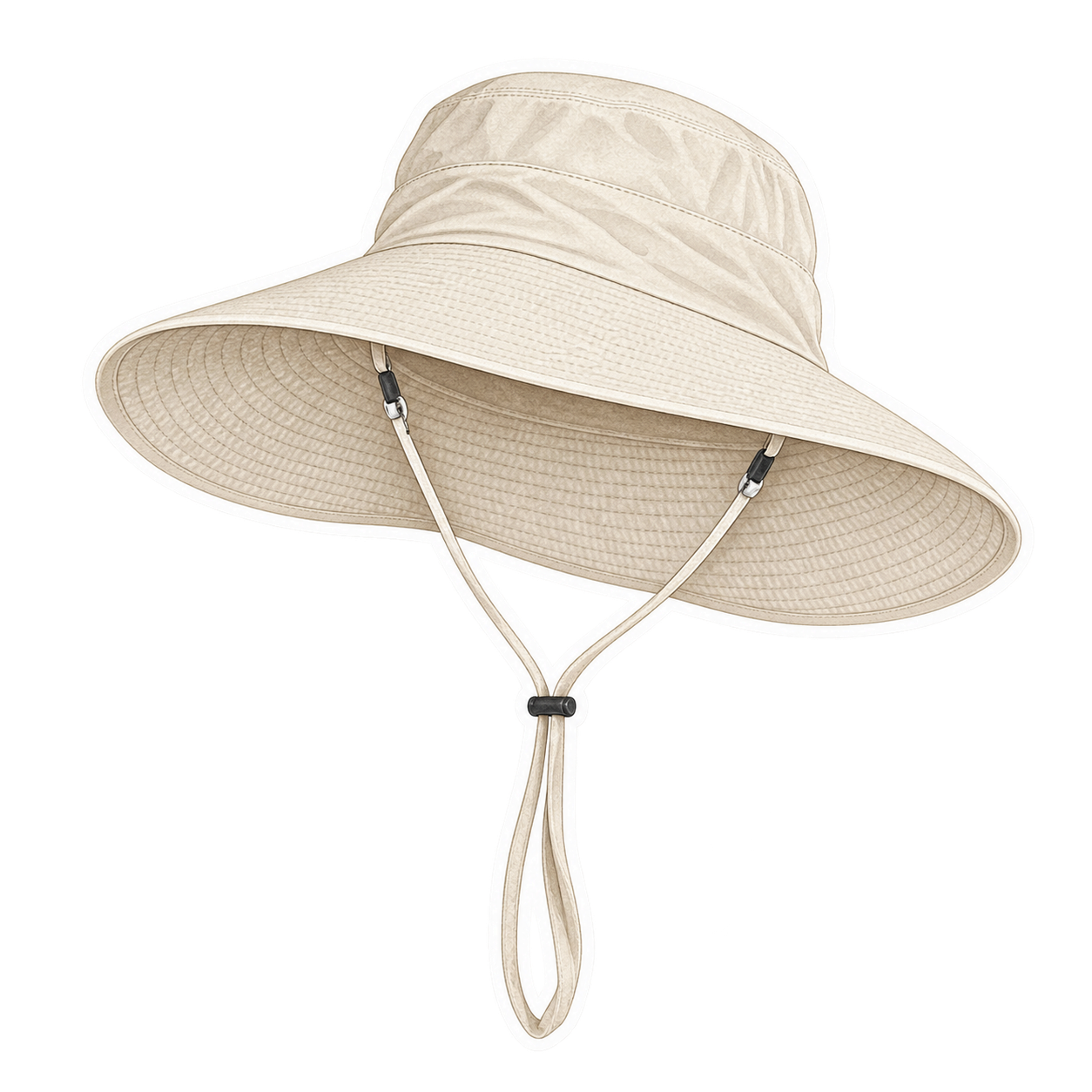 05Sand bucket hat, wide brim, chin cord
On a moving boat a brim without a cord goes over the side with the first gust. This one has a wide brim all the way round, which covers the neck and ears the county asks you to protect, and a cord that cinches under your chin. It packs flat.
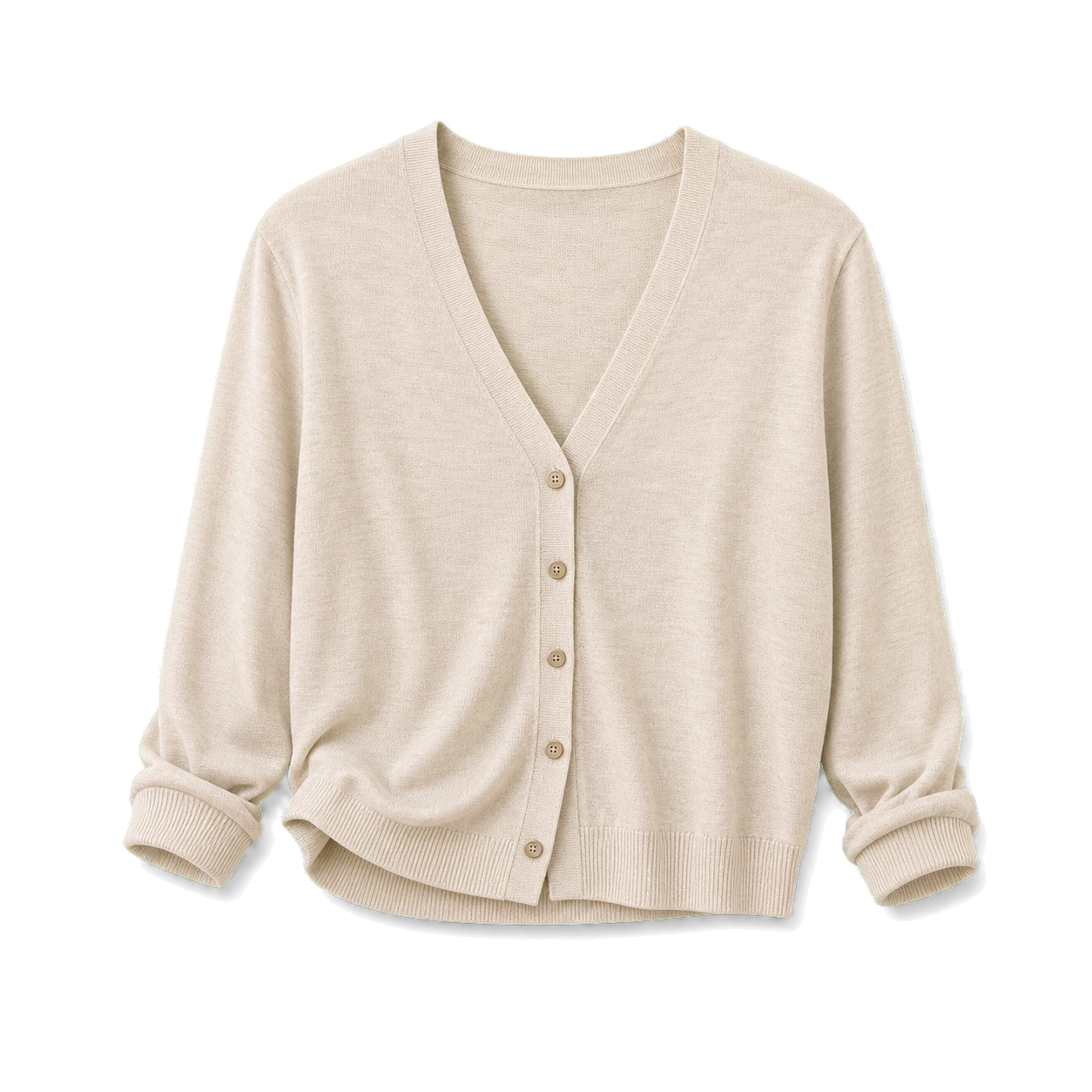 06Oat thin V-neck cardigan
January nights at Kahului average 63.6°F, the coolest of the year, and NWS Honolulu says a cold front can drop them into the 50s. A thin oat cardigan goes over the pale blue dress at dinner and under the windbreaker on an early boat, and it takes no room in the bag.
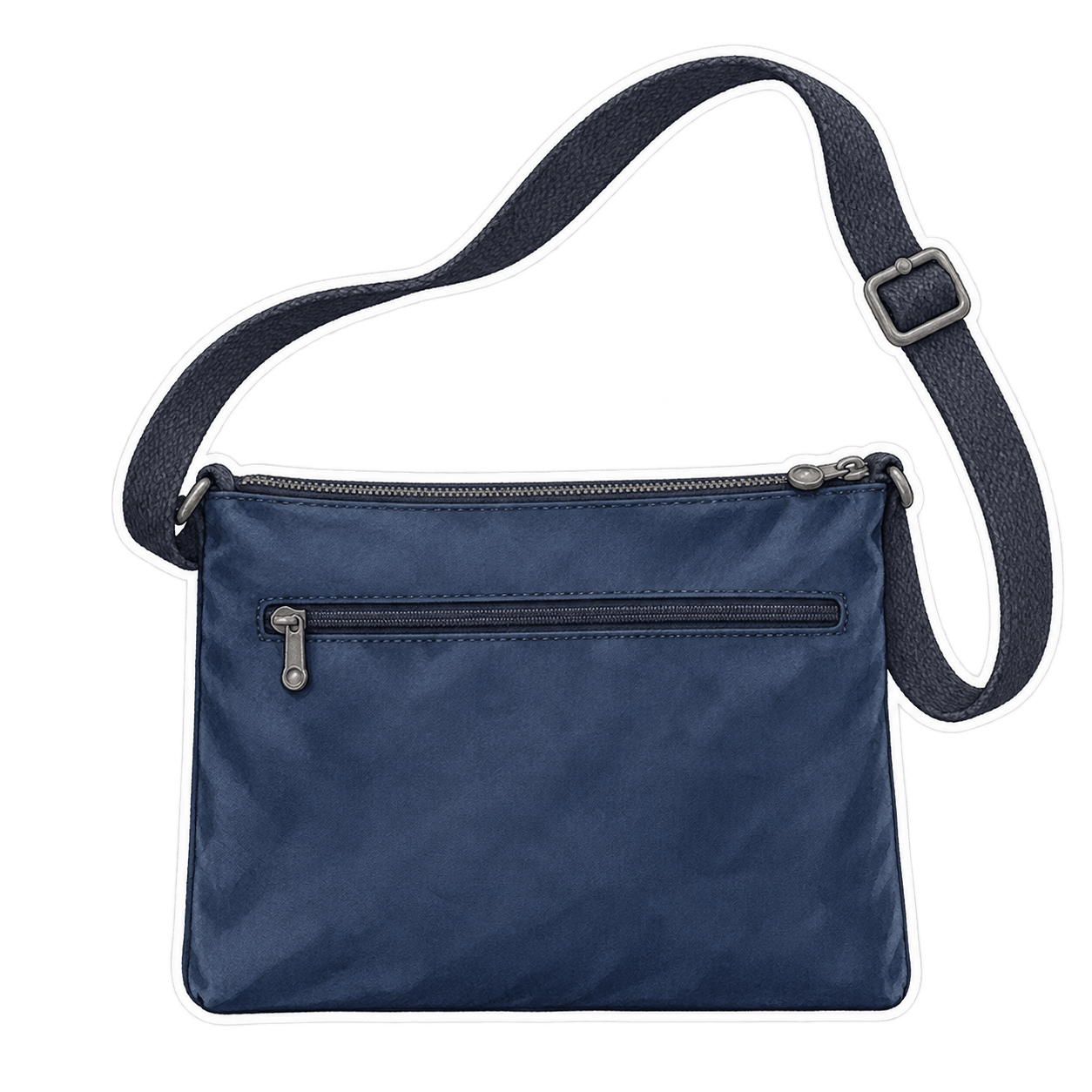 07Navy coated-canvas zip crossbody
Spray reaches everything on an open deck. A coated-canvas crossbody with a zip keeps a phone, a card and the mineral sunscreen dry, and a long strap leaves both hands free for the rail and a pair of binoculars.
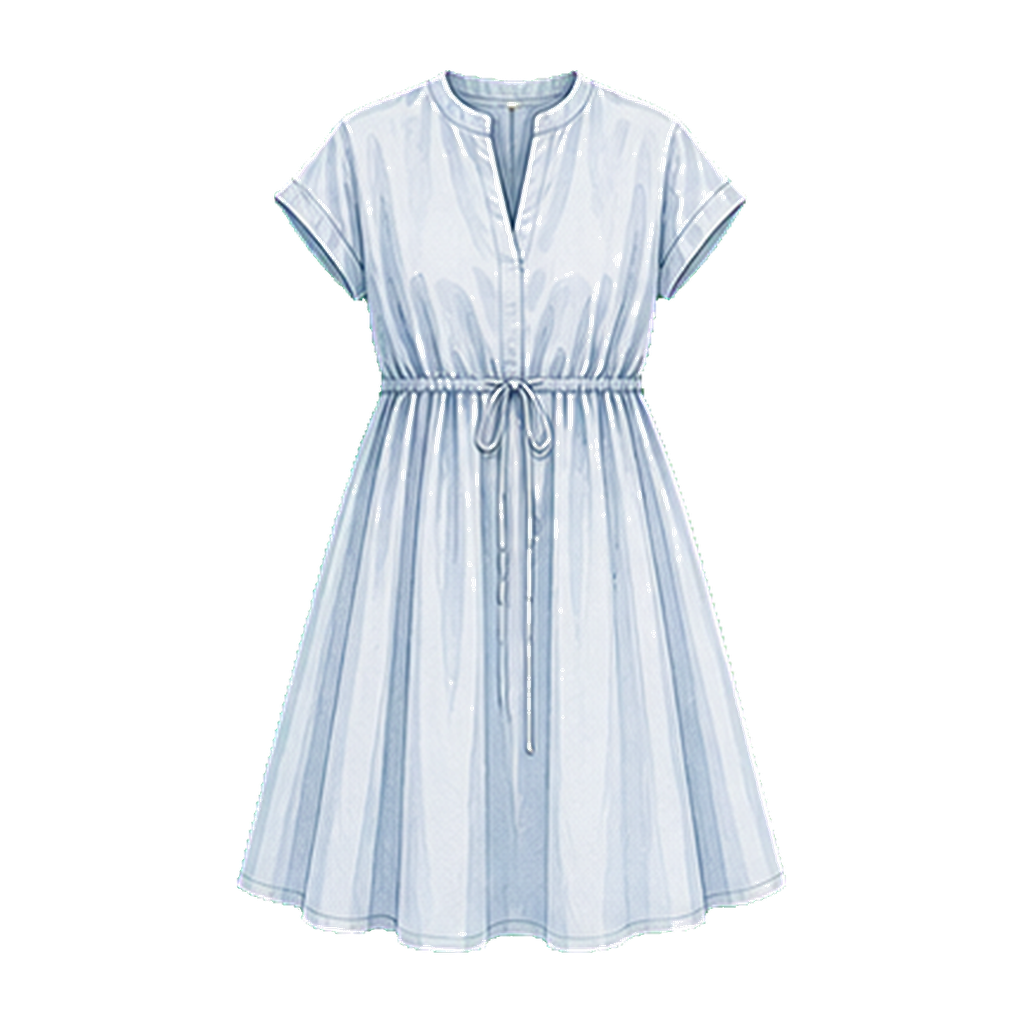 08Pale blue short-sleeve shirt dress, drawstring waist
Dinner at 63.6°F with the cardigan over it. A short-sleeve shirt dress buttons up for a restaurant and opens at the collar on the walk there, cotton breathes after a day in the sun, and pale blue picks up the navy of the breton without repeating it.
Day to night
Ecru breton · khaki trousers · tan boat shoes · corded sun hat · sand windbreaker · navy crossbody. A morning whale-watch cruise, or a shore site for the Great Whale Count from 8am to noon on Saturday 30 January.
Pale blue shirt dress · oat cardigan · tan boat shoes. Sunset at about 6pm, then dinner in Kīhei with the cardigan buttoned.
A suggested look — navy and ecru breton top, sand hooded windbreaker, light khaki straight trousers, tan boat shoes, sand bucket hat.
What to avoid
- Approaching whales — stay 100 yards away by boat, board, kayak or drone
- A hat without a cord on a boat — the first gust takes it
- Sandals on a wet deck — no grip
- Non-mineral sunscreen — its use is banned in Maui County
- A PGA Tour day at Kapalua — The Sentry is at Torrey Pines in 2027
Frequently asked questions
Warm by day and the coolest nights of the year. NOAA's 1991–2020 normals for Kahului Airport give an average January high of 82.2°F (27.9°C) and a low of 63.6°F (17.6°C), with 2.42 inches (61mm) of rain across about 8 days, about 4 of them with a tenth of an inch or more. Kula, at 3,100 feet, averages 53.1°F at night, and Haleakalā's park headquarters station, at 6,962 feet, 43.9°F. NWS Honolulu puts winter nights above 10,000 feet in the 20s Fahrenheit. Sunset moves from about 5:56pm on 1 January to 6:15pm on the 31st.
A sand hooded windbreaker, an ecru-and-navy long-sleeve breton, light khaki straight trousers, tan boat shoes, a sand bucket hat with a chin cord, an oat cardigan, a navy coated crossbody and a pale blue shirt dress. That covers a whale-watch deck, a shoreline count and a cool dinner. Add a swimsuit for the beach afternoons, mineral sunscreen only, and winter layers if you plan a Haleakalā sunrise, where the park says the hours before dawn are regularly below freezing.
January through March. NOAA's Hawaiian Islands Humpback Whale National Marine Sanctuary says "the usual peak in humpback abundance occurs from January through March", and Pacific Whale Foundation puts its peak "between mid-January and March" within a November-to-May season. The foundation's Great Whale Count, which dates back to 1995, runs on Saturday 30 January 2027 from 8am to noon, then on 27 February and 27 March; volunteers register in advance. NOAA's visitor center at 726 South Kīhei Road opens Monday to Friday, 9:30am to 2:30pm. Keep 100 yards from the whales.
Late January, for the whales. New Year's Day is a Friday and a state holiday, and Hawaiʻi's public schools stay on winter break until 1 January, with students back on Tuesday 5 January. State figures put January 2026 at about 65,100 visitors a day on Maui, level with December, so the month does not empty out. Pacific Whale Foundation's peak starts in mid-January, and the Great Whale Count closes the month on the 30th. Dr. Martin Luther King, Jr. Day falls on Monday 18 January.
Almost the same weather, and more whales either way. NOAA's Kahului normals give both months an average high of 82.2°F, with February nights a shade warmer, 63.8°F against 63.6°F. February is drier by total, 2.00 inches against 2.42, but has slightly more wet days, about 9 against 8. Both sit inside NOAA's January-to-March peak, and the Great Whale Count returns on 27 February. Pacific Whale Foundation's World Whale Day parade on South Kīhei Road fell in February in 2026; its 2027 date is not yet announced.
Layers they can take off by noon. On the coast that means a long sleeve against the sun and a cardigan for the evening; Upcountry, where Kula averages 53.1°F at night in January, a proper knit. For aloha wear, Tori Richard, whose first patterns were cut in Honolulu in 1956, sells at The Shops at Wailea and Whalers Village, and both it and Reyn Spooner date Aloha Friday to 1966. Mahina, founded in Pāʻia in 2006, sells resort-casual dresses from five shops on the island.
Sources
- NOAA — 1991–2020 climate normals, Kahului Airport (OGG) station
- NOAA NCEI — U.S. Climate Normals 1991–2020 (monthly normals by station) — accessed 2026-09-26
- NOAA NCEI — Kula Branch Station 1991–2020 monthly normals — accessed 2026-09-27
- NOAA NCEI — Haleakalā RS 338 (park headquarters) 1991–2020 monthly normals — accessed 2026-09-27
- NWS Honolulu — Hawaiʻi weather FAQ (seasons, summit temperatures, surf) — accessed 2026-09-27
- NOAA Humpback Whale Sanctuary — Boating guide (January–March peak) — accessed 2026-09-27
- NOAA Humpback Whale Sanctuary — Regulations (100-yard approach rule) — accessed 2026-09-27
- NOAA Humpback Whale Sanctuary — Visitor centers (Kīhei hours, federal holidays) — accessed 2026-09-27
- Pacific Whale Foundation — Great Whale Count (2027 dates) — accessed 2026-09-27
- PacWhale Eco-Adventures (Pacific Whale Foundation) — Maui whale-watch season — accessed 2026-09-27
- Pacific Whale Foundation — World Whale Day 2026 (15 February) — accessed 2026-09-27
- County of Maui — Mineral-only sunscreen (Ordinance 5306) — accessed 2026-09-27
- County of Maui — Sunscreen ordinance FAQ — accessed 2026-09-27
- Hawaiʻi DBEDT — January 2026 visitor statistics — accessed 2026-09-27
- The Sentry — 2027 tournament at Torrey Pines, 27–30 Jan — accessed 2026-09-27
- NPS Haleakalā — Sunrise reservations and summit conditions — accessed 2026-09-27
- Hawaiʻi DHRD — State observed holidays 2026 and 2027 — accessed 2026-09-27
- Hawaiʻi State Department of Education — 2026–27 official school calendar — accessed 2026-09-27
- Tori Richard — About us (Honolulu 1956) — accessed 2026-09-27
- Reyn Spooner — The Reyn Spooner story (1956, 1961) — accessed 2026-09-27
- Mahina — About us (Pāʻia, 2006) — accessed 2026-09-27