What to Wear in Oslo in November
Oslo in November: 4°C / 39°F afternoons, 0°C / 32°F nights, about 14 wet days, and the sun down before four by the middle of the month.
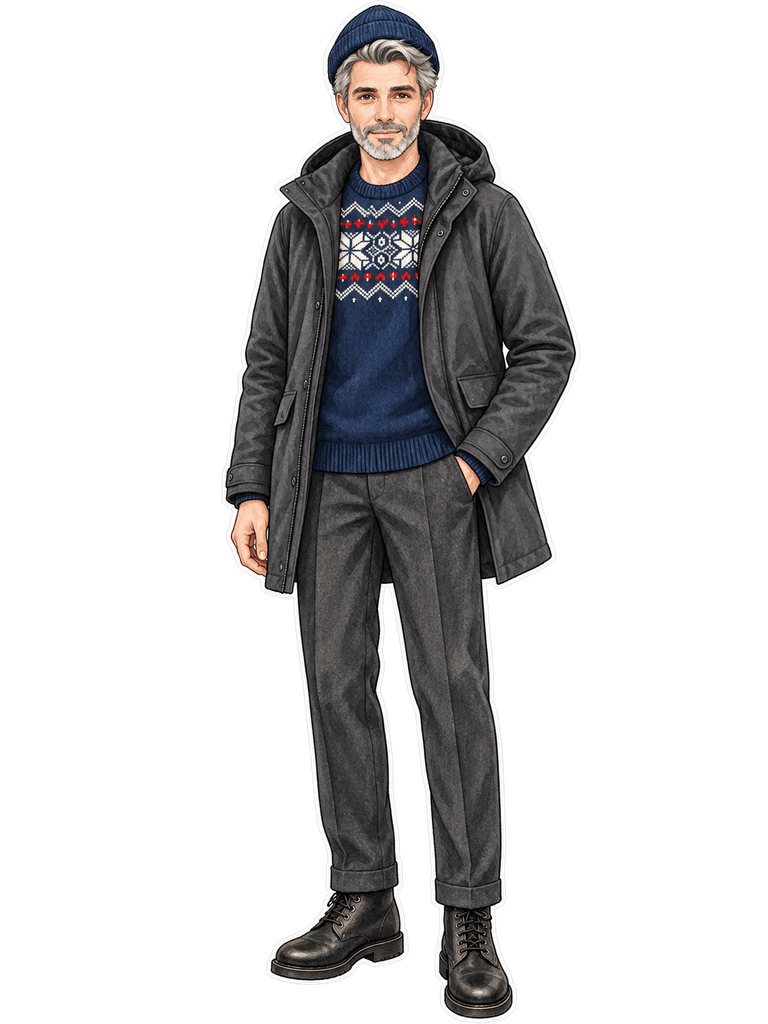
- Charcoal hooded insulated parka — rain or sleet on about 14 days, and nights at 0°C / 32°F
- Navy wool sweater with a red-and-white star yoke — still dry and warm when the parka comes off at a café door
- Cream merino base layer — cotton holds the sweat from a fast walk and chills you once you stop
- Charcoal straight wool trousers — a straight leg sits over the boot, so rain runs onto leather, not into your sock
- Black leather lace-up ankle boots — laced to the ankle, they keep out the water a low shoe lets in
- Charcoal wind-resistant umbrella — about 9 days bring more than 2.5mm, more than a hood handles on a long walk
- A dressy wool overcoat — no hood, and at 0°C / 32°F a soaked coat is still wet the next morning
- Suede boots or canvas sneakers — about 14 wet days, and nothing dries overnight at freezing
- Cotton next to your skin — it stays damp through an evening at the Spikersuppa rink
- Daylight plans after half past three late in the month — sunset is about twenty past three by 30 November
Pack for rain at zero. NOAA's figures for Blindern, a station MET Norway operates, put November at 4°C / 39°F by day and 0°C / 32°F at night, with precipitation on about 14 days, and MET Norway's statistics on Yr give the month 85mm and a 2.2°C mean. That is less rain than October. It is colder rain, falling on pavements that sit at freezing overnight, and the dark comes early: the sun sets at about twenty past four on the 1st, before four by the 15th and at about twenty past three on the 30th. From 7 November Jul i Vinterland puts a skating rink in Spikersuppa, so you will be out in it. Hence the hood, the insulation and wool in every layer.
November is when Oslo's rain reaches zero. Dress for the hour after sunset, not the hour before it, because by the 15th that hour starts before four.
The capsule
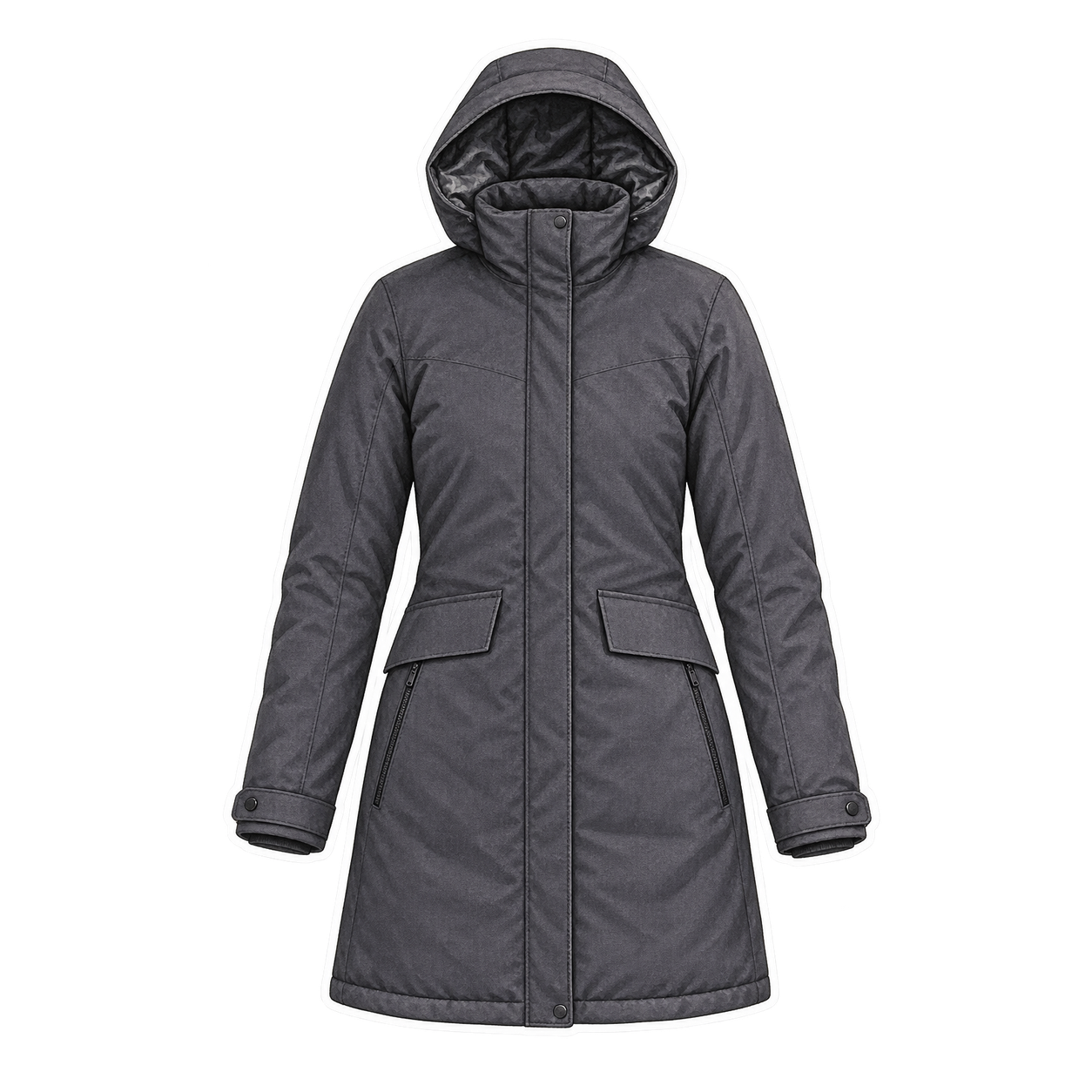 01Charcoal insulated hooded parka, thigh length, zip front
Bring the coat October did without. At 10°C / 50°F a parka overshoots; at 0°C / 32°F after dark it is the right weight. Insulation holds your warmth through an hour beside the Spikersuppa rink, the hood stays up through rain or sleet on about 14 days, and thigh length keeps your hips covered when you stop to watch the skaters.
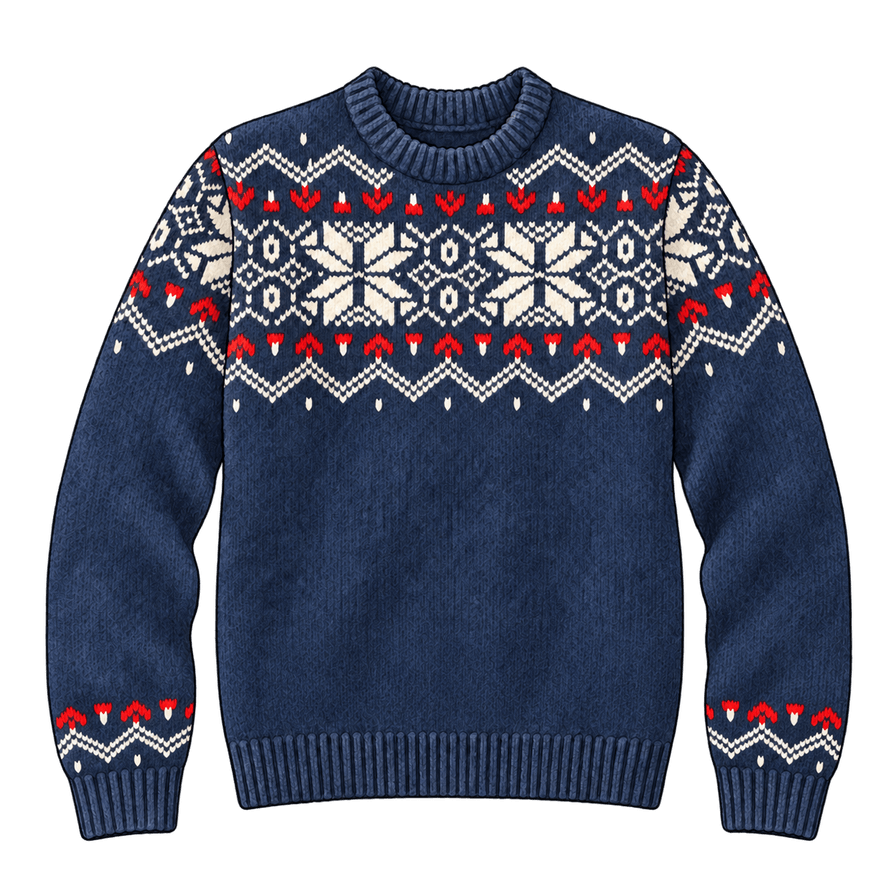 02Navy wool crew sweater with a red-and-white Nordic star yoke
Navy, red and white are the colours of the Marius sweater, which Unn Søiland designed in 1953 and the skier Marius Eriksen wore in the 1954 film Troll i ord. A star-yoke crew in the same three colours shows under the open parka on Karl Johans gate, and it is still dry and warm when the parka comes off inside a café.
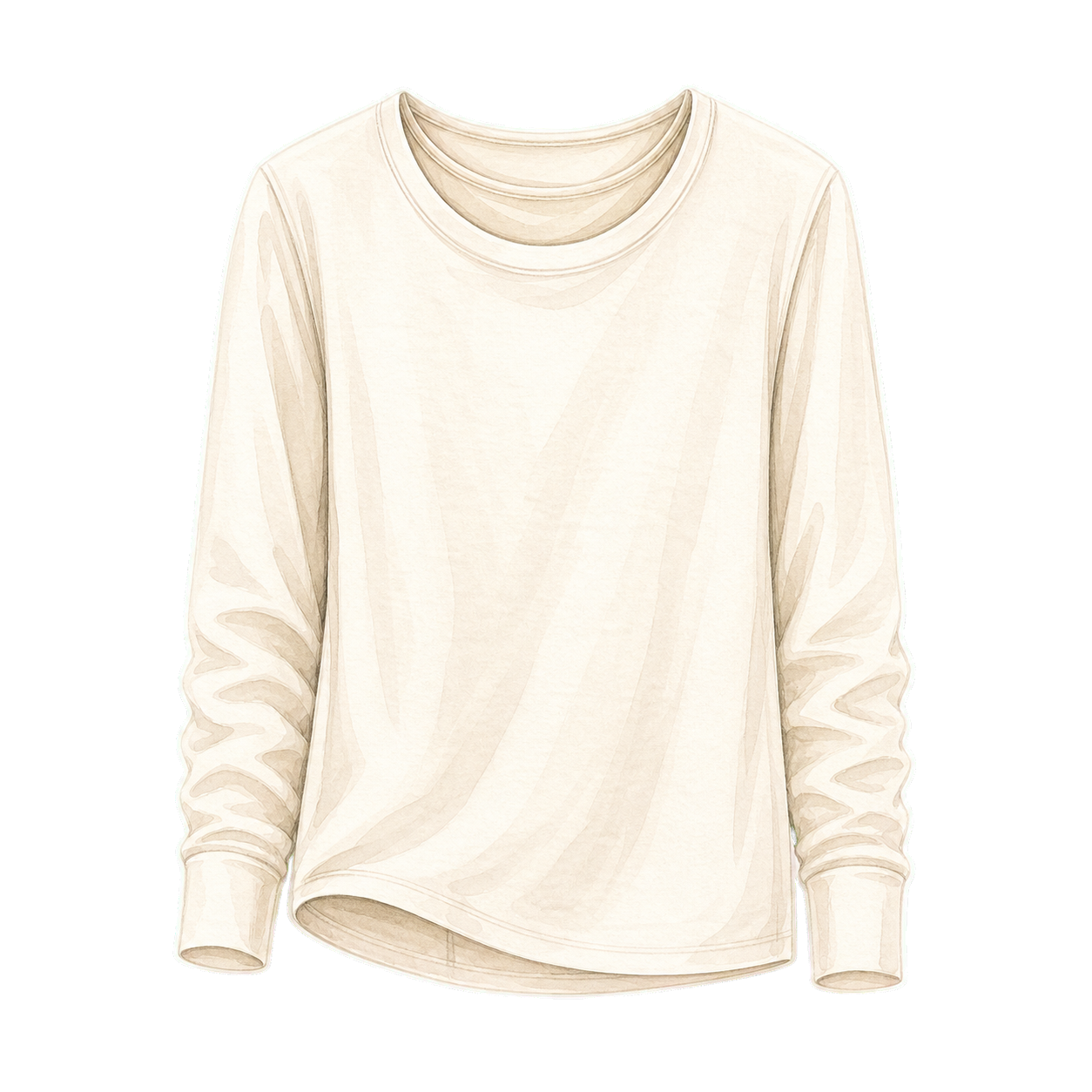 03Cream merino long-sleeve crew base layer
Wool next to the skin is an old Norwegian answer to cold: Devold says it supplied Fridtjof Nansen's crossing of Greenland in 1888. A cream merino crew under the sweater keeps you warm after a fast walk up to Grünerløkka has made you sweat, which cotton will not, and with a 2.2°C daily mean you wear it every day of the trip.
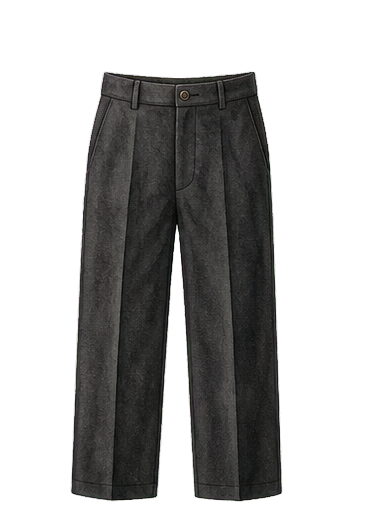 04Charcoal straight-leg wool trousers
Straight, charcoal, wool. A straight leg falls over the boot shaft, so rain running off the parka lands on leather instead of in your sock, and wool holds its warmth through a wet walk home from Bjørvika at 0°C / 32°F. Charcoal matches the parka, which leaves the sweater as the only colour in the outfit.
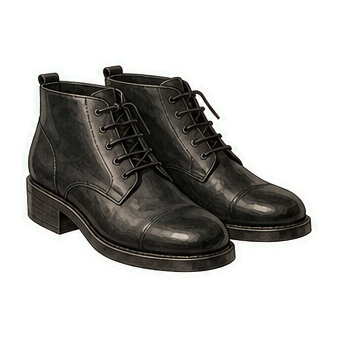 05Black leather lace-up ankle boots, toe cap, low stacked heel
Lace them to the ankle. On about 14 wet days a low shoe lets water in over the heel, and a lace-up ankle boot in smooth black leather closes that gap and wipes clean after a day on Karl Johans gate. A low stacked heel is steadier than a tall one on wet setts at freezing. Wax the leather before you fly.
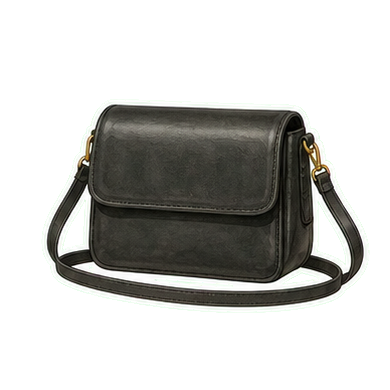 06Black structured leather flap crossbody
Your hands are busy in November: one holds the umbrella, the other your phone for the map once it is dark at four. A black structured crossbody sits across the body under the open parka, and its flap keeps a phone and a card out of 85mm of rain. Worn this way it cannot slide off a shoulder on the walk to Aker Brygge.
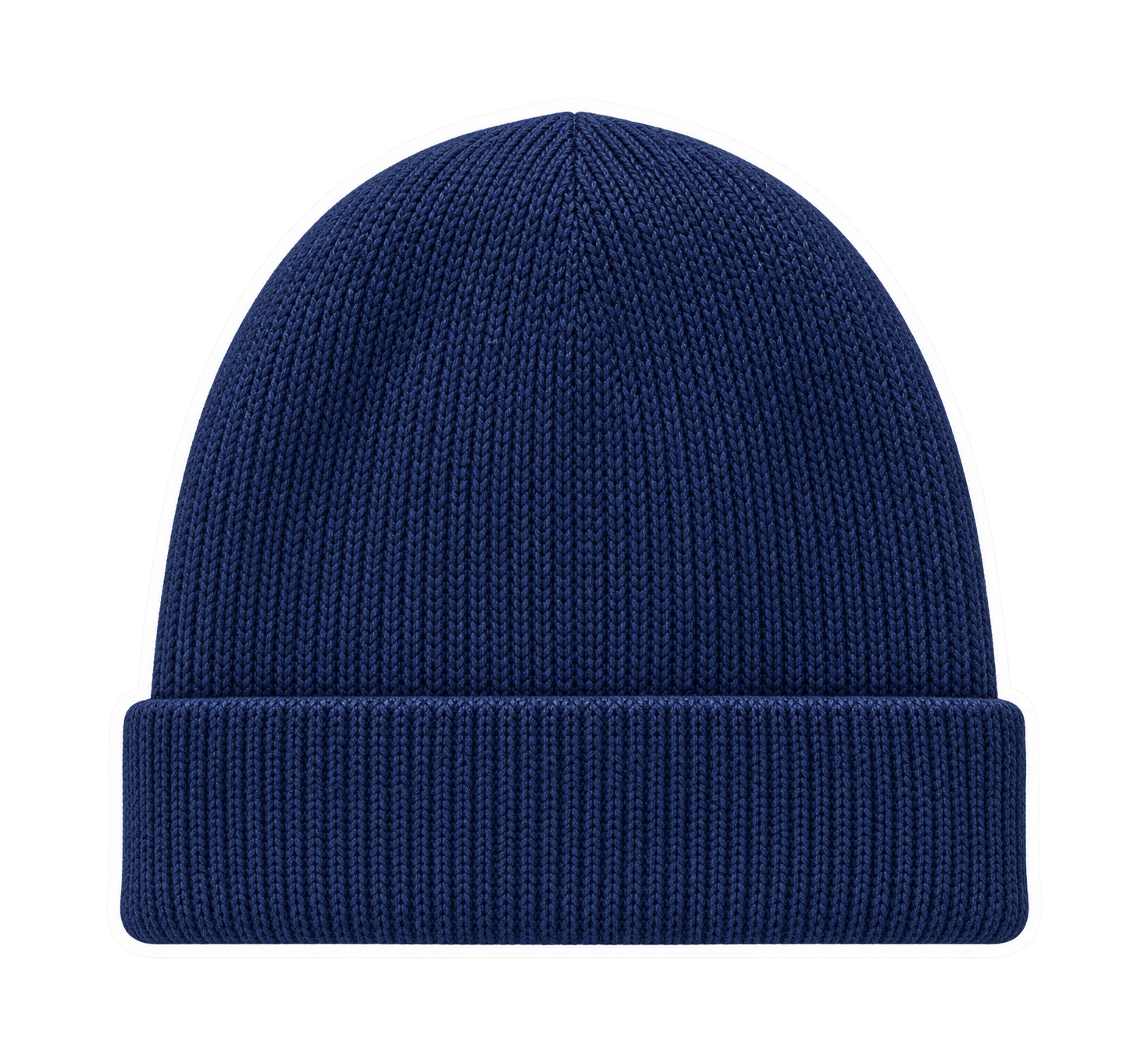 07Navy ribbed wool watch cap, folded cuff
Devold's first products, in 1853, included "den tradisjonelle rødlua", the traditional red knitted cap. Yours is navy and ribbed, and it does the same job: the folded cuff doubles the wool over your ears at 0°C / 32°F. Wear it alone on the dry evenings, which November still has about half the time, and pull the parka hood over it when the sleet starts.
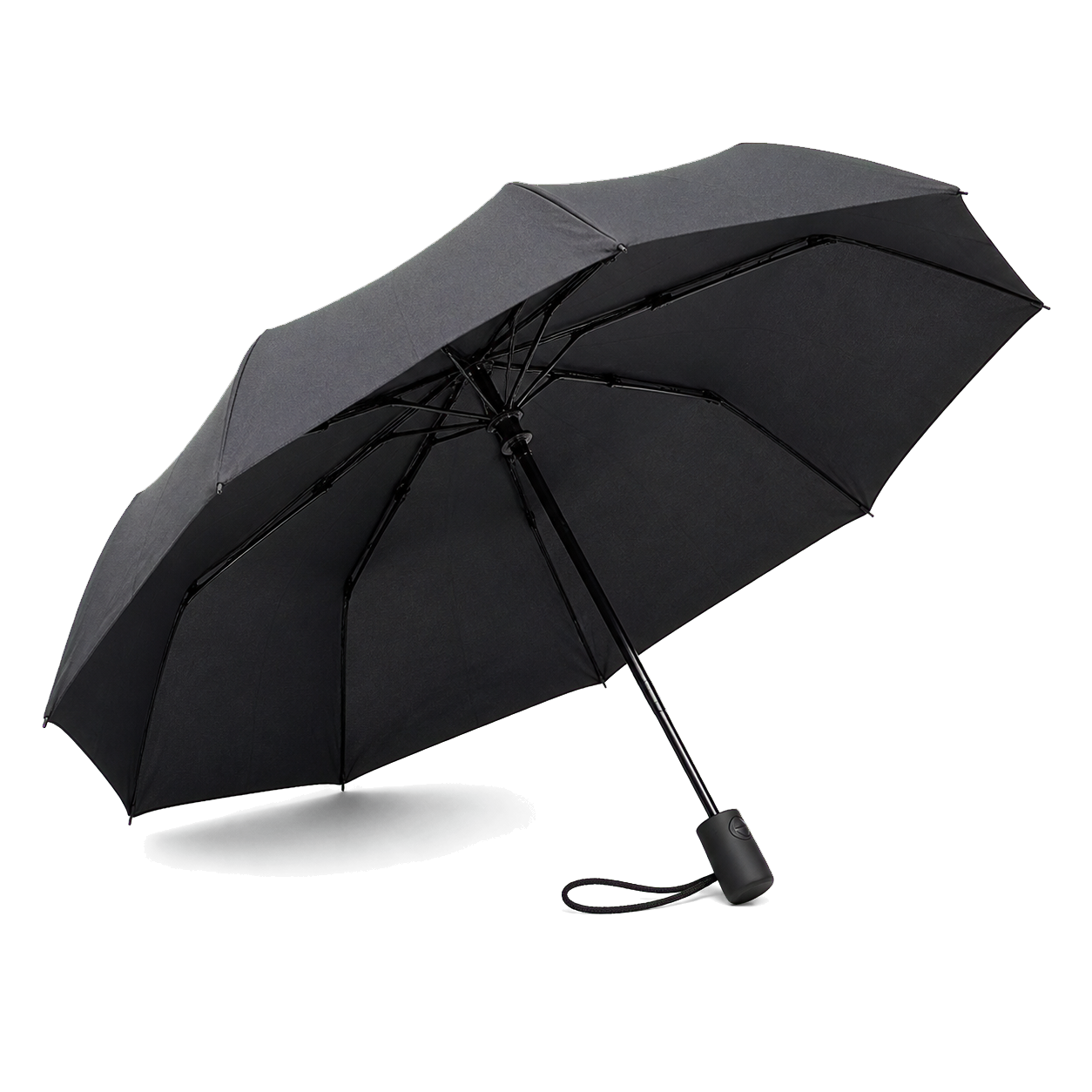 08Charcoal wind-resistant folding umbrella
About 9 November days bring more than 2.5mm, which is more rain than a hood alone handles on a long walk. A charcoal folding umbrella with a wind-resistant frame keeps the front of the parka and your trousers dry, flexes back instead of turning inside out when a gust catches it between buildings, and folds short enough to carry into MUNCH.
Day to night
Charcoal parka open · navy star-yoke sweater · charcoal wool trousers · black lace-up boots · navy watch cap · umbrella closed in one hand. Karl Johans gate in drizzle at eleven, past Jul i Vinterland at Spikersuppa, and indoors before the light goes at about four.
Cream merino base · navy sweater · parka zipped, hood up · wool trousers · lace-up boots · black crossbody. The Spikersuppa rink after dark from 7 November, when half past four is already night, then dinner in Bjørvika and the umbrella up for the walk back.
A suggested look — charcoal hooded parka, navy nordic star-yoke sweater, charcoal straight trousers, black lace-up ankle boots, navy wool watch cap.
What to avoid
- A dressy wool overcoat — no hood, and still wet the next morning at 0°C / 32°F
- Suede boots or canvas sneakers — about 14 wet days and 85mm of rain or sleet
- Cotton next to the skin — it holds sweat once you stop at the rink
- Daylight plans after half past three late in the month — sunset at about twenty past three by 30 November
- October's packing list — afternoons fall from 10°C / 50°F to 4°C / 39°F
Frequently asked questions
NOAA NCEI's figures for Oslo-Blindern, a station MET Norway operates, give an average November high of 4.4°C and a low of 0°C / 32°F, with measurable precipitation on about 14 days. About 9 of those days bring more than 2.5mm. MET Norway's own statistics on Yr put the month at 85mm and a 2.2°C mean, and single years vary: November 2025 averaged 3.8°C with 80.7mm. Daylight shrinks from about 8h 45m on the 1st to about 6h 35m on the 30th, and the whole month runs on winter time.
A charcoal insulated hooded parka, a navy wool sweater with a red-and-white star yoke, a cream merino long-sleeve base layer, charcoal straight wool trousers, black leather lace-up ankle boots, a navy ribbed wool watch cap, a black structured crossbody and a charcoal wind-resistant umbrella. That covers a 4°C / 39°F afternoon in drizzle, an hour at the Spikersuppa rink at 0°C / 32°F and a walk home in the dark at five. Leave the dressy overcoat, the suede and the cotton base layers at home.
On Saturday 7 November. The organisers, Lund Gruppen Arrangement, put it in one line: "Jul i Vinterland åpner igjen 7. november 2026 – 3. januar 2027 i Spikersuppa i Oslo." It sits in Spikersuppa on Karl Johans gate, by Nationaltheatret, runs until 3 January 2027 and is free to enter. The skating rink opens with it in November, but the 2026 rink hours are not yet published, so check before you plan an evening around it. Wear the parka zipped and the cap under the hood.
The second week, for most visitors. The clocks went back on 25 October, so all of November runs on winter time: the sun sets at about twenty past four on the 1st and before four by the 15th. Early arrivals catch the final day of Oslo World on Sunday 1 November. From Saturday 7 November, Jul i Vinterland and its rink are open at Spikersuppa. By 30 November sunset comes at about twenty past three and the day lasts about 6h 35m, so late in the month you see the city mostly by lamplight.
November is colder and darker, but not wetter. NOAA's Blindern figures take the average high from 9.6°C in October to 4.4°C, and the low from 3.8°C to 0°C / 32°F, while MET Norway's statistics give October 93mm and November 85mm. Wet days stay at about 13 to 14. What changes is the temperature the rain falls at. October wants a bright shell over a knit, as our October guide sets out; November wants an insulated parka with a hood, the coat that overshot October's 10°C / 50°F afternoons.
Wool, from makers with long Norwegian records. Ole Andreas Devold founded Devold at Ålesund on the west coast in 1853, making wool underwear and mittens for fishermen, and the company is still based at Langevåg. The Marius sweater began in 1953 as a hand-knit pattern Unn Søiland sold to Sandnes Uldvarefabrikk, named after Marius Eriksen, who wore it in Troll i ord in 1954; Rauma Ullvarefabrikk at Åndalsnes makes it today in pure fine wool. Over the knit goes an insulated hooded parka, and on the feet, laced leather boots.
Sources
- NOAA NCEI — 1991–2020 climate normals, Oslo-Blindern stationMET Norway operates the station; NOAA NCEI computed this month's temperatures and wet days from its NOM00001492 global-summary-of-the-month record. MET Norway's own normals for Blindern, as shown on Yr, give 85.0 mm of precipitation and a 2.2°C monthly mean. Recorded per month because the rest of this city's pages are sourced differently.
- NOAA National Centers for Environmental Information — Climate Data Online — accessed 2026-04-23
- Yr (MET Norway and NRK) — Oslo (Blindern) climate statistics — accessed 2026-09-26
- MET Norway — Sunrise API 3.0 (sunrise and sunset times) — accessed 2026-09-26
- Jul i Vinterland — Spikersuppa, 7 November 2026 – 3 January 2027 — accessed 2026-09-26
- Lovdata — Natt til søndag stilles klokkene (summer time ends 25 October 2026) — accessed 2026-09-26
- Oslo World — 2026 festival programme — accessed 2026-09-26
- Devold — Vår historie, since 1853 — accessed 2026-09-26
- Devold — Polarhistorien (Nansen 1888, Amundsen 1911) — accessed 2026-09-26
- Marius of Norway — The history of the Marius sweater, 1953 — accessed 2026-09-26