What to Wear in Helsinki in November
Helsinki in November: 3°C / 37°F afternoons, −1°C / 30°F nights, 15 wet days, and slush underfoot rather than snow.
- Duck boots with a rubber foot — slush pools at every kerb and soaks leather in one crossing
- Loden-olive waterproof parka with a hood — rain at noon and wet snow at four on the same day
- Oat merino base — heated halls and trams, then −1°C / 30°F on the platform outside
- Bright yellow mohair crew — the one colour on a street that is dark by about 3:50pm
- Indigo jeans tucked into the boots — the hem never touches the slush
- Zip-top crossbody — both hands free for the rail on wet tram steps
- Suede boots or canvas sneakers — slush soaks through before you reach Esplanadi
- An umbrella — wet snow weighs it down, and the hood already does the job
- Shearling-cuffed snow boots — no lasting snow cover, and the cuff sits at splash height
- Outdoor plans after half past three late in the month — sunset is about 3:25pm on the 30th
Buy for your feet first. NOAA's figures for the FMI-run Vantaa station put Helsinki's November at 3.4°C in the afternoon and −1.0°C / 30°F at night, with 70mm falling across 15 days. On an average day the thermometer crosses zero twice, so lunchtime rain comes back as wet snow after dark, and at mid-month dark means about 3:50pm. FMI's Kaisaniemi records show no lasting snow cover on 15 November, so nothing settles into a surface you can walk on: it melts, refreezes and pools at every kerb. The cold is manageable. The footing is not. So: a rubber-footed duck boot, a waterproof parka with a hood, merino underneath, and one bright yellow knit for days with under eight hours of light.
November is not Helsinki's coldest month. It is the month the ground cannot decide what it is, and you dress your feet for that before anything else.
The capsule
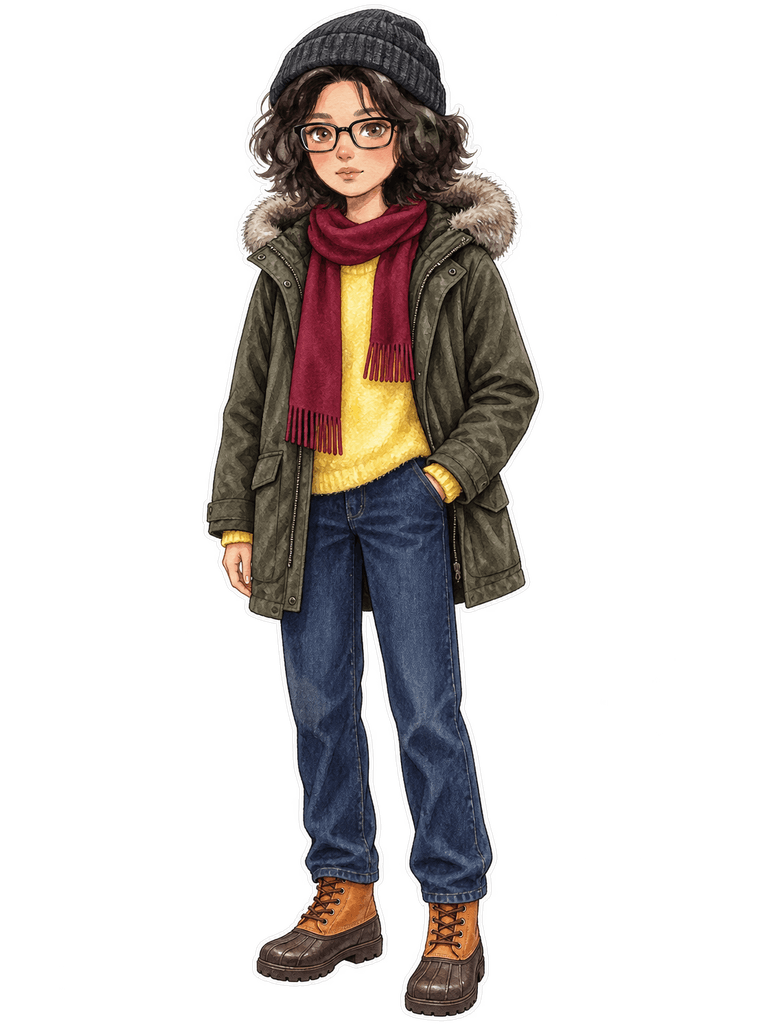
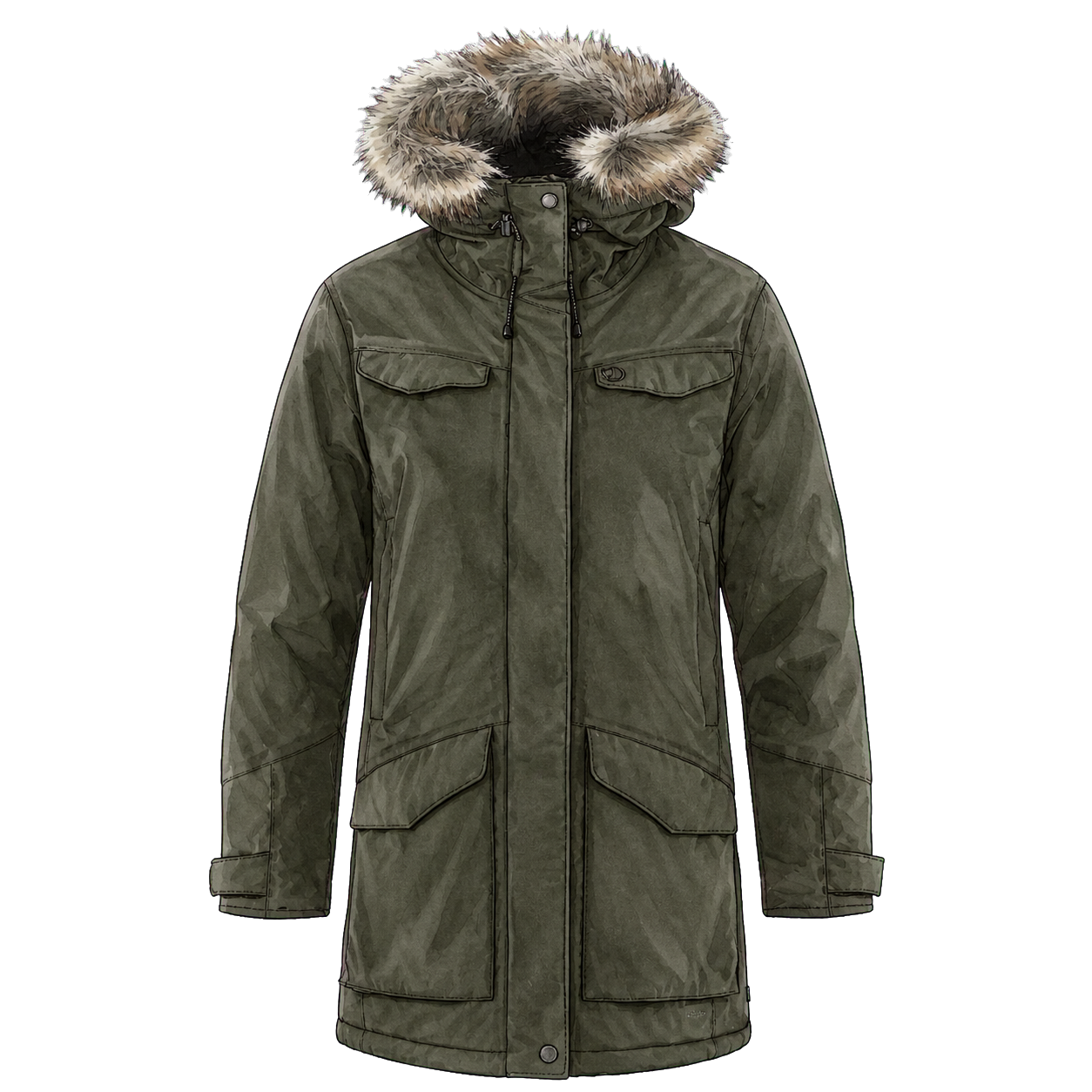 01Dark loden-olive waterproof parka, fur-trimmed hood, knee length
Wear it for weather that changes state halfway through the day. With afternoons at 3.4°C and nights below zero, a waterproof knee-length parka keeps rain and then wet snow off your thighs on the walk down Esplanadi, and the fur-trimmed hood does an umbrella's job with both hands free. Loden olive rather than charcoal, so the yellow knit underneath has something to sit against.
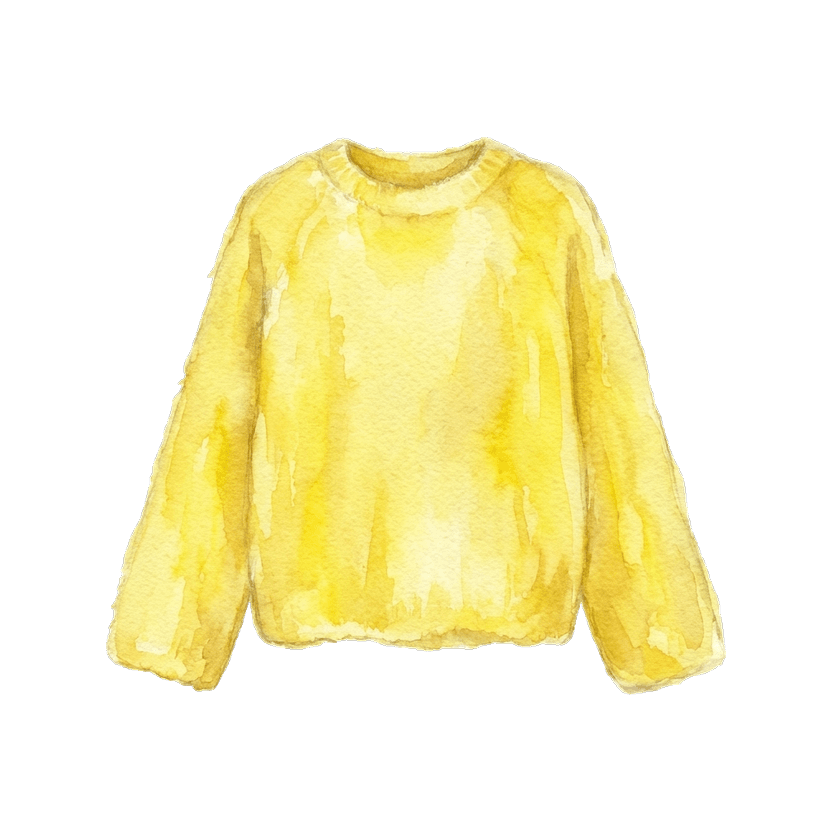 02Bright yellow mohair crew sweater
Under eight hours of daylight at mid-month, with sunset about 3:50pm, is the case for one loud colour. A bright yellow mohair crew shows at the open front of the parka and reads across Senate Square in a dusk that starts before four. Mohair traps a lot of air for its weight, so one crew does the work of two thinner knits at −1°C / 30°F.
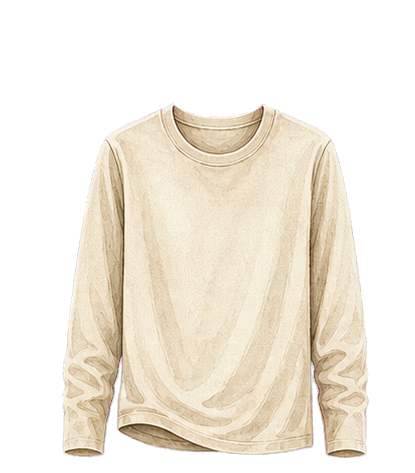 03Oat merino long-sleeve base layer
Slush, the startup conference, fills Messukeskus on 18 and 19 November, with more than 600 side events across the city, and a day of it means heated halls followed by tram stops at 3°C / 37°F. Oat merino under the mohair handles the sweat of a crowded room and stays warm when you step back into wet air. It also keeps the mohair off your neck.
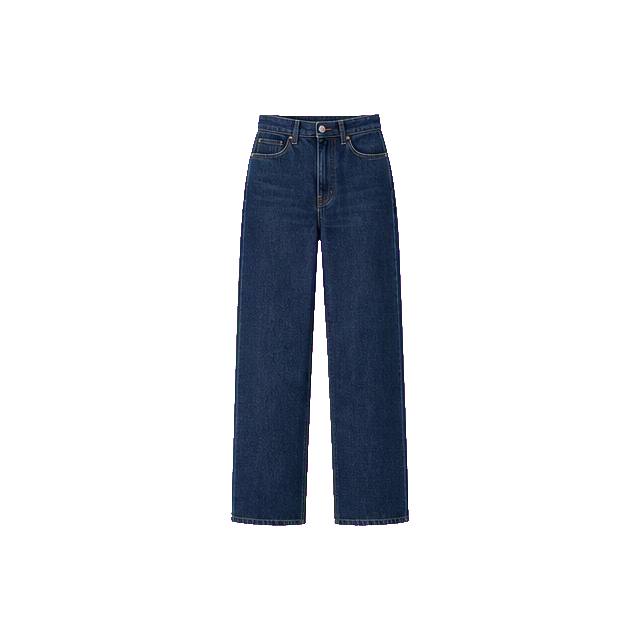 04Deep indigo straight-leg jeans
Tuck them in. A straight leg folds neatly into the laced top of a duck boot, so the hem never drags through grey slush at a Kallio crossing and you sit down to dinner in dry denim. Deep indigo rather than a pale wash, because on a month with 15 wet days, whatever splashes above the boot shows on light denim by noon.
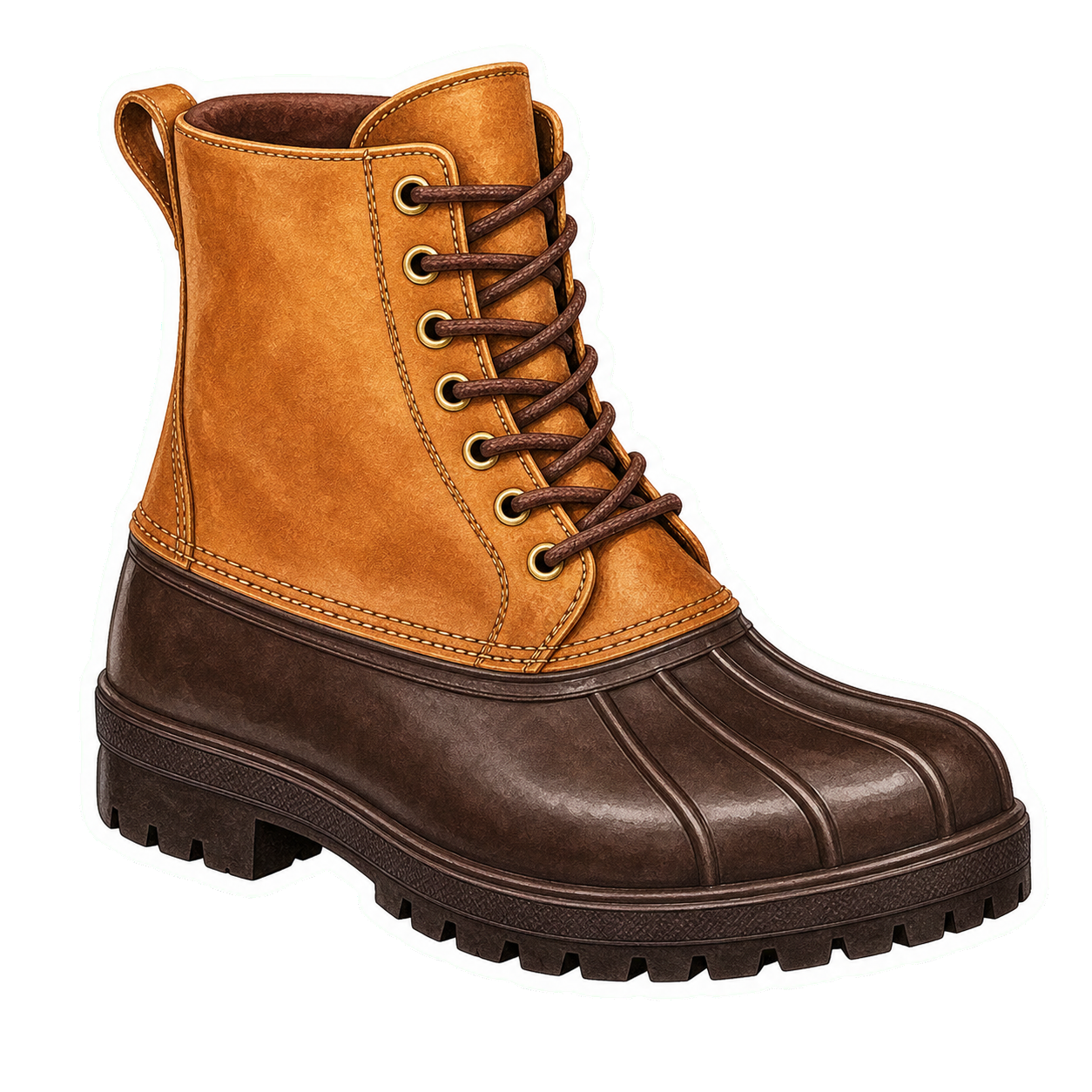 05Duck boot, tan leather upper laced over a dark brown rubber foot
This is the piece the month turns on. FMI records no lasting snow cover at mid-month, so what lies on the pavement is slush: water at freezing point sitting in every kerb and tram-stop dip. A rubber foot walks straight through it where leather soaks, and the laced tan upper holds the ankle firm on the patches that refreeze after dark.
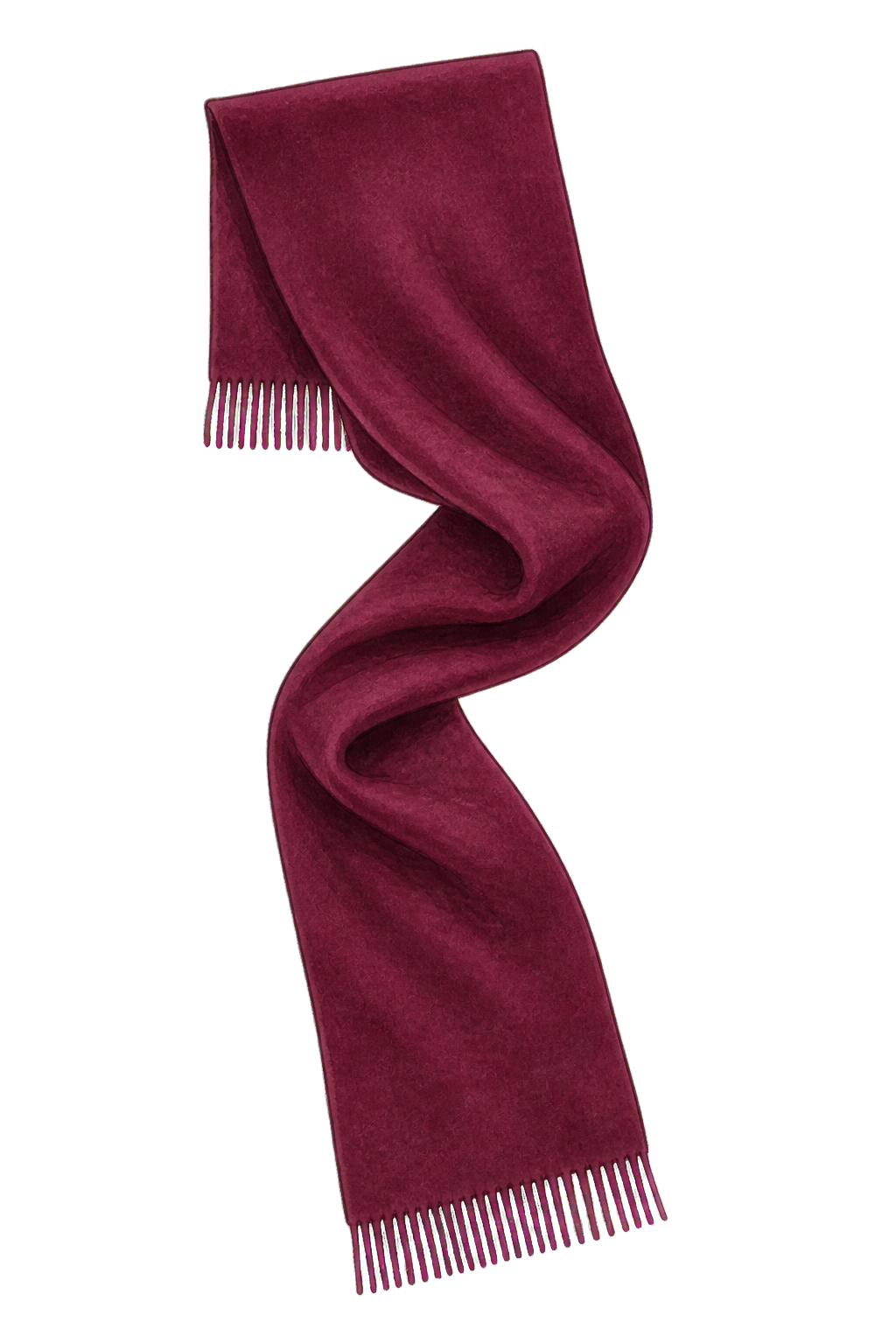 06Oxblood narrow lambswool scarf, long
Wind the long end twice and tuck it under the hood. Wet snow driven off the harbour finds the gap at a parka's throat first, and a narrow lambswool scarf fills it without bulking out the zip. Oxblood is the second colour in a capsule of loden olive, yellow, oat and indigo, and it sits closer to the olive than a bright red would.
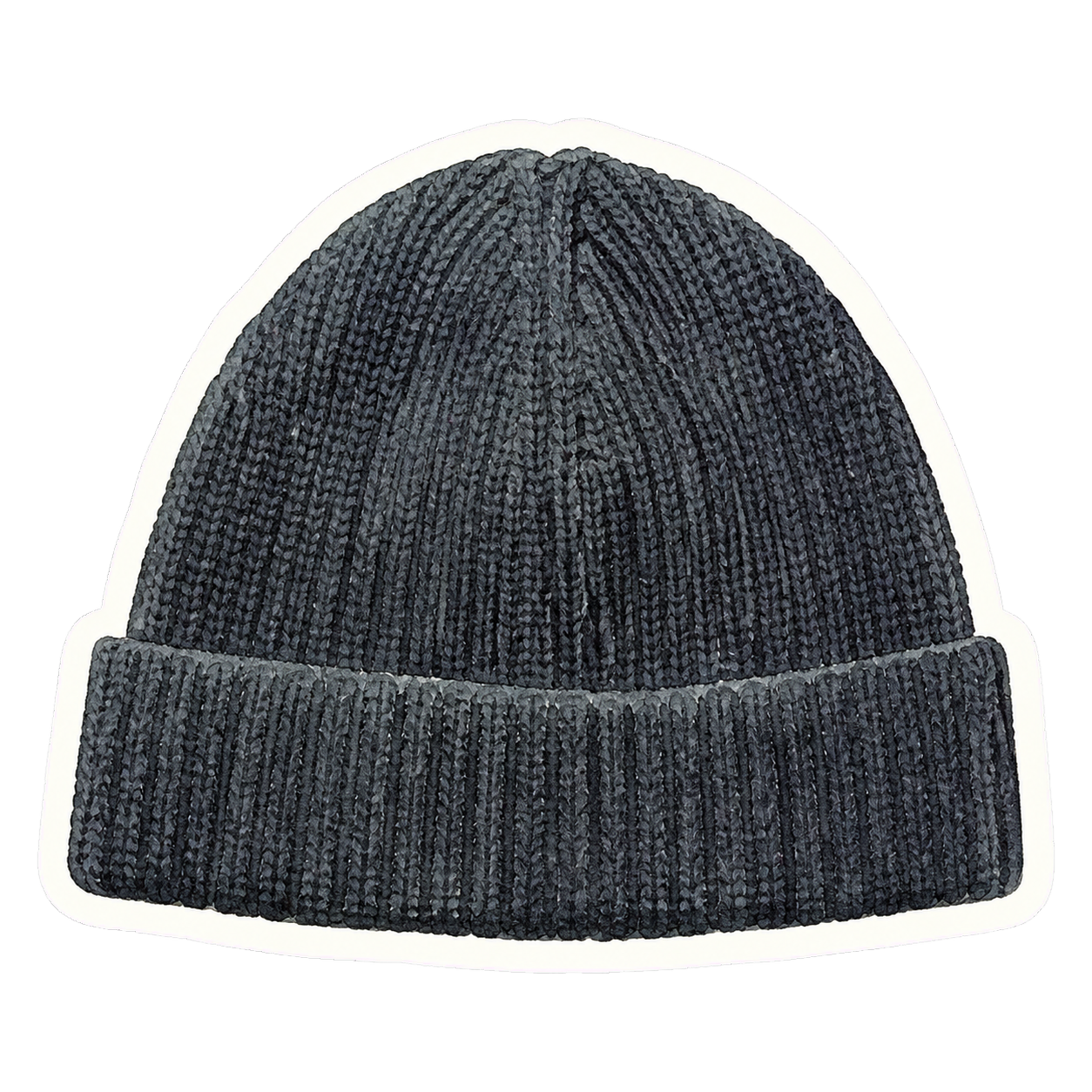 07Charcoal ribbed merino beanie with a cuff
Hood up in the shower, hood down at a market stall, beanie on the whole time in between. A ribbed charcoal merino beanie with a cuff sits flat under the fur-trimmed hood and stays put when you push the hood back. Merino rather than acrylic, because a hat under wet snow gets damp, and merino keeps its warmth damp at −1°C / 30°F where acrylic goes cold.
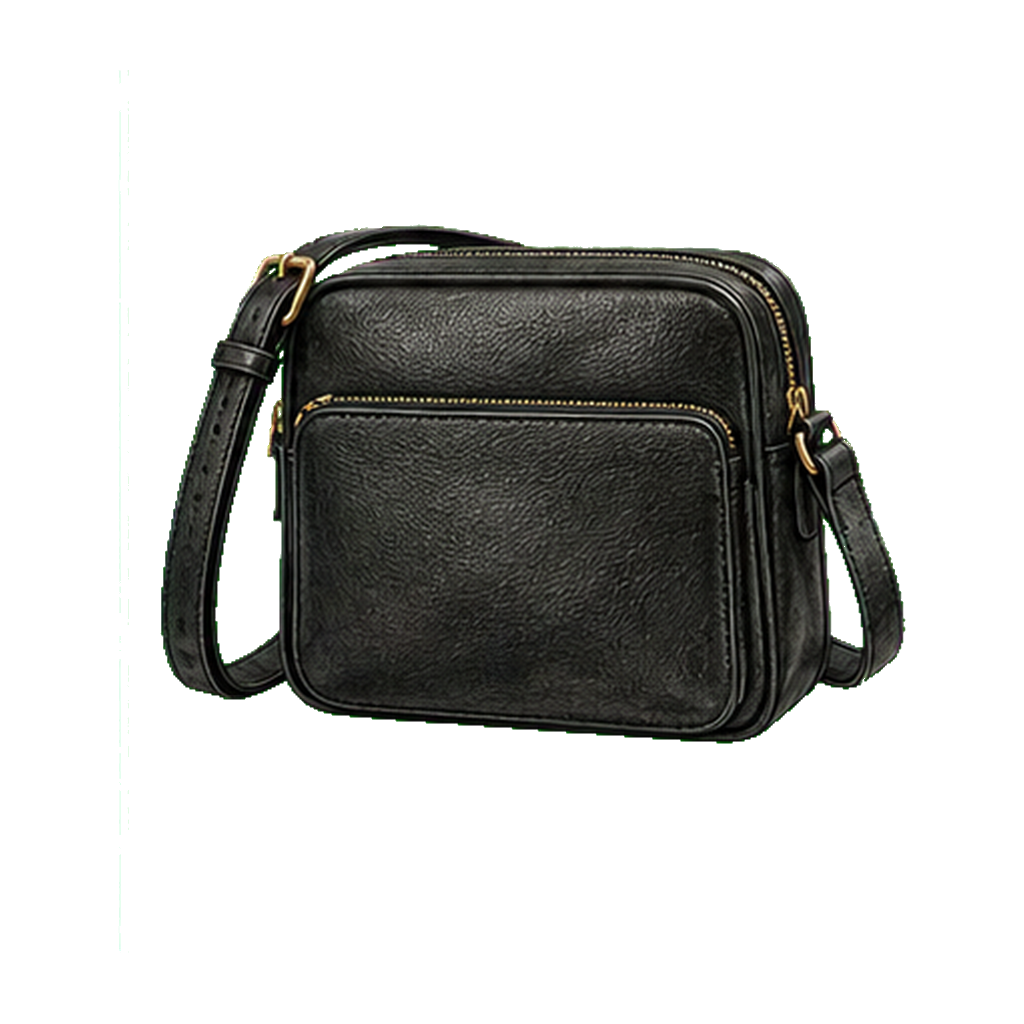 08Black water-resistant leather camera crossbody, zip top
A zip top is the reason for this bag: it closes fully against wet snow, which a flap or an open tote does not. Worn across the parka, a small black camera crossbody leaves both hands free for the rail on tram steps once the slush has refrozen after dark. Water-resistant leather wipes clean of the grey spray from passing traffic.
Day to night
Oat merino base · yellow mohair crew · loden parka open, hood down · indigo jeans tucked into duck boots · oxblood scarf loose · charcoal beanie · black crossbody. Messukeskus for Slush on 18 November, or Esplanadi and the Old Market Hall while the light holds.
Same crew · parka zipped, hood up · oxblood scarf wound twice · jeans still tucked · duck boots. Dark before four at mid-month; dinner in Punavuori at seven, then the walk back over slush that was rain at lunch.
A suggested look — dark loden waterproof parka, bright yellow mohair crew, deep indigo jeans, tan and brown duck boots, oxblood scarf.
What to avoid
- Suede boots or canvas sneakers — slush soaks through in one crossing
- An umbrella — wet snow weighs it down and the harbour wind turns it
- Shearling-cuffed snow boots — no lasting snow cover, and the cuff sits at splash height
- A heavy parka over ordinary shoes — the footing, not the cold, ends the walk
- Outdoor plans after half past three in the last week — sunset is about 3:25pm on the 30th
Frequently asked questions
NOAA NCEI's figures for Helsinki-Vantaa, a station the Finnish Meteorological Institute operates, give an average November high of 3.4°C and a low of −1.0°C / 30°F, with 70mm of precipitation across 15 days. About 8 of those days bring more than 2.5mm. FMI's own city-centre station at Kaisaniemi records a 2.4°C monthly mean and 69mm. Daylight shrinks fast: about 8h 45m on 1 November, 7h 35m on the 15th and 6h 30m on the 30th, with sunset moving from about 4:25pm to about 3:25pm.
A dark loden-olive waterproof parka with a hood, a bright yellow mohair crew, an oat merino base layer, deep indigo straight jeans, duck boots with a rubber foot, a long oxblood lambswool scarf, a charcoal merino beanie and a black zip-top crossbody. That covers a 3°C / 37°F afternoon in rain and a −1°C / 30°F walk home in wet snow. If you are coming for Slush, the startup conference runs 18 and 19 November at Messukeskus, with Day 0 on the 17th and more than 600 side events across the city.
Yes, usually as wet snow mixed with rain, and it rarely stays. FMI's statistics for Kaisaniemi put the median snow depth on 15 November at zero, which means that in a typical year there is no lasting snow cover at mid-month. With afternoons near 3°C / 37°F and nights near −1°C / 30°F, snow that falls after dark turns to slush once the afternoon climbs above zero, then refreezes the next night. The pavement is slush, meltwater and patches of ice rather than packed snow, which is why a rubber-footed duck boot beats a shearling-cuffed snow boot.
Early for light, late for the Christmas market. On 1 November you get about 8h 45m of daylight and sunset near 4:25pm, and flags fly for Finnish Swedish Heritage Day on Friday 6 November and Father's Day on Sunday the 8th. Slush takes over Messukeskus on 18 and 19 November, so book that week early. On 27 November the Helsinki Christmas Market, the city's oldest outdoor one, opens on Senate Square and runs to 22 December; the Aleksanterinkatu Christmas Street opens in late November, date not yet announced.
October is wet and cool; November is wet and on the edge of freezing. NOAA's Vantaa figures give October 9°C / 48°F afternoons and 3°C / 37°F nights with 14 wet days, while November drops to 3°C / 37°F and −1°C / 30°F with 15. That six-degree fall at the top is what turns rain into wet snow and puts slush on the pavement. October wants a lined waterproof boot and a heavy knit. November wants a rubber foot, a hood and a scarf at the throat, and it loses more than two hours of daylight between the 1st and the 30th.
Outerwear built for wet cold, and Helsinki has its own label for it. Makia began in 2001 in a small cellar in Punavuori, founded by the professional snowboarders Joni Malmi and Jussi Oksanen with Ivar Fougstedt, and its first collection included the Original Raglan Parka. Makia says its founders "have stood long enough in cold rain" and so favour simple, functional designs made for the northern climate. On the street in November that means a hooded parka in olive, navy or black, dark straight jeans, a rubber-soled boot, a beanie and a scarf, with colour arriving as one knit.
Sources
- NOAA NCEI — 1991–2020 climate normals, Helsinki-Vantaa stationFMI operates the station; NOAA NCEI computed this month's figures from its FIE00142080 global-summary-of-the-month record. Recorded per month because the rest of this city's pages are sourced differently.
- Slush — FAQ: Slush 2026, 18–19 November, Messukeskus — accessed 2026-09-26
- Helsinki Christmas Market (Tuomaan Markkinat) — 27 November – 22 December 2026 — accessed 2026-09-26
- Ministry of the Interior (Finland) — Flag days 2026 — accessed 2026-09-26
- Finnish Meteorological Institute — November statistics (Helsinki Kaisaniemi 1991–2020) — accessed 2026-09-26
- Makia — About: founded 2001, Helsinki — accessed 2026-09-26
- NOAA National Centers for Environmental Information — Climate Data Online — accessed 2026-04-23