What to Wear in San Diego in January
San Diego in January: 19°C / 66°F afternoons, 10°C / 50°F nights, about 7 rain days, more sun than June, and the peak of the gray whale migration.
- Mid-blue denim jacket — one jacket for 24 dry days, over the knit at 9am and over a shirt by noon
- Oatmeal rib-knit crew — nights fall to 10°C / 50°F and the park opens at 9am in the cool
- Pale blue oxford shirt — about 28 of 31 afternoons reach 60°F, and the knit comes off by noon
- Tortoiseshell sunglasses and a compact umbrella — a sunnier month than June, and still about 7 wet days
- Plain cream cap — the brim shades your eyes while you scan the sea for a five-second spout
- Compact binoculars — the National Park Service tells whale watchers to bring them
- A winter coat — afternoons average 19°C / 66°F
- Sandals — 10°C / 50°F mornings and wet rock at the tidepools
- A raincoat — only about 4 January days bring a tenth of an inch, and a compact umbrella covers them
- Arriving at Cabrillo after 4pm for the trails — they close at 4pm and the tidepools at 4:30pm
Pack for more sun than you expect and some rain you cannot rule out. NOAA's figures for San Diego International give January an average high of 19°C / 66°F and a low of 10°C / 50°F, with 1.98 inches of rain on about 7 days, second only to February. Yet the National Weather Service's San Diego climate memo gives January 72% of possible sunshine, more than May or June, and about 24 days stay dry. Only about 4 days bring a tenth of an inch. So pack for the sun and carry the rain: one denim jacket over a rib-knit crew for a 10°C morning, a shirt for the afternoon, a cap for the glare, and a compact umbrella instead of a raincoat. The reason to be out early is offshore. The National Park Service calls mid-January the peak of the gray whale migration past Cabrillo National Monument.
The rainiest stretch of the San Diego year is also one of its sunniest. Pack for the sun, keep an umbrella in your pocket, and look out to sea.
The capsule
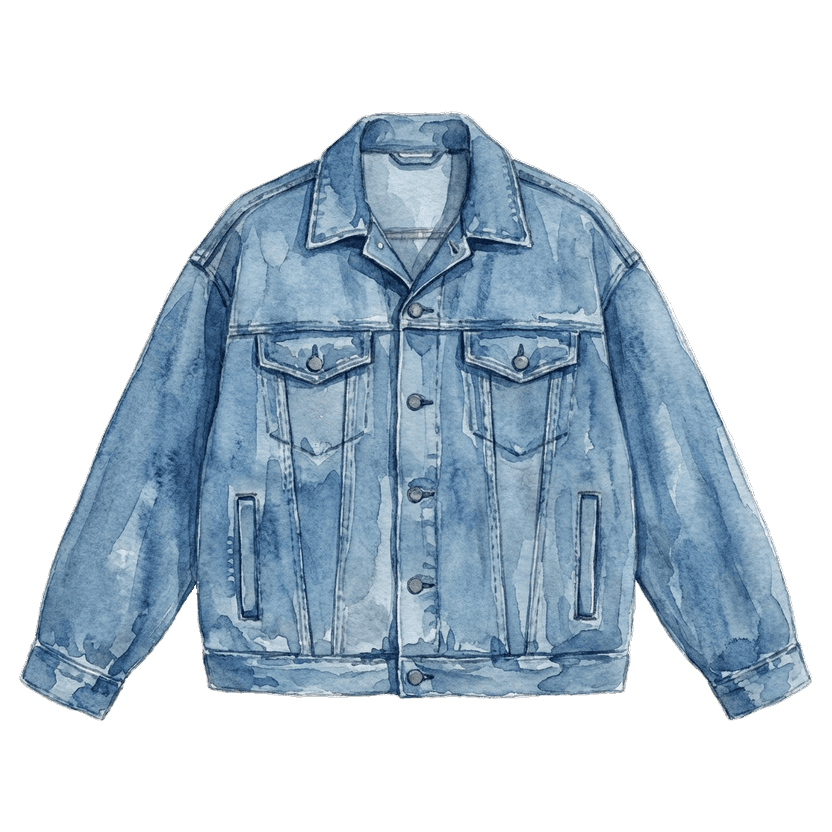 01Mid-blue oversized denim jacket
One jacket is enough for a month with about 24 dry days. A faded oversized denim jacket goes over the rib knit at 9am on the Point Loma heights, where the old lighthouse stands 422 feet above the sea and you wait out a whale's three- to six-minute dive for the next spout, and over a shirt by noon. Mid-blue sits between the pale blue oxford and the ecru jeans, so every top here works under it.
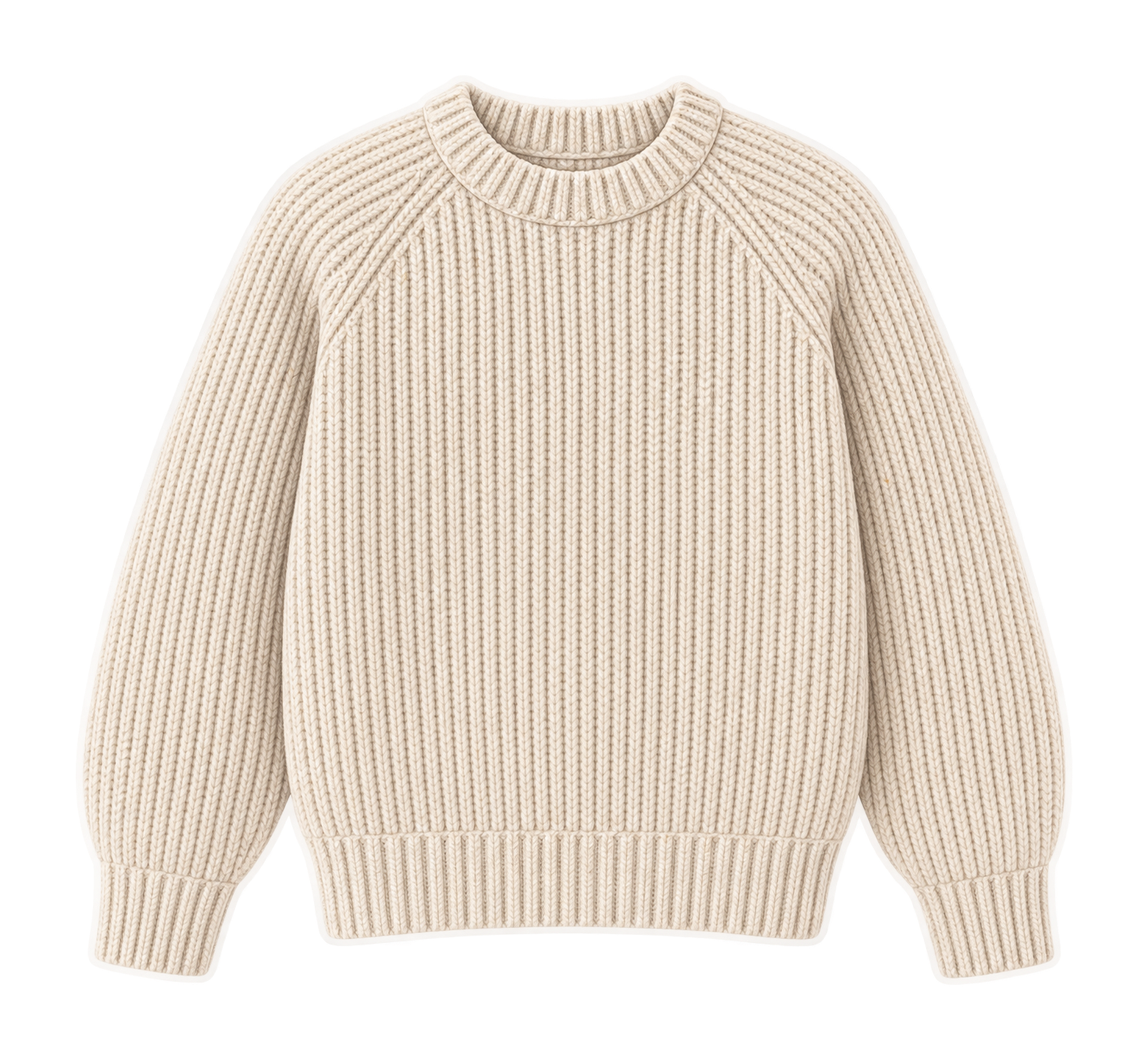 02Oatmeal fisherman-rib crew
Nights average 10°C / 50°F, and Cabrillo National Monument opens at 9am, before the day has warmed. A fisherman-rib crew in oatmeal wool holds heat on an exposed overlook, fits under the denim jacket, and comes off by noon when the afternoon reaches the high teens. Oatmeal keeps the capsule light against a blue sea and a blue sky.
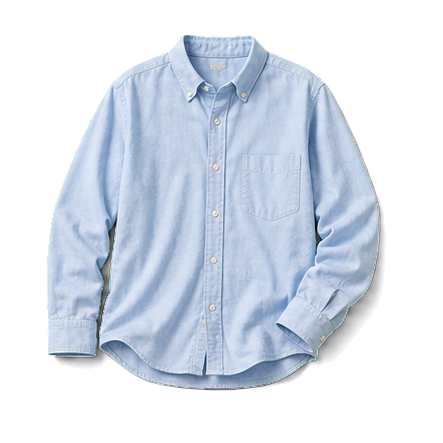 03Pale blue oxford button-down
About 28 of 31 January afternoons reach 60°F at the airport, and on most of them a shirt is enough by lunch. A pale blue oxford with a button-down collar shows at the neck of the rib knit in the morning and works alone with sleeves rolled in Little Italy at two. Oxford cloth also shrugs off a day stuffed in a bag.
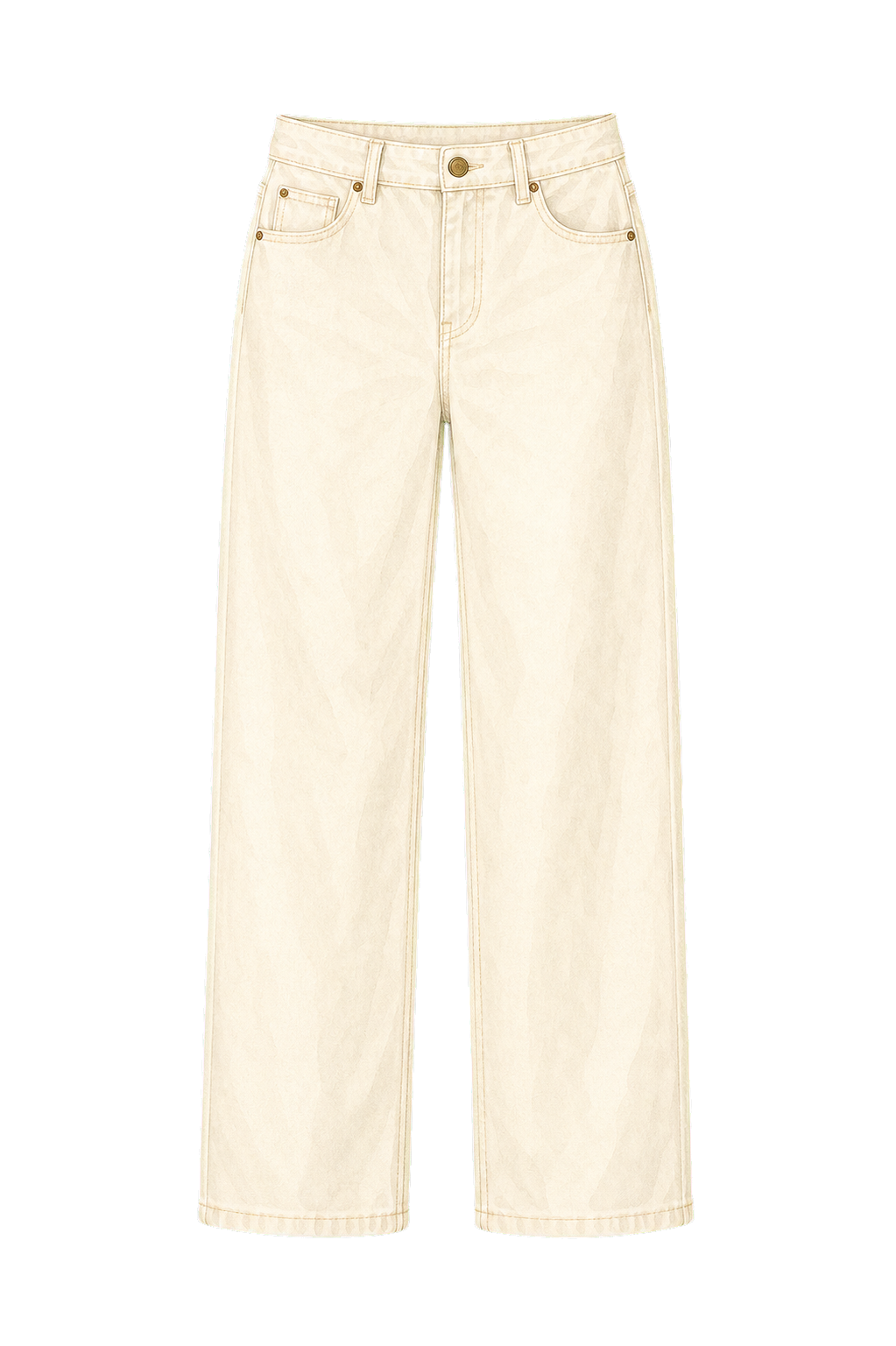 04Ecru wide-leg jeans
Ecru denim is the San Diego answer to a winter that is bright more often than it is wet. A wide, straight leg covers the ankle on a 10°C morning without the weight of a trouser, and the pale colour looks deliberate with the oatmeal knit and the tan shoes. On the few rain days, swap in whatever darker trousers you travel in.
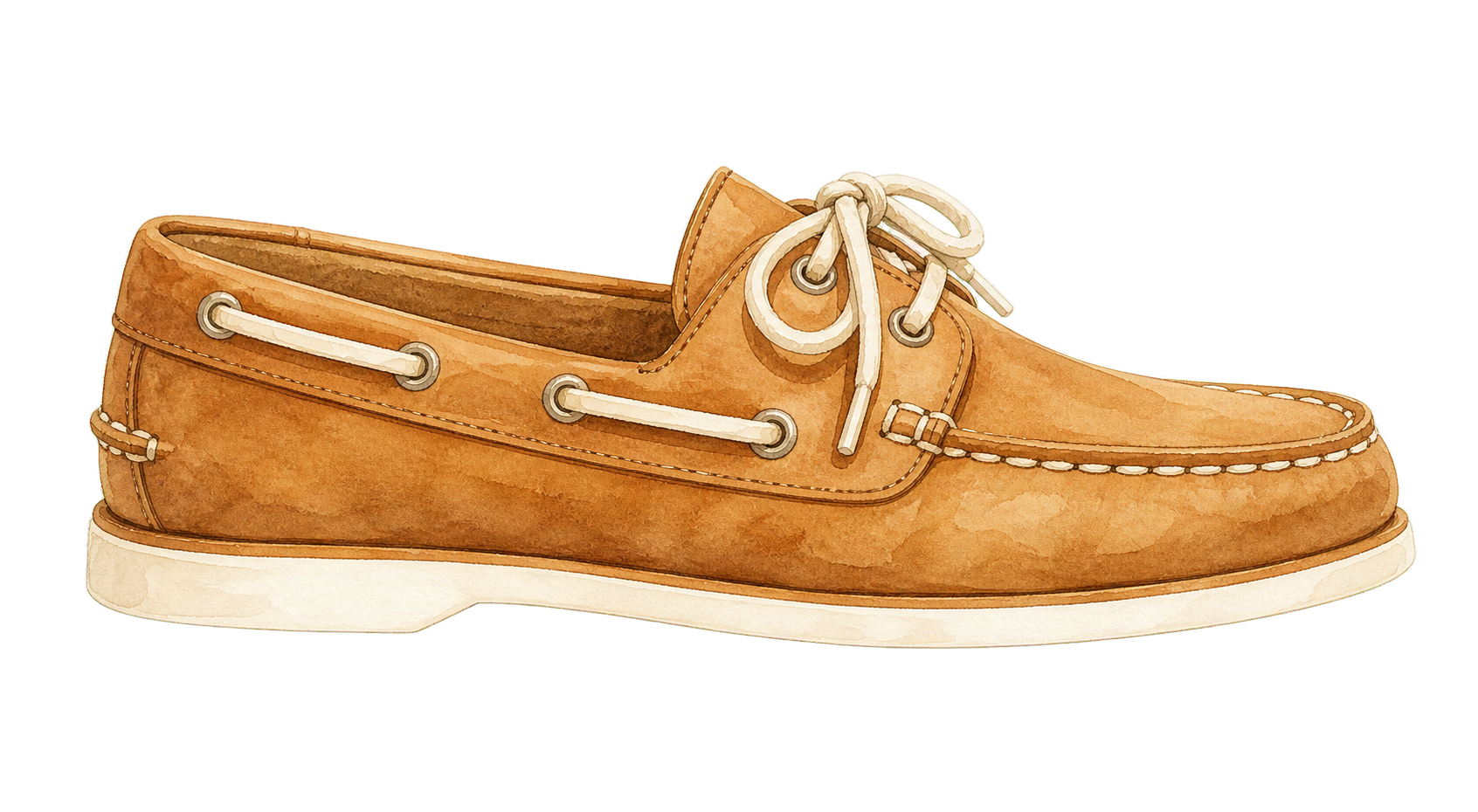 05Tan leather boat shoes
Boat shoes were made for wet decks, and the same siped rubber sole grips wet rock at the Cabrillo tidepools. Tan leather with rawhide laces is closed enough for a 10°C morning and relaxed enough for a harbour dinner, and it wears in with the ecru jeans rather than fighting them.
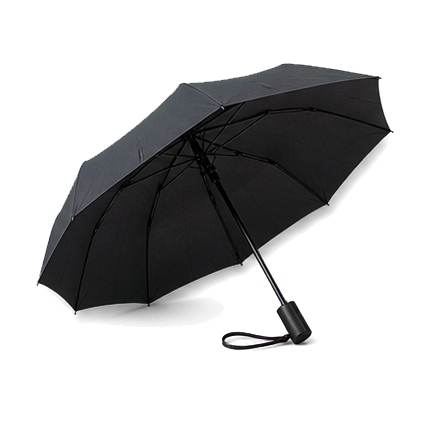 06Black compact umbrella
Carry it every day, even in the sun. The weather service's climate memo gives January 72% of possible sunshine, but the month still has about 7 wet days, and only about 4 bring real rain. A black compact umbrella folds into a jacket pocket for those, which is why this capsule has no raincoat.
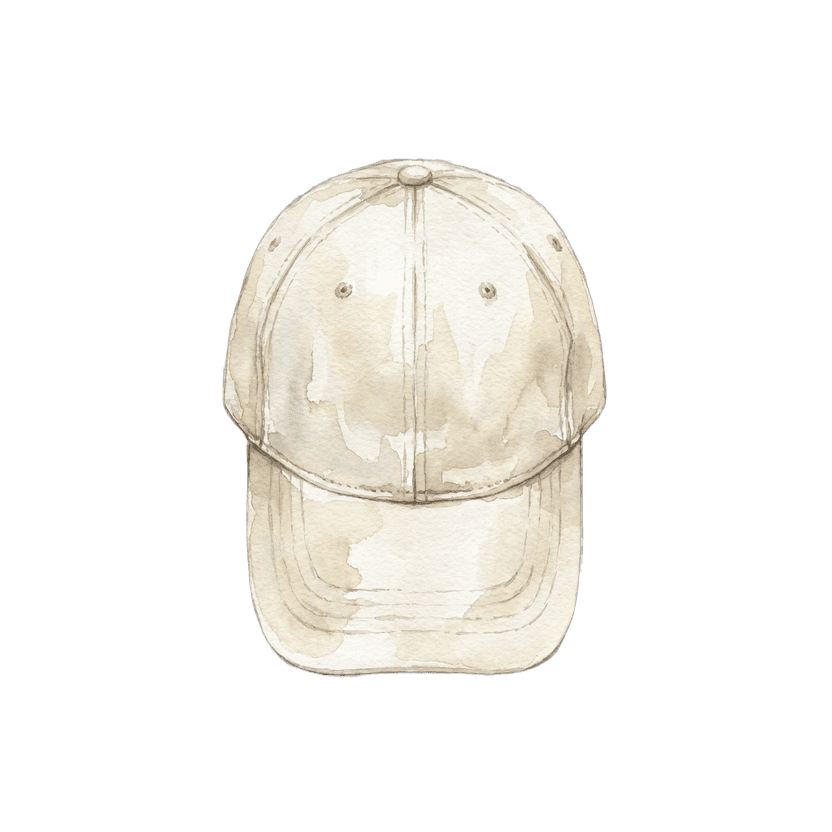 07Plain cream cotton baseball cap
A gray whale's blow, the National Park Service says, rises up to 15 feet and stays visible for about five seconds, so you spend the morning scanning bright water. A plain cream cap shades your eyes while you do it and keeps the sun off your face at noon in a month with 72% of possible sunshine. Cream matches the knit and the jeans.
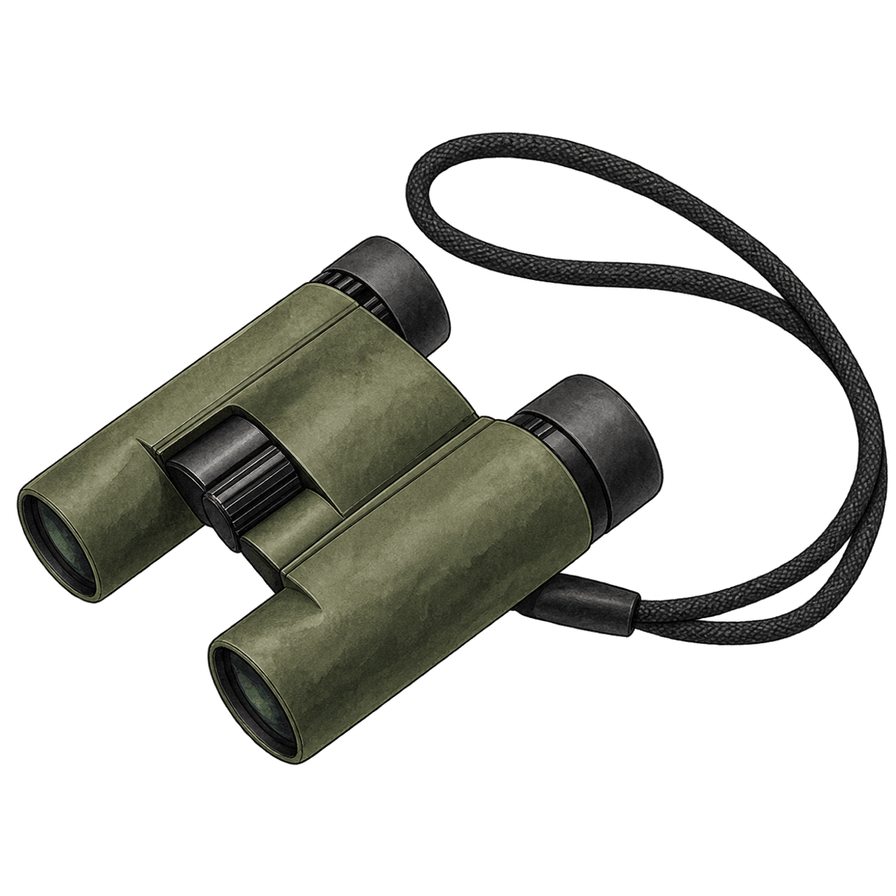 08Compact olive binoculars
The National Park Service is direct about it: bring binoculars if you have them, because they make whale viewing much easier. The park says most gray whales swim between the kelp beds, about three quarters of a mile out, and the horizon, and a compact 8x pair fits a jacket pocket. If you forget them, the Cabrillo visitor centre lends a limited number during whale season against a picture ID.
Day to night
Oatmeal rib crew over the pale blue oxford, collar out · denim jacket, open · ecru jeans · tan boat shoes · cream cap · binoculars. Cabrillo National Monument at 9am for the Kelp Forest Overlook and the Old Point Loma Lighthouse, the best whale viewing in the park.
Pale blue oxford · denim jacket · oatmeal crew over the shoulders · ecru jeans · tan boat shoes. Lunch in Little Italy, the harbour at sunset, which moves from about 4:55pm to 5:20pm across the month, then dinner as the air heads for 10°C / 50°F.
A suggested look — mid-blue denim jacket, oatmeal fisherman-rib crew, pale blue oxford shirt, ecru wide-leg jeans, tan leather boat shoes.

What to avoid
- A winter coat — about 28 of 31 afternoons reach 60°F
- Sandals — 10°C / 50°F mornings and wet rock at the tidepools
- A raincoat — only about 4 days bring a tenth of an inch of rain
- A late start at Cabrillo — trails close at 4pm, tidepools at 4:30pm
- Leaving the binoculars behind — most whales pass three quarters of a mile out or more
Frequently asked questions
Mild, mostly sunny and occasionally wet. NOAA's figures for San Diego International Airport give January an average high of 19.1°C / 66°F and a low of 10.2°C / 50°F, with 1.98 inches of rain on about 6.5 days; 4 of those bring a tenth of an inch or more. That makes January the second-wettest month after February, yet about 28 afternoons reach 60°F, and the National Weather Service's San Diego climate memo gives January 72% of possible sunshine, against 58% in June. Daylight grows from 10h 02m on 1 January to 10h 35m on the 31st.
A mid-blue oversized denim jacket, an oatmeal fisherman-rib crew, a pale blue oxford button-down, ecru wide-leg jeans, tan leather boat shoes, a black compact umbrella, a plain cream cap and a pair of compact binoculars. That covers a 10°C / 50°F morning on the Point Loma heights, a 19°C / 66°F afternoon in the sun and one of the month's few wet days. Leave the winter coat, the raincoat and the sandals at home.
Layers you can stand still in, and binoculars. The National Park Service says: "Mid-January is the peak time for migration, but whales are visible from mid-to-late December through March," and names the heights around the Kelp Forest Overlook and the Old Point Loma Lighthouse as the best viewing. The park is open daily from 9am to 5pm, with no access outside those hours, so the morning session starts cool, near the night's 10°C / 50°F. Wear a rib knit under a denim jacket, closed shoes with grip, and a cap for the glare off the water. The visitor centre lends a limited number of binoculars against a picture ID.
Mid-to-late January, for the whales. The National Park Service puts the peak of the gray whale migration in mid-January, and the Cabrillo National Monument Foundation holds its Whale Watch Weekend and Intertidal Festival each year in late January or early February, with lectures, exhibits, demonstrations and films; the park gives no 2027 date yet, so check before you book. Late January also brings more light, with sunset moving from about 4:55pm on the 1st to about 5:20pm by the 31st. The rain is a whole-month figure, so keep the umbrella in your pocket either way.
Almost the same temperature, a little wetter and a little brighter in the evening. NOAA's airport figures round both months to 19°C / 66°F by day and 10°C / 50°F at night, with January a fraction warmer. Rain rises from 1.67 inches on about 6 days in December to 1.98 inches on about 7, and sunset moves from about 4:45pm to past 5pm. December has the most Santa Ana wind events of the year, the weather service notes, while the season runs from October to February. Our December guide dresses you for December Nights and the Bay Parade of Lights in olive leather; January swaps it for denim, a cap and binoculars.
Light layers built for sun and sea fog rather than cold. The coast has always had to plan around both: the Old Point Loma Lighthouse went into service on 15 November 1855, 422 feet above sea level, and was replaced in 1891 because, in the National Park Service's words, "too often, its light was obscured by fog and low clouds." North County makes the clothes for it. prAna started in Beaver and Pam Theodosakis's garage in Carlsbad, and its founder sums up the ethos it has kept since then as "Reclaimed and reused." Expect a shirt under a knit, a light jacket, jeans and closed shoes.
Sources
- NOAA — 1991–2020 climate normals, San Diego International Airport (SAN) station
- NOAA NCEI — U.S. Climate Normals 1991–2020 (monthly normals by station) — accessed 2026-09-26
- NOAA Technical Memorandum NWS WR-270 — Climate of San Diego, California (rev. September 2004) — accessed 2026-09-26
- National Park Service — Whale Watching at Cabrillo — accessed 2026-09-26
- National Park Service — Cabrillo National Monument operating hours (9am–5pm daily; trails close 4pm, tidepools 4:30pm) — accessed 2026-09-27
- National Park Service — The Lighthouses of Cabrillo National Monument (Old Point Loma Lighthouse, 1855–1891) — accessed 2026-09-27
- Carlsbad Chamber of Commerce — prAna founder shares thoughts on sustainability — accessed 2026-09-26