The Anti-Trend Capsule Wardrobe12 Pieces from 2026 That Won't Look Dated in 2030
The Row, Phoebe Philo, Carolyn Bessette-Kennedy. Quiet luxury, twelve pieces.
Twelve pieces wearable in 1996, 2026, and 2036. Quiet luxury in twelve real pieces, no marketing trend-cycle bets.
- Pick the palette that aged best: cream, black, grey, cognac. Carolyn Bessette wore this exact palette in 1996; it still reads
- Choose silhouettes that survived three decades: wide-leg trousers, fine turtleneck, structured blazer, slip dress, button-down shirt
- Pick natural fibres in the heaviest weights you can afford. Wool, silk, cashmere, linen, cotton. Synthetic-blend versions read dated faster
- Buy fewer pieces in higher quality. The Row's product strategy: 12 pieces at $1,200 average vs 30 pieces at $480 average. Same lifetime cost, better wardrobe
- Skip every 2026 trend the editorial-forecast cycle is pushing. Anti-trend means anti-cycle, not anti-fashion
- buy a piece because it's 'so 2026'. Phoebe Philo's design philosophy explicitly rejects the season-driven trend cycle; pieces should read like they could be from any year between 2010 and 2040
- pick a colour that didn't exist in the 1996 Carolyn Bessette palette. Neon, ultraviolet, hot pink: none of these survive the 5-year photo test
- trust marketing copy that uses the words 'investment piece'. The Row doesn't use that phrase. Real quiet luxury is silent about pricing
- include a logo'd piece. Logos read dated faster than any other element of a capsule; even The Row's logo is so subtle most customers don't see it
The Row launched in 2006 with Mary-Kate and Ashley Olsen explicitly modeling the brand on the seven-piece wardrobes Carolyn Bessette-Kennedy wore in 1996: cashmere turtleneck, slip dress, wide-leg trousers, oversized blazer, white shirt, dark coat, brown leather. Phoebe Philo's Celine era (2008-2017) refined the formula further; her 2024 label relaunch brought it back, again. Three decades, three designers, one palette. The twelve below borrow that lineage. They are the QUIETEST pieces in our editorial pool: the cream cami you can't trace to any particular 2020s trend, the black turtleneck that Carolyn Bessette wore on Madison Avenue in 1996, the wide-leg trousers Phoebe Philo cut at Celine in 2014, the bias slip dress that has been quietly worked into every The Row collection since 2006. The acid test for inclusion: every piece must be wearable in 1996 (Bessette-era), in 2026 (now), and in 2036 (a decade out). Pieces that fail the test (anything trend-forward, anything logo'd, anything in a colour not native to the 1996 palette) are not in the twelve.
We don't design for the season. We design for the piece. The piece you'll wear in fifteen years is the same piece we make today.— After Phoebe Philo (paraphrased from interviews, Celine era 2008-2017 and Phoebe Philo 2024)
The 12 pieces
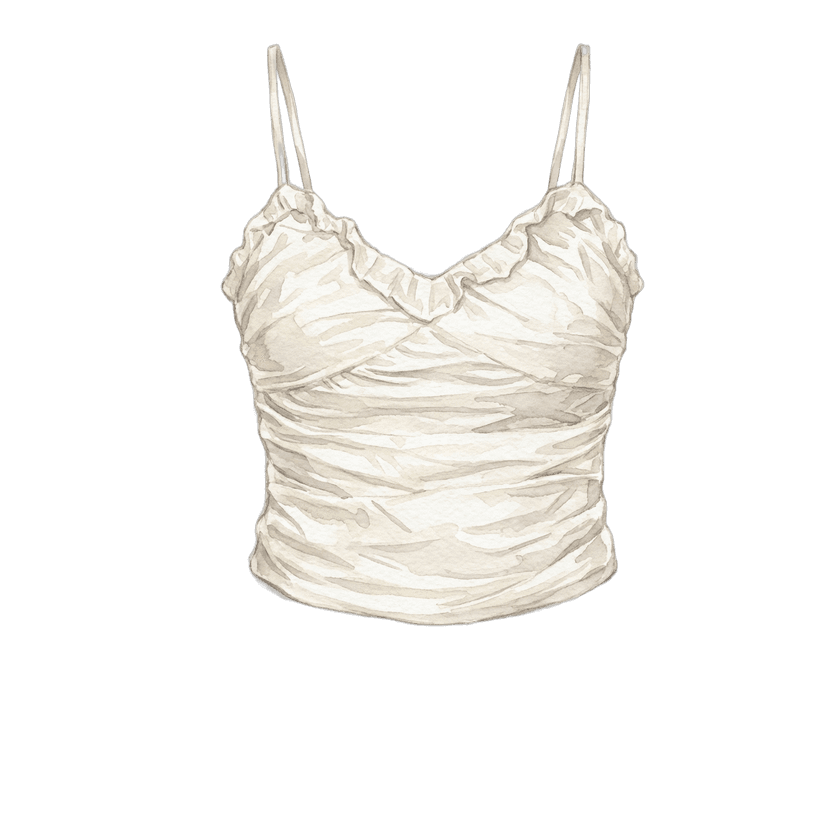 01White ruched cami top
The base layer that Carolyn Bessette wore under everything in 1996 and that The Row makes in five colourways every year. Untraceable to any trend cycle; it is itself the foundation.
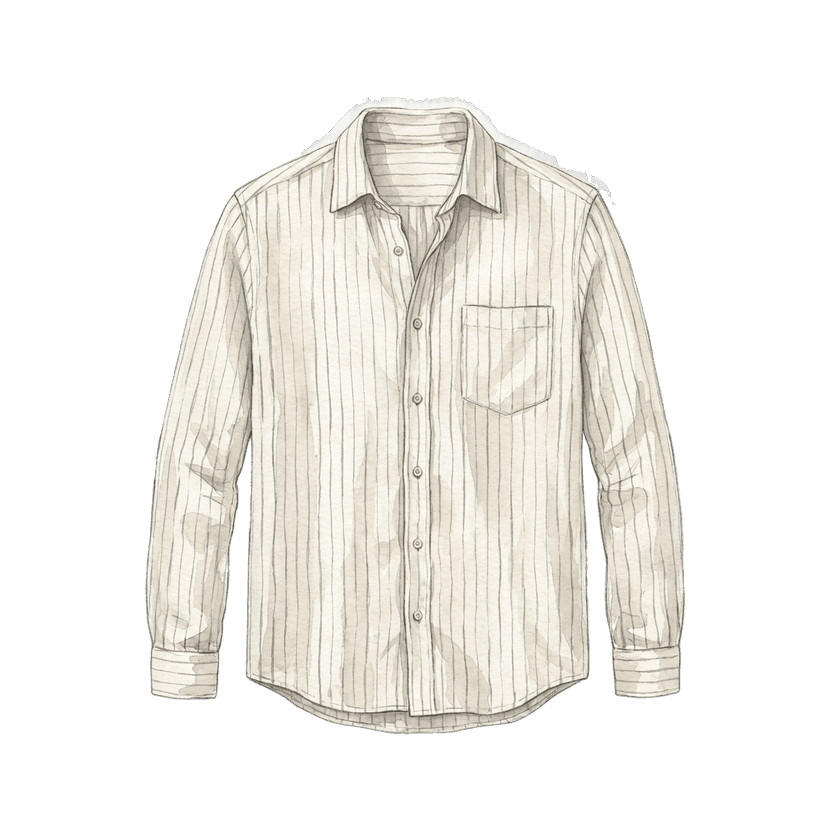 02White pinstripe linen shirt
The Phoebe Philo Celine register: a perfect white shirt with the slightest texture (pinstripe). Wearable buttoned at a Loro Piana board meeting in Milan or open over the slip dress at a Hamptons dinner. Cotton-linen blend over silk because silk reads more 2026 than 1996.
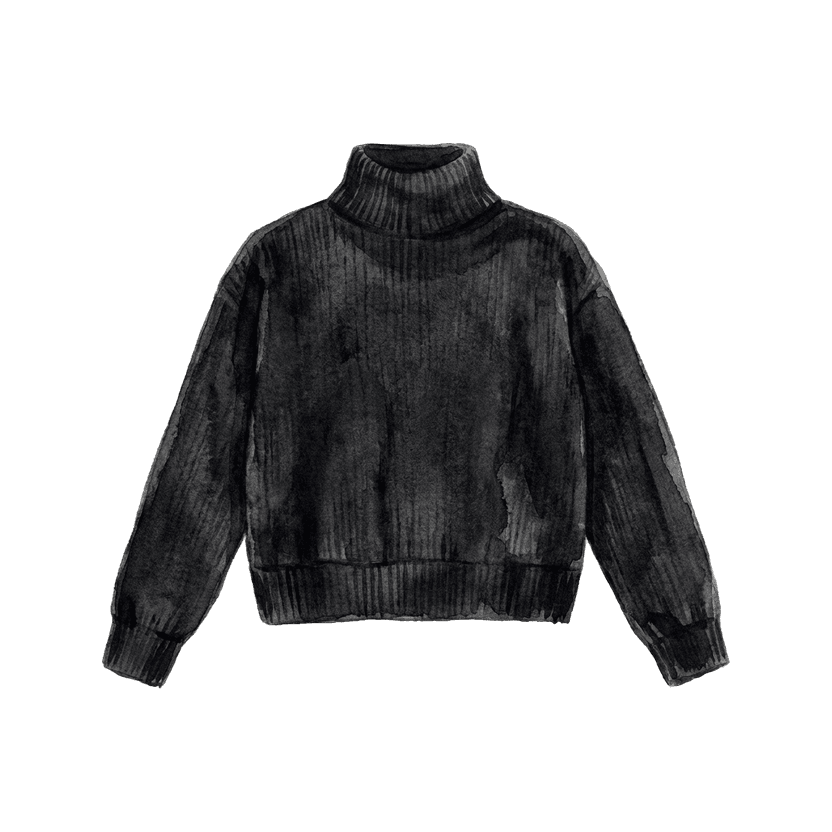 03Black turtleneck sweater (fine-gauge)
The Carolyn Bessette signature piece. Fine-gauge so it sits flat under the blazer (per The Row's exact specification). Every quiet-luxury wardrobe across thirty years has owned a black fine-gauge turtleneck; this is yours.
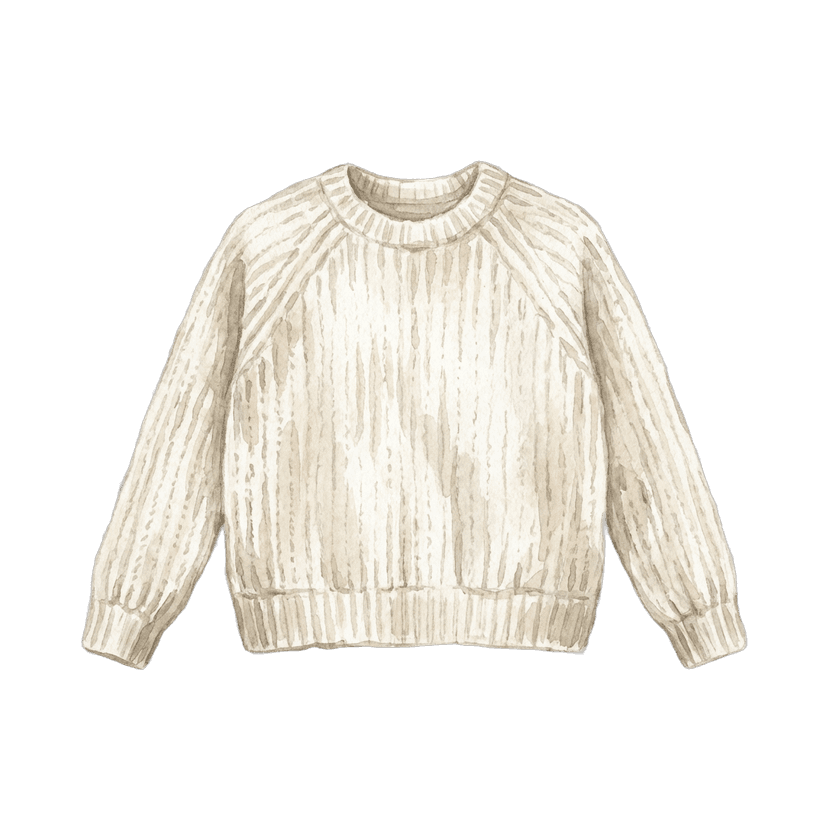 04Cream chunky knit sweater
The Loro Piana register without the price tag. Cashmere if you can; merino blend if you can't; never synthetic. Cream chunky knit + dark wide-leg trouser is the most-photographed Phoebe Philo street-style outfit from 2012 onwards.
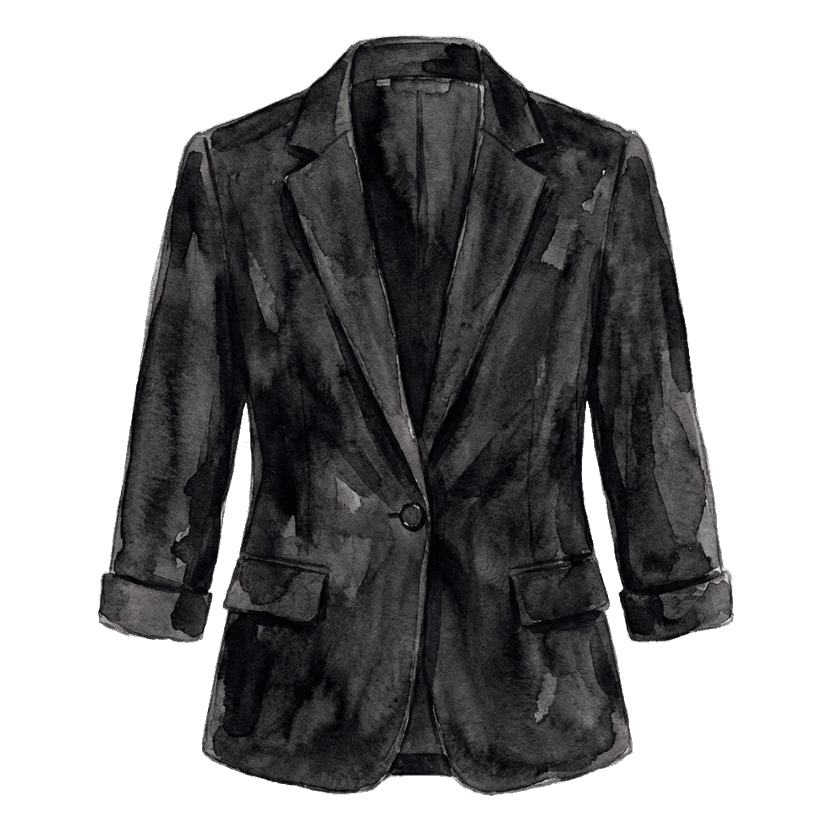 05Black structured blazer
Structured shoulder, single-breasted, single-button: the silhouette every quiet-luxury brand makes in 2026 because it photographed well in 1996 (Helmut Lang), 2014 (Phoebe Philo Celine), and 2024 (Phoebe Philo eponymous label).
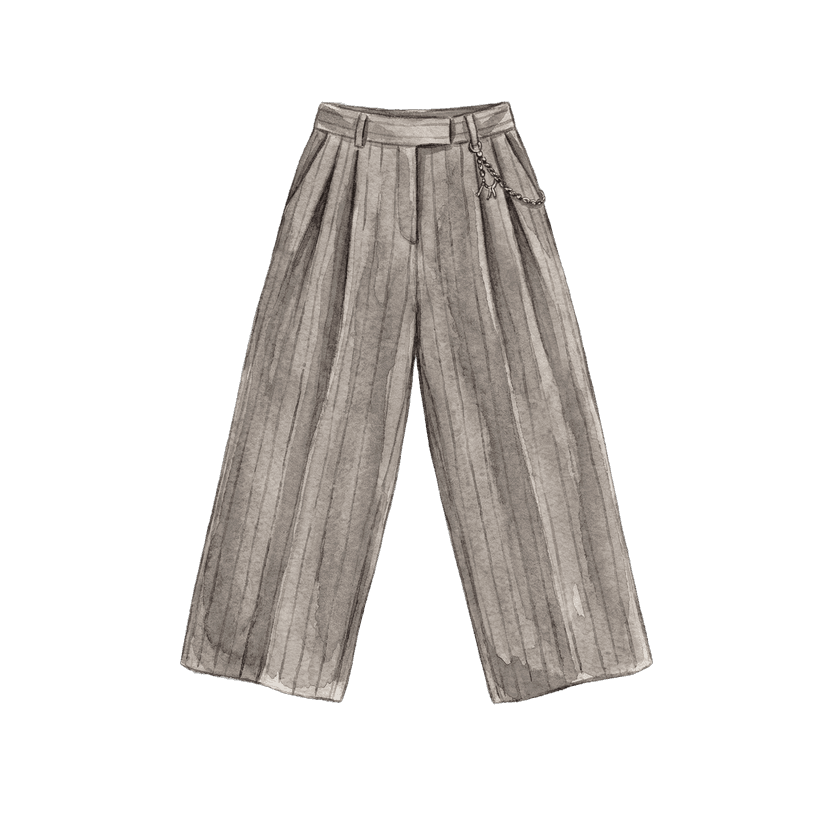 06Wide-leg pleated trousers (heathered gray-taupe)
The Phoebe Philo trouser silhouette. Wool-blend pleated wide-leg, sitting at the natural waist, breaking right at the ankle. The Row makes this exact piece every year; it has not changed since 2009.
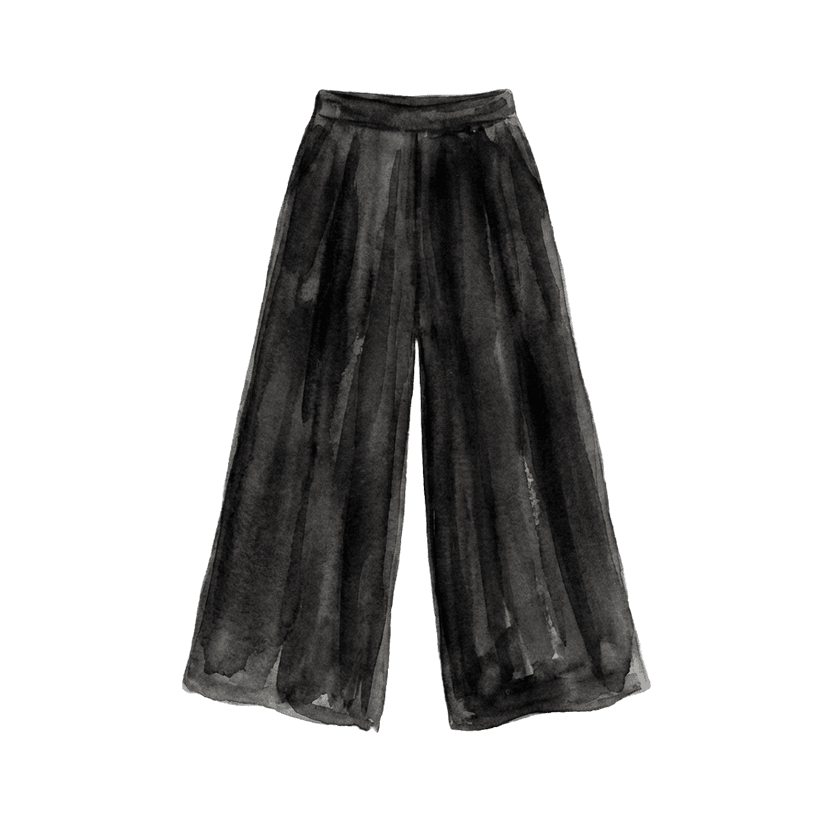 07Black wide-leg trousers
Carolyn Bessette wore black wide-leg trousers to her own wedding in 1996 (informally, a navy suit; but the ten years before, black wide-leg). The straight-cut, full-length, mid-rise version is the dateless silhouette that survives every trend cycle.
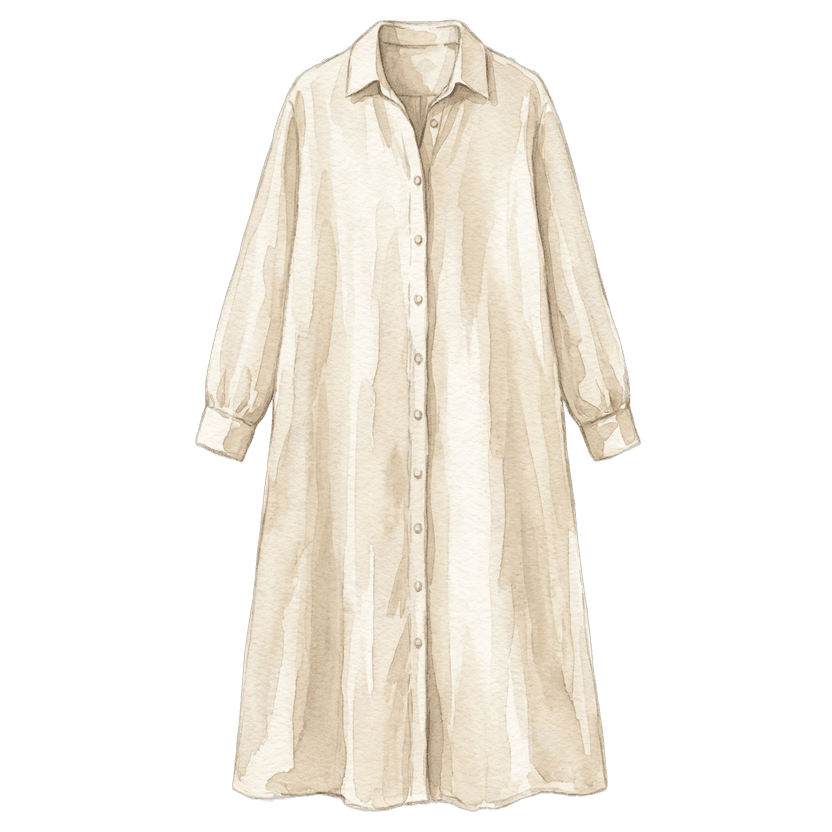 08Cream linen midi shirtdress
The Loro Piana summer dress register. Linen creases (texture, not flaw); the shirtdress shape is uncategorisable as 'of-the-moment' because the shape has existed since 1940s tropical resort dressing. Belted reads more anti-trend than loose.
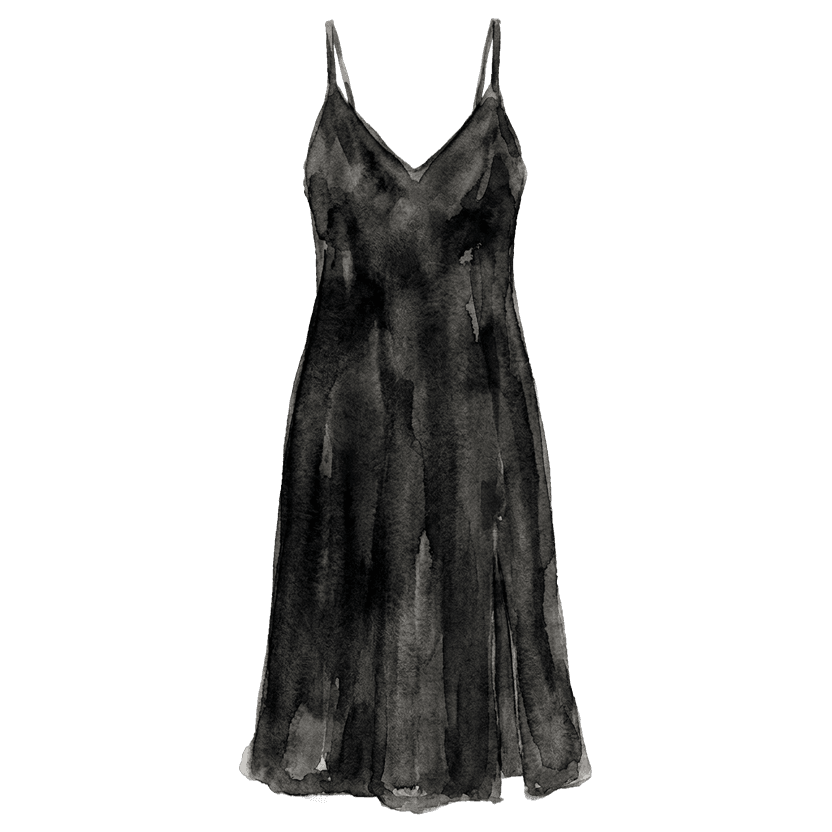 09Black midi slip dress
The single most anti-trend piece in the capsule. Carolyn Bessette wore this exact silhouette in 1996; The Row introduced their version in 2007 and have made it every year since; Phoebe Philo's 2024 label included it. The piece is its own three-decade lineage.
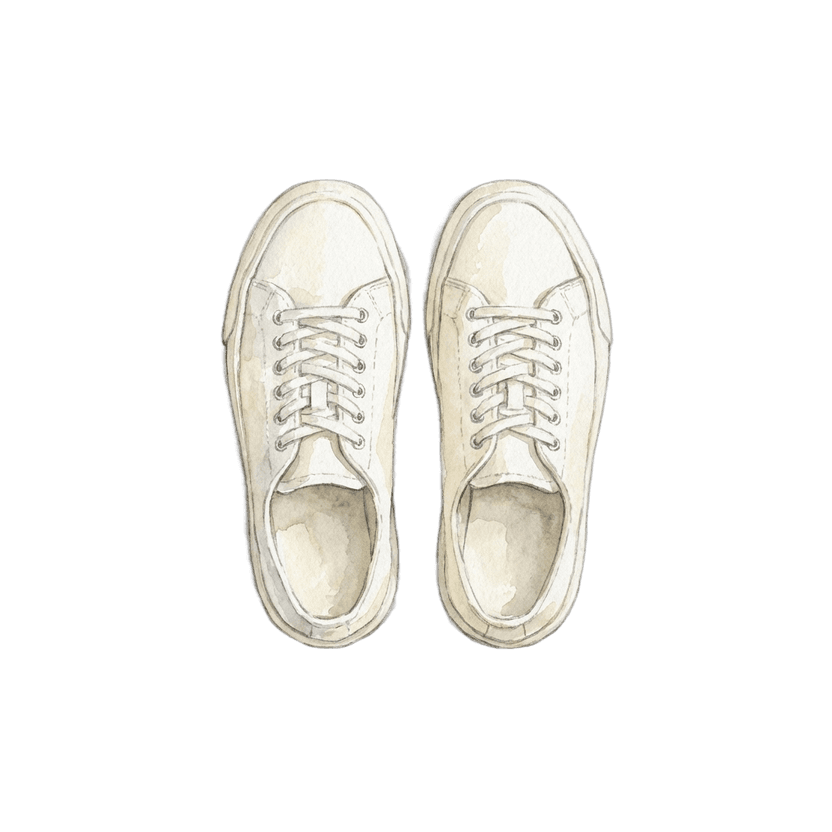 10White low-top sneakers
Anti-trend doesn't mean anti-modern. White leather low-top sneakers entered editorial dressing in 1996 with Bessette and Calvin Klein; they have been in every quiet-luxury wardrobe since. Low-top, not high-top; leather, not canvas.
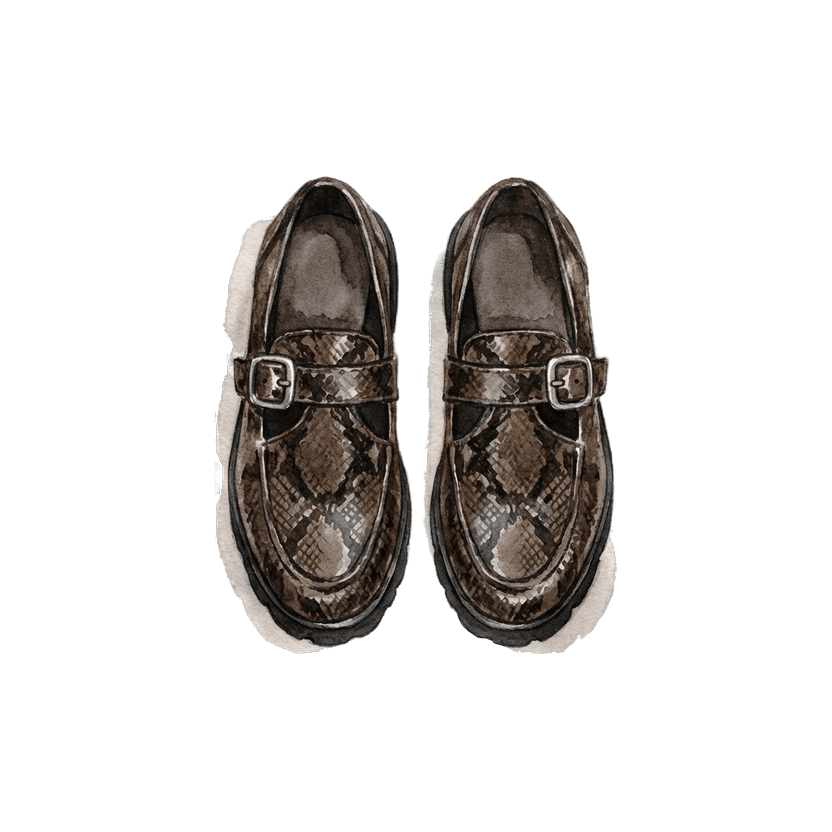 11Dark brown leather loafers
The Phoebe Philo Celine loafer (or, equivalently, the Loro Piana version): dark brown, soft-but-not-sloppy, low heel. Loafers have been in continuous production at every quiet-luxury house since 1934 (Gucci's original); the silhouette is permanent.
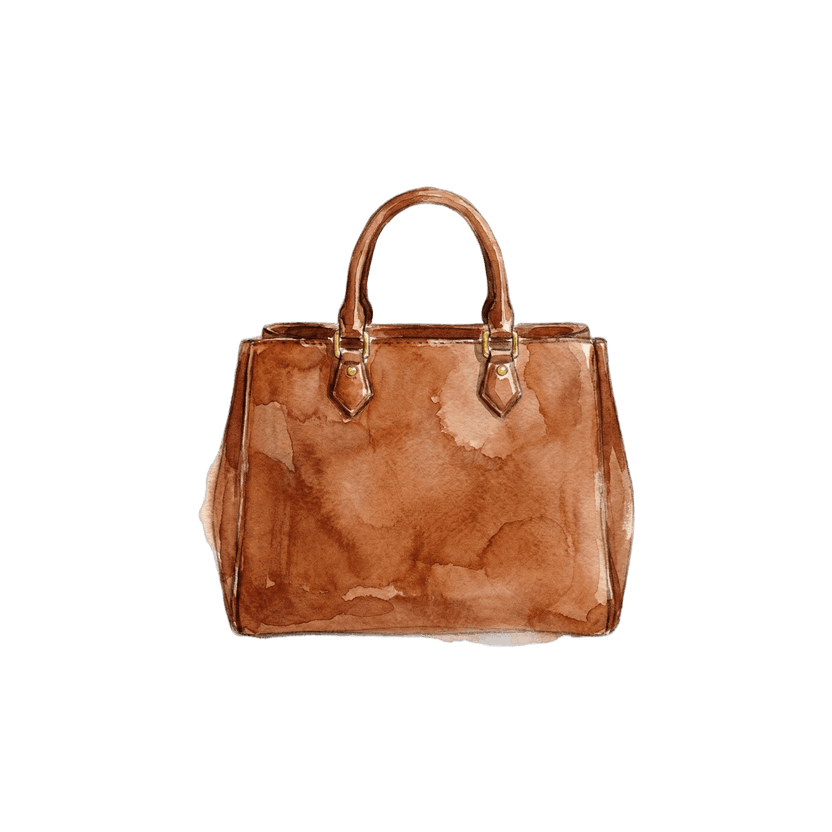 12Cognac structured leather bag
Structured-but-soft, mid-size, no logo. The cognac shade pulls the warmth in the rest of the palette into accessory conversation. The Row makes this exact bag in three sizes; Loro Piana makes it in two. Year-round, no rotation.
25 outfits, 12 pieces
How 25 comes from 12: start with the 6 anchored hooks below, then rotate the capsule's compatible layers, shoes, proportions, and dress-code registers around them. The count is not raw permutation math; every swap still has to keep the silhouette, weather, and occasion intentional.
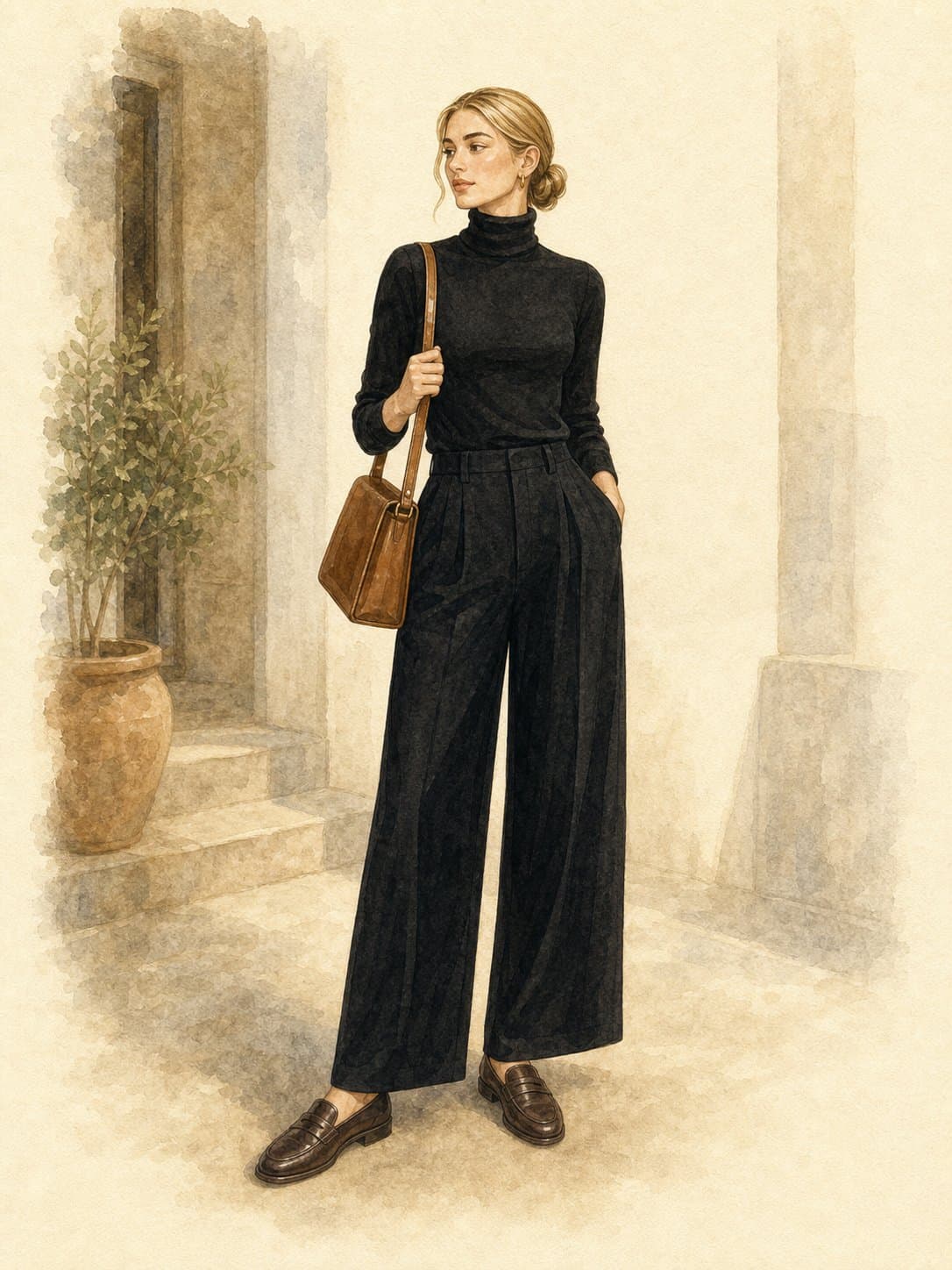
- 01The Carolyn outfit
Carolyn Bessette-Kennedy walking up Madison Avenue, 1996. Black turtleneck + black wide-leg + dark brown loafers + tan structured bag is the canonical quiet-luxury outfit; thirty years on, still reads.
- Black turtleneck sweater
- Black wide-leg trousers
- Dark brown leather loafers
- Cognac structured leather bag
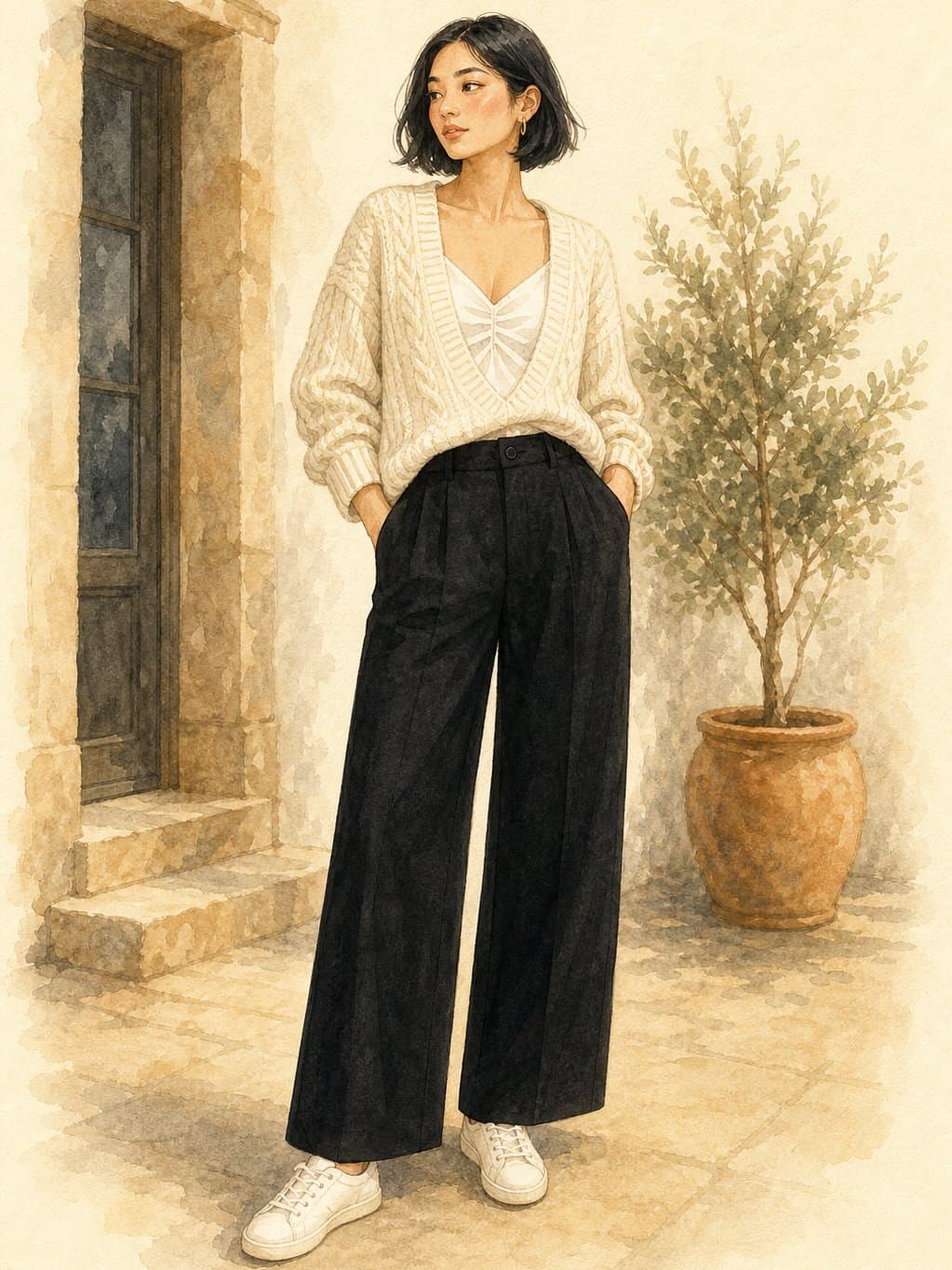
- 02The Phoebe outfit
Phoebe Philo Celine collections 2010-2017. Cream knit + grey-taupe wool wide-leg + brown loafers is the editorial-photograph default for anti-trend dressing.
- Cream chunky knit sweater
- Wide-leg pleated trousers
- Dark brown leather loafers
- Cognac structured leather bag
- 03The Row weekend
Mary-Kate or Ashley Olsen photographed leaving a Brooklyn coffee shop. Cami + chunky knit (the cardigan version layered open) + black wide-leg + white sneakers reads off-duty without losing register.
- White ruched cami top
- Cream knit cardigan alt: Cream chunky knit sweater
- Black wide-leg trousers
- White low-top sneakers
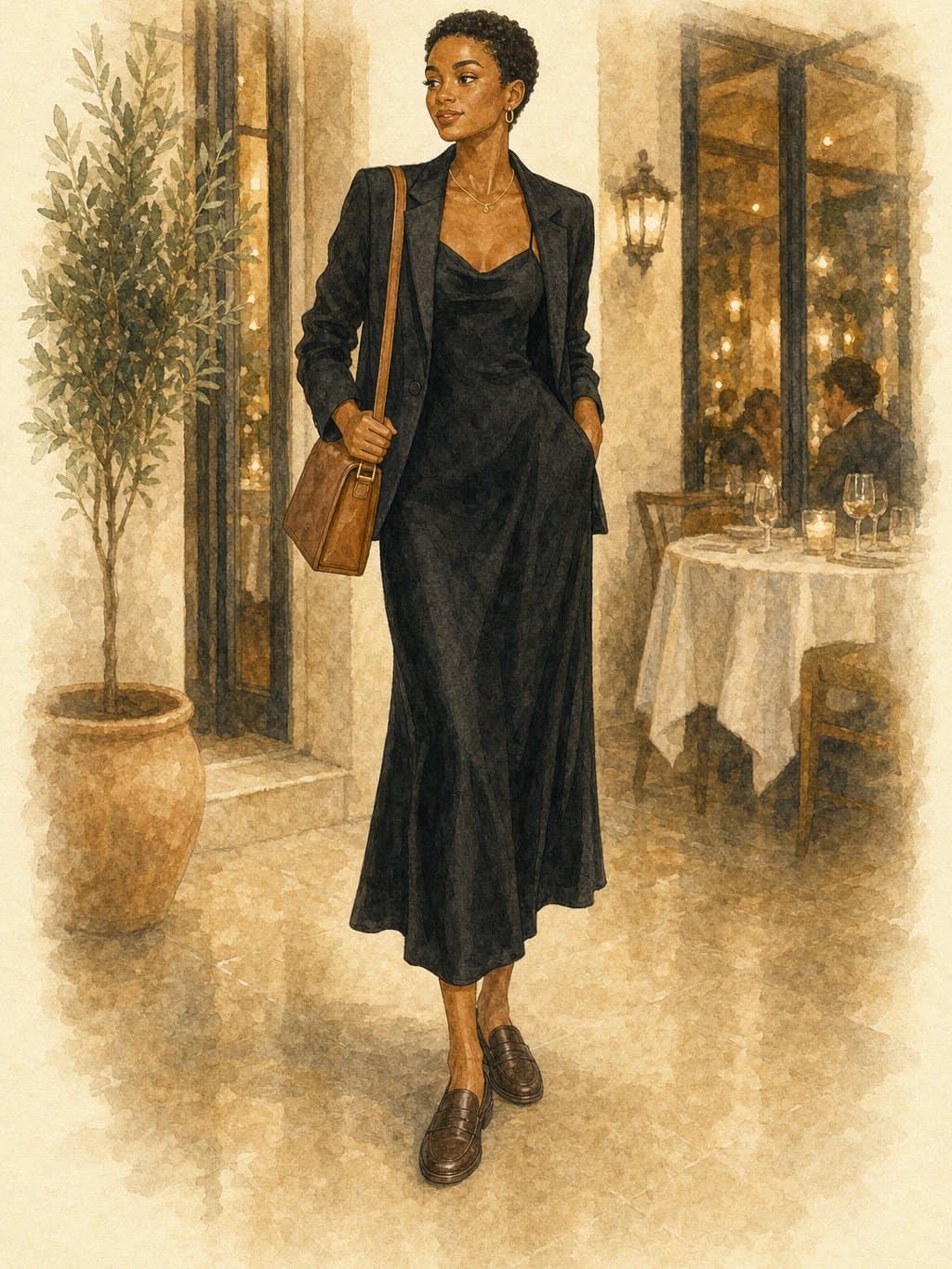
- 04Restaurant evening
8pm reservation, the slip dress under the structured blazer; loafers over heels because heels read trend-driven, loafers don't.
- Black midi slip dress
- Black structured blazer
- Dark brown leather loafers
- Cognac structured leather bag
- 05Linen day
Loro Piana board lunch in summer, or any 25°C / 77°F day where linen reads correct. Belted; loafers because the dress's drape is the visual interest.
- Cream linen midi shirtdress
- Dark brown leather loafers
- Cognac structured leather bag
- 06Office anti-trend
Modern office, 9-5. The pinstripe shirt + structured blazer + grey wool trousers is the anti-trend office outfit; reads dressed without ever crossing into trend territory.
- White pinstripe linen shirt
- Black structured blazer
- Wide-leg pleated trousers
- Dark brown leather loafers
- Cognac structured leather bag
Three looks, illustrated
3 of the 6 anchored hooks above, drawn out so the silhouette is unambiguous.
Build it in 8 steps
- 01Apply the acid test to every piece: would it have been wearable in 1996? Will it still be wearable in 2036? If the answer is no to either, skip the piece. The Row, Phoebe Philo, and Carolyn Bessette all share a thirty-year palette and silhouette; that's the test boundary.
- 02Pick a tight quiet-luxury palette: cream, black, grey, cognac. Add one warm neutral (camel) and one cool neutral (charcoal) if you want six colours total. Skip anything not in the 1996 Carolyn Bessette photograph archive.
- 03Pick four tops: cami (lightest), turtleneck (winter base), white shirt (smart), chunky knit (cozy register). All four pieces appear in The Row's permanent collection; that's the validation.
- 04Pick two bottoms in dateless silhouettes: black wide-leg trousers (Carolyn Bessette signature) and grey wool wide-leg trousers (Phoebe Philo silhouette). Both at high or natural waist; both with a clean break at the ankle.
- 05Pick two dresses with provenance: the bias slip (1996 Bessette, 2007 The Row, 2024 Philo) and the linen shirtdress (Loro Piana summer perennial). Skip dresses with seasonal cuts that age out by 2028.
- 06Add one structured blazer (black, single-breasted, single-button: the most-replicated silhouette across quiet-luxury houses) and skip the cardigan. The blazer does the smart-layer job; a cardigan is a year-round addition that doesn't earn the anti-trend slot.
- 07Pick two shoes that have been in continuous editorial use since 1996: white leather low-top sneakers (Bessette, Calvin Klein, The Row) and dark brown leather loafers (Gucci 1934, Phoebe Philo Celine, Loro Piana). Skip current-trend silhouettes (mules, pointed-toe slingbacks, square-toe boots) that age out fast.
- 08Add one structured leather bag in cognac, no logo. The Row makes it in three sizes, Loro Piana makes it in two; either is correct. Skip mini bags (read trend-driven), skip slouchy hobos (read 2024-only), skip anything with visible hardware. The quietest bag wins.
What to avoid
- Skip the square-toe shoe. The shape was new in 2022, peaked in 2024, will read dated by 2027.
- Skip mini bags with chain straps. Bottega-led trend, 2022 peak, already dating.
- Skip mid-rise bottoms. The Row, Phoebe Philo, and Loro Piana all cut at the natural or high waist; mid-rise is a trend-cycle return that won't last.
- Skip Pantone-colour-of-the-year pieces. The colour dates the piece to its year; quiet luxury cuts across years.
- Skip logo'd pieces. Even subtle logos have a 2-3 year half-life; a clean piece is always the longer hold.
Frequently asked questions
Anti-trend in 2026 fashion vocabulary means rejecting the season-driven trend cycle in favour of pieces with thirty-plus year provenance. The Row (founded 2006, modeled on Carolyn Bessette-Kennedy's 1990s wardrobe), Phoebe Philo's Celine era (2008-2017), and Loro Piana (since 1924) are the three cited authorities for the modern anti-trend movement. Anti-trend doesn't mean anti-modern; it means picking pieces that read correct in the photograph archive of 1996, the photograph archive of 2026, and the projected photograph archive of 2036. The 12 pieces above pass that test; the season-driven trend pieces fashion media pushes every year do not.
Run the five-year photo test. Imagine a photograph of yourself wearing the piece, taken in 2031. Does the photograph read 'classic' or 'so 2026'? Pieces that read classic in 2031 are anti-trend; pieces that read dated are trend-cycle pieces in disguise. Phoebe Philo and The Row both apply this test internally: if the design wouldn't have made sense in 2010 or 2020, they don't ship it in 2026. The 12 above pass the test because they appear in editorial archives from 1996 forward, with minimal silhouette change.
Closely related but not identical. Quiet luxury is a label for the 2023-2026 popularization of pieces with The Row + Loro Piana + Phoebe Philo design language: cream, brown, neutral palette, no logos, structured-but-soft silhouettes. Anti-trend is the discipline of picking those pieces specifically because they don't read of-a-moment. A quiet-luxury capsule could include trend pieces if they're in the quiet-luxury palette; an anti-trend capsule excludes anything cycle-driven. The 12 above are the strict-anti-trend version; they pass the five-year photo test.
The cardigan is in our 30-piece year-round capsule (cream knit, dateless), in the WFH capsule, and in the postpartum capsule. In the strict 12-piece anti-trend cut, the cardigan is replaced by the structured blazer because the blazer has stronger thirty-year-photograph provenance (Helmut Lang 1996, Phoebe Philo Celine 2014, Phoebe Philo 2024 launch). The cardigan reads softer/cozier; the blazer reads structured. Either works for anti-trend, but the blazer is the slightly stricter pick.
More per piece, fewer pieces total. The Row's product strategy is twelve pieces at $1,200 average price; the same wardrobe in fast-fashion is thirty pieces at $480 average. The lifetime cost is similar; the lifetime quality is not. The anti-trend math: a $400 black turtleneck worn 200 times is $2 per wear; a $40 black turtleneck worn 20 times is $2 per wear, but the second one ages out faster, requires replacement sooner, and reads cheap in photographs. The 12 above are pieces where this math holds.