What to Wear to Hatsumōde in Kyoto
Okera Mairi from 7:30pm December 31 · New Year days to January 3, 2027 · Fushimi Inari Taisha and Yasaka Jinja, Kyoto
The Japan Meteorological Agency's 1991–2020 ten-day normals for the Kyoto station, 1 to 10 January (9.4°C / 1.7°C); rain days are the January figure on our Kyoto January guide. Daylight is for 1 January, from the National Astronomical Observatory of Japan.
Hatsumōde in Kyoto 2027: Yasaka's Okera fire from 7:30pm on 31 December, Fushimi Inari open all night, and 2°C / 36°F at the coldest hour.
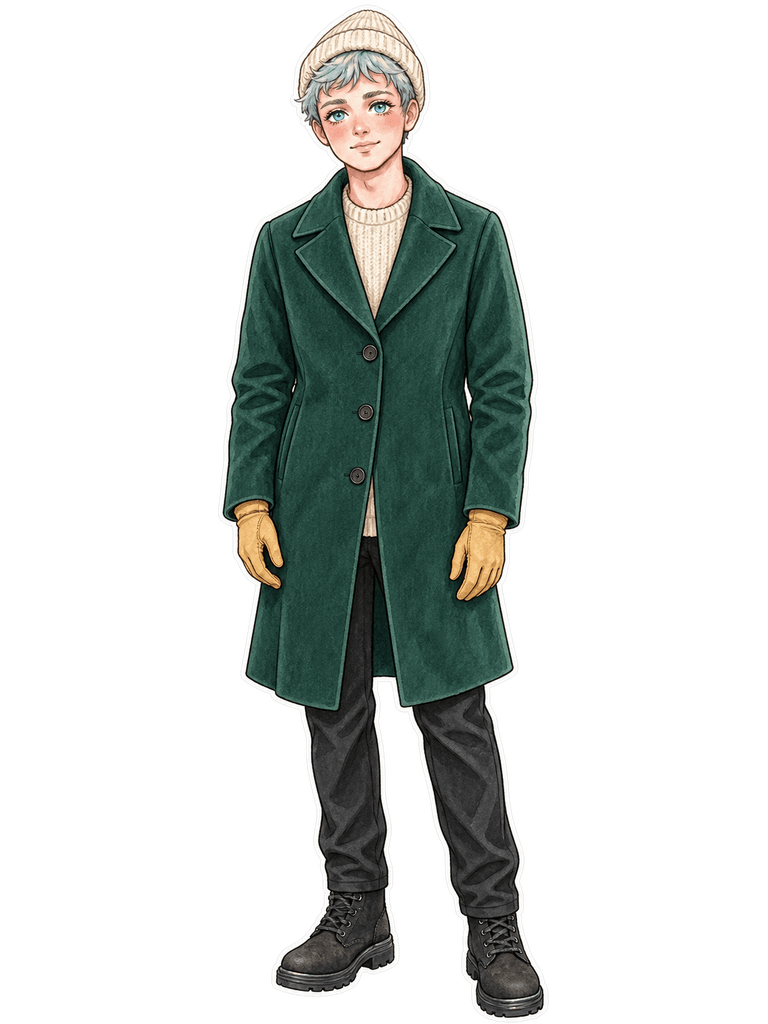
- A knee-length wool coat — open on the climb, buttoned in the Okera queue
- A thick fisherman knit — the warmth you take off halfway up Inariyama
- Stretch trousers over thermal leggings — two hours of steps, then midnight at 1.7°C
- Lace-up lug boots — wet stone steps under the torii
- Unlined leather gloves — for swinging the Okera rope, off for the clap
- A wedding dress, or anything Fushimi Inari calls unsuited to worship — the shrine bans it
- Stopping on the narrow torii path for photographs — also banned
- Carrying the Okera rope lit onto a train — put it out before you leave the grounds
- Counting on a bus after midnight — Kyoto's buses and subway did not run all night last New Year
Packing philosophy
Dress for a climb and a queue on the same night. Kyoto City's guide lists no closing time for Fushimi Inari Taisha, and the path up Inariyama, which the shrine calls a 233m holy mountain, runs under about 10,000 torii; JNTO says the loop takes two to three hours. You heat up on the steps and cool down at every pause. Across town, Yasaka Jinja holds Joya-sai at 7pm on 31 December and hands out its Okera fire from about 7:30pm until about 5am, and that is a queue. JMA's ten-day normals for the Kyoto station give 1 to 10 January 9.4°C by day and 1.7°C at night. So the coat is wool and opens all the way, the knit is thick, the trousers stretch over thermal leggings, and the boots grip a wet stone step.
Fushimi Inari on New Year's night is a mountain walk in the dark under ten thousand gates. You climb warm and stand cold, so the coat has to open as easily as it closes.
What the dress code actually is
Fushimi Inari Taisha publishes a written rule on dress. Its list of prohibited conduct, in force since 1 January 2022, bans "ウェディングドレス姿や参拝にふさわしくない姿で境内を歩くこと": walking the grounds in a wedding dress or in clothing unsuited to worship. It also bans "狭い参道での撮影により参拝者の通行を妨げること", blocking worshippers on the narrow paths to take photographs, which on the torii path at New Year means keep moving. A winter coat and scarf meet that standard, and kimono is part of the season: JNTO notes that at New Year "many visitors come dressed in their kimono". At Yasaka, the old custom is to carry the Okera fire home on a rope to light the New Year stove; JNTO now asks visitors to "please make sure to extinguish the flames before leaving the shrine grounds", so take the rope home cold and hang it in the kitchen as a fire charm. At every hall, rinse your hands at the basin, bow twice, clap twice and bow once.
The capsule
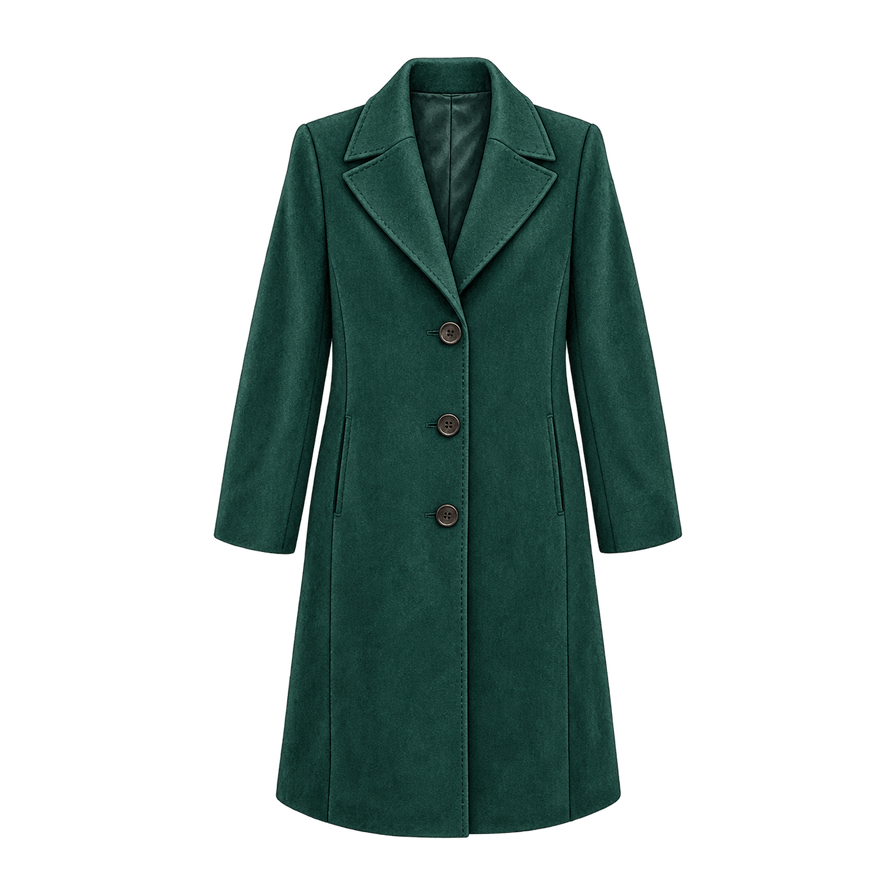 01Bottle-green wool coat, single-breasted, knee length
Wool, because of the Okera fire: the ropes at Yasaka are swung in circles to keep the ember alive, and wool chars where a nylon down shell melts. Knee length covers your legs through the 1.7°C queue, and a single-breasted front opens all the way for the climb up Inariyama. Bottle green stands apart from the vermilion torii in a photograph instead of disappearing into them.
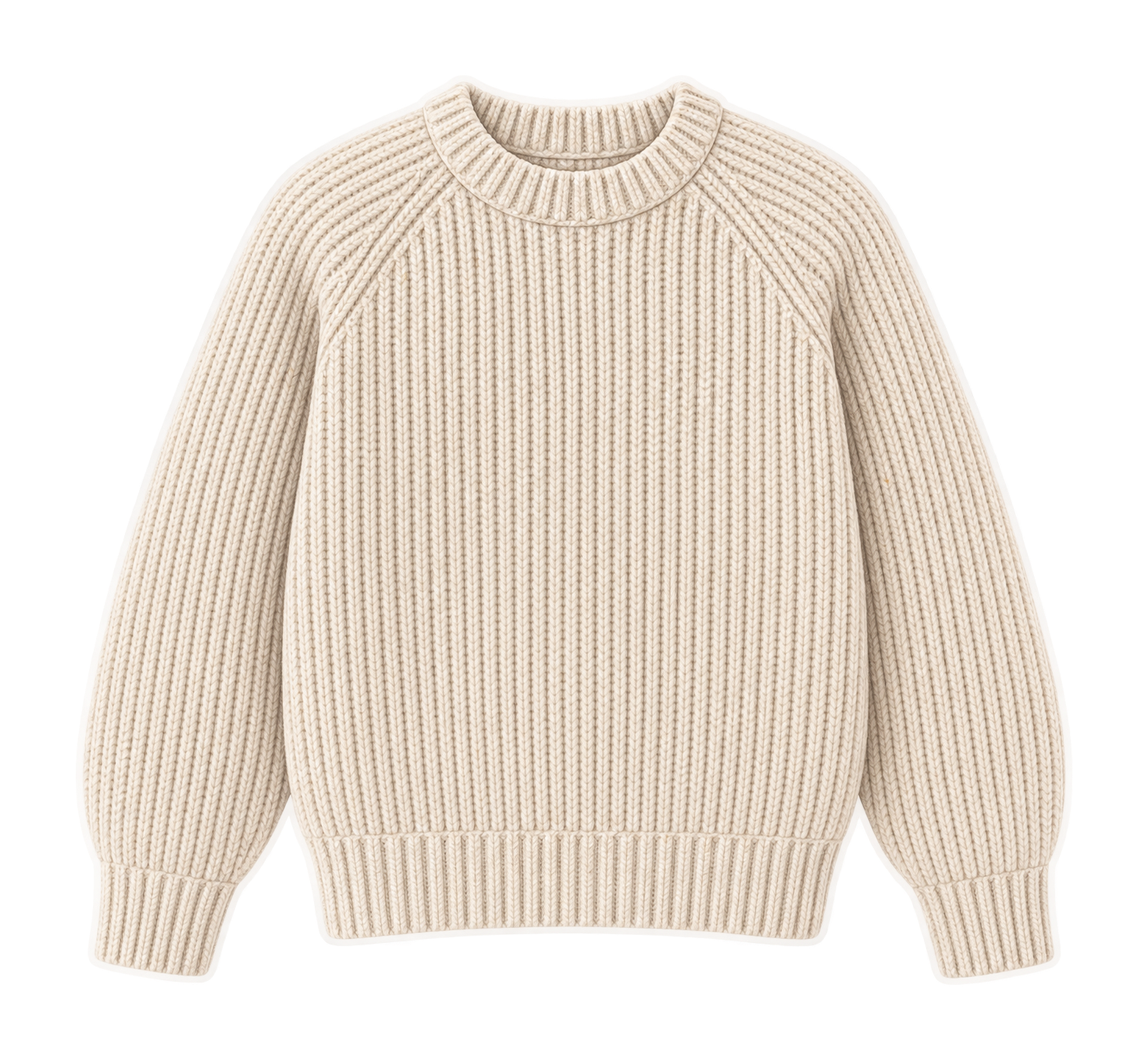 02Cream fisherman-rib wool knit
The warmth you can take off. A fisherman rib traps heat while you stand at Yasaka, and on the climb it comes off over your head and knots round your hips. Cream lightens the green coat and the black trousers, and wool keeps its warmth if the night turns damp.
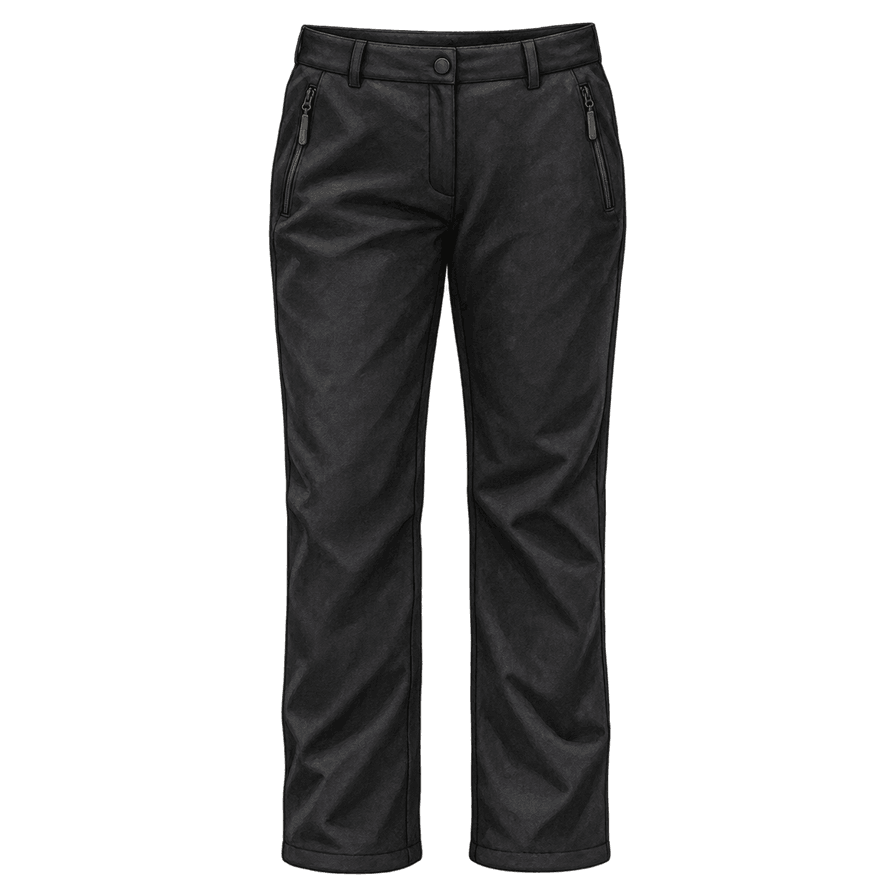 03Black straight softshell trousers
Two to three hours of stone steps on Inariyama ask for stretch, and a softshell sheds a light shower on the mountain. The straight leg leaves room for thermal leggings underneath, and black hides the mud of a path that stays wet in the shade.
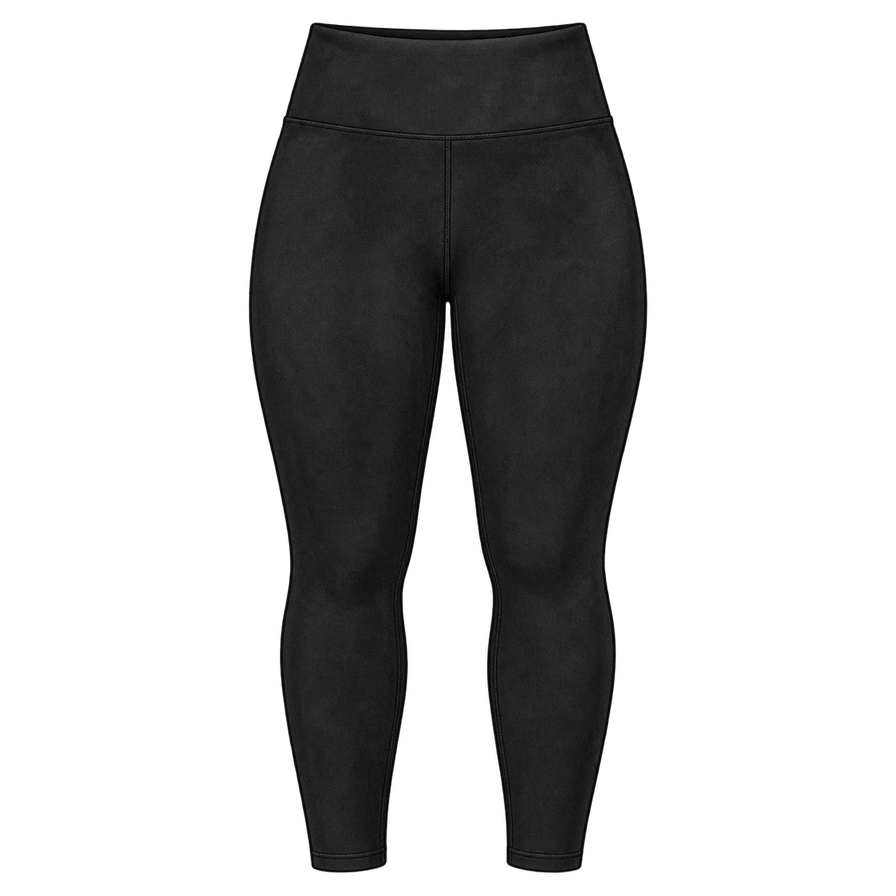 04Black fleece-backed thermal leggings
For the midnight hours. JMA's early-January minimum for the Kyoto station is 1.7°C, and the Okera queue runs from about 7:30pm to 5am. Fleece-backed leggings under the softshell keep your legs warm while you stand still, and roll into the bag once the sun is up on the 1st.
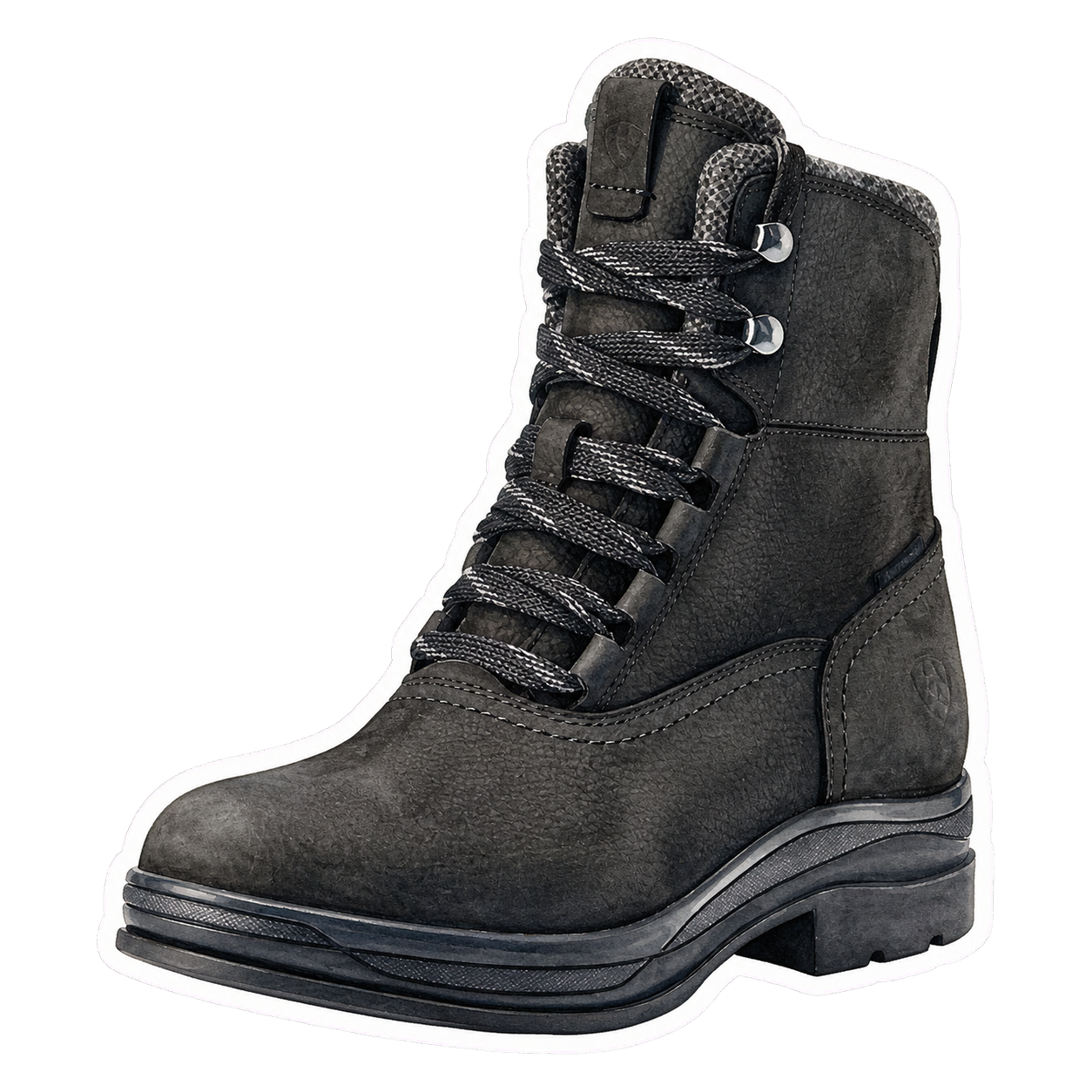 05Black waterproof lace-up lug boots
Stone steps, roots and a path that stays damp under the torii want a deep lug and laces pulled tight. Waterproof leather keeps a wet step out, and black disappears under the trousers on a night walk.
 06Cream ribbed wool beanie
Ears covered for the queue and the night climb, and off into a pocket in one move at the hall for the bow. Cream matches the knit, so the outfit reads as one piece when the coat is open.
 07Tan unlined deerskin gloves
JNTO describes the Okera rope as one that "must be swung around continuously" to keep the fire alight, and leather is the right thing between your hand and a smouldering cord. Unlined deerskin keeps your fingers nimble for coins at the offering box, and comes off for the clap.
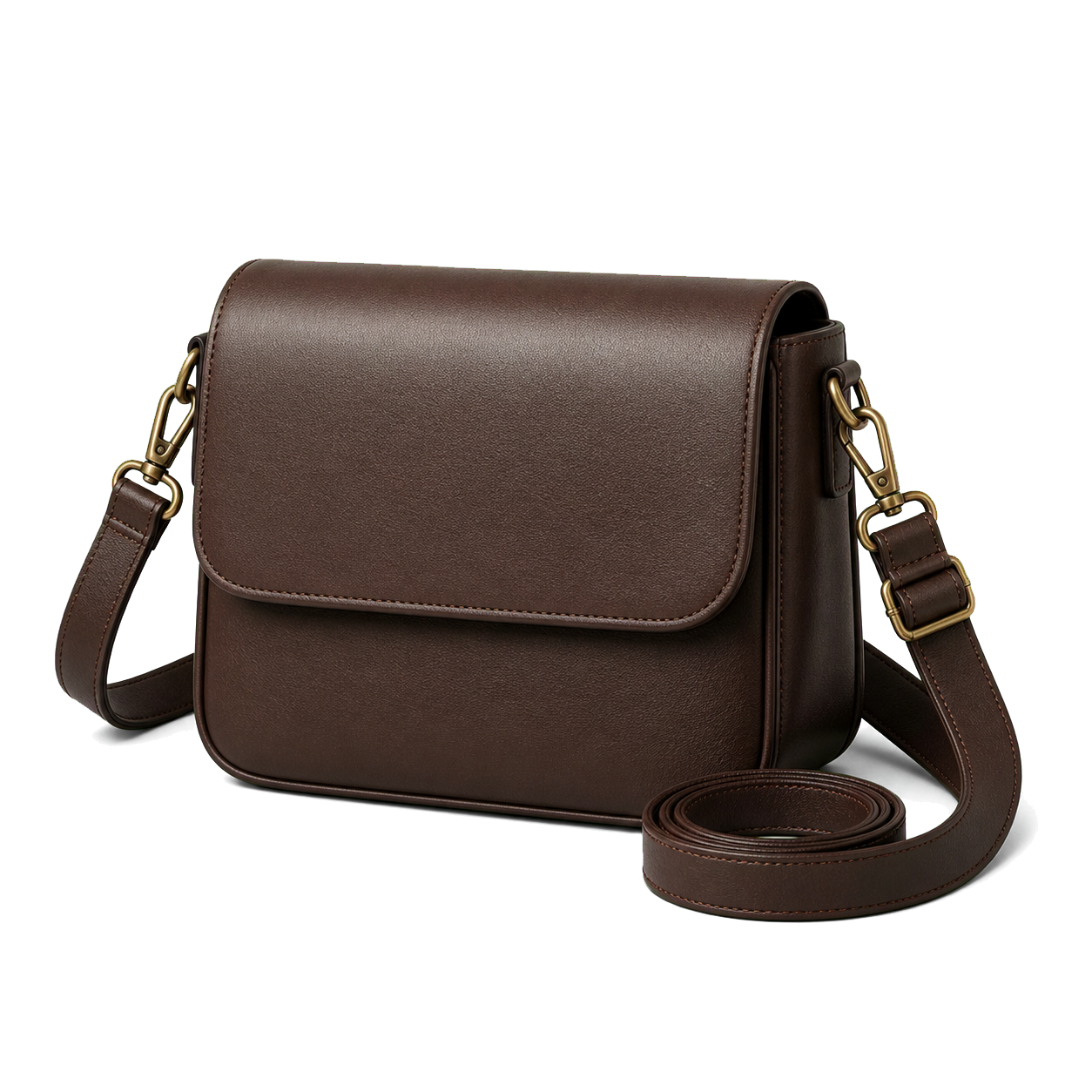 08Dark-brown structured flap crossbody
Both hands stay free for the offering, the clap and the rope. A structured flap bag sits in front of you on the narrow torii path, holds an IC card, coins and the paper charms from the counter, and keeps its shape in the crowd.
Day to night
Cream fisherman knit · softshell trousers · lug boots · bottle-green coat open · beanie · crossbody. Fushimi Inari from JR Inari station on the morning of the 2nd, up under the torii to the top of Inariyama and back in two to three hours.
Thermal leggings under the softshell · knit · coat buttoned · deerskin gloves. New Year's Eve at Yasaka Jinja: Joya-sai at 7pm, the Okera fire from about 7:30pm, then Keihan from Gion-Shijō, the line that ran all night on 31 December 2025.
A suggested look — bottle green wool coat, cream fisherman knit, black softshell trousers, black lace-up boots, cream ribbed beanie.
What to avoid
- A wedding dress or attire unsuited to worship — Fushimi Inari bans it
- Blocking the torii path for photographs — also banned
- A nylon puffer near the Okera ropes — wool chars where nylon melts
- A lit rope on the train — put it out before you leave the grounds
- A bus home after midnight — only Keihan ran all night last New Year
Frequently asked questions
A knee-length wool coat that opens all the way, a thick knit, stretch trousers with thermal leggings, waterproof lace-up boots with a lug sole, a beanie and leather gloves. The path up Inariyama runs under about 10,000 torii and takes two to three hours, and the Japan Meteorological Agency's early-January minimum for Kyoto is 1.7°C. The shrine's written rule bans wedding dresses and clothing unsuited to worship, and a winter coat already meets it.
Yes. Kyoto City's guide lists no closing time for the grounds, so you can climb at midnight. The shrine closes its car park from 30 December to 6 January and asks visitors to come by train: JR Inari station is in front of the shrine, and Keihan's Fushimi-Inari station is about a seven-minute walk. On 31 December 2025 Keihan ran all night, while JR West's Nara Line and Kyoto's city buses and subway did not; the 2026 timetables come out in December.
Yasaka Jinja's New Year's Eve rite: after Joya-sai at 7pm, the shrine lights lanterns burning okera, a medicinal herb, and from about 7:30pm on 31 December to about 5am on 1 January visitors take the fire on a rope, a 掛け火縄 offered for ¥1,000. JNTO explains that to keep the fire alight the rope "must be swung around continuously", and asks visitors to "please make sure to extinguish the flames before leaving the shrine grounds". The cold rope then hangs in the kitchen as a charm against fire. Wear wool and leather gloves, not nylon.
JNTO puts it at two to three hours to tour the mountain, and Kyoto City gives the loop as about 4km and two hours. Inariyama is 233m high, and the path is steps nearly all the way, under about 10,000 torii. At New Year it is slower, and the shrine bans stopping on the narrow paths for photographs. Dress to heat up on the way up and cool down at the top.
Cold and mostly dry. The Japan Meteorological Agency's ten-day normals for the Kyoto station give 1 to 10 January 9.4°C by day and 1.7°C at night, and January as a whole has frost on about 7.4 mornings and snow seen falling on 16.3 days, though it lies on only about 1.3. Daylight is about 9 hours 51 minutes on 1 January, with sunrise near 7:05am, which matters if you climb for the first light of the year.
Sources
- 明治神宮 — 初詣特集 (New Year gate hours; busiest 22:00–3:00 and after 10:00 on 1–3 Jan) — accessed 2026-09-27
- 明治神宮 — ご参拝の方へ (dress, 二拝二拍手一拝, January gates 6:40–16:20) — accessed 2026-09-27
- Japan National Tourism Organization — Shrine and temple traditions — accessed 2026-09-29
- Japan Meteorological Agency — 東京 平年値 1991–2020 (station 47662) — accessed 2026-09-26
- Japan Meteorological Agency — 東京 旬別平年値 1991–2020 (station 47662) — accessed 2026-09-27
- NAOJ — 日の出入り@東京, 令和9年1月 — accessed 2026-09-27
- 東京都の休日に関する条例 (29 Dec – 3 Jan) — accessed 2026-09-26
- Japan Meteorological Agency — Kyoto station normals, ten-day values (1991–2020) — accessed 2026-09-27
- National Astronomical Observatory of Japan — Kyoto sunrise and sunset, January 2027 — accessed 2026-10-02
- Fushimi Inari Taisha — English guide (Inariyama, a 233m holy mountain) — accessed 2026-10-02
- 伏見稲荷大社 — 伏見稲荷大社からのお願い (prohibited conduct, in force since 1 January 2022) — accessed 2026-10-02
- 伏見稲荷大社 — Access (JR Inari, Keihan Fushimi-Inari; shrine parking closed 30 December–6 January) — accessed 2026-10-02
- Japan National Tourism Organization — Fushimi Inari Taisha (about 10,000 torii; two to three hours to tour the mountain) — accessed 2026-10-02
- Kyoto City Official Travel Guide — 伏見稲荷大社 (no closing time; mountain loop 4km, about two hours) — accessed 2026-10-02
- 八坂神社 — 正月祭事: をけら詣り (about 7:30pm on 31 December to about 5am on 1 January) — accessed 2026-10-02
- Japan National Tourism Organization — Okerasai Festival, Yasaka Shrine — accessed 2026-10-02
- Japan National Tourism Organization — Things to do during the New Year season — accessed 2026-10-02
- Keihan Electric Railway — New Year's Eve 2025: all-night service 18:00 on 31 December to 7:00 on 1 January — accessed 2026-10-02
- Kyoto City Transportation Bureau — no all-night bus or subway service on New Year's Eve 2025 — accessed 2026-10-02
- Japan Meteorological Agency — Osaka station normals, ten-day values (1991–2020) — accessed 2026-10-02
- National Astronomical Observatory of Japan — Osaka sunrise and sunset, January 2027 — accessed 2026-10-02
- Sumiyoshi Taisha — English guide (two million at hatsumōde; the Sorihashi bridge, steps added in 1955) — accessed 2026-10-02
- Sumiyoshi Taisha — Rituals: hatsumōde and the New Year rites — accessed 2026-10-02
- 住吉大社 — 住吉っさんの歩き方: 反橋 (about 20m long, 3.6m high, steepest slope about 48°) — accessed 2026-10-02
- 住吉大社 — 令和8年(2026)初詣のご案内 (open from 22:00 on 31 December to 20:00 on 1 January; no stalls 31 December–5 January) — accessed 2026-10-02
- Sumiyoshi Taisha — English FAQ (no eating, drinking or smoking in the grounds; cash only) — accessed 2026-10-02
- 住吉大社 — Access (Nankai Sumiyoshi Taisha station, Hankai tram Sumiyoshi Toriimae; New Year traffic restrictions) — accessed 2026-10-02
- Nankai Electric Railway — New Year's Eve 2025: normal holiday timetable, no all-night or extended service — accessed 2026-10-02
- Hankai Tramway — year-end and New Year service 2025–26 (special timetable, last trams unchanged on 31 December) — accessed 2026-10-02