What to Wear to Hatsumōde in Osaka
From late December 31, 2026 · New Year days to January 3, 2027 · Sumiyoshi Taisha, Sumiyoshi-ku, Osaka
The Japan Meteorological Agency's 1991–2020 ten-day normals for the Osaka station, 1 to 10 January (10.1°C / 3.3°C); rain days are the January figure on our Osaka January guide. Daylight is for 1 January, from the National Astronomical Observatory of Japan.
Hatsumōde at Sumiyoshi Taisha 2027: two million visitors in January, an arched bridge at about 48°, and 3°C / 37°F at midnight.
- A car coat that stops above the knee — you see your feet on the bridge's steps
- Lug-sole loafers — grip on the Sorihashi, and off fast at a New Year meal
- A navy cable crew over a merino base — an hour in the queue at 3°C / 37°F
- A mustard wool scarf — Osaka's early-January wind averages 2.4 m/s
- A zipped crossbody worn in front — coins in reach, hands free for the clap
- Heels or smooth soles on the Sorihashi — about 48° at its steepest
- An ankle-length coat on the bridge's steps
- Food and drink in the grounds — the shrine asks visitors not to eat, drink or smoke
- Counting on a train home after 1am — Nankai ran its normal timetable on New Year's Eve 2025
Packing philosophy
Dress for the bridge and the wait. Sumiyoshi Taisha's own order of worship starts on the Sorihashi, the arched bridge its Japanese guide gives as about 3.6m high with a slope of about 48° at its steepest, and its English page notes that the steps were only added in 1955. Then come the water basin and four main sanctuaries, each with a queue at New Year. In 2026 the gates opened at 10pm on 31 December and stayed open until 8pm on 1 January. JMA's ten-day normals for the Osaka station give 1 to 10 January 10.1°C by day and 3.3°C at night, and Osaka's mean wind, 2.4 m/s, runs well above Kyoto's 1.7. So the coat stops above the knee, the shoes are flat with a lug, the scarf closes the collar, and the bag sits in front where your coins are.
At Sumiyoshi the first test of the year is a bridge. It rises at close to 48 degrees, its steps were only added in 1955, and it comes first in the shrine's own order of worship.
What the dress code actually is
Sumiyoshi Taisha publishes no dress code. Its guidance is about conduct: "Please refrain from eating, drinking, and smoking within the shrine grounds." It sets out the prayer in its own pages: rinse the left hand, then the right, never put the ladle to your mouth, bow deeply twice, clap twice and bow once more. Crossing the Sorihashi is part of the visit, and the shrine's English page explains why: "According to popular tradition, crossing the bridge is an act of spiritual purification." A winter coat and flat shoes meet every expectation. Kimono is welcome at New Year, but take the bridge slowly in zōri, one hand on the rail, and keep the hem lifted on the way down.
The capsule
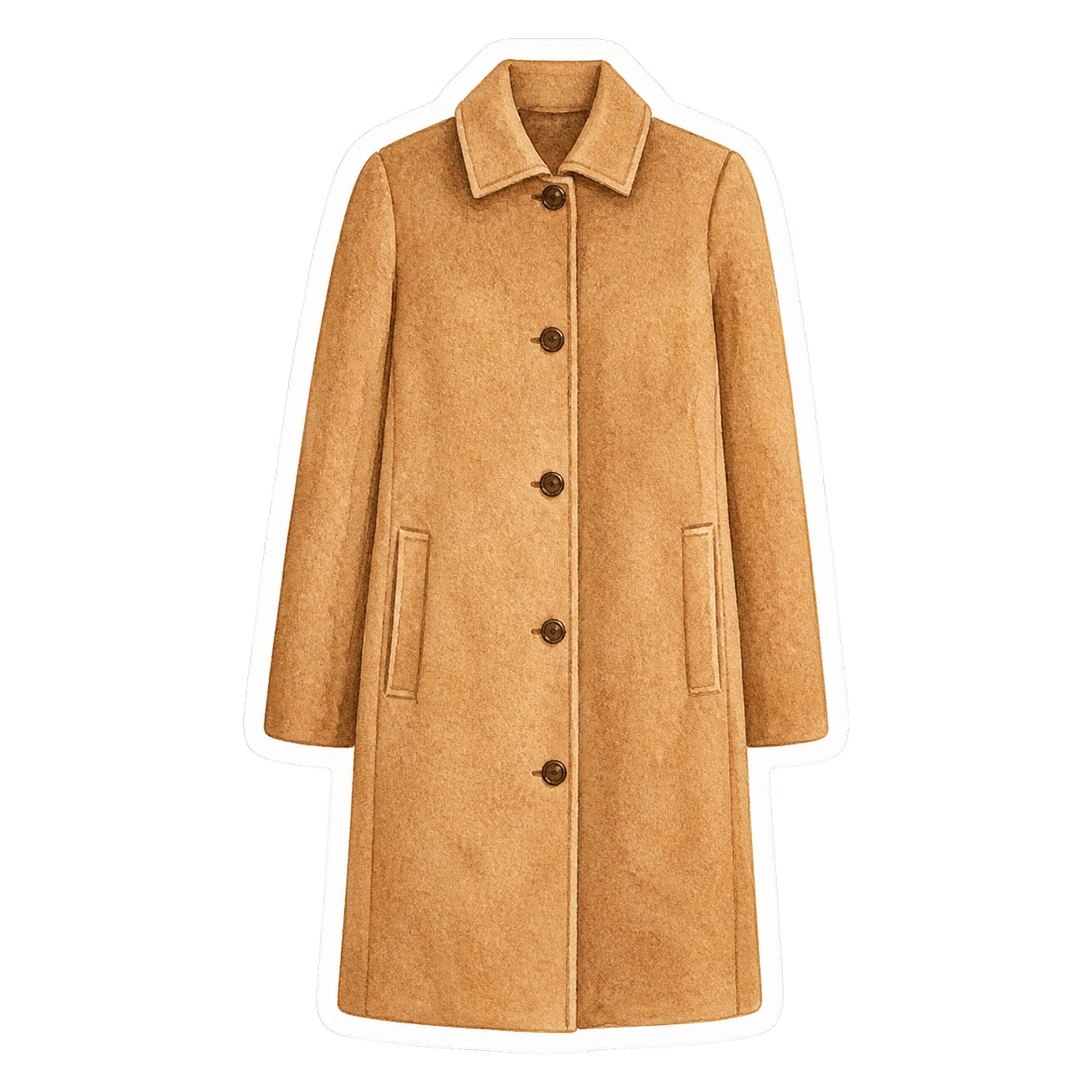 01Camel wool car coat, above the knee
A coat that stops above the knee lets you see your feet on the Sorihashi's steps, where an ankle-length hem catches under your heel on the way down. Camel wool over a navy knit is warm enough for a 3°C / 37°F midnight queue, and it still looks dressed at a New Year lunch on the 1st.
 02Navy cable-knit wool crew
Thick cables trap heat for the hour at the offering box of the first sanctuary, and navy keeps the camel coat from looking all one colour. It comes off over your head in a heated restaurant without unwinding anything.
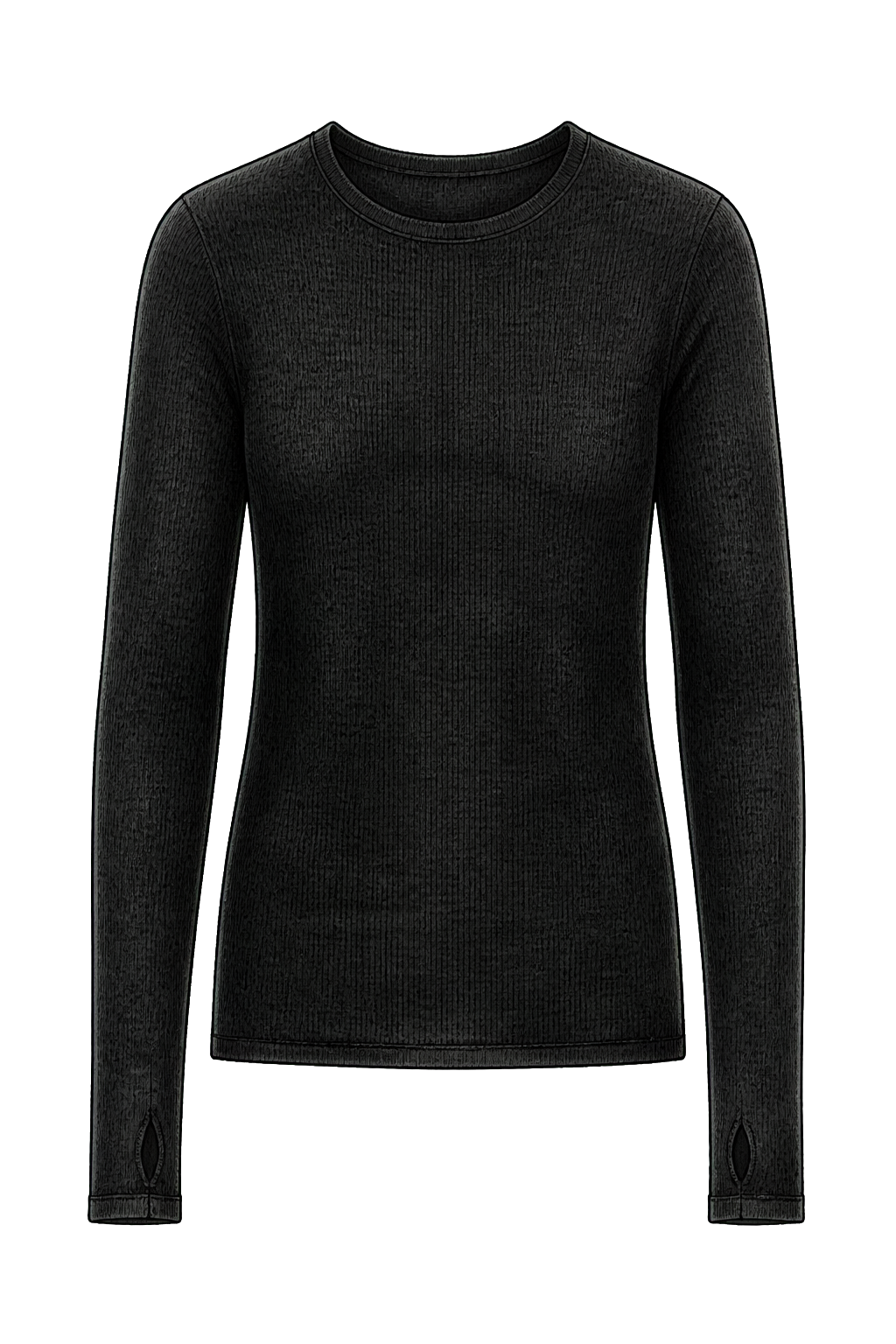 03Black fine merino base layer
Merino next to the skin for a night that runs from a 10pm gate opening to the first light of the year. It holds warmth while you stand and stays dry if the crowd warms you up, which cotton does not.
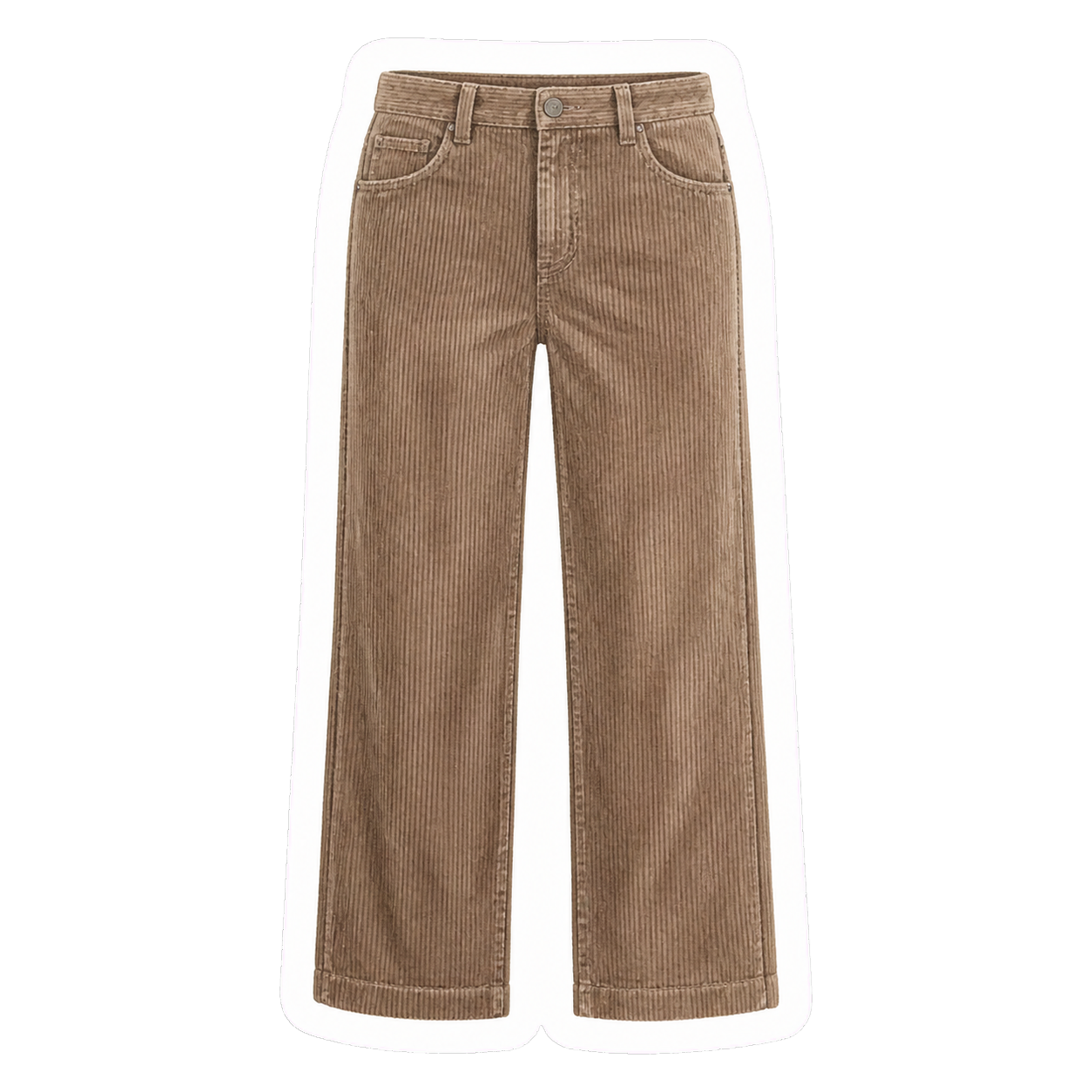 04Mid-brown fine-wale corduroy trousers
Cord holds warmth against Osaka's wind and hides the dust of a gravel forecourt. A straight leg stays clear of the bridge's steps where a wide leg would brush them, and mid-brown ties the camel coat to the suede loafers.
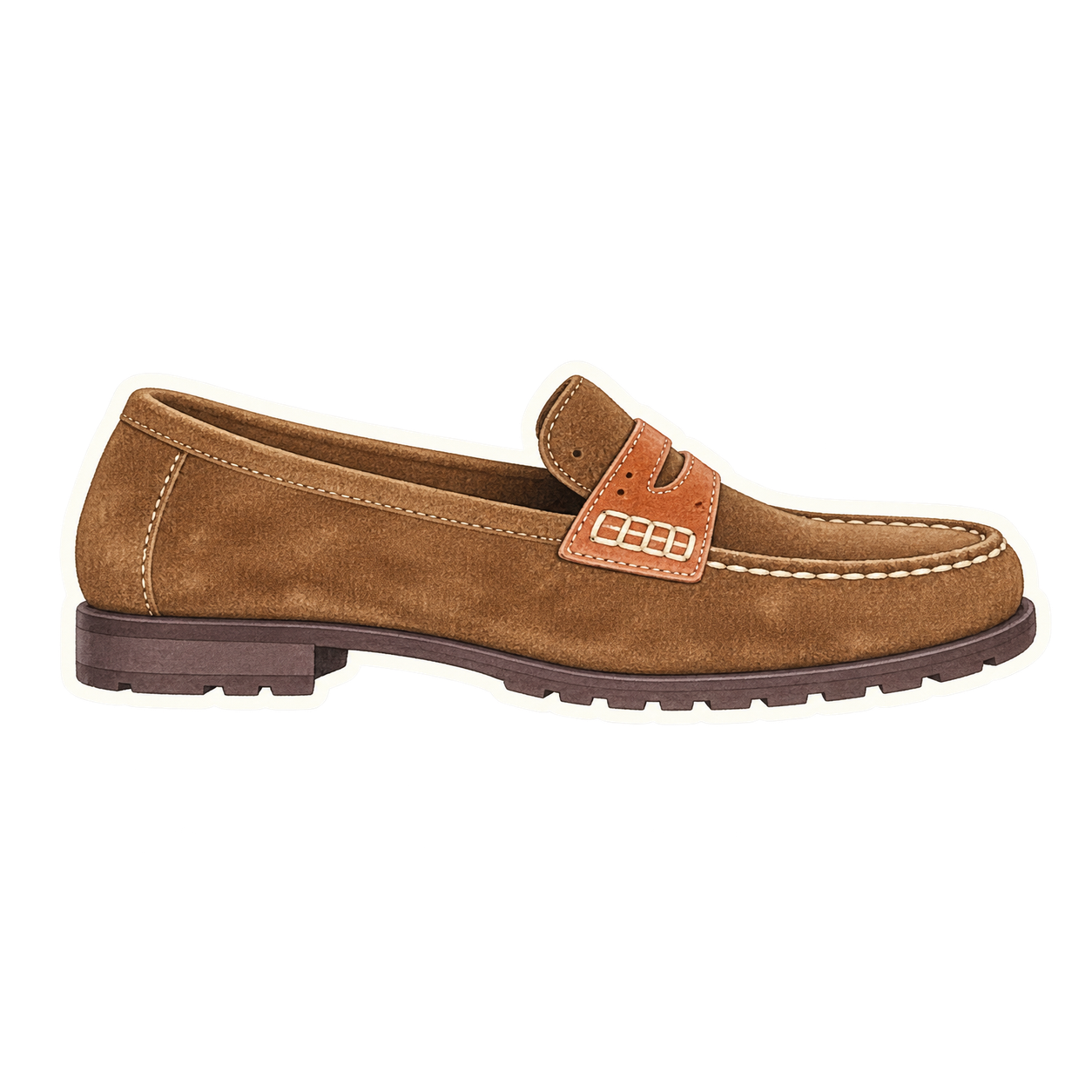 05Brown suede lug-sole penny loafers
A lug sole grips the Sorihashi's steps on the way up and, more importantly, on the way down. A loafer slips off at a New Year meal on tatami. Suede suits the first days of January in Osaka, which has rain on only about 5.6 days in the whole month.
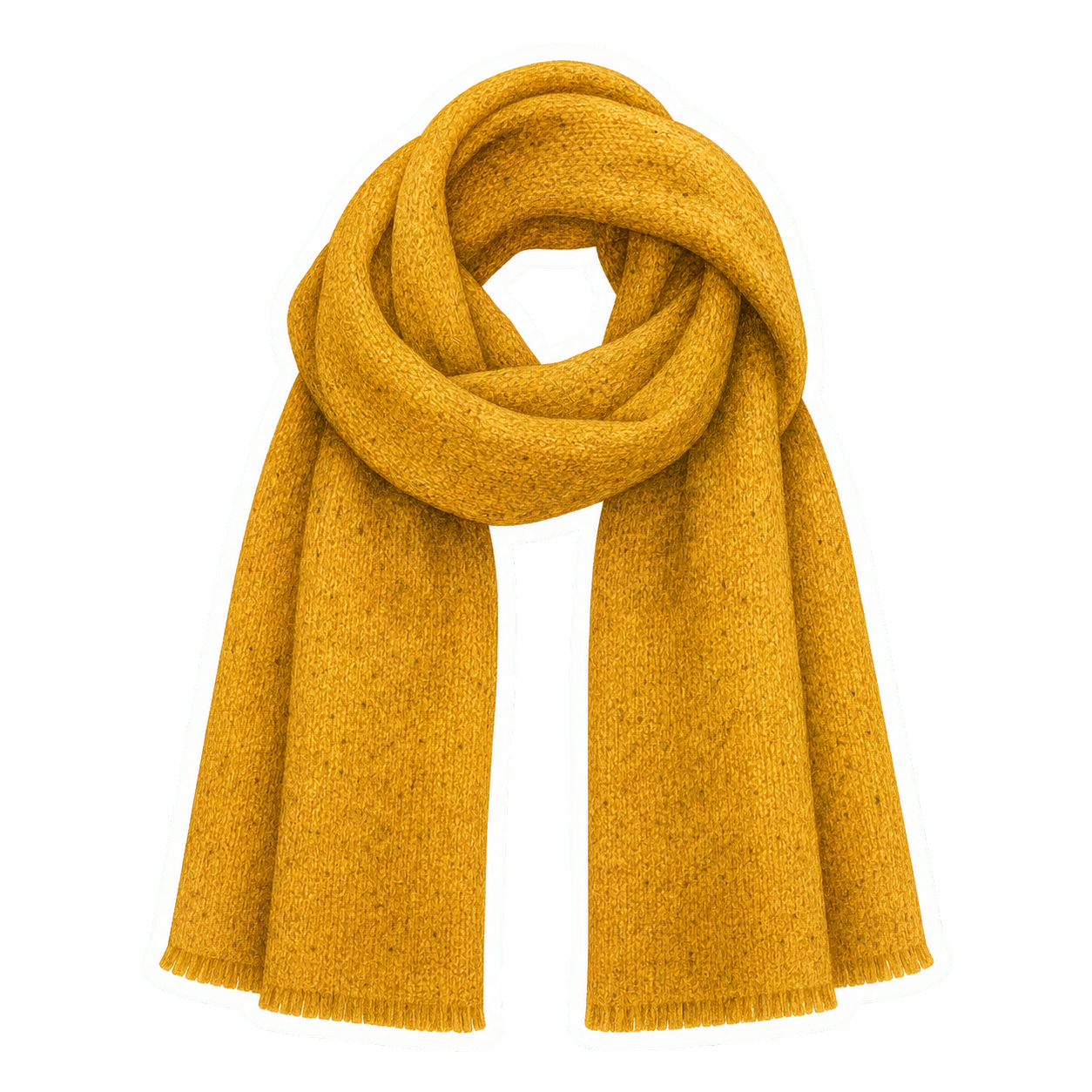 06Mustard marled wool scarf
Osaka's wind averages 2.4 m/s in January against Kyoto's 1.7, and a midnight queue is where you feel it. Wound once, the scarf closes the collar of the open car coat; mustard is the colour in a capsule of camel, navy and brown.
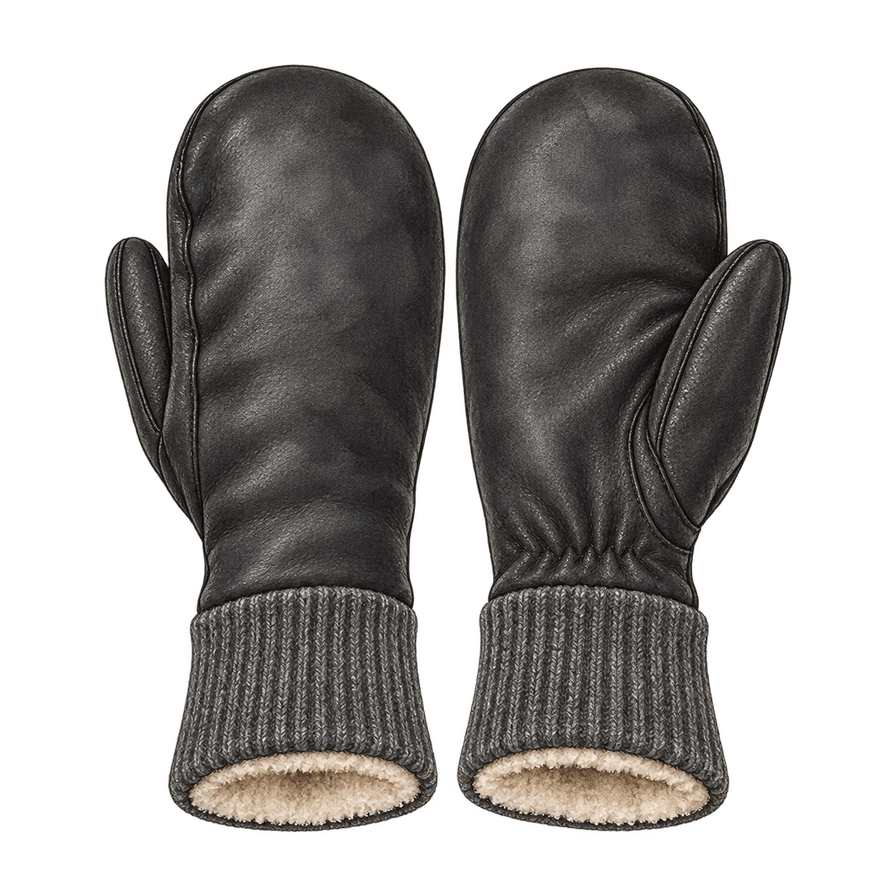 07Charcoal wool-lined leather mittens
Mittens are warmer than gloves in a still queue at 3.3°C, and they come off in one move for the two claps. Wool lining keeps the warmth; leather keeps out the wind.
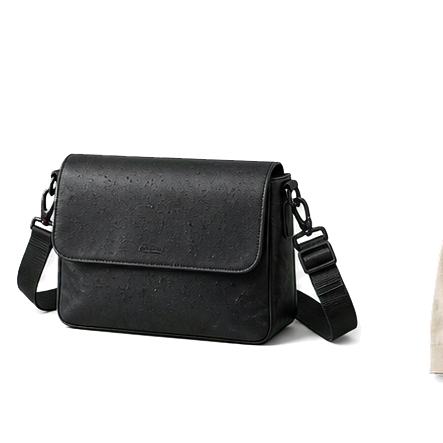 08Black rain-flap crossbody
In a crowd this dense some worshippers toss their coins over the heads of the people in front; keep yours in a bag worn in front, under a flap, and reach the offering box yourself. Both hands stay free for the bow and the clap, and for the rail on the bridge.
Day to night
Black merino · navy cable crew · corduroy trousers · suede loafers · camel coat open · mustard scarf · crossbody in front. Sumiyoshi Taisha on the morning of 1 January, after the 6am Saitan-sai: over the Sorihashi, then the four sanctuaries.
Same layers · coat buttoned · scarf wound twice · charcoal mittens. New Year's Eve: the gates opened at 10pm in 2025, and the last Nankai train from Sumiyoshi Taisha station left at 0:48am, so plan the walk or a taxi home.
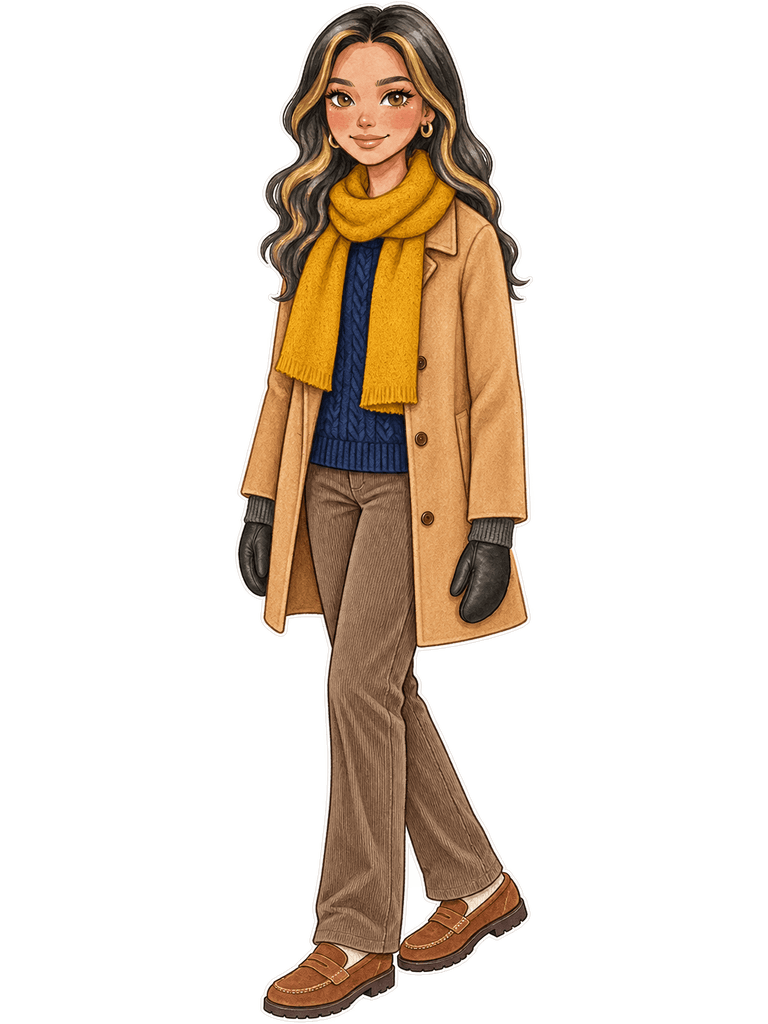
A suggested look — camel wool car coat, navy cable-knit sweater, brown corduroy trousers, brown suede loafers, mustard wool scarf.
What to avoid
- Heels or smooth soles — the Sorihashi is about 48° at its steepest
- An ankle-length coat on the bridge's steps
- Food and drink in the grounds — the shrine asks visitors to refrain
- A train home after 1am — Nankai and the Hankai tram did not run all night in 2025
Frequently asked questions
A wool coat that stops above the knee, a thick knit over a merino base, corduroy or wool trousers with a straight leg, flat shoes with a lug sole, a scarf, mittens and a crossbody worn in front. The Japan Meteorological Agency's early-January normals for Osaka give 3.3°C at night with more wind than Kyoto, and the visit begins on a steep arched bridge. The shrine has no dress code; its rules are about conduct.
Steep. The shrine's Japanese guide gives it as about 20m long and 3.6m high, with a slope of about 48° at its steepest; its English page gives about 21m, 5m and more than 40°. Steps were added only in 1955; before that, the English page says, the only footholds were the gaps between the wooden slats. Crossing it is the first step in the shrine's order of worship, and "according to popular tradition, crossing the bridge is an act of spiritual purification." Wear flat shoes with grip and use the rail on the way down.
For 2026 the shrine opened its gates at 10pm on 31 December and kept them open until 8pm on 1 January, then 6am to 7pm on the 2nd and 3rd. Roads around the shrine closed from 11pm on 31 December, its car park closed from 31 December to 3 January, and no food stalls were set up from 31 December to 5 January. The 2027 schedule is posted in December, so check it before you go.
They did not in 2025. Nankai ran its normal holiday timetable with no all-night or extended service, and the last train from Sumiyoshi Taisha station towards Namba left at 0:48am. The Hankai tram ran a special timetable but kept its usual last trams. If you plan to be at the shrine when the gates open at 10pm and stay past midnight, plan a walk or a taxi home, and check the December announcements for 2026.
Cool, dry and windy. The Japan Meteorological Agency's ten-day normals for the Osaka station give 1 to 10 January 10.1°C by day and 3.3°C at night, and January as a whole has frost on only about 2 nights and rain on about 5.6 days. The wind is what you feel: 2.4 m/s on average, against Kyoto's 1.7. Daylight is about 9 hours 53 minutes on 1 January, with sunrise near 7:05am.
Sources
- 明治神宮 — 初詣特集 (New Year gate hours; busiest 22:00–3:00 and after 10:00 on 1–3 Jan) — accessed 2026-09-27
- 明治神宮 — ご参拝の方へ (dress, 二拝二拍手一拝, January gates 6:40–16:20) — accessed 2026-09-27
- Japan National Tourism Organization — Shrine and temple traditions — accessed 2026-09-29
- Japan Meteorological Agency — 東京 平年値 1991–2020 (station 47662) — accessed 2026-09-26
- Japan Meteorological Agency — 東京 旬別平年値 1991–2020 (station 47662) — accessed 2026-09-27
- NAOJ — 日の出入り@東京, 令和9年1月 — accessed 2026-09-27
- 東京都の休日に関する条例 (29 Dec – 3 Jan) — accessed 2026-09-26
- Japan Meteorological Agency — Kyoto station normals, ten-day values (1991–2020) — accessed 2026-09-27
- National Astronomical Observatory of Japan — Kyoto sunrise and sunset, January 2027 — accessed 2026-10-02
- Fushimi Inari Taisha — English guide (Inariyama, a 233m holy mountain) — accessed 2026-10-02
- 伏見稲荷大社 — 伏見稲荷大社からのお願い (prohibited conduct, in force since 1 January 2022) — accessed 2026-10-02
- 伏見稲荷大社 — Access (JR Inari, Keihan Fushimi-Inari; shrine parking closed 30 December–6 January) — accessed 2026-10-02
- Japan National Tourism Organization — Fushimi Inari Taisha (about 10,000 torii; two to three hours to tour the mountain) — accessed 2026-10-02
- Kyoto City Official Travel Guide — 伏見稲荷大社 (no closing time; mountain loop 4km, about two hours) — accessed 2026-10-02
- 八坂神社 — 正月祭事: をけら詣り (about 7:30pm on 31 December to about 5am on 1 January) — accessed 2026-10-02
- Japan National Tourism Organization — Okerasai Festival, Yasaka Shrine — accessed 2026-10-02
- Japan National Tourism Organization — Things to do during the New Year season — accessed 2026-10-02
- Keihan Electric Railway — New Year's Eve 2025: all-night service 18:00 on 31 December to 7:00 on 1 January — accessed 2026-10-02
- Kyoto City Transportation Bureau — no all-night bus or subway service on New Year's Eve 2025 — accessed 2026-10-02
- Japan Meteorological Agency — Osaka station normals, ten-day values (1991–2020) — accessed 2026-10-02
- National Astronomical Observatory of Japan — Osaka sunrise and sunset, January 2027 — accessed 2026-10-02
- Sumiyoshi Taisha — English guide (two million at hatsumōde; the Sorihashi bridge, steps added in 1955) — accessed 2026-10-02
- Sumiyoshi Taisha — Rituals: hatsumōde and the New Year rites — accessed 2026-10-02
- 住吉大社 — 住吉っさんの歩き方: 反橋 (about 20m long, 3.6m high, steepest slope about 48°) — accessed 2026-10-02
- 住吉大社 — 令和8年(2026)初詣のご案内 (open from 22:00 on 31 December to 20:00 on 1 January; no stalls 31 December–5 January) — accessed 2026-10-02
- Sumiyoshi Taisha — English FAQ (no eating, drinking or smoking in the grounds; cash only) — accessed 2026-10-02
- 住吉大社 — Access (Nankai Sumiyoshi Taisha station, Hankai tram Sumiyoshi Toriimae; New Year traffic restrictions) — accessed 2026-10-02
- Nankai Electric Railway — New Year's Eve 2025: normal holiday timetable, no all-night or extended service — accessed 2026-10-02
- Hankai Tramway — year-end and New Year service 2025–26 (special timetable, last trams unchanged on 31 December) — accessed 2026-10-02