What to Wear in Kyoto in January
Kyoto in January: 9°C / 48°F afternoons, 2°C / 36°F nights, snow falling on 16 days and lying on about one, and the quietest temples of the year after the 3rd.
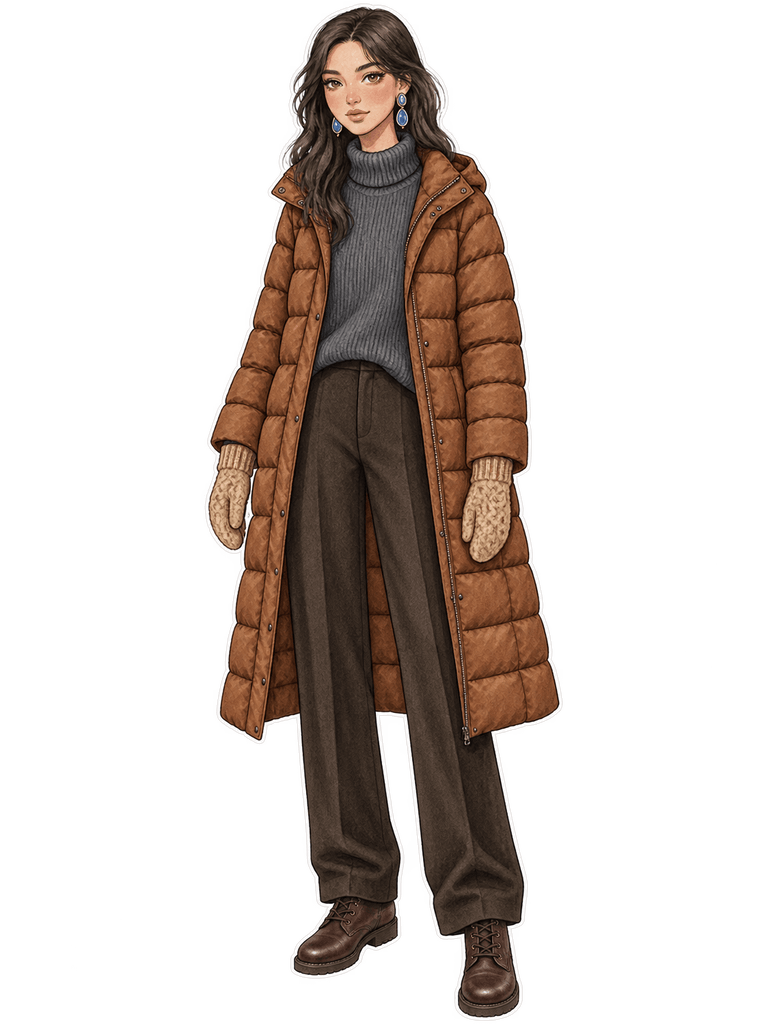
- Tobacco down coat below the knee — flurries on 16.3 days, frost on 7.4 mornings
- Heather-grey chunky turtleneck — a covered neck in an open garden, and nothing to drop
- Deep brown flannel trousers — an hour standing at Tōka Ebisu, or kneeling on tatami
- Side-zip ankle boots — laced for wet stone, unzipped at every hall door
- Burgundy wool socks — the floor of a special opening is unheated wood
- Camel mittens — off in one move when a maiko hands you the lucky bamboo on the 11th
- Snow boots — snow lies 1cm deep on about 1.3 January days
- Laces you have to untie — shoes come off at every hall
- A hip-length jacket for Tōka Ebisu nights — the gates stay open all night on the 9th and 10th
- Quiet temples on the 1st to the 3rd — that is hatsumōde
Dress for flurries and floors. JMA's normals for the Kyoto station give January 9.1°C by day and 1.5°C at night, 53.3mm of rain over 6.4 days, and frost on 7.4 mornings. Snow is seen falling on 16.3 days, yet it lies 1cm deep on only about 1.3, which fits the Kyoto City Tourism Association's description of a basin ringed by mountains that sends down cold wind and little snow. So the coat is long and down-filled and shrugs off dry flakes, the boots unzip at a hall door, and the socks are wool, because, in JNTO's words, "Don't forget to wear a good pair of socks." The month splits in two. The first three days are hatsumōde, when Fushimi Inari and Yasaka fill. After that Kyoto empties: Tōka Ebisu runs from the 8th to the 12th, and in 2026 the city's winter special openings began on the 9th.
Kyoto's January snow is something you watch fall, not something you walk through. It comes down on half the days of the month and stays on the ground for about one.
The capsule
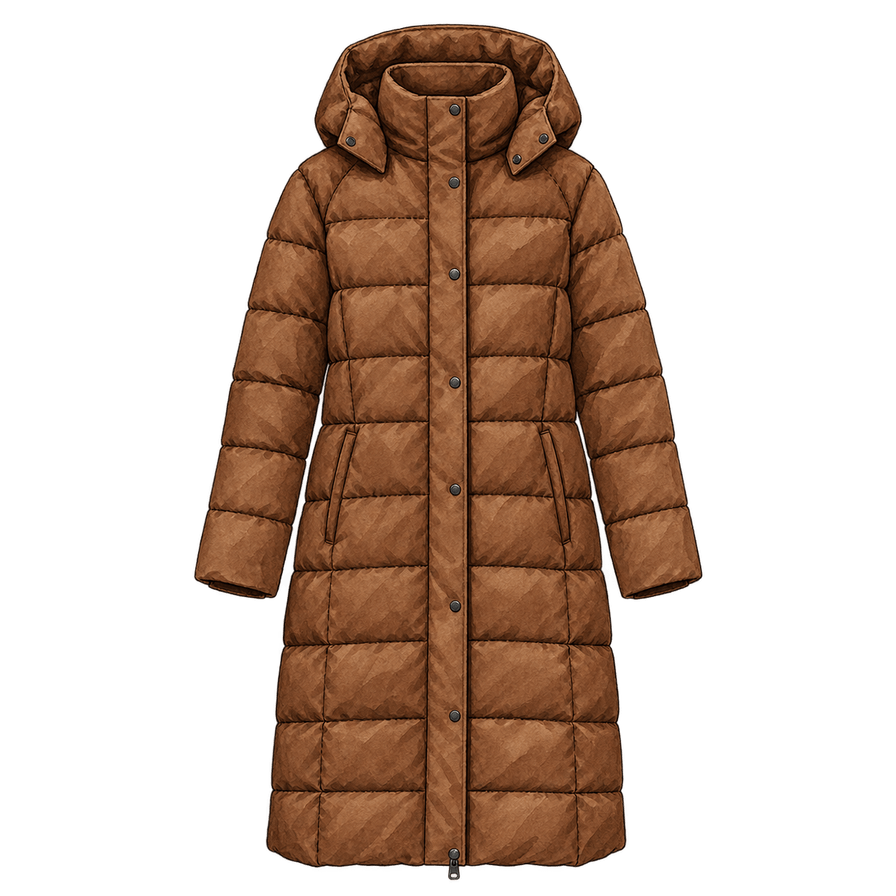 01Tobacco-brown down coat, below the knee, hood
JMA's Kyoto record counts snow falling on 16.3 January days and lying on about 1.3, so you dress for flurries, not drifts. A quilted down coat that ends below the knee sheds dry flakes, keeps your legs warm on the 7.4 mornings that start below freezing, and its hood replaces an umbrella on a snowy walk to Ginkaku-ji. Tobacco brown sits with the grey knit and the deep brown flannel.
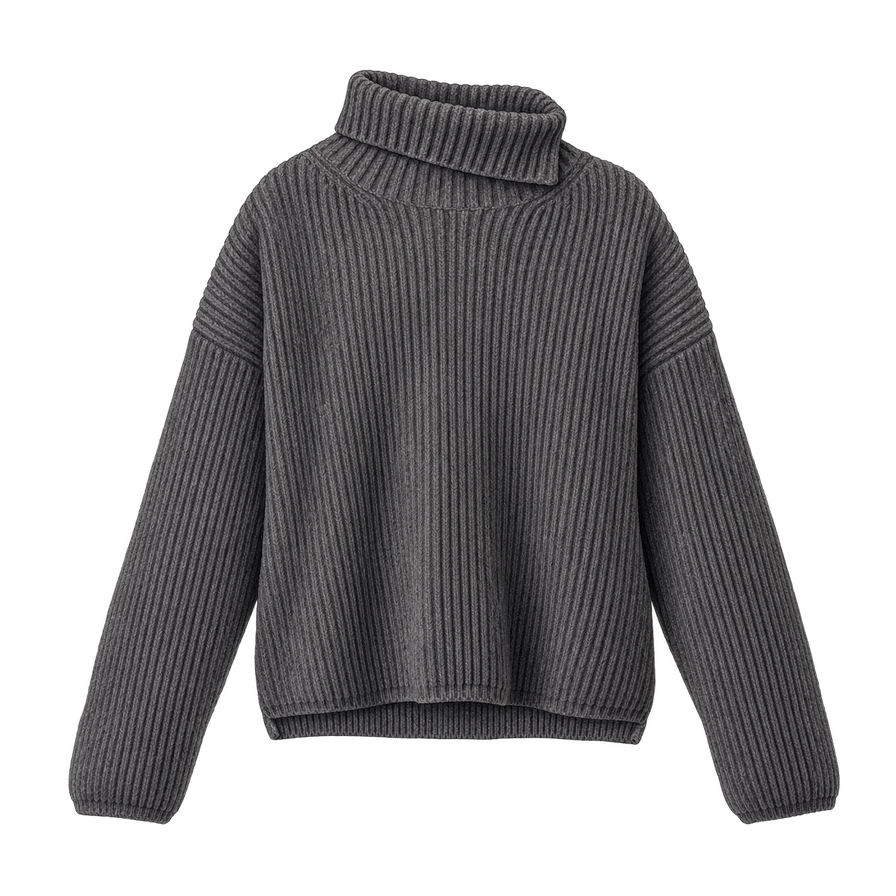 02Heather-grey chunky turtleneck
Your warm layer and your scarf in one. A chunky roll covers your neck under the open coat in a garden at 9°C / 48°F, and there is nothing to slip off when you kneel on tatami at a special opening. In a heated café on Shijō it pulls off without unwinding anything.
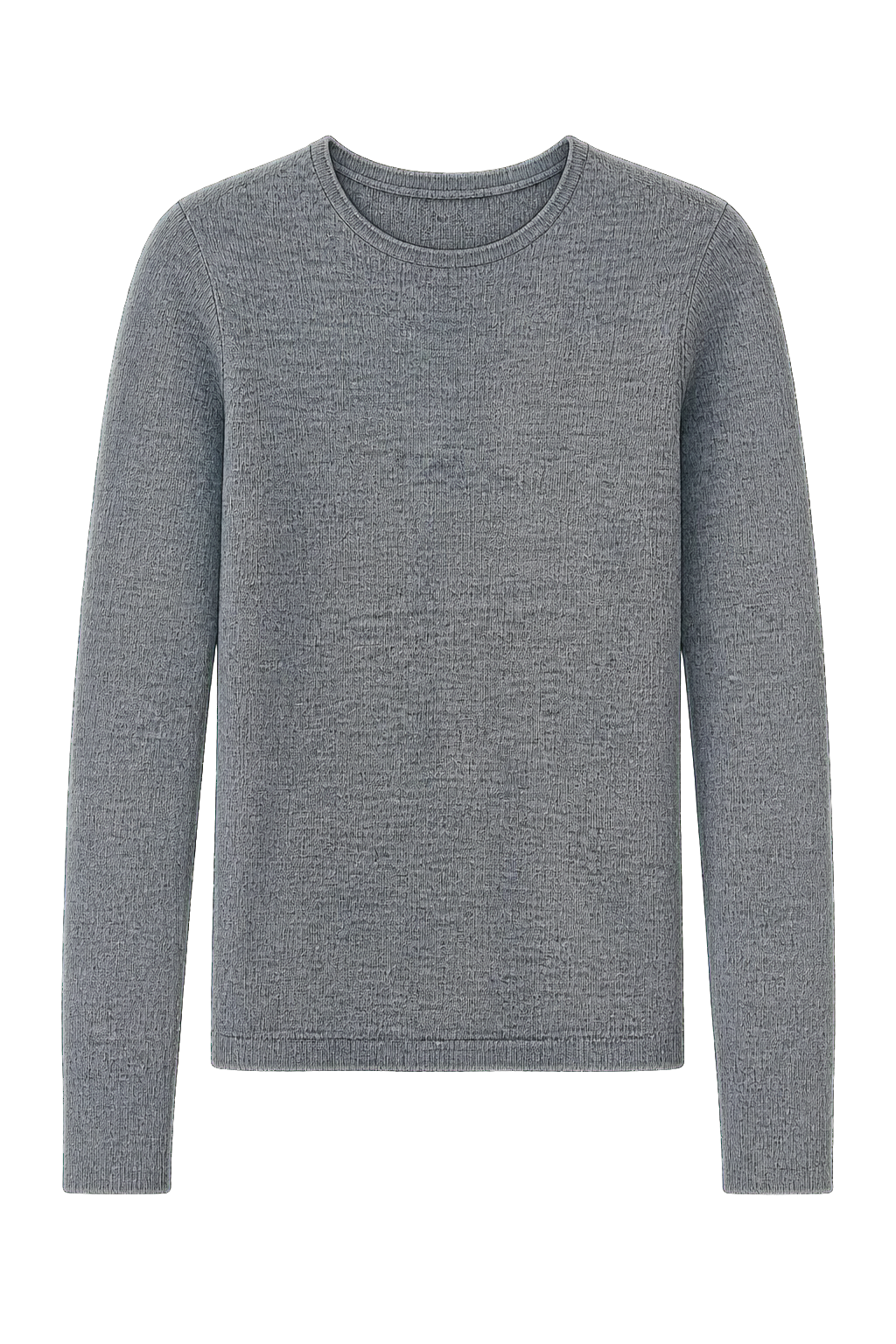 03Slate merino base layer, long sleeves
Merino next to the skin for days spent between unheated halls and heated trains. On the 7.4 frost mornings it is the layer doing the work; in a warm restaurant it is the one that stays on when the turtleneck comes off, and wool handles that swing without turning clammy.
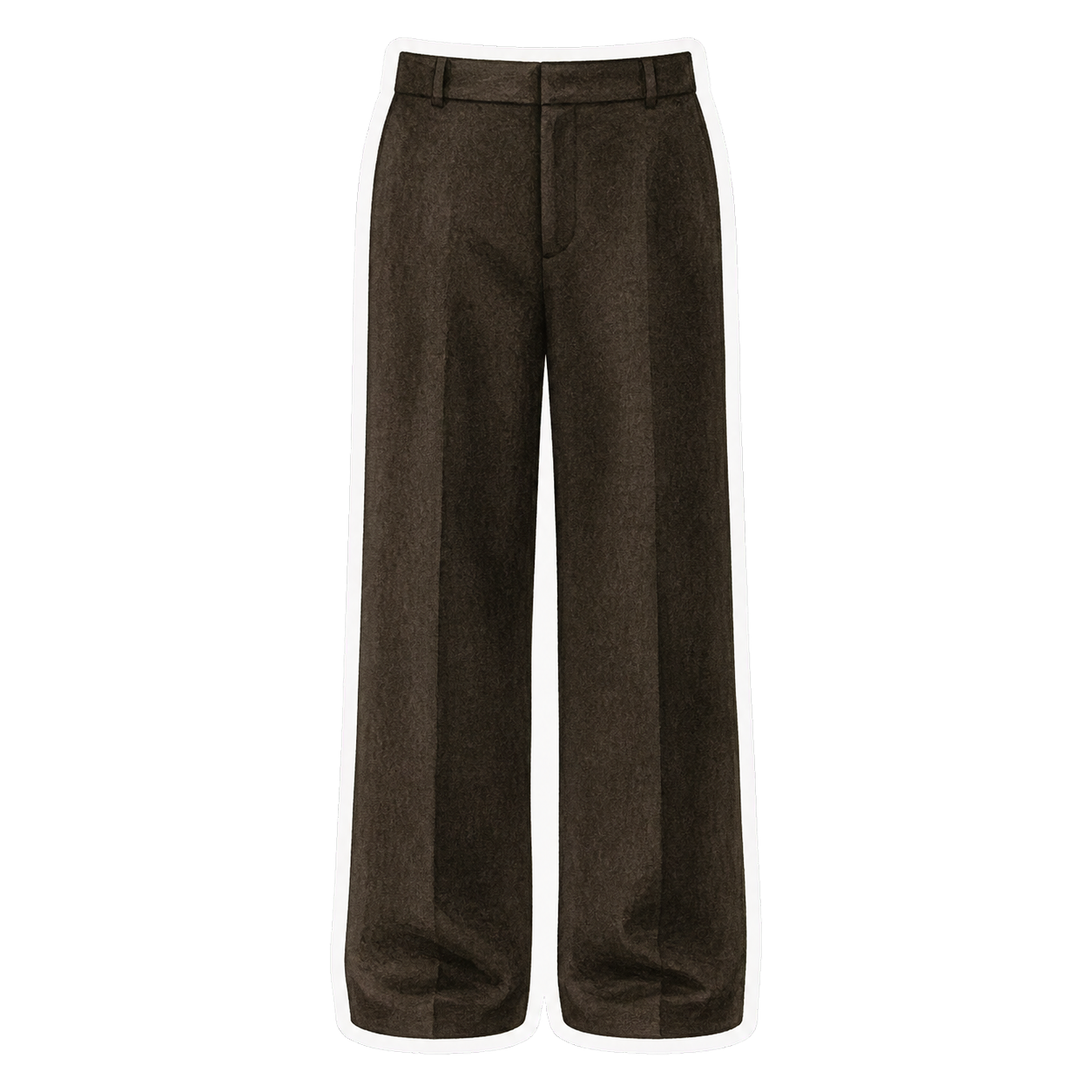 04Deep brown wool-flannel trousers, straight leg
Covered legs at every hall, and flannel because it holds heat while you stand: an hour in the Tōka Ebisu crowd at about 2°C / 36°F, or a morning kneeling on tatami. A straight leg falls cleanly over the ankle boot. Deep brown hides the grit of a gravel temple path better than black.
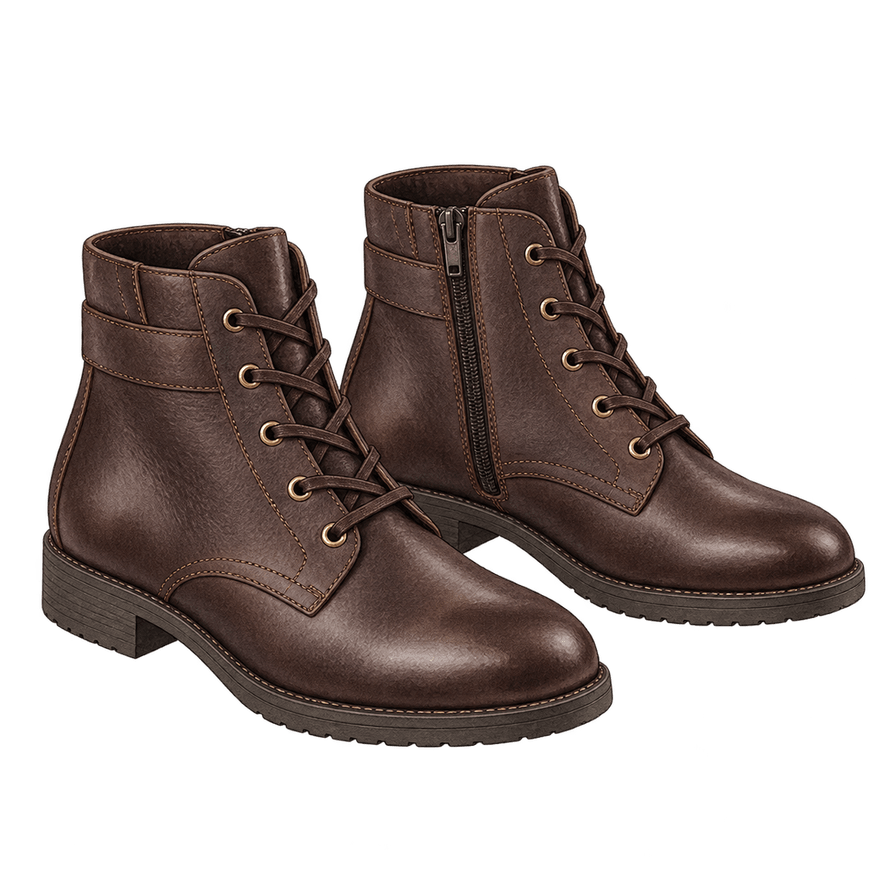 05Dark brown leather ankle boots, laced, with a side zip
Laces hold the boot firm on wet stone after a flurry; the side zip means you never untie them. Shoes come off at every hall of a special opening and at most ryokan doors, so you are out of these in one pull and back in without kneeling on the step.
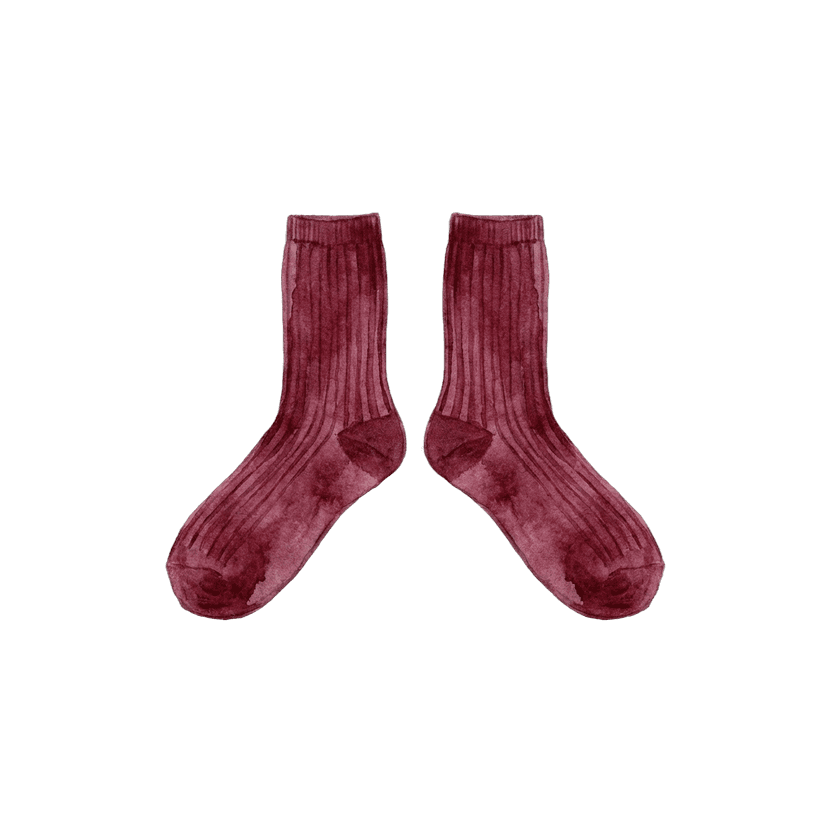 06Burgundy ribbed crew socks
In January you spend more time on unheated wooden floors than in your boots, so pack three pairs of thick ribbed socks. Burgundy looks intended when your shoes are off in front of a screen painting, which plain black does not.
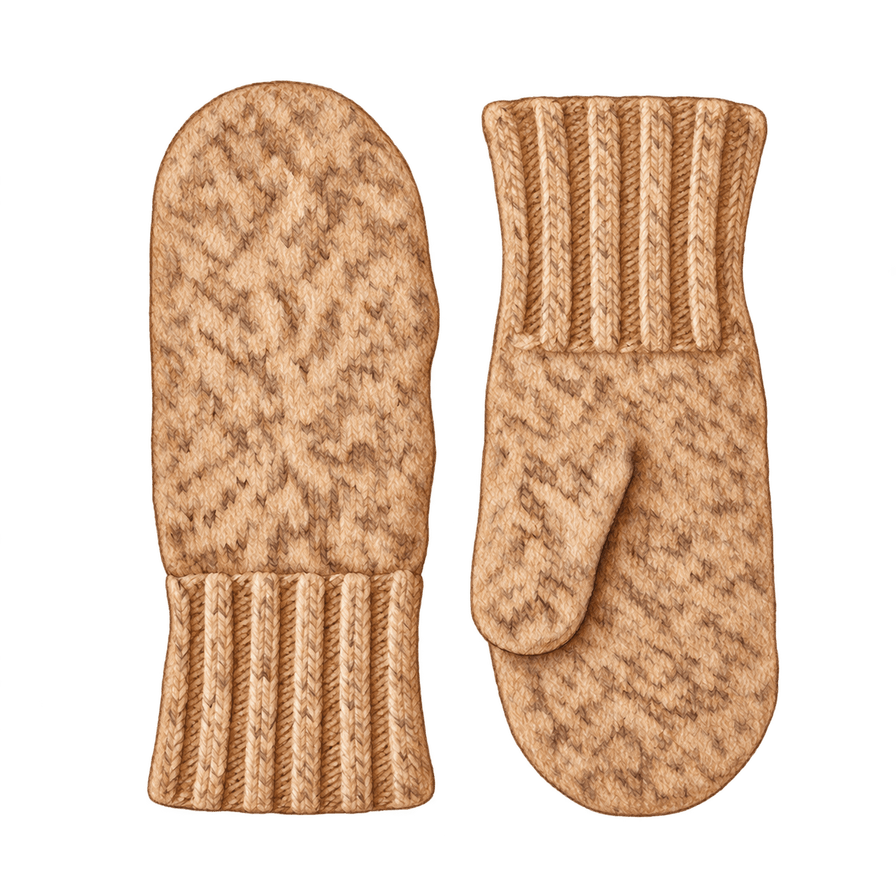 07Camel lambswool knit mittens, fleece-lined
Mittens are warmer than gloves on a 1.5°C evening, and they come off in one move. On Monday 11 January, Coming of Age Day, Gion maiko hand out lucky bamboo at Kyoto Ebisu Jinja from 2pm to 4pm and Miyagawa-chō maiko from 8pm to 10pm, and you take it bare-handed.
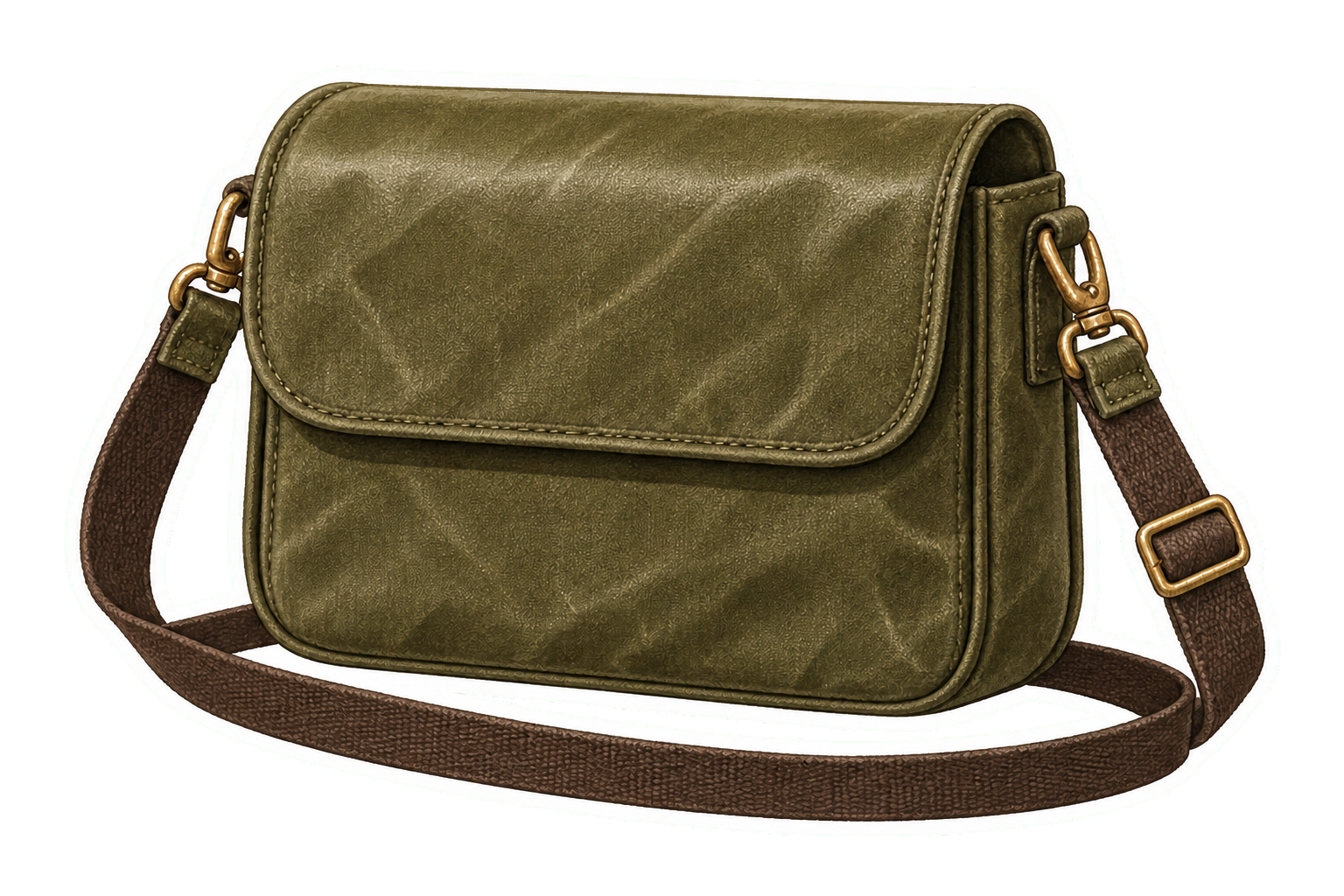 08Olive waxed-canvas flap crossbody
Waxed canvas sheds a flurry, and a flap closes without a zip you would fumble in mittens. Worn in front, it rides through the Tōka Ebisu crowd and holds an IC card, a goshuin book and the paper charms you buy at the shrine. Olive is the one colour in a capsule of tobacco, grey and brown.
Day to night
Slate merino · grey turtleneck · deep brown flannel trousers · burgundy socks · side-zip boots · tobacco coat open · olive crossbody. A temple garden in the morning, boots off at the hall door, then noodles near Shijō while the flurries pass.
Same layers · coat zipped, hood up · camel mittens. Kyoto Ebisu Jinja on Monday 11 January, Coming of Age Day: Miyagawa-chō maiko hand out lucky bamboo from 8pm to 10pm, at about 2°C / 36°F.
A suggested look — tobacco brown long down coat, heather grey chunky turtleneck, deep brown wool trousers, dark brown ankle boots, camel wool mittens.
What to avoid
- Snow boots — snow lies 1cm deep on only about 1.3 January days
- Boots you have to unlace — shoes come off at every hall
- A hip-length jacket for Tōka Ebisu — the gates stay open all night on the 9th and 10th
- Quiet temples on 1–3 January — the city is at hatsumōde
- Special openings in the first week — in 2026 they began on 9 January
Frequently asked questions
Japan Meteorological Agency figures for the Kyoto station give January an average high of 9.1°C and a low of 1.5°C, with 53.3mm of rain across about 6.4 days of 1mm or more and 123.5 hours of sun. Nights fall below freezing on about 7.4 days. The month cools as it goes: JMA's ten-day normals run from 9.4°C and 1.7°C in the first ten days to 8.7°C and 1.1°C in the last, and the coldest nights of the year arrive in early February. Daylight grows from 9 hours 51 minutes on 1 January to 10 hours 27 minutes on the 31st.
Often, but it rarely stays. JMA counts snow falling on 16.3 January days at the Kyoto station, about half the month, and snow 1cm or deeper on the ground on about 1.3. The Kyoto City Tourism Association describes the setting: a basin ringed by mountains on three sides that send cold wind down into the city, which gets little snow despite the cold. Pack for flurries and wet stone, not for drifts.
A tobacco down coat that ends below the knee, a heather-grey chunky turtleneck, a slate merino base layer, deep brown wool-flannel trousers, dark brown ankle boots with a side zip, three pairs of burgundy wool socks, camel mittens and an olive waxed-canvas crossbody. That covers a 9°C / 48°F temple morning in your socks, a flurry on the walk, and a 2°C / 36°F evening at Tōka Ebisu. Leave snow boots and laced boots without a zip at home.
Kyoto Ebisu Jinja holds Tōka Ebisu from 8 to 12 January every year, with its gates open all night on the 9th and 10th; on the 11th, Gion maiko hand out lucky bamboo from 2pm to 4pm and Miyagawa-chō maiko from 8pm to 10pm. In 2027 the 11th is Coming of Age Day, which JNTO describes this way: "Following hot on the heels of New Year, Japan celebrates Coming of Age Day on the second Monday of January at city, town and village halls and public facilities across the country." Wear a long coat for standing in the crowd at about 2°C / 36°F, mittens that come off fast, and a bag worn in front.
Not yet announced. The Ōmato archery contest, descended from the Edo-period Tōshiya, is held on a Sunday in mid-January: in 2026 it ran on Sunday 18 January from 9am to 3:30pm, with the temple grounds open free for the day. About 2,000 archers take part, and the new adults shooting in festive kimono are the sight Kyoto City highlights. Check Kyoto City's official travel guide in December for the 2027 date, and dress for hours standing still outdoors: long coat, mittens, wool socks.
About two degrees colder at both ends of the day: JMA gives December 11.6°C and 3.5°C and January 9.1°C and 1.5°C, with frost nights rising from about 2 to 7.4 and snow falling on 16.3 days against about 7. Our December guide builds around a long wool coat for the basin cold and the Kaomise at Minamiza; January trades it for a hooded down coat that sheds flurries. December ends the maple season; January opens with hatsumōde and then becomes the quietest month in the city's temples.
Sources
- Japan Meteorological Agency — 1991–2020 climate normals, Kyoto station
- Japan Meteorological Agency — Kyoto station normals, monthly values (1991–2020) — accessed 2026-09-27
- Japan Meteorological Agency — Kyoto station normals, ten-day values (1991–2020) — accessed 2026-09-27
- Japan Meteorological Agency — Kyoto station normals: snow days, snow cover and days below 0°C (1991–2020) — accessed 2026-10-02
- National Astronomical Observatory of Japan — Kyoto sunrise and sunset, January 2027 — accessed 2026-10-02
- Kyoto City Official Travel Guide — Seasonal information (a basin ringed by mountains; cold winds, little snow) — accessed 2026-10-02
- Japan National Tourism Organization — Shrine and temple traditions — accessed 2026-09-29
- Japan National Tourism Organization — Japan in January (Coming of Age Day, hatsumōde) — accessed 2026-10-02
- Cabinet Office — National holidays 2026 and 2027 (Coming of Age Day, Monday 11 January 2027) — accessed 2026-10-02
- 京都ゑびす神社 — 十日ゑびす大祭 (8–12 January; open all night on the 9th and 10th; Gion and Miyagawa-chō maiko on the 11th) — accessed 2026-10-02
- Kyoto City Official Travel Guide — 通し矢 / 大的大会 at Sanjūsangen-dō, Sunday 18 January 2026 (2027 date not yet posted) — accessed 2026-10-02
- Kyoto City Tourism Association — 京の冬の旅 2026: special openings 9 January–18 March at 15 sites, ¥800 each — accessed 2026-10-02