What to Wear in Osaka in January
Osaka in January: 10°C / 50°F afternoons, 3°C / 37°F nights, 146.5 hours of sun and a month spent outdoors in crowds.
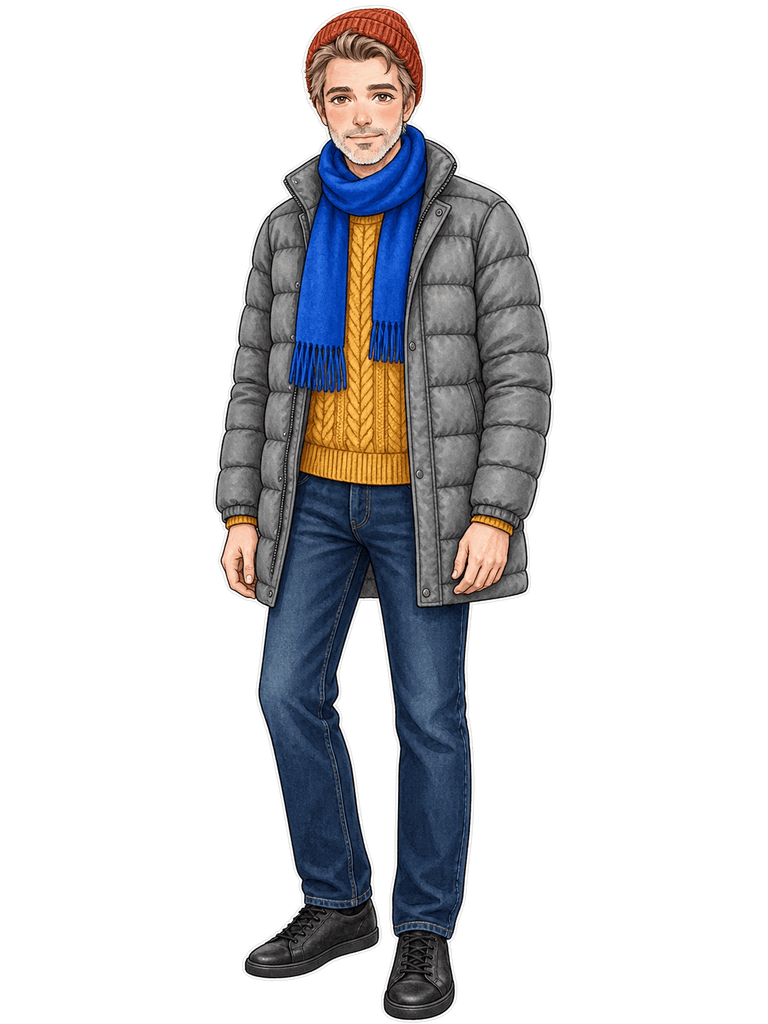
- Stone-grey down jacket, mid-thigh — standing in a crowd at 3°C / 37°F, legs free for the walk
- Old gold cable crew — the colour of the gold coins tied to Ebisu's lucky bamboo
- Dark-wash straight jeans — 5.6 wet days, and a street-food spill disappears into them
- Black leather sneakers — Osaka walks, and leather wipes clean
- Rust beanie and cobalt scarf — Osaka's wind averages 2.4 m/s against Kyoto's 1.7
- Black belt bag worn in front — both hands free for a bamboo branch and a takoyaki tray
- A long coat in the Tōka Ebisu crowd — you stand shoulder to shoulder for an hour
- An umbrella — rain on about 6 days, and the crowd has no room for one
- Booking January for the Midōsuji lights — they end on 31 December
- Assuming trains run all night on New Year's Eve — in 2025 Nankai and the Hankai tram did not
Dress for standing in a crowd. JMA's normals for the Osaka station give January 9.7°C by day and 3.0°C at night, 47.0mm of rain over 5.6 days and 146.5 hours of sun, against Kyoto's 123.5. Frost comes on about 2 mornings and snow falls on 4.7 days without settling. The difference you feel is wind: 2.4 m/s on average, against Kyoto's 1.7. And the month is lived outside. Sumiyoshi Taisha says two million people come each January for hatsumōde, and the Osaka Convention & Tourism Bureau writes that at Imamiya Ebisu "the shrine bustles with a crowd of over a million worshippers during the three-day Toka-Ebisu Festival", from the 9th to the 11th. So pack a down jacket short enough to move in, a knit with weight, a hat and scarf for the wind, and nothing that needs a hand to carry.
Osaka spends January outdoors. A million people queue for a bamboo branch at Imamiya Ebisu, and the city eats its New Year standing up.
The capsule
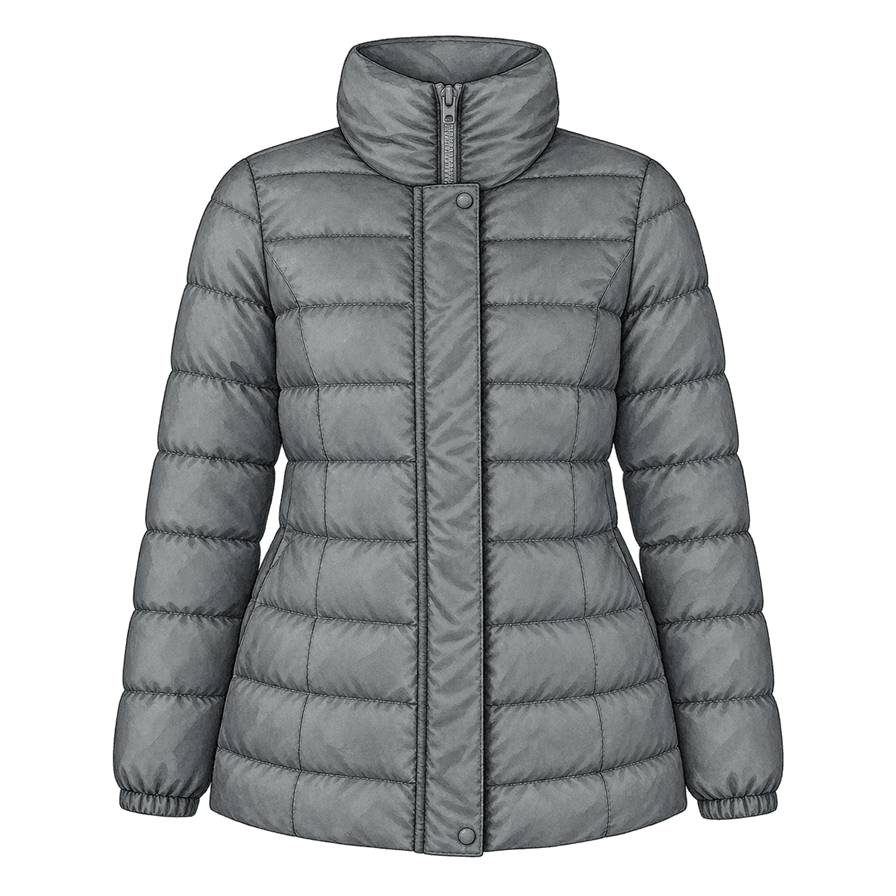 01Stone-grey down jacket, stand collar, mid-thigh
An hour shoulder to shoulder at Imamiya Ebisu at 3°C / 37°F is a job for down, and mid-thigh is long enough to cover your hips while leaving your legs free on the walk from the station. A stand collar closes against Osaka's 2.4 m/s wind. Stone grey lets the old gold knit and the cobalt scarf carry the colour.
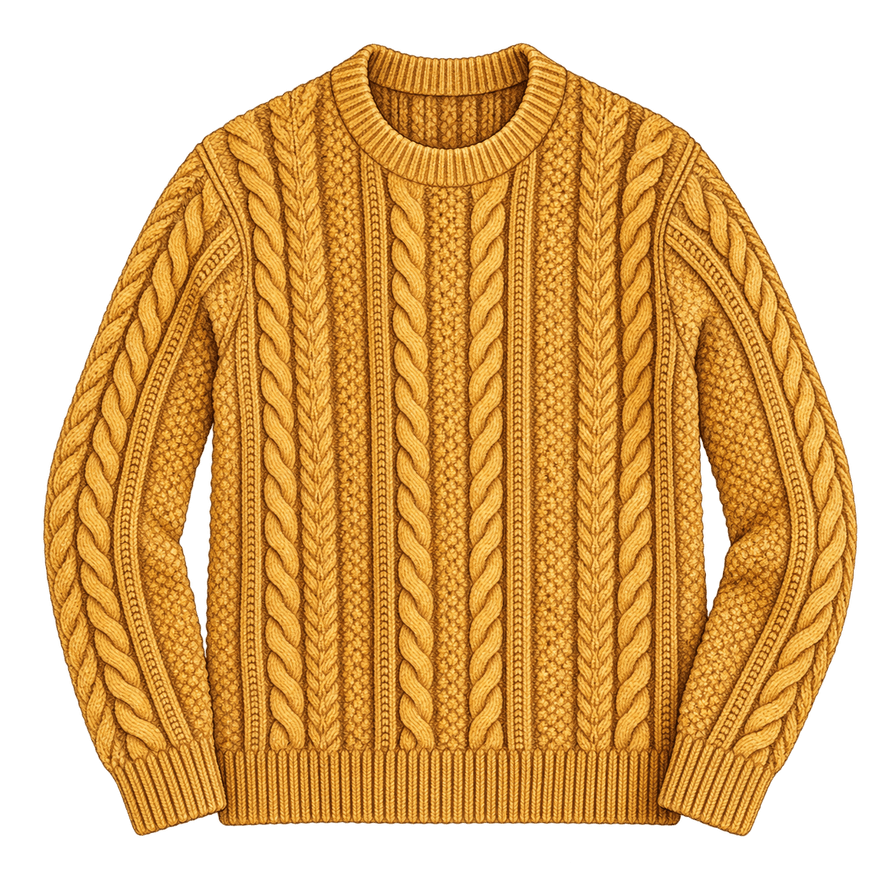 02Old gold cable-knit crew
Thick cables trap heat under the open jacket on a 10°C / 50°F afternoon in Namba. Old gold is a nod to the season: the Osaka Convention & Tourism Bureau describes Ebisu's lucky bamboo hung with small treasures, oval gold coins among them, and the knit reads as festive without a costume.
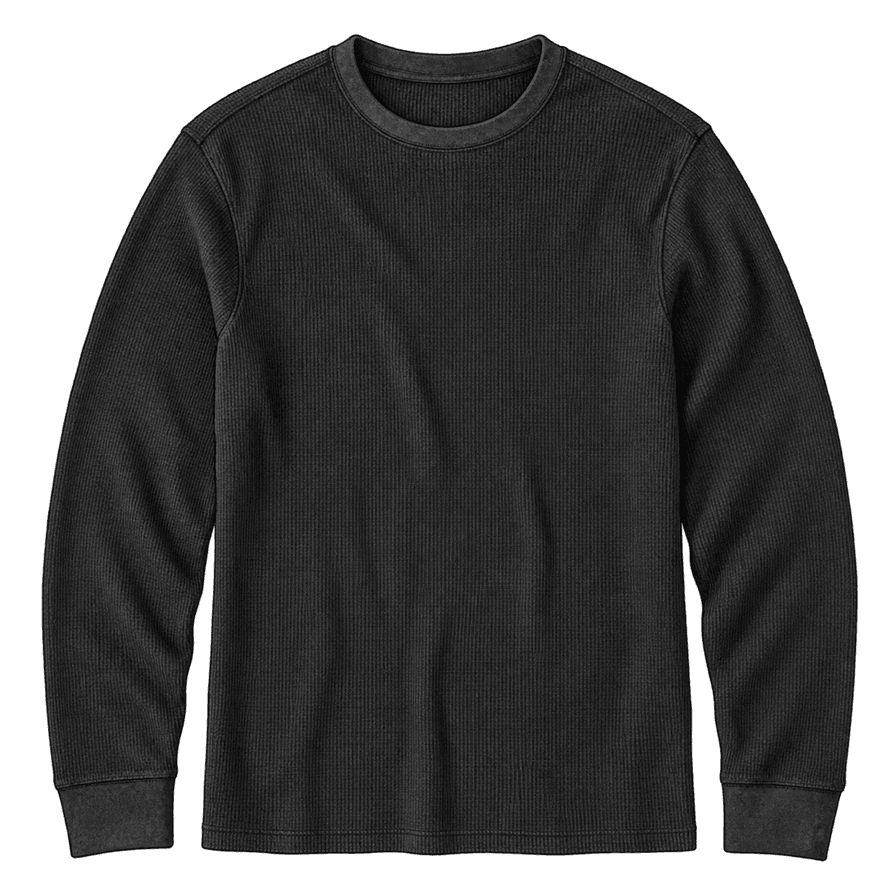 03Black waffle thermal top
A waffle weave holds warm air next to the skin for the coldest hour, which in Osaka is a night queue rather than a morning walk. It stays on when the crew comes off in a heated department store, and black disappears under any knit.
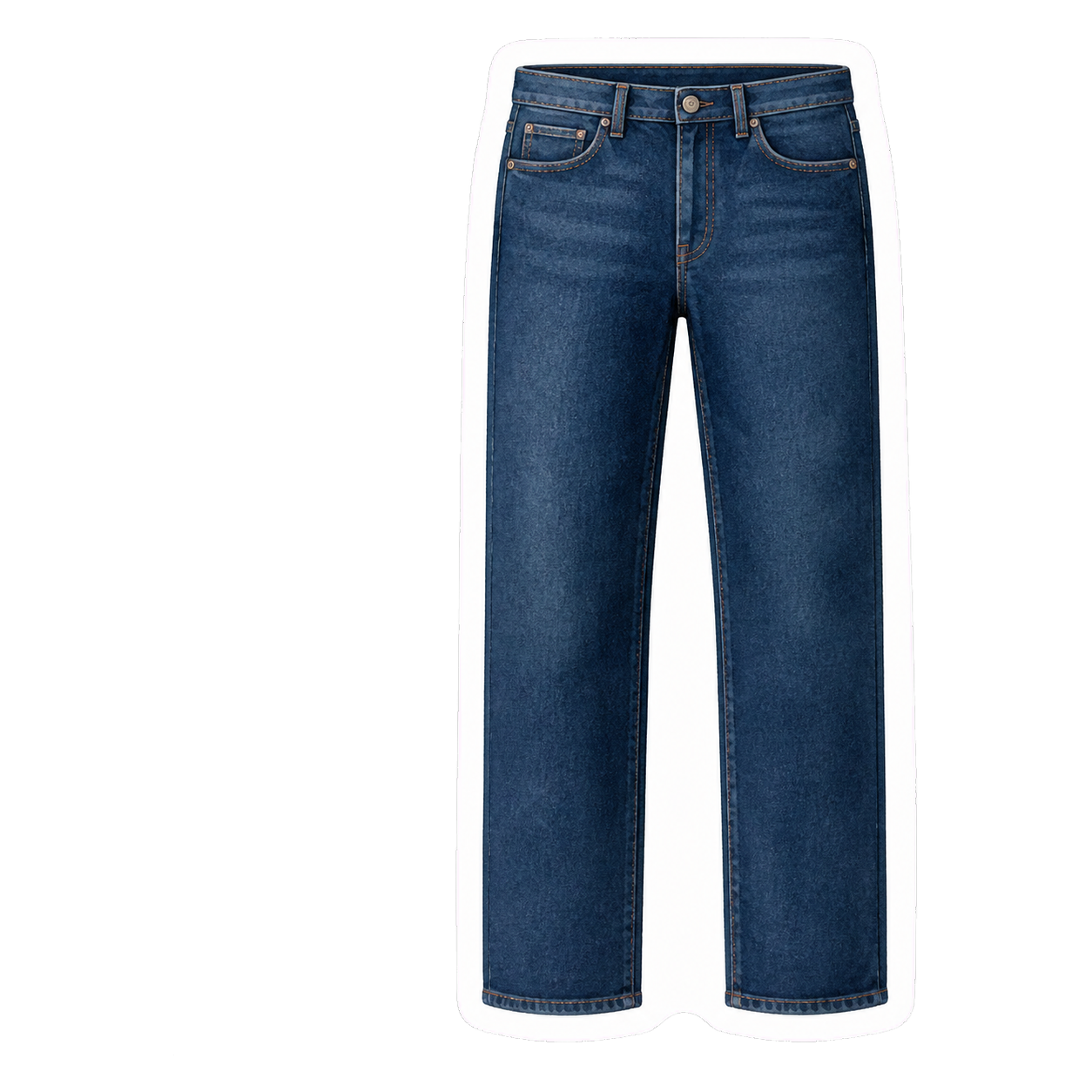 04Dark-wash straight jeans
Rain falls on about 5.6 January days, mostly light, and dark denim shrugs off a wet bench and a drip of takoyaki sauce. A straight leg sits neatly on a low sneaker. Dense denim blocks the wind better than a thin chino.
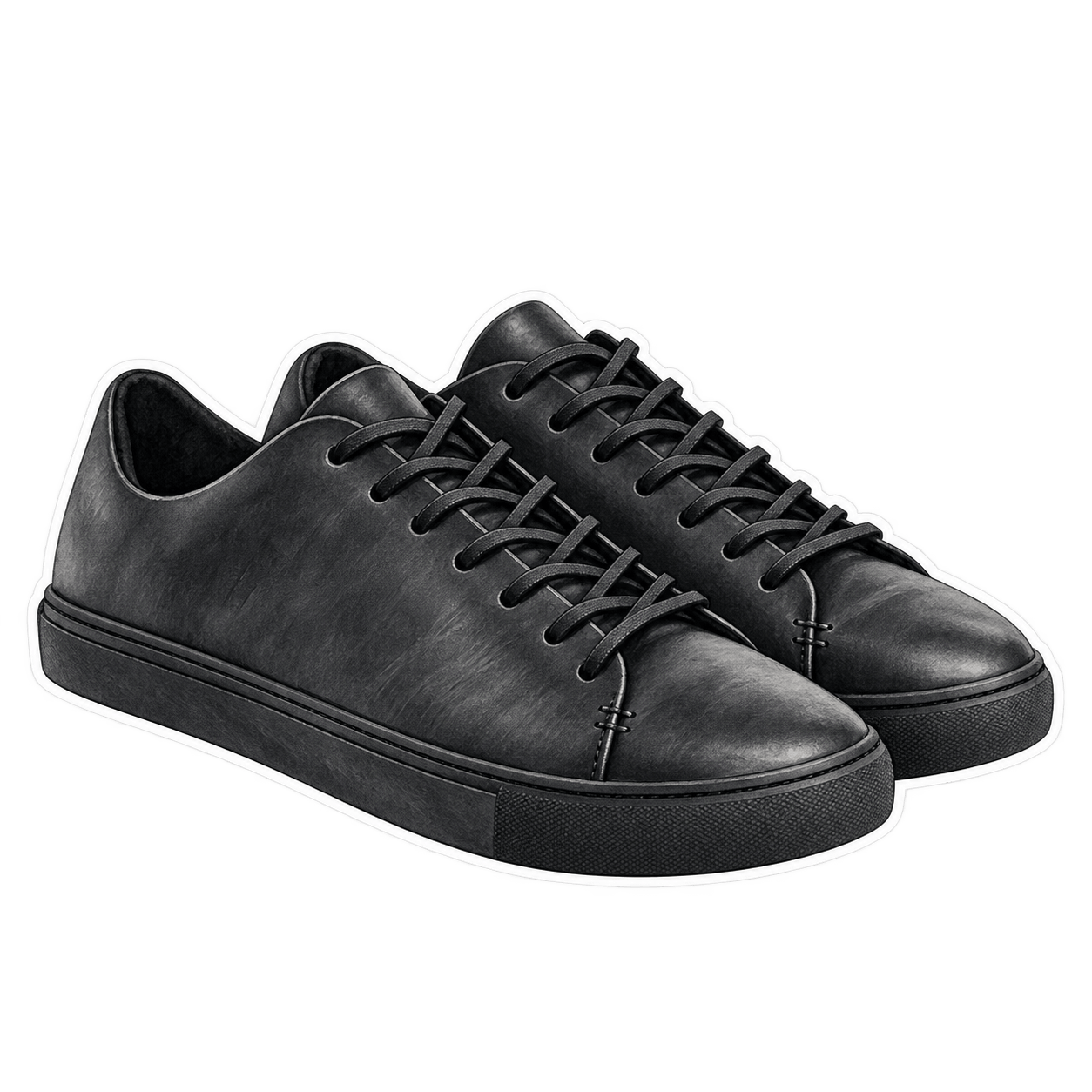 05Black leather low-top sneakers
Osaka is walked: Dōtonbori to Shinsaibashi, Ebisuchō to the shrine, the long corridors of Umeda station. Leather keeps a wet pavement out on the 5.6 rainy days and wipes clean after a crowd, and black reads as finished with dark denim.
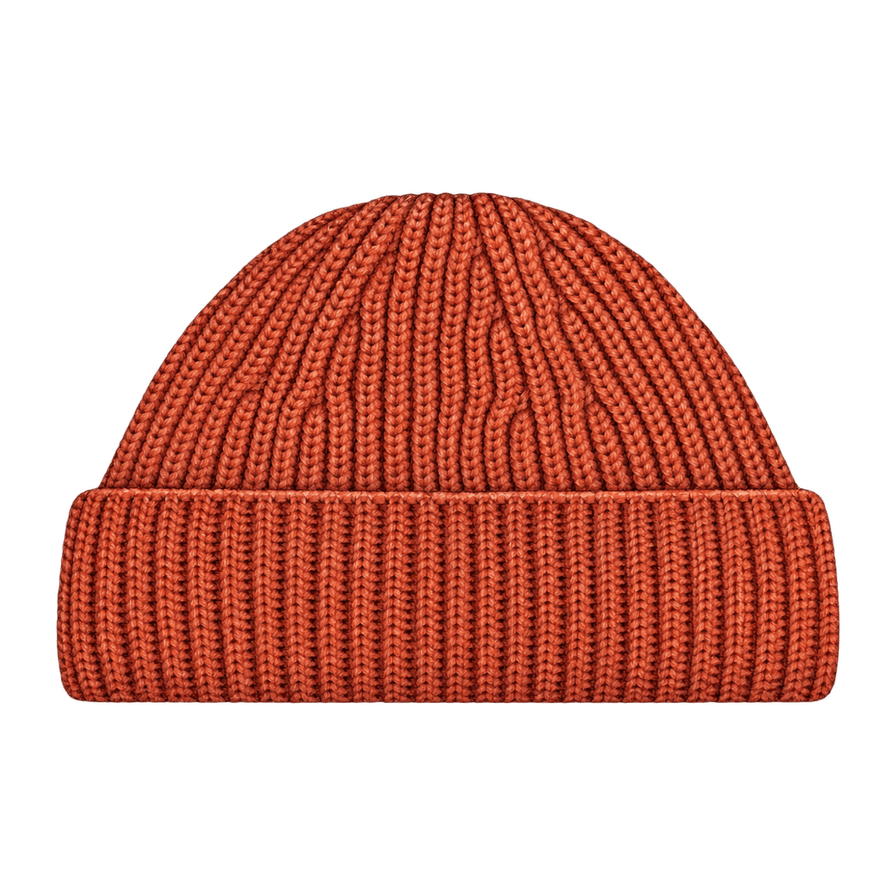 06Rust ribbed wool beanie
Osaka's January wind averages 2.4 m/s, about 40% more than Kyoto's 1.7, and it is the reason the city feels colder than its 3°C / 37°F nights. A ribbed beanie covers your ears in a queue and folds into a pocket. Rust sits between the old gold and the grey.
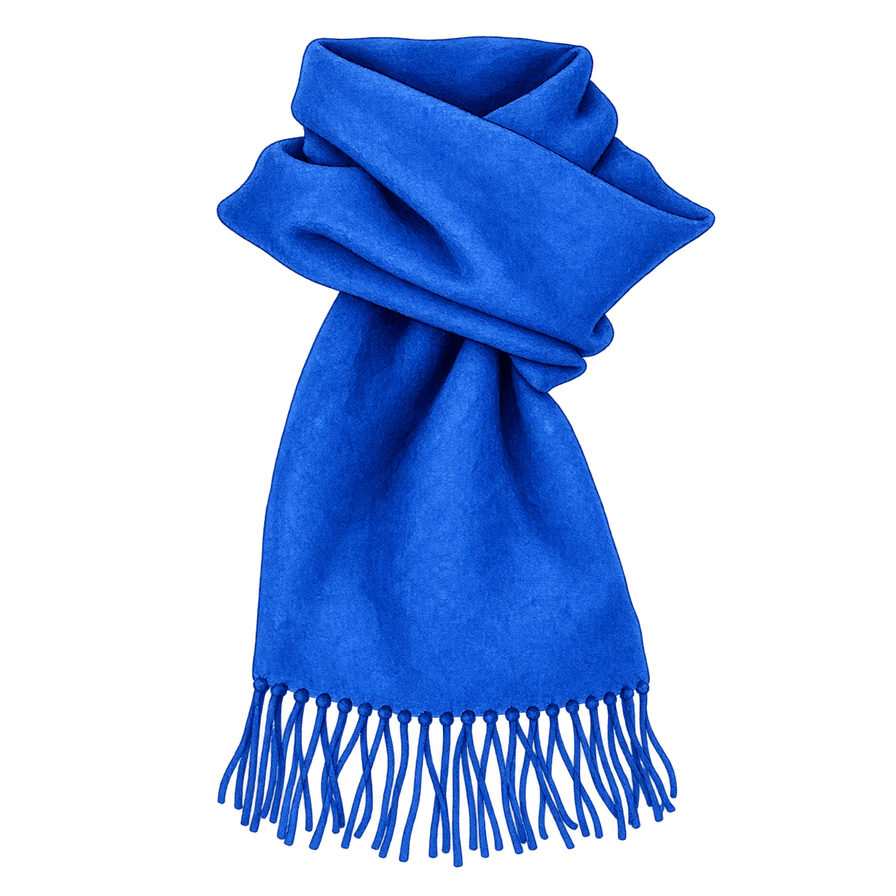 07Cobalt fine lambswool scarf
Wound once, it closes the gap at the jacket's collar in the wind; unwound, it is the brightest thing in the photograph at a shrine full of dark coats. Fine lambswool packs small and does not itch against the neck after six hours outdoors.
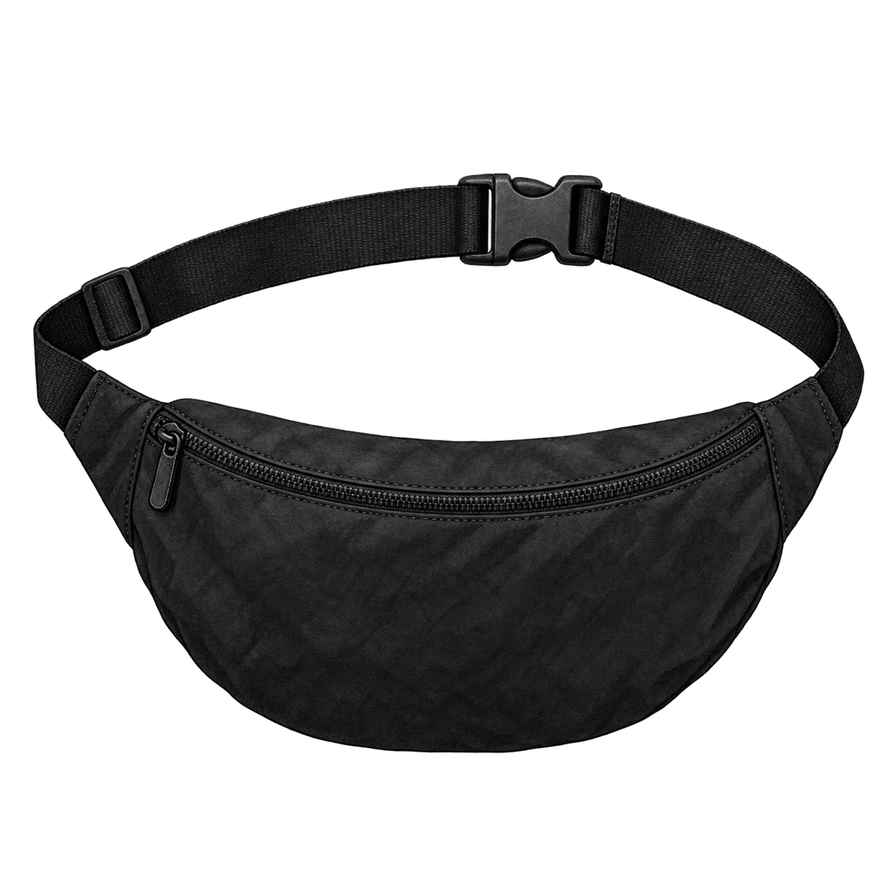 08Black nylon crescent belt bag
Worn across the chest, zipped, it leaves both hands free: one for the bamboo branch at Imamiya Ebisu, one for a tray of takoyaki. Nylon shrugs off rain, and the crescent shape sits flat in a crowd where a shoulder bag swings into the person behind you.
Day to night
Black thermal · old gold crew · dark jeans · black sneakers · grey down jacket open · belt bag across the chest. Sumiyoshi Taisha after the first three days, then lunch standing at a counter in Namba.
Same layers · jacket zipped · rust beanie · cobalt scarf wound once. Imamiya Ebisu on Sunday 10 January, the main day of Tōka Ebisu, when the Osaka Convention & Tourism Bureau lists the shrine open through the night, at about 3°C / 37°F.
A suggested look — stone grey down jacket, old gold cable-knit sweater, dark wash straight jeans, black leather sneakers, rust wool beanie.
What to avoid
- A long coat in a standing crowd — over a million people at Tōka Ebisu in three days
- An umbrella — about 5.6 wet days, and no room to open it
- The Midōsuji lights — they end on 31 December
- All-night trains on New Year's Eve — in 2025 Nankai and the Hankai tram did not run them
Frequently asked questions
Japan Meteorological Agency figures for the Osaka station give January an average high of 9.7°C and a low of 3.0°C, with 47.0mm of rain across about 5.6 days of 1mm or more and 146.5 hours of sun. Frost comes on about 2 nights, and snow is seen falling on 4.7 days without lying. JMA's ten-day normals cool from 10.1°C and 3.3°C in the first ten days to 9.2°C and 2.7°C in the last. Daylight grows from 9 hours 53 minutes on 1 January to 10 hours 29 minutes on the 31st.
A stone-grey down jacket to mid-thigh, an old gold cable-knit crew, a black waffle thermal, dark-wash straight jeans, black leather sneakers, a rust beanie, a cobalt lambswool scarf and a black belt bag. That covers a 10°C / 50°F afternoon on foot, a windy night queue at about 3°C / 37°F, and street food eaten standing. Leave the long coat and the umbrella at home.
Tōka Ebisu is the festival of Ebisu, the god of business, held at Imamiya Ebisu Jinja from 9 to 11 January; in 2027 that is a Saturday to Monday, ending on Coming of Age Day. The Osaka Convention & Tourism Bureau counts over a million worshippers across the three days, lists the shrine open from midnight on the 9th to midnight on the 11th, and places the Hōekago palanquin procession on the 10th. Fuku-musume, the festival's lucky maidens, hand out the bamboo, hung with charms. Wear a jacket short enough for a crowd, a hat against the wind, and a bag worn in front with both hands free.
By day they are almost level, 9.7°C in Osaka against 9.1°C in Kyoto, on JMA's figures. At night Osaka is about 1.5°C milder, 3.0°C against 1.5°C, with frost on about 2 nights against Kyoto's 7.4, and it gets 23 more hours of sun. Osaka is windier, though, at 2.4 m/s against 1.7, so a hat and scarf earn their place. Snow falls in Osaka on 4.7 days and in Kyoto on 16.3; it lies in neither for long.
Hatsumōde first: Sumiyoshi Taisha says "Two million people come to Sumiyoshi Taisha each January for hatsumōde, the traditional first shrine visit of the year." Then Tōka Ebisu at Imamiya Ebisu from the 9th to the 11th, and Osaka Tenmangū's own Ebisu festival on the same days, its Tondo fire on the 15th and Hatsu-Tenjin on the 24th and 25th, with 2027 times posted closer to the date. The Osaka International Women's Marathon starts at 12:15 on Sunday 31 January at Yanmar Stadium Nagai. The Midōsuji Illumination does not run into January.
Fourteen degrees colder by day and thirteen at night: JMA gives October about 24°C / 75°F and 16°C / 61°F, and January 9.7°C and 3.0°C. Rain falls by two-thirds, from 136mm to 47mm. Our October guide builds around one light jacket, a fine-gauge knit and straight jeans; January keeps the jeans and the leather sneaker and adds a down jacket, a heavy knit, a thermal and a hat for the wind.
Sources
- Japan Meteorological Agency — 1991–2020 climate normals, Osaka station
- Japan Meteorological Agency — Osaka station normals, monthly values (1991–2020) — accessed 2026-10-02
- Japan Meteorological Agency — Osaka station normals, ten-day values (1991–2020) — accessed 2026-10-02
- Japan Meteorological Agency — Kyoto station normals, monthly values (1991–2020) — accessed 2026-09-27
- National Astronomical Observatory of Japan — Osaka sunrise and sunset, January 2027 — accessed 2026-10-02
- Osaka Convention & Tourism Bureau — Imamiya Ebisu Shrine (Tōka Ebisu, 9–11 January) — accessed 2026-10-02
- Osaka Convention & Tourism Bureau — 今宮戎神社 十日戎 (from 0:00 on the 9th to 24:00 on the 11th; Hōekago procession on the 10th) — accessed 2026-10-02
- Sumiyoshi Taisha — English guide (two million at hatsumōde; the Sorihashi bridge, steps added in 1955) — accessed 2026-10-02
- 大阪天満宮 — New Year and January rites (Ebisu festival 9–11 January, Tondo 15 January, Hatsu-Tenjin 24–25 January) — accessed 2026-10-02
- Osaka International Women's Marathon — 46th race, Sunday 31 January 2027, 12:15 start, Yanmar Stadium Nagai — accessed 2026-10-02
- City of Osaka — Osaka Festival of Lights 2026 (Midōsuji to 31 December; some area programmes to 31 January 2027) — accessed 2026-10-02
- Cabinet Office — National holidays 2026 and 2027 (Coming of Age Day, Monday 11 January 2027) — accessed 2026-10-02
- Nankai Electric Railway — New Year's Eve 2025: normal holiday timetable, no all-night or extended service — accessed 2026-10-02
- Hankai Tramway — year-end and New Year service 2025–26 (special timetable, last trams unchanged on 31 December) — accessed 2026-10-02