What to Wear with Brown boots
The leather that grounds every outfit it touches.
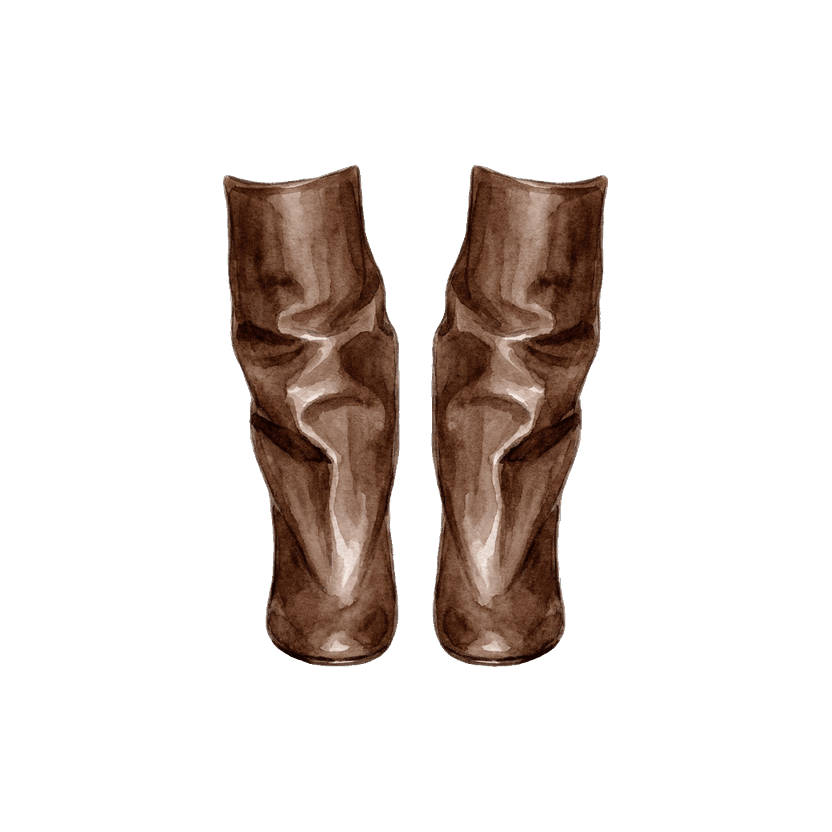
Brown boots are the leather that warms — they ground every outfit they touch and read richer than black against denim, dress, or trouser.
- Mid-blue or dark-wash jeans — denim + brown leather is the foundational pairing
- A floral or printed midi dress — Sienna Miller mid-2000s Coachella uniform
- A rust, olive, or chocolate solid midi dress — autumn tonal
- Cream or olive wide-leg trousers — the tonal trouser route
- A camel barn coat or oversized trench — equestrian lineage
- A cream or oatmeal knit underneath the coat — softens the leather
- Don't pair with black trousers — brown leather + black wool fights, no recovery
- Don't wear with white sneakers as the counterweight — register mismatch
- Don't skip resoling — worn-out heels age the outfit by a decade
Brown boots are the leather that warms. R.M. Williams launched the Australian chelsea in 1932, Frye started the American work-boot tradition in 1863, and the equestrian riding boot has been in the European wardrobe since the 18th century — the heritage runs deep, which is why a well-kept pair of brown boots photographs richer than any other footwear category. Sienna Miller wore knee-high tan boots over denim shorts at Coachella in 2003 and 2004, defining the boho-festival uniform that ran through the decade. Saint Laurent under Hedi Slimane (2012–2016) and Anthony Vaccarello (2016–present) has put knee-high brown boots on every fall runway. Vogue Runway's spring 2026 coverage flags the contemporary Western revival — Isabel Marant, Khaite, Toteme, and Brunello Cucinelli all sent tall brown boots through the collection. The single rule: brown boots fight black trousers the way faded blue denim fights rinse black jeans. Pair brown boots with denim, with cream, with olive, with rust, with chocolate, with camel — never with black wool. The leather wants warm-tone company.
Brown boots fight black trousers the way faded blue denim fights rinse black jeans — the leather wants warm-tone company.
Wear it with
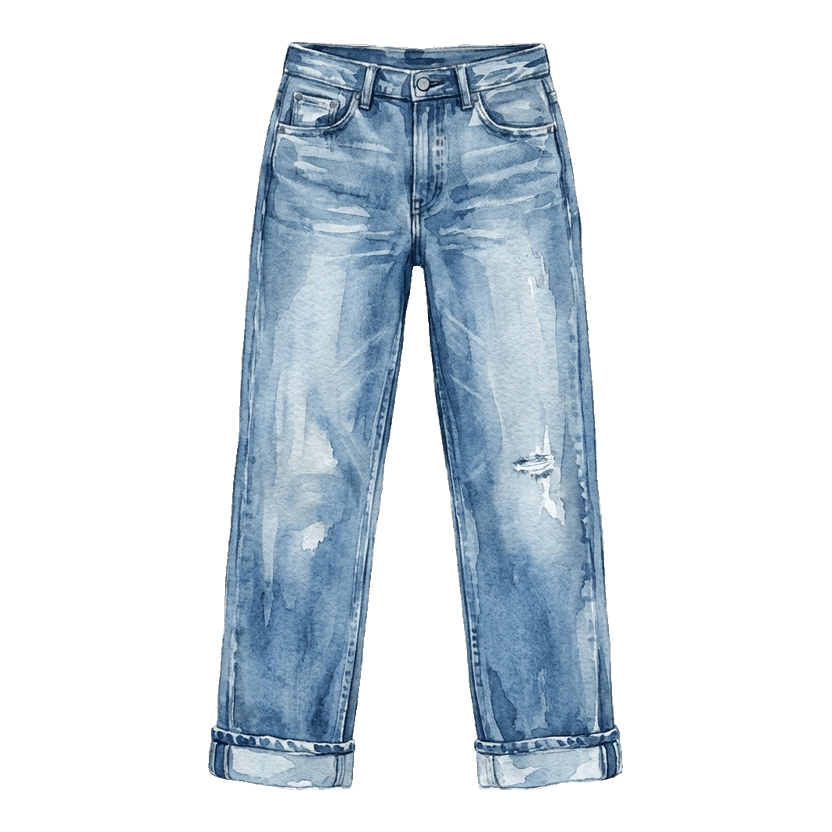 01Mid-blue or dark-wash straight-leg jeans
The foundational pairing. Denim + brown leather is the lineage that runs through every Western, every bohemian Coachella photograph, and every Saint Laurent runway since 2012. Mid-blue beats faded blue (which competes with the boot's warm tone) and beats rinse black (which fights it entirely). Tucked into a knee-high boot for the equestrian register; over the boot for the ankle-boot register.
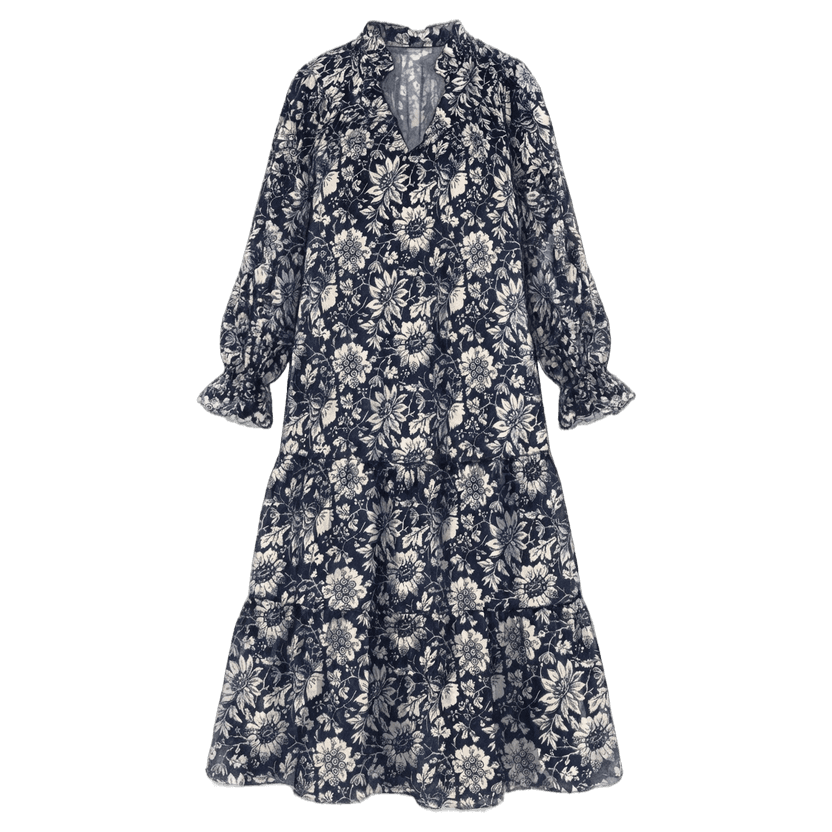 02A floral or printed midi dress
Sienna Miller's mid-2000s Coachella uniform — knee-high tan boots over denim shorts and a flowy floral, photographed across every American fashion magazine 2003–2008 — is still the boho-festival reference. Brown boots ground busy prints in a way black cannot; the leather absorbs the visual chaos of a print and provides a warm-tone counterweight. Free People, Doen, and Reformation each build summer collections around this exact silhouette.
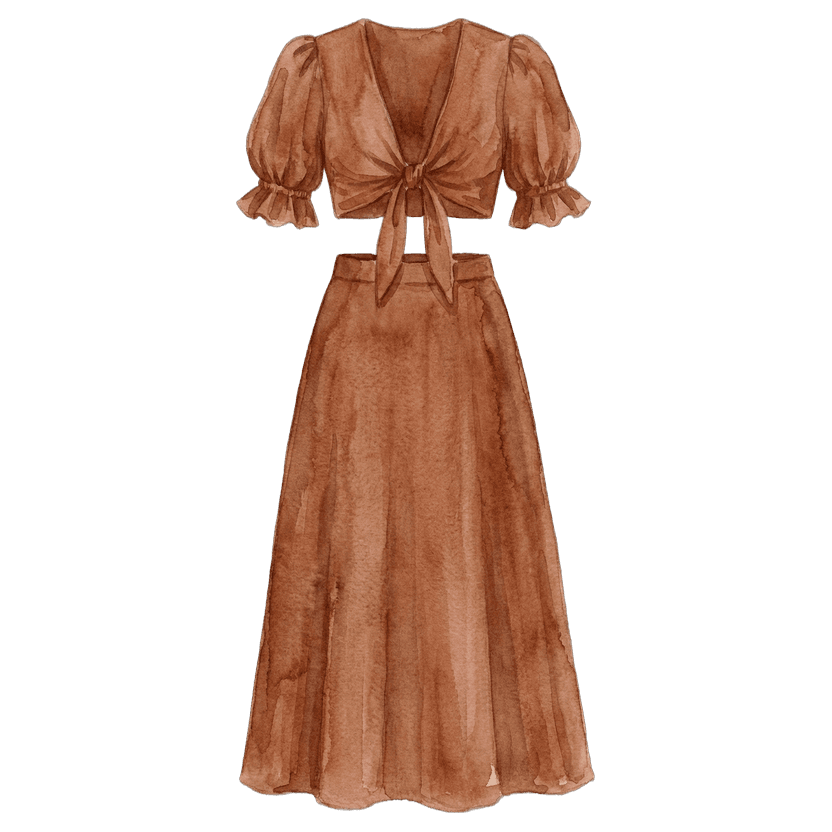 03A rust, olive, or chocolate solid midi dress
The autumn tonal play. A rust-brown midi against cognac boots reads as a single warm-tone column — the eye reads the silhouette as continuous, which lengthens the leg in the way a black-on-black column does in winter. The Row, Toteme, and Khaite have all run this exact pairing in fall lookbooks since 2022. Olive, chocolate, and burgundy work the same way; navy and royal blue do not.
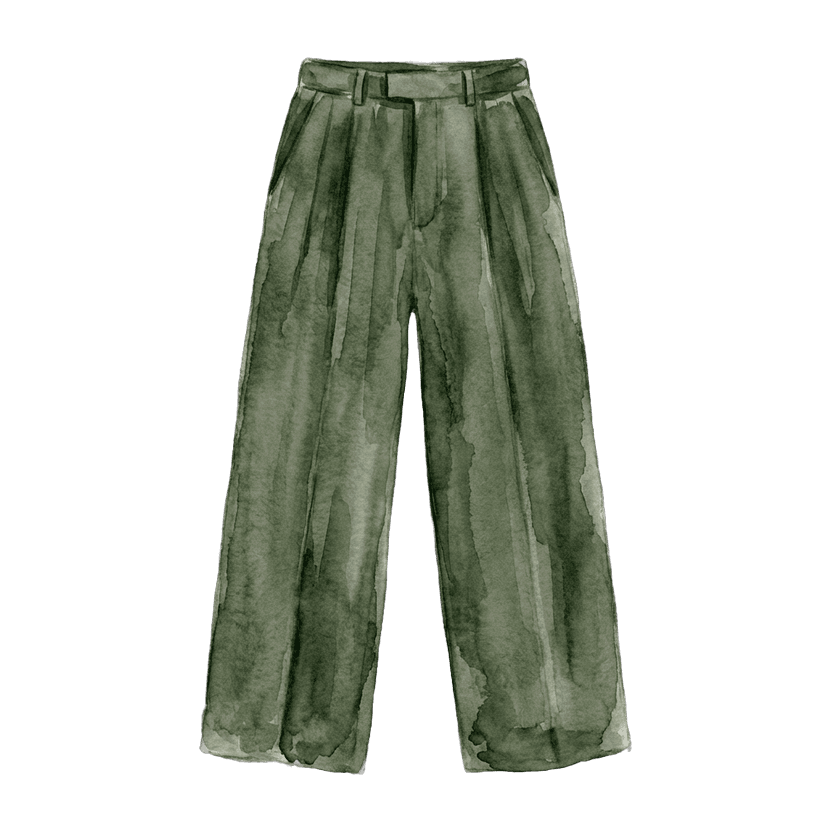 04Olive or cream wide-leg trousers
The tonal trouser route. Olive against brown is the contemporary version of the brown-on-brown rule (cognac boot, chocolate trouser, rust knit reads autumnal in a way Saint Laurent's fall 2024 collection ran straight through). Cream wide-leg trousers + brown boots is the spring counterpart — light at the leg, warm at the foot, the inversion of the leg-void rule that black-jean outfits navigate. Skip black or grey trousers entirely.
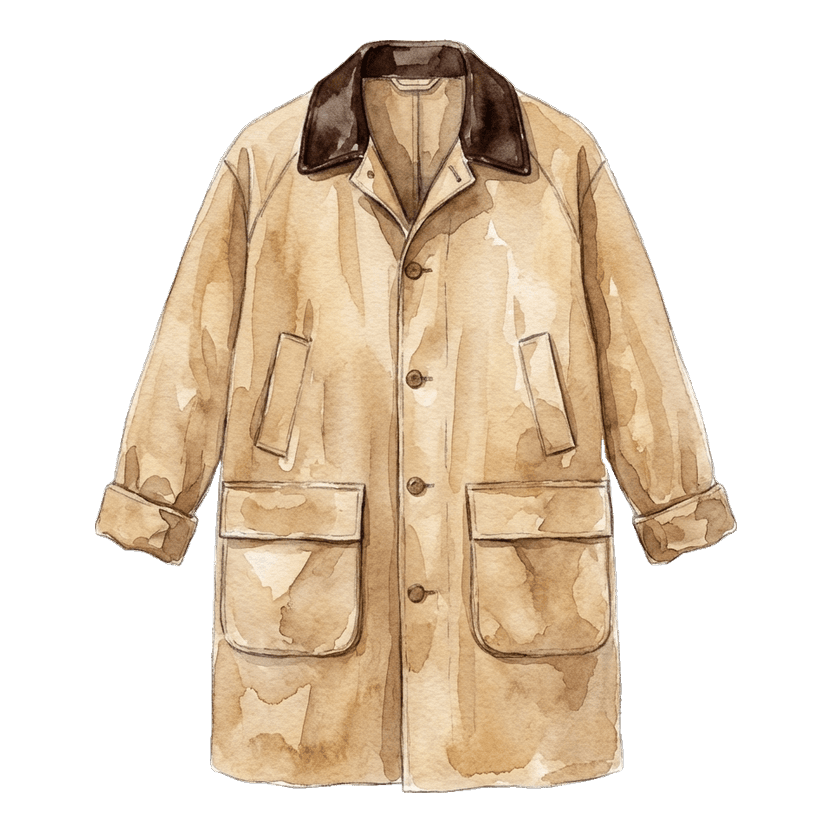 05Camel wax barn coat or oversized trench
The equestrian-lineage outerwear that brown boots were originally cut for. Burberry's barn coat and Loro Piana's camel trench both descend from the same Edwardian field-coat tradition; the boots and the coat were a single uniform before they split into separate categories. A camel coat over the brown-boot outfit is the closest civilian look gets to a literal English riding kit — and it photographs cleanly without reading as costume.
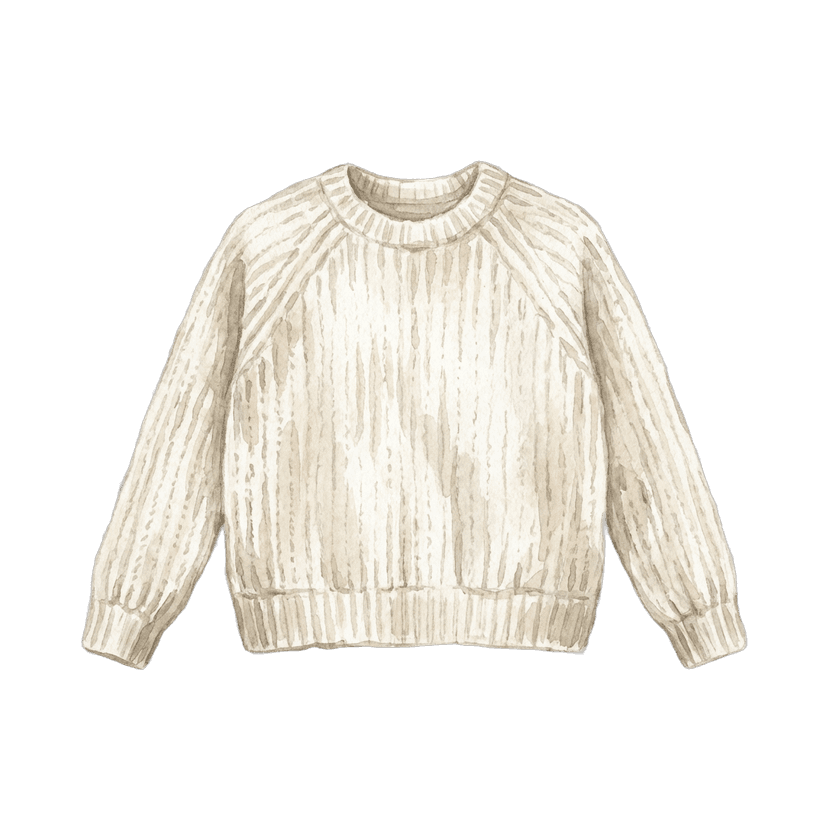 06Cream cashmere knit or oatmeal turtleneck underneath
Softens the leather. A cream knit between the brown boot and the camel coat carries the warm-tone palette through the whole silhouette — every layer feeds the same register. The same Toteme and The Row pre-fall lookbook reference that pairs cream knits with black jeans applies inversely here: cream warms brown the way it cools black.
A suggested look — white and black striped sweater, cream straight-leg jeans, brown leather ankle boots, olive green shoulder bag with chain strap, black padded headband.

Dressing rules
Brown boots clear smart casual through evening cocktail in any creative-industry context. They don't clear traditional black-tie (where black patent or polished black leather is the rule), and they don't clear conservative finance/law (where brown leather is acceptable on shoes but not on calf-high or knee-high boots above the staff level). For weddings: knee-high brown boots are too informal for cocktail-coded events; an ankle-height brown boot in cognac with a midi dress is acceptable at country, garden, and rustic-themed weddings, per The Knot's wedding-guest etiquette guidelines. The single care rule: condition the leather every two months in regular wear, resole the heel and toe at the first sign of unevenness, and protect against road salt in winter — salt + leather creates white streaks that don't fully clean off.
What to avoid
- Black trousers — brown leather + black wool fights, no styling trick recovers it
- White sneakers as a counterweight piece — register mismatch
- Grey trousers — both share the same temperature register, reads tonal-flat in photographs
- Skipping the resole — worn-out heels age the outfit by a decade, and brown shows wear
- Storage without cedar shoe trees — leather collapses and creases set permanently within one off-season
Frequently asked questions
With black tops, yes — a black turtleneck or black knit over brown boots and dark jeans reads polished. With black trousers or a black skirt, no — brown leather and black wool fight in a way no styling trick recovers. The fix: change the trouser color (cream, olive, chocolate, navy) or change the boot color (black). The single rule across decades of editorial: don't put brown leather and black wool on the same lower body.
A cognac or dark-brown ankle boot in leather is the highest-utility version — it crosses denim, dresses, trousers, and skirts across three seasons. Knee-high brown boots are more dramatic but more limited; they pair with dresses, leggings, and skinny jeans tucked in, but read costume with wide-leg trousers. Western or cowboy brown boots have a narrower register (denim, dresses, no tailoring). For one pair, choose the cognac ankle boot. For two, add the knee-high.
Condition the leather every two months in regular wear with a leather conditioner like Saphir Renovateur, Lexol, or Cadillac. Brush off dirt and dust before conditioning. Resole the heel and toe at the first sign of unevenness — a good cobbler can resole a quality leather boot 2–3 times before the upper goes. In winter, protect against road salt: wipe off any salt residue immediately, never let it dry on the leather (salt + leather creates white streaks that don't fully clean off). Store with cedar shoe trees year-round to keep the shape; the leather collapses without internal support and creases set permanently within one off-season.
Yes, prominently — Vogue Runway's spring 2026 coverage flagged the contemporary Western revival, with Isabel Marant, Khaite, Toteme, and Brunello Cucinelli all sending tall brown boots through their collections. The cognac ankle boot has been a Saint Laurent runway fixture under Anthony Vaccarello since 2017. Brown boots cycle through silhouettes (knee-high in 2018, ankle in 2020, Western in 2023, knee-high again in 2026) but the category is permanent. The current rotation favors the cognac or dark-brown ankle boot under wide-leg jeans, and the knee-high brown boot over a skirt or tucked into slim denim.
An ankle-height brown boot in cognac is acceptable at country, garden, rustic, and barn-themed weddings — per The Knot's wedding-guest etiquette, footwear should match the venue and the dress code. Knee-high brown boots are too informal for cocktail-coded events; pair them with a polished midi dress only at rustic or daytime weddings. Black tie and traditional church weddings expect a closed-toe pump or ankle boot in black or metallic; brown leather is too casual for the formality of those settings.