What to Wear with Trench coat
The military coat that civilian women turned into a wardrobe foundation.
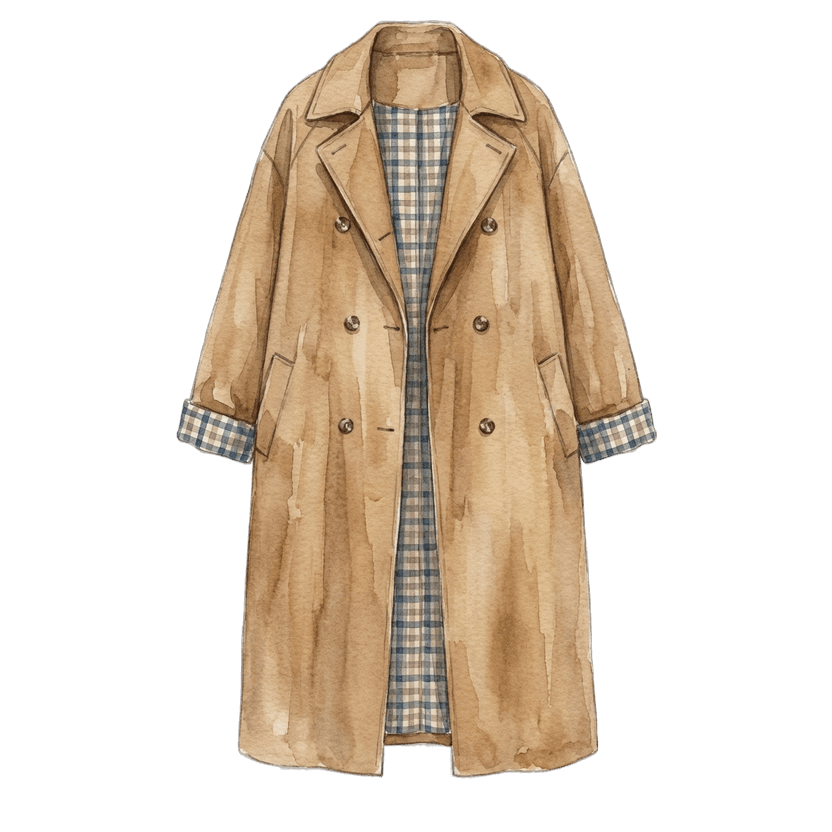
A trench coat is the military coat that civilian women turned into a wardrobe foundation — Audrey Hepburn in Breakfast at Tiffany's (1961), Catherine Deneuve in the 1960s, Toteme today.
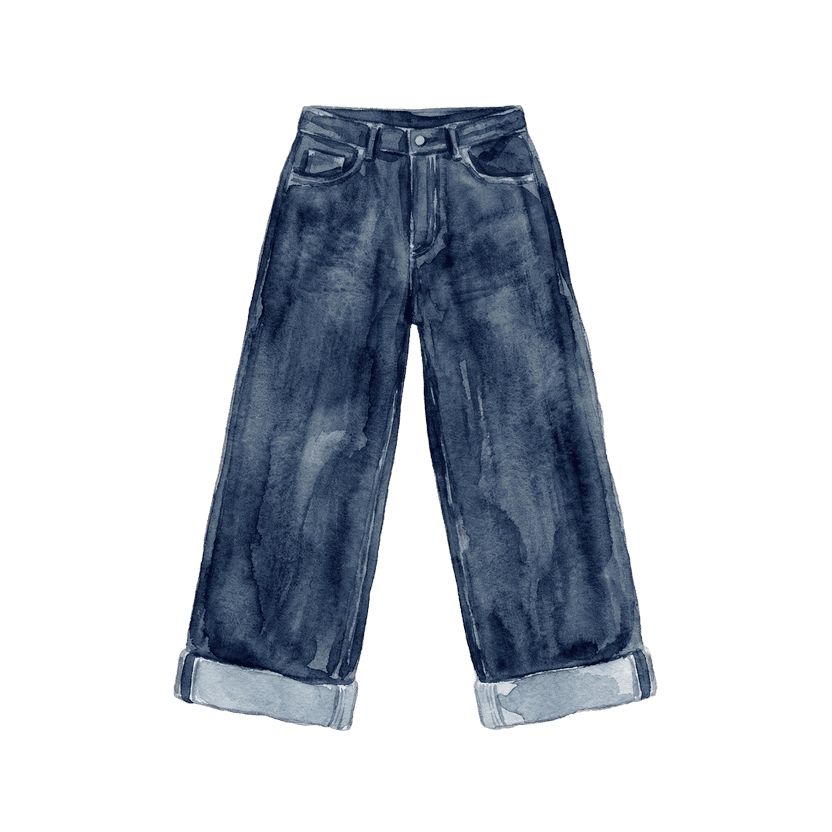
- Dark wash wide-leg jeans + cream knit cardigan — the casual transitional
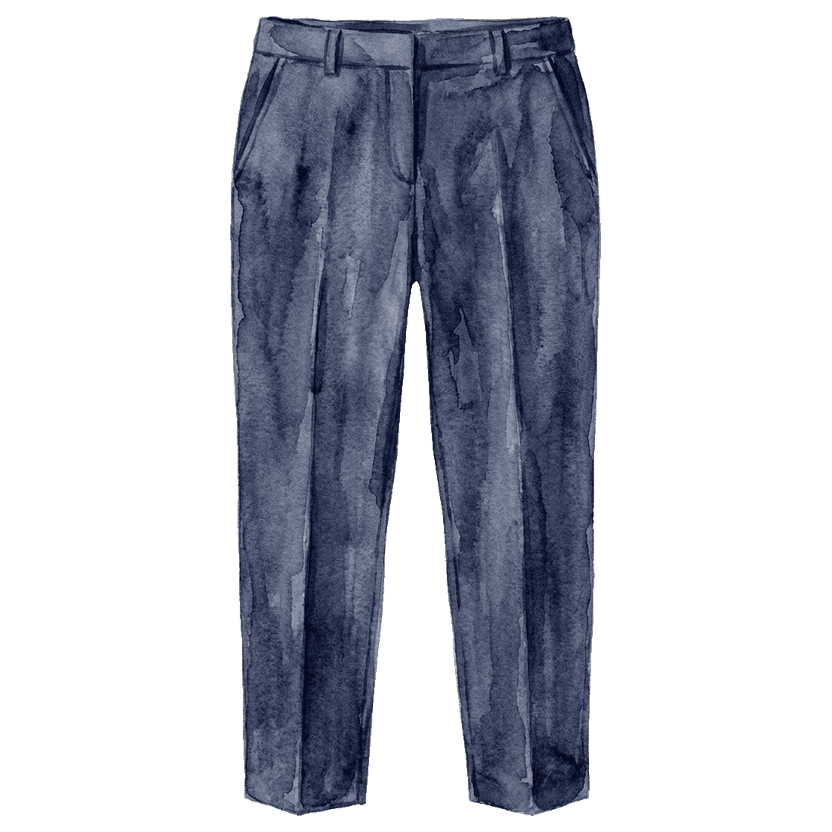
- Navy tailored trousers + black turtleneck — the office register
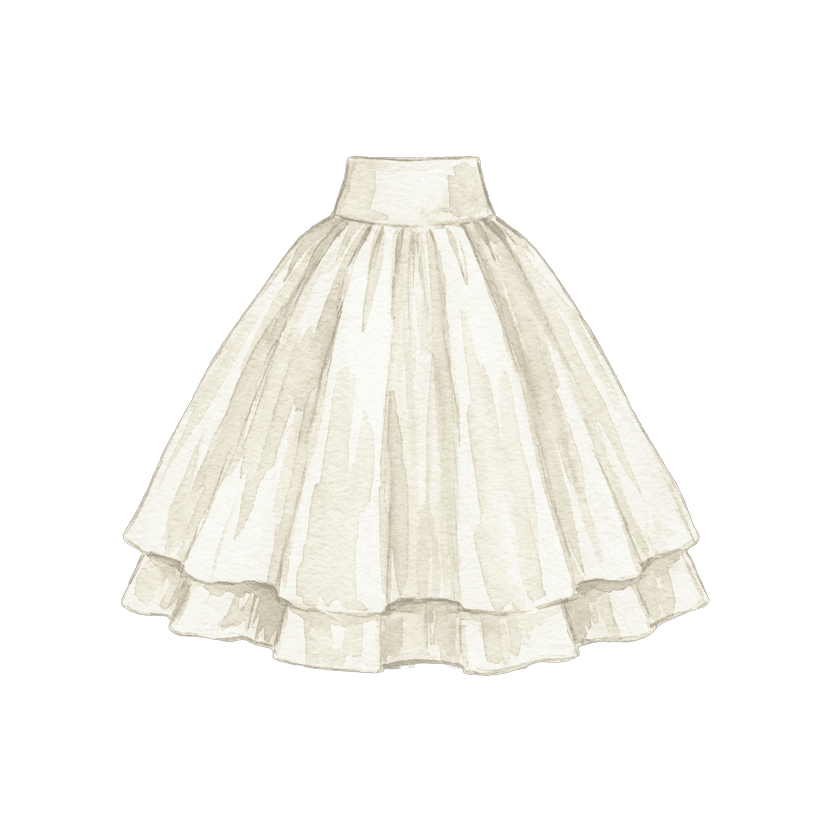
- An ivory voluminous midi skirt + knee-high brown boots — the YSL 1970s silhouette
- Belt tight at waist for hourglass; knot belt at back for relaxed
- Cream cardigan or black turtleneck underneath — both warm without bulking
- Re-treat the gabardine every 2-3 years to maintain water resistance
- Don't wear over thick parka layers — the cut is for shaped silhouettes
- Don't pair with athletic wear (leggings + sneakers) — register clash
- Don't skip re-waterproofing — gabardine loses repellency after a few seasons
The trench coat began as British military issue. Thomas Burberry registered the gabardine fabric in 1888 and produced waterproof field coats for the British Army through the Boer War; by WWI, Burberry and Aquascutum were the two primary suppliers, and the term 'trench coat' came directly from the WWI trenches the coat was cut for. The original details — D-rings on the belt for grenades, storm flaps for cartridge cases, epaulettes for rank — survive in every contemporary trench, even decorative ones. Audrey Hepburn made the trench a civilian icon in the 1961 final scene of *Breakfast at Tiffany's* (Givenchy cut hers; the rain-soaked alley scene is in the Met Costume Institute's collection). Catherine Deneuve, Kate Moss, and Carolyn Bessette-Kennedy each photographed in their own versions. Yves Saint Laurent's 1970s collections cinched the trench at the waist over knee-high boots and made it the Parisian intellectual's coat. Toteme launched the contemporary minimalist version in 2018 and turned it back into the quiet-luxury foundation it is today. The single rule: the architecture is the design. Belt it, layer underneath thoughtfully, never compromise the silhouette with thick parka bulk.
The original details — D-rings for grenades, storm flaps for cartridge cases, epaulettes for rank — survive in every contemporary trench, even decorative ones.
Wear it with
 01Dark wash wide-leg jeans
The casual transitional. A camel or stone trench over dark wash jeans is the contemporary version of the Vogue Paris street-style outfit photographed every Fashion Week since the 1990s. Wide-leg balances the trench's structure where skinny would compete with the coat's vertical line. Belt the trench tight if you want hourglass; leave it open with the belt knotted at the back for relaxed. Layer with the cream knit (pairing 5) for the canonical version.
 02Navy tailored trousers
The office register. Slate-navy wool trousers under an open trench is the closest a contemporary office wardrobe gets to literal Parisian intellectual coding — Carine Roitfeld and Emmanuelle Alt both wore this formula across two decades of Vogue Paris. The trench's belt cinched at the waist, the trouser's vertical line elongated by the open coat. Layer with the black turtleneck (pairing 6) for the all-tonal version.
 03Ivory voluminous midi skirt
The Yves Saint Laurent 1970s silhouette. A cinched trench over an ivory voluminous skirt is the literal reference from Saint Laurent's 1971 collection, photographed in the Met Costume Institute archives. The trench provides structure; the skirt provides volume. Belt the trench tight; let the skirt's hem peek below the trench's hem by 4–6 inches. Pair with the tall brown boots (pairing 4) for the full equestrian-lineage version.
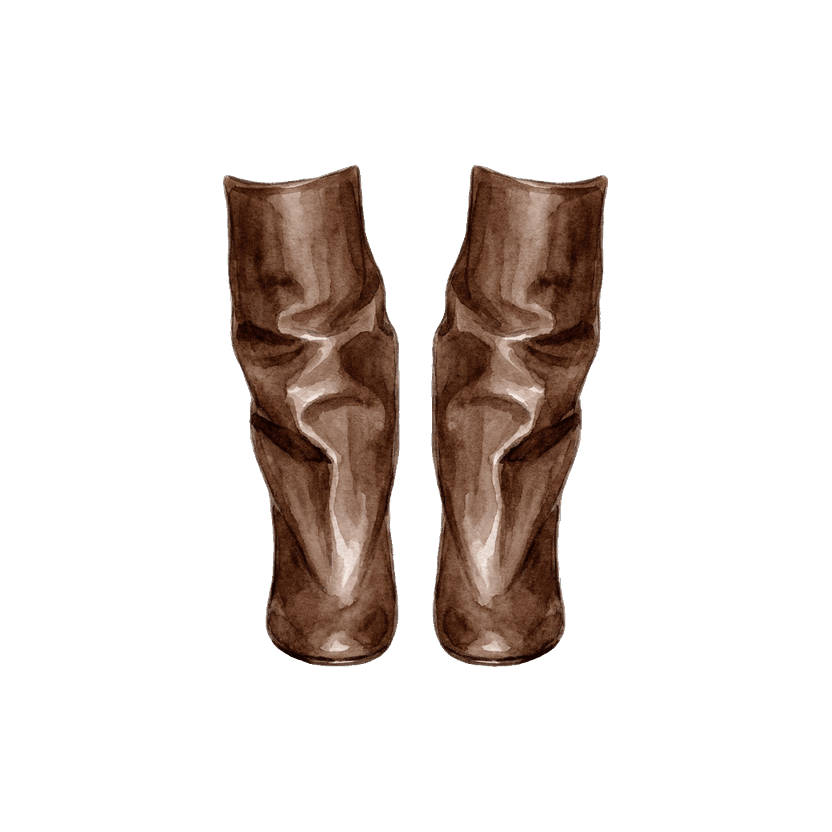 04Tall brown leather knee-high boots
The equestrian-lineage shoe under a trench. Knee-high brown leather boots tucked under a cinched trench is the most-photographed Parisian Fashion Week outfit since the 1970s. R.M. Williams chelsea, Frye riding, or any well-kept tall brown boot grounds the trench's beige in the warm-tone palette. The boots can be tucked under jeans or worn over slim trousers; both read intentional.
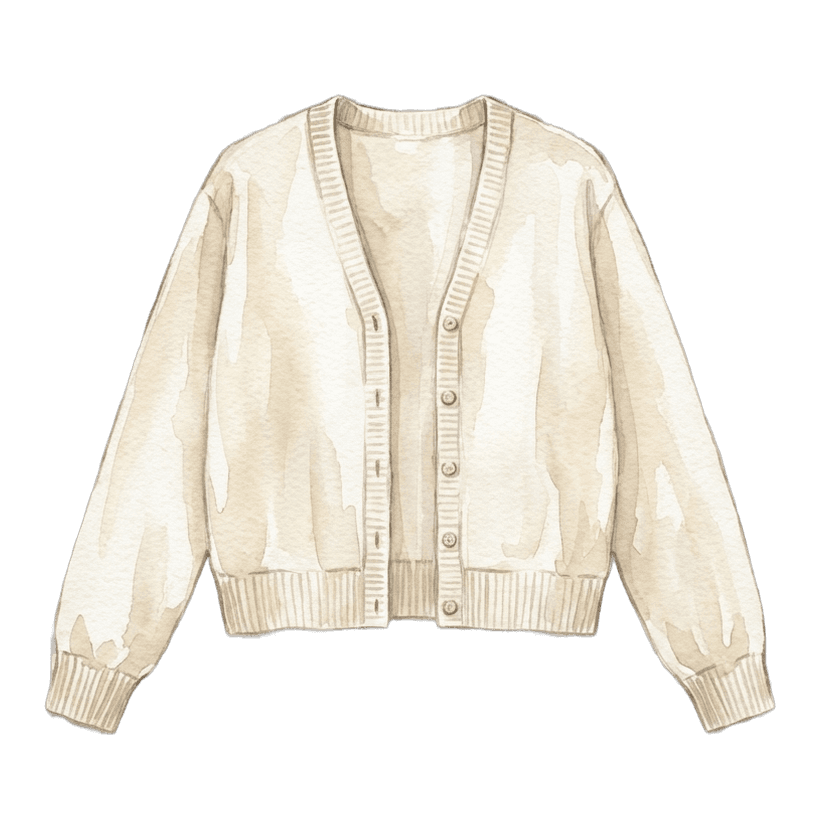 05Cream knit cardigan layered underneath
The transitional underlayer. A cream cashmere cardigan or fine knit under an open trench is the Toteme / The Row formula since 2020 — both brands have built spring/fall lookbooks around this exact pairing. Cream warms the trench's beige (or cools it, if the cardigan is paler than the coat); skip white cardigans (too much brightness) and skip dark navy or black cardigans under a beige trench (color clash with the warm gabardine).
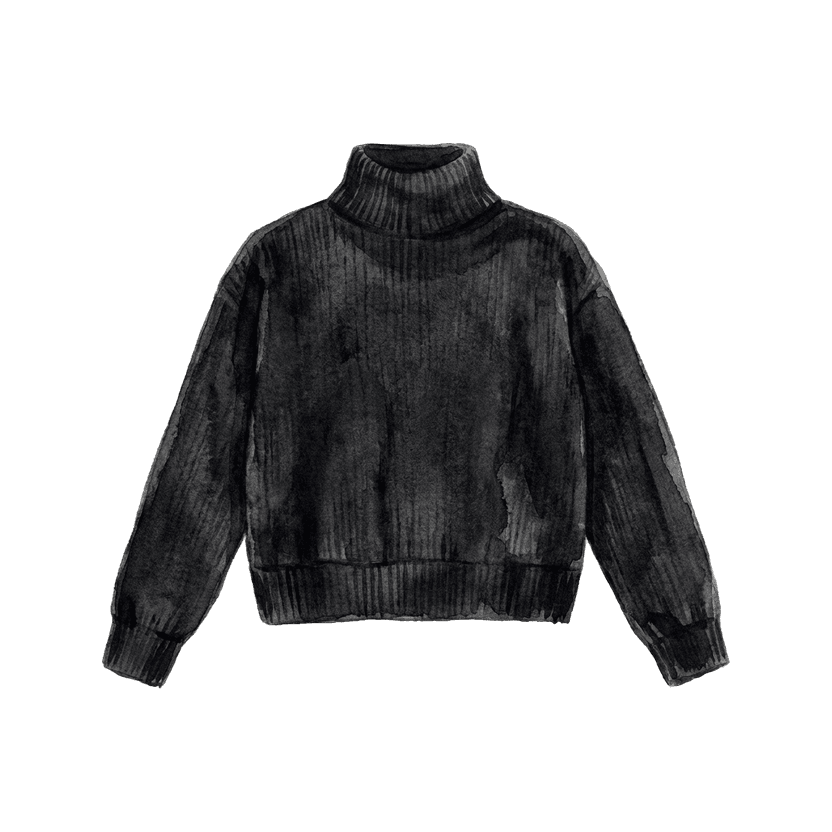 06Black turtleneck for the all-tonal layered look
The Vogue Paris editor uniform's coldest-day version. A black fine-gauge turtleneck visible at the V of an open trench, paired with dark trousers and pointed loafers or ankle boots, is the contemporary version of Carine Roitfeld's photographed signature throughout the 2000s and 2010s. The black turtleneck under a beige trench reads sharper than a cream knit; the contrast at the neckline is the whole signal.
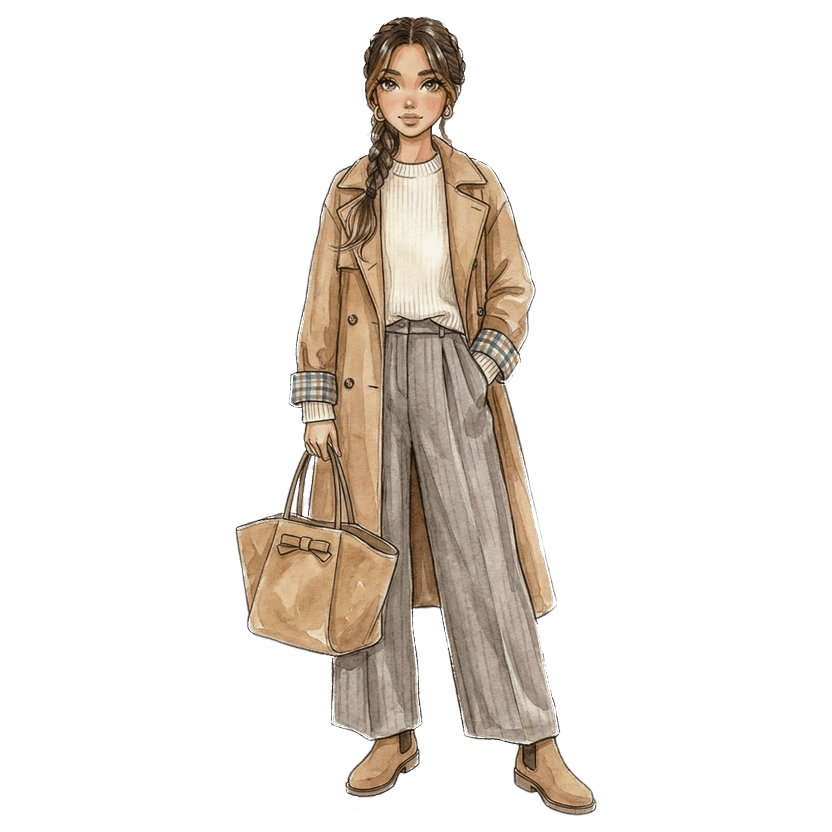
A suggested look — Camel oversized trench coat with plaid lining at cuffs, Chunky ribbed-hem oversized crew neck sweater in cream, Extremely wide-leg high-rise pleated trousers in heathered gray-taupe wool blend, Large structured suede tote in warm sand with top handles and bow detail.
Dressing rules
A trench coat clears every register from creative-office Tuesday to wedding cocktail (worn during arrival/departure as the outerwear, not over the dress at the ceremony). It does not clear true black-tie events as the visible outer layer; for those, switch to a wool overcoat in black or charcoal. For weddings: a beige or stone trench over a cocktail or formal dress reads polished at any non-black-tie wedding per The Knot's wedding-guest etiquette; pair with a structured clutch, pumps, and the dress visible below the hem. The single care rule across every fabric: re-waterproof gabardine every 2-3 years (Nikwax Cotton Proof, Granger's Wax Cotton Reproofer, or any silicone-based fabric waterproofer) — gabardine repels rain by design but loses the property over time, and a soaked trench loses its drape. Dry-clean only twice a year; spot-clean between. Store on a wide wooden hanger to keep the shoulders structured.
What to avoid
- Worn over thick parka or down layers — the cut is for shaped silhouettes
- Paired with athletic wear (leggings, sneakers, hoodies) — register clash
- Worn fully open with belt loose at the sides — looks unfinished, knot the belt at the back
- Skipping re-waterproofing — gabardine loses repellency over time, fabric darkens visibly when wet
- Sleeves past the wrist bone — trench cuffs are designed to hit at the wrist, never further
Frequently asked questions
If the budget allows, yes. Burberry has produced gabardine trenches since 1888 and the construction quality (lining, button reinforcement, seam integrity, gabardine waterproofing) holds up through 20+ years of regular wear. Aquascutum is the historical alternative at a similar quality tier. Toteme, The Row, and Max Mara all sit at investment quality; J.Crew, Banana Republic, and Uniqlo C are accessible alternatives that compromise on lining and gabardine quality but read clean in photographs. A used Burberry from a reputable consignment (The RealReal, Vestiaire Collective) often costs less than a new mid-tier brand and lasts longer.
Beige (sometimes called 'honey,' 'stone,' or 'classic') is the highest-utility — it's the original Burberry / Aquascutum military color and crosses the most outfit registers. Black is the second; navy and dark brown are the third tier. For a one-and-done trench, choose beige; for two, add black or navy. Skip pure white (yellowing, stains), pastels (fad cycle), and bright colors (limited use).
Shoulders sit exactly at the wearer's shoulder edge — never falling off, never tight. Sleeves hit at the wrist bone (with cuffs that can be turned back if needed). The belted waist sits at the natural waist (above the hip bone) when cinched. Length hits at mid-thigh for a contemporary cut, at the knee for a classic cut, and below the knee for a longer 1970s YSL silhouette. The body of the trench should accommodate a fine knit or button-down underneath without straining; thicker layers compromise the silhouette.
Yes, but choose lightweight gabardine or cotton-poplin versions, not the heavyweight winter trench. Burberry's spring trench is cut in lighter gabardine and lined more sparsely; The Row's spring trench is unlined cotton-linen. Worn open over a sundress and sandals on a cool spring evening, a lightweight trench reads polished without overheating. Skip the heavy wool-lined trench in summer; it reads out of season.
Yes — Vogue Runway's spring 2026 coverage flagged the trench as a continuing fixture across Burberry (under Daniel Lee), The Row, Toteme, and Khaite. The contemporary silhouette favors a slightly oversized cut with a relaxed shoulder; the early-2010s tightly-cinched waist is currently dated. Toteme's trench has been a quiet-luxury staple since 2018 and shows no sign of cycling out. The category itself has not been out of style in the 138 years since Burberry registered gabardine in 1888.