What to Wear in Helsinki in December
Helsinki in December: 0°C / 32°F afternoons, −4°C / 25°F nights, under six hours of daylight by the solstice, and a torchlight procession on the 6th.
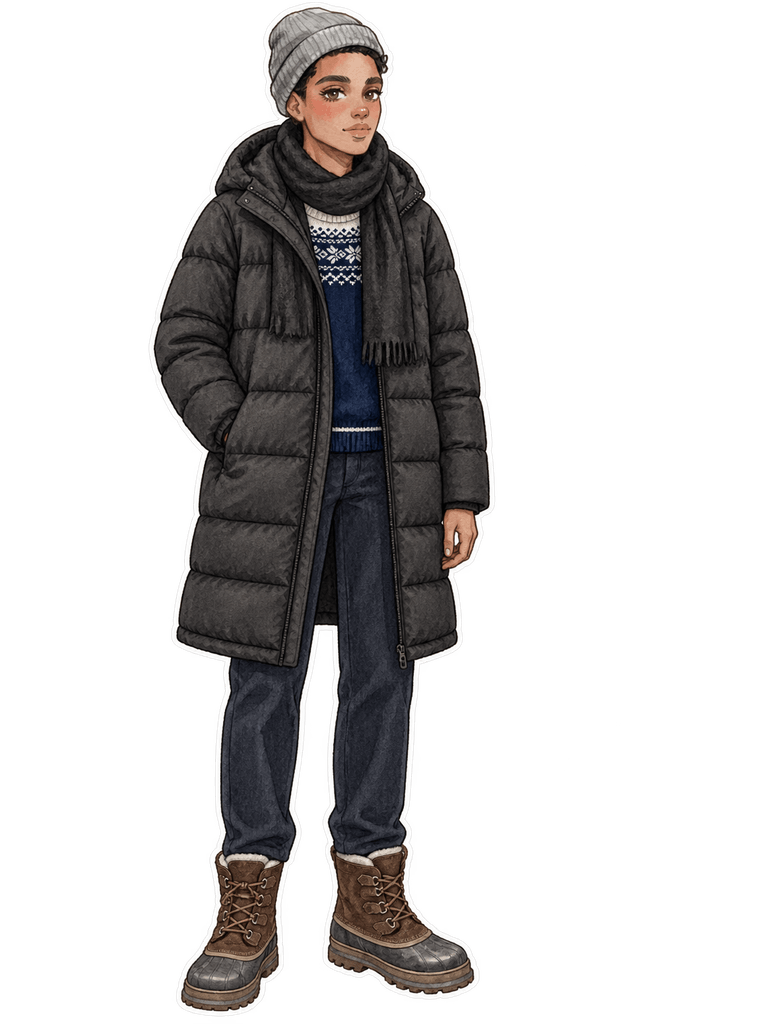
- Black knee-length down coat — an hour and a half outdoors after dark on Independence Day
- Navy and white snowflake-yoke sweater — the pattern that shows at the collar of a zipped coat
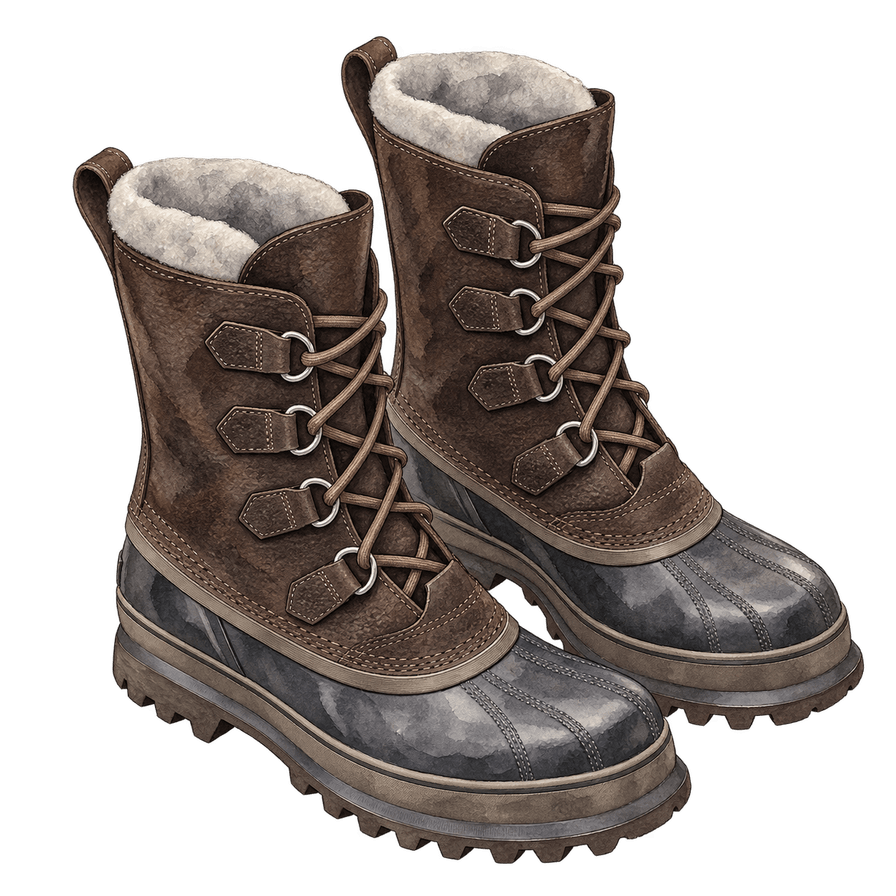
- Dark brown felt-lined pac boots — rubber for the slush, felt against a freezing pavement
- Cream cotton-wool base — a soft layer between your skin and the yoke wool
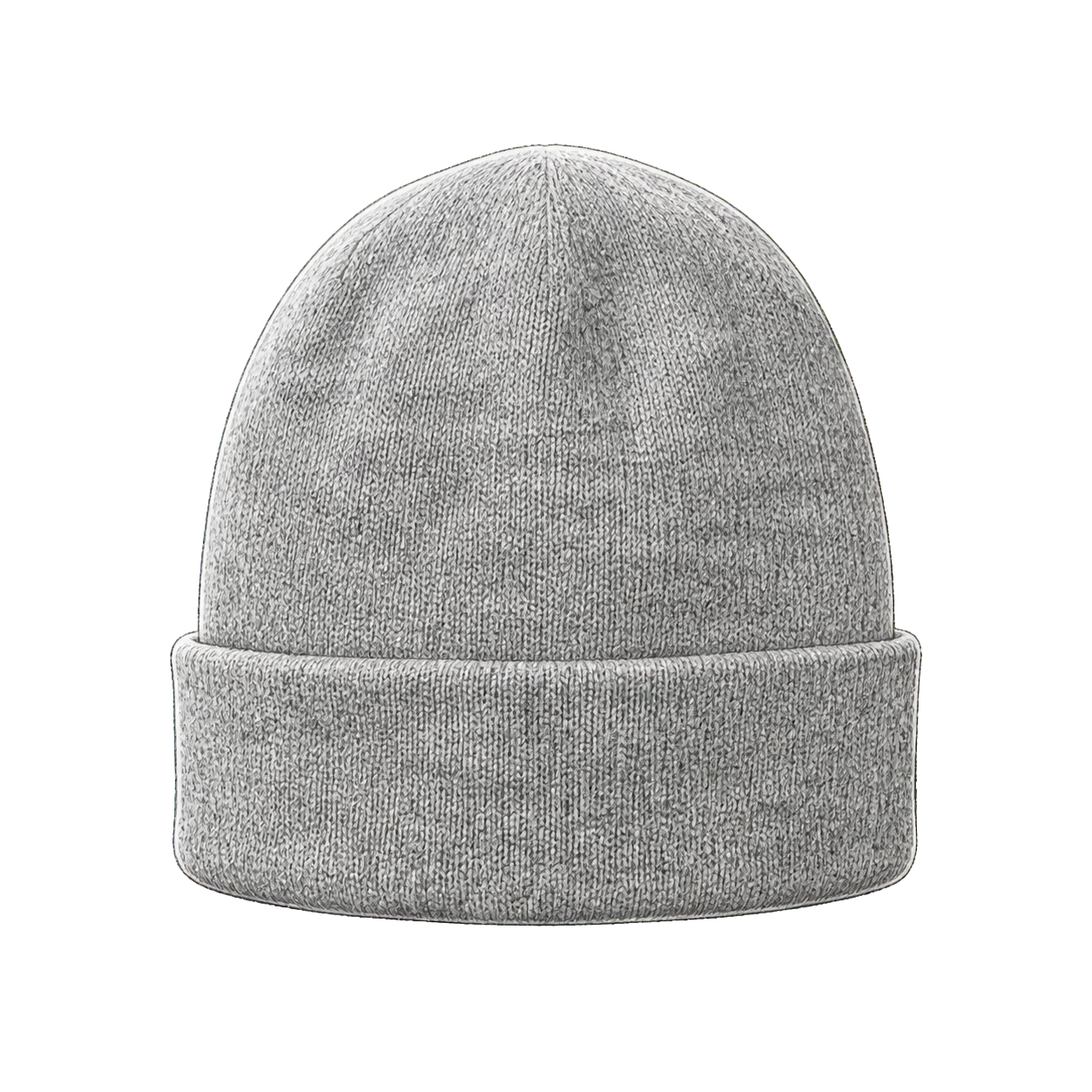
- Grey folded-brim beanie — hood down so you can see the torches, ears still covered
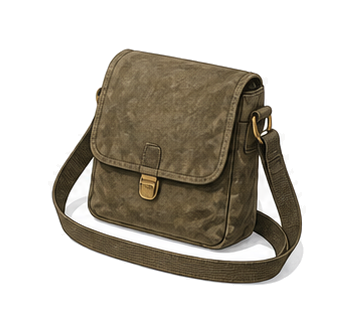
- Olive canvas messenger with a weather flap — snow stays off the mittens and the phone
- A hip-length jacket — your thighs take the wind for an hour and a half behind the torches
- Unlined leather boots — a freezing pavement pulls heat through a thin sole
- Evening wear for the procession — the organisers ask for outdoor clothes suited to the weather
- Packing for a white Christmas — one Christmas Eve morning in three is snowless at Kaisaniemi
Pack to stand still in the dark. NOAA's Vantaa record gives Helsinki's December an afternoon of 0.4°C and a night of −4.4°C, with 62mm spread across 17 days. FMI puts the solstice day in Helsinki at under six hours; at mid-month the sun rises about 9:20am and sets about 3:10pm. Snow cover is a coin toss. FMI's median snow depth on 15 December is zero, and one Christmas Eve morning in three is bare at Kaisaniemi. The evening that sets the capsule is Sunday 6 December, when the students' torchlight procession leaves Hietaniemi at about 4:30pm and reaches Senate Square just before six. So: a long down coat, a patterned wool knit, felt-lined boots, and mittens in the bag.
December in Helsinki gives you under six hours of daylight and one evening you spend outside anyway. Dress for the ninety minutes behind the torches; the market and the tram ask for less.
The capsule
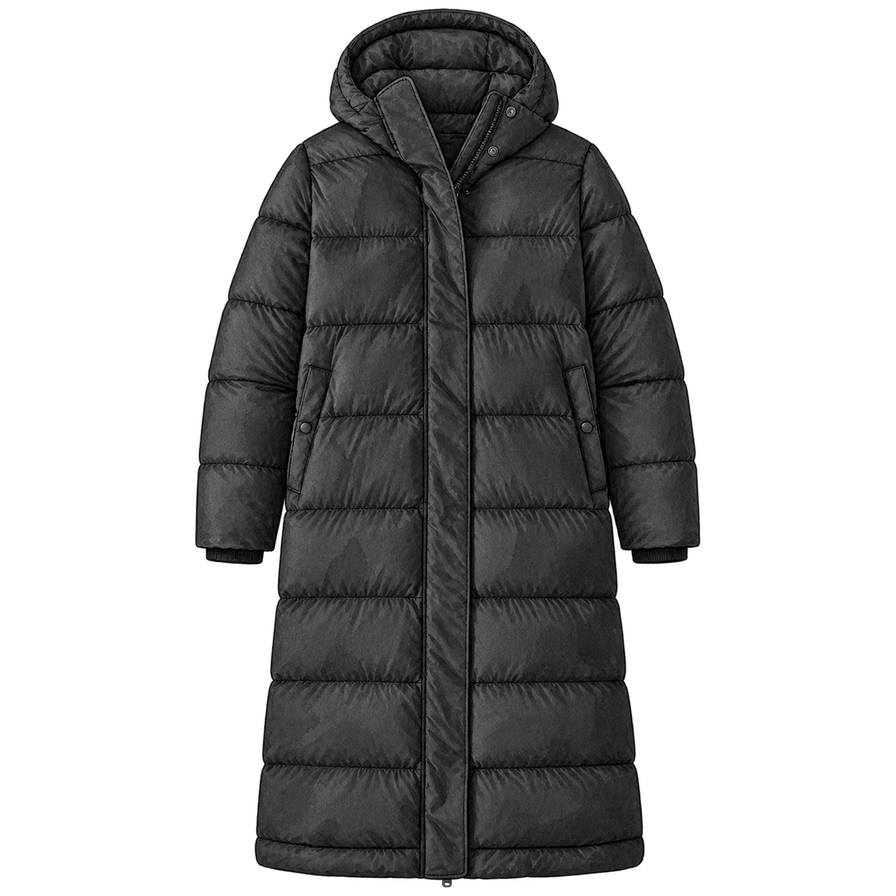 01Black knee-length down coat with a hood
Buy the coat for 6 December, when the torchlight procession leaves Hietaniemi at about 4:30pm and reaches Senate Square near 5:55pm, with December nights averaging −4.4°C. Down to the knee keeps your thighs warm at walking pace, and a storm flap over the zip stops the wind on Arkadiankatu. Black matte baffles with no fur read as a city coat at dinner afterwards.
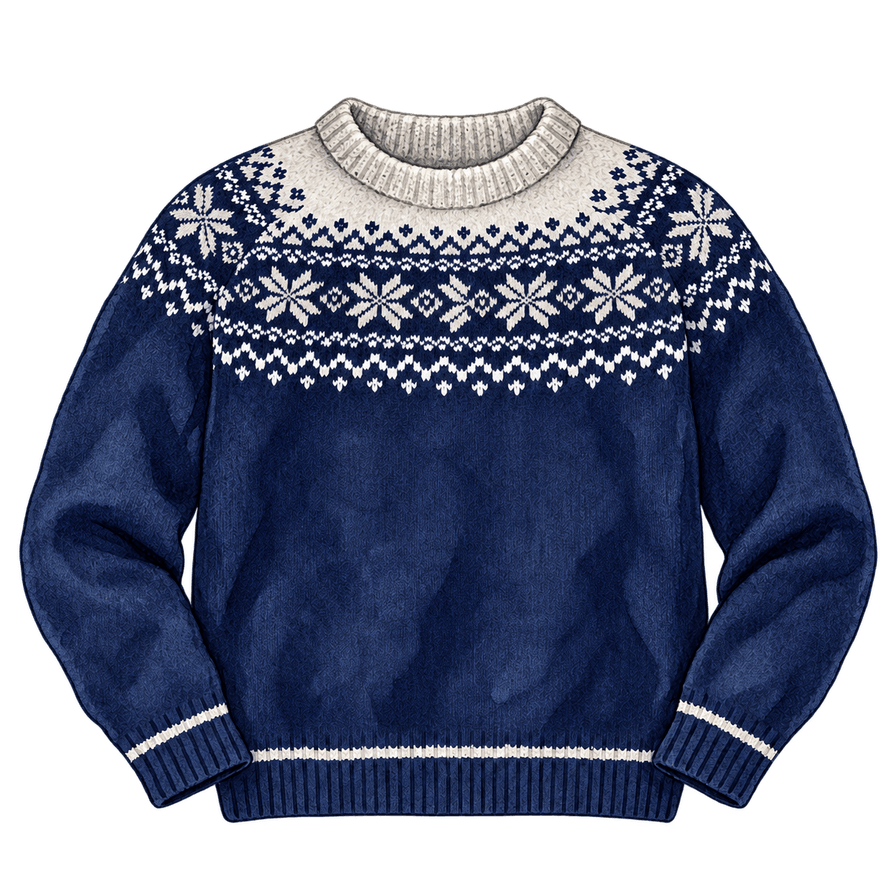 02Navy and white patterned wool sweater, snowflake yoke
Zip the coat to the chest and the yoke is what shows. A navy wool crew with a white snowflake yoke is the one pattern in a capsule of black, grey, cream and olive, and it earns the slot on days that are dark by about 3:10pm. Wool stays warm when snow melts on your shoulders indoors, and it holds a heated room alone once the coat comes off.
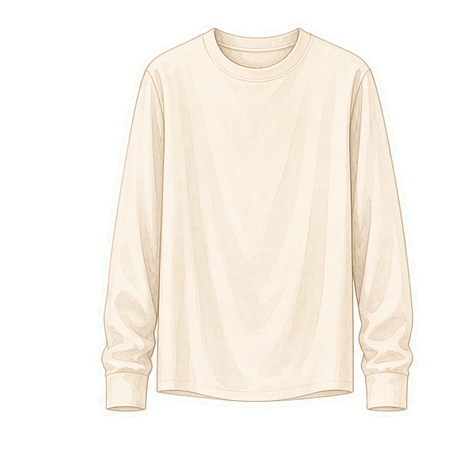 03Cream cotton-wool long-sleeve base layer
A blend, not plain cotton, and it is here for the sweater's sake. Nordic yoke wool is rough at the neck and wrists, and a cream cotton-wool long-sleeve puts a soft layer between it and your skin through about eighteen hours of darkness a day, most of them spent indoors. The wool in the blend keeps it from turning clammy if the walk to Senate Square warms you up.
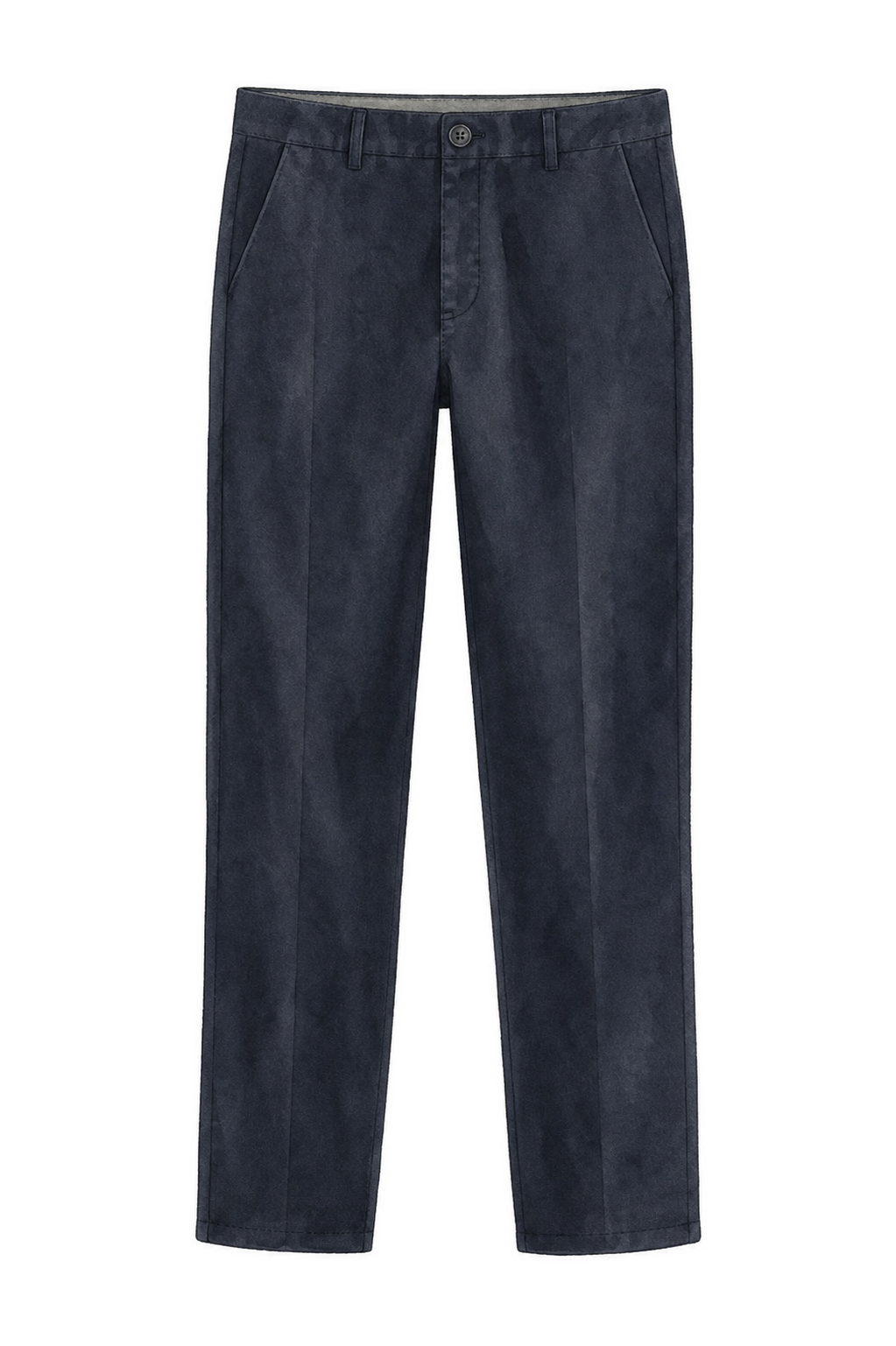 04Charcoal-navy straight trousers
Wear them over the boot, not tucked in. A straight hem that falls over the pac boot's collar stops wet snow dropping into the felt liner, the one part of the outfit you cannot dry between the procession and dinner. Charcoal-navy sits under the navy sweater without matching it exactly, and it looks right at a table at Savoy at eight.
 05Dark brown felt-lined pac boots
Felt is what separates this boot from an ordinary winter one. At −4.4°C a pavement draws heat out through the sole the whole time you stand at a kerb watching torches go past, and a removable grey felt liner inside a waterproof rubber lower stops it. FMI's median snow depth on 15 December is zero, so the rubber is for slush and wet stone, and the cleated sole grips what refreezes.
 06Black lightweight wool scarf
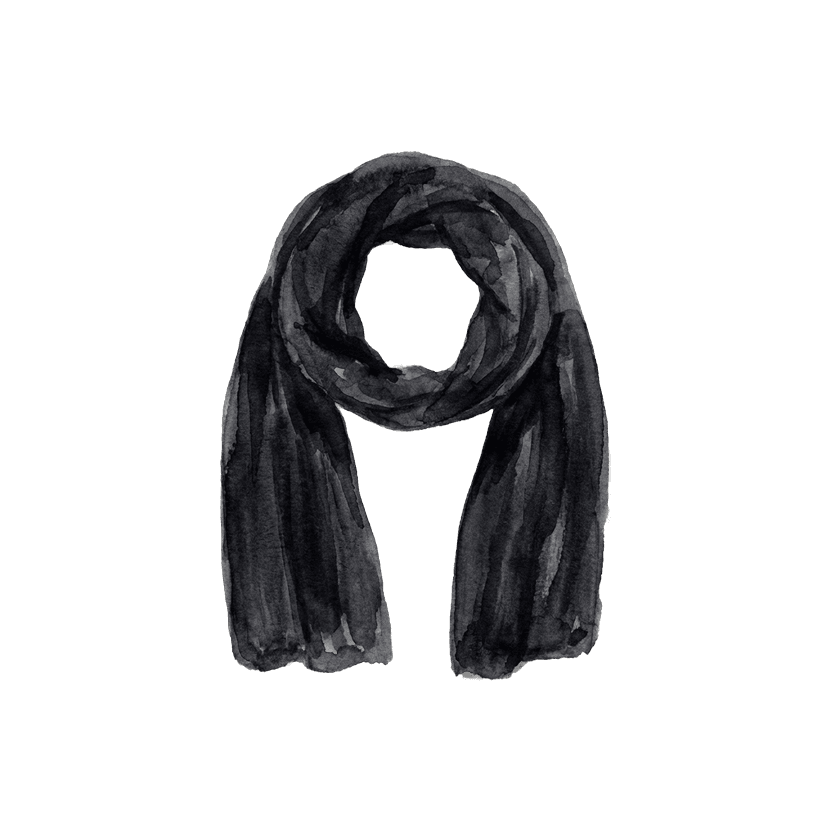
Lightweight on purpose: a zipped down coat leaves little room at the collar, and a thick scarf forces the zip open. Wound once, a black wool scarf fills the gap where the wind gets in on the stretch past the Presidential Palace. It disappears against the black coat, so the snowflake yoke stays the thing people see.
 07Grey fine-gauge wool beanie with a folded brim
Keep the hood down during the procession, because a deep hood blocks your side view in a moving crowd. A grey fine-gauge wool beanie with a folded brim covers your ears instead and sits low enough to meet the scarf. By the time the torches reach Senate Square it has been dark for well over two hours, and ears are what you feel first.
 08Olive canvas messenger crossbody, weather flap, leather buckle
Mittens go in here with the phone whenever you need your fingers. An olive canvas messenger with a weather flap and a leather buckle keeps falling snow out of the bag on a long stand at Senate Square, and worn across the body it stays put in a crowd of walkers. Olive is the one warm colour against black, navy and grey.
Day to night
Cream base · navy snowflake sweater · charcoal-navy trousers over the pac boots · down coat open · grey beanie · olive messenger. Sunrise about 9:20am at mid-month; the Senate Square market at ten, lunch in the Old Market Hall, indoors again by three.
Down coat zipped to the chest, hood down · snowflake yoke at the neck · black scarf · pac boots · grey beanie · olive messenger. On 6 December, Hietaniemi at half past three for the wreaths, then behind the torches along Pohjoisesplanadi to Senate Square by six.
A suggested look — black down coat, navy and white patterned wool sweater, charcoal navy trousers, dark brown felt-lined boots, black scarf.
What to avoid
- A hip-length jacket — your thighs take the wind for an hour and a half behind the torches
- Unlined leather boots — a freezing pavement pulls heat through a thin sole
- Evening wear for the procession — organisers ask for outdoor clothes suited to the weather
- Packing for a white Christmas — one Christmas Eve morning in three is snowless at Kaisaniemi
- Sightseeing after three — sunset is about 3:10pm at mid-month
Frequently asked questions
On NOAA NCEI's numbers for Helsinki-Vantaa, which the Finnish Meteorological Institute runs, December averages a high of 0.4°C and a low of −4.4°C, with 62mm of precipitation over 17 days, about 8 of them heavier than 2.5mm. In the city centre, FMI's Kaisaniemi station gives a −0.7°C monthly mean and 58mm, and in a typical year it has no snow on the ground on 15 December. Daylight falls from about 6h 25m on 1 December to under six hours by the solstice, when the sun rises near 9:20am and sets a little after three.
A black knee-length down coat with a hood, a navy and white snowflake-yoke wool sweater, a cream cotton-wool base layer, charcoal-navy straight trousers, dark brown felt-lined pac boots, a black lightweight wool scarf, a grey folded-brim beanie and an olive canvas messenger bag. Add wool mittens. That covers a 0°C / 32°F afternoon at the Senate Square market and a torchlit evening walk in a month whose nights average −4°C / 25°F. Leave the short jacket and the unlined boots at home: standing still, the cold comes up from the pavement.
Outdoor clothes, which is what the organisers ask for. On Sunday 6 December 2026, wreaths are laid at the Hero's Cross in Hietaniemi at 3:30pm, and the procession leaves about 4:30pm along Hietaniemenkatu, Arkadiankatu and Pohjoisesplanadi, past the Presidential Palace and down Mariankatu and Aleksanterinkatu, reaching Senate Square about 5:55pm. It is dark the whole way, in a month whose nights average −4.4°C. Wear a knee-length down coat, a wool knit, felt-lined boots, mittens and a beanie. The palace reception is a separate, invitation-only event with its own formal dress code.
The first half, for most visitors. Independence Day falls on Sunday 6 December, and Finland's Lucia is crowned in Helsinki Cathedral on Sunday 13 December; Folkhälsan has not yet published times. The Senate Square Christmas market runs until Tuesday 22 December, so a trip after that misses it. Late December brings the shortest days, under six hours at the solstice by FMI's count, and no promise of snow: one Christmas Eve morning in three is bare at Kaisaniemi. Daylight bottoms out at about 5h 50m around the 21st and is barely longer by the 31st.
About three degrees colder at both ends of the day, and darker. On NOAA's Vantaa numbers, November runs 3°C / 37°F afternoons and −1°C / 30°F nights, a month of slush with no lasting snow cover; December drops to 0°C / 32°F and −4°C / 25°F. Mid-month daylight falls by another 1h 40m, from 7h 35m to 5h 55m. The packing changes with it: November's duck boot becomes a felt-lined pac boot, the waterproof parka becomes a knee-length down coat, and the month is planned around one long evening outside on 6 December.
Wool, from the scarf to the boot lining. Lapuan Kankurit, the weaving mill Juha and Liisa Hjelt founded in Lapua in 1973, grew out of a felt-boot factory that Juha's grandfather Juho Annala started in 1917, and its wool blankets, shawls and scarves sell from a Helsinki store. On the street that looks like a long dark coat, a wool scarf wrapped high and a patterned knit at the collar. On Independence Day, national costume is one of the dress options the President's reception names for women, a reminder that folk dress still counts as formal dress here.
Sources
- NOAA NCEI — 1991–2020 climate normals, Helsinki-Vantaa stationFMI operates the station; NOAA NCEI computed this month's figures from its FIE00142080 global-summary-of-the-month record. Recorded per month because the rest of this city's pages are sourced differently.
- HYY — Students' Independence Day torchlight procession, 6 December 2026 — accessed 2026-09-26
- Office of the President of Finland — Independence Day reception FAQ (dress code) — accessed 2026-09-26
- Folkhälsan — Finlands Lucia 2026, crowned in Helsinki Cathedral on 13 December — accessed 2026-09-26
- Helsinki Christmas Market (Tuomaan Markkinat) — 27 November – 22 December 2026 — accessed 2026-09-26
- Finnish Meteorological Institute — December statistics (Helsinki Kaisaniemi 1991–2020) — accessed 2026-09-26
- Finnish Meteorological Institute — Christmas weather and white-Christmas odds (Kaisaniemi) — accessed 2026-09-26
- Finnish Meteorological Institute — Astronomical seasons (solstice day length, kaamos) — accessed 2026-09-26
- Lapuan Kankurit — Our history: Lapua, 1917 / 1973 — accessed 2026-09-26
- NOAA National Centers for Environmental Information — Climate Data Online — accessed 2026-04-23