What to Wear in Stockholm in December
Stockholm in December: 2°C / 36°F afternoons, -1°C / 30°F nights, sunset before three, and the city's busiest fortnight spent outdoors in the dark.
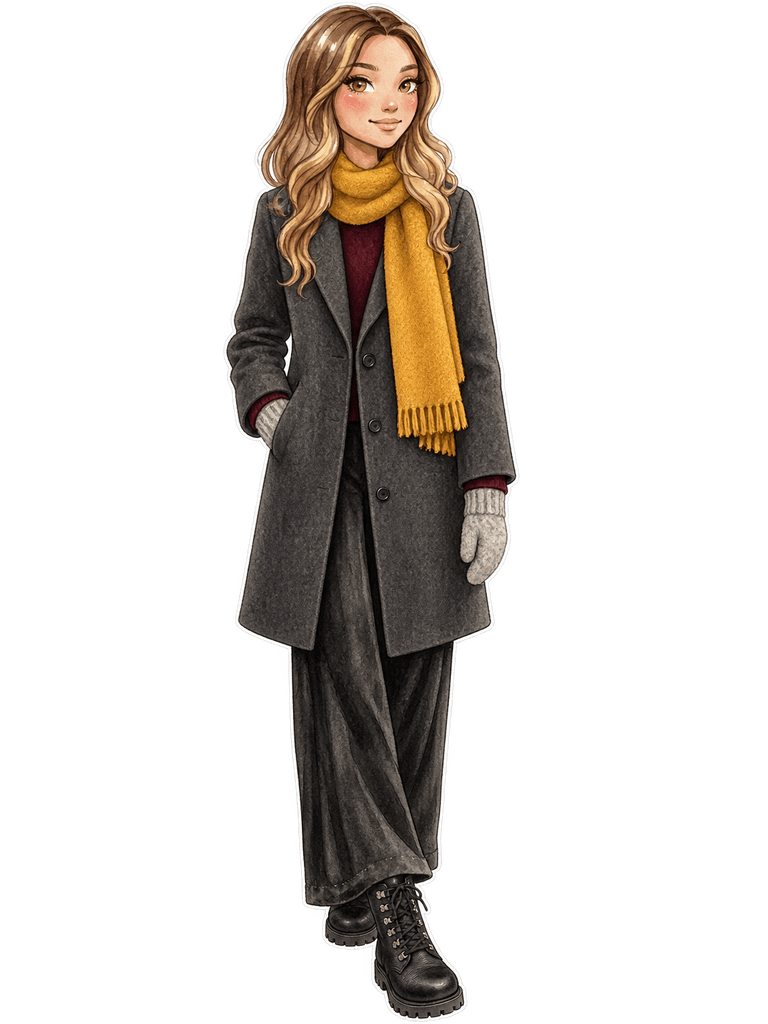
- Charcoal knee-length wool coat — warm standing still at -1°C / 30°F, right at dinner afterwards
- Burgundy lambswool crew — the colour that still shows at the collar under light art
- Black wide-leg trousers — they fall over a laced winter boot and keep slush out of its collar
- Cleated, felt-lined winter boots — afternoon slush refreezes to ice by evening
- Chunky mustard scarf — how your group finds you in the dark between installations
- Grey felted mittens — fingers kept together stay warmer than fingers apart
- Smooth soles or heels — the walk home from Nobel Week Lights is on ice
- Thin gloves — an hour of standing at -1°C / 30°F goes straight through them
- Head-to-toe black on a Lights night — nobody can find you between installations
- Daylight plans after three — the sun is down by about quarter to three mid-month
Dress to stand still on frozen ground. NOAA's figures for Stockholm-Observatorielunden, the station SMHI operates, give December a 2.5°C day and a -1.2°C night, with 48mm across about 16 wet days, most of them light. With both numbers that close to zero, pavements run to slush by afternoon and ice by evening. The sun sets before three all month, and the weeks before the solstice are the city's busiest: free light art across the centre and Tensta for Nobel Week Lights, 5 to 13 December, Lucia choirs on the 13th, Skansen's market on its last three weekends. You spend those evenings standing. So pack heavy charcoal wool, burgundy lambswool at the neck, felted mittens, a mustard scarf, and boots with a cleated sole.
December puts Stockholm's busiest fortnight inside its darkest one. Most of what is worth seeing happens outside after three, on ground that turns from slush to ice while you stand on it.
The capsule
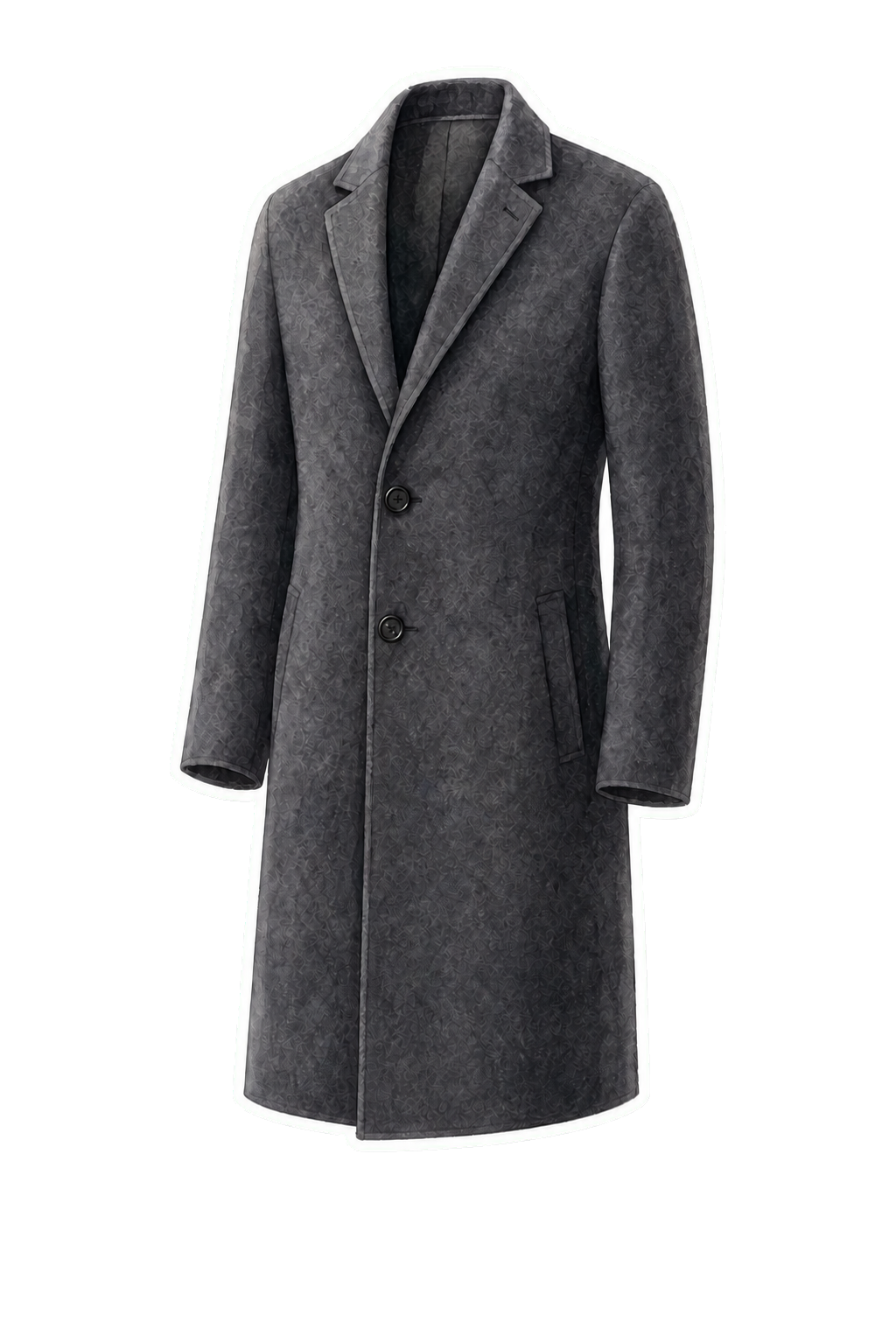 01Charcoal slim knee-length wool coat, single-breasted
Button it and stand still, because that is how an evening at Nobel Week Lights goes, 5 to 13 December: a few minutes' walk between installations, then a long look at each. Dense charcoal wool holds warmth at -1°C / 30°F and still looks right at a dinner table afterwards. A slim single-breasted cut to the knee leaves room for the chunky mustard scarf on top, where it can be seen.
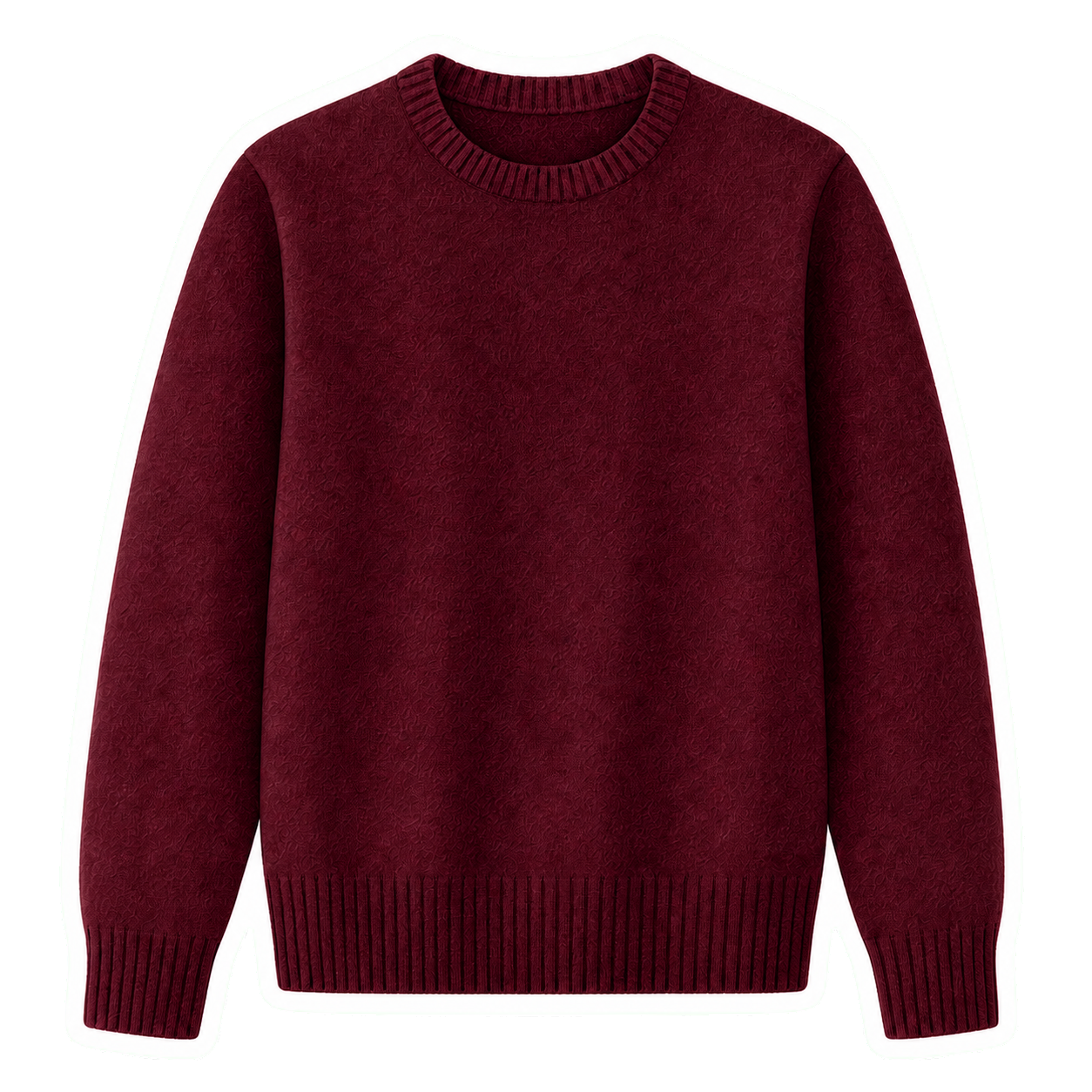 02Deep burgundy lambswool crew
Burgundy is the colour that still reads under streetlamps and light art when charcoal and black go flat. Lambswool is warm for its weight, so one crew over the oat base carries a 2.5°C afternoon on Skansen's market weekends, 4 to 6, 11 to 13 and 18 to 20 December. Outdoors it shows only at the collar of the buttoned coat, which is all it needs to do.
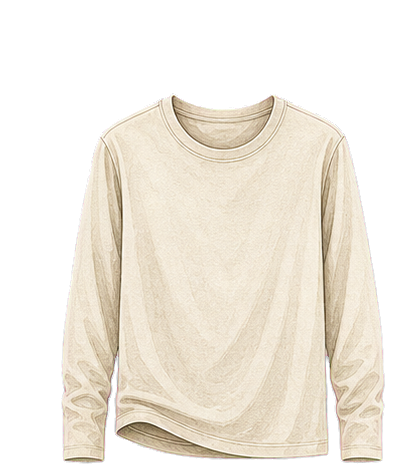 03Oat merino long-sleeve base layer
Wear it under the lambswool outdoors and on its own when you get inside. On Sunday 13 December Lucia choirs in white process into churches, concert halls and workplaces, and once you are indoors with the crew off, the oat merino is what you sit in. Oat, not black, so there is a pale line at the neck between the burgundy crew and the charcoal coat.
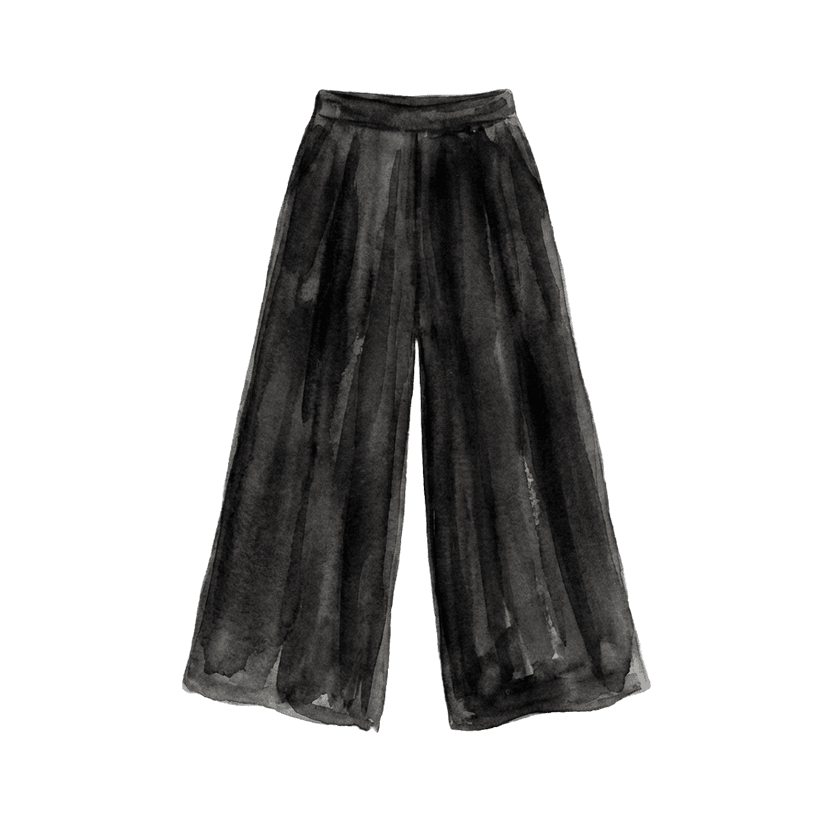 04Black fluid wide-leg trousers
A wide leg falls over the shaft of a laced winter boot rather than bunching inside it, so the felt collar stays out of the slush. Black runs straight into the black boots, one dark line from the coat hem down. The fluid cloth makes these the dressiest thing in the case, right for dinner on Nobel night, Thursday 10 December.
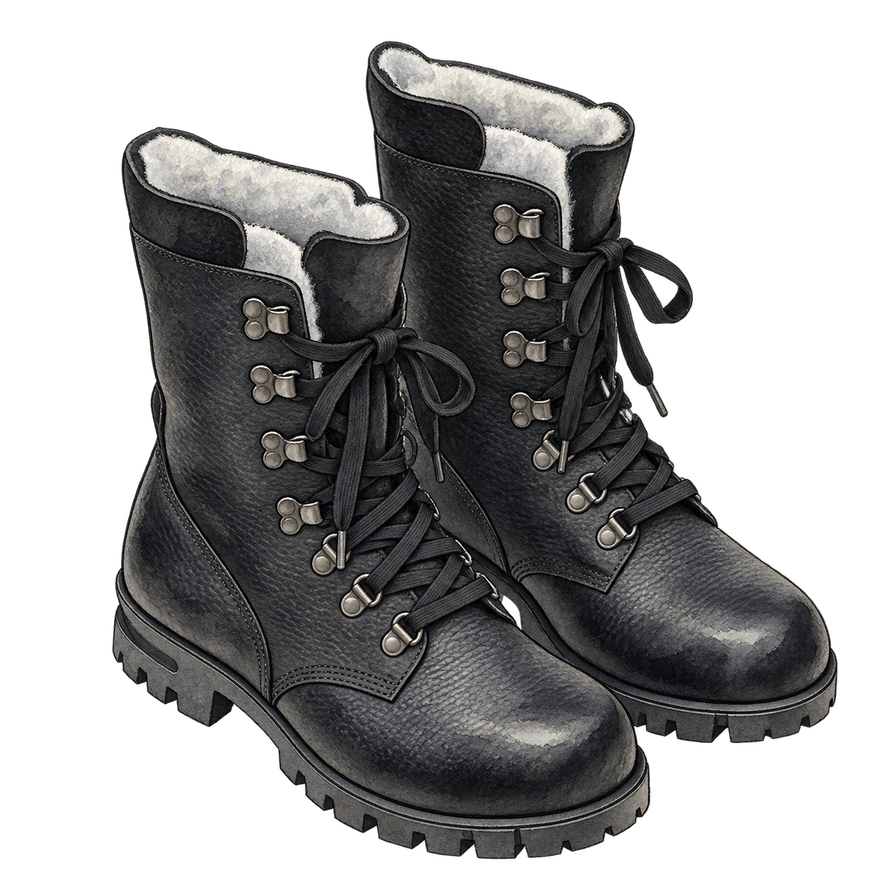 05Black leather lace-up winter boots, felt-lined, cleated rubber sole
Grip first. With nights at -1.2°C and days at 2.5°C, the slush that softens by afternoon refreezes after dark, so the walk back from Nobel Week Lights is on ice. A deeply cleated rubber sole bites where a smooth one skates, a felt liner keeps frozen stone from reaching your feet while you stand, and laces hold the ankle when you do slip.
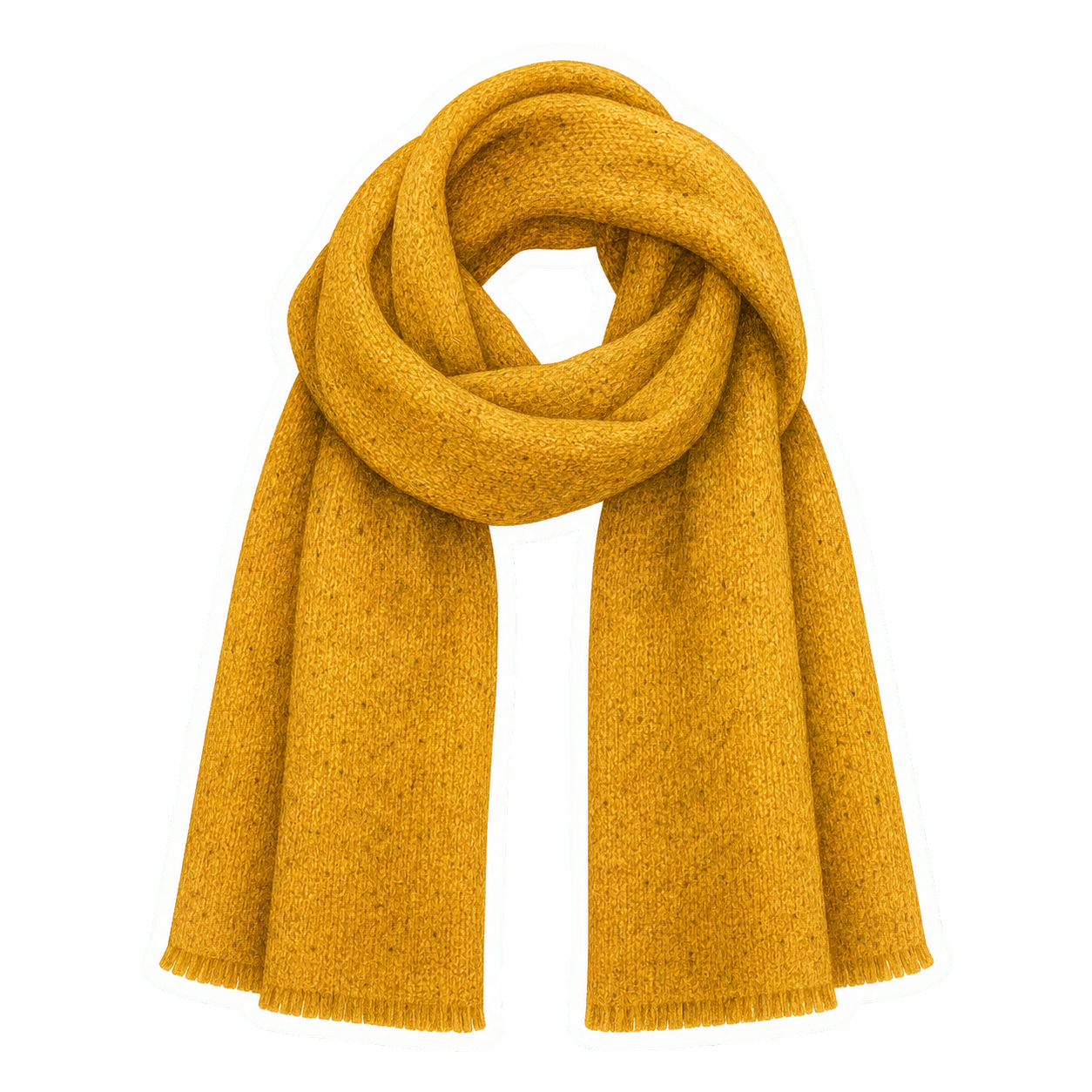 06Mustard marled wool scarf, chunky
Wind it twice and wear it high. At -1°C / 30°F the chunky mustard scarf closes the neck a single-breasted coat leaves open, and in the dark between light installations it is how the people you came with find you again. Mustard is the one bright colour against charcoal, black and burgundy, and that is the reason it is in the case.
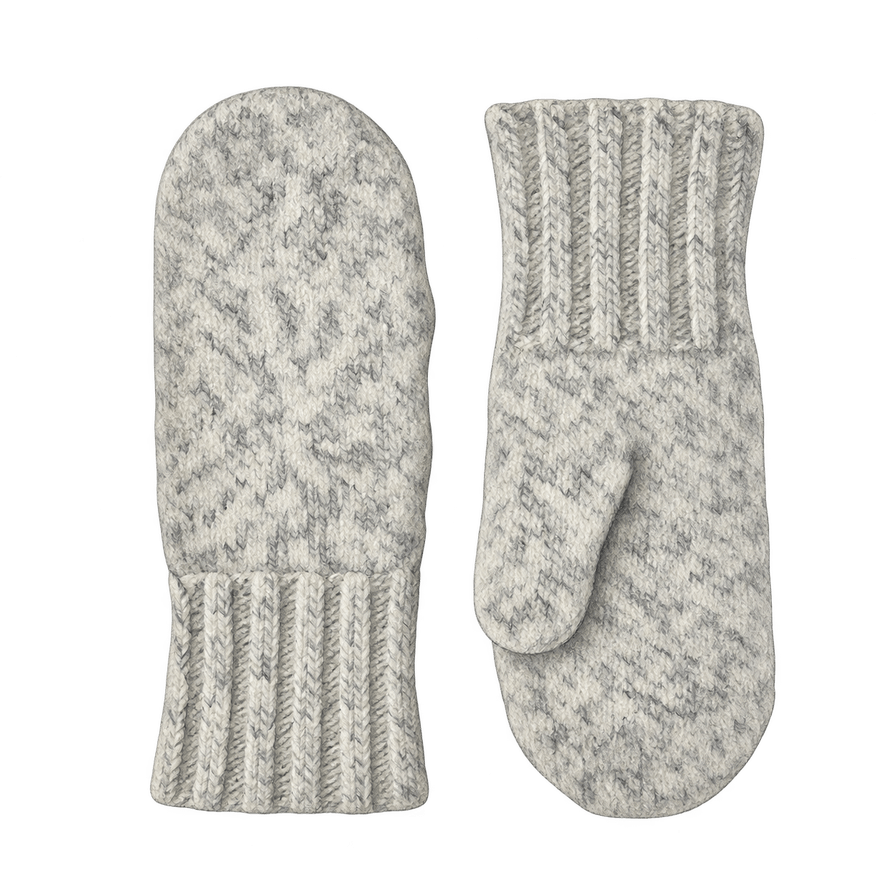 07Grey felted wool mittens
Mittens, not gloves: fingers kept together in one pocket of felted wool stay warmer than fingers apart, and at -1°C / 30°F that decides whether you stay for a second installation at Nobel Week Lights or go looking for a café. Heather grey sits between the charcoal coat and the mustard scarf. Pull one off for the phone and tuck it in the crossbody.
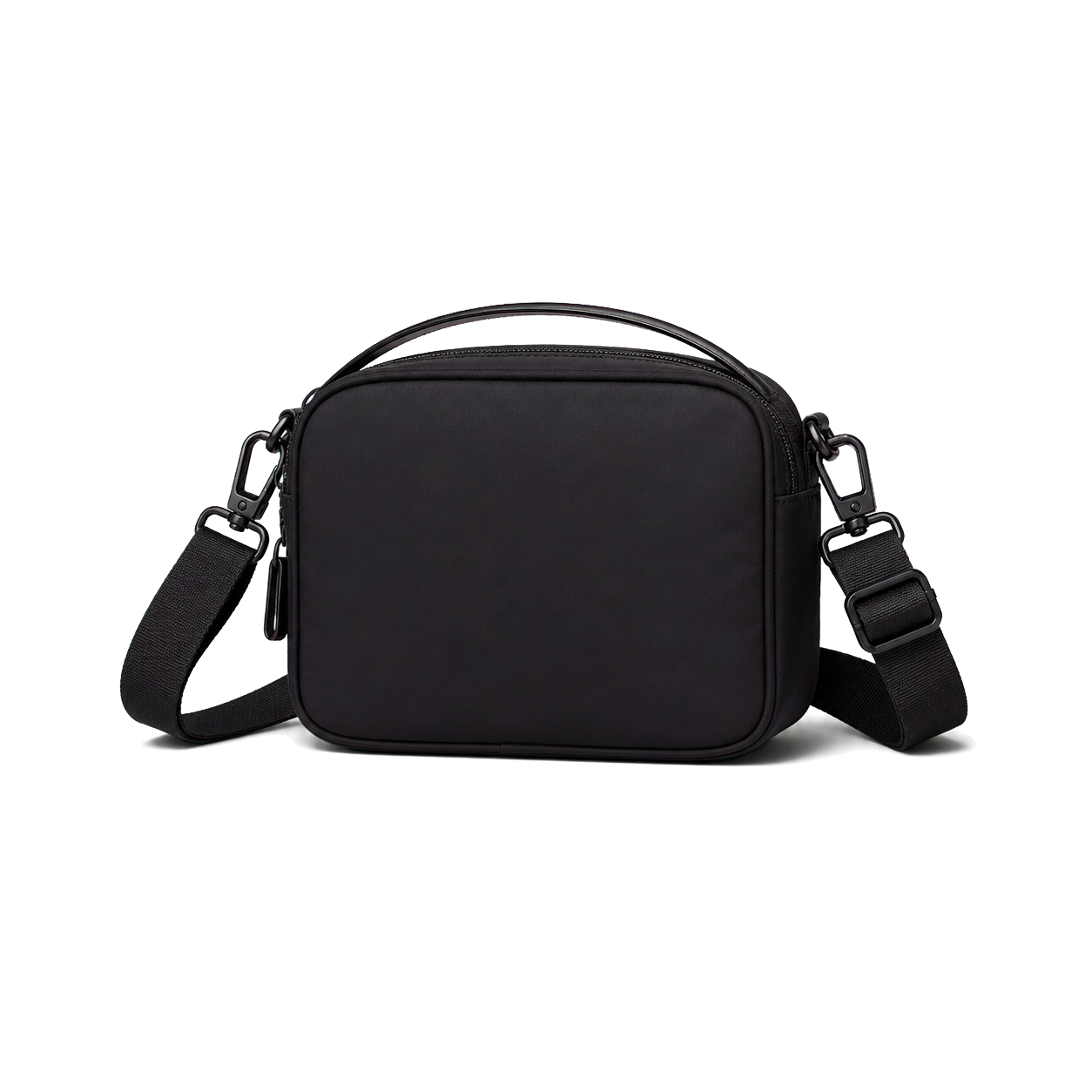 08Black structured boxy crossbody bag
Across the body and over the coat, it leaves both mittened hands free for balance on an icy pavement and for paying at Skansen's stalls on the last three market weekends. A structured black box keeps its shape with a mitten, a phone and a card inside, and it does not swing when you step onto a tram. Black ties it to the trousers and boots.
Day to night
Oat merino base · burgundy lambswool crew · black wide-leg trousers · cleated winter boots · charcoal wool coat · mustard scarf · crossbody. First light about twenty to nine; Skansen's market at ten on a Friday or Saturday; lunch indoors before sunset, about quarter to three.
Charcoal coat buttoned · burgundy crew at the collar · black wide-leg trousers · laced winter boots · mustard scarf wound twice · grey felted mittens on · crossbody across the body. Nobel Week Lights at about 5pm, any night from 5 to 13 December, then dinner.
A suggested look — charcoal wool coat, burgundy lambswool crew, black wide-leg trousers, black lace-up winter boots, mustard wool scarf.
What to avoid
- Smooth soles or heels — afternoon slush refreezes into evening ice
- Thin leather gloves — each finger on its own at -1°C / 30°F
- Head-to-toe black on a Lights night — the mustard scarf is how you are found
- Daylight plans after three — sunset at about quarter to three mid-month
- Treating Christmas Eve as an ordinary Thursday — it is Sweden's main day of celebration
Frequently asked questions
NOAA NCEI's figures for Stockholm-Observatorielunden, a station SMHI operates, give an average December high of 2.5°C and a low of -1.2°C / 30°F, with 47.9mm of precipitation across about 16 days. Fewer than seven of those days bring more than 2.5mm, so most are light. With the average day and night either side of zero, pavements turn to slush by afternoon and freeze again after dark. The sun rises at about twenty to nine and sets at about quarter to three mid-month, and the solstice on the 21st gives about six hours of daylight.
A charcoal knee-length wool coat, a deep burgundy lambswool crew, an oat merino base layer, black wide-leg trousers, black lace-up winter boots with a felt liner and a cleated sole, a chunky mustard wool scarf, grey felted mittens and a black structured crossbody. That covers a -1°C / 30°F evening standing at Nobel Week Lights, a 2°C / 36°F afternoon at Skansen's market and the heated rooms in between. Add a wool beanie for the Lights evenings. Leave smooth-soled shoes, thin gloves and any heel at home: the afternoon's slush is ice by evening.
Nobel Week Lights runs 5 to 13 December 2026, free, in the city centre and in Tensta; the Nobel Prize Museum says it "illuminates Stockholm during the darkest time of the year." You walk a little and stand a lot at -1°C / 30°F, so wear the buttoned wool coat, cleated boots, mittens and a scarf in a colour your group can spot. Lucia falls on Sunday 13 December, when choirs in white, led by a girl with a red sash and a crown of candles, process into churches and concert halls. Dress for a warm room inside and a frozen pavement outside.
Early to mid December. Nobel Week Lights runs 5 to 13 December, the Nobel Prize award ceremony and banquet fall on Thursday the 10th, and Lucia is Sunday the 13th. NobelPrize.org notes that the prizes have been presented since 1901 "at ceremonies on 10 December, the anniversary of Alfred Nobel’s death." The ceremony at Konserthuset and the banquet at Stadshuset are invitation only. Skansen's market runs its last weekend from 18 to 20 December. After that, Christmas Eve on the 24th is the main day of the Swedish celebration, and the 25th and 26th are public holidays.
December is about three degrees colder and crosses freezing. NOAA's figures give November 5°C / 41°F days and 2°C / 36°F nights with rain or drizzle on about 15 days; December drops to 2°C / 36°F and -1°C / 30°F, with precipitation on about 16. Daylight falls from 7h 45m in mid-November to 6h 10m in mid-December, another 1h 35m gone. November's problem is wet air, and a hooded coat solves it. December's problem is the ground: slush by day and ice by night, so the money goes on cleated boots and mittens.
Heavy wool coats in charcoal, camel or black, one warm colour at the neck, and winter boots with a real sole. House of Dagmar, which three sisters founded in 2005 to carry on the legacy of their late grandmother Dagmar, a tailor, designs in Stockholm. Rodebjer, which Gotland-born Carin Rodebjer established in New York City in 2000, calls its approach pragmatic maximalism, which makes the case for a mustard scarf over a charcoal coat. The common thread is a dark coat with something bright wound high at the neck.
Sources
- NOAA NCEI — 1991–2020 climate normals, Stockholm-Observatorielunden stationSMHI operates the station; NOAA NCEI computed this month's figures from its SWM00002485 global-summary-of-the-month record. Recorded per month because the rest of this city's pages are sourced differently.
- NobelPrize.org — The Nobel Prize award ceremonies and banquets (10 December) — accessed 2026-09-26
- Nobel Prize Museum — Nobel Week Lights, 5–13 December 2026 — accessed 2026-09-26
- Visit Stockholm — Lucia in Stockholm 2026 — accessed 2026-09-26
- Skansen — Christmas market, Fridays to Sundays, 27 November – 20 December 2026 — accessed 2026-09-26
- Nordiska museet — Christmas traditions: Christmas Eve — accessed 2026-09-26
- Sveriges riksdag — Lag (1989:253) om allmänna helgdagar — accessed 2026-09-26
- House of Dagmar — About: founded 2005, designed in Stockholm — accessed 2026-09-26
- Rodebjer — About: established New York City, 2000, by Carin Rodebjer — accessed 2026-09-26
- NOAA National Centers for Environmental Information — Climate Data Online — accessed 2026-04-23