What to Wear in Copenhagen in December
Copenhagen in December: 4.6°C / 40°F days, 0.7°C / 33°F nights — mild, but 7 hours of daylight and 1 hour of sun.
- Wind-proofing over insulation — 4.6°C / 40°F in wind beats 0°C still
- A hood that stays up — the wind comes off the harbour, not from above
- A hip-length or longer shell — Tivoli is an outdoor park you walk for hours
- Layers you can strip fast — Danish interiors run hot
- Reflective or light details — you will be walking in the dark by 3:38pm
- Shoes that handle standing water rather than ice — it rarely freezes
- An umbrella — harbour wind turns it inside out within a block
- A heavy down parka — 4.6°C / 40°F is mild, and you will overheat indoors
- Suede or unsealed leather — 60mm across 12 days, most of it wind-driven
- Planning outdoor sightseeing after 3pm — sunset is 3:38pm
- Bright tourist outerwear — Copenhagen's winter palette is genuinely restrained
Copenhagen is the mildest December in this batch and the one people get most wrong, because they pack for a Scandinavian winter that does not arrive. The Danish Meteorological Institute records a December maximum of 4.6°C / 40°F and a minimum of 0.7°C / 33°F, which means the average night stays above freezing while Vienna, Prague and Munich all drop below it. What Copenhagen has instead is darkness and wind. At 55.7 degrees north the city gets roughly 7 hours of daylight in mid-December and just 1 hour of actual sunshine, the least of the four, and 60mm of rain arrives off the harbour horizontally rather than from overhead. A down parka is the wrong instinct here. A wind-proof shell with a hood that stays up is the right one.
Copenhagen in December is the mildest city on this list and the hardest to dress for. Nothing about that is the temperature.
The capsule
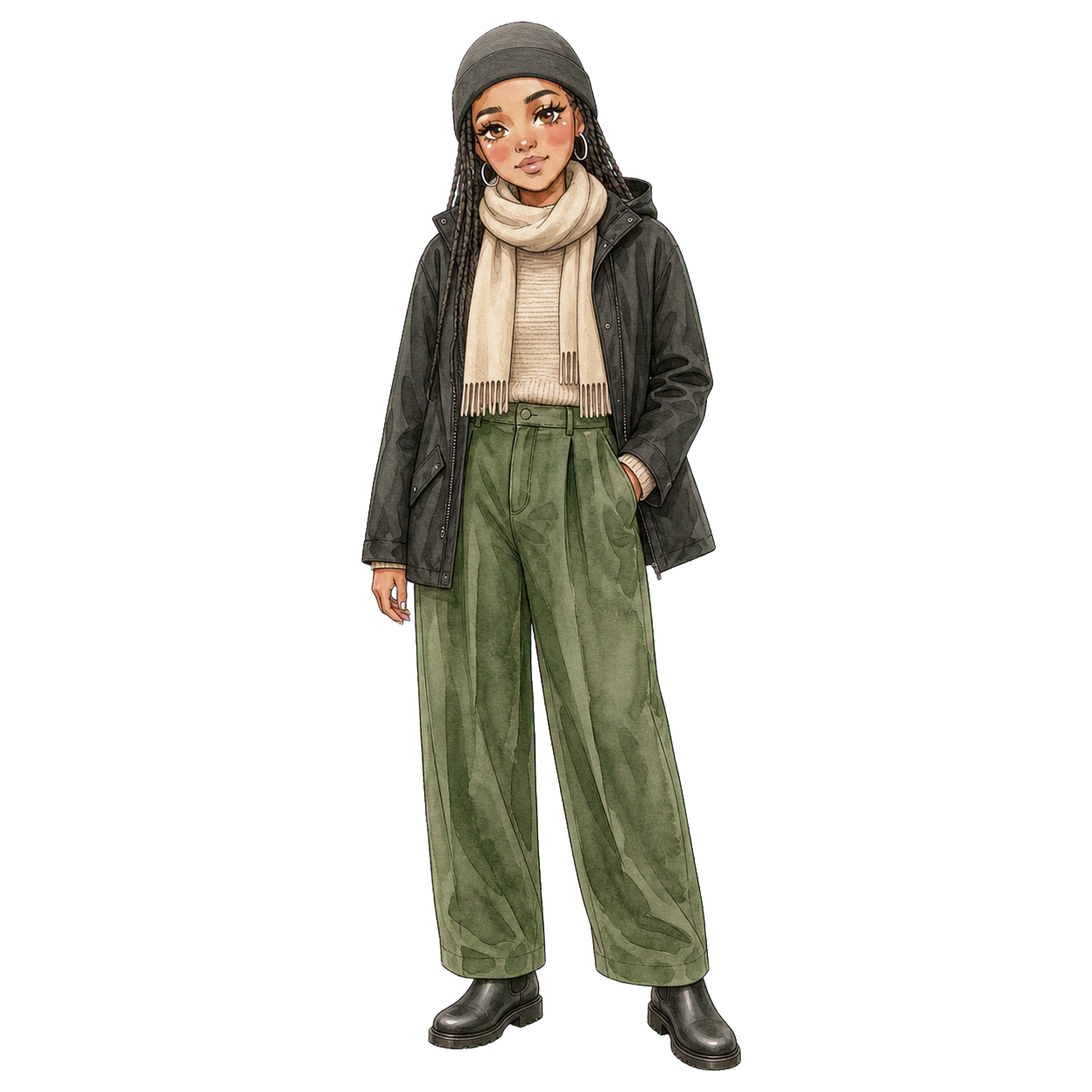
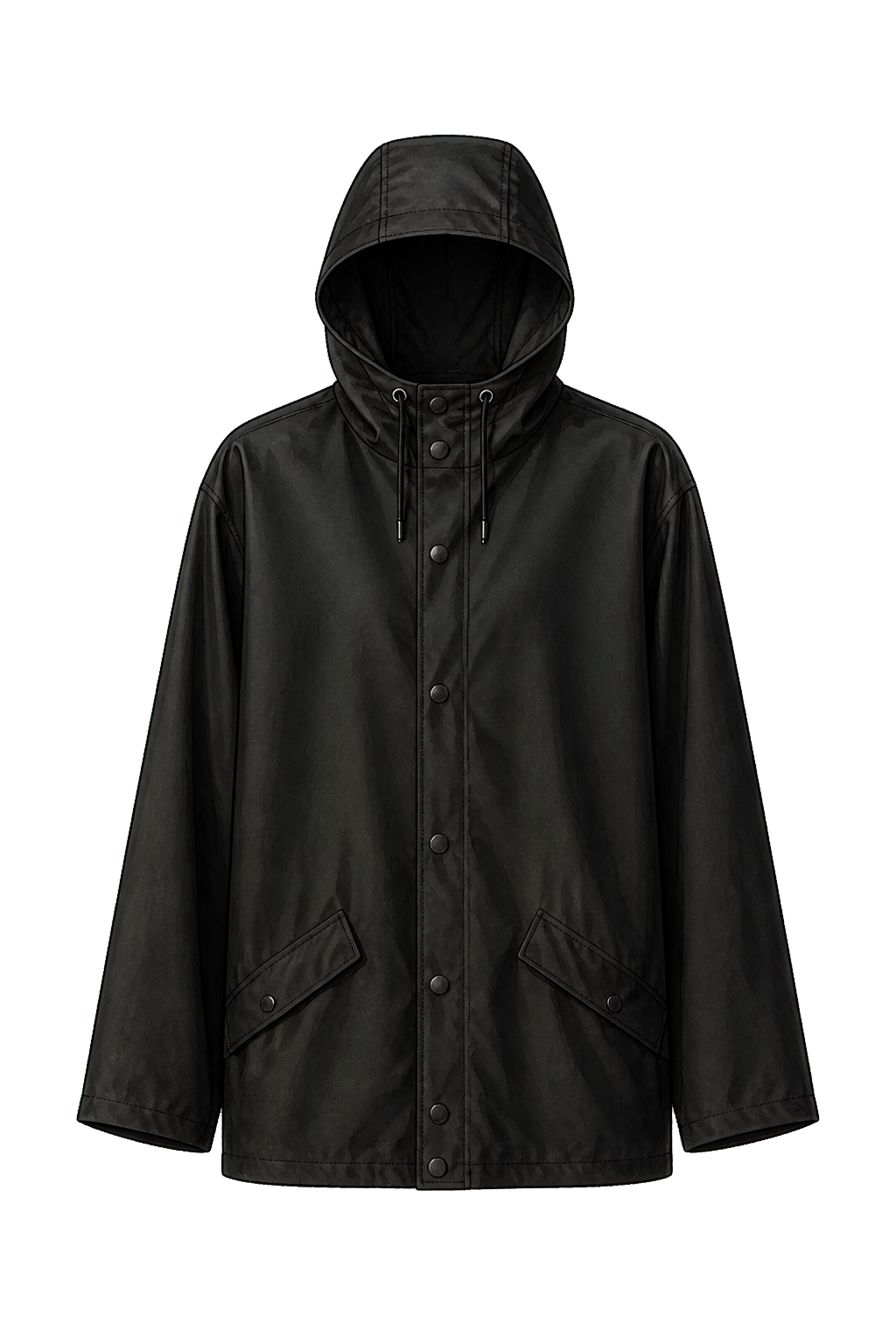 01Wind-proof shell in black or dark olive, hip length, structured hood
Wind-proofing is worth more than insulation at 4.6°C / 40°F, and this is the whole argument for the month. A hood that holds its shape in wind rather than collapsing onto your face is the specific requirement, because rain here arrives horizontally off the harbour and an umbrella is unusable. Hip length rather than thigh, so it works walking and cycling, which is how Copenhagen actually moves. Dark, because the city's winter palette is genuinely restrained.
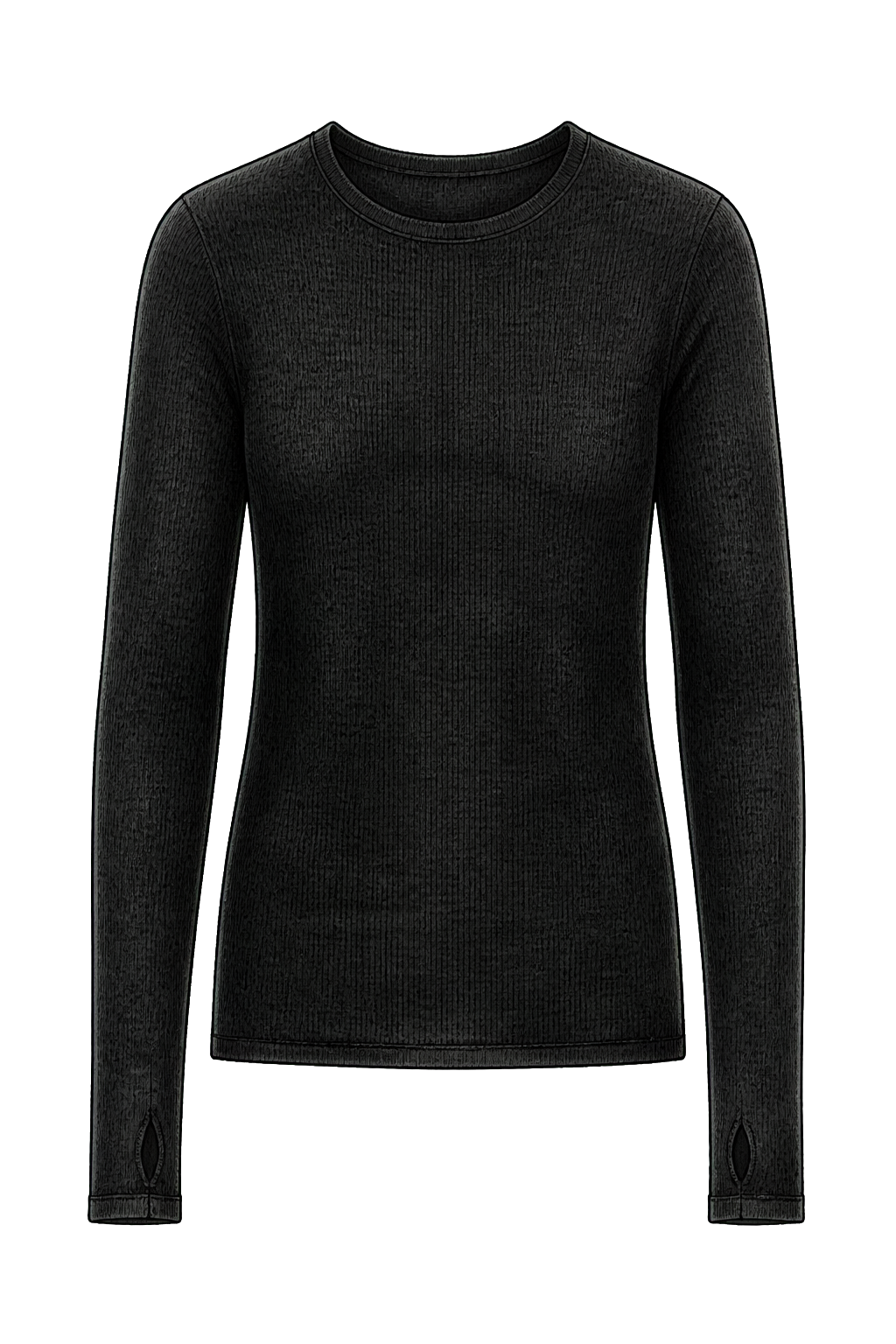 02Fine merino base layer, long-sleeve, black
Fine gauge rather than mid-weight, because Copenhagen's problem is damp rather than deep cold and Danish interiors run genuinely hot. You will go from a wind-driven 4.6°C / 40°F walk into a café at 22°C and you need the whole stack to come apart quickly. Merino handles the sweat that follows without holding it against you. Black keeps it invisible under an open collar.
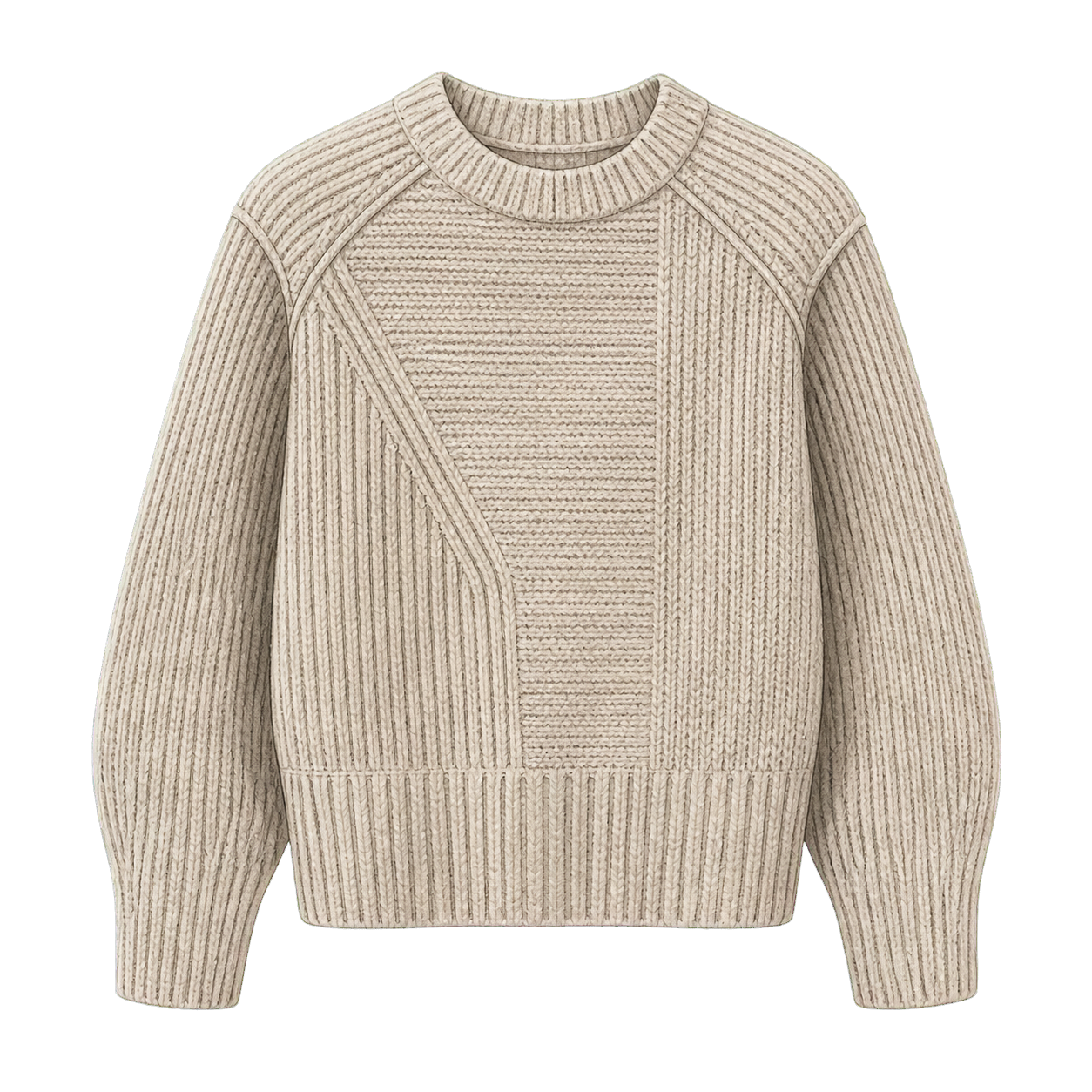 03Chunky wool knit in stone or charcoal, crew neck
The single warm layer, and one is enough here in a way it is not in Munich. This does the insulating that the shell deliberately does not, and it comes off in one movement inside Torvehallerne or a Nyhavn bar. Stone and charcoal are the two colours that read correctly in a Danish winter, where the design vocabulary runs to muted neutrals and a bright coat marks you out immediately.
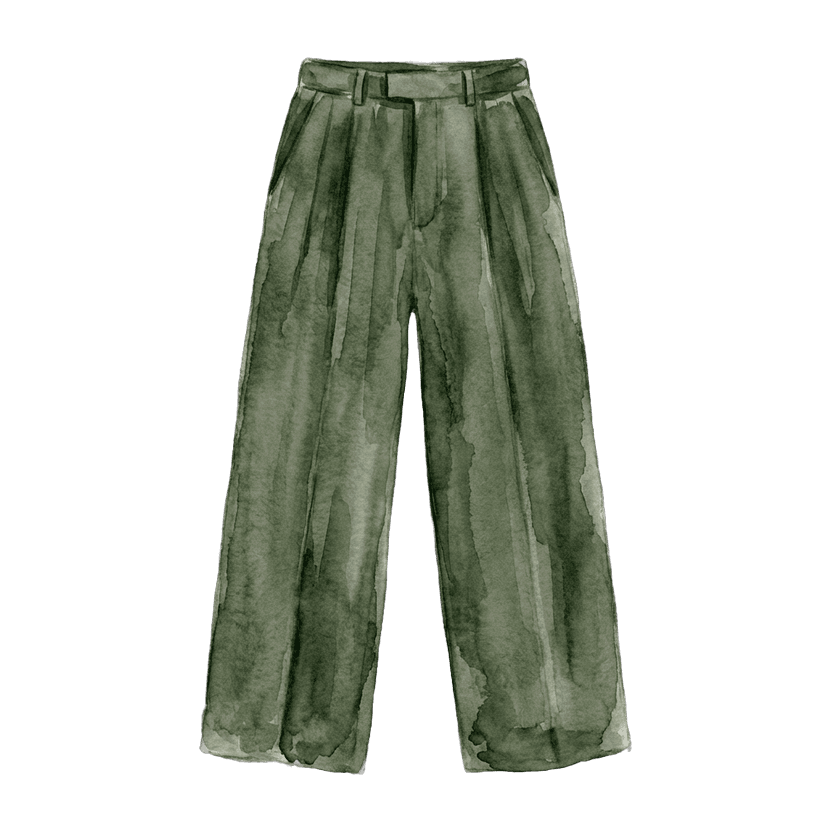 04Deep olive high-waisted pleated wide-leg trousers
Wide-leg works in a city that rarely freezes, because there is no ice underfoot demanding a narrow hem and no settled snow to sweep through. Pleated and high-waisted leaves room for a base layer without pulling. Deep olive is the one departure from black in this capsule and it sits inside the Danish palette rather than fighting it, which a brighter colour would. Check the hem length against your boots before packing.
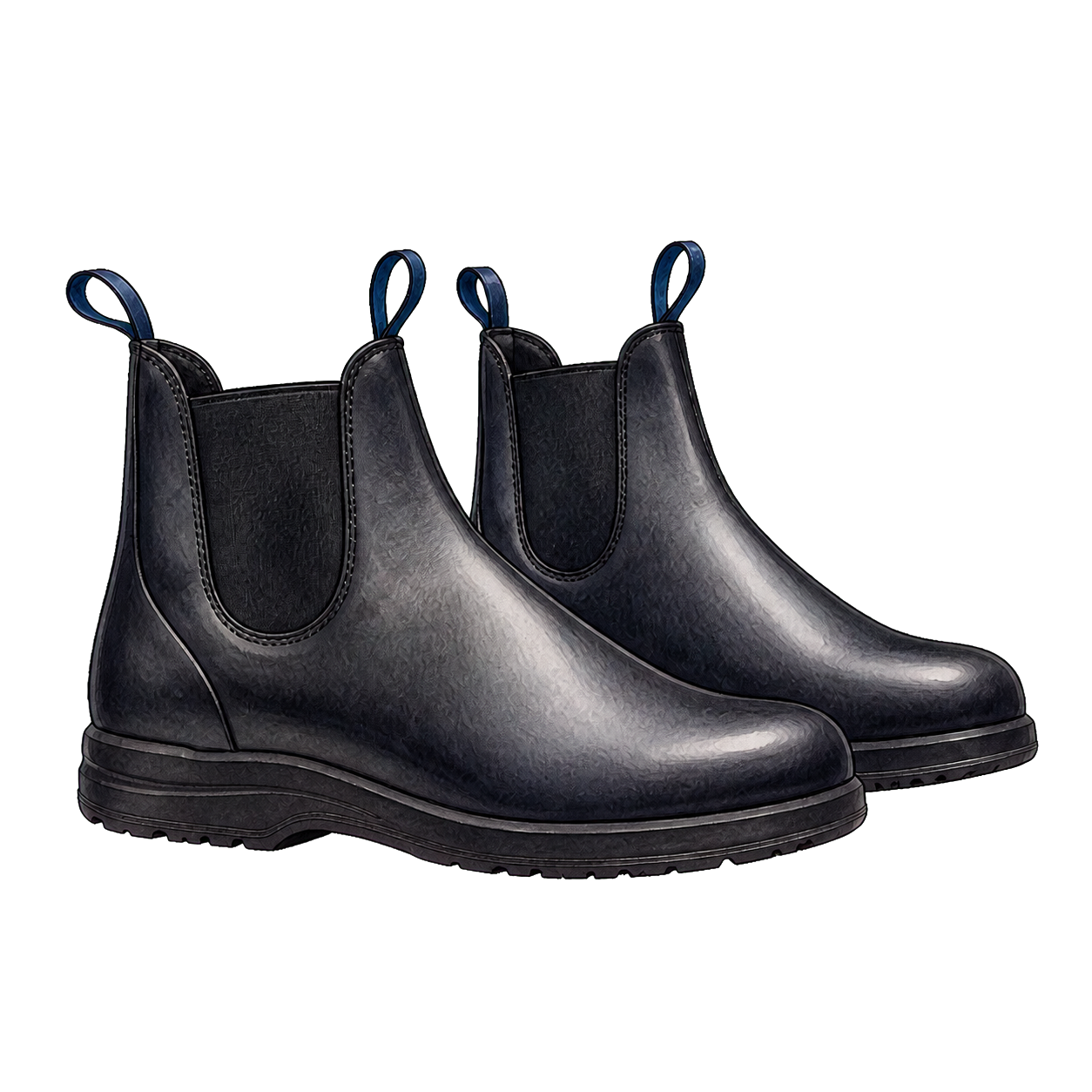 05Sealed leather Chelsea boot with a treaded sole, ankle height
Copenhagen's ground problem is standing water rather than ice, which changes the boot entirely from Prague's. You need a sealed upper and a tread that clears water, not a deeply cut ice lug. Ankle height because you are walking and cycling rather than wading. Chelsea rather than lace-up so it comes off quickly, which matters more than you expect in a country where taking shoes off indoors is common.
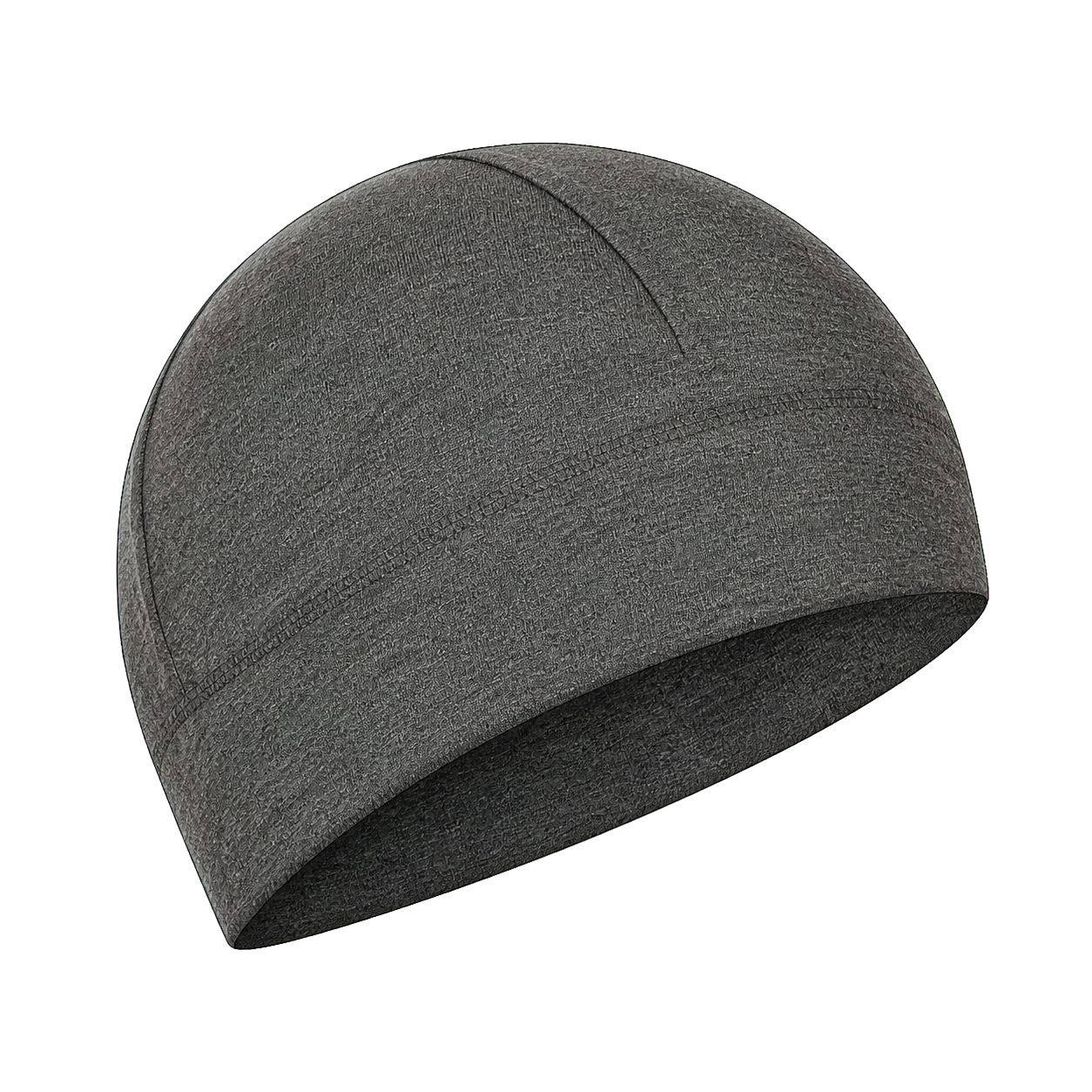 06Merino-blend beanie in charcoal, close-fitting under a hood
Close-fitting is the requirement, because it has to sit under a shell hood without pushing it off your head, and a folded slouchy beanie will not. Merino-blend rather than pure lambswool, since 12 wet days means it will be damp regularly and merino dries faster and does not hold odour. This is also the piece to keep on indoors if you are going straight back out, which in a 7-hour-daylight city you usually are.
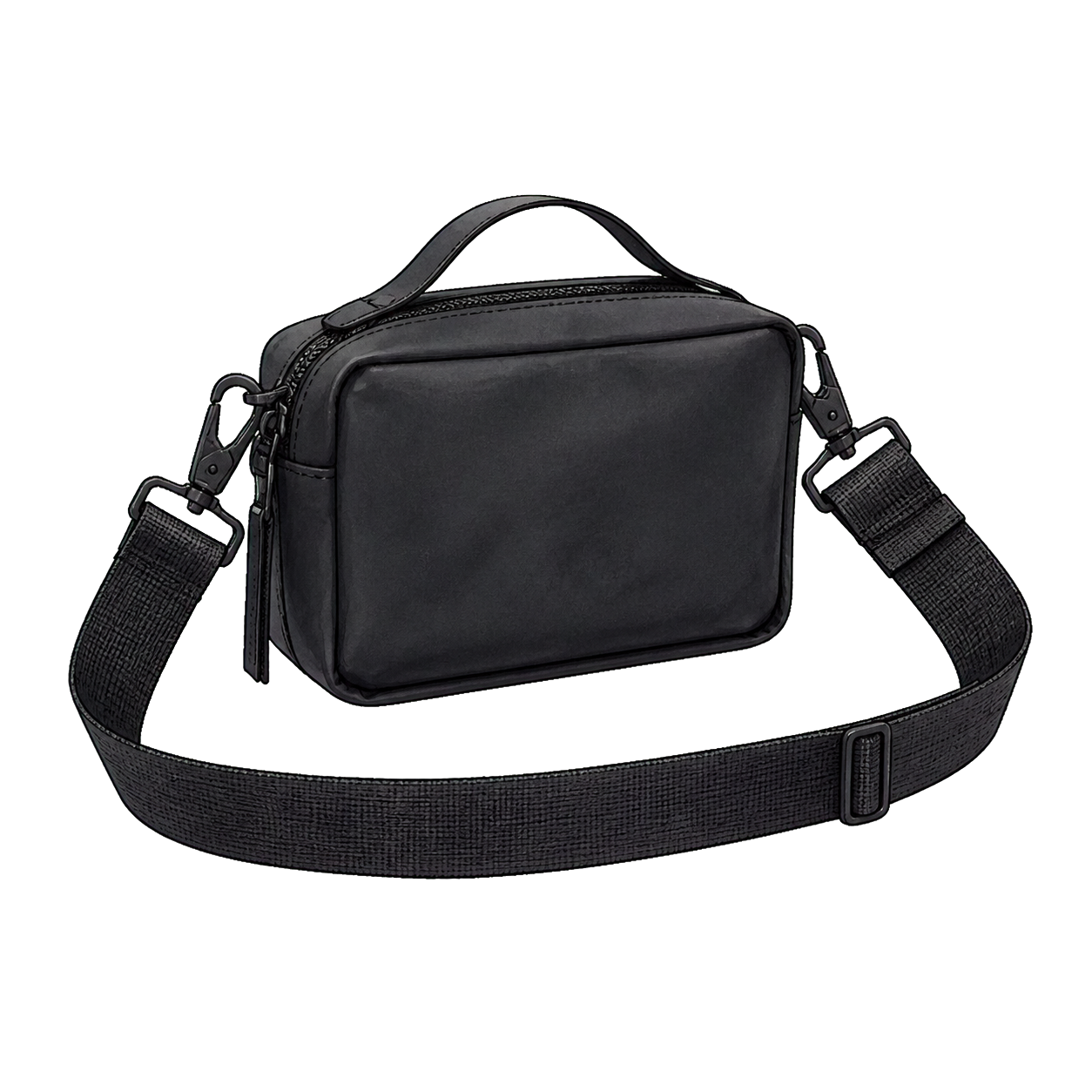 07Water-resistant crossbody in black, sealed zip, small
Copenhagen is a cycling city and a bag that swings forward when you lean over handlebars is a genuine nuisance. Small and worn tight across the body solves that, and a sealed zip matters when 60mm of wind-driven rain means water arrives sideways at bag height rather than landing on top. Black, unfussy, no visible hardware — the Danish register does not reward a statement bag in winter.
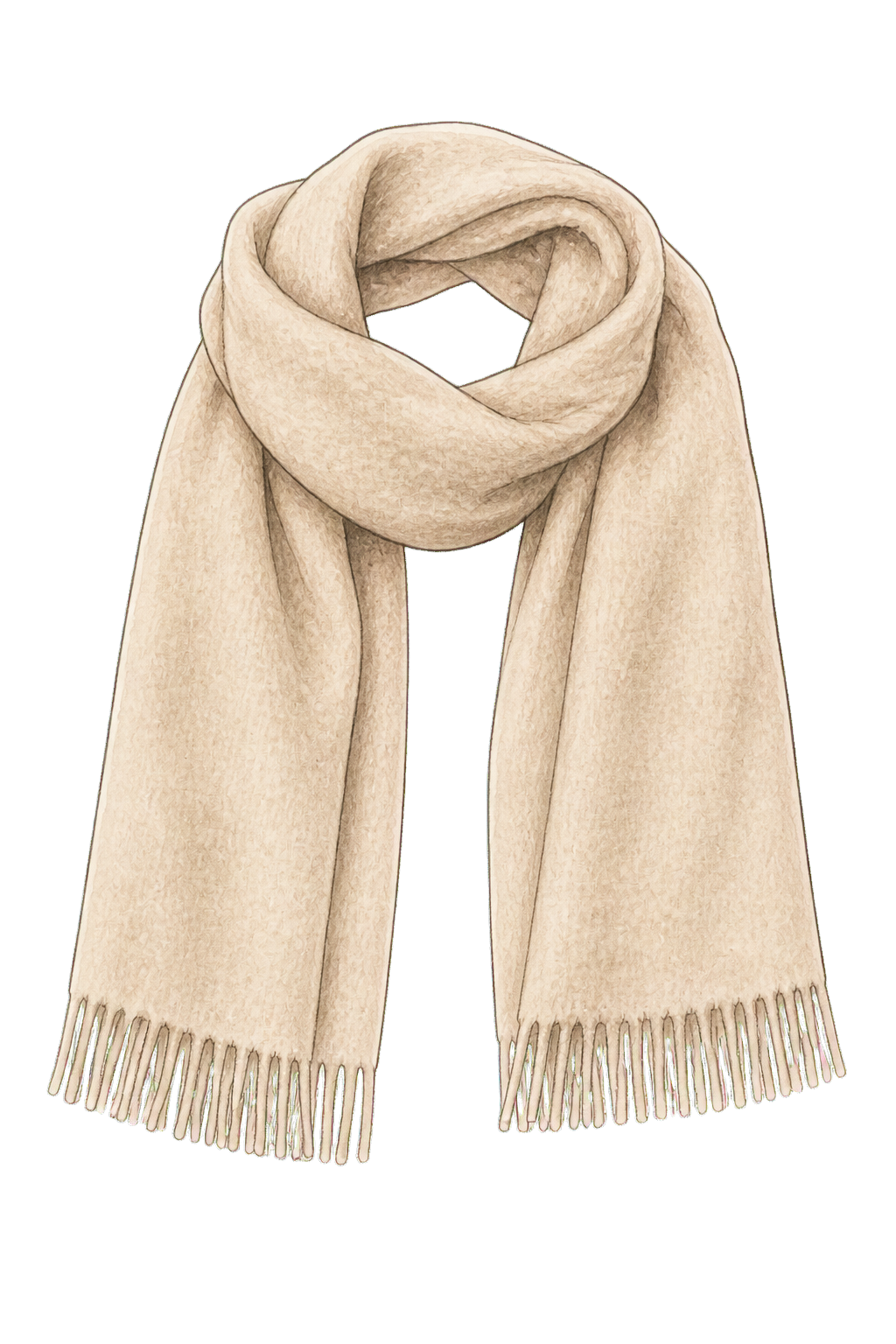 08Long lambswool scarf in oatmeal, wide weave
The one light thing in the capsule, and it earns its place against the dark: with 1 hour of sunshine a day and sunset at 3:38pm, an all-black outfit disappears entirely on an unlit cycle path. Wide enough to pull up over the chin against harbour wind, long enough to double-wrap. Oatmeal rather than cream, which greys out fast across a fortnight of rain.
Day to night
Merino base · stone chunky knit · olive wide-leg trousers · sealed Chelsea boots · oatmeal scarf · wind shell. Designmuseum Danmark at opening, Torvehallerne for lunch, a walk along the harbour while the light is up.
Shell zipped, hood up, beanie under it, crossbody tight. Tivoli from four with the lights on, hours outdoors in an amusement park, home in wind at 0.7°C / 33°F.
A suggested look — black windproof shell, stone chunky wool knit, deep olive wide-leg trousers, black sealed leather Chelsea boots, oatmeal wool scarf and charcoal merino beanie.
What to avoid
- An umbrella — harbour wind destroys it, and the rain is horizontal anyway
- A heavy down parka — 4.6°C / 40°F is mild and interiors run hot
- Suede or unsealed leather — wind-driven rain hits from the side
- Outdoor plans after 3pm — sunset is 3:38pm, with 1 hour of sun a day
- Bright technical outerwear — the Danish winter palette is restrained
- An ice-lug sole — Copenhagen rarely freezes; standing water is the problem
Frequently asked questions
Milder than people expect. The Danish Meteorological Institute records an average December maximum of 4.6°C / 40°F and an average minimum of 0.7°C / 33°F, with 60mm of precipitation across about 12 days. That average low stays above freezing, which makes Copenhagen the mildest of Europe's December market cities and the only one of Vienna, Prague, Munich and Copenhagen that does not routinely drop below zero overnight. The difficulty is wind and darkness rather than temperature.
A wind-proof shell with a structured hood over a fine merino base and one chunky wool knit, with pleated wide-leg trousers, a sealed leather Chelsea boot, a close-fitting merino beanie and a long scarf. Prioritise wind-proofing over insulation: 4.6°C / 40°F in harbour wind is far less pleasant than the number suggests, while a heavy down parka leaves you overheating in Danish interiors. Skip the umbrella entirely and make sure the hood stays up on its own.
Genuinely dark, and it shapes the whole trip. At 55.7 degrees north the city gets roughly 7 hours of daylight in mid-December, with sunrise near 8:37am and sunset near 3:38pm, and DMI records only about 1 hour of actual sunshine a day. That is less daylight and less sun than Vienna, Prague or Munich. Plan museums and walking for the middle of the day, and treat Tivoli, Nyhavn and the harbour baths as evening activities, which is how they are designed to be seen anyway.
It is the main reason to come, and it changes the packing list because Tivoli is an outdoor amusement park in winter. Opened in 1843, the gardens run a Christmas season with the whole park lit, which means several hours outside walking and queueing rather than ducking between indoor stops. Dress for standing and moving in wind: a hooded shell, a hat that fits under the hood, and boots that handle standing water. It is not cold enough for serious insulation, but it is long enough outdoors to matter.
Milder, wetter in a different way, and much darker. DMI puts Copenhagen at 4.6°C / 40°F and 0.7°C / 33°F against Vienna's 3.8°C / 39°F and −1.8°C / 29°F and Munich's 3.6°C / 38°F and −2.2°C / 28°F. Copenhagen and Munich both get 60mm across 12 days, but Munich's falls as settled snow at 520 metres while Copenhagen's arrives as wind-driven rain at sea level. Copenhagen also gets roughly 7 hours of daylight against their 8 hours 20 minutes.
No, and they would be the wrong choice. With an average minimum of 0.7°C / 33°F the city rarely holds snow or ice for long, so the deeply cut ice lug that serves you in Prague and the waterproof depth boot that serves you in Munich are both overkill. What you need is a sealed upper and a tread that clears standing water, because 60mm of wind-driven rain across 12 days leaves puddles rather than drifts. A sealed leather Chelsea boot covers it.
Restrained, dark and practical, with cycling built into every decision. The everyday register is a wind-proof shell or a wool coat in black, charcoal, stone or deep olive, one good knit, straight or wide trousers, and an ankle boot. Bags are worn small and close to the body because most people are on a bike. Bright colours and visible technical branding both stand out here, and the design vocabulary that Copenhagen is known for indoors carries straight through to how people dress outdoors.
Sources
- DMI — 1991–2020 climate normalsOne month on this city carries its own provenance — see `provenance` on the entry in data/seo/months/copenhagen.ts. DMI publishes normals only through a search form, so no station is recorded for the remaining months.