What to Wear in Montreal in October
Montreal in October: 13°C / 55°F afternoons, 5°C / 41°F nights — peak foliage at one end, near-frost at the other.
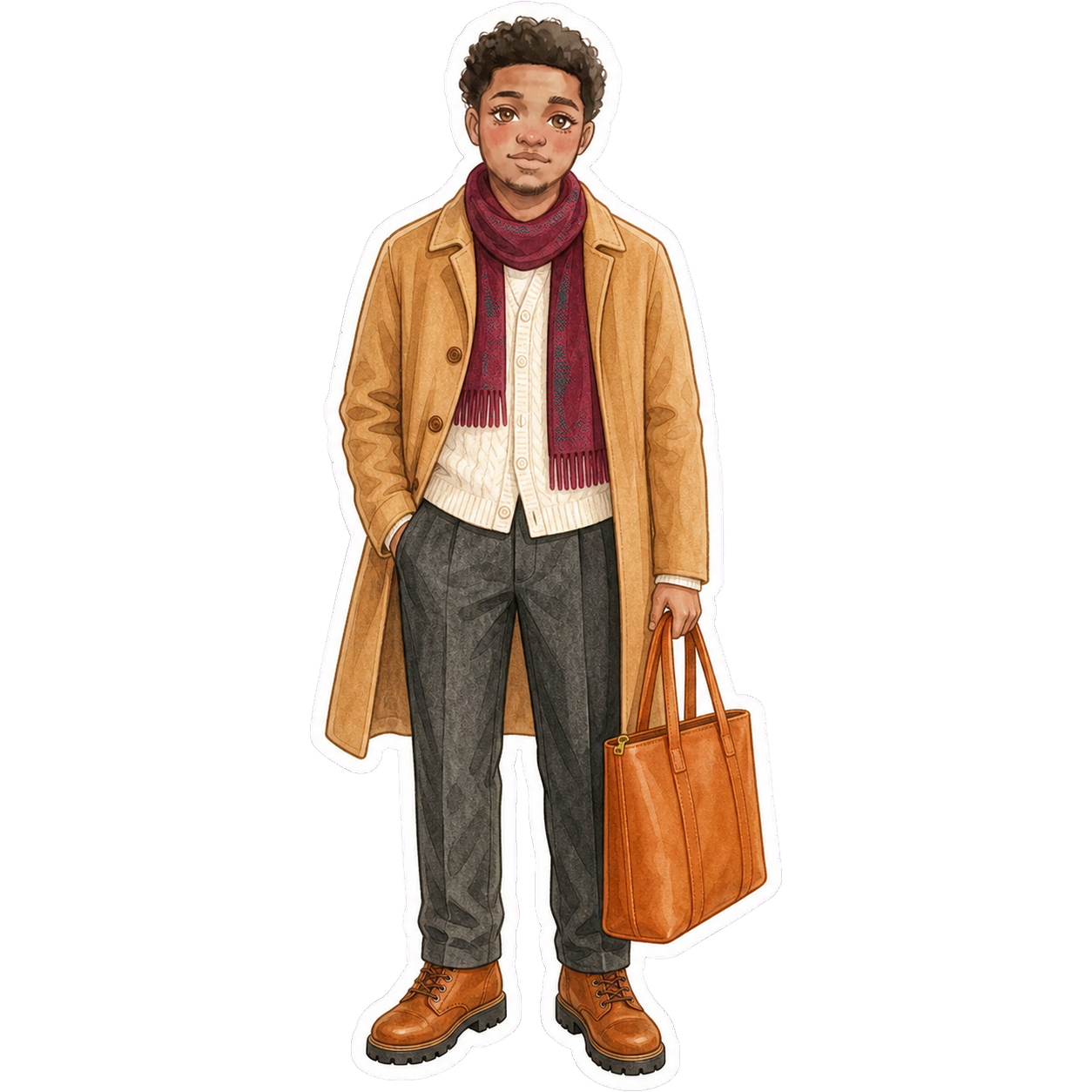
- A wool car coat — mid-thigh, enough for 5°C / 41°F without being a parka
- An ivory cable-knit cardigan, the layer that opens indoors
- Charcoal flannel trousers, which handle wet leaves better than denim
- Brown lug-sole ankle boots with sealed seams
- A burgundy wool scarf from around mid-month
- A tote big enough to carry the layer you shed at noon
- Bring a parka — that is a December garment here and dead weight at 13°C / 55°F
- Wear suede — 7.3 of the 13 rain days are properly wet
- Treat the first week and the last as the same month — they are not
- Skip the scarf — the overnight low approaches freezing by the final week
Montreal in October is two months wearing one name. It opens on peak foliage and closes near frost, and packing for the average gets you the wrong clothes for both ends. NOAA's records from the Trudeau station give an October average high of 13.3°C and an average low of 4.5°C across the period, with measurable precipitation on 12.5 days of which 7.3 clear a tenth of an inch. That last figure matters: well over half the wet days here are properly wet, landing on streets already covered in fallen leaves, which is a specific and slippery combination. Mont-Royal turns in the first half of the month and the city walks up it in numbers; by the final week the overnight normal is close enough to zero that frost on a windscreen is unremarkable. Daylight holds at about eleven hours, better than any northern European city at the same date, and the light itself is the reason people come. The right answer is a wool coat rather than a parka, a cardigan you can open in the overheated interiors this city runs, and a boot that copes with wet leaf litter. The underground RÉSO network becomes genuinely useful from about now.
Montreal in October is two months wearing one name: foliage at the start, frost at the end.
The capsule
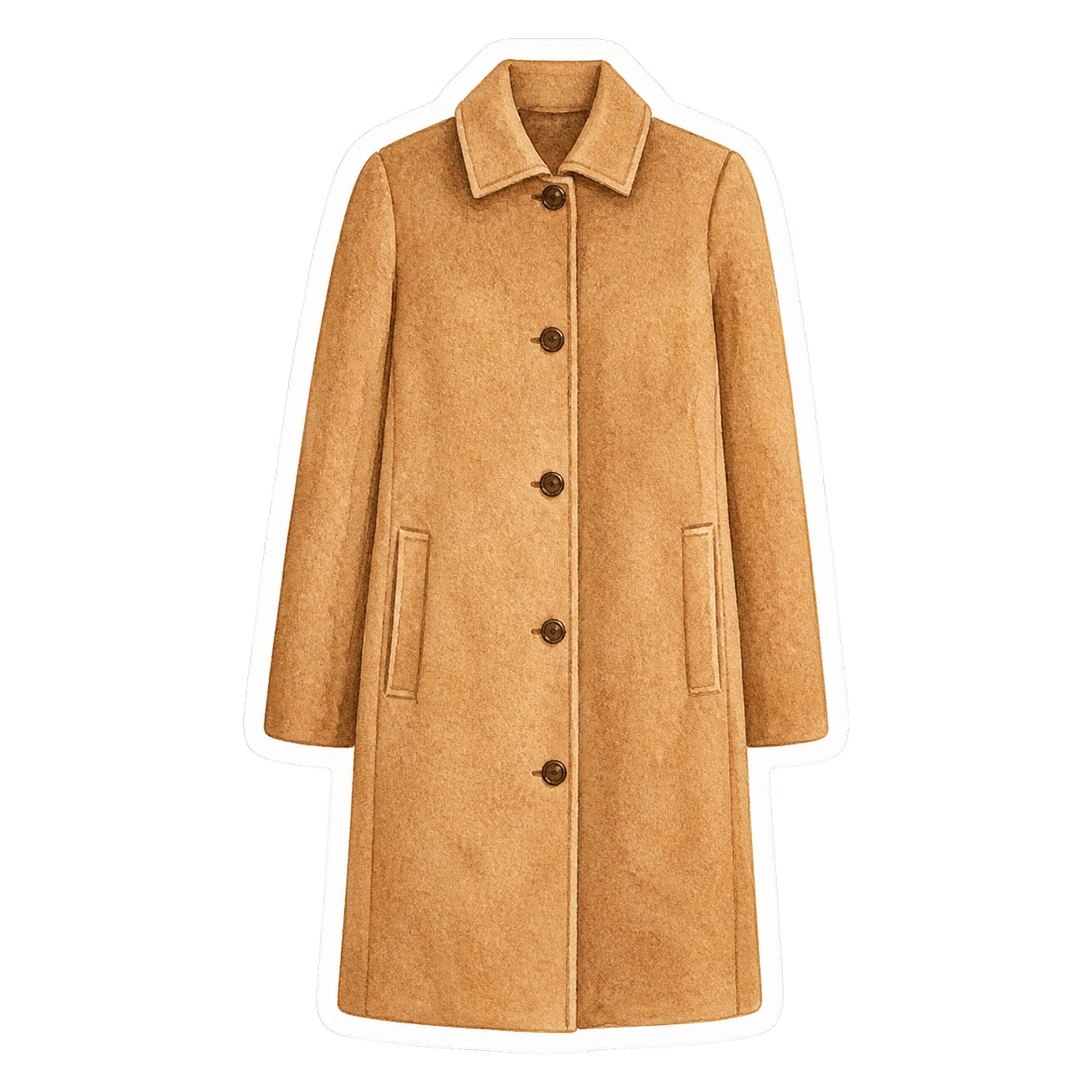 01Camel wool car coat, mid-thigh
Mid-thigh rather than full length, which is the correct weight for a month that averages 13.3°C by day and only approaches freezing at the very end. A car coat also sits properly when you are climbing Mont-Royal or getting in and out of a métro seat, where a long coat becomes something you manage. Camel lifts a grey month and reads correctly against the foliage everyone is here to see.
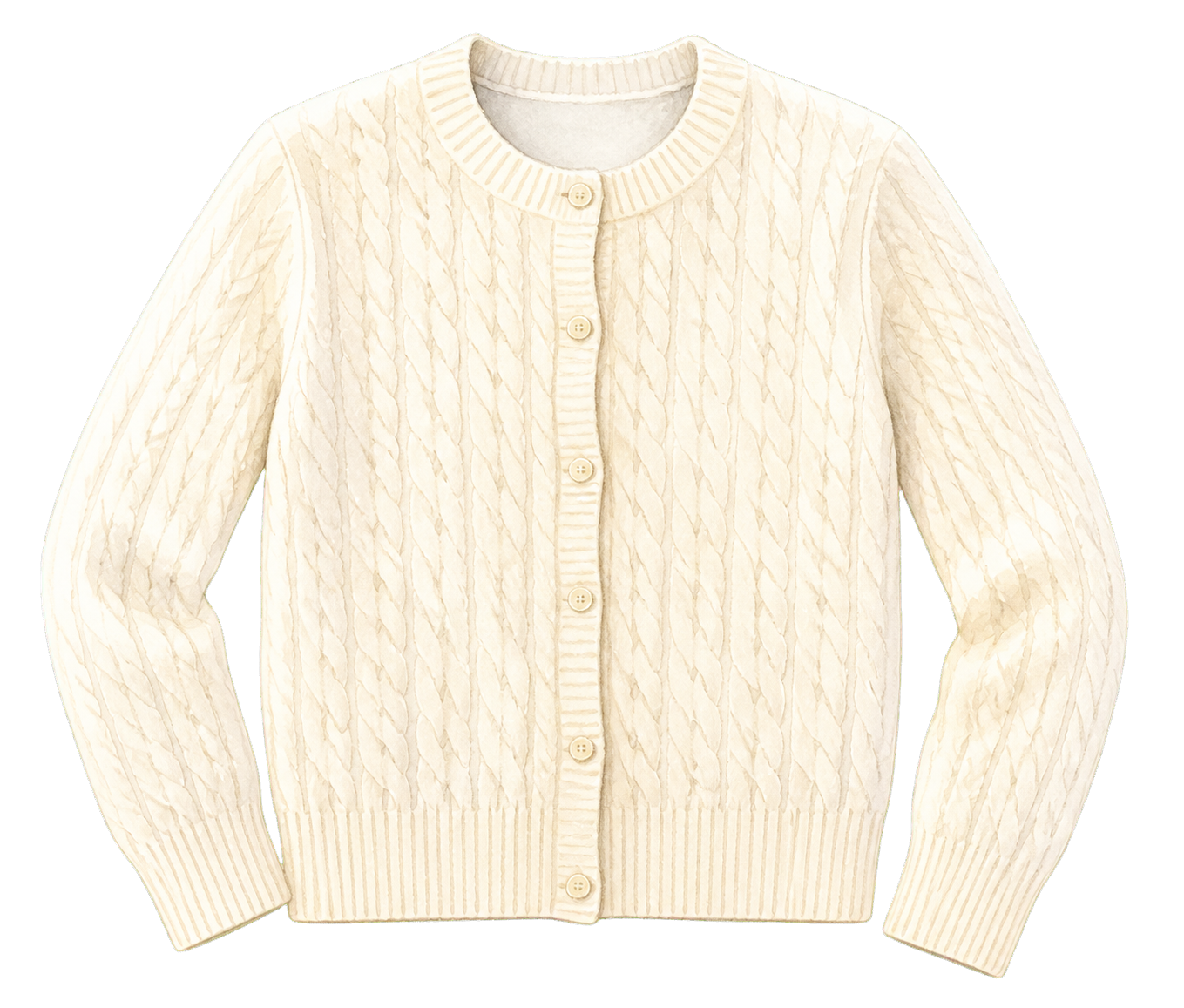 02Ivory cable-knit button cardigan
A cardigan rather than a pullover because Montreal heats its interiors hard and you will want to open something the moment you step inside a café on Saint-Denis. Cable knit gives it enough structure to work as the only layer on a 13°C / 55°F afternoon once the coat is off. Ivory against camel is warm without being matched.
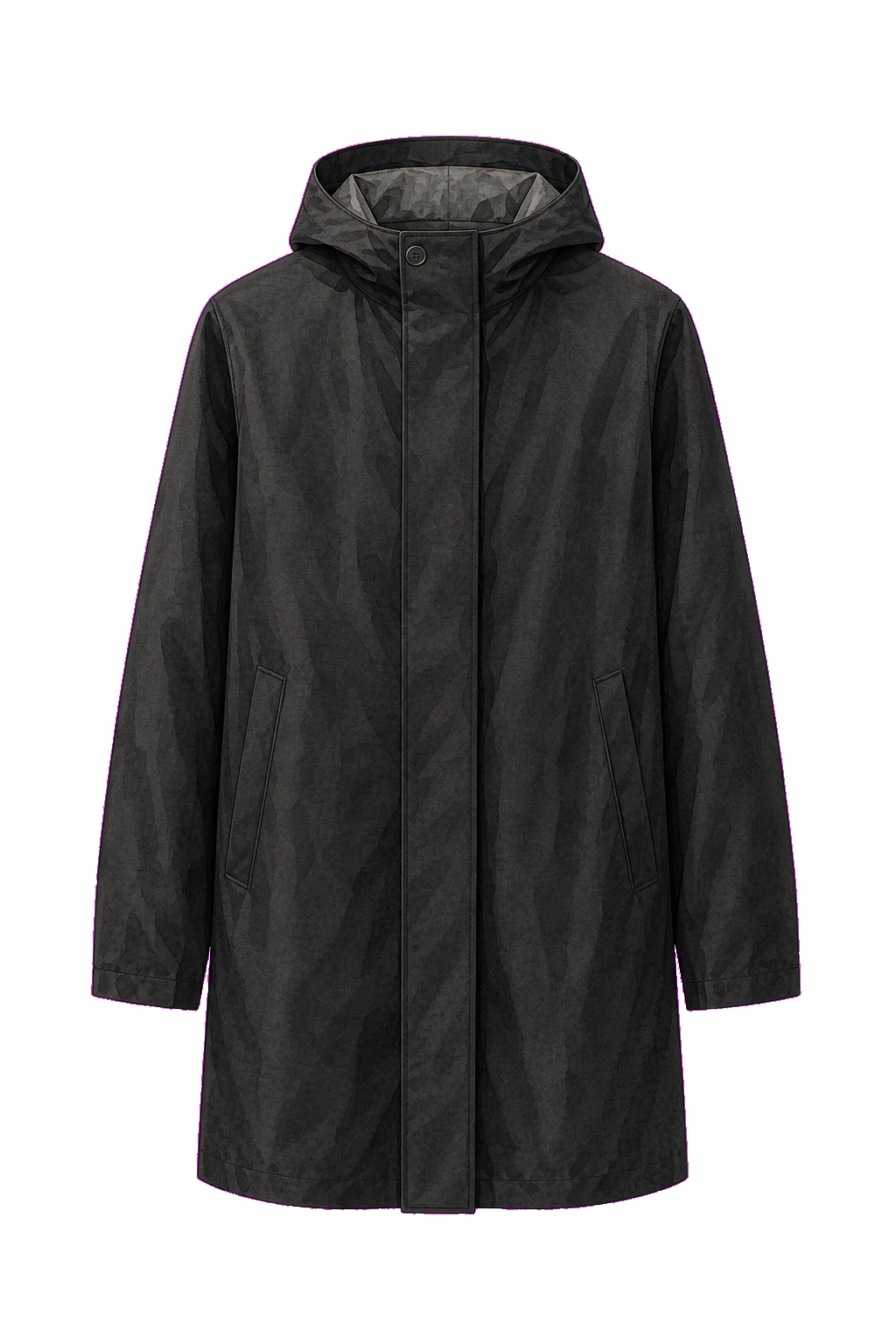 03Black hooded mid-length rain jacket
For the 7.3 days a month that deliver real rain, when a wool coat is the wrong tool and would spend the evening drying. A hood removes the umbrella problem on a windy street corner in the Plateau. Mid-length so it covers the same ground as the car coat rather than leaving a gap at the hip, and black because it will be worn in the wettest conditions of the month.
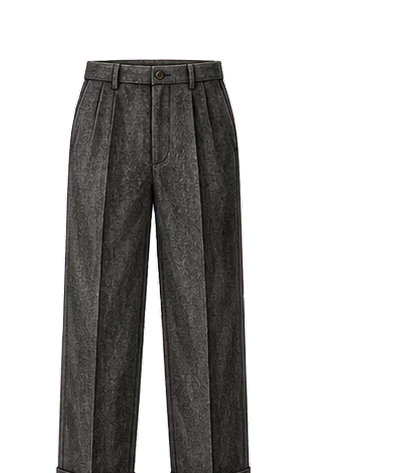 04Charcoal wool-flannel trousers, straight leg
Flannel handles a wet leaf better than denim does — it sheds a light rain and dries overnight, where a soaked jean is still damp the next morning. Straight leg so the hem meets the boot cleanly on ground that is covered in leaf litter for most of the month. Charcoal because this capsule takes its colour from the coat and the scarf.
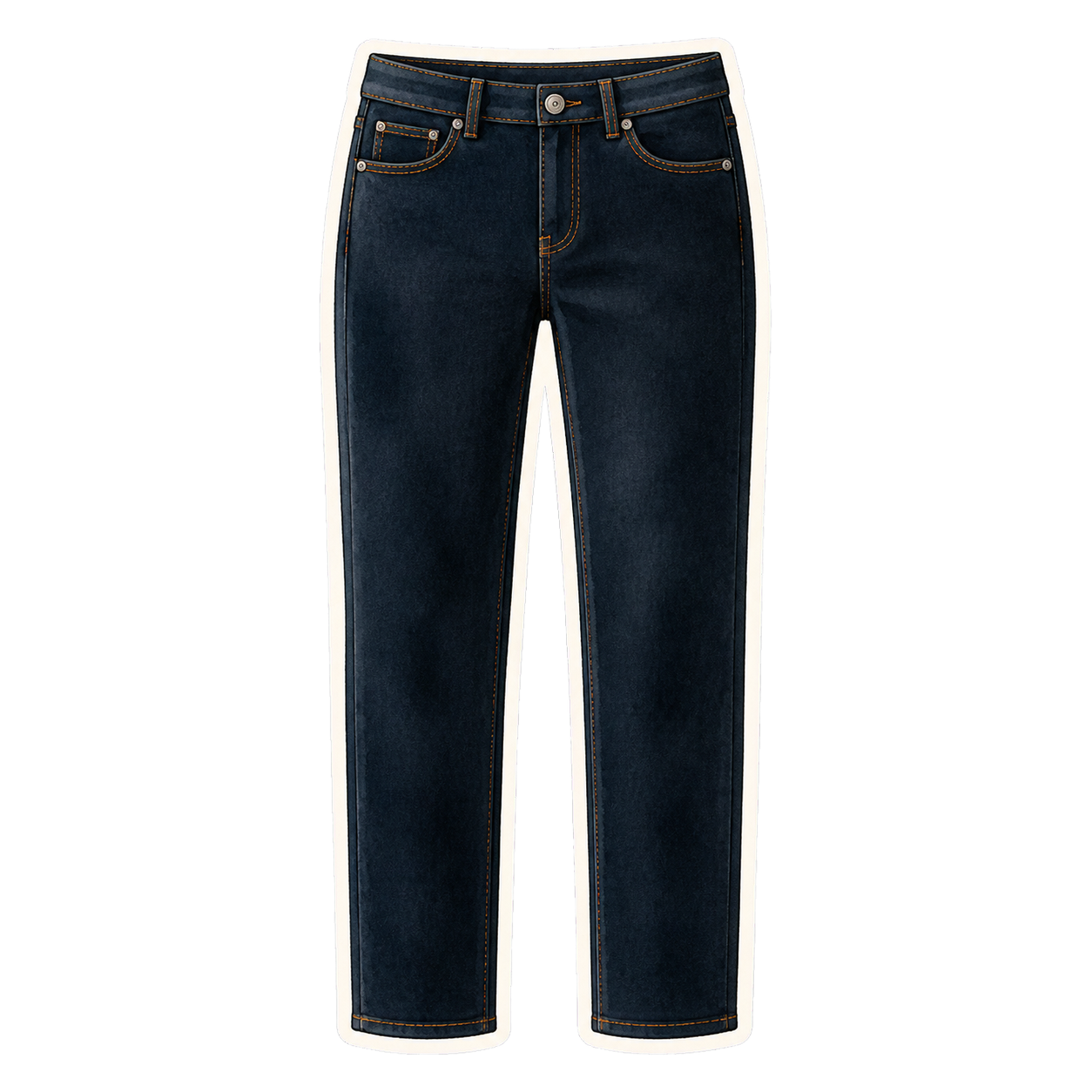 05Dark indigo straight-leg jeans
The walking half, for Mont-Royal and the Lachine Canal rather than a restaurant. Dark indigo hides the splash that comes up off wet leaves, which a pale wash advertises immediately. Between these and the flannel trousers you have both halves of the month covered without changing anything above the waist.
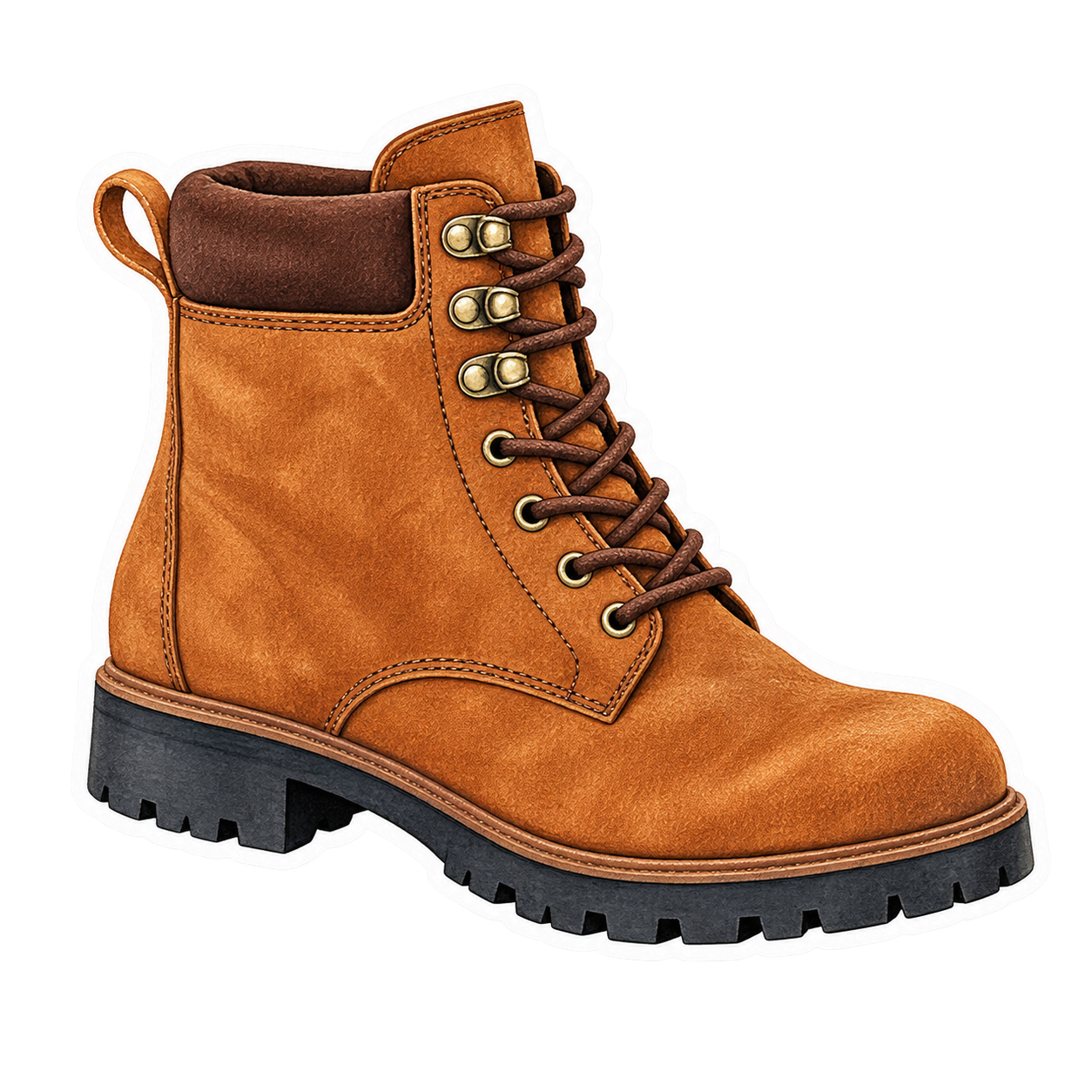 06Brown leather lug-sole ankle boot, sealed
Wet leaves on stone are genuinely slippery and Montreal has both in quantity through October, plus the outdoor staircases the Plateau is known for. A real lug and sealed seams handle that; a smooth sole does not. Brown rather than black keeps it in the same warm register as the coat, and this is not yet a lined-boot month.
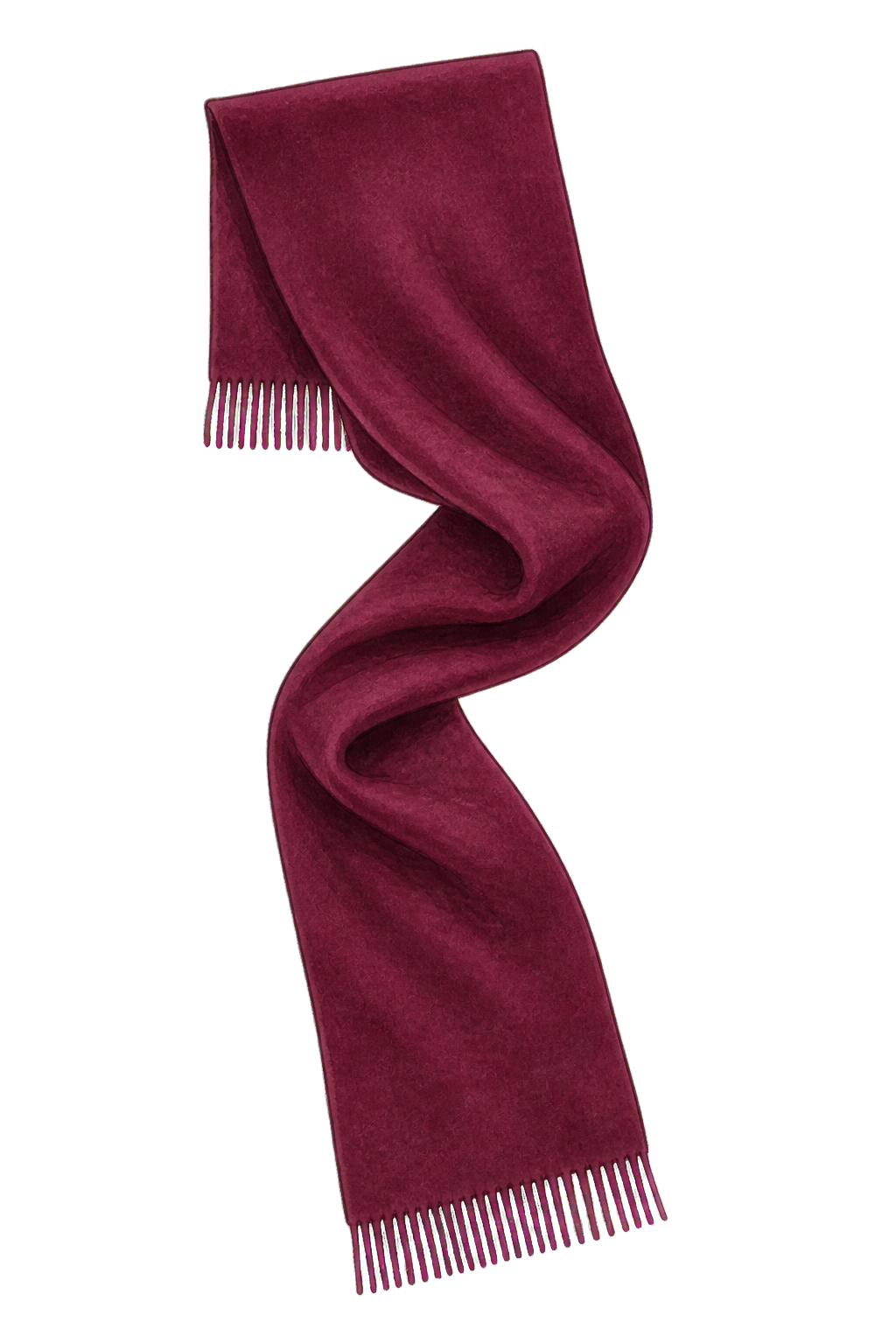 07Burgundy marled wool scarf
From about mid-month rather than the start, which is when the overnight low begins dropping toward freezing in earnest. Wool because it keeps working while damp, and marled burgundy because the capsule is otherwise camel, ivory and charcoal and the month itself is full of red. This is the piece that makes an evening walk pleasant instead of brisk.
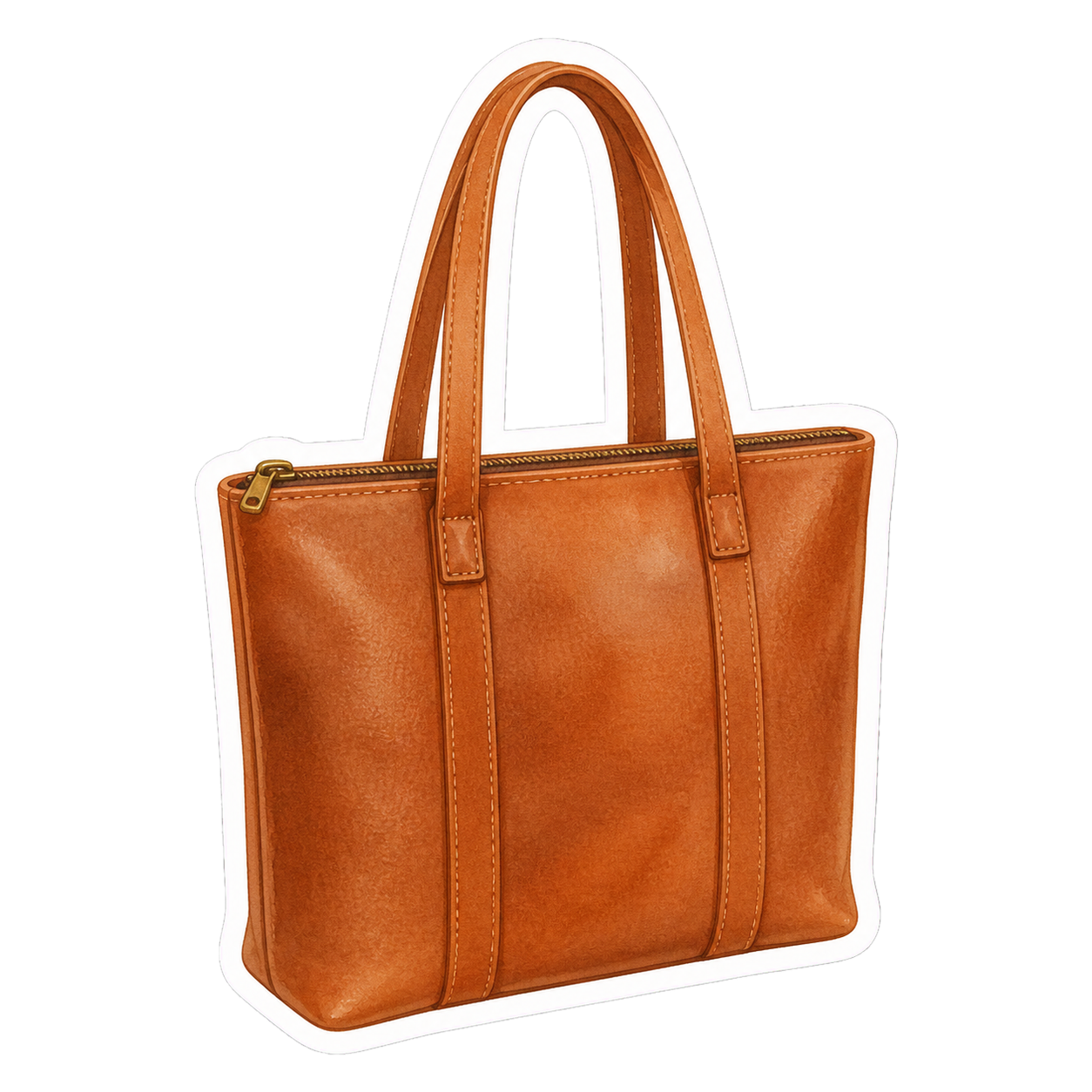 08Cognac leather tote with a zip top
Sized for the layer you take off, because on a 13°C / 55°F afternoon the cardigan or the coat ends up in your hands. A zip top matters on 12.5 wet days. Cognac against camel and burgundy is the warm end of the same palette, and a tote suits a city where you are moving between heated interiors rather than cycling.
Day to night
Ivory cardigan under the camel car coat · dark indigo jeans · lug-sole boots · cognac tote. Mont-Royal early in the month while the colour holds, then a long walk down through the Plateau.
Same cardigan · charcoal flannel trousers · boots · burgundy scarf · car coat closed. Dinner on Saint-Laurent at eight; it is 5°C / 41°F walking back and the scarf is why that is fine.
A suggested look — open camel wool car coat, ivory cable-knit cardigan, charcoal flannel trousers, brown lug-sole ankle boots, burgundy wool scarf.
What to avoid
- A parka — that is December here, and over your arm by noon at 13.3°C
- Suede — 7.3 of 12.5 rain days are properly wet, on ground covered in leaf litter
- Treating the first and last weeks as the same month — foliage at one end, frost at the other
- Smooth soles — wet leaves on stone, plus the Plateau's outdoor staircases
- An umbrella as the main plan — a hood works better on a windy corner
Frequently asked questions
Cool, colourful and often wet. NOAA's records from the Trudeau station give an October average high of 13.3°C / 55°F and an average low of 4.5°C / 41°F, with measurable precipitation on 12.5 days of which 7.3 clear a tenth of an inch. Daylight holds around eleven hours. The month changes character across its length: mild and bright at the start, close to frost overnight by the end.
Generally the first half of October, with Mont-Royal turning ahead of the surrounding lowlands and the Laurentians north of the city peaking earlier still. If foliage is the reason for the trip, aim at the first two weeks. By the last week the canopy is thinning and the ground is covered in wet leaf litter, which is the practical argument for a sealed lug-sole boot.
A wool coat, not a winter one. At 13.3°C / 55°F by day and 4.5°C / 41°F overnight, a mid-thigh wool car coat over a cardigan covers the whole month, and Montreal's interiors are heated hard enough that anything heavier becomes a burden indoors. Save the parka for December, when the average high sits below freezing.
Rarely, and rarely enough to settle. The overnight normal of 4.5°C / 41°F is above freezing, so October precipitation is overwhelmingly rain — 12.5 days of it, with 7.3 above a tenth of an inch. A first flurry in the final days is possible in some years but is not something to pack for. Plan for wet leaves rather than snow.
It is the best of the autumn. Foliage peaks in the first half, terrasse season lingers into the early weeks, the festival crowds of summer have gone, and eleven hours of daylight is generous next to European cities at the same latitude. The trade-off is rain on roughly two days in five and a real temperature drop across the month, which is why the packing has to cover both ends rather than the average.
Sources
- NOAA NCEI — 1991–2020 climate normals, Montréal-Trudeau stationECCC operates the station; NOAA NCEI computed this month's figures from its CA007025250 global-summary-of-the-month record. Recorded per month because the rest of this city's pages are sourced differently.