What to Wear in Boston in October
Boston in October: 16.7°C / 62°F afternoons, 8.6°C / 47°F mornings, 10 rain days — and a foliage drive that runs 5–8°C colder than the city.
- A real jacket, not a shacket — 8.6°C / 47°F mornings and colder out of town
- Layers you can shed by noon on the Freedom Trail
- Closed shoes with grip — wet leaves on 18th-century brick are genuinely slick
- One warm hat and gloves if you are driving north for foliage
- Something smart for a Back Bay dinner — Boston dresses more formally than it looks
- A packable rain layer — 10 rain days, and coastal weather turns fast
- Dressing for the city forecast on a day trip — the mountains run 5–8°C colder
- Smooth soles — wet leaves over uneven colonial brick
- Expecting peak colour early — Boston itself turns in the last week of October
- Assuming coastal means mild — the wind off the harbour adds a real chill
Boston in October is two climates depending on whether you leave the city. NOAA normals put the afternoon at 16.7°C / 62°F and the morning at 8.6°C / 47°F, with about 100mm of rain across 10 days. That is a pleasant walking month. But almost everyone visiting in October drives at least once — the Berkshires, the White Mountains, coastal Maine — and elevation plus latitude puts those 5 to 8 degrees below the city, with the colour peaking a fortnight earlier. Pack a genuine jacket rather than an extra sweater, add a hat and gloves if the itinerary leaves Route 128, and choose shoes for wet leaves on brick laid in the 1700s.
The foliage everyone photographs is two hours north and a fortnight early. Dress for where you are going, not where you woke up.
The capsule
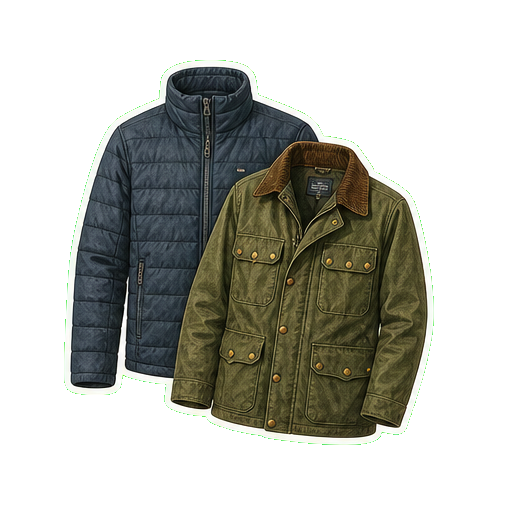 01Insulated or wool-lined jacket, hip length
Boston mornings sit at 8.6°C / 47°F, and the harbour wind makes them feel lower — this is a coastal city and the water does not warm it in autumn. Hip length covers you standing still at a Head of the Charles vantage point or waiting for the T, and a wool lining or light insulation handles the drive north where the temperature drops another five degrees before you park.
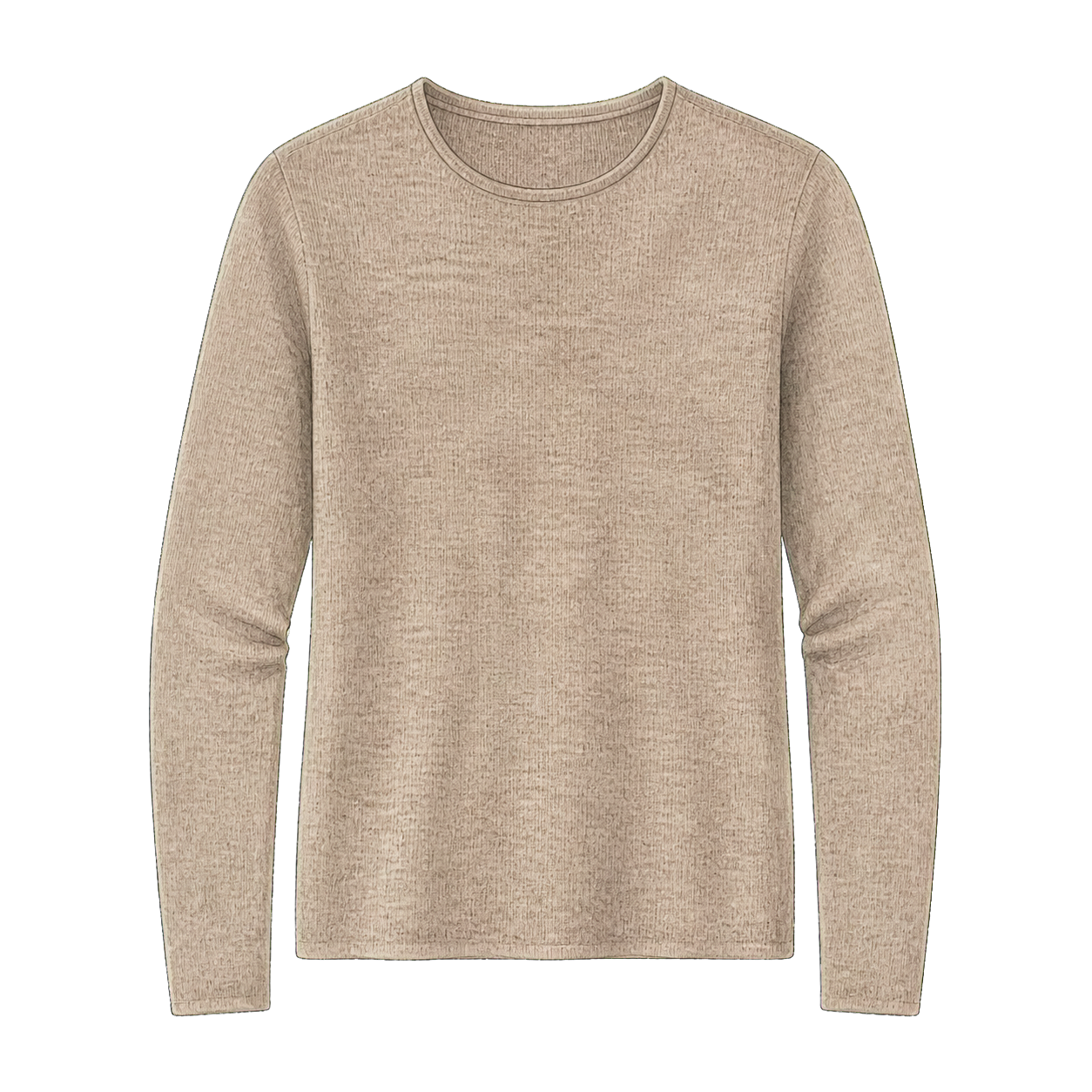 02Fine merino crewneck
Your shed layer, and it earns the space by working in both climates. Fine merino goes under the jacket for a Vermont morning and comes off entirely by noon in the Public Garden at 16.7°C / 62°F. Merino over cotton specifically: October in New England is damp, and cotton holds it while merino keeps working.
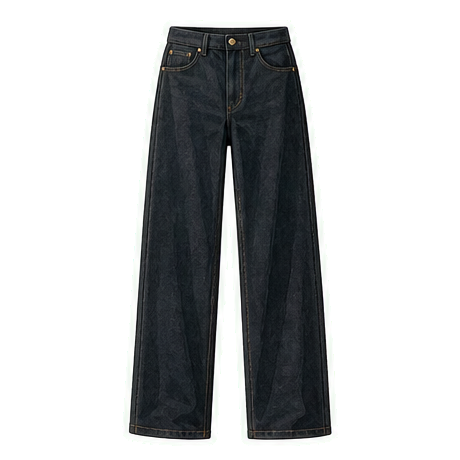 03Dark straight-leg jeans
New England's default, worn everywhere from Harvard Square to a Beacon Hill restaurant. Dark and straight rather than distressed, because Boston is a more conservative dresser than its student population suggests, and a clean dark jean is the single most versatile bottom for a trip that mixes cobblestone walking with a decent dinner.
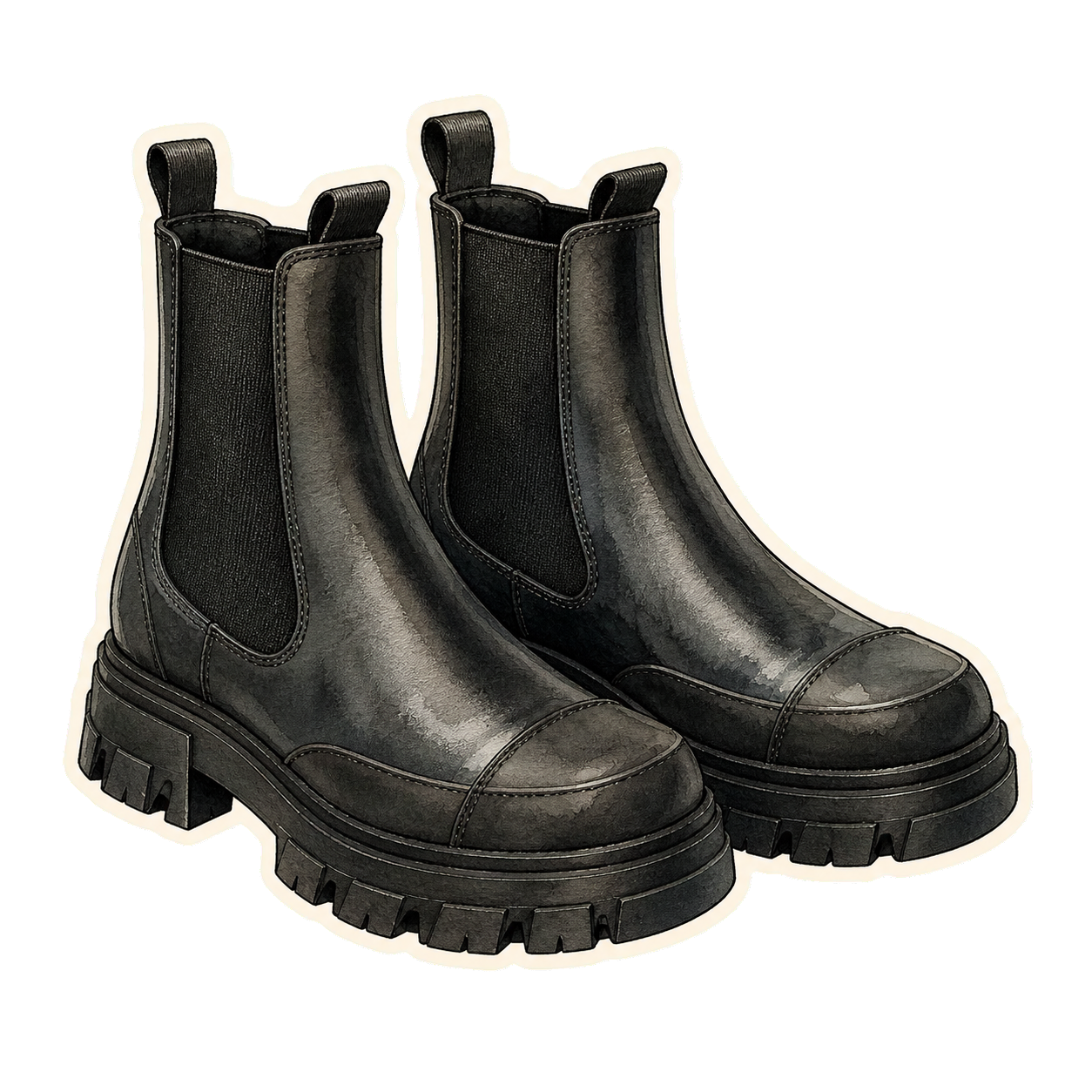 04Leather ankle boots with a lugged sole
Wet leaves on colonial brick is the specific hazard, and Boston has more of both than any American city — the Freedom Trail runs 2.5 miles across pavement laid before the Republic. A lugged sole grips where a smooth leather sole slides, and closed leather handles the 10 rain days. Suede will be ruined by the second wet day.
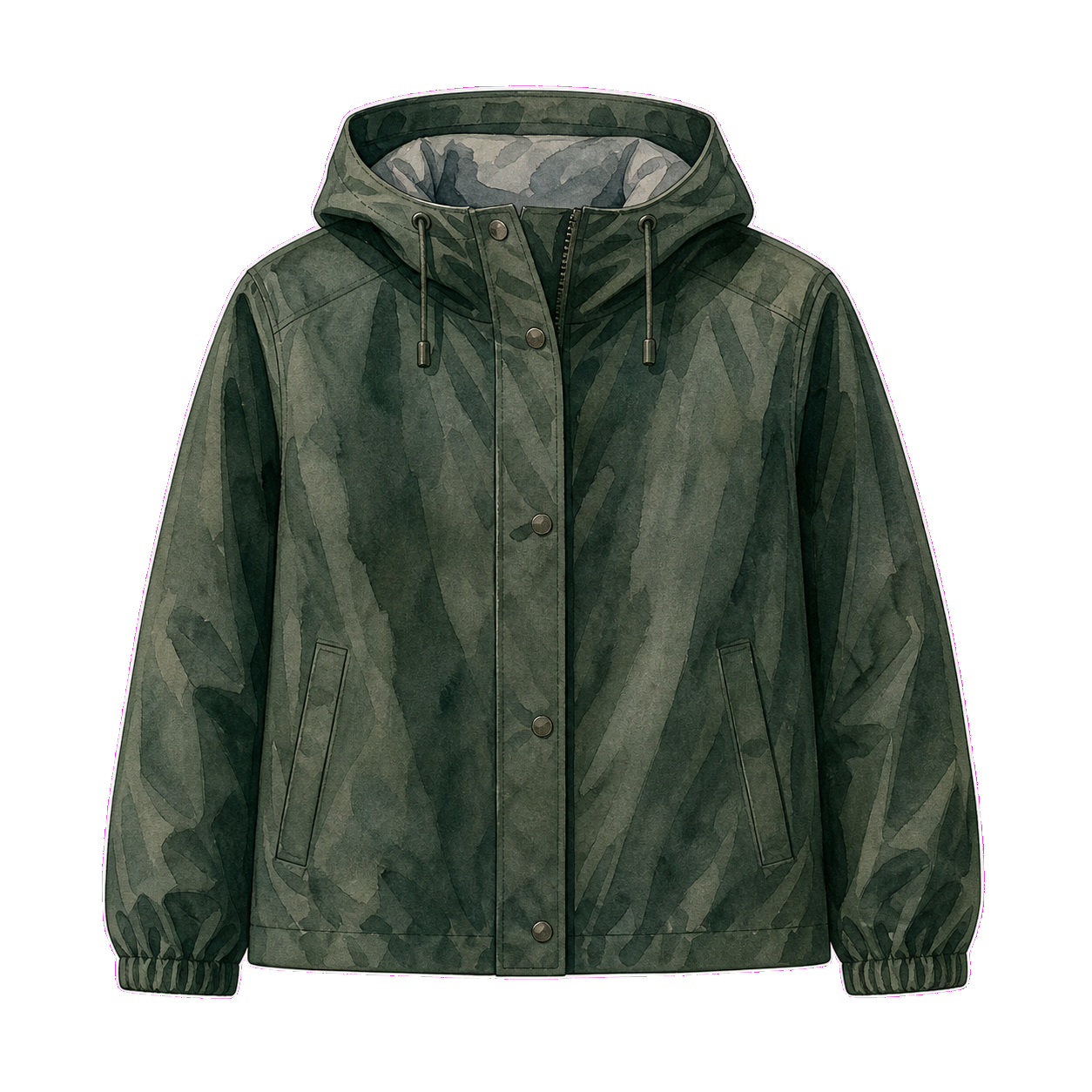 05Packable rain shell
Coastal weather turns faster than the forecast suggests, and a nor'easter can arrive in October with little notice. Something that folds into a daypack and comes out over the jacket rather than instead of it, because the problem here is rain plus wind plus 8.6°C / 47°F rather than rain alone.
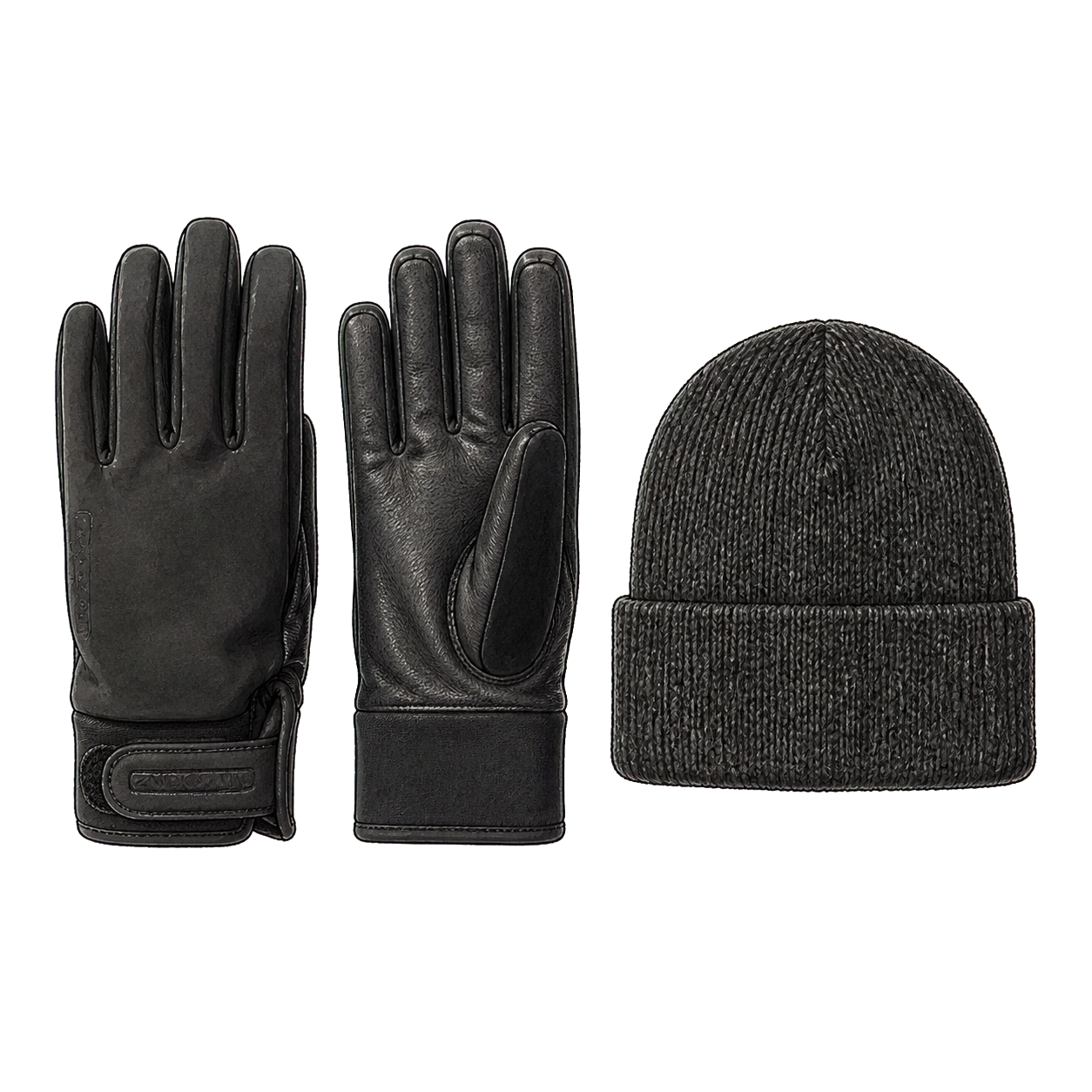 06Wool beanie and light gloves
Only if you are driving north, but then genuinely necessary. Mount Washington and the northern Berkshires sit well below the city at dawn, and foliage viewpoints mean standing outside at elevation in wind. Both pack to nothing and both are the difference between a scenic stop and a two-minute stop.
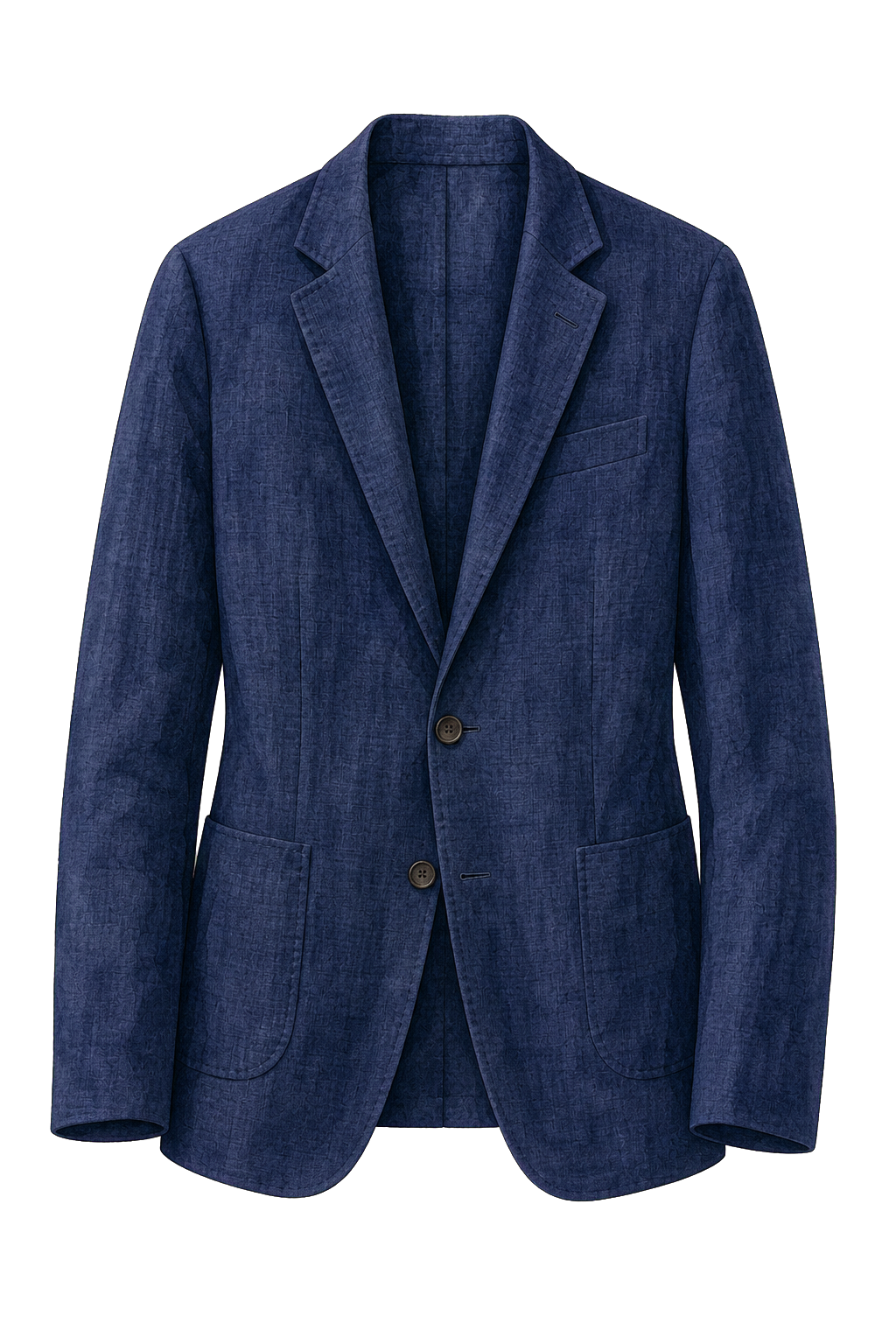 07Smart layer for dinner — blazer or structured knit
Boston dresses more formally than its reputation. Back Bay, the South End and the better North End restaurants all read closer to a jacket than a hoodie, and the city's old money is quiet rather than absent. A structured knit or unlined blazer over the same jeans covers every reservation you are likely to make.
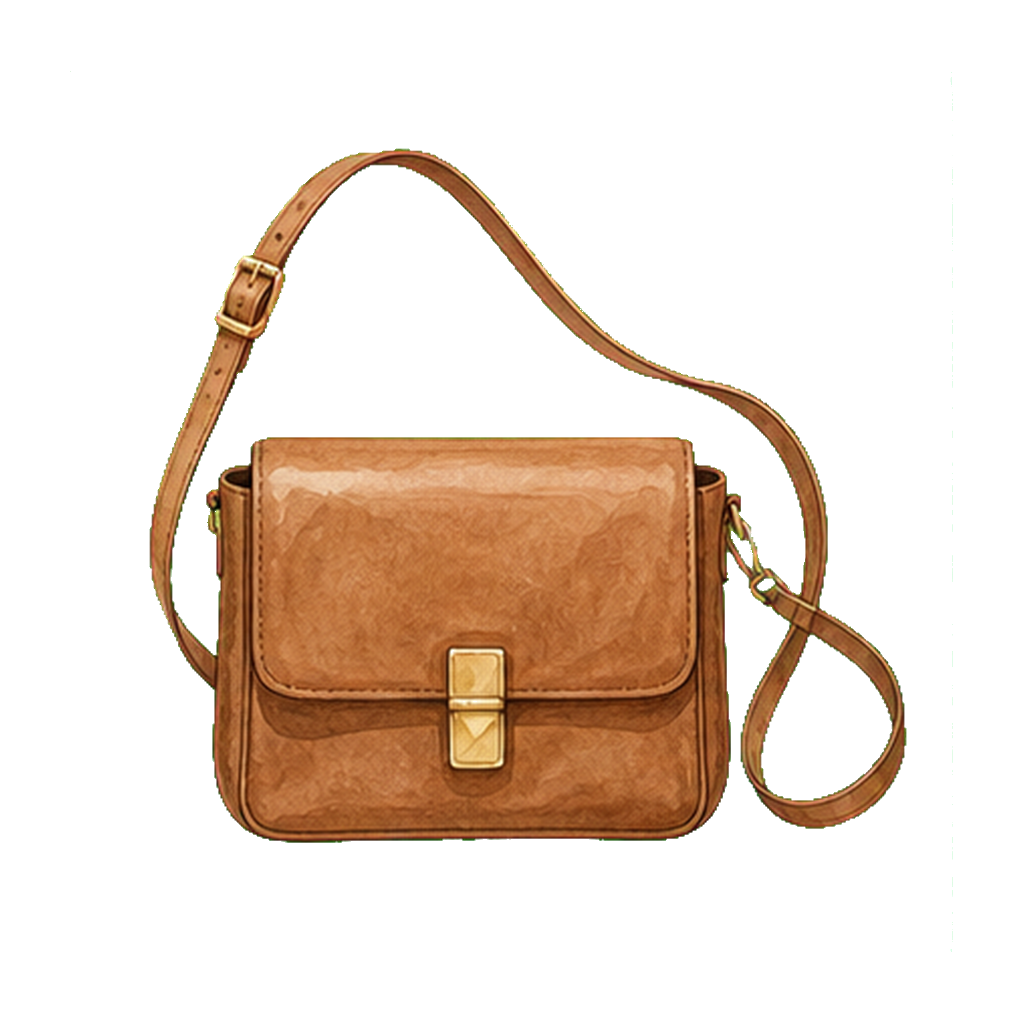 08Crossbody bag with a closure
Hands free for a walking city with a subway that involves stairs at almost every station. Closed rather than open-topped for the 10 rain days, and small enough to sit under the jacket rather than over it, which matters when the jacket is the layer coming on and off all day.
Day to night
Merino crew · dark jeans · lugged ankle boots · insulated jacket · crossbody. The Freedom Trail from the Common, Beacon Hill by mid-morning, out to Cambridge for lunch.
Structured knit or blazer · same jeans and boots. A South End table at 19:00, walking back at 8.6°C / 47°F with the harbour wind behind it.
A suggested look — navy insulated jacket, oatmeal merino crewneck, dark straight trousers, black lug boots.

What to avoid
- Dressing for the city forecast on a day trip — the mountains run 5–8°C colder
- Smooth soles — 2.5 miles of colonial brick, with wet leaves on top
- Suede — 10 rain days on a coast will finish it
- Expecting peak colour early — Boston turns in the last week of October
- Underestimating harbour wind — the waterfront runs colder than the number
Frequently asked questions
Per NOAA normals: the average daily maximum is 16.7°C / 62°F, the average minimum is 8.6°C / 47°F, and rainfall averages about 100mm across 10 days. Early October behaves like a mild autumn and the last week can drop close to freezing overnight. The harbour matters — onshore wind makes the waterfront and the Seaport feel several degrees colder than the inland neighbourhoods on the same afternoon.
Later than most visitors expect for the city and earlier than they expect for the mountains. Boston itself typically peaks in the last week of October and into early November, while the White Mountains of New Hampshire and the northern Berkshires peak in the first two weeks. If foliage is the reason for the trip, the practical answer is to base in Boston and drive north in the first half of the month, then enjoy the city's own colour at the end.
An insulated or wool-lined hip-length jacket, one fine merino crewneck, dark straight-leg jeans, leather ankle boots with a lugged sole, a packable rain shell, a crossbody with a closure, and a structured knit or unlined blazer for dinner. Add a wool beanie and light gloves if you are driving north at any point. Skip suede entirely and skip anything with a smooth sole.
It is the best month, and it is priced accordingly. The weather supports all-day walking, the foliage draws visitors from around the world, and the university calendar makes the city feel fully alive. The Head of the Charles Regatta runs October 16 to 18 in 2026 and fills Cambridge and the riverbanks. Expect hotel rates well above the summer average and book any day trip's accommodation months ahead.
Boston is about 1.5°C cooler by day and noticeably colder in wind, and it turns colour roughly a week earlier. NOAA puts New York's October maximum near 18.1°C / 65°F against Boston's 16.7°C / 62°F, but the harbour exposure and the more northerly latitude make Boston feel like the bigger step into autumn. Boston is also the better base for foliage — the mountains are two hours away rather than four.
Sources
- NOAA — 1991–2020 climate normals, Logan Airport station