What to Wear in Chicago in October
Chicago in October: 17°C / 63°F afternoons, 7°C / 45°F nights, and a lakefront wind that makes the gap feel wider than 17°F.
- A charcoal wool overcoat — knee length, so the wind stops at your knees rather than your waist
- A black fine-knit crew under it, not over a shirt you cannot remove
- Dark indigo wide-leg jeans — the streets are flat and long
- Oxblood leather Chelsea boots for 10 wet days and a lot of pavement
- A wool-silk scarf — the one layer that closes the collar gap on the lakefront
- A structured leather bag with a strap you can wear across the body in wind
- Dress for the 17°C / 63°F afternoon — you will be out in 7°C / 45°F after dark
- Walk the lakefront in an unlined jacket — the wind comes straight off the water
- Rely on an umbrella on Michigan Avenue — the street canyons invert it
- Pack a single heavy parka — October is not December, and you will carry it all afternoon
Chicago in October is not a cold problem. It is a seventeen-degree problem. NOAA's 1991–2020 normals at O'Hare record an average high of 62.7°F against an average low of 45.4°F, and the gap opens and closes every single day of the month. Add the lake and it widens again: wind coming off Michigan hits the lakefront path and the east-west streets without anything to break it, so a 45°F evening on Oak Street Beach behaves like something colder. Rain is frequent rather than heavy. Ten days record measurable precipitation but only six clear a tenth of an inch, which means a coat with a decent collar beats an umbrella that the street canyons will invert anyway. The city has dressed for this a long time. Hart Schaffner Marx has been tailoring here since 1887, and the local answer has always been a proper overcoat over a thin layer rather than one thick garment. The second Sunday brings the Chicago Marathon and 50,000 runners, which is the one morning the whole city is outside at dawn in 45°F.
Chicago in October is not a cold problem. It is a seventeen-degree problem, and the lake makes it feel like more.
The capsule
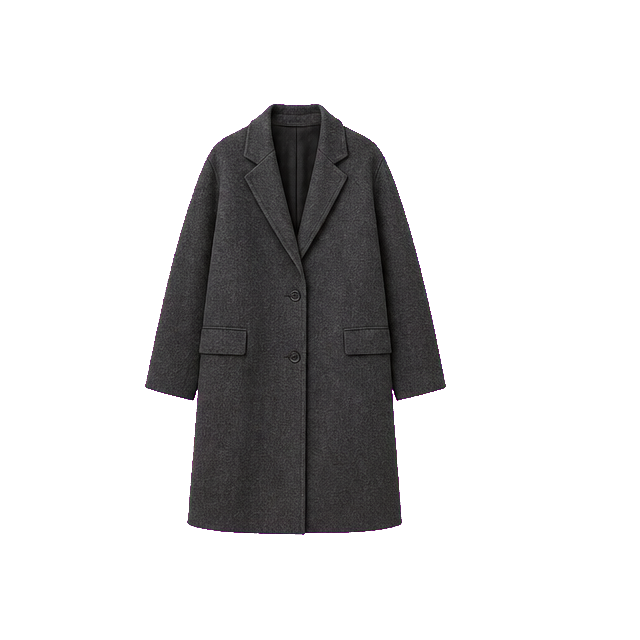 01Charcoal wool overcoat, knee length, single-breasted
Knee length is the specification that matters here, because the wind off the lake arrives horizontally along the east-west streets and a hip-length jacket simply hands it your legs. Single-breasted and notch-lapelled so it works over the knit at noon and buttoned at ten. Charcoal rather than camel: Chicago's October palette runs to stone, steel and brick, and camel reads as a visitor.
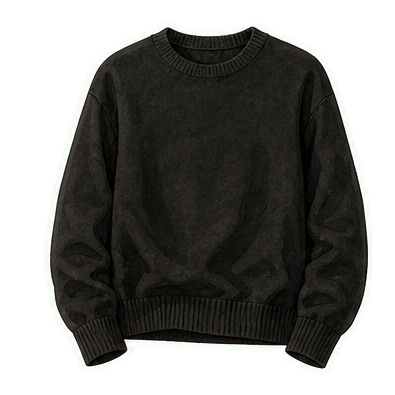 02Black fine-knit crew sweater
Fine gauge, because this has to sit under the overcoat without bulking the shoulder and still work alone in a warm restaurant. Black is doing structural work rather than decorative: it holds the middle of an outfit whose colour is coming entirely from the scarf and the boots. One knit is genuinely enough for a week here in October, which is not true a month later.
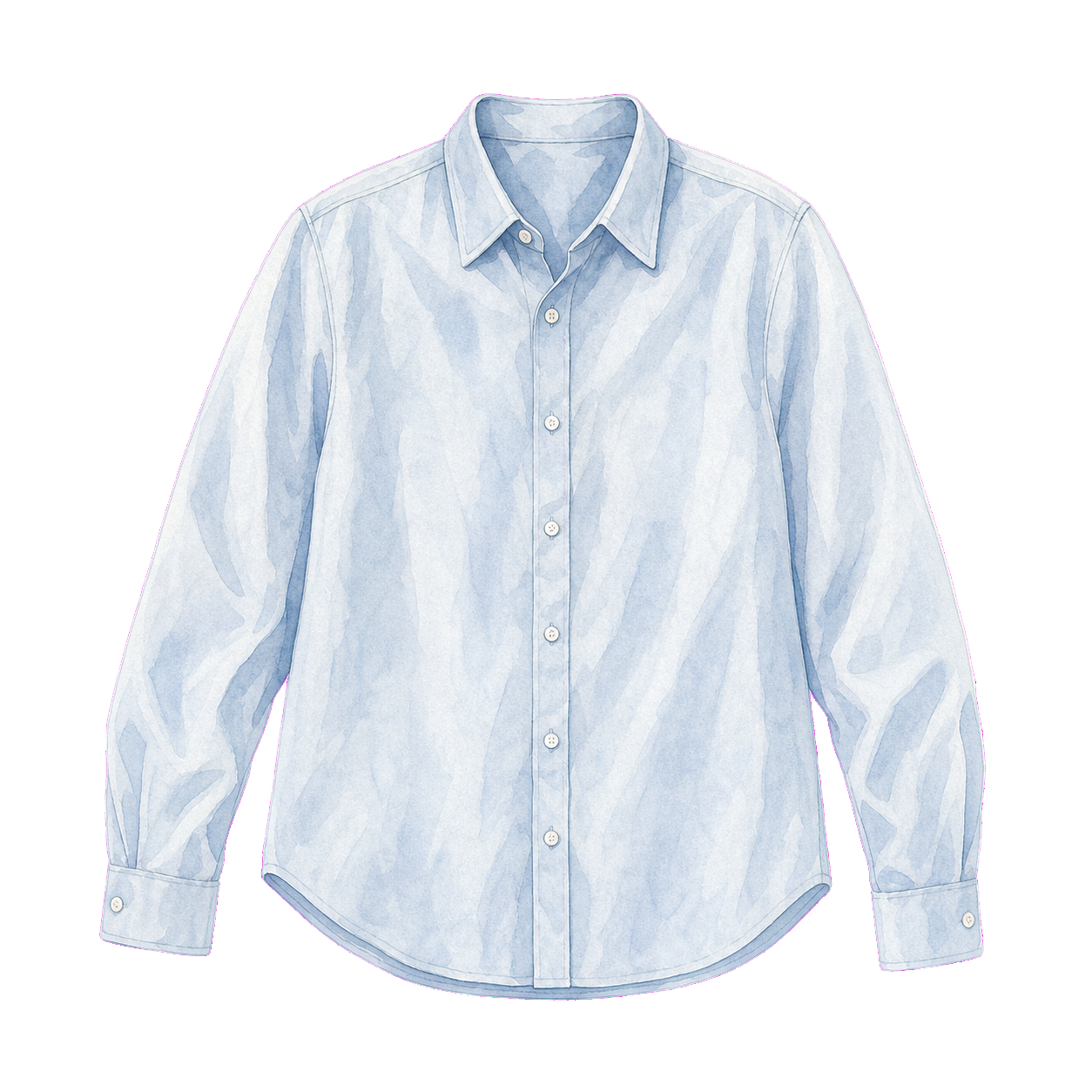 03Cotton poplin shirt in pale blue or ecru, long sleeve
The layer under the knit, and the one that lets you take the knit off entirely on a 17°C / 63°F afternoon in Wicker Park without ending up in a t-shirt. Poplin rather than oxford so it presses flat under a fine knit instead of bunching at the collar. Pale blue or ecru both sit correctly against charcoal, where a stark white goes slightly clinical under October's flat grey light.
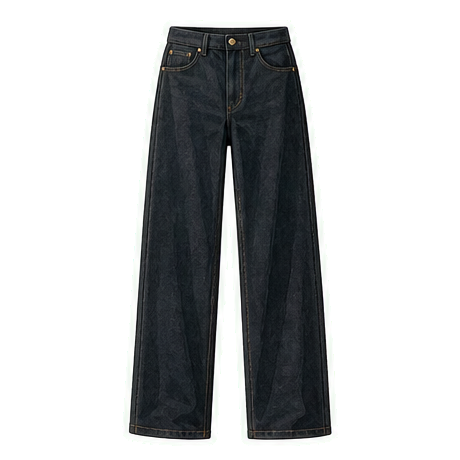 04Dark indigo wide-leg jeans, contrast stitching
Chicago is a flat grid and you will cover long straight distances on foot, from the Loop up to River North or along the 606. Wide leg moves better over that kind of mileage than anything tapered, and a dark indigo takes ten days of intermittent rain without showing every mark. These read correctly with both the boots and the overcoat.
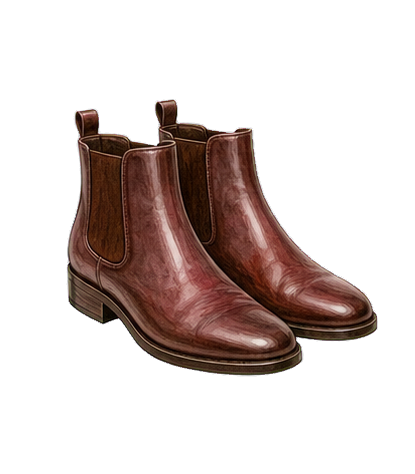 05Oxblood leather Chelsea boots, low stacked heel
Elastic-gusset Chelseas rather than laces, because ten wet days means you want a sealed upper and a boot you can get off quickly. A low stacked heel keeps you off wet pavement without turning the walk into an event. Oxblood is the colour that stops a charcoal-and-black outfit going flat, and it sits with the scarf's burgundy without matching it exactly.
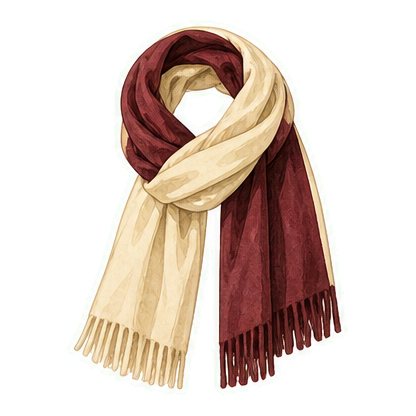 06Cream and burgundy wool-silk fringed scarf
This is the piece that closes the gap between the coat collar and your neck, which is exactly where the lakefront wind gets in. Wool-silk rather than pure wool so it packs into a bag once you are indoors. It also supplies the only real colour in the capsule, which is why the knit underneath can stay black.
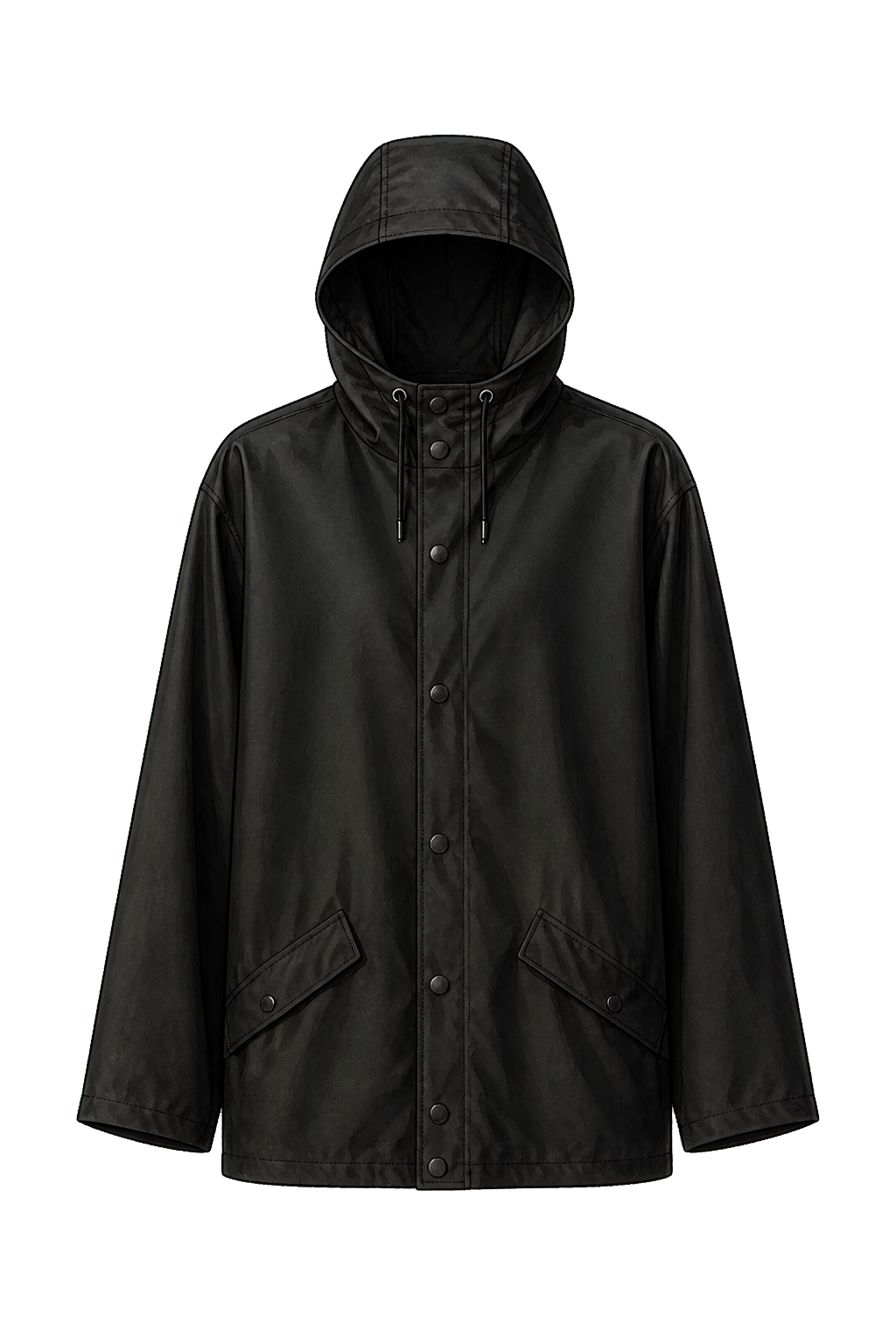 07Packable wind shell in dark olive or black, hip length, hood
Six of the ten wet days clear a tenth of an inch, and on those the overcoat alone is the wrong tool. A shell that folds into the bag and goes over or under the coat covers them without committing you to a raincoat you would carry unused for the rest of the trip. A hood matters more than a full waterproof rating, because the wind here removes hats and inverts umbrellas.
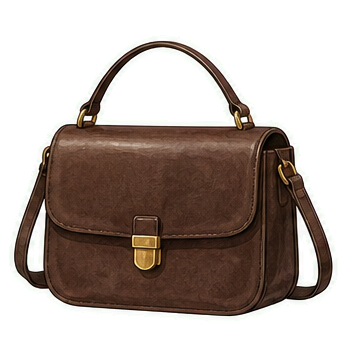 08Brown leather top-handle satchel with a cross-body strap
The strap is the requirement, not the bag. A top-handle carried in the hand becomes a nuisance in Michigan Avenue wind, and a cross-body strap leaves both hands free for a coat you are taking off. Structured rather than slouchy so it holds shape against the coat, and warm brown rather than black so it separates from the charcoal instead of disappearing into it.
Day to night
Poplin shirt under the black knit · dark indigo wide-leg jeans · Chelsea boots · scarf loose · overcoat open · satchel cross-body. Coffee in the West Loop, then the architecture boat from the Riverwalk before the wind gets up.
Knit over the shirt, sleeves pushed · same jeans · boots · scarf doubled and tucked into the collar · overcoat buttoned. Dinner at eight in River North; it is 7°C / 45°F on the walk back and the scarf is the reason that is fine.
A suggested look — charcoal open wool overcoat, black fine-knit crew, pale blue poplin collar, dark indigo wide-leg jeans, oxblood Chelsea boots.

What to avoid
- Dressing for the 17°C / 63°F afternoon — it is 7°C / 45°F by the walk home
- An unlined jacket on the lakefront — nothing breaks the wind between the water and you
- An umbrella as the primary plan — the street canyons invert it, and only 6 days clear a tenth of an inch
- A heavy parka — that is a December garment, and dead weight by 2pm
- Suede boots — 10 wet days will find them
Frequently asked questions
Cool, breezy and often grey. NOAA's 1991–2020 normals at O'Hare record an average high of 17°C / 62.7°F, an average low of 7°C / 45.4°F, and 10.5 days with measurable precipitation, of which 6.3 clear a tenth of an inch. Daylight is around 11 hours at mid-month. The defining feature is the 17°F daily swing rather than the temperature itself.
On the lakefront, yes. Wind coming off Lake Michigan reaches the lakefront path and the east-west streets with nothing to break it, so a 7°C / 45°F evening near the water behaves like something colder. Inland neighbourhoods such as Logan Square and Wicker Park are noticeably more sheltered. The 'Windy City' nickname's origin is contested and often attributed to boastful nineteenth-century politics rather than weather, but the lakefront wind itself is real and worth dressing for.
A wool overcoat, not a winter parka. Knee-length wool over a fine knit handles 7°C / 45°F nights without overheating on a 17°C / 63°F afternoon, and it packs down better than down. Save the parka for December, when Chicago averages closer to freezing. The October mistake is bringing one thick garment instead of two thin removable ones.
One sealed leather ankle boot, ideally a Chelsea with a low stacked heel. Ten days record measurable rain, the city is flat, and you will walk long straight distances across the Loop and River North. Skip suede, which the wet days will ruin, and skip anything with a smooth sole for the same reason you would anywhere with wet pavement and grates.
The Chicago Marathon runs on the second Sunday and puts around 50,000 runners and a million spectators on the street at dawn, when it is close to the 7°C / 45°F overnight low — dress far warmer than the finish-line temperature suggests if you are spectating. October is also the strongest month for the architecture boat tours before they wind down for winter, and the last comfortable stretch for the lakefront path.
Sources
- NOAA — 1991–2020 climate normals, O'Hare station