What to Wear in Seattle in January
Seattle in January: 9°C / 48°F afternoons, 3°C / 37°F nights, rain on about 19 days, the most of any month, and an hour more daylight by the 31st.
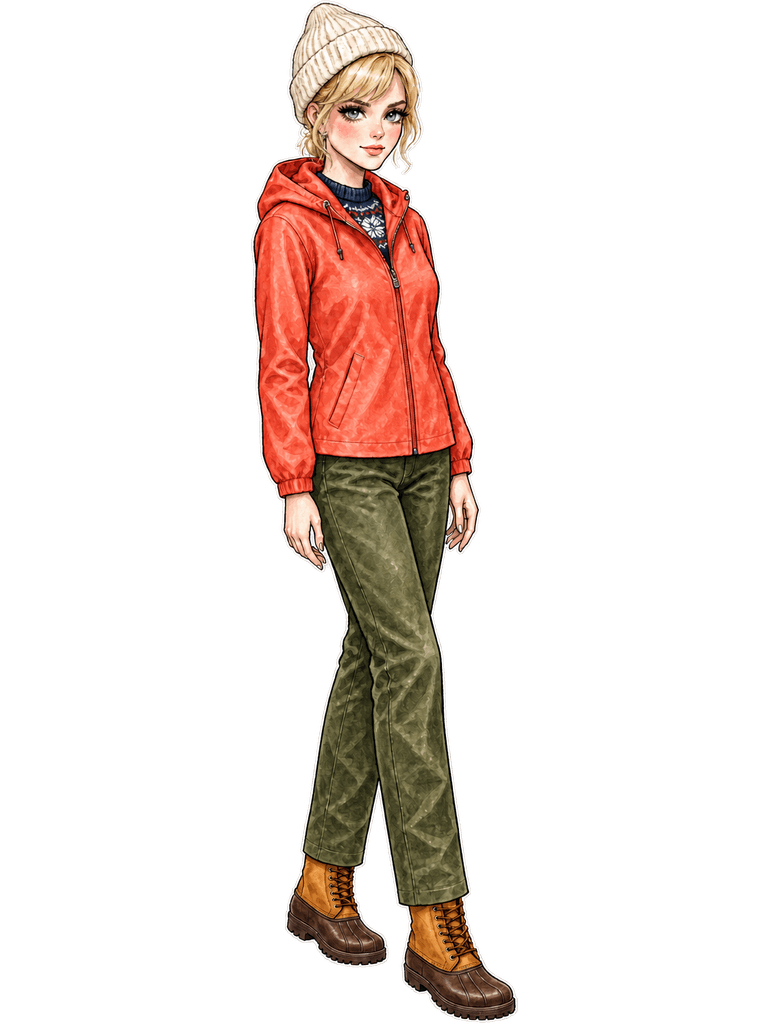
- Coral-red hooded rain shell — rain falls on about 19 January days, and red shows up to drivers after a 4:30pm sunset
- Black down jacket — 7 January nights fall to freezing, and it goes under the shell on the coldest wet days
- Navy Nordic wool sweater — wool stays warm when a sleeve gets wet
- Oat merino long-sleeve — a thin layer to add under the knit on a 3.2°C morning
- Tan-and-brown duck boots — rubber lowers for 12.7 days of real rain and a lug sole for a snowy hill
- Cream ribbed wool beanie — it stays on under the hood and keeps working when the hood comes down
- An umbrella — about 6 of the 19 wet days bring less than a tenth of an inch, and the hood is enough
- Suede shoes — 5.78 inches of rain across the month
- Canvas sneakers — soaked through by the first puddle on a 3°C morning
- Driving the steepest hills after snow — the city says some streets are too steep to keep open
Pack for steady rain and a slow return of light. NOAA's figures for Sea-Tac give January a 48°F afternoon and a 3.2°C night, and rain on 18.7 days, more than any other month of the year. Most of it is persistent rather than heavy: 12.7 days bring a tenth of an inch and only about 4 bring half an inch. So the answer is a hood and a system, not an umbrella: a coral-red shell over a black down jacket or a Nordic wool sweater, depending on how cold the morning is, with bases underneath. January also averages 1.8 inches of lowland snow and 7 nights at or below freezing, which is why the boots are duck boots. The reward is the light. Sunset moves from 4:27pm to 5:08pm and the day grows by an hour.
Seattle's January sun is not measured in hours of sunshine. It is measured in minutes of daylight, and by the 31st you have sixty more of them than on the 1st.
The capsule
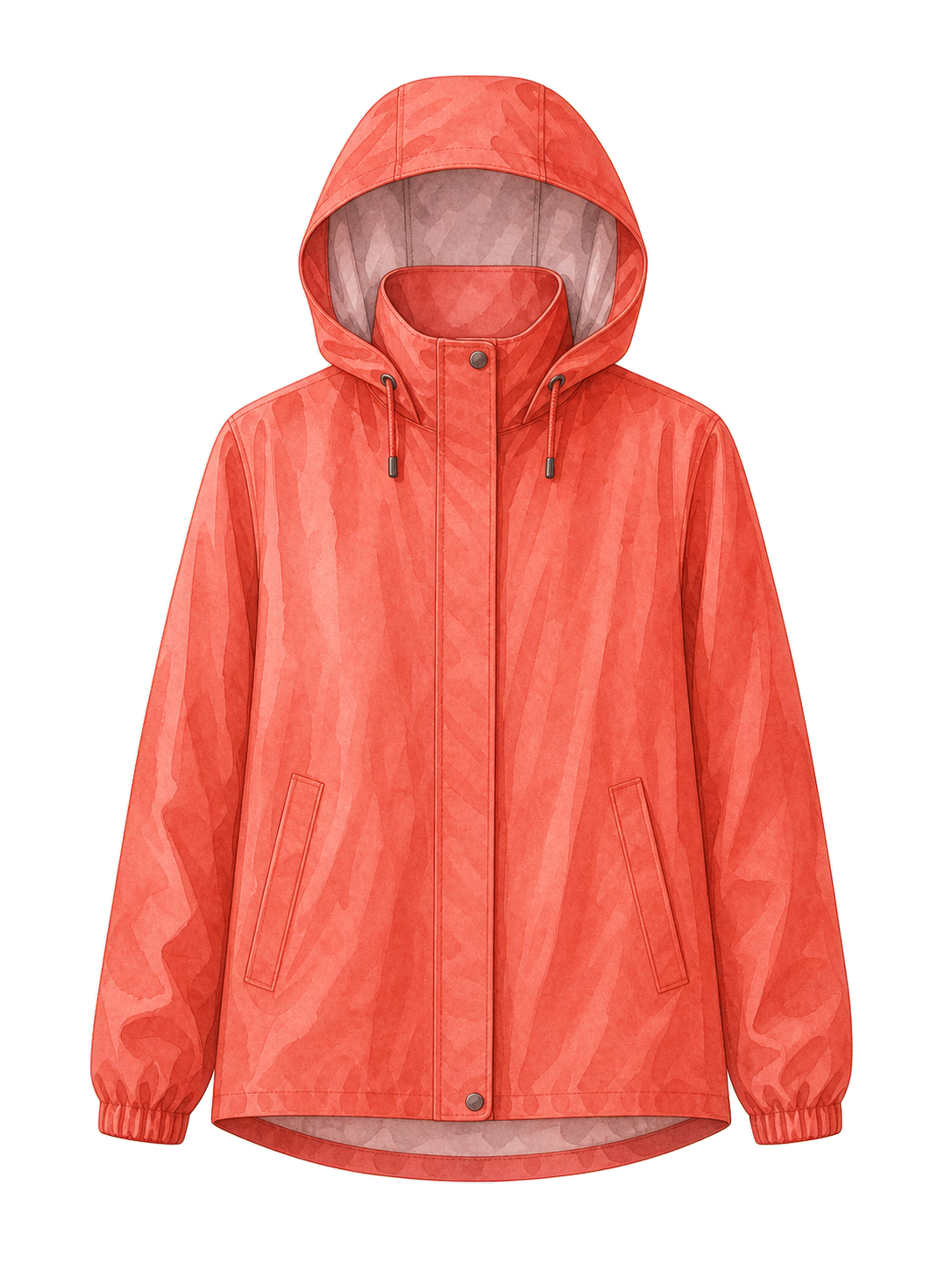 01Coral-red hooded rain shell
Rain falls on 18.7 January days at Sea-Tac, more than in any other month, and most of it is steady rather than hard, which is hood weather. A hip-length shell keeps your hands free on a ferry rail at Colman Dock. Coral red, because sunset comes at about 4:30pm in the first half of the month and a bright jacket is what a driver sees on a wet crossing in the dark.
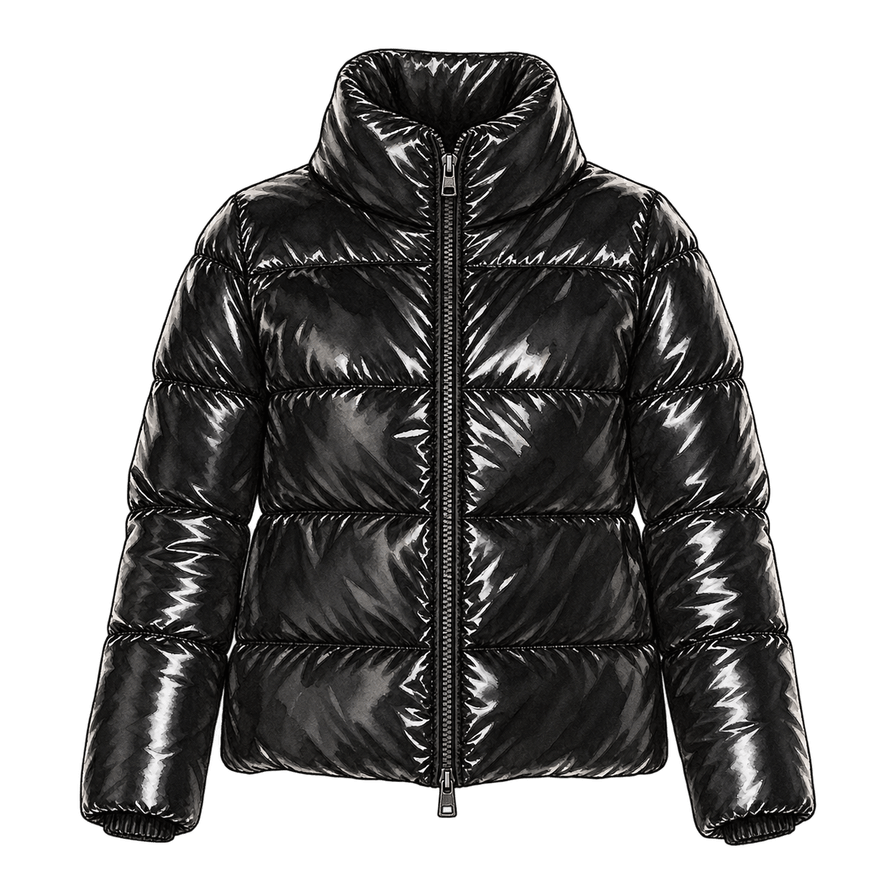 02Black glossy down jacket, stand collar
NOAA counts 7 January nights at or below freezing, and those are the mornings to wear down under the shell. On a dry cold day it goes on alone. A hip-length black puffer with a glossy face sheds a passing shower on a dry-forecast day and rides in the backpack once the afternoon warms, and down has Seattle roots: Eddie Bauer, a Seattle native, designed the first patented down jacket in America.
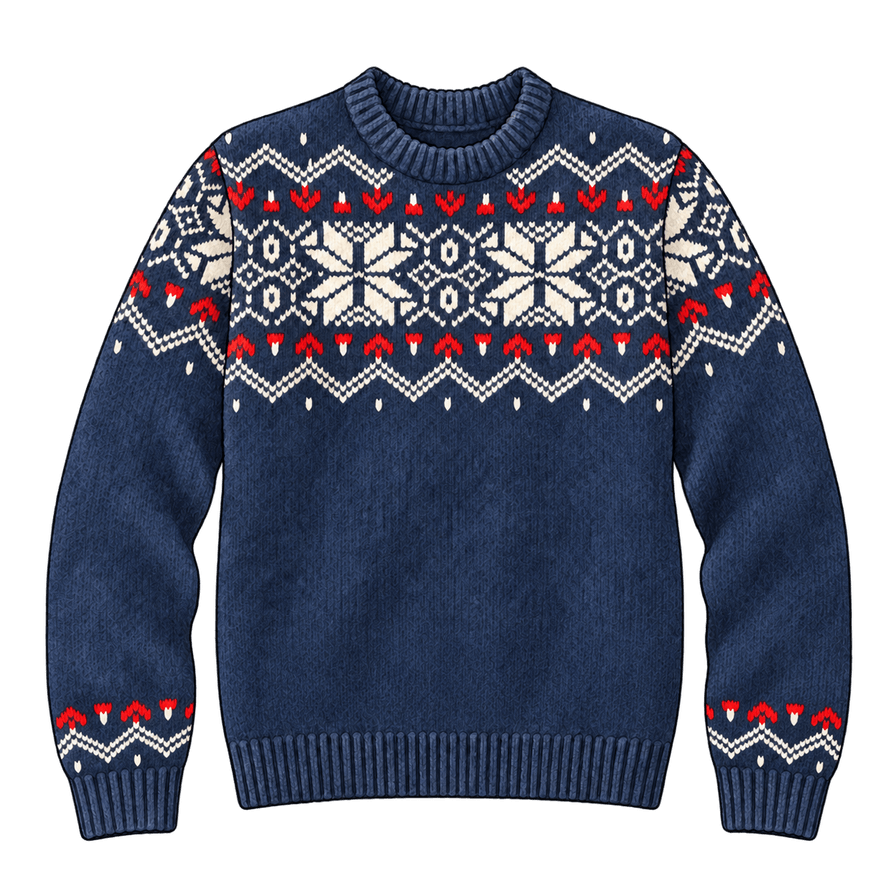 03Navy Nordic wool sweater, red-and-white yoke
Wool holds its warmth when a cuff gets wet, which it will on 19 rainy days. A navy crew with a red-and-white snowflake yoke is the warm layer for a 48°F afternoon indoors and out, and the red in the yoke answers the shell. It works with the waxed trousers at a Capitol Hill dinner without looking like trail gear.
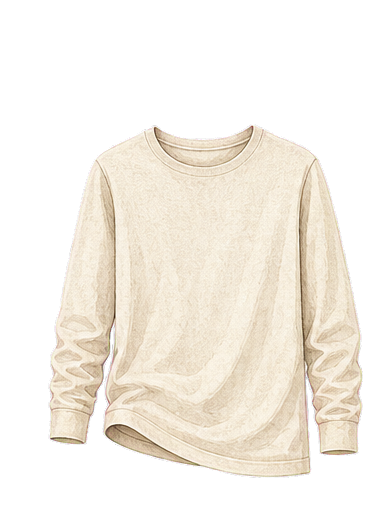 04Oat merino long-sleeve base
A thin layer does more in Seattle than a second thick sweater. On a 3.2°C morning the merino goes under the Nordic knit; on a milder grey afternoon it goes under the down jacket alone. Merino stays warm when a damp sleeve does not dry, and it dries overnight on a hotel radiator, which matters in a month with 19 wet days.
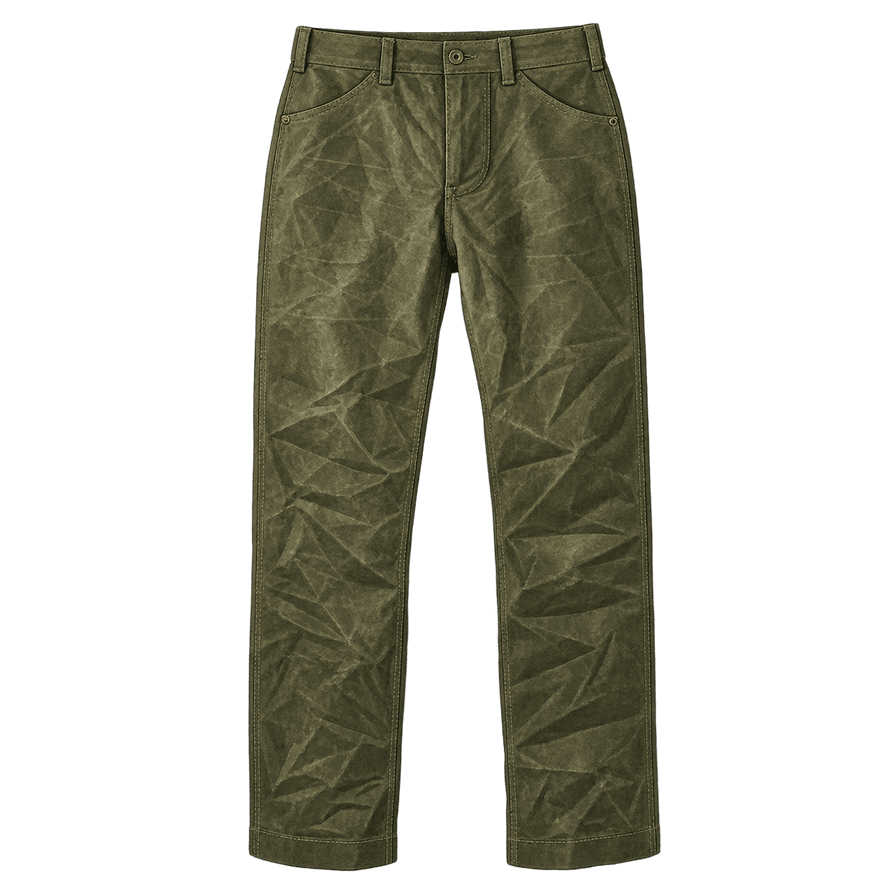 05Dark olive waxed-canvas trousers
Waxed cotton is the Pacific Northwest's old answer to steady rain: the tin cloth Filson made into the standard Forest Service coat is waxed cotton canvas. A straight dark olive pair sheds a day of drizzle that would soak jeans at the knee, keeps its shape through the wet, and the straight leg stays off the pavement so the hem does not wick water up.
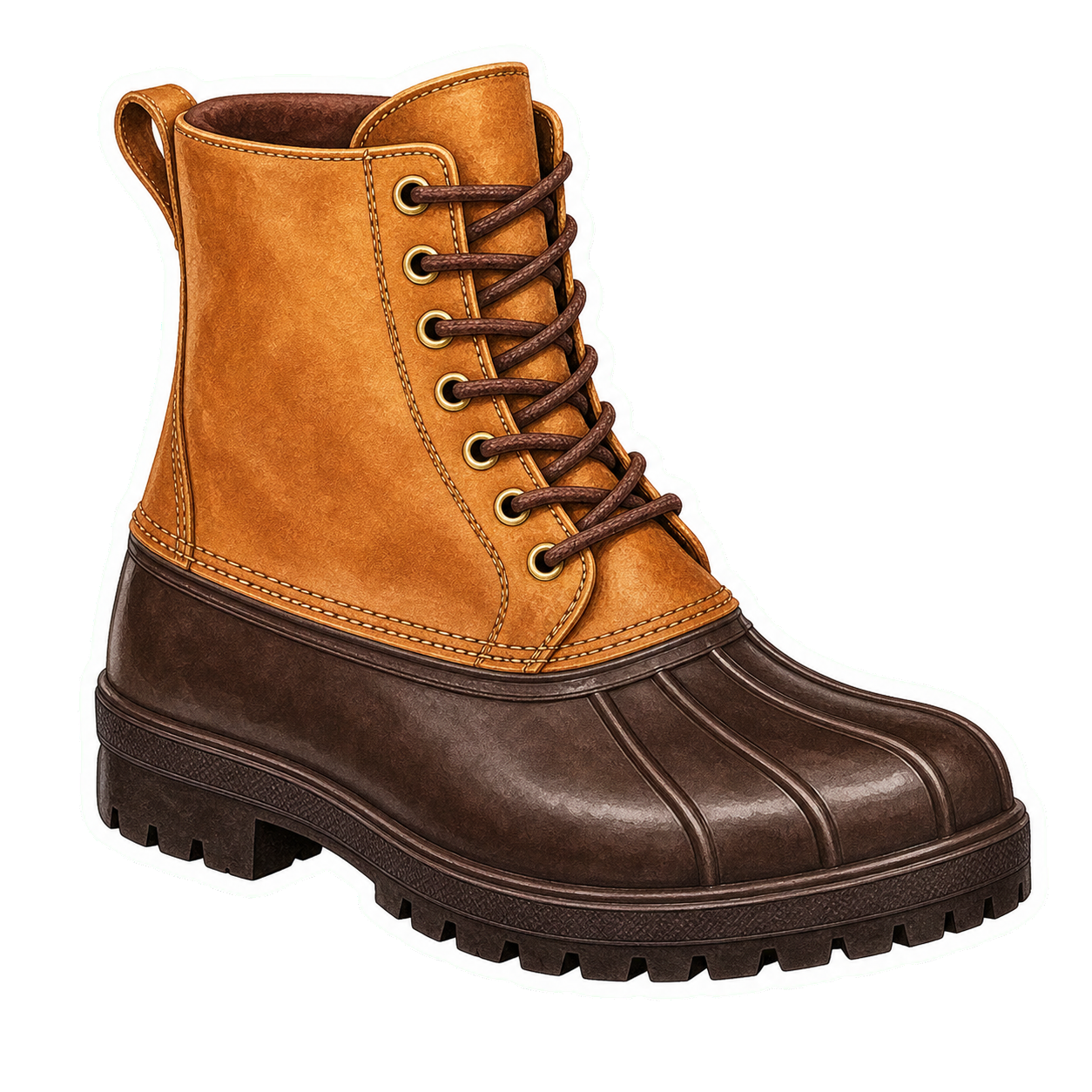 06Tan leather and brown rubber duck boots
Rubber lowers, because 12.7 January days bring a tenth of an inch of rain or more. Leather uppers and laces, because they look like shoes rather than wellies on a restaurant floor. The deep lug sole is for the other January: 1.8 inches of average lowland snow on streets the city cannot always plough.
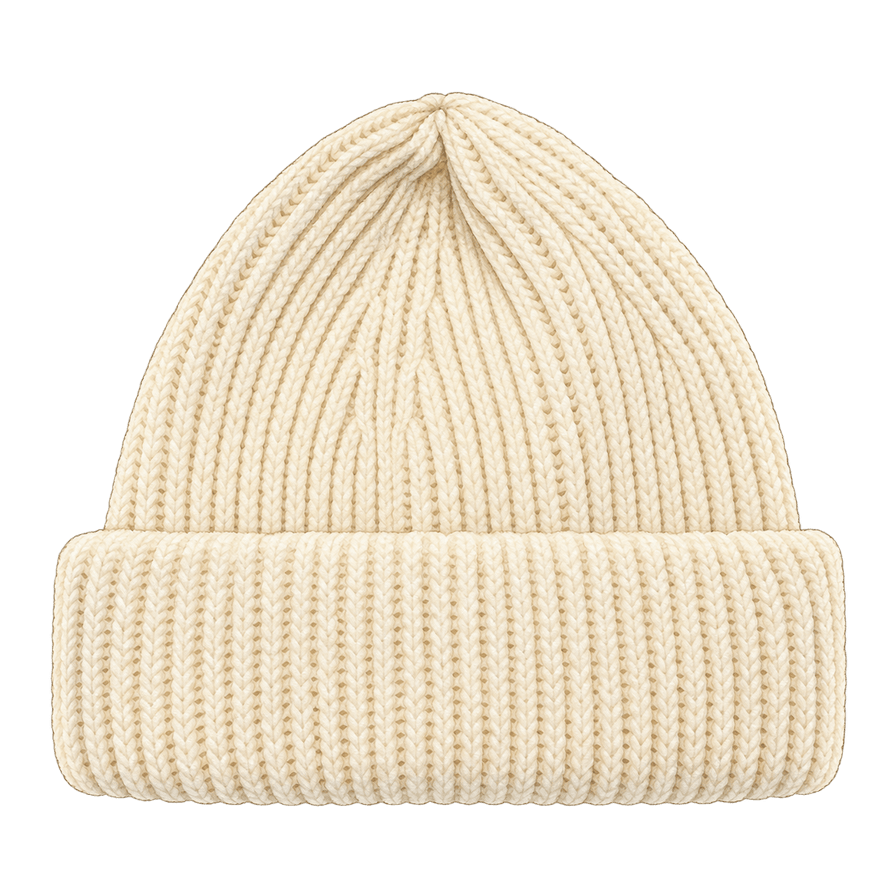 07Cream ribbed wool beanie
Wear it under the hood on the wet days and alone on the dry cold ones. A ribbed wool beanie with a fold-up cuff keeps warm on a 3.2°C ferry deck and does not mind drizzle, and cream is the light note in a capsule of red, navy, black and olive. A fold-up cuff doubles the wool over your ears.
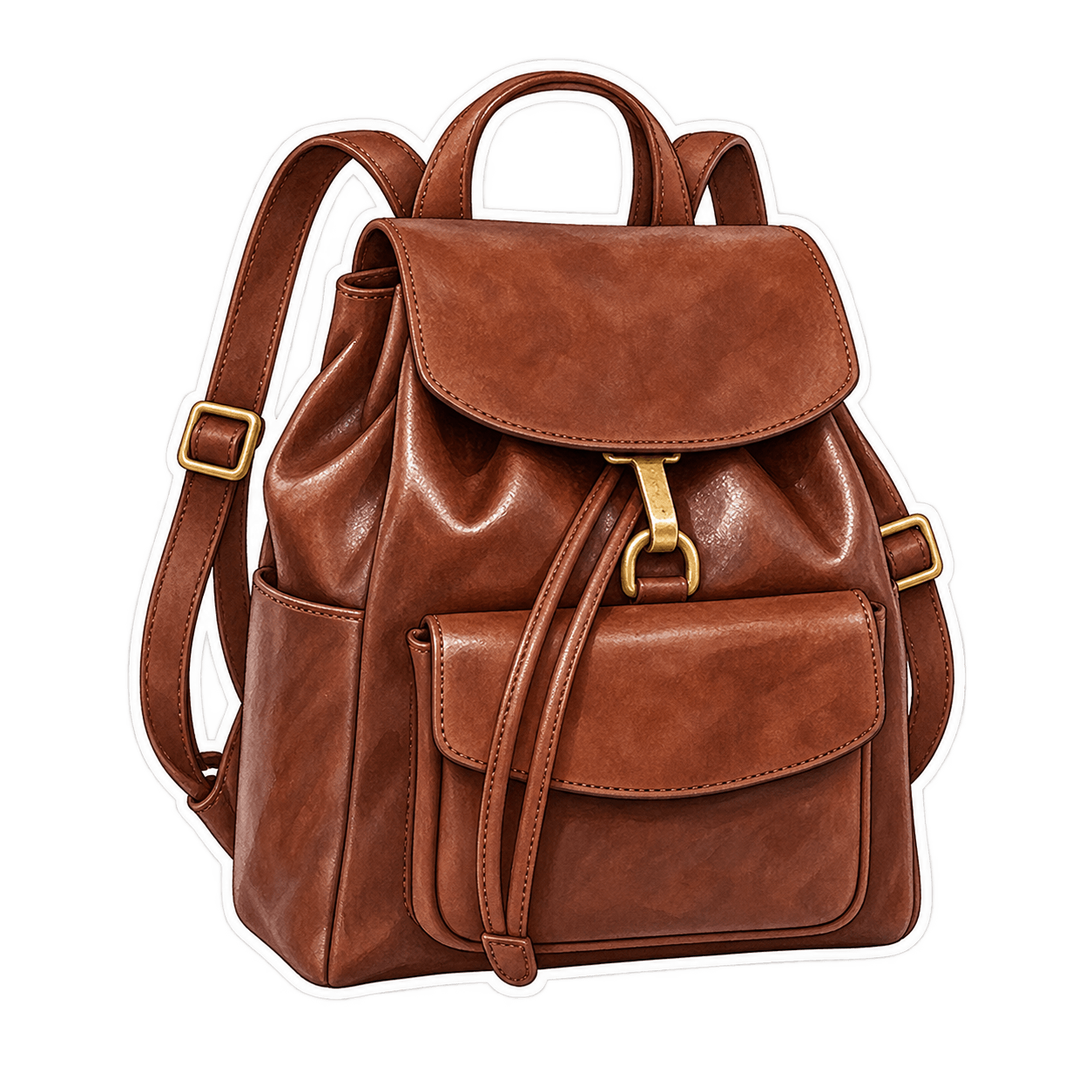 08Small cognac leather backpack
In an umbrella-free city, both hands stay free, and a backpack keeps them that way on a hill. A small leather pack with a buckled flap sheds light rain, carries the down jacket once it comes off at noon, and cognac ties it to the leather of the duck boots. The front pocket holds an ORCA card for the light rail from Sea-Tac.
Day to night
Charcoal base under the navy Nordic sweater · coral-red shell, hood up · olive waxed trousers · duck boots · cream beanie · leather backpack. Pike Place Market when it opens, then the ferry from Colman Dock to Bainbridge while the light lasts.
Oat merino base · black down jacket under the red shell · waxed trousers · duck boots. Back across the water before sunset, which moves from 4:27pm on the 1st to 5:08pm on the 31st, then dinner on Capitol Hill as the night heads for 3°C / 37°F.
A suggested look — coral red hooded rain shell, navy nordic snowflake sweater, dark olive waxed canvas trousers, tan and brown duck boots, cream ribbed beanie.
What to avoid
- An umbrella — most wet days are light, and a hood leaves both hands free
- Suede or canvas sneakers — 5.78 inches of rain across the month
- Wide trousers that drag — a wet hem wicks water to the knee
- Leaving the shell behind on a dry morning — 19 of 31 days are wet
- Steep hills by car after snow — some streets are too steep to keep open
Frequently asked questions
Cool, wet on most days and getting lighter. NOAA's figures for Seattle-Tacoma International Airport give January an average high of 48°F (8.9°C) and a low of 3.2°C, slightly milder than December, which is the coldest month. Rain totals 5.78 inches across 18.7 days of measurable rain, the most wet days of any month, but only 12.7 of those bring a tenth of an inch and about 4 bring half an inch. Lowland snow averages 1.8 inches, and about 7 nights fall to freezing. Daylight grows from 8h 30m on 1 January to 9h 30m on the 31st.
A coral-red hooded rain shell, a black glossy down jacket, a navy Nordic wool sweater, an oat merino long-sleeve base, dark olive waxed-canvas trousers, tan-and-brown duck boots, a cream ribbed beanie and a small leather backpack. That covers a 3°C / 37°F ferry deck at 8am, a 9°C / 48°F afternoon of steady rain and a frosty night after a clear day. Leave the umbrella, suede and canvas sneakers at home.
Duck boots, down and a hat. NOAA's Sea-Tac figures give January an average of 1.8 inches of lowland snow and about 7 nights at or below freezing, so pack as if a snowy spell will come. The city's Office of Emergency Management says about 80% of lowland snowstorms come when cold air from the interior meets a low-pressure system off the ocean, that Seattle has no dedicated snow plows, and that some streets are too steep to keep open in snow and ice. Wear lug-soled boots with rubber lowers, the down jacket under your shell and a wool beanie, and plan to walk or take the light rail rather than drive the hills.
Late January, for the light. On 1 January the sun rises at about 7:57am and sets at 4:27pm, 8h 30m of daylight; by the 31st it rises at 7:37am and sets at 5:08pm, 9h 30m, so the end of the month gives you an extra hour for a ferry crossing or a walk before dark. The rain is a whole-month figure, about 19 wet days in 31, and February is drier, with 3.76 inches on about 16 days, so a late-January trip also sits closer to the easier month.
Almost the same weather, with more light. NOAA's Sea-Tac figures give January 9°C / 48°F and 3°C / 37°F against December's 8°C / 46°F and 3°C / 37°F, so December stays the colder month. Wet days rise slightly, from 18.4 to 18.7, and average snow from 1.7 to 1.8 inches. Daylight at mid-month grows from about 8h 25m to 8h 50m. Our December guide builds its capsule around one insulated navy parka for the Christmas Ship's open decks; January splits that job between a red shell and a down jacket, so you can drop a layer on the milder days.
Wool, waxed cotton and down, with a hood on top, and two Seattle names explain why. C.C. Filson opened his store on First Avenue in 1897, near the waterfront where the steamship Portland had docked with gold from the Klondike, to outfit prospectors for cold, wet country; the company's tin cloth is waxed cotton canvas. Eddie Bauer, a Seattle native, opened his first shop in 1920, and the company credits him with the first patented down jacket in America. On a January street that adds up to a shell over down or wool, waxed or dark trousers and boots with a rubber sole.
Sources
- NOAA — 1991–2020 climate normals, Seattle-Tacoma International Airport (SEA) station
- NOAA NCEI — U.S. Climate Normals 1991–2020 (monthly normals by station) — accessed 2026-09-26
- Seattle Office of Emergency Management — Snow and ice — accessed 2026-09-26
- Filson — About us: founded in Seattle in 1897 to outfit the Klondike Gold Rush; C.C. Filson's First Avenue store — accessed 2026-09-27
- Filson Journal — Tin Cloth Cruiser history (waxed cotton; standard Forest Service coat) — accessed 2026-09-27
- Eddie Bauer — Our story: Seattle native, shop opened in 1920, first patented down jacket in America — accessed 2026-09-27