What to Wear in Vancouver in January
Vancouver in January: 7°C / 45°F afternoons, 1°C / 34°F nights, about 19 wet days, a New Year's Day swim in 7°C water and the odd snow day.
- Cardinal red long down parka — straight over a wet swimsuit at English Bay
- Black racerback swimsuit — the Polar Bear Swim on New Year's Day
- Navy towelling changing poncho — the Park Board says undress only when it is time to swim
- Tan duck boots — rubber lower for rain, slush and unshovelled side streets
- Navy cable-knit crew — the warm layer for a 1°C / 34°F evening
- Tomato-red knit gloves and a charcoal beanie — hands and ears after the swim
- More than 15 minutes in the water — the Park Board's own limit
- A drink before the swim — alcohol raises the risk of hypothermia
- Suede or canvas shoes — about 19 wet days and the odd slushy one
- Expecting side streets to be cleared after snow — they are not in the City's response
Pack for the first day and the rare day. NOAA's 30-year record for Vancouver International Airport puts January at 6.9°C by day and 1.4°C at night, with about 171mm of rain on roughly 19 days and about 9cm of snow in an average month. The first day is the Polar Bear Swim at English Bay, held every New Year's Day since 1920; the Park Board's figures put the water at 7°C in 2025, when 13,265 people registered. Its own safety advice is short: "Limit water time to under 15 minutes to prevent excessive body heat loss." The rare day is snow. Destination Vancouver says the city sees snowy weather about ten times a year, and when it comes, the City requires residents to clear sidewalks "each day by 10am" while leaving residential side streets out of its own response. Bring a long down parka, a swimsuit and a changing poncho, duck boots and a wool knit.
Vancouver's January begins with thousands of people walking into 7°C water at English Bay, and the clothes that matter are the ones waiting on the sand.
The capsule
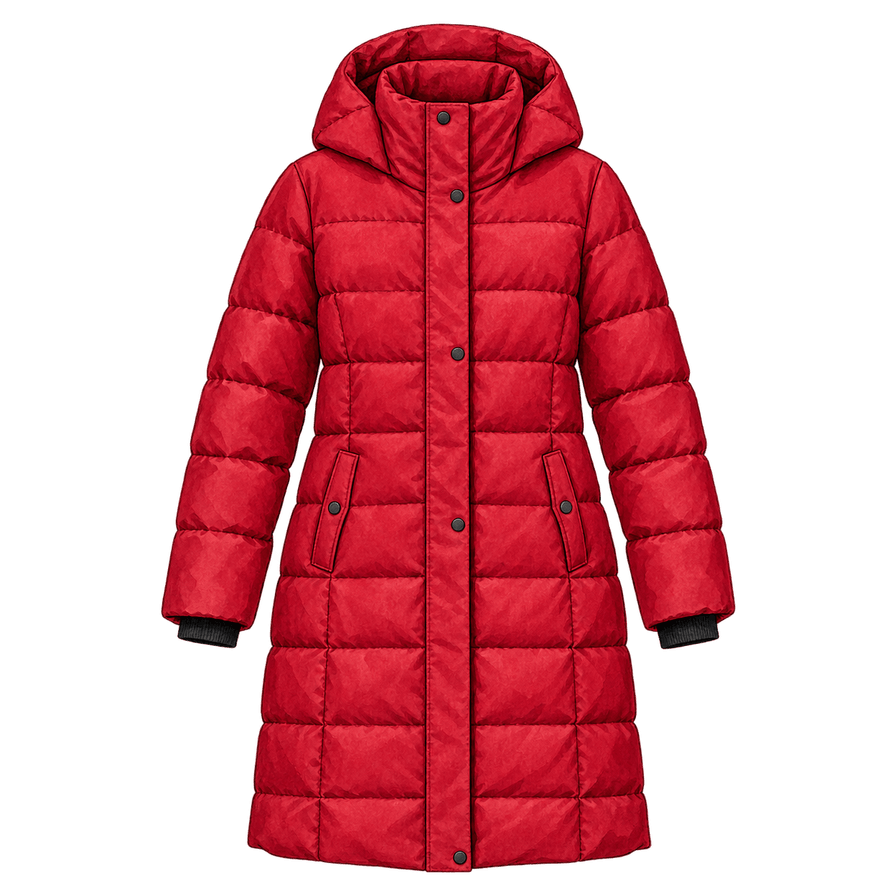 01Cardinal red hooded long down parka
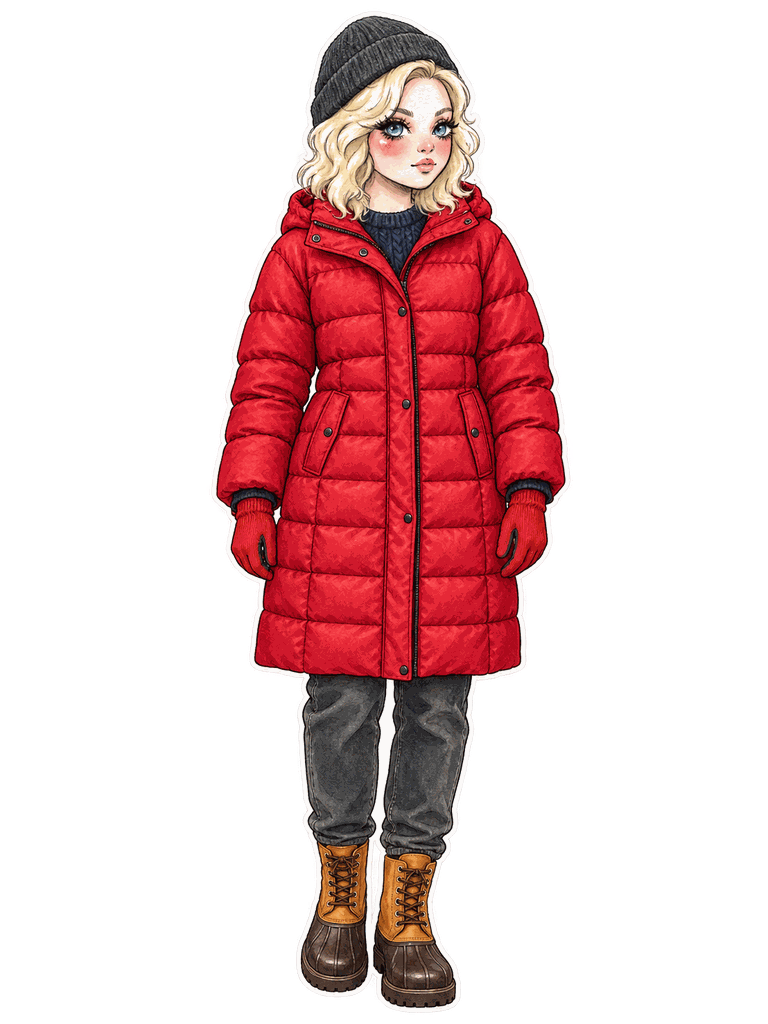
Out of 7°C water, the first thing you want is a long coat over a wet swimsuit, and a down parka that reaches below the knee covers you while you find your towel. It earns its place again on a snow day, and on a 1°C / 34°F evening walk home from Dine Out Vancouver. Red is easy to spot on a beach of thousands.
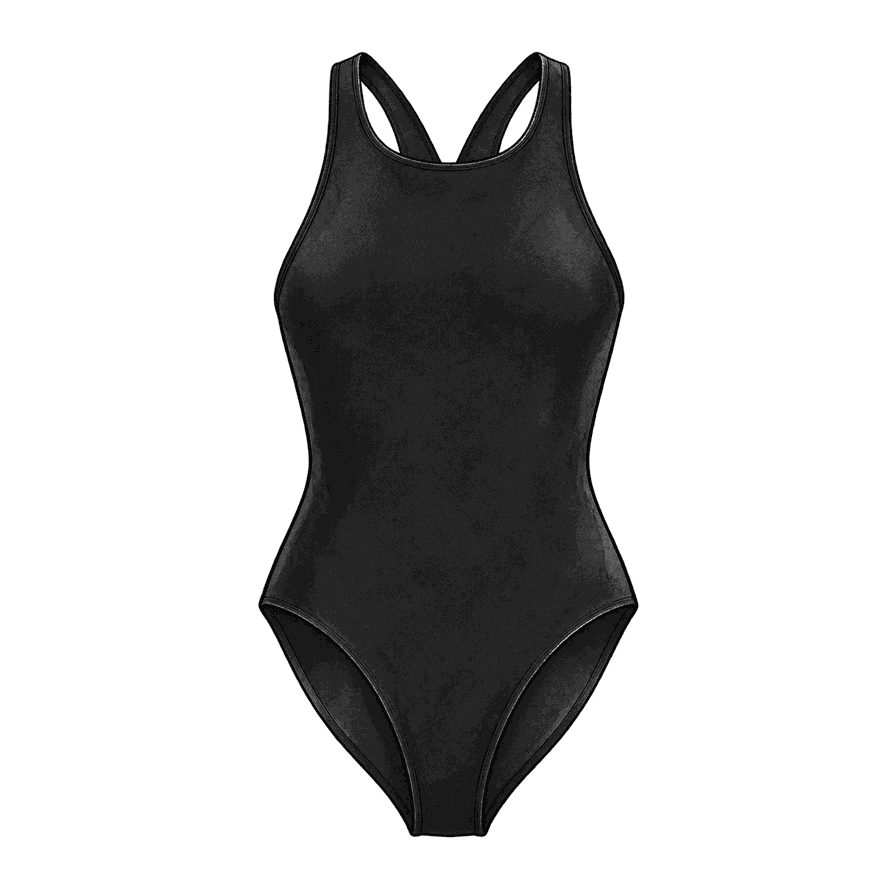 02Black racerback one-piece swimsuit
The Polar Bear Swim is the reason many people are in Vancouver on 1 January: the Park Board ran the 2026 edition from 11:30am, with the official swim at 2:30pm. A plain racerback one-piece stays put when you run into the waves and dries quickly in a changing poncho. Wear it under your clothes to the beach, since lockers are limited.
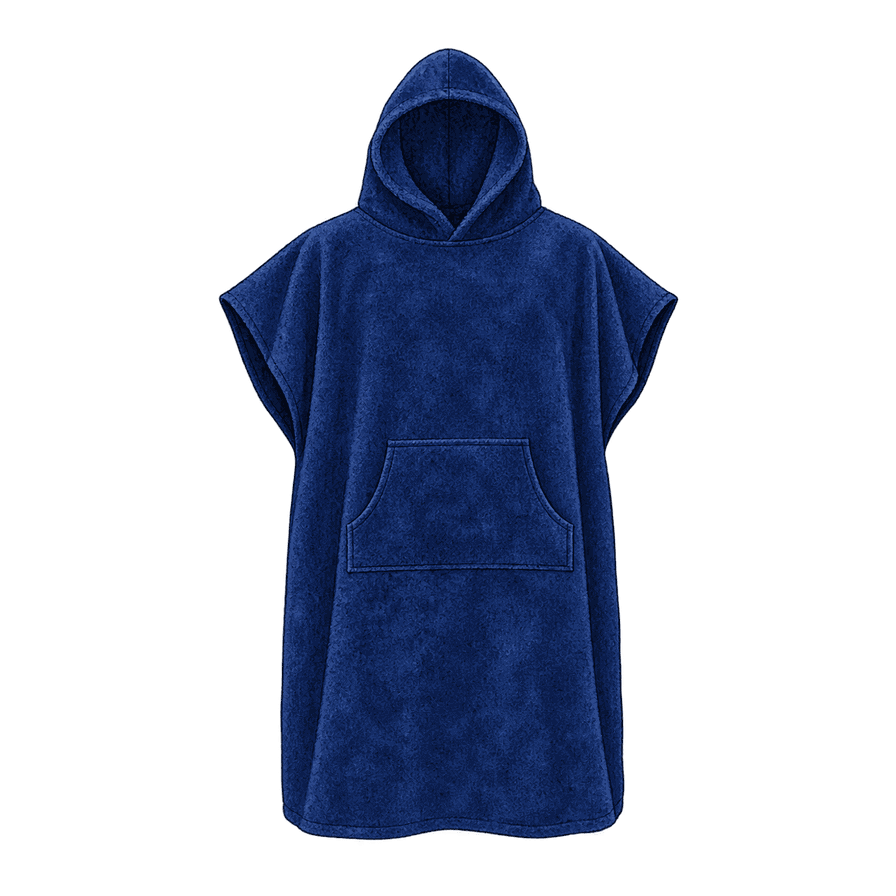 03Navy hooded towelling changing poncho
"Remove clothing only when it's time to swim," the Park Board advises, and a towelling poncho is how you do it on a crowded beach: you change under it, swim, and pull it straight back on. The hood keeps rain off wet hair. It packs flat in a suitcase and dries on a hotel radiator.
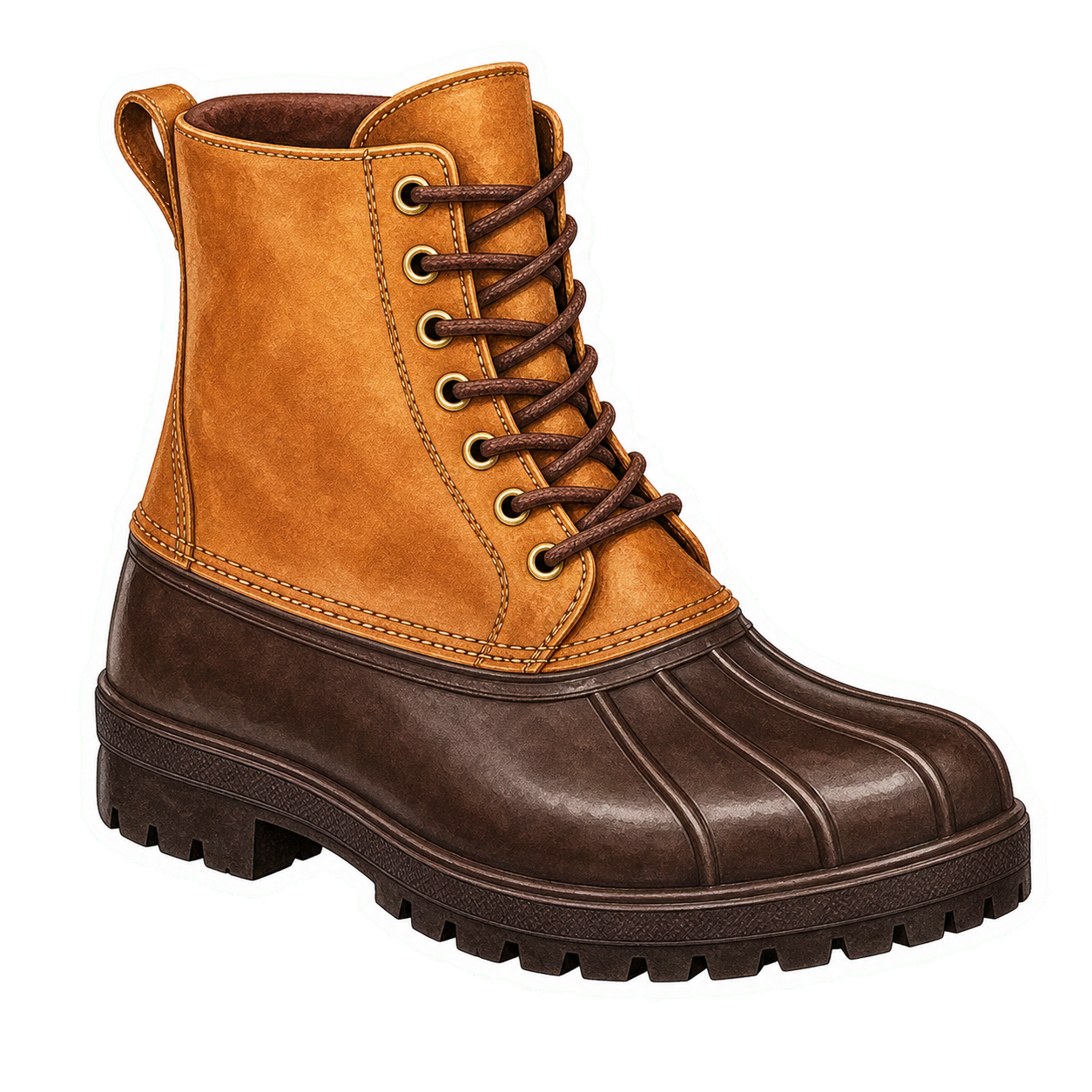 04Tan leather and brown rubber duck boots
Rain on about 19 January days and the odd snowfall make a rubber lower the right base for a Vancouver winter. Residential side streets are not in the City's snow response, so after a fall you will be walking on slush. The leather upper laces snugly over thick socks for the walk to English Bay.
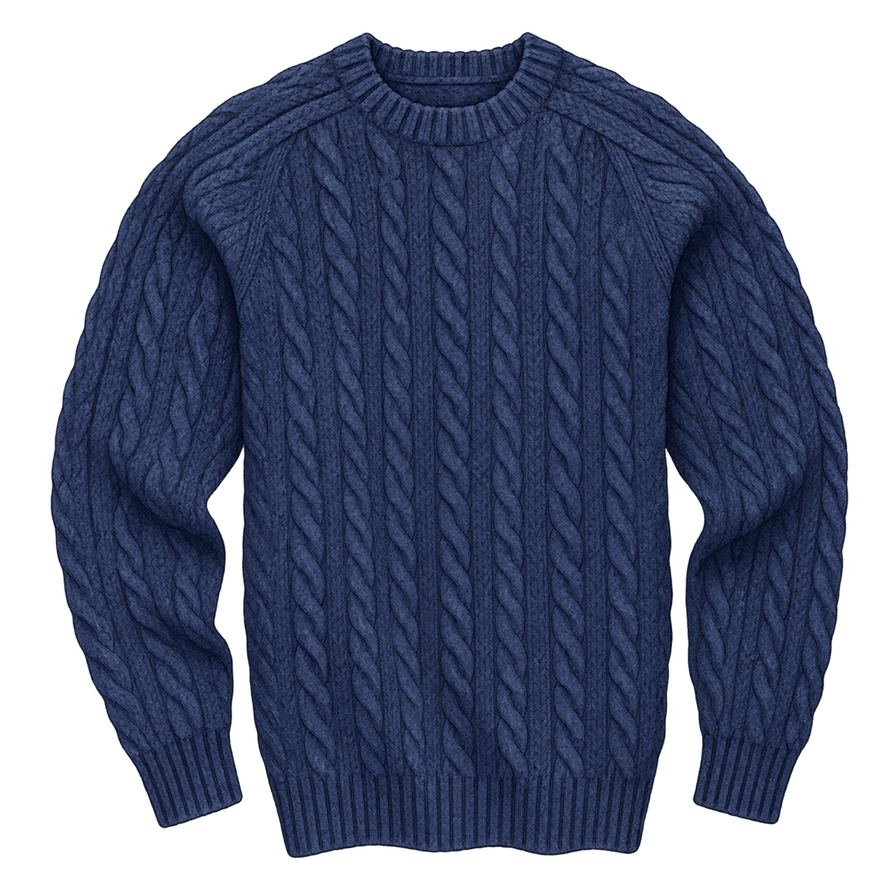 05Navy cable-knit wool crew
A wool crew keeps working when it gets damp, which in Vancouver it will. Cable knit holds more warmth than a fine gauge at the same weight, and navy goes under the red parka without competing. On a rainy day wear it under the parka; on a dry one, on its own at a Gastown bar.
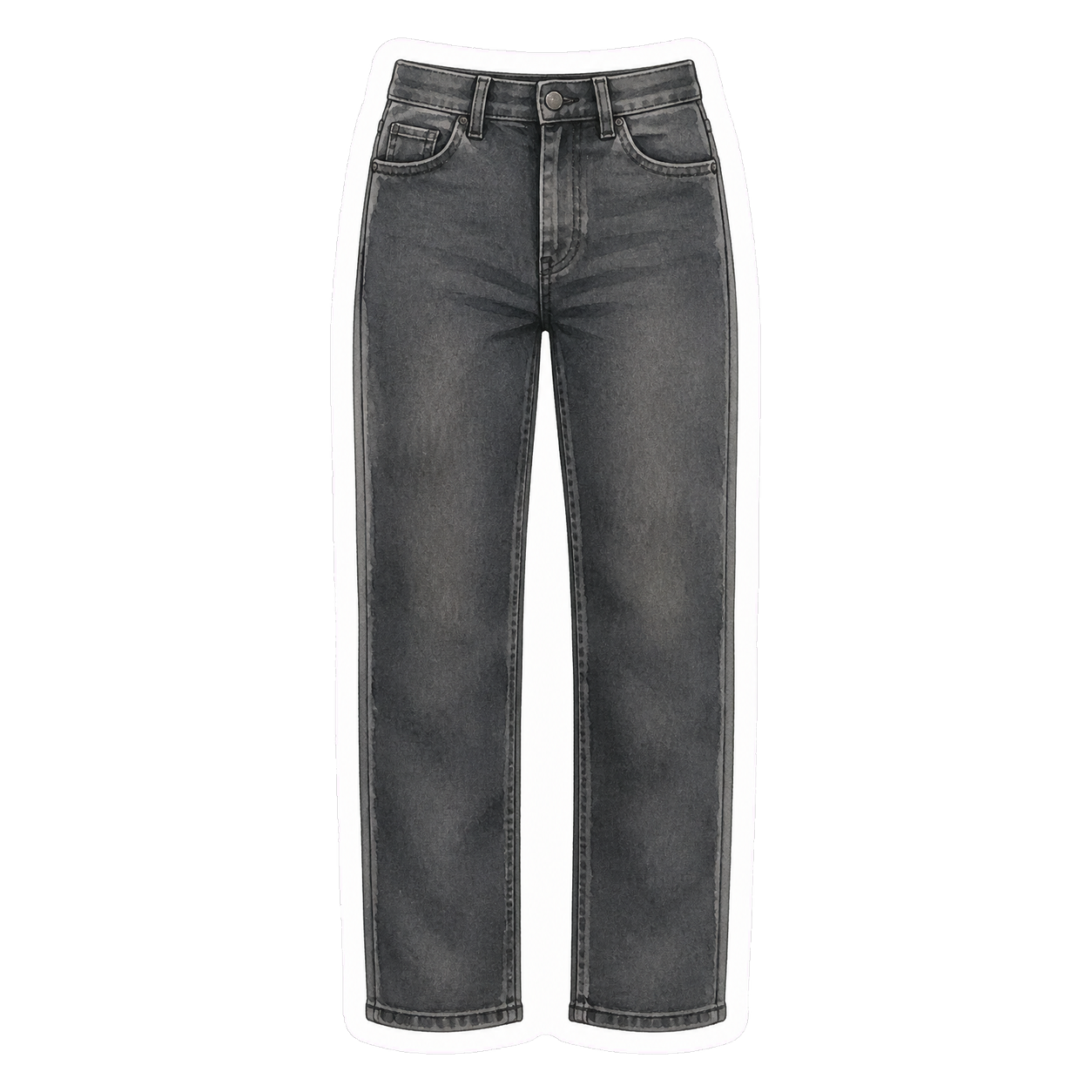 06Faded black straight-leg jeans
Black jeans tuck into the duck boots and pass at almost every restaurant in the city, including the prix-fixe menus of Dine Out Vancouver, which in 2026 ran from 21 January to 8 February. Faded black hides salt and slush marks better than indigo.
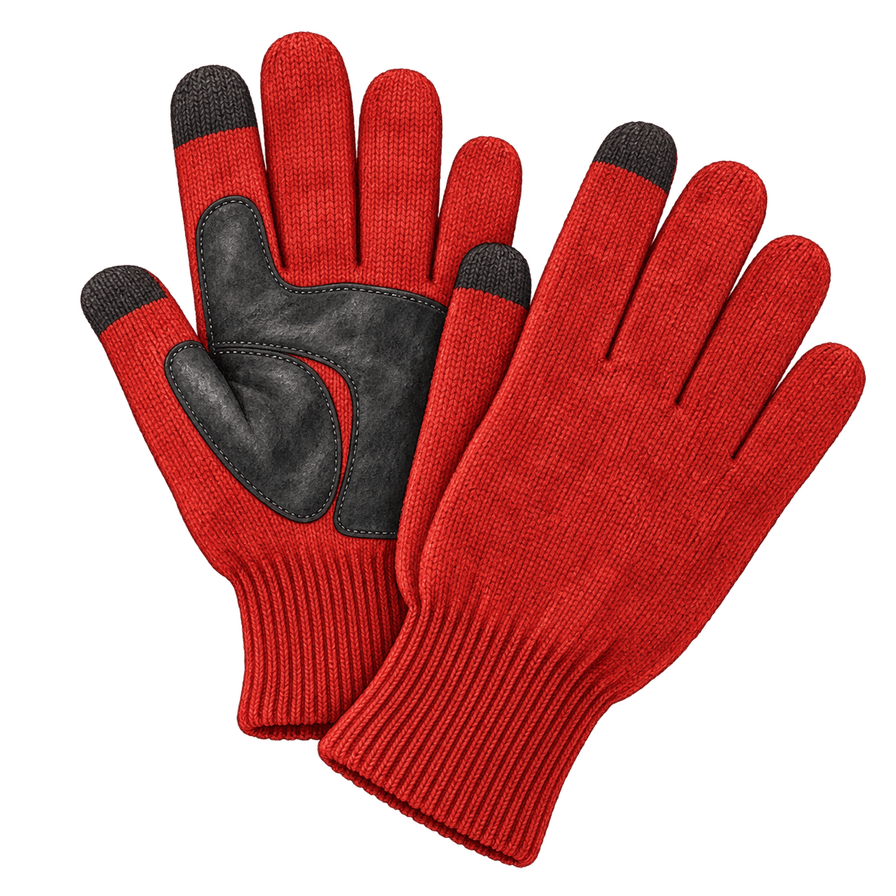 07Tomato-red knit gloves, leather palms
Your hands go first after the swim, while you fumble with a zip and a phone. Knit gloves with leather palms grip a wet zipper, and touchscreen tips let you send the photo without taking them off. Red matches the parka, so you find both at once.
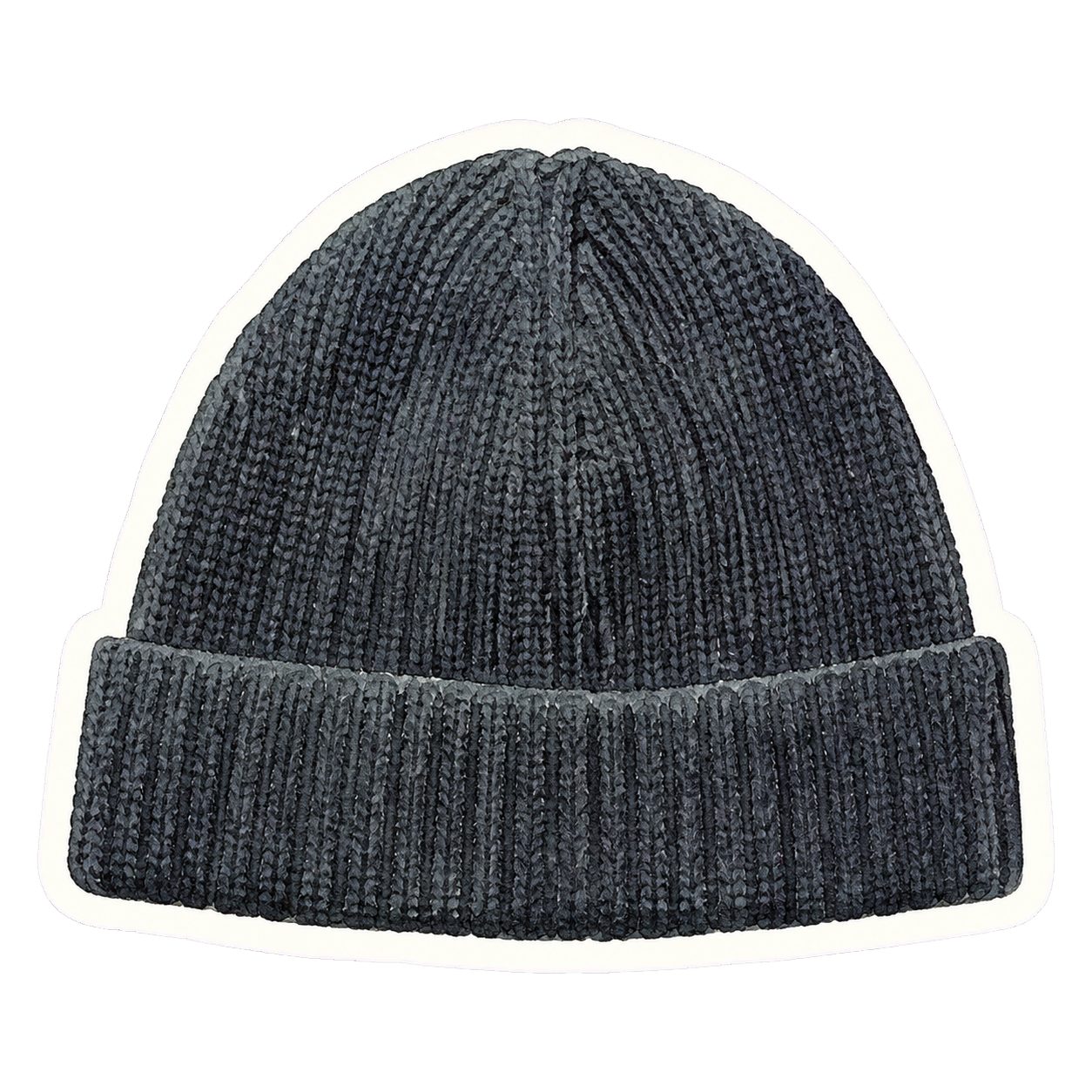 08Charcoal close-fit merino beanie
Wet hair at 7°C / 45°F loses heat fast, and a close-fit merino beanie goes on straight after the swim and stays on under the parka's hood. Merino stays warm when damp. Charcoal works with the red and navy without adding a fourth colour.
Day to night
Swimsuit under the cable crew and black jeans · red parka · duck boots · charcoal beanie · red gloves · changing poncho in a bag. English Bay on New Year's Day before the 2:30pm swim, then a hot drink on Denman Street with the parka zipped to the chin.
Navy cable crew · black jeans · duck boots · red parka. A Dine Out Vancouver prix-fixe dinner later in the month, or night skiing on the North Shore, where Cypress keeps nearly half its runs open after dark.
A suggested look — red long down parka, charcoal merino beanie, red knit gloves, navy cable-knit sweater, faded black jeans.
What to avoid
- More than 15 minutes in the water — the Park Board's limit
- Alcohol before the swim — it raises the risk of hypothermia
- Undressing early on the beach — change under a poncho at the last minute
- Suede or canvas shoes — rain on about 19 days
- Expecting cleared side streets after snow — they are not in the City's response
Frequently asked questions
Mild for Canada, wet, and occasionally snowy. NOAA NCEI's 30-year record for Vancouver International Airport gives an average January high of 6.9°C and a low of 1.4°C, about 171mm of rain on roughly 19 days and about 9cm of snow in an average January, usually in one or two falls. Frost comes on about 10 nights. Destination Vancouver says the city sees snowy weather about ten times a year. Daylight grows from 8h 17m on 1 January to 9h 22m on the 31st, and sunset moves from about 4:24pm to about 5:07pm.
A cardinal red long down parka, a black one-piece swimsuit and a towelling changing poncho if you plan the Polar Bear Swim, tan duck boots, a navy cable-knit crew, faded black jeans, tomato-red knit gloves and a charcoal merino beanie. That covers a 7°C / 45°F wet afternoon, a 1°C / 34°F evening, the odd snow day and a New Year's Day swim. Leave the suede and the canvas sneakers at home.
A swimsuit under warm clothes, a changing poncho or robe, and a long coat for afterwards. The Park Board ran the 106th swim at English Bay Beach on 1 January 2026, from 11:30am to 4pm, with the official swim at 2:30pm, two warming tents and limited lockers; the 2027 details are not out yet. In 2025 the water was 7°C and 13,265 swimmers registered. The Park Board advises removing clothing only when it is time to swim and staying in the water under 15 minutes, and does not permit alcohol. Water shoes help on the sand.
A little, most years. YVR averages about 9cm of snowfall in January on NOAA's record, and the city gets enough for a day or two most winters. When it does, the City of Vancouver requires property owners and occupants to clear snow and ice from the sidewalk by 10am, with a $250 fine if they do not, and residential side streets are left out of the City's own snow response. That means slush and ice on quiet streets for a day or two. Duck boots with a rubber lower and a gripping sole are the answer.
Early January for New Year's Day and Canyon Lights, late January for food. The Polar Bear Swim is on 1 January, and Canyon Lights at Capilano runs until 10 January 2027. Dine Out Vancouver, which bills itself as Canada's largest food and drink festival, ran from 21 January to 8 February in 2026; the 2027 dates are not out yet. The North Shore hills offer night skiing all month, and daylight grows by more than an hour across January.
Nearly identical weather, with the year's start and its rare snow in place of markets. NOAA's YVR record gives January 6.9°C by day and 1.4°C at night against December's 6.6°C and 1.2°C, with about 19 wet days in each and around 170mm of rain. December is spent at the Christmas Market and the mountaintop skate pond, so our December guide is built on a rain shell and a packable down jacket. January opens with a swim at English Bay and plans for a snow day, so a long parka, a changing poncho and duck boots take over.
Practical, waterproof layers with a long history in the city's own industry. Mustang Survival was founded in 1967 by Irv Davies in Vancouver's Gastown, and in 1970 released the Floater coat, which it calls the first combined life preserver and jacket. Arc'teryx, founded in North Vancouver in 1989, makes the technical shells you see on every bus. Around them: jeans, boots that can take a puddle and a beanie, with very little that cannot get wet.
Sources
- NOAA NCEI — 1991–2020 climate normals, Vancouver International Airport (YVR) stationEnvironment and Climate Change Canada operates the station; NOAA NCEI computed this month's figures from its global-summary-of-the-month records for the airport (CAN01108447, joined to its successor CAN01108395), 30 Januaries. Rain days count days with 0.01 in (0.25 mm) or more of rain or melted snow.
- NOAA NCEI — Global Summary of the Month, Vancouver International Airport (CAN01108447 and its successor CAN01108395), 1991–2020 — accessed 2026-10-22
- Vancouver Park Board — Polar Bear Swim, English Bay (since 1920; safety guidelines; 2026 edition) — accessed 2026-10-22
- City of Vancouver — winter maintenance on streets and sidewalks (clear by 10am; $250 fine) — accessed 2026-10-22
- Destination Vancouver (28 January 2026) — What can you expect from Vancouver weather in the winter? — accessed 2026-10-22
- Destination Vancouver — Get ready for the 2024–25 ski season in Vancouver (Grouse, Cypress, Seymour; night skiing) — accessed 2026-10-22
- Capilano Suspension Bridge Park — Canyon Lights, 20 November 2026 to 10 January 2027 (closed 25 December) — accessed 2026-10-22
- Dine Out Vancouver Festival (2026: 21 January to 8 February; 2027 not yet published) — accessed 2026-10-22
- Mustang Survival — Our history (founded in Gastown, Vancouver, in 1967; the Floater coat, 1970) — accessed 2026-10-22
- Arc'teryx — extreme cold weather clothing (founded in 1989 in North Vancouver) — accessed 2026-10-22