What to Wear in Seattle in October
Seattle in October: 16°C / 61°F days, 8°C / 46°F nights, and rain on 14 days — but only 8 of them deliver more than a tenth of an inch.
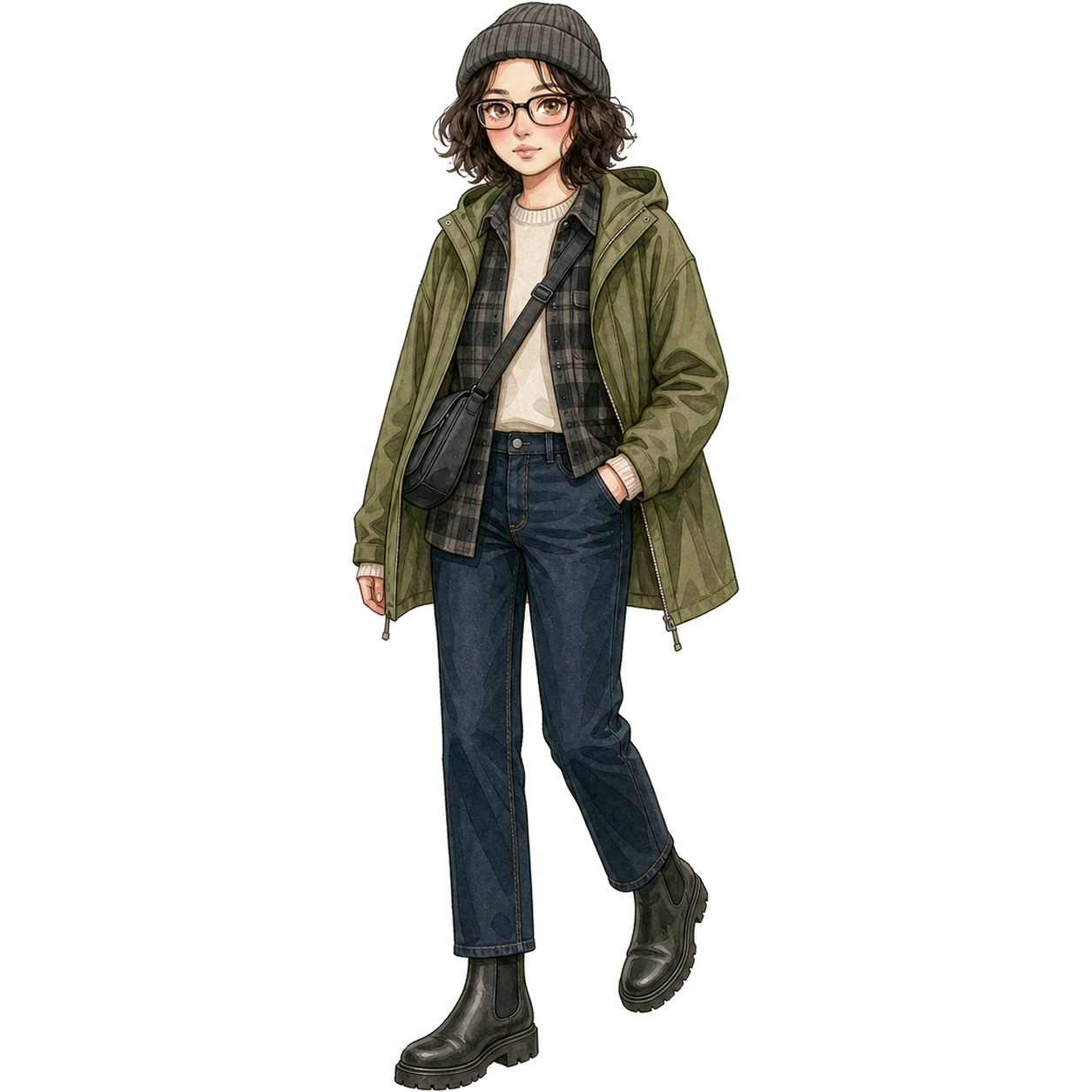
- A hooded rain shell — the hood replaces the umbrella you are not bringing
- A wool flannel overshirt as the mid layer that handles damp without soaking
- A fine merino base — it dries faster than cotton and you will be damp daily
- Dark indigo straight jeans, which do not show drizzle marks
- Black lug-sole Chelsea boots — sealed upper, real tread for wet pavement
- A charcoal ribbed beanie that fits under the hood
- Bring an umbrella — nobody here uses one, and the drizzle comes sideways anyway
- Wear suede — 14 wet days will find it
- Dress for a storm — only 8 days clear a tenth of an inch
- Rely on cotton as a base layer — it holds damp all day at 16°C / 61°F
Seattle in October is not a wet city in the way people pack for. It is a damp one, and that is a different garment problem. NOAA's 1991–2020 normals at Sea-Tac record measurable precipitation on 14.3 days of the month, which sounds like a raincoat argument until you look at the second figure: only 8.4 of those days deliver more than a tenth of an inch. The rest is drizzle, mist, and the kind of wet that arrives horizontally and settles on a shoulder rather than running off it. Temperatures sit at 15.8°C in the afternoon and 8.3°C overnight, so nothing here is cold. What you are dressing against is persistent moisture at a mild temperature, which is exactly the condition cotton handles worst and wool handles best. The city has been solving this commercially for over a century. C.C. Filson opened here in 1897 outfitting Klondike prospectors in waxed cotton and wool, Eddie Bauer followed in 1920, and REI started as a co-op in 1938 when Lloyd and Mary Anderson wanted an ice axe at a fair price. The through-line is the same garment logic: a shell with a hood, wool underneath, and no umbrella. Locals genuinely do not carry them, and it is not stoicism. A hood works in sideways drizzle and leaves both hands free.
Seattle in October is not a wet city in the way people pack for. It is a damp one, every day, which is a different garment problem.
The capsule
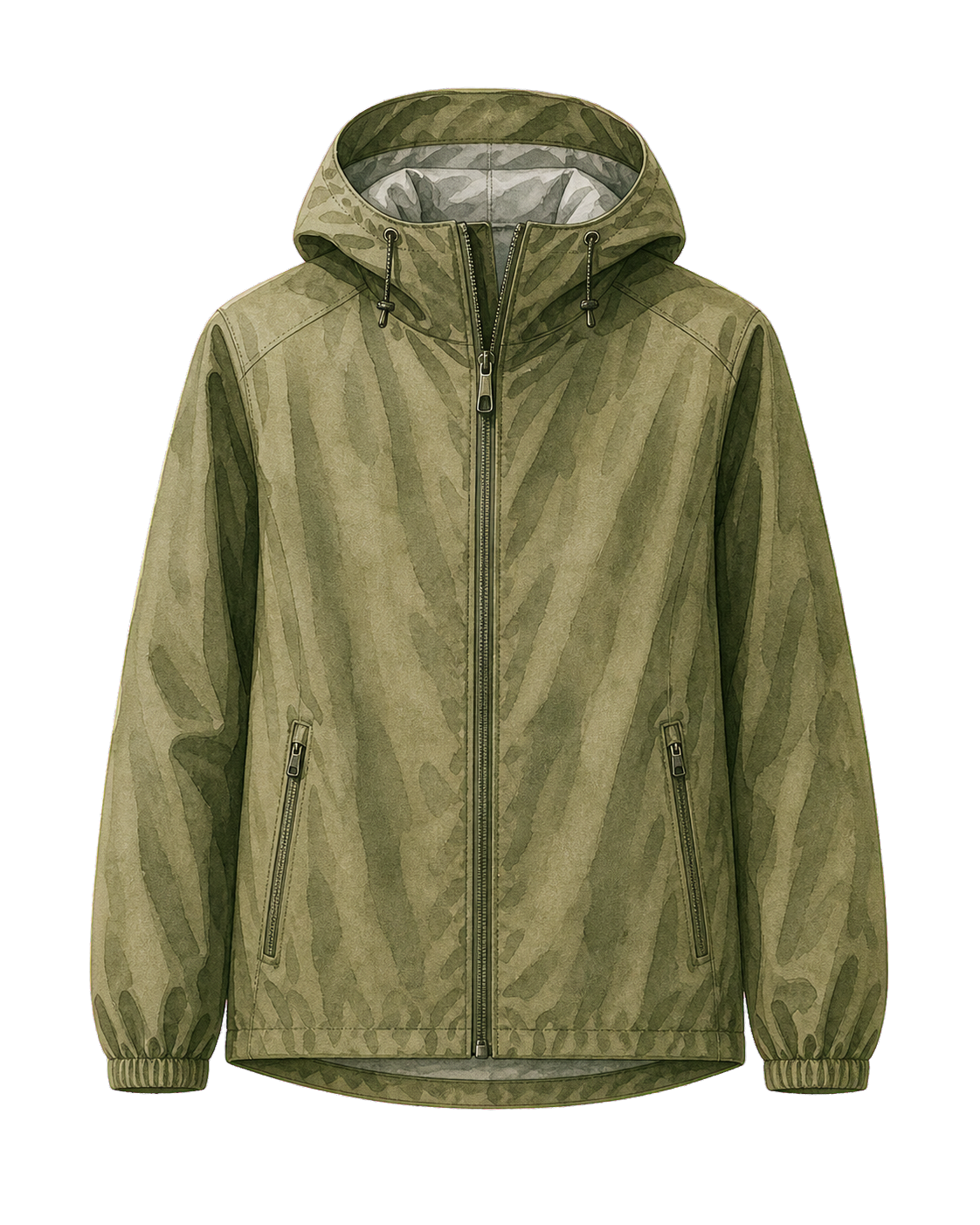 01Olive hooded packable rain shell
The hood is the entire point, because it is the thing replacing the umbrella you are not bringing. Packable matters too: with only 8 days above a tenth of an inch, this spends half the month folded in a bag rather than on your back. Olive rather than a bright technical colour, which is what separates a Seattle local from a visitor in a neon jacket on the Pike Place cobbles.
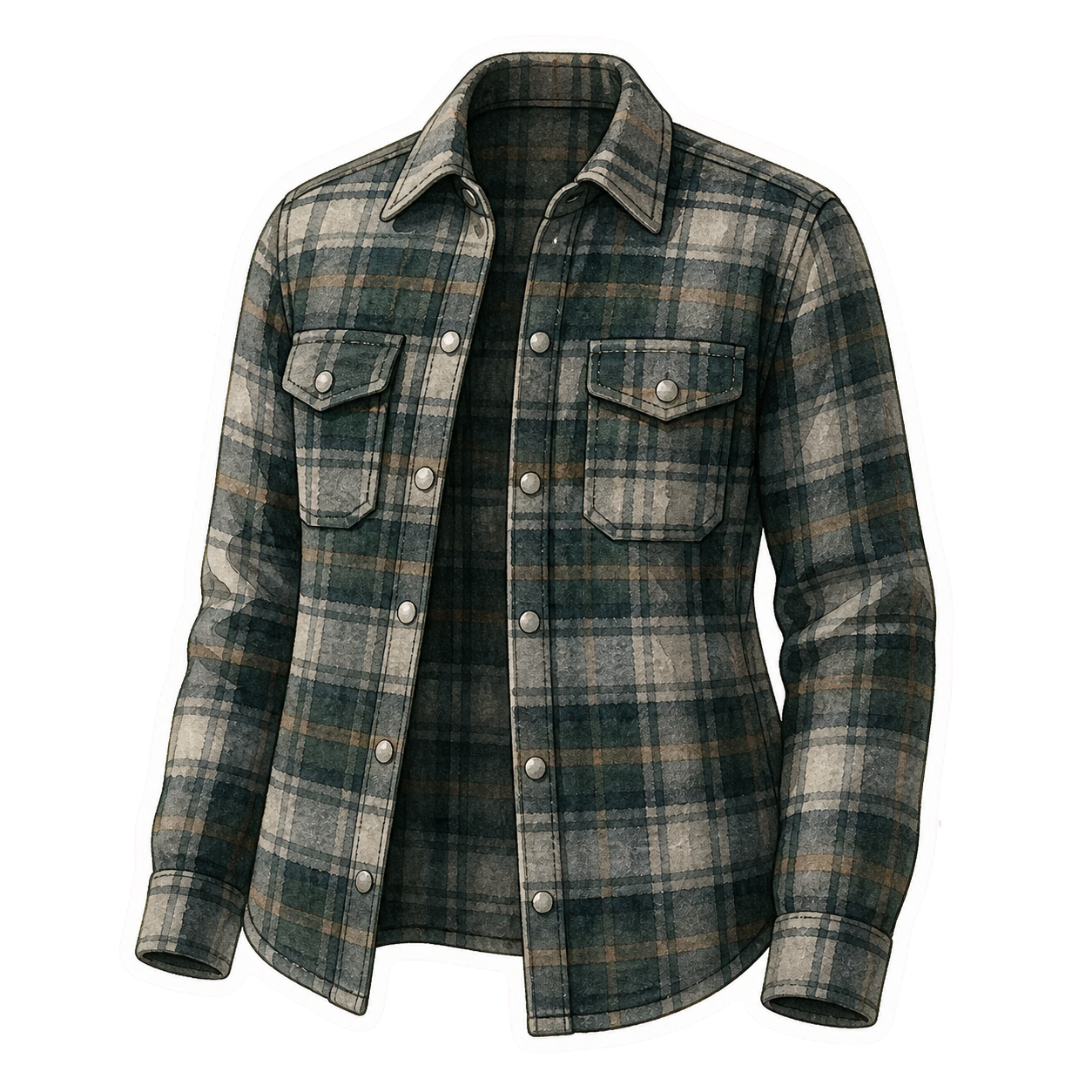 02Wool-blend flannel overshirt in muted charcoal and forest check
This is the layer that does the real work in a damp 16°C / 61°F afternoon. Wool holds warmth while wet where cotton flannel just gets heavy, and a shirt-jacket cut means it goes on over the merino and under the shell without bulking either. Muted check rather than red-black buffalo plaid, which reads costume. Sub Pop's 1988 roster made this garment famous and the city has been quietly wearing it since Filson started selling it in 1897.
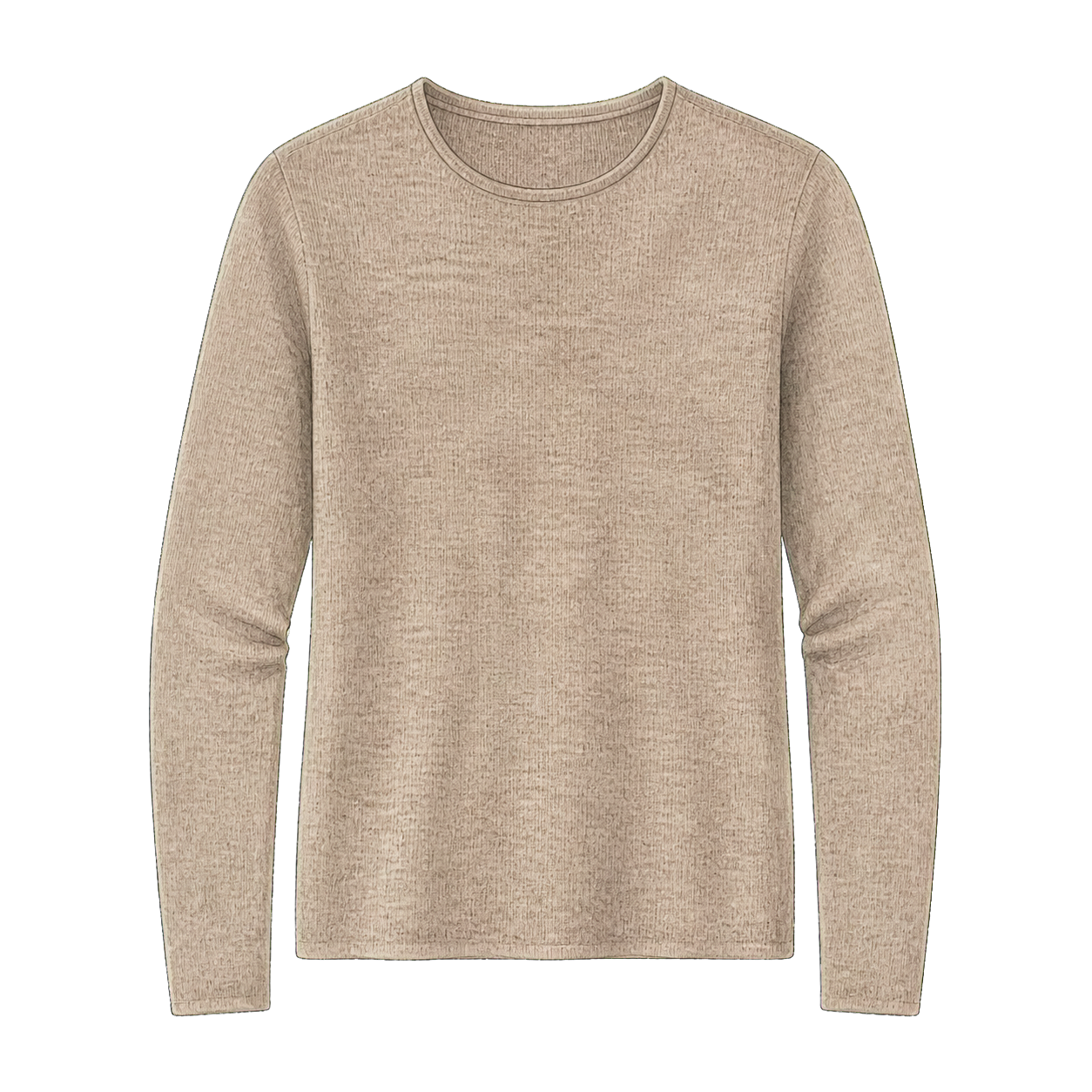 03Fine merino long-sleeve crew in oatmeal or charcoal
Cotton is the specific mistake in this climate. At 16°C / 61°F with constant moisture, a cotton base layer takes on damp in the morning and stays damp against you until evening, which is how a mild day starts to feel cold. Merino moves it out and dries between showers. Fine gauge so it disappears under two more layers.
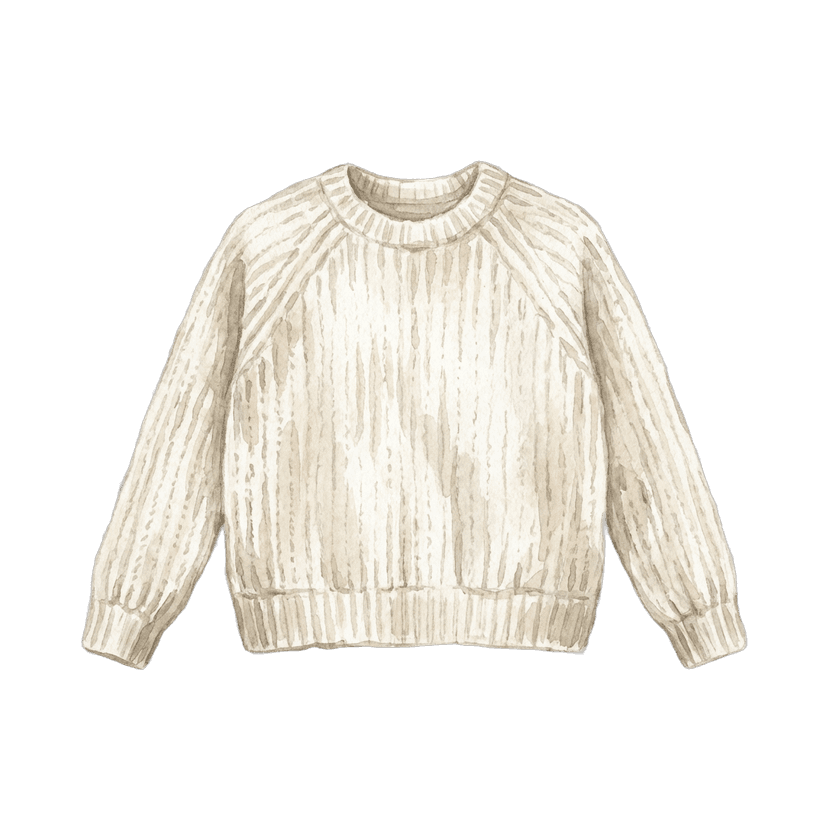 04Cream fisherman-rib wool knit
The evening layer, and the one you wear alone indoors. Cream lifts a capsule that is otherwise olive, charcoal and indigo, which matters in a month averaging 10h 50m of daylight under cloud. Kurt Cobain's olive mohair cardigan from the November 1993 MTV Unplugged set sold at auction for $334,000 in 2019, which is a strange but real measure of how much this city's knitwear carries.
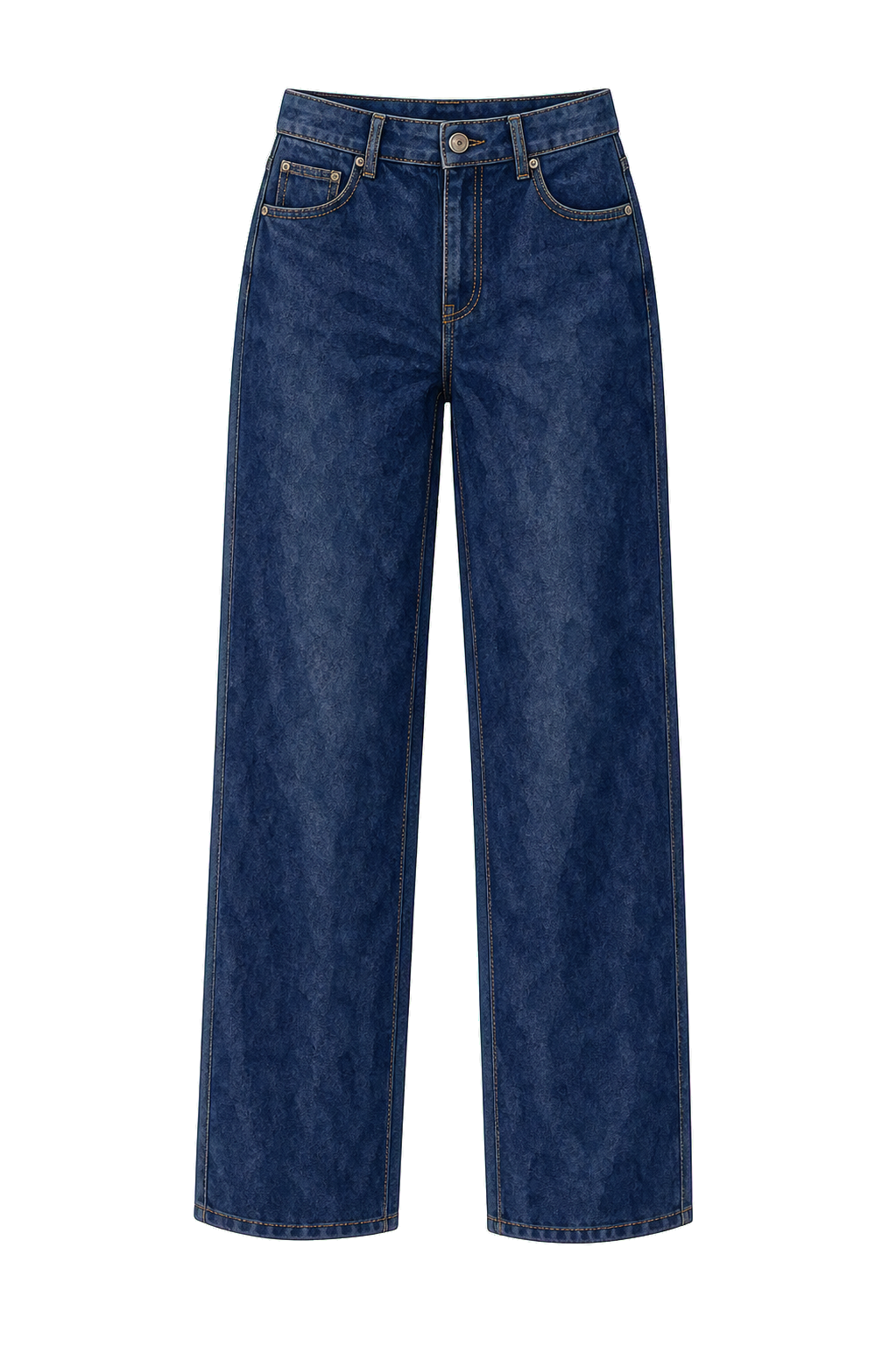 05Dark indigo straight-leg jeans
Dark indigo for a practical reason rather than a stylistic one: drizzle spots show on pale denim within a block and never fully dry during the day. Straight leg keeps the hem off wet pavement in a way a wide leg does not, which matters across 14 wet days and a lot of walking between Capitol Hill and the waterfront.
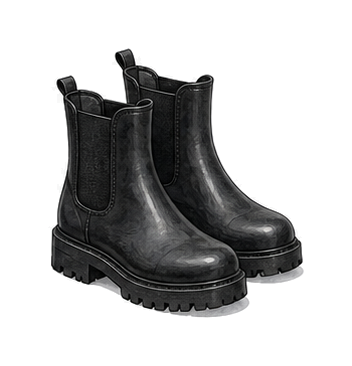 06Black lug-sole Chelsea boots, sealed leather
Sealed upper and a genuine tread. Seattle's hills are steep, its pavement stays wet for most of October, and the painted crossings and metal grates downtown are slick by mid-morning. Elastic-gusset Chelseas rather than laces so wet laces never become a problem. Black because 14 wet days will mark anything lighter.
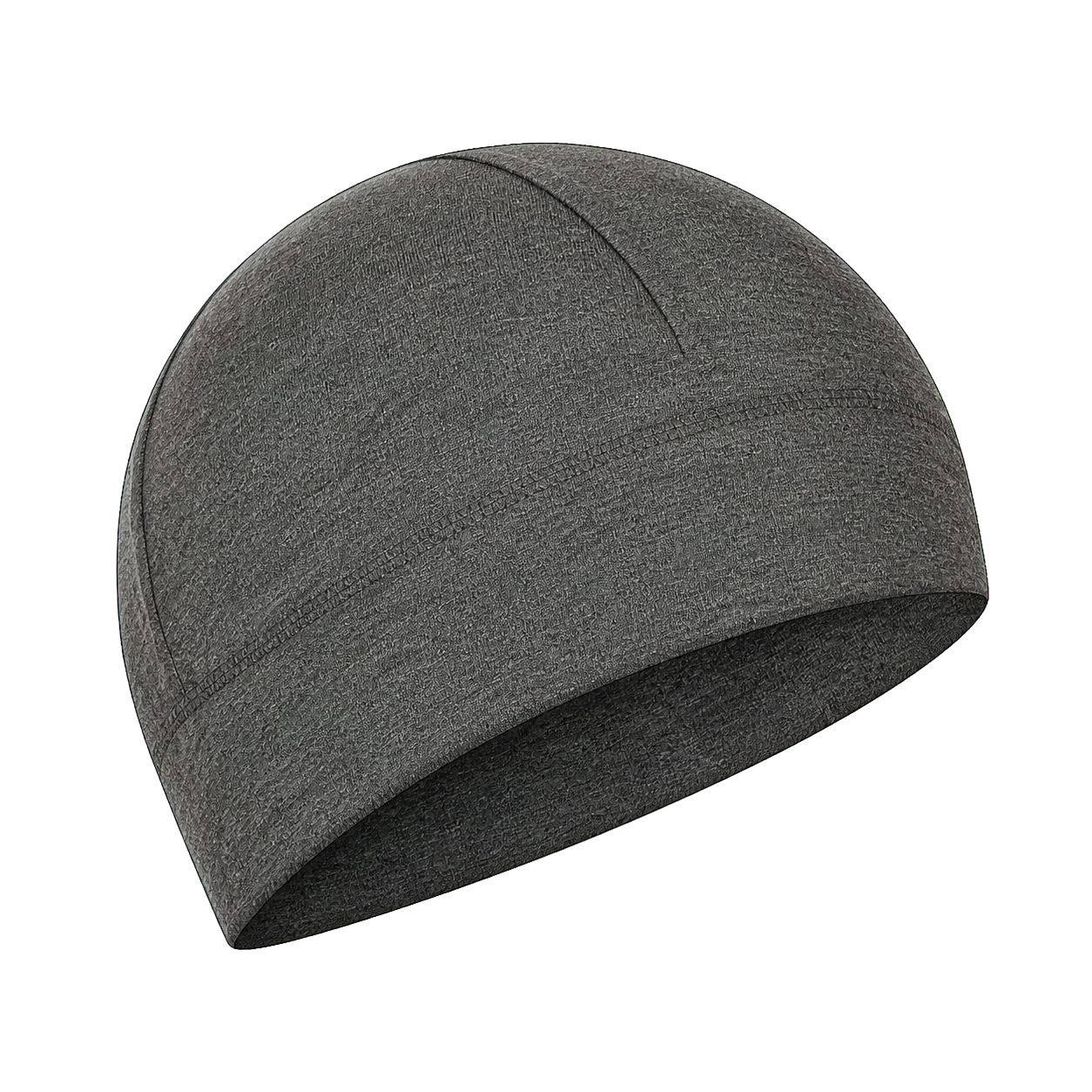 07Charcoal ribbed merino beanie, close-fitting
Close-fitting is the specification, because it has to sit under the shell hood without pushing it off your head — a folded slouchy beanie will. Merino rather than acrylic, since it will be damp most days and merino dries without holding smell. This is also the piece that makes an 8°C / 46°F evening walk pleasant rather than something you cut short.
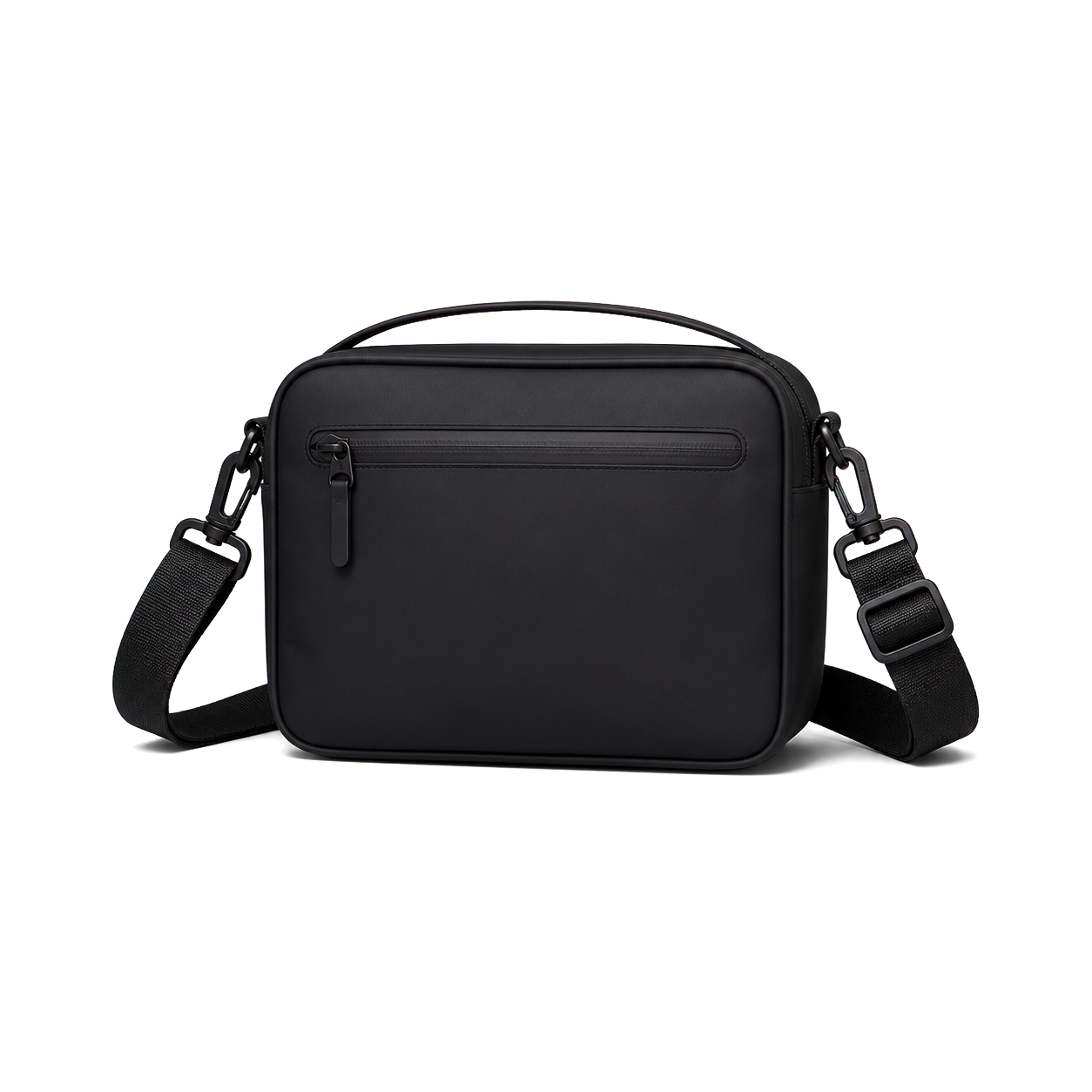 08Black water-resistant crossbody with a sealed zip
A sealed zip is worth more here than any amount of leather quality, because drizzle lands on a bag all day rather than in one downpour you can shelter from. Worn across the body so both hands stay free, which is the whole reason the city skipped umbrellas in the first place. Matte black, no visible hardware to water-spot.
Day to night
Merino crew under the flannel overshirt · dark indigo jeans · Chelsea boots · beanie · rain shell open, hood down · crossbody. Coffee in Ballard, then the Burke-Gilman before the mist comes off the water.
Cream fisherman knit over the merino · same jeans · boots · shell in the bag. Dinner on Capitol Hill at eight; it is 8°C / 46°F and damp on the walk back, and the knit is doing it alone.
A suggested look — olive hooded rain shell, charcoal-and-forest flannel overshirt, oatmeal merino crew, dark straight jeans, black lug-sole Chelsea boots.
What to avoid
- An umbrella — the drizzle comes sideways, and a hood leaves both hands free
- Suede — 14 wet days will find it
- Cotton as a base layer — it holds damp all day at a mild 16°C / 61°F
- White sneakers — about one day of wet pavement
- A heavy storm coat — only 8 days clear a tenth of an inch
Frequently asked questions
Mild, grey and persistently damp. NOAA's 1991–2020 normals at Sea-Tac record an average high of 15.8°C / 16°C and an average low of 8.3°C / 8°C, with measurable precipitation on 14.3 days — but only 8.4 of those clear a tenth of an inch. Daylight drops to about 10h 50m by mid-month. October is when the dry summer pattern breaks and the long wet season begins.
No, and locals genuinely do not carry them. It is practical rather than a pose. Most October precipitation is drizzle and mist rather than heavy rain — only 8.4 days a month clear a tenth of an inch — and it arrives sideways off Puget Sound, where an umbrella does very little. A shell with a proper hood handles it and leaves both hands free on a steep wet hill.
Not very. The average overnight low is 8.3°C / 46°F and afternoons reach about 15.8°C / 61°F, so nothing in October approaches freezing. The problem is not temperature but moisture at a mild temperature, which is why wool and merino outperform anything cotton here. A shell over a flannel overshirt over a merino base covers the entire month.
One pair of sealed leather boots with a real lug sole, ideally a Chelsea so there are no laces to soak. Pavement stays wet most of the month, the hills are steep, and downtown metal grates and painted crossings get genuinely slippery. Skip suede entirely and skip white sneakers, which will not survive the first wet day looking clean.
It is the honest month. Summer crowds are gone, the fall colour in the Arboretum and along the Burke-Gilman peaks mid-to-late month, and the city looks the way it actually is rather than the way its two dry months suggest. The trade-off is daylight, which falls to about 10h 50m, and cloud on most days. Pack for damp and it is one of the better months here.
Sources
- NOAA — 1991–2020 climate normals, Seattle-Tacoma International Airport (SEA) station