What to Wear in Sydney in November
Sydney in November: 24°C / 75°F afternoons — and a UV index that routinely hits extreme, which is the actual hazard.
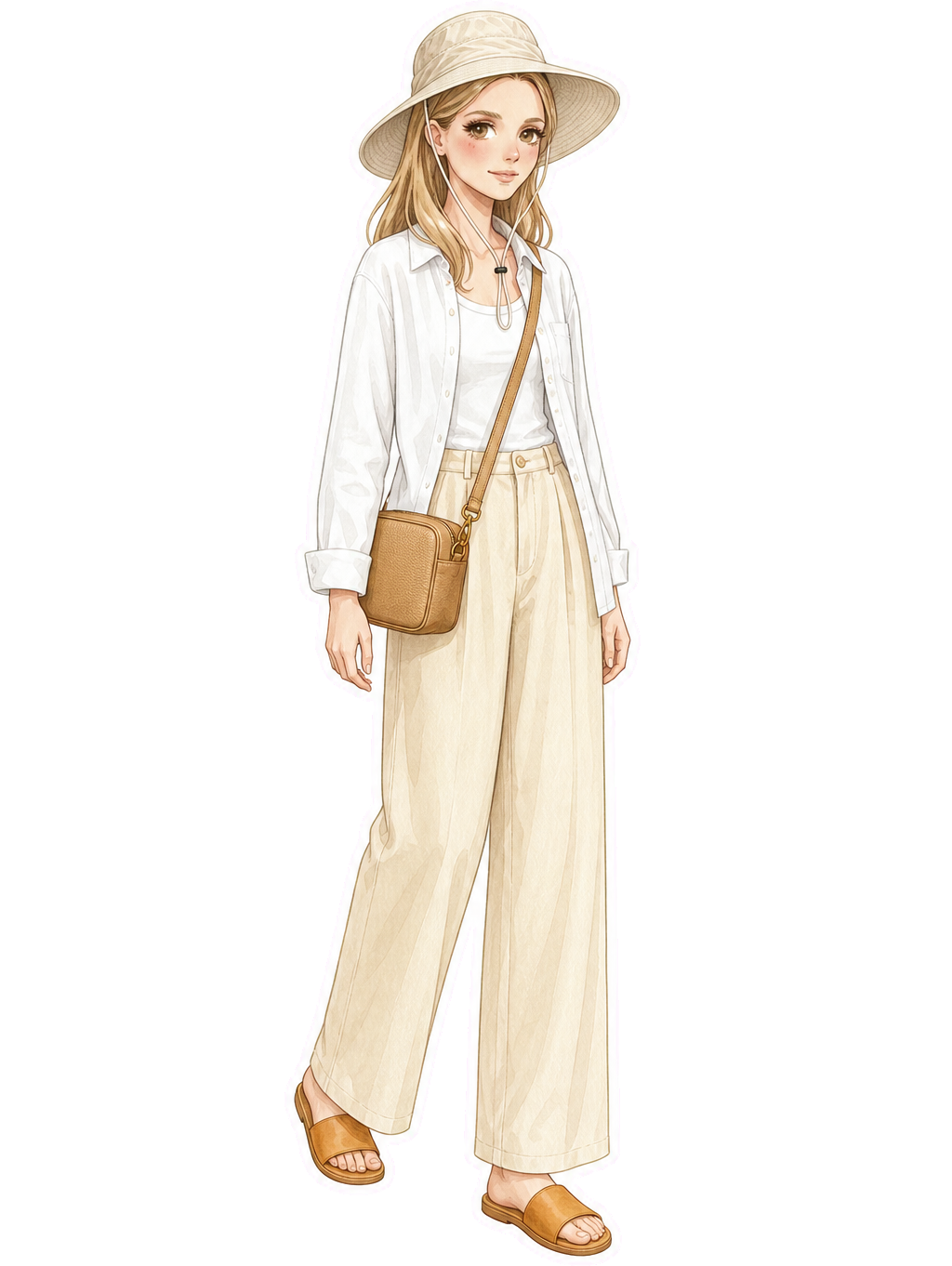
- A white cotton button-down worn sleeves DOWN — covered skin beats sunscreen
- A cream long-sleeve and a white tank, so you can layer down without baring shoulders
- A broad-brim hat with a chin cord — the brim is the point, not the hat
- Stone linen wide-leg trousers, full length
- A packable storm shell — the rain is hard and brief, not drizzle
- Tan leather slides you can walk a coastal path in
- Rely on a baseball cap — it leaves ears and the back of the neck exposed
- Bare your shoulders for a full day at this latitude
- Bring an umbrella — 6.8 of 11 wet days are proper downpours with wind
- Pack wool — 24°C / 75°F rules it out entirely
Sydney in November is not a hot city. It is an ultraviolet one, and those are different packing problems. NOAA's records from the Observatory Hill station give a November average high of 24.2°C / 75.6°F and an average low of 16.6°C / 61.9°F across 1991-2020, with measurable precipitation on 10.9 days of which 6.8 clear a tenth of an inch. Twenty-four degrees is pleasant by any measure and would call for very little thought in Lisbon or Los Angeles. The difference here is latitude and air: at 33.9 degrees south in late spring the UV index in Sydney routinely reaches the extreme band, higher than a northern city ever sees at the same temperature, and it does it by mid-morning rather than at noon. The Cancer Council has run Slip, Slop, Slap here since 1981 for exactly this reason, and the local wardrobe follows the campaign rather than the thermometer: long sleeves in light cotton, full-length linen, a brim rather than a peak. The second thing the numbers hide is the shape of the rain. Six or seven of those eleven wet days are genuine downpours, often thunderstorms that arrive in the late afternoon, drop hard and clear inside an hour. That argues for a packable shell and against an umbrella, which the accompanying wind will destroy.
Sydney in November is not a hot city. It is an ultraviolet one, and those are different packing problems.
The capsule
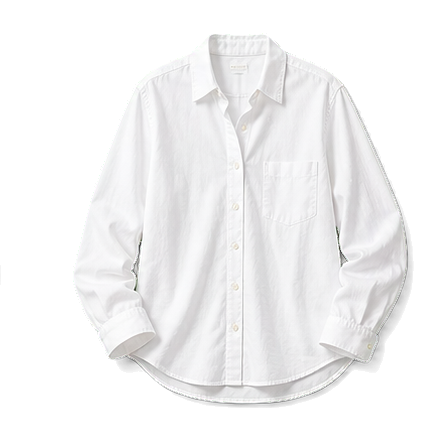 01White cotton button-down, worn sleeves down
Sleeves down is the entire instruction, and it is why this beats a t-shirt at 24°C / 75°F. A light cotton long sleeve is a more reliable UV barrier than sunscreen you applied at nine and did not reapply, and white reflects rather than absorbs. Open over a tank it also breathes properly, so this is cooler in practice than it sounds.
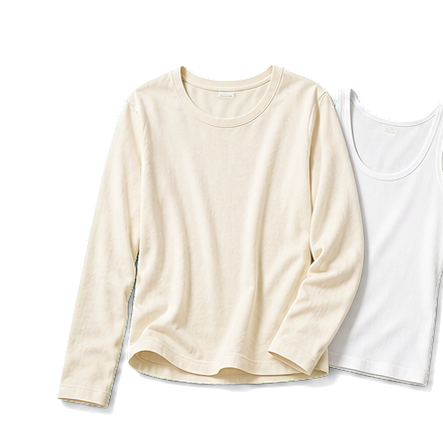 02Cream cotton long-sleeve and white ribbed tank
Two pieces so you can drop a layer in the evening without ending up with bare shoulders in the afternoon, which at this latitude is the thing to avoid. The tank alone works after dark, when 16.6°C is mild and the sun is no longer the problem. Cream and white together keep the whole capsule reflective rather than heat-absorbing.
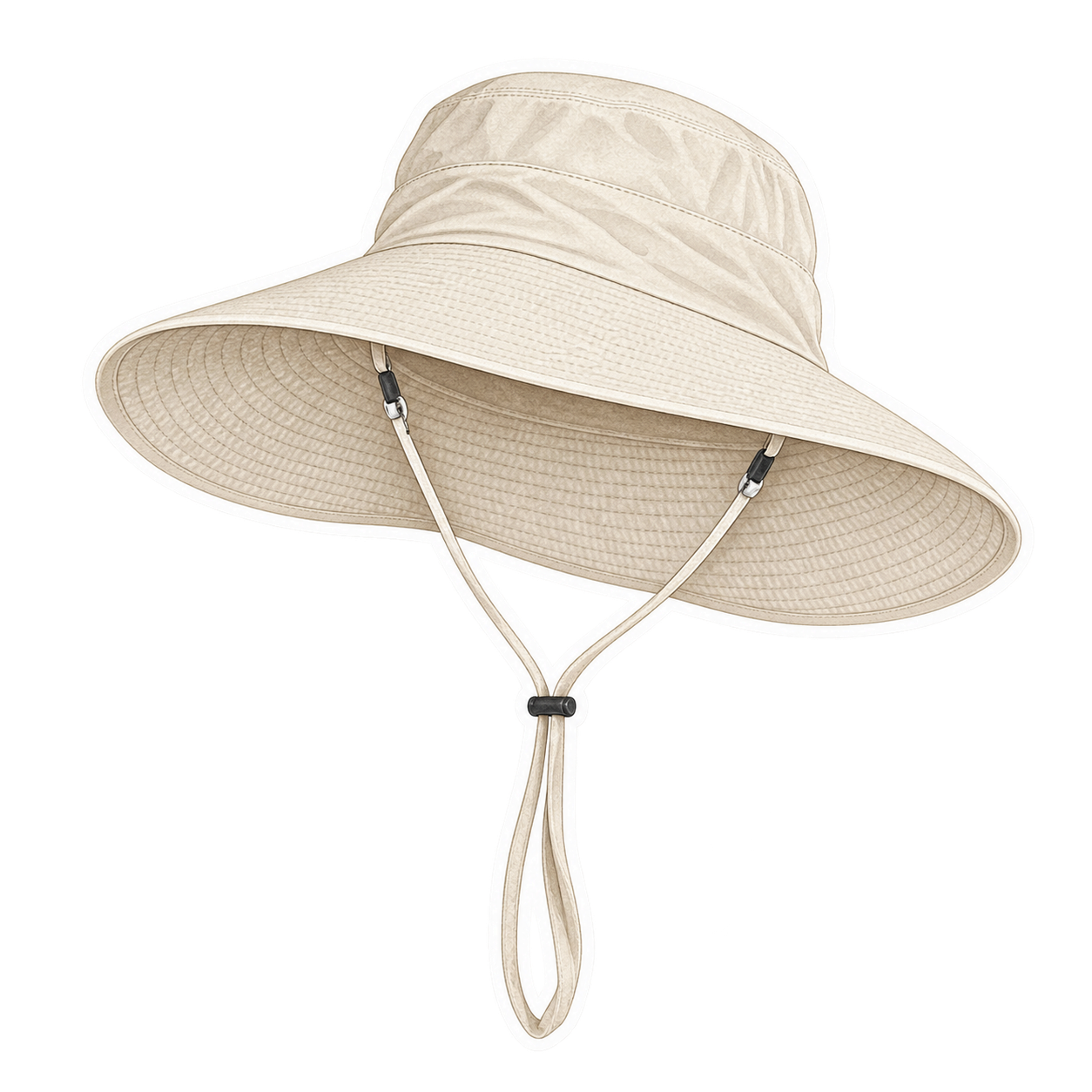 03Broad-brim woven sun hat with a chin cord
A brim of at least seven centimetres all the way round, which is what shades ears and the back of the neck — the two places a baseball cap leaves fully exposed and the two places Australians most often get burnt. The chin cord matters on the coastal walks and the harbour ferries, where the wind will otherwise take it straight off your head.
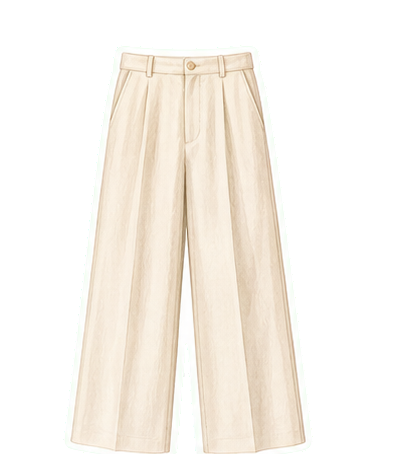 04Stone linen wide-leg trousers, full length
Full length rather than cropped, because covered skin is the strategy and linen is loose enough that it costs you nothing in comfort at 24°C / 75°F. Wide leg moves air. Stone rather than white, which shows the dust of a coastal path, and rather than black, which absorbs heat you do not need.
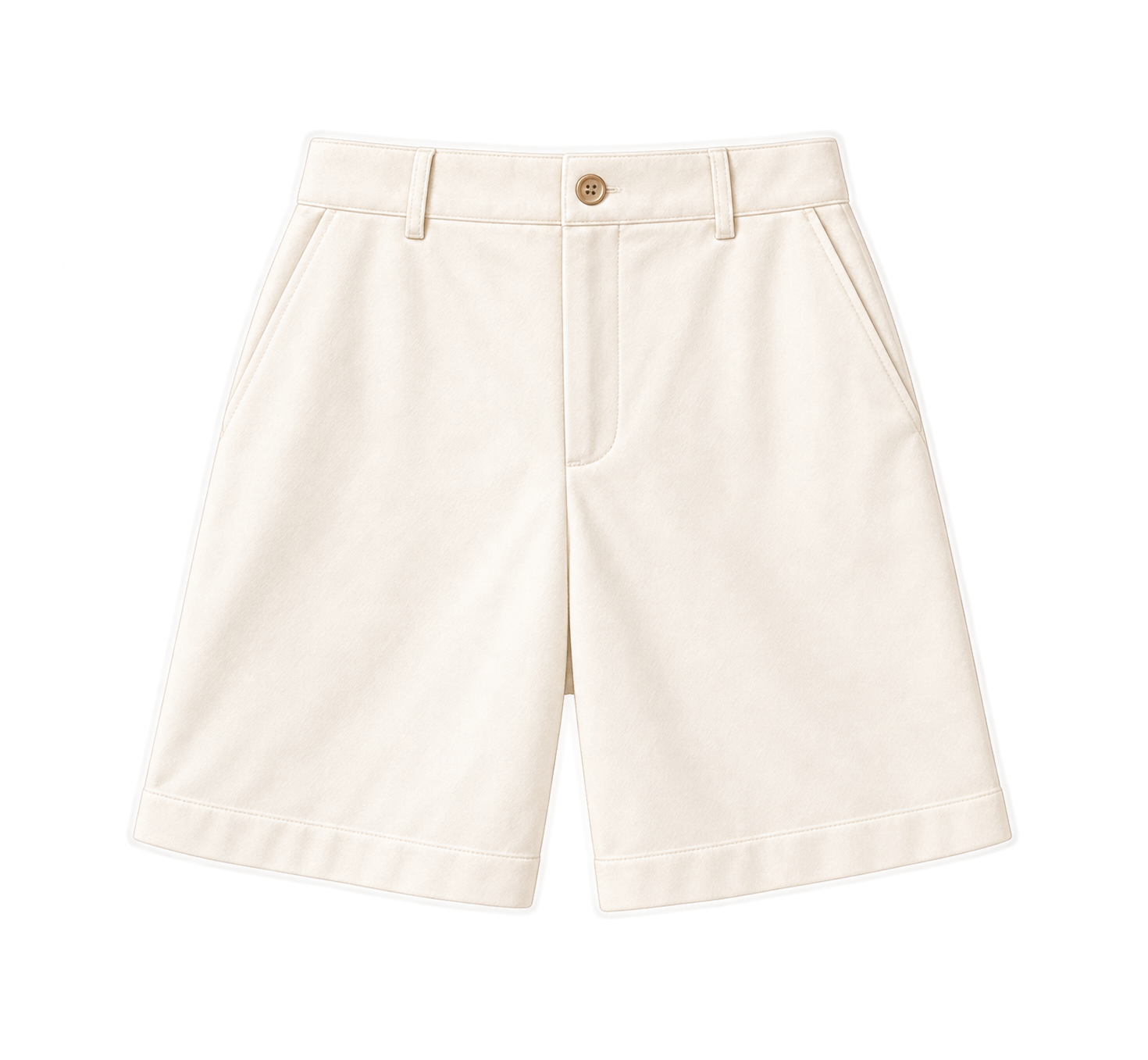 05White cotton tailored shorts, mid-thigh
For the beach half of the day, when you are in and out of water and full-length linen stops making sense. Tailored and flat-fronted rather than athletic, since Sydney's beach suburbs dress considerably better than the swimwear suggests and you will walk from Bondi into a cafe without changing.
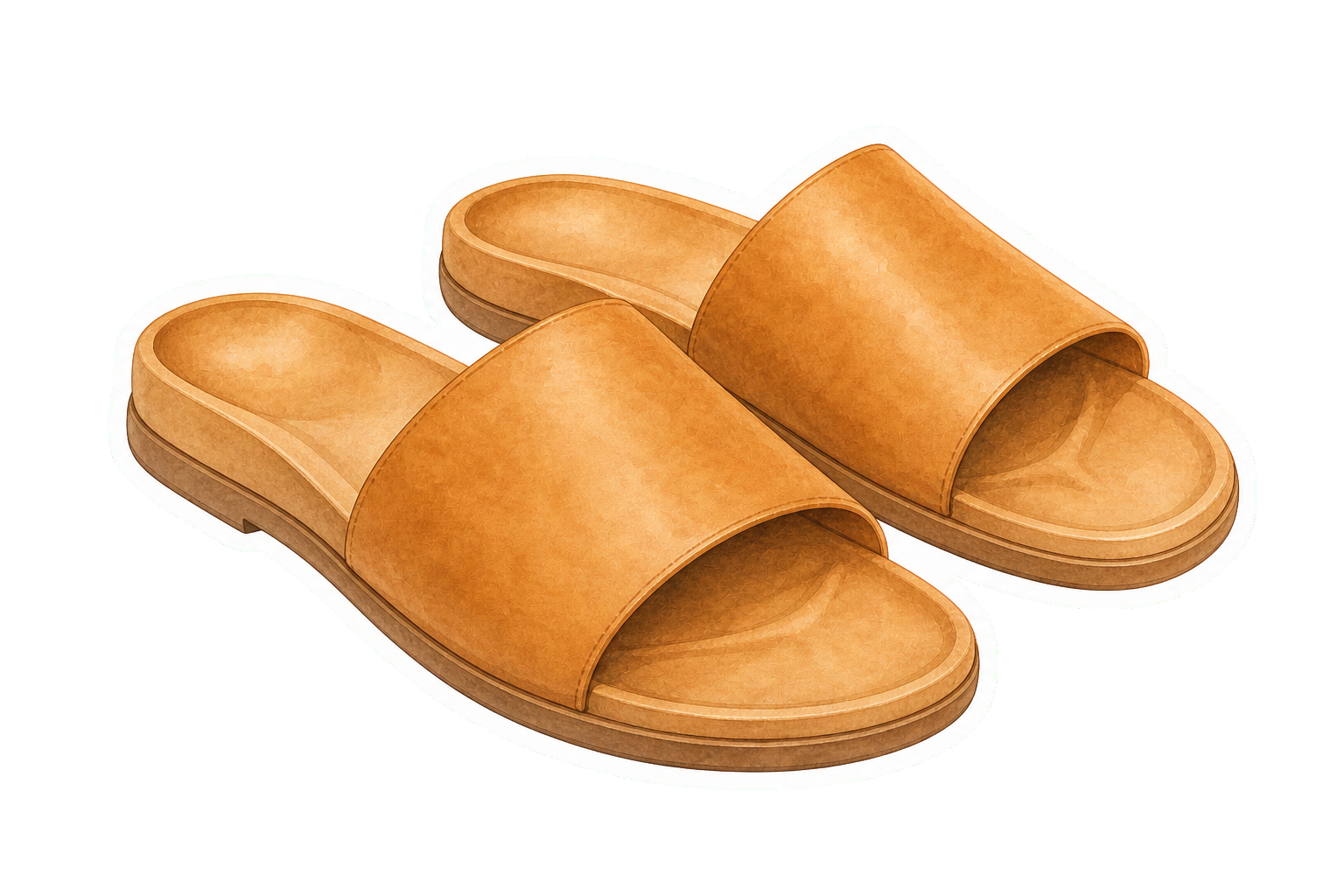 06Tan leather slide with a contoured footbed
A contoured footbed rather than a flat sole, because the Bondi to Coogee walk is six kilometres of steps and headland and a flat slide will punish you halfway. Leather rather than rubber so it goes into a restaurant in the evening. Tan ties to the crossbody and hides sand better than anything darker.
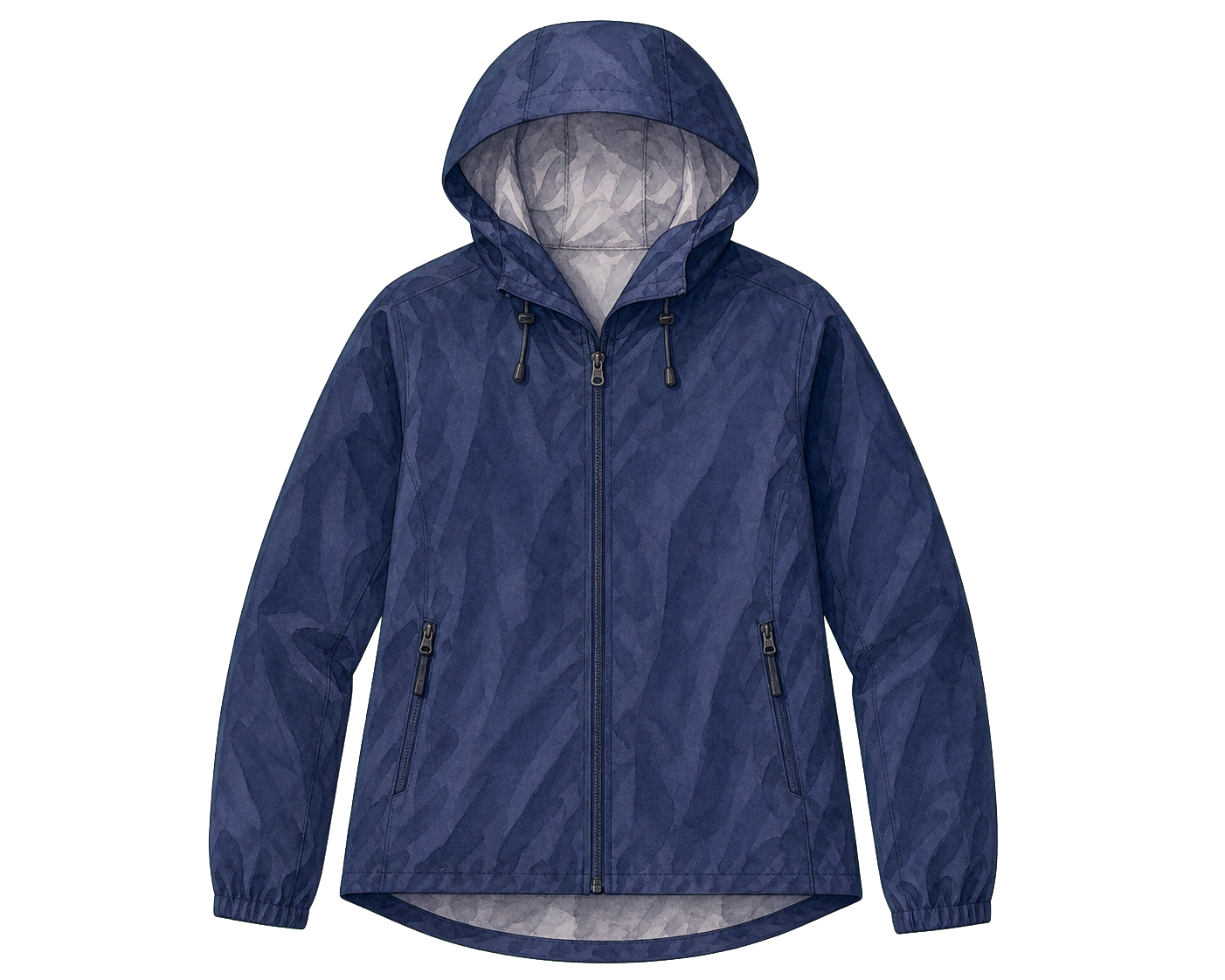 07Packable storm shell with taped seams
A storm garment rather than a drizzle one, which is the distinction this month turns on. Nearly seven of the eleven wet days are real downpours, usually thunderstorms that build in the late afternoon and clear within the hour. Taped seams and a hood handle that; an umbrella does not, because the same storms bring the wind that destroys it.
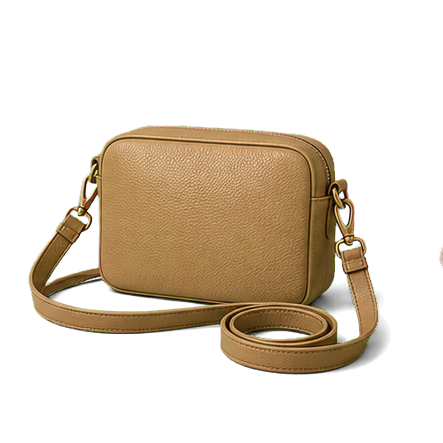 08Tan pebbled-leather camera crossbody
Small and worn across the body for ferries and a coastal path where you want both hands. Pebbled leather takes salt air better than a smooth finish, which will spot. Tan rather than black because it does not bake in direct sun the way a dark bag left on a cafe table will.
Day to night
White tank under the cotton long-sleeve, sleeves down · stone linen trousers · slides · broad-brim hat with the cord on · tan crossbody. Bondi to Coogee early, before the UV peaks mid-morning.
Tank alone under the white button-down · white shorts or the linen trousers · slides · shell in the bag. Dinner outside in Surry Hills; it is 17°C / 63°F and the storm that came through at five has already gone.
A suggested look — open white cotton button-down over white tank, stone wide-leg trousers, tan leather slides, broad-brim sun hat with cord, tan crossbody.
What to avoid
- A baseball cap — it leaves ears and the back of the neck exposed
- Bare shoulders all day — a light long sleeve beats unreapplied sunscreen
- An umbrella — 6.8 of 11 wet days are downpours with wind behind them
- Wool — 24.2°C rules it out
- Reading the temperature as the whole story — 24°C here is not 24°C in Lisbon
Frequently asked questions
Warm, bright and storm-prone — late spring heading into summer. NOAA's records from the Observatory Hill station give a November average high of 24.2°C / 75°F and an average low of 16.6°C / 63°F over 1991-2020, with measurable precipitation on 10.9 days of which 6.8 clear a tenth of an inch. Daylight runs close to 14 hours. The rain tends to arrive as short heavy afternoon thunderstorms rather than all-day drizzle.
Strong enough that it, rather than the temperature, should drive what you pack. At 33.9 degrees south in late spring the UV index routinely reaches the extreme band and does so by mid-morning, which is higher than a northern hemisphere city ever records at the same air temperature. The Cancer Council has run its Slip, Slop, Slap campaign since 1981 on this basis. Practically: long light sleeves, full-length linen, and a broad brim rather than a cap.
Not for warmth, but yes for rain. The 16.6°C / 63°F overnight low is mild enough that a long-sleeve shirt covers the evening. What you do want is a packable storm shell with taped seams for the afternoon thunderstorms, which account for most of the month's rain and arrive hard. A wool or insulated layer would go unworn for the entire trip.
It is one of the best. Water is warm enough to swim, the summer crowds and school holidays have not started, jacarandas are flowering across the eastern suburbs, and 24.2°C / 75°F is comfortable for the coastal walks the city is built around. The trade-offs are extreme UV and a real chance of an afternoon storm, both of which one hat and one shell solve.
A leather slide with a contoured footbed, plus a structured sneaker if you plan longer walks. The Bondi to Coogee path is six kilometres of steps and headland, and a flat unsupported slide becomes uncomfortable partway along it. Leather rather than rubber means the same pair works for dinner, which matters in a city where you often go straight from the coast to a restaurant.
Sources
- NOAA NCEI — 1991–2020 climate normals, Sydney Observatory Hill stationthe Bureau of Meteorology operates the station; NOAA NCEI computed this month's figures from its ASN00066062 global-summary-of-the-month record. Recorded per month because the rest of this city's pages are sourced differently.
- NOAA National Centers for Environmental Information — Climate Data Online — accessed 2026-04-23
- Destination NSW — Sydney's jacaranda trail — accessed 2026-09-26