What to Wear to New Year's Eve in Rio de Janeiro
Thursday, December 31, 2026 · fireworks at midnight · Copacabana Beach, Rio de Janeiro
Averaged from INMET's hourly records at Forte de Copacabana, December 2007–2024, the figures on our Rio December guide. Midnight on the sand sits near the 22°C low. Daylight is for 31 December.
Réveillon on Copacabana, 31 December 2026: all white, 22°C / 72°F at midnight, roads closed from 9pm, bags searched.
- White, head to toe — Rio's New Year colour since the Umbanda gatherings of the 1950s
- Linen or cotton — 22°C and humid at midnight in a crowd of millions
- Waterproof flat sandals — you walk in and jump seven waves at midnight
- A small crossbody — bags were searched at the entrances
- One silver accent — it catches the fireworks
- A large bag — the metro refused anything over 25 litres last year
- Glass on the sand
- Heels — the night is on foot, much of it on sand
- Disturbing the offerings to Iemanjá you find on the beach
Packing philosophy
Pack white, and pack for walking. INMET's hourly records at Forte de Copacabana, averaged over 2007–2024, give December 29.1°C by day and 22.2°C at night, with about 10 wet days. The Réveillon on Copacabana is the biggest night of Rio's year. Last year Avenida Atlântica closed to traffic at 7am, every road in was blocked from 9pm, and the fireworks ran for 12 minutes from 19 barges. People have gone to the beach in white since Umbanda gatherings on the sand in the 1950s: they "passaram a ir à praia vestidas de branco", Agência Brasil reported, to make offerings to Iemanjá and jump seven small waves. So wear linen that breathes in a humid crowd, sandals that can get wet, and carry almost nothing.
Réveillon is two and a half million people in white on a beach. Your outfit is the uniform of the night, and the sea is part of the dress code.
What the dress code actually is
White is not a rule, but on Copacabana nearly everyone wears it, and it is open to anyone. Agência Brasil traces the custom to Umbanda gatherings on the beach in the 1950s, when followers of the Afro-Brazilian religion came in white to make offerings to Iemanjá, goddess of the sea. It has since become the whole city's New Year. Jumping seven waves at midnight and making a wish is part of the popular custom, and visitors join in. The line to hold is the offerings: flowers, candles and small boats left at the waterline belong to someone's devotion, so leave them where they are and keep out of the way of groups at prayer. Some add one colour for the year ahead, yellow for money or pink for love; that is folk custom, not a rule. Check Riotur's programme for the 2026 edition in December.
The capsule
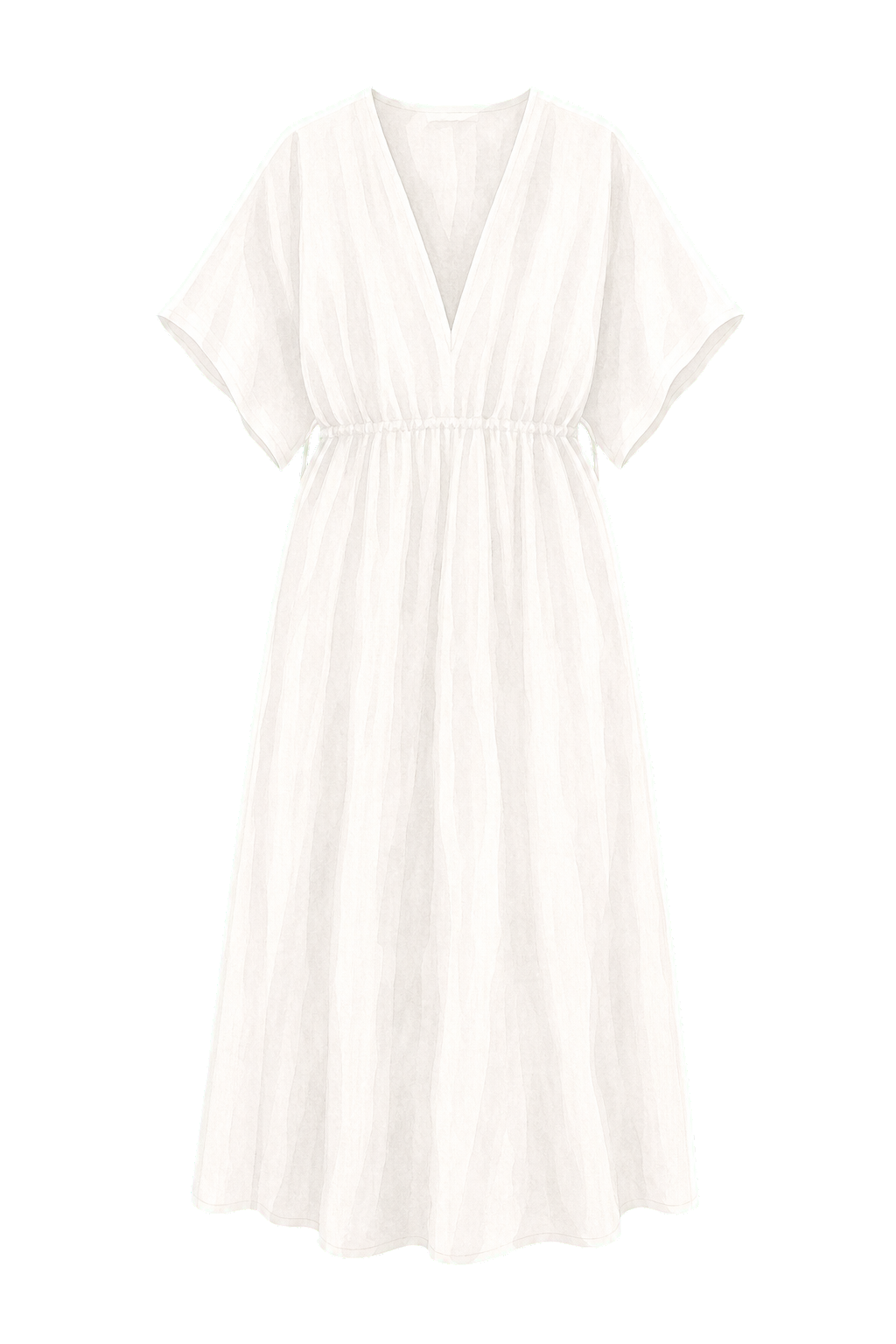 01White V-neck kaftan midi, flutter sleeves
One piece is the whole Réveillon outfit. A loose kaftan lets air move in a crowd at 22°C / 72°F, and flutter sleeves cover the shoulders without trapping heat. A midi hem stays clear of wet sand when you walk to the water at midnight.
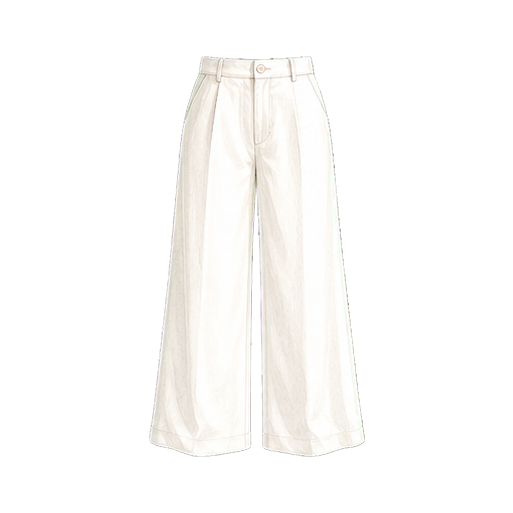 02White linen high-waist wide-leg trousers
The alternative to the kaftan, for anyone who wants to roll a hem and wade in. Linen dries quickly after the waves. A high waist and wide leg stay cool in 29°C afternoons on the way in.
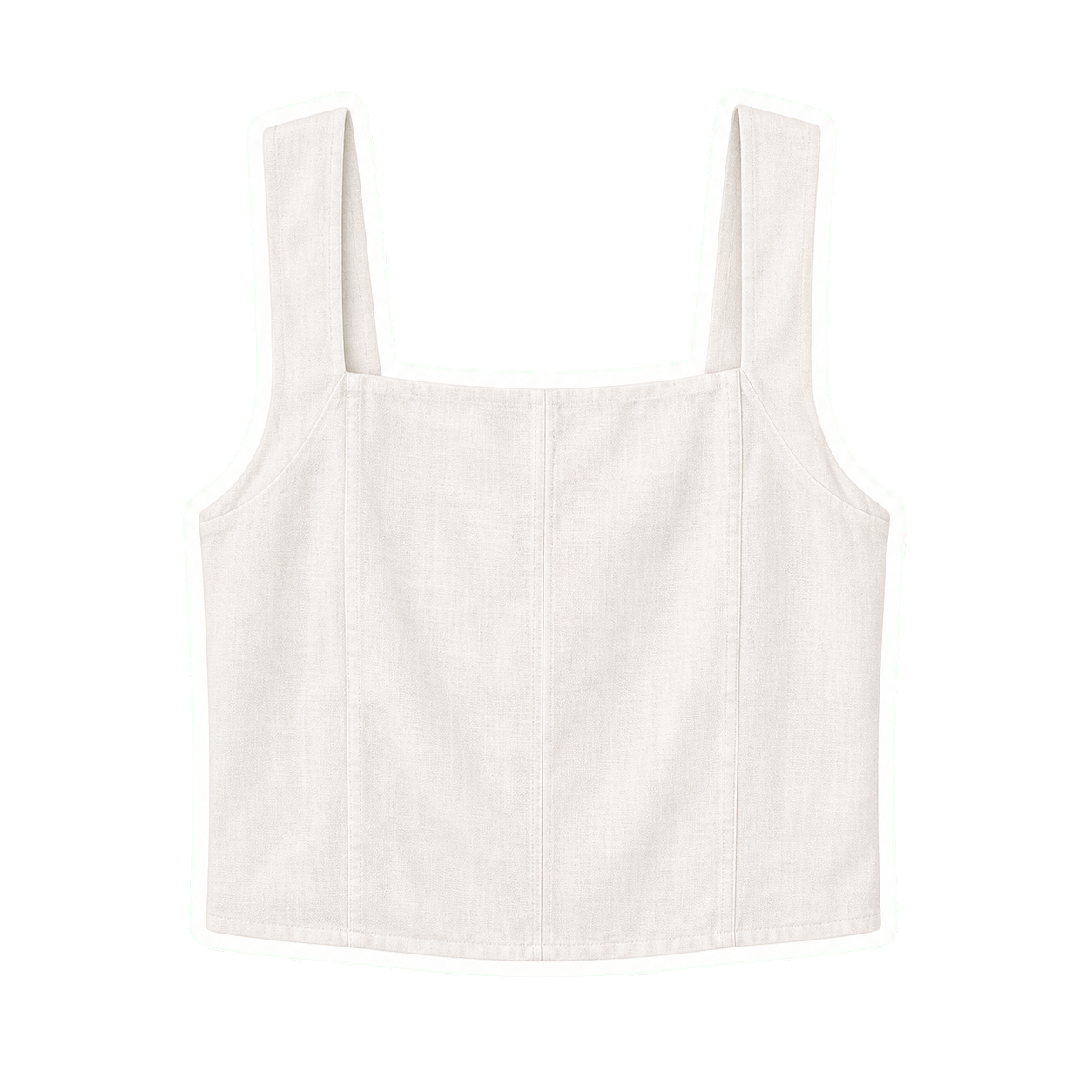 03White square-neck linen tank
Goes with the trousers for the night. Wide straps cover more than a camisole in a crowd, and plain white linen keeps you in the colour of the night without a single logo in the photos.
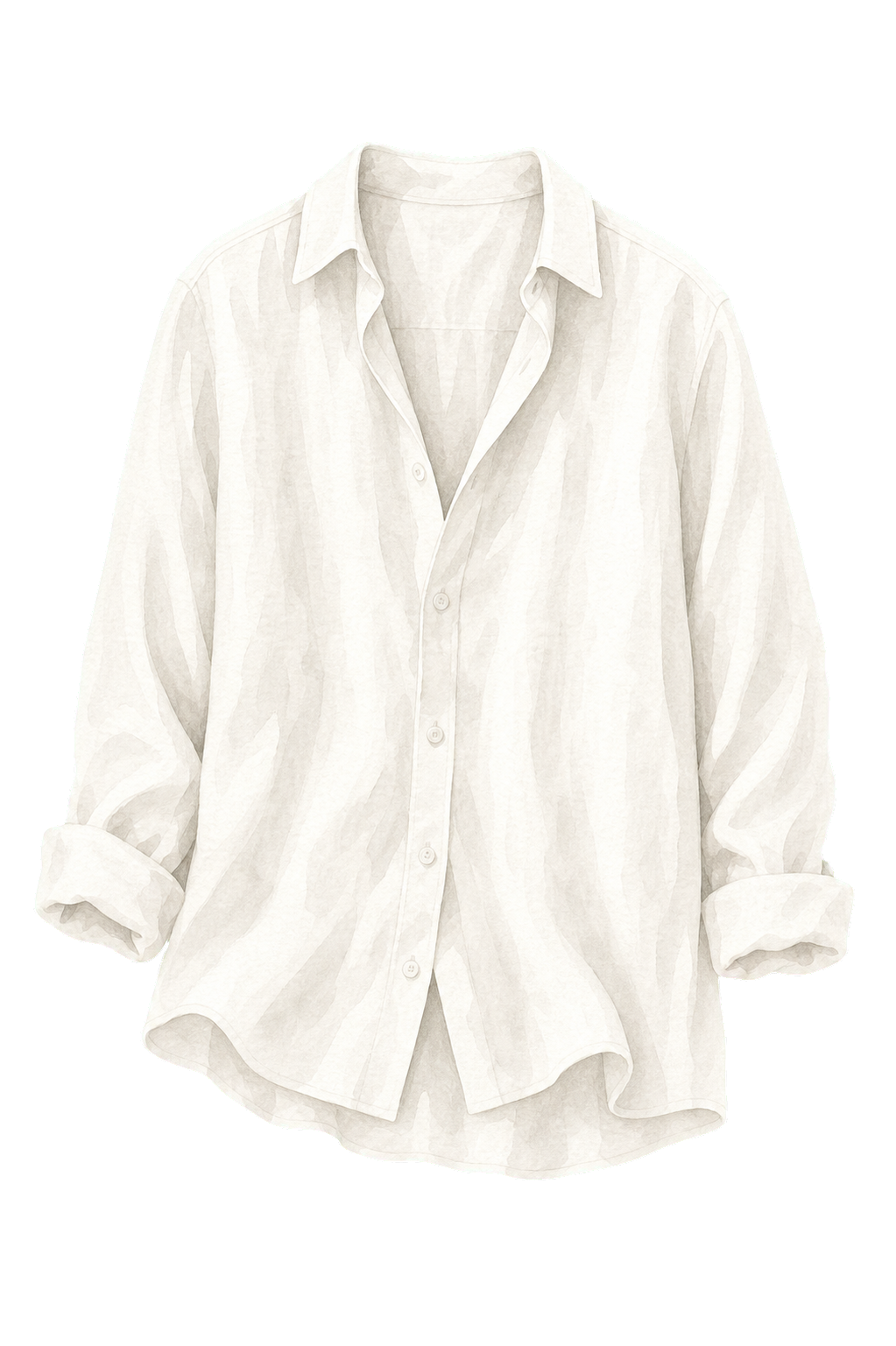 04White linen long-sleeve button-down
The menswear answer to white on the beach, and a cover-up for anyone in the afternoon sun. Rolled cuffs and an open collar keep it cool in the crowd, and it goes over the tank if the breeze picks up after midnight.
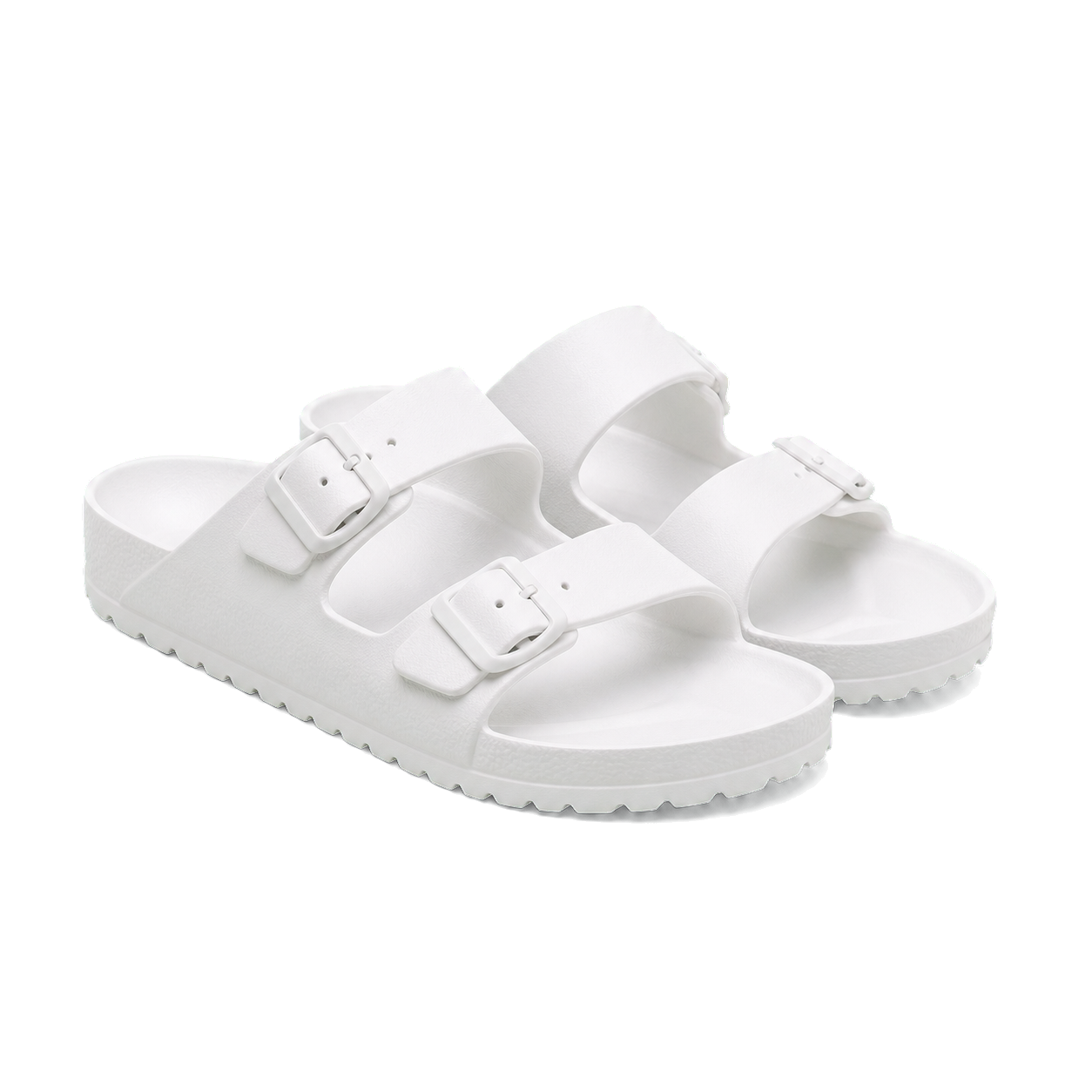 05White waterproof EVA two-buckle slides
You will walk into the sea at midnight to jump seven waves, and leather does not survive salt water. EVA does, dries in minutes and weighs nothing on the walk home. Two buckles cinch tight across the foot for sand and the long walk out.
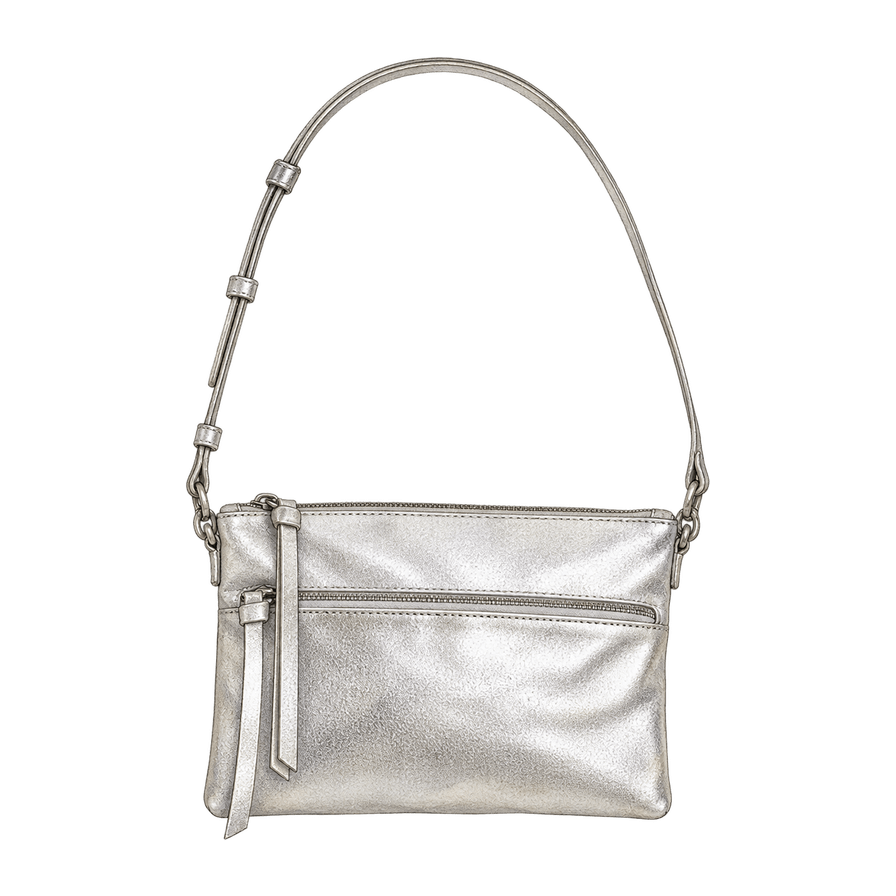 06Small white-silver metallic pouch crossbody
Bags were searched at Copacabana's entrances last year, and the metro turned away anything over 25 litres. A small zip pouch on a thin strap holds a phone, a card and a metro pass, and silver keeps it inside the white.
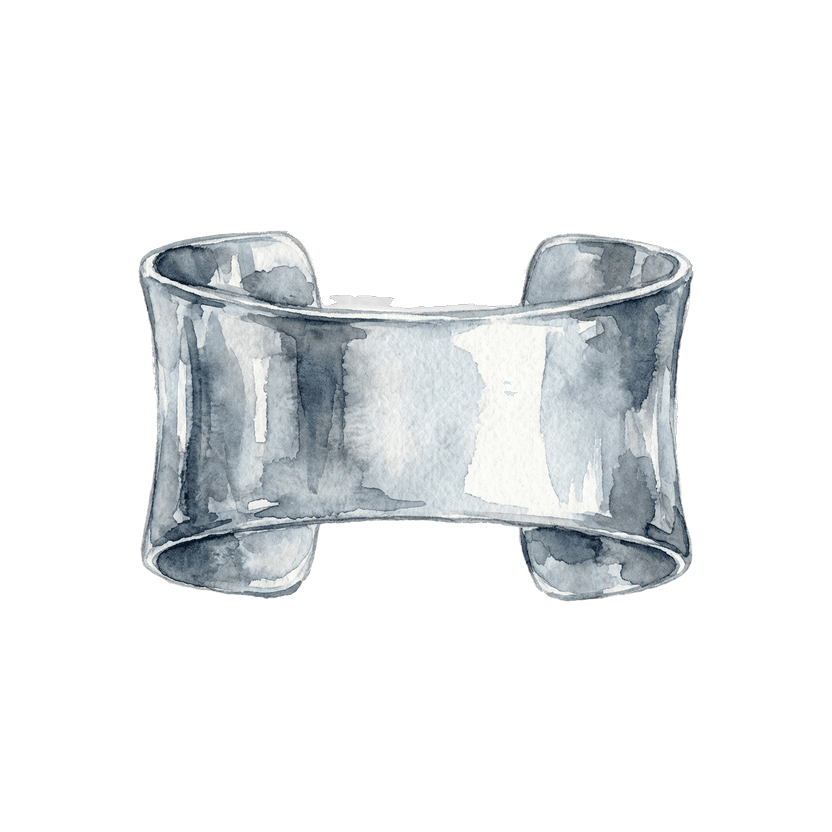 07Wide polished silver cuff
One accent in an outfit that is all white. A wide silver cuff catches the 12 minutes of fireworks and survives the waves without tarnishing overnight.
Day to night
Linen button-down over the tank · white trousers rolled · EVA slides. A beach morning before Avenida Atlântica closes to traffic, back to the hotel before the heat.
White kaftan or the white linen set · silver cuff · silver pouch crossbody · EVA slides. On foot to Copacabana before the roads close at 9pm, fireworks at midnight at 22°C / 72°F, then seven waves.
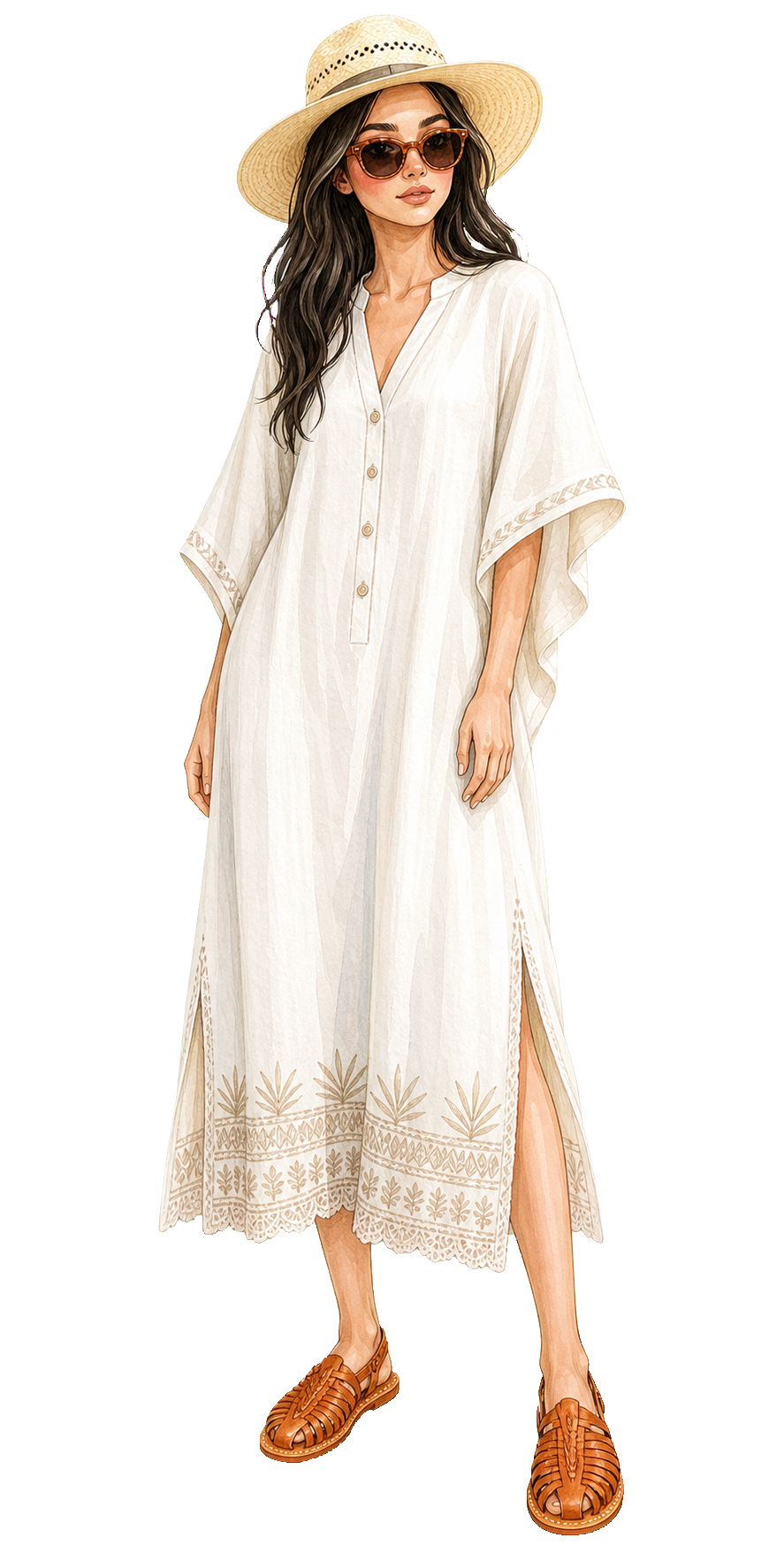
A suggested look — white linen kaftan midi dress with an embroidered hem, natural straw wide-brim hat, tortoise sunglasses, cognac woven leather huarache sandals.
What to avoid
- A large bag — over 25 litres was refused
- Glass on the sand
- Heels on a night spent walking
- Leather sandals at the waterline
- Touching the offerings to Iemanjá
Frequently asked questions
White, in linen or cotton, with flat sandals that can go into the sea. INMET's hourly records at Forte de Copacabana give December nights of 22°C / 72°F, and the crowd on Copacabana is humid and huge. Carry only a small crossbody, because bags are searched at the entrances.
The custom goes back to Umbanda gatherings on Copacabana in the 1950s. Agência Brasil reports that followers "passaram a ir à praia vestidas de branco", began going to the beach in white, to make offerings to Iemanjá, the goddess of the sea. It spread to the whole city, and now almost everyone wears white on the night, visitors included.
Glass, a large bag and anything you cannot carry all night. Last year the metro refused anything over 25 litres, as well as bottles and boards, and there were search points at the pedestrian entrances. Every road into Copacabana was closed from 9pm, so expect to walk in and out.
Hot by day and warm at night. INMET's hourly records at Forte de Copacabana, averaged over 2007–2024, give December a high of 29.1°C / 84°F and a low of 22.2°C / 72°F, with about 10 days of rain. Daylight lasts about 13 hours 31 minutes on 31 December.
Yes. Jumping seven waves at midnight and making a wish for each is part of the popular New Year custom on Copacabana, and visitors join in. Wear something that can get wet. The offerings to Iemanjá at the waterline are religious, so leave them undisturbed.
Sources
- Times Square Alliance — New Year's Eve FAQ (viewing areas, prohibited items) — accessed 2026-09-29
- NOAA NCEI — U.S. Climate Normals 1991–2020 (monthly normals by station) — accessed 2026-09-26
- London City Hall — London New Year's Eve 2026: information for businesses and residents — accessed 2026-09-29
- Visit London — London New Year's Eve fireworks 2026 (ticketed viewing areas) — accessed 2026-09-29
- City of Sydney — Sydney New Year's Eve fireworks viewing guide — accessed 2026-09-26
- City of Sydney — Sydney New Year's Eve vantage points map — accessed 2026-09-26
- Bureau of Meteorology — Climate statistics, Sydney (Observatory Hill) 066062 — accessed 2026-09-26
- INMET — Dados históricos anuais das estações automáticas (hourly records, station A652 Forte de Copacabana) — accessed 2026-09-27
- Prefeitura do Rio — Planejamento operacional do Réveillon 2026 (26 December 2025) — accessed 2026-09-27
- Riotur — Rio Réveillon 2026 programme (4 December 2025) — accessed 2026-09-27
- Agência Brasil — Virada do ano no Rio leva 2,6 milhões de pessoas a Copacabana (1 January 2026) — accessed 2026-09-27
- Agência Brasil — Réveillon no Rio começou com a Umbanda (29 December 2023) — accessed 2026-09-27
- Ville de Paris — Nouvel an sur les Champs-Élysées : le programme des festivités (2025–26 edition) — accessed 2026-09-29
- Météo-France — Fiche climatologique Paris-Montsouris (75114001), statistics 1991–2020 — accessed 2026-09-26
- Tagesspiegel (dpa) — Erneut Silvesterparty am Brandenburger Tor geplant, 16 September 2026 — accessed 2026-09-26
- NOAA National Centers for Environmental Information — Climate Data Online — accessed 2026-04-23
- 大本山 増上寺 — 年間の行事 (除夜の鐘) / 新年初詣のご案内 — accessed 2026-09-26
- Japan Meteorological Agency — 東京 平年値 1991–2020 (station 47662) — accessed 2026-09-26
- Japan Meteorological Agency — 東京 旬別平年値 1991–2020 (station 47662) — accessed 2026-09-27
- NAOJ — 日の出入り@東京, 令和8年12月 — accessed 2026-09-26
- Emaar — New Year's Eve public viewing areas, Downtown Dubai (2025–26 edition) — accessed 2026-09-27
- Emaar — New Year's Eve FAQs (road closures, Burj Park rules) — accessed 2026-09-27
- Visit Dubai (DET) — Weather in Dubai, monthly averages and FAQs — accessed 2026-09-27
- WAM — NCM December climate summary (cooling after 23 December, fog) — accessed 2026-09-27
- Clark County, Nevada — New Year's Eve on the Las Vegas Strip (road closures, prohibited items) — accessed 2026-09-29